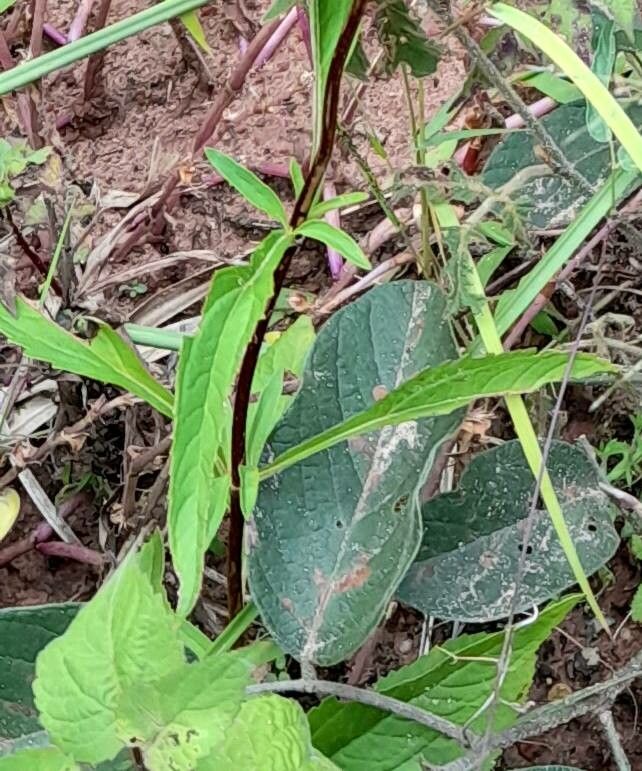
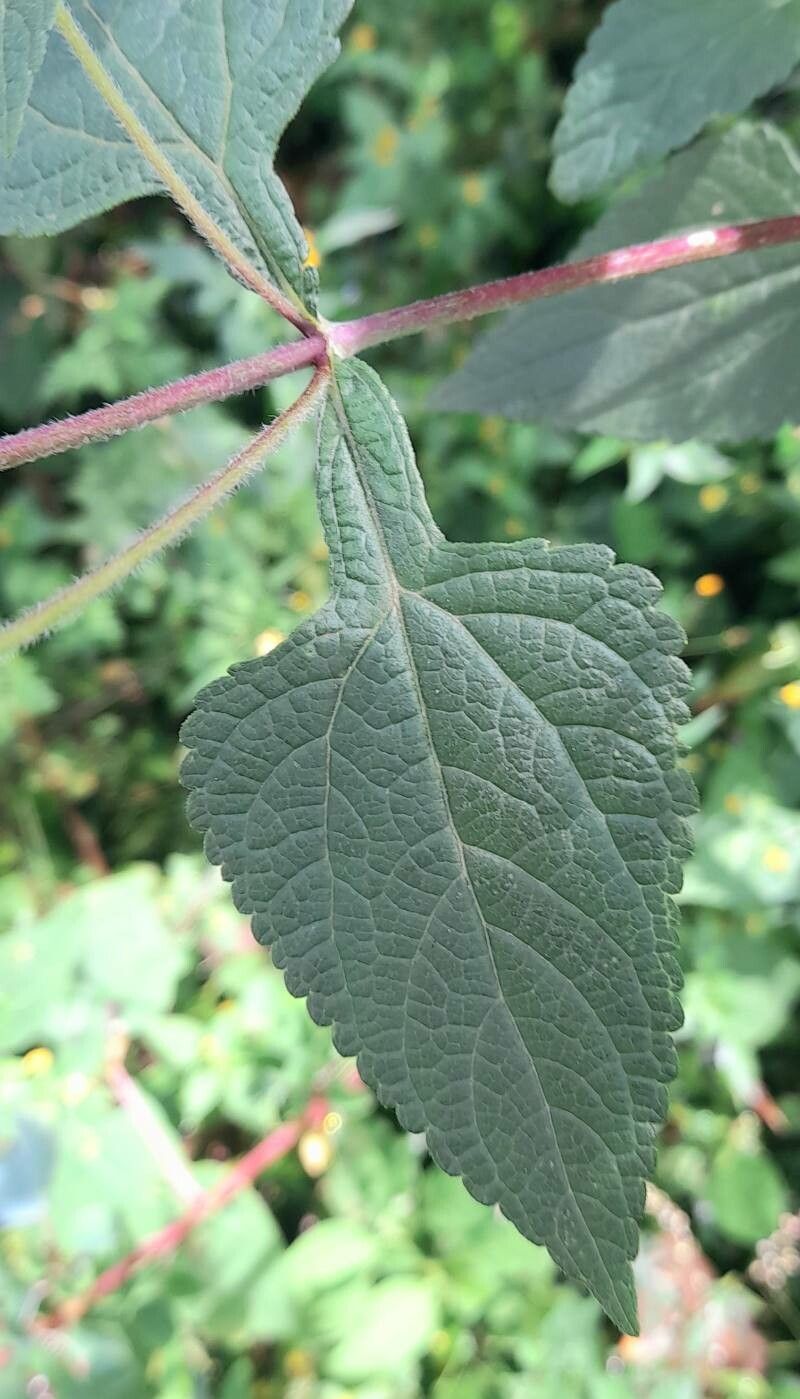
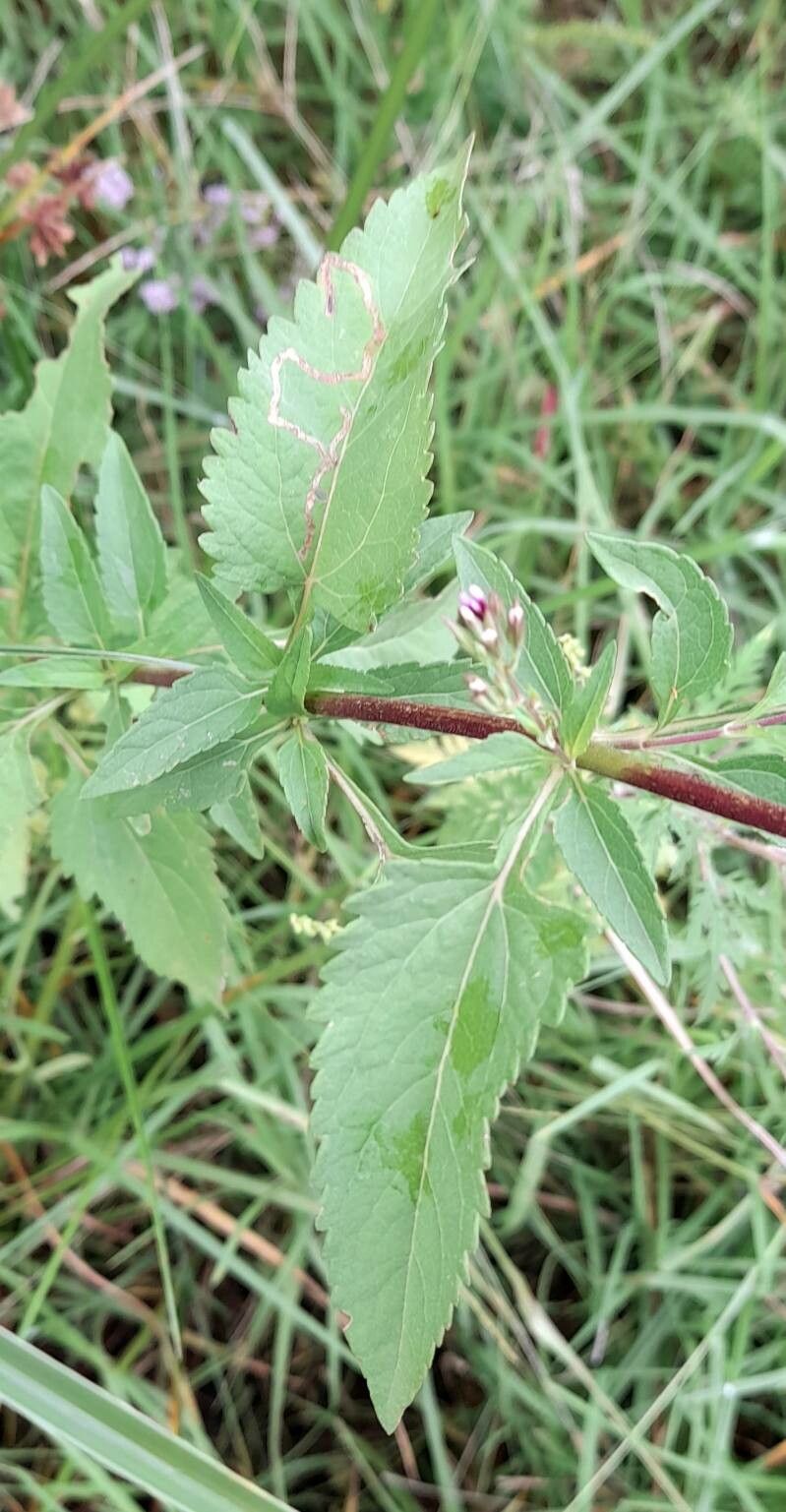
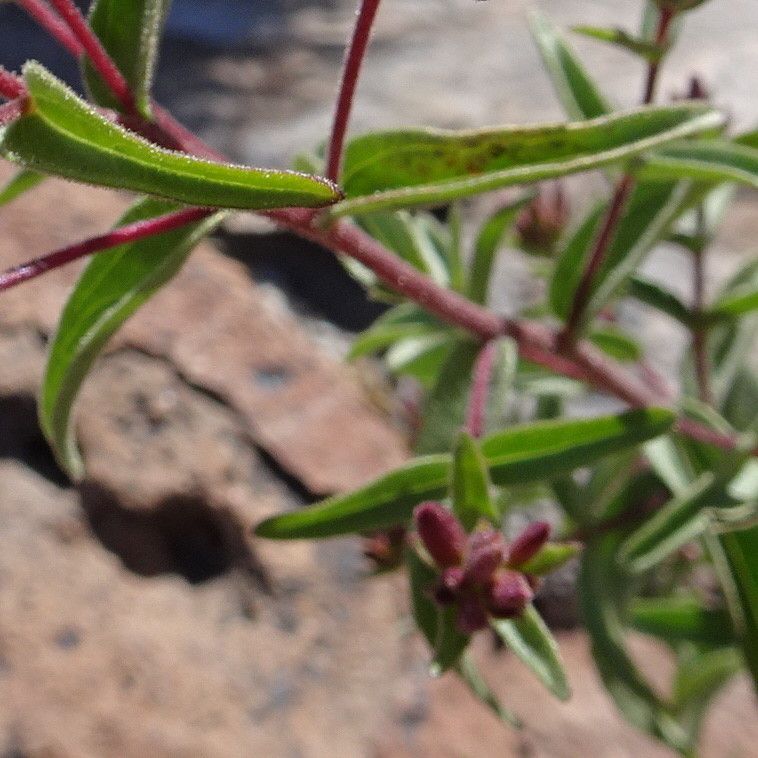
Stevia rebaudiana, commonly known as sweetleaf or sugarleaf, is a perennial herb native to South America, particularly Paraguay and Brazil. The plant is notable for its sweet-tasting leaves, which are used as a natural sweetener. It can grow up to 1 meter tall and produces small white flowers that bloom in the summer.
The sweetness of Stevia rebaudiana's leaves comes from compounds called steviol glycosides. These compounds are significantly sweeter than sugar but contain zero calories, making Stevia an ideal choice for individuals looking to reduce their sugar intake.
For centuries, indigenous people in South America have used Stevia as a medicinal herb to treat various ailments such as diabetes and high blood pressure. Recent studies have also suggested that Stevia may have anti-inflammatory properties and could help improve insulin sensitivity.
Today, Stevia rebaudiana is cultivated worldwide due to its commercial value as a natural sweetener. It is available in various forms, including powder and liquid extract, and is commonly used in food products such as beverages, baked goods, and confectionery items.
Overall, the Stevia rebaudiana plant offers numerous health benefits and provides a source of sweetness without the negative health impacts associated with traditional sugars.
Candyleaf has strong resistance to disease and is typically not vulnerable to illnesses. However, it can develop leaf spots if light and ventilation are poor and watering is excessive. The plant's care level is regarded as easy, since it only requires regular watering and not much else. Candyleaf is suitable for people who don't have some time and energy to devote to regular care.
How to keep Stevia Rebaudiana.
Light
Candyleaf grows best under lighting comparable to the luminous intensity of a full day's sun, though it can tolerate locations with slightly reduced illumination. Both overexposure and very low light can negatively affect the plant's health. Throughout its various growth stages, sufficient light is necessary for healthy development, similar to its pristine habitat.
Water
Candyleaf, native to tropical regions, thrives in environments with consistent moisture and benefits from weekly watering. Although it can tolerate brief periods of dryness, it grows best in well-drained, damp soil that mimics its natural habitat. This makes it an ideal indoor herb, known for its sweet leaves.
Humidity
This plant will thrive in moderate humidity, which is probably the level in your home. However, misting it a few times a week can be very beneficial. Make sure the room has good ventilation.
Temperature
Candyleaf is adapted to grow in its native habitat where temperatures range from 68 to 100 °F (20 to 38 ℃). It grows best within that range, and adjustments may be needed during colder months.
Fertilizer
Usually one fertilizer application in spring is enough for Candyleaf, though several feedings can boost growth. Apply fertilizer every month to a month and a half. Fertilizing improves the leaves' appearance and function, helping preserve even color and a healthy texture. It also promotes root development and nutrient uptake, supporting the plant's long-term health.
Pruning
To encourage bushy growth in candyleaf, prune the plant from early to late spring. Focus on removing dead branches above the leaf nodes to improve air circulation and stimulate new foliage. Regularly pinching the tips will also enhance the plant's density. For the best results, use clean, sharp tools.
Pot & Repot
When repotting Candyleaf, choose a pot 1-2 inches (2.5–5.1 cm) larger with ample drainage. Use a well-draining potting mix. Repot in spring or fall, ensuring that the root ball is positioned slightly lower than the rim of the flower pot. Water thoroughly after repotting and place it in a warm spot with indirect sunlight.
Toxicity
Only the stevioside, a refined version of stevia, was declared safe for use by the FDA. Words like stevia extract or Stevia rebaudiana might be found in the ingredient list of products that are regarded as safe. Don't purchase whole stevia leaves or unprocessed stevia extracts if you find them at your neighborhood natural foods store.
Further reading →
The toxicity and danger assessments provided are for reference only. We do not assure their accuracy, so it's crucial not to depend on them. Seek professional advice when necessary for accurate guidance.
Botanical profile.
- Plant Type
- Herb
- Life Cycle
- Perennial, Annual
- Genus
- Stevia
- Family
- Asteraceae
- Hardiness Zone
- 8-11
- Mature Height
- 30 cm to 61 cm
- Mature Spread
- 61 cm
- Leaf Color
- Green
- Leaf Type
- Deciduous
- Flower Color
- White
- Flower Size
- 5.08 cm to 10.16 cm
- Bloom Time
- Late spring, Early summer, Mid summer
- Planting Time
- Spring
- Harvest Time
- Mid summer, Late summer
- Native Area
- Paraguay
Other names.
Reader questions.
How should I water my Candyleaf plant?
To properly water the Candyleaf plant, it is important to use filtered water at room temperature. Tap water may contain harmful particles. The reason for using room temperature or slightly warm water is that the Candyleaf is accustomed to warm environments and cold water can be a shock to it. Avoid overhead watering as it can cause issues with the foliage. Instead, apply filtered room temperature water directly to the soil until it is fully soaked. This helps moisten the roots and facilitates the spread of nutrients throughout the soil.
Why should I put fertilizer on my Candyleaf plant?
Fertilization plays a significant role in enhancing the appearance and function of the Candyleaf's leaves. It promotes consistent color and a healthy texture, ensuring the leaves look great. Fertilization also benefits the plant below the soil's surface by stimulating the growth of new roots and maintaining the existing ones. This not only ensures the plant's current health but also enhances its future ability to absorb essential nutrients from the soil.
What are the sunlight requirements for Candyleaf?
Candyleaf, or Stevia rebaudiana, thrives best in full sun, which means it requires above 6 hours of sunlight daily for optimal growth. It can also grow in partial sun conditions, receiving about 3-6 hours of sunlight. It's crucial to watch how sunlight moves through your garden to ensure you pick a location that provides a good balance of light and shade, as this balance significantly impacts the plant's health and happiness.
What is the ideal temperature range for growing Candyleaf?
Candyleaf, also known as Stevia rebaudiana, thrives in its native environment where the temperature fluctuates between 68 to 100 °F (20 to 38 °C). It performs best within this temperature range. During colder months, adjustments may be necessary to ensure the plant maintains its optimal health.
What do I do if I give too much or too little water to my Candyleaf plant?
Overwatering and underwatering are both harmful to the health of your Candyleaf plant, but overwatering is more common. When the plant receives excessive water, its leaves and stems may wilt and turn yellow. Overwatering for a long time can also cause diseases like root rot, mold, and mildew, which can be fatal to the plant. Underwatering is less likely to happen because the Candyleaf has good drought tolerance. However, it can still occur, resulting in brittle and brown leaves. It is crucial to identify signs of overwatering early on when taking care of your Candyleaf. Some diseases, like root rot, cannot be reversed if you wait too long. If you notice early signs of overwatering, reduce your watering immediately. Check the soil quality of your Candyleaf's pot. If it drains poorly, replace it with a loose, well-draining potting mix. If you observe signs of underwatering, increase your watering frequency until the signs disappear.
When should I fertilize my Candyleaf plant?
If you grow your Candyleaf outdoors each year, it will send new growth shooting out in early spring. This is a sign that it's time to start fertilizing. Generally, a single application of fertilizer in spring is enough for the Candyleaf to thrive. However, if you want maximum growth, you can fertilize multiple times throughout spring and early summer. In this case, you can feed your Candyleaf about once every month to a month and a half.
What are the essentials for growing Candyleaf?
Candyleaf requires conditions that mimic the luminous intensity of a full day's sun to grow optimally. However, it can also withstand slightly less illumination. Overexposure to sunlight or insufficient light can adversely affect the plant's health. Throughout its different growth stages, maintaining adequate light exposure is critical for healthy development. For indoor plants, artificial lighting can be a key solution in ensuring optimal growth, especially when natural sunlight is insufficient. LED lights are recommended for indoor plants, providing specific wavelengths of light needed by the plants. Full sun plants typically need 30-50W/sq ft of artificial light, partial sun plants require 20-30W/sq ft, and full shade plants need 10-20W/sq ft. It's important to place the light source 12-36 inches above the plant to mimic natural sunlight and ensure the plant receives 8-12 hours of light per day.
How does Candyleaf react to temperatures below 0°C?
Candyleaf has some cold tolerance and generally does not require additional measures when the temperature remains above 0°C. However, if temperatures are expected to drop below freezing, temporary protective measures should be taken. This can include wrapping the plant with plastic film, fabric, or other insulating materials to protect it from the cold. These protections should be removed promptly once temperatures rise again to prevent any potential damage.
How frequently should I water my Candyleaf plant?
If your Candyleaf plant is in a pot, the most precise way to determine if it needs water is to stick your finger into the soil. If the top two to three inches of soil are dry, it's time to water. For outdoor Candyleaf plants grown in the ground, you can use the same method. Once again, if the top few inches of soil have dried out, it's time to water. Typically, during spring and early fall, you'll need to water this plant about once a week using this method. However, in extremely hot weather, you may need to water it two or more times a week. Nevertheless, mature and well-established Candyleaf plants have the impressive ability to endure drought.
When is it not a good idea to fertilize my Candyleaf?
During late fall and winter, your Candyleaf will go dormant and stop producing new growth. Therefore, it is not recommended to fertilize your Candyleaf during this period. In spring and summer, if you choose to fertilize multiple times, start decreasing the fertilization rate as summer approaches because the growth rate of your Candyleaf will also slow down. It is never a good idea to fertilize your Candyleaf when the weather is unusually hot or the soil is extremely dry. Fertilizing in those conditions can cause stress to your Candyleaf and lead to premature death.
What are the symptoms of improper lighting for Candyleaf?
Candyleaf shows several symptoms when exposed to inadequate lighting. These include smaller new leaves, leggy or sparse growth, premature leaf drop, slower or ceased growth, leaves developing irregular or pale colors due to insufficient chlorophyll, and symptoms of overexposure like chlorosis, sunscald, leaf curling, wilting, and leaf scorching. These symptoms indicate that the plant is either not receiving enough light or is being exposed to too much direct sunlight, both of which can be detrimental to its health.
What should I do if Candyleaf is exposed to low temperatures?
If Candyleaf is exposed to temperatures falling below -10°C, the leaves may start to droop, and in severe cases, wilt and fall off. It's crucial to trim off the frost-damaged parts to help the plant recover. To prevent further damage during cold spells, wrapping the plant with non-woven fabric or cloth and constructing a wind barrier can protect it from chilly winds.