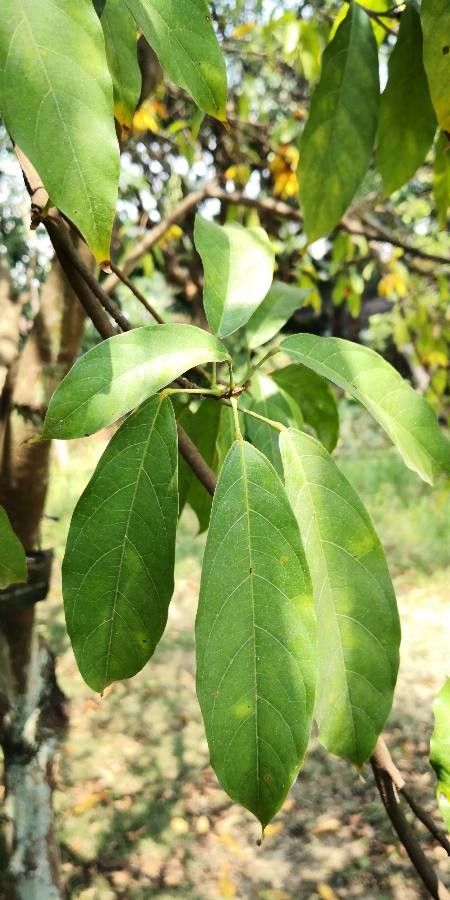
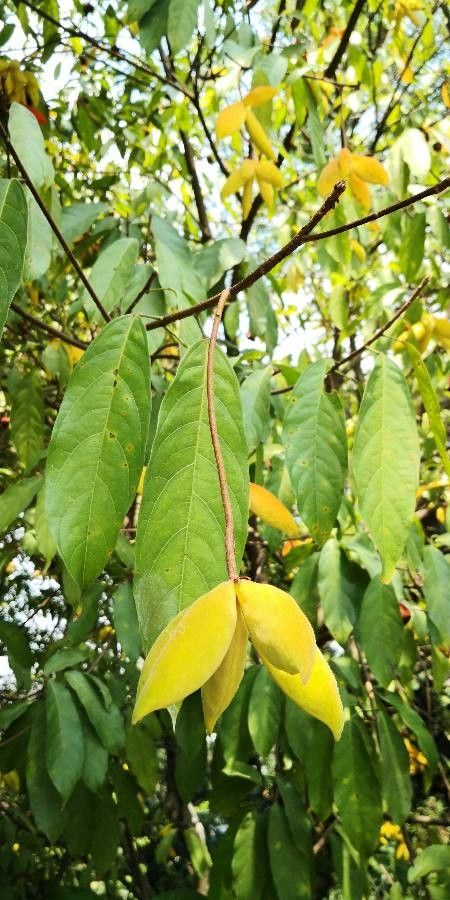
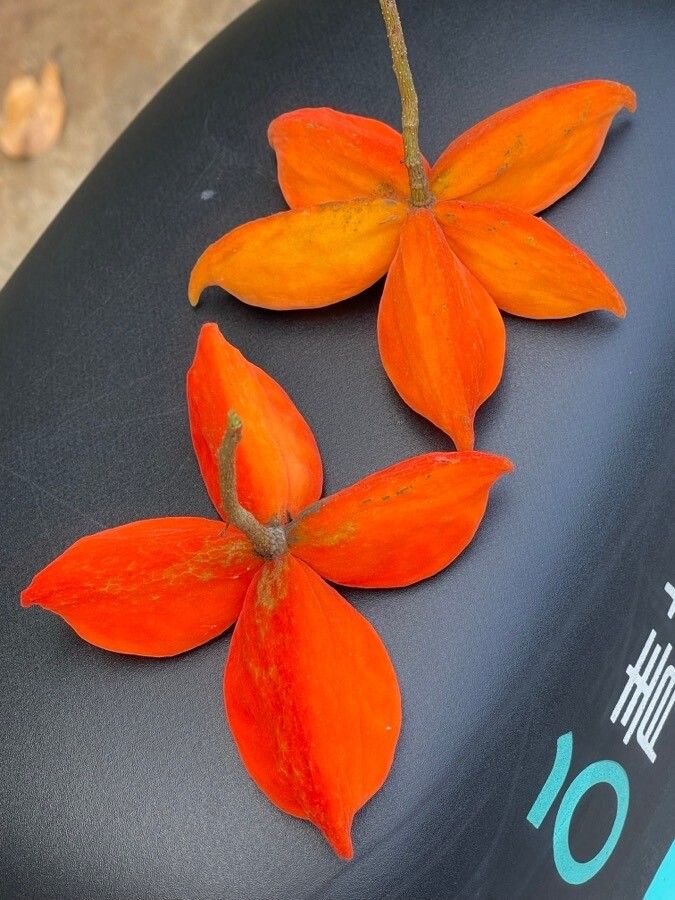
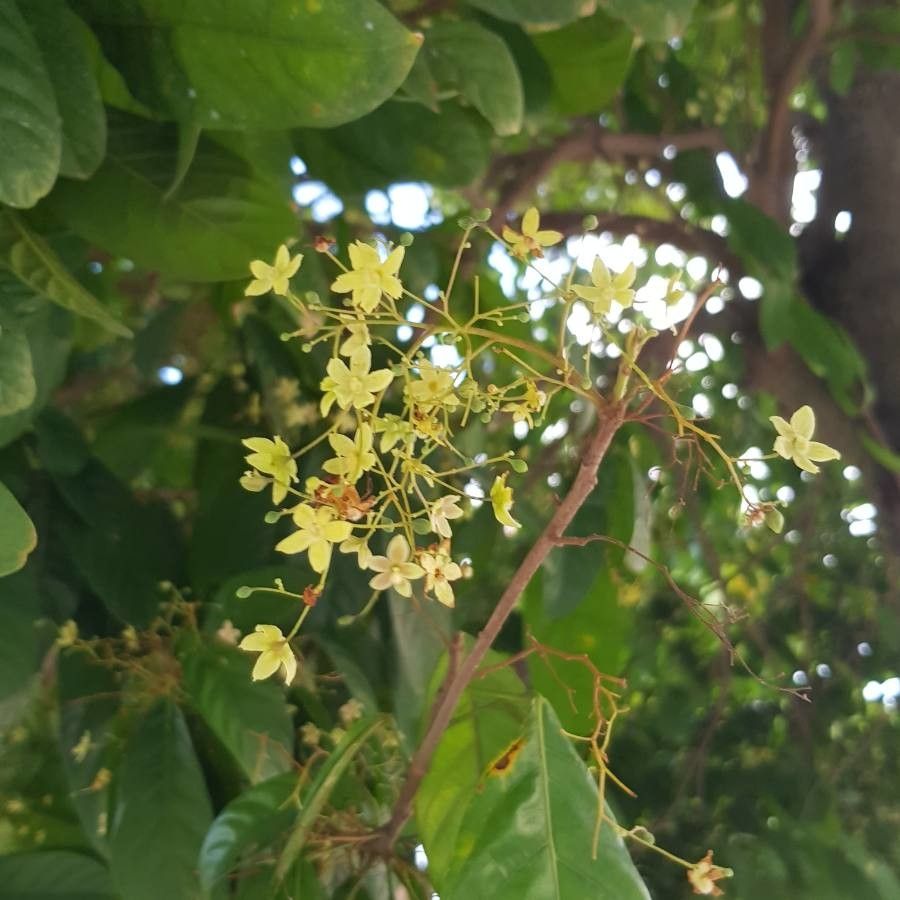
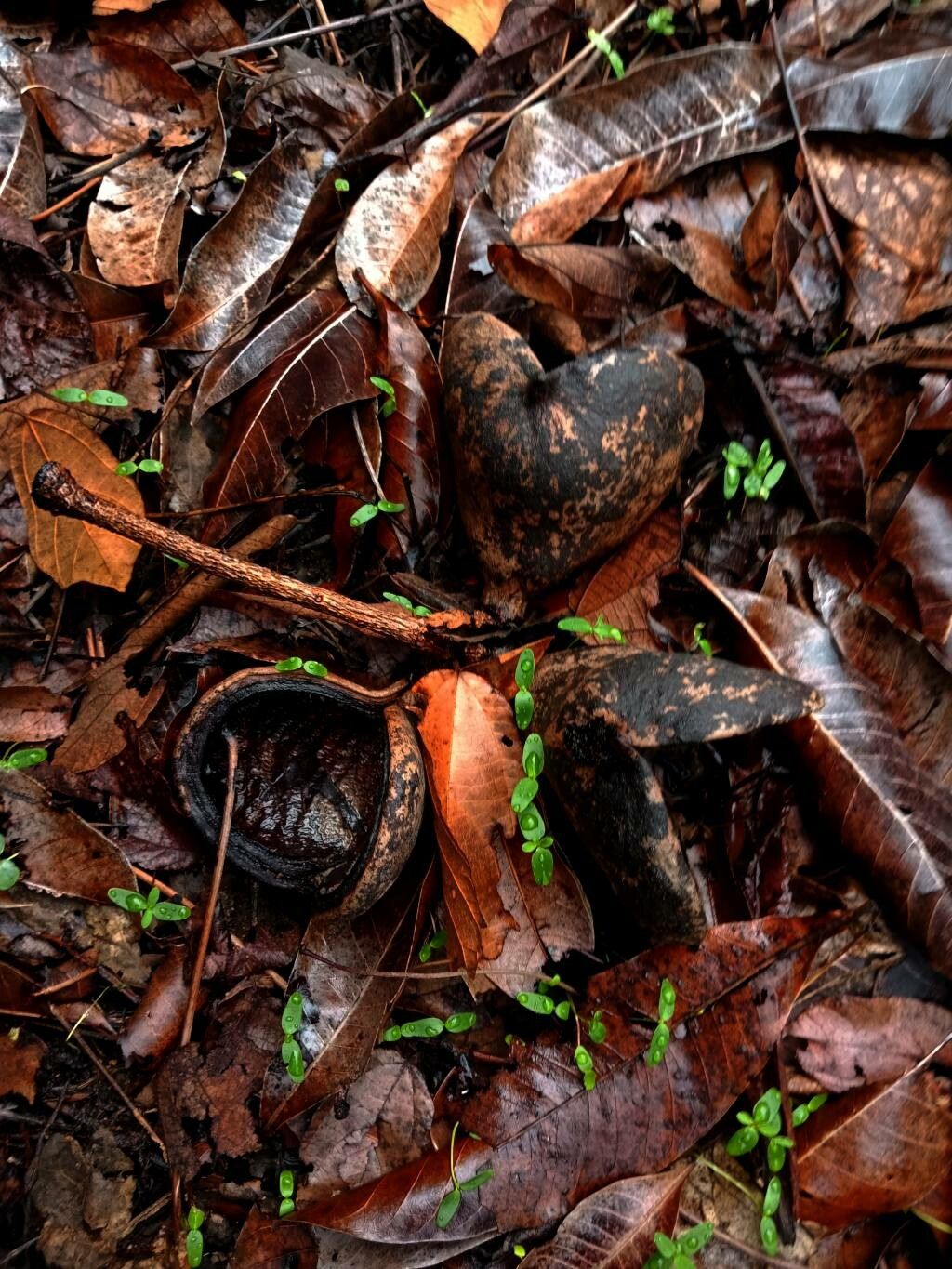
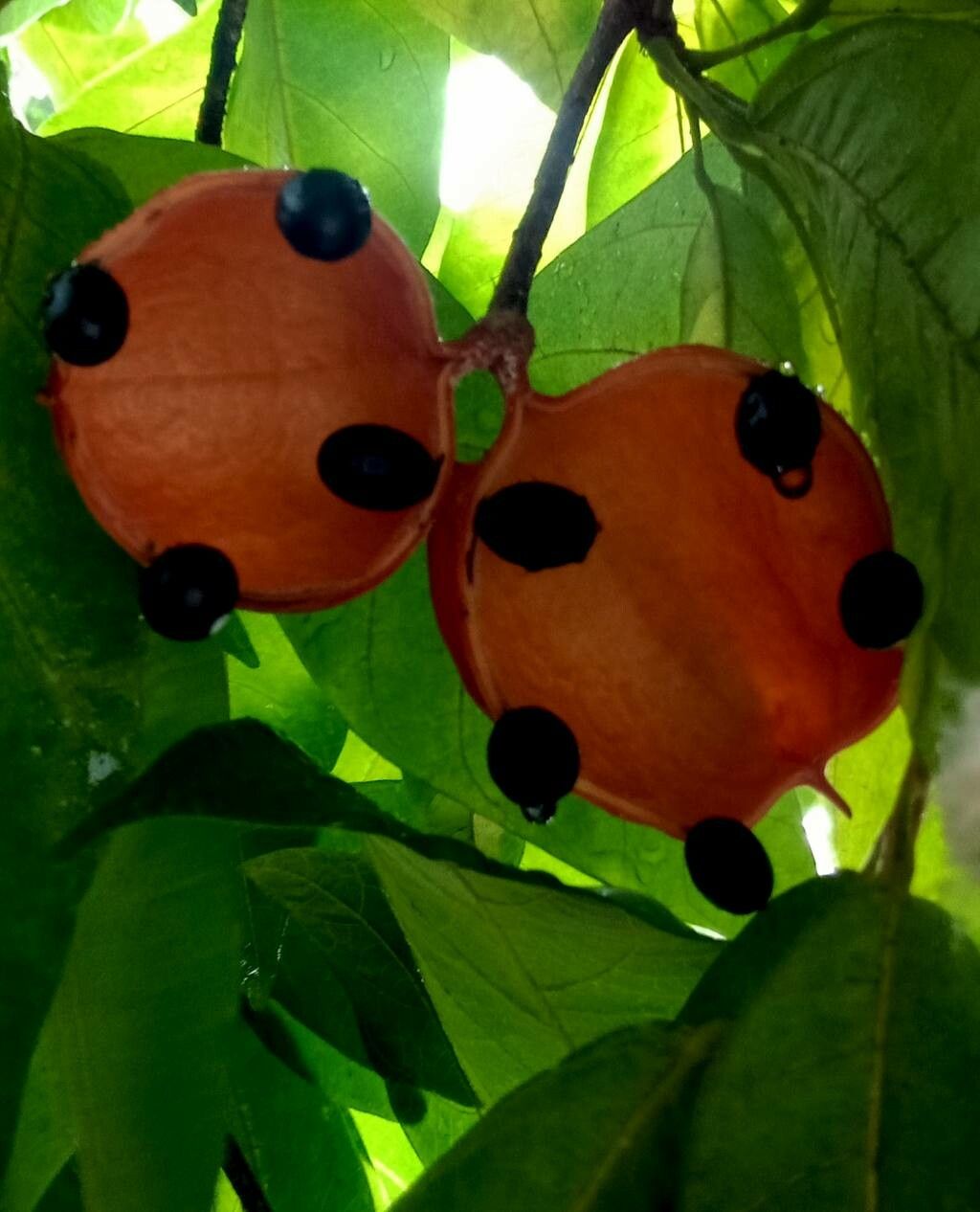
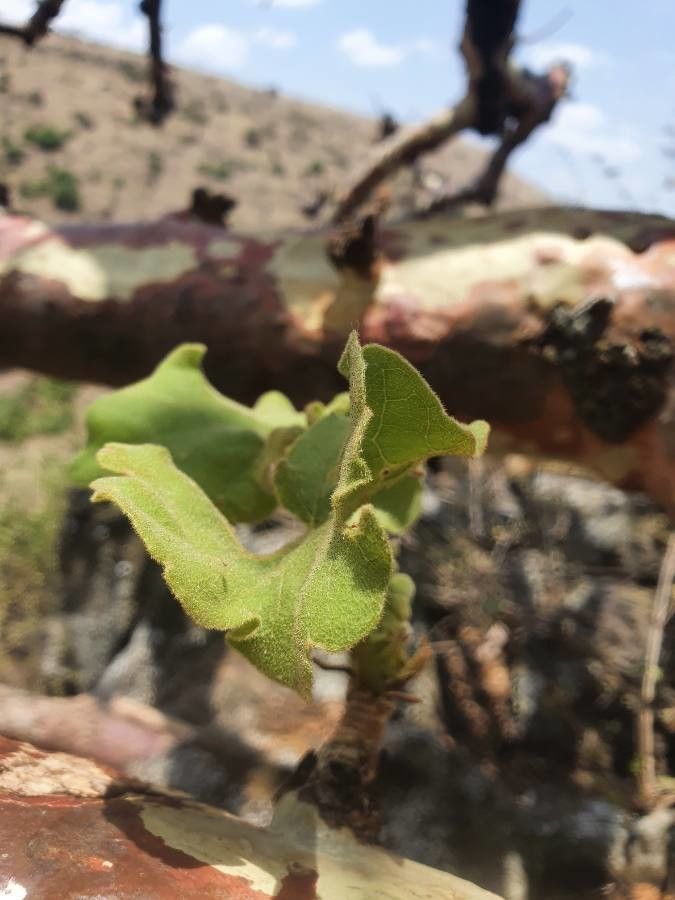
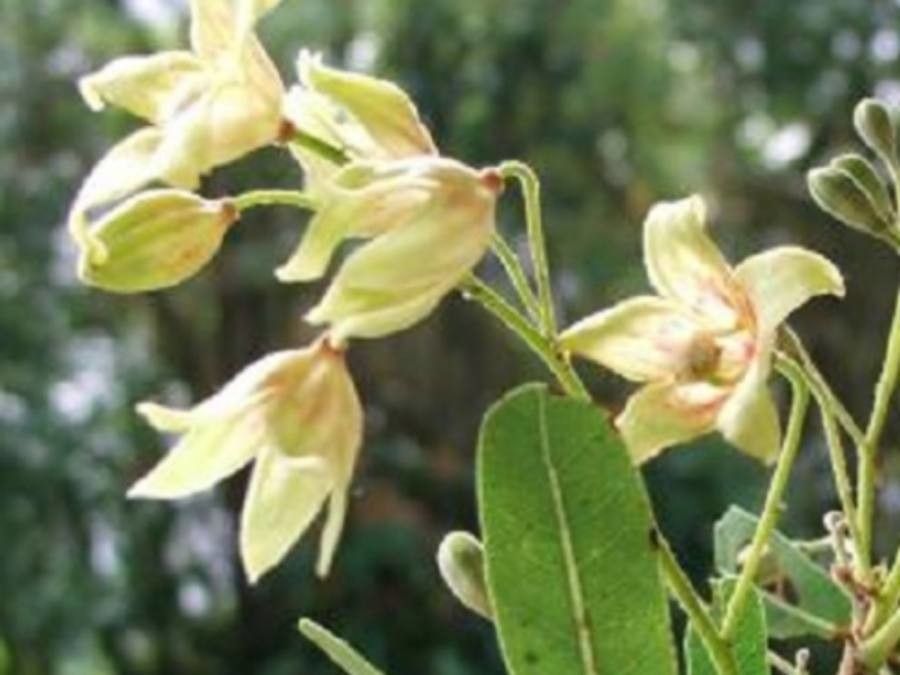
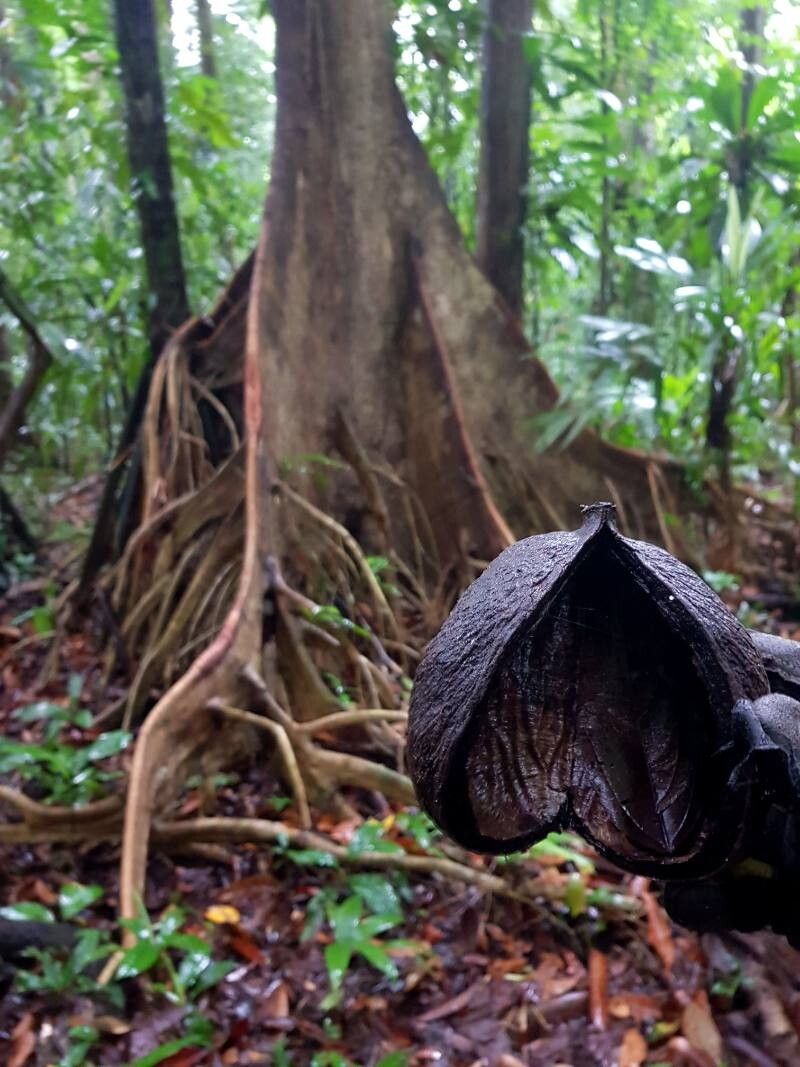
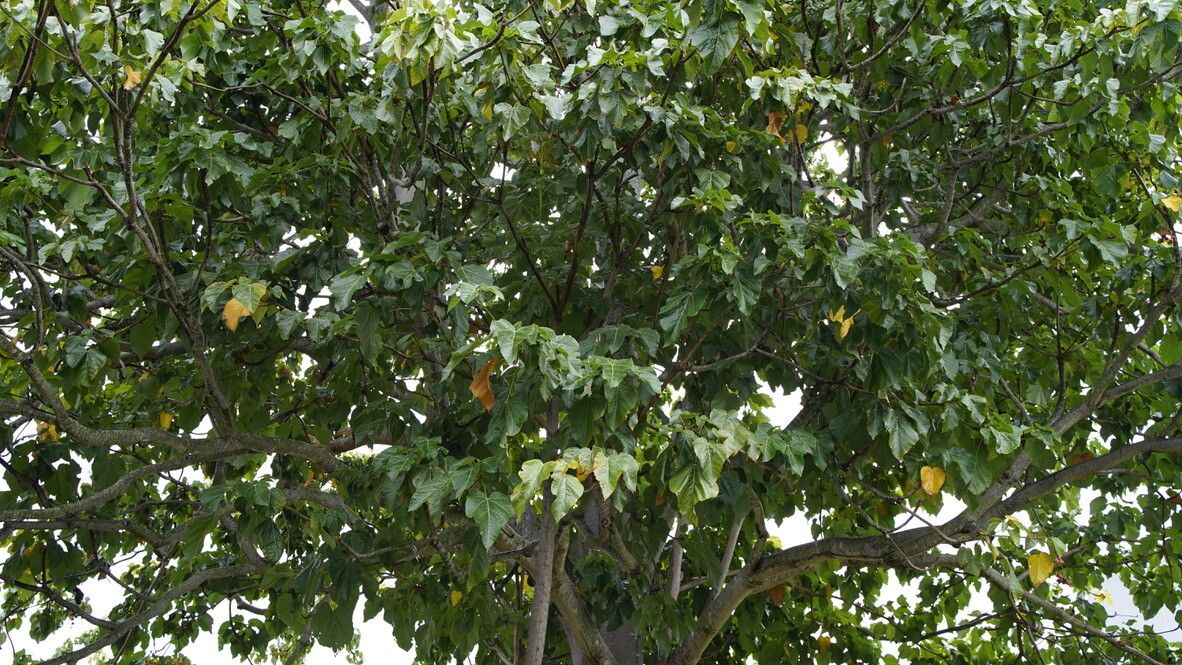
Sterculia monosperma (Chinese: 蘋婆; pinyin: píngpó; Thai: เกาลัดไทย), also known as Chinese chestnut, Thai chestnut, seven sisters' fruit, and phoenix eye fruit, is a deciduous tropical nut-bearing tree of genus Sterculia.
The Chinese chestnut is fairly disease-resistant and generally not susceptible to illnesses. Regarding care, this plant is relatively low-maintenance. When grown outdoors it needs little watering, and larger plants typically do not require pruning. Smaller plants, however, should be trimmed after they finish blooming. The Chinese chestnut is appropriate for anyone with outdoor space, such as a garden or a deck, and does not demand much care experience.
How to keep Sterculia Monosperma.
Light
The Chinese chestnut is native to open habitats, such as sunny meadows and forest edges, which offer plenty of light. It prefers full sun but will also tolerate partial sun, making it adaptable to a range of light conditions.
Water
The Chinese chestnut requires a balanced watering schedule, needing enough moisture without becoming overly humid. Typically, watering every two weeks is sufficient. As a deciduous plant, it sheds its leaves during dry periods to conserve water. This adaptation helps it thrive in its native region, which experiences moderate rainfall and occasional droughts.
Temperature
Chinese chestnut comes from tropical areas, where the weather is generally warm and humid. As a result, it is adapted to high temperatures and moisture. It does not tolerate sudden temperature changes and prefers a stable thermal environment, so avoiding indoor temperature fluctuations is important. It usually cannot withstand cold and requires warmer conditions to grow. If the surrounding temperature falls too low, the plant may stop growing or even die.
Fertilizer
Fertilize a Chinese chestnut in early spring as it comes out of dormancy. This encourages overall growth and the development of flowers. Fertilization improves the foliage, stems, and branches, and encourages flowers that are larger, more vibrant, and longer-lasting. It helps transport nutrients from the roots to the flowers and enhances the plant's health and resistance to disease.
Pruning
The Chinese chestnut is known for its distinctive star-shaped seed pods and attractive foliage. To promote healthy growth, prune the tree in early spring to remove dead or damaged branches and improve air circulation. Make sure to sterilize your tools to prevent infections, which will enhance flowering and overall health, while helping maintain the tree's shape and vigor.
Botanical profile.
- Plant Type
- Tree
- Life Cycle
- Perennial
- Genus
- Sterculia
- Family
- Malvaceae
- Hardiness Zone
- 10-12
- Mature Height
- 10.06 m
- Mature Spread
- 7.92 m to 11.89 m
- Leaf Color
- Dark Green, Forest Green
- Leaf Type
- Deciduous
- Flower Color
- White, Pink
- Flower Size
- 1.02 cm
- Bloom Time
- Late spring, Early summer
- Planting Time
- Summer, Autumn
- Harvest Time
- Late summer, Early fall
- Native Area
- India, Indonesia, Vietnam, Laos, Thailand, China
Other names.
Reader questions.
What are the sunlight requirements for Chinese chestnut?
Chinese chestnut thrives in environments that mimic its natural habitat, which includes sunny meadows and forest edges. It does best in full sun, requiring more than 6 hours of sunlight daily, but can also adapt to partial sun conditions, getting about 3 to 6 hours of sunlight. It's important to watch how sunlight moves through your garden to find spots with the perfect balance of light and shade.
How can artificial lighting be used for indoor Chinese chestnut plants?
Indoor Chinese chestnut plants require adequate lighting, especially when natural sunlight is insufficient. Artificial lights, such as LED lights, can be customized to provide plants with necessary wavelengths for optimal growth. Full sun plants need 30-50W per square foot of artificial light, partial sun plants need 20-30W, and fully shaded plants require 10-20W. The light source should be placed 12-36 inches above the plant and kept on for 8-12 hours per day to mimic natural sunlight.
What are the symptoms of inadequate light for Chinese chestnuts?
When Chinese chestnuts do not receive enough light, they may show several symptoms including small or lighter-colored new leaves, leggy or sparse growth, faster leaf drop, and slower or no new growth. Symptoms like chlorosis and sunscald indicate too much direct sunlight, leading to leaf damage. Leaf curling, wilting, and leaf scorching are also signs of stress due to improper lighting conditions.
How can I address lighting issues for indoor and outdoor Chinese chestnut plants?
For indoor plants, gradually increase exposure to sunlight or use artificial lighting, ensuring at least 6 hours of light daily. Keeping plants near a south-facing window or using grow lights for 8 hours a day can help. Outdoors, avoid sudden light intensity changes to prevent sunburn. If sunlight is blocked, prune obstructive branches or transplant smaller plants to sunnier locations during their dormant period for better growth and health. Remember, parts of the plant already affected may not recover, but new growth will be healthy with improved light exposure.