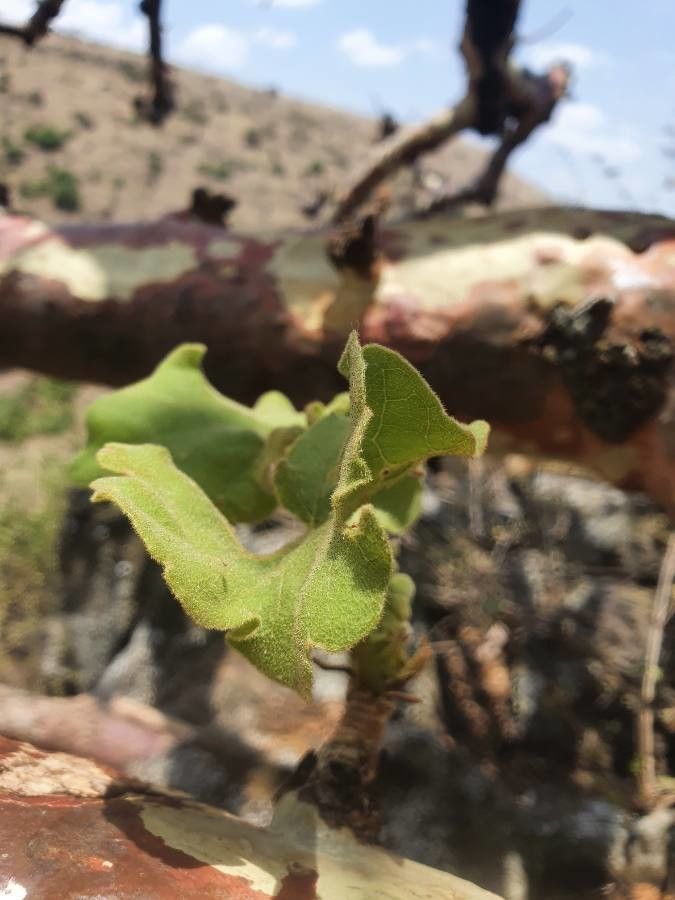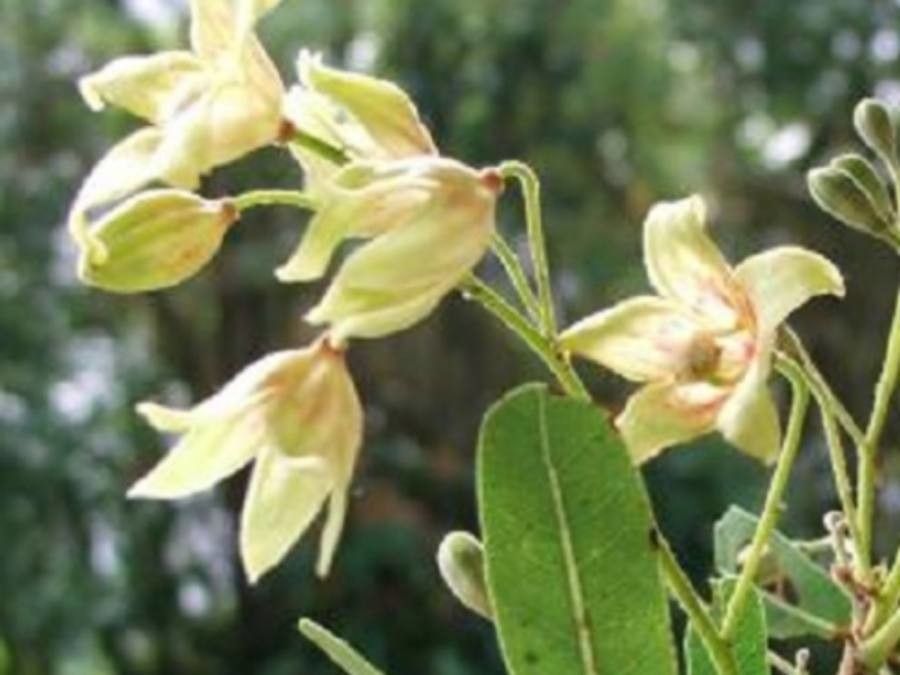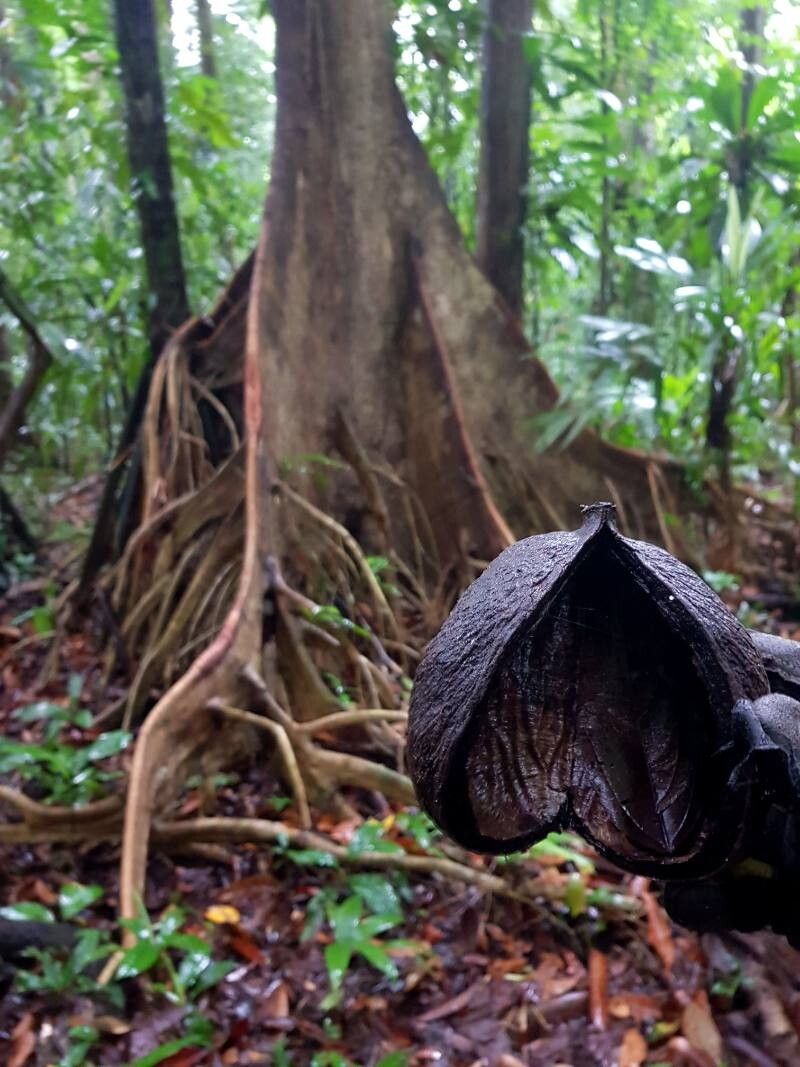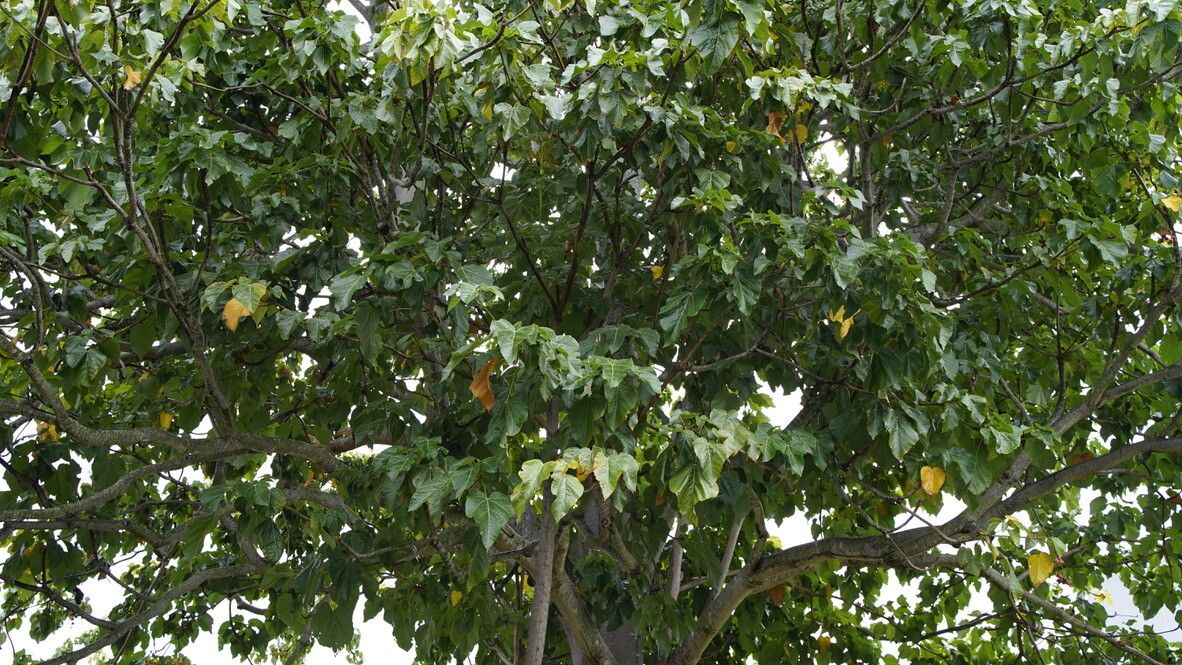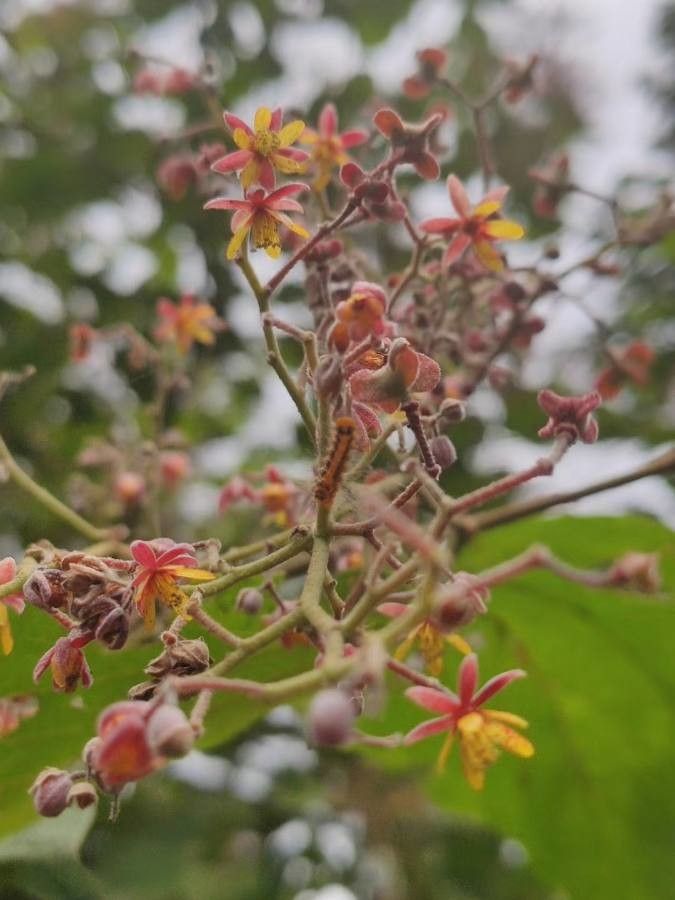
Sterculia lanceolata is a tree species, belonging to the genus Sterculia and the family Malvaceae (previously the Sterculiaceae, now relegated to a subfamily). The species can be found in southern China (including Hainan island) and Vietnam (where it is variously known as: trôm mề gà, sang sé, sảng, trôm lá mác, trôm thon, che van, chóc móc or tròm thon).
Lance-leaved sterculia is disease-resistant and is typically not prone to illnesses. This plant is fairly low-maintenance. When grown outdoors it needs only minimal watering, and larger specimens usually do not require pruning. Smaller plants, however, should be pruned after they have finished blooming. Lance-leaved sterculia is suitable for anyone with outdoor space, such as a garden or deck, and does not require much care experience.
How to keep Sterculia Lanceolata.
Light
Lance-leaved sterculia is native to open habitats, like sunny meadows and forest margins, which provide plenty of light. It does best in Full Sun but can also tolerate Partial Sun, adapting well to a range of sunlight conditions.
Water
Lance-leaved sterculia, native to dry regions, is well-adapted to withstand drought conditions and thrives with infrequent watering, typically every 2 to 3 weeks. Although it is primarily grown outdoors, its growth cycle is heavily influenced by water availability. For optimal health, careful irrigation management is crucial during its active growing season.
Temperature
Lance-leaved sterculia comes from tropical areas, where the weather is usually warm and humid. Consequently it is adapted to high heat and humidity. It does not tolerate abrupt temperature changes and prefers a steady temperature, so indoor temperature swings should be avoided. It generally cannot endure cold and needs warmer conditions to grow. If the surrounding temperature falls too low, the plant may stop growing or even die.
Fertilizer
The best time to fertilize a Lance-leaved sterculia is in early spring, as it breaks dormancy. This encourages overall growth and supports flower development. Fertilization improves the foliage, stems, and branches and promotes flowers that are large, vibrant, and long-lasting. It assists in moving nutrients from the roots to the flowers and enhances the plant’s health and resistance to disease.
Pruning
The lance-leaved sterculia features large, glossy leaves and distinctive seed pods. To keep the plant healthy and well-shaped, it is best to prune it from early to late winter. This helps remove dead branches and improves air circulation. Always use clean tools for pruning, and avoid heavy pruning when the plant is not dormant. With regular maintenance, the lance-leaved sterculia remains both healthy and attractive.
Botanical profile.
- Plant Type
- Tree
- Life Cycle
- Perennial
- Genus
- Sterculia
- Family
- Malvaceae
- Hardiness Zone
- 10-12
- Mature Height
- 7.62 m to 13.72 m
- Mature Spread
- 4.88 m to 7.92 m
- Leaf Color
- Dark Green, Forest Green
- Leaf Type
- Evergreen
- Flower Color
- Green, Orange, Pink
- Flower Size
- 2.54 cm
- Bloom Time
- Late spring, Early summer, Mid summer
- Planting Time
- Spring, Summer, Autumn
- Harvest Time
- Late summer, Early fall, Mid fall
- Native Area
- India, Malaysia, Indonesia, Vietnam, Myanmar, Bhutan, Laos, Brunei, Thailand, China
Reader questions.
What are the sunlight requirements for Lance-leaved sterculia?
Lance-leaved sterculia thrives best in locations that offer full sun, meaning they require more than 6 hours of sunlight daily. However, they can also adapt to partial sun conditions, which entails about 3-6 hours of sunlight. It's essential to observe how sunlight moves through your garden to ensure you place your plants in spots that offer the right balance of light and shade, optimizing their growth and health.
How can artificial lighting support plant growth indoors?
Indoor plants, including those that prefer full or partial sun, may require artificial lighting to ensure optimal growth, especially in conditions where natural sunlight is insufficient. LED lights are a popular and effective choice as they can be customized to emit specific wavelengths of light needed by plants. Full sun plants generally need 30-50W/sq ft of artificial light, partial sun plants require 20-30W/sq ft, and full shade plants benefit from 10-20W/sq ft. To mimic natural conditions, the artificial light source should be placed 12-36 inches above the plant, and the plants should be exposed to this light for 8-12 hours per day.
What are symptoms of insufficient light in Lance-leaved sterculia?
Lance-leaved sterculia may exhibit various symptoms if they do not receive adequate sunlight, including smaller new leaves, leggy or sparse growth, faster leaf drop, slower or no new growth, and lighter-colored new leaves. These symptoms indicate that the plant's ability to photosynthesize is impacted, leading to decreased health and vitality. Additionally, excessive sunlight can lead to chlorosis, sunscald, leaf curling, wilting, and leaf scorching, which are detrimental to the plant's overall well-being.
How can I improve my plant's sunlight exposure?
To enhance your Lance-leaved sterculia's sunlight exposure, start by gradually moving your plant to sunnier locations, allowing it to receive at least 6 hours of direct sunlight daily. For indoor plants, positioning them near a south-facing window and using artificial lighting, such as a desk or plant grow lights, for at least 8 hours a day can significantly improve conditions. Outdoors, gradually relocating your plant each week to sunnier spots can help, but avoid sudden changes in light intensity. Additionally, minimizing obstructions by pruning trees or even transplanting smaller plants to sunnier locations with good drainage during their dormant period can also be beneficial.