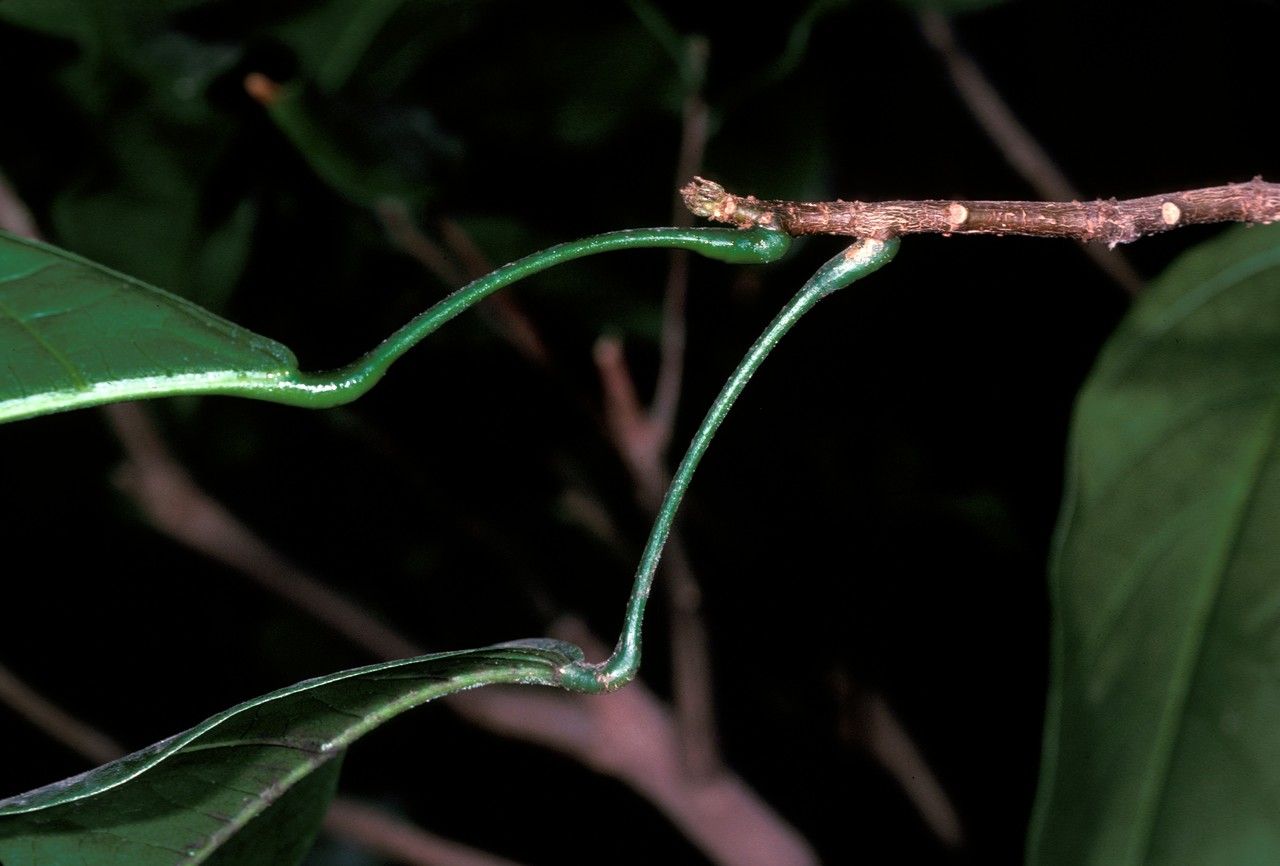
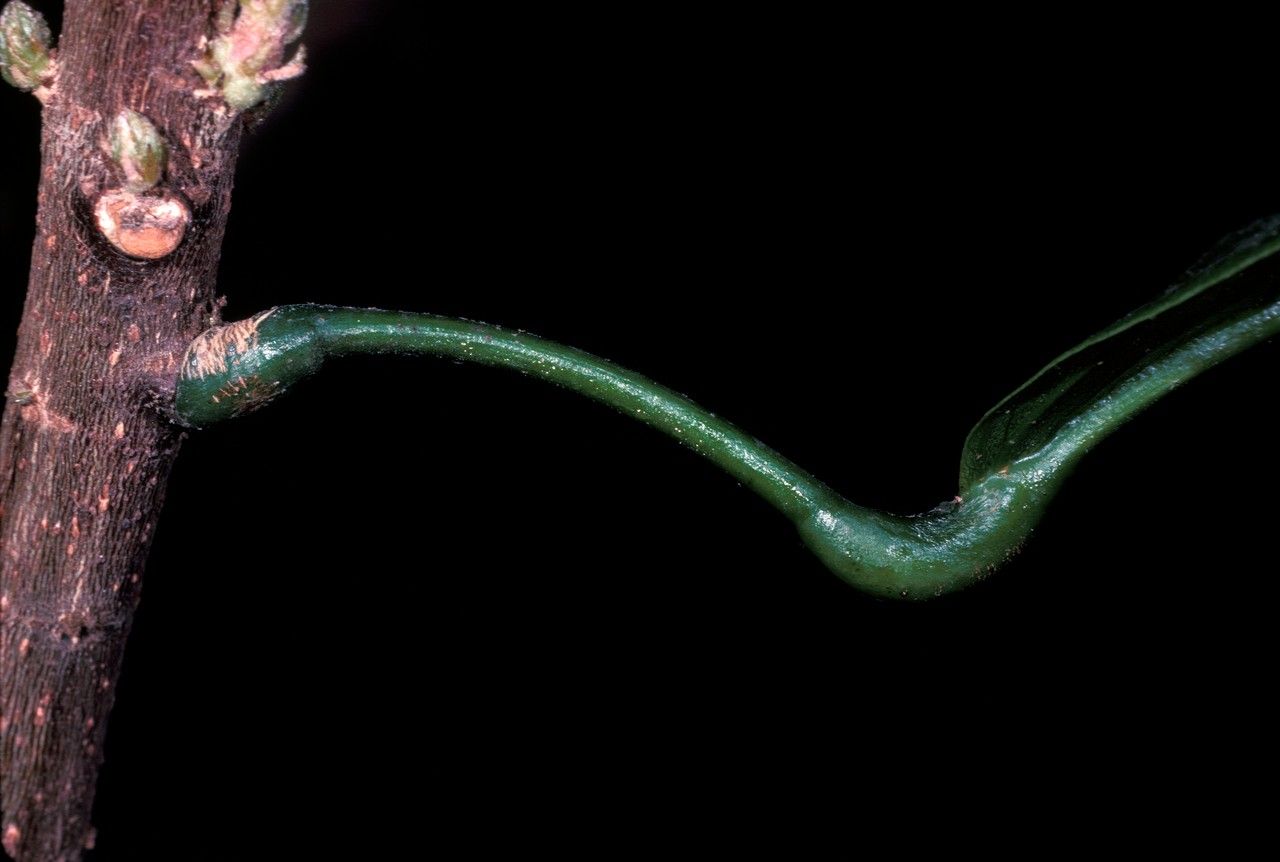
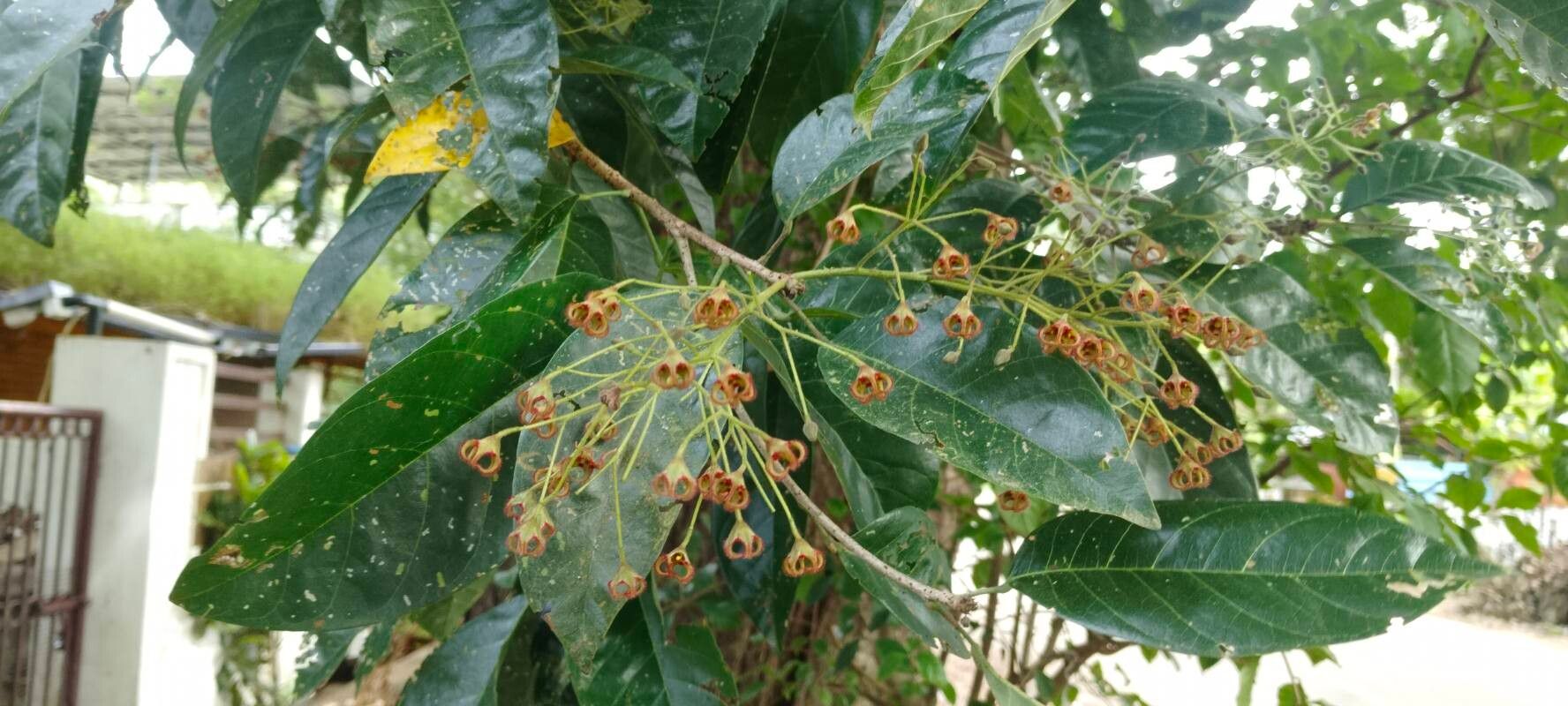
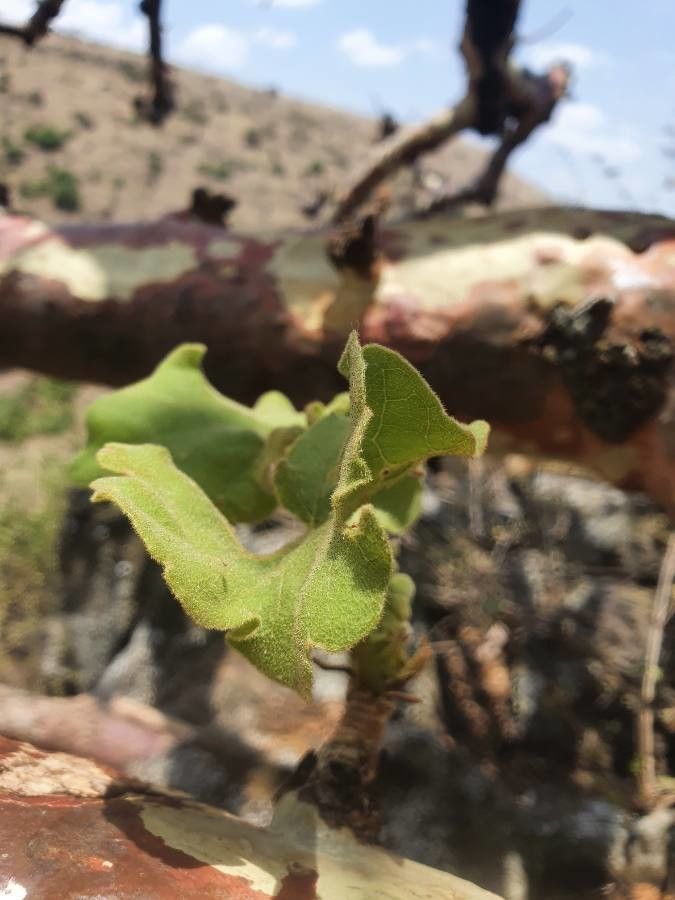
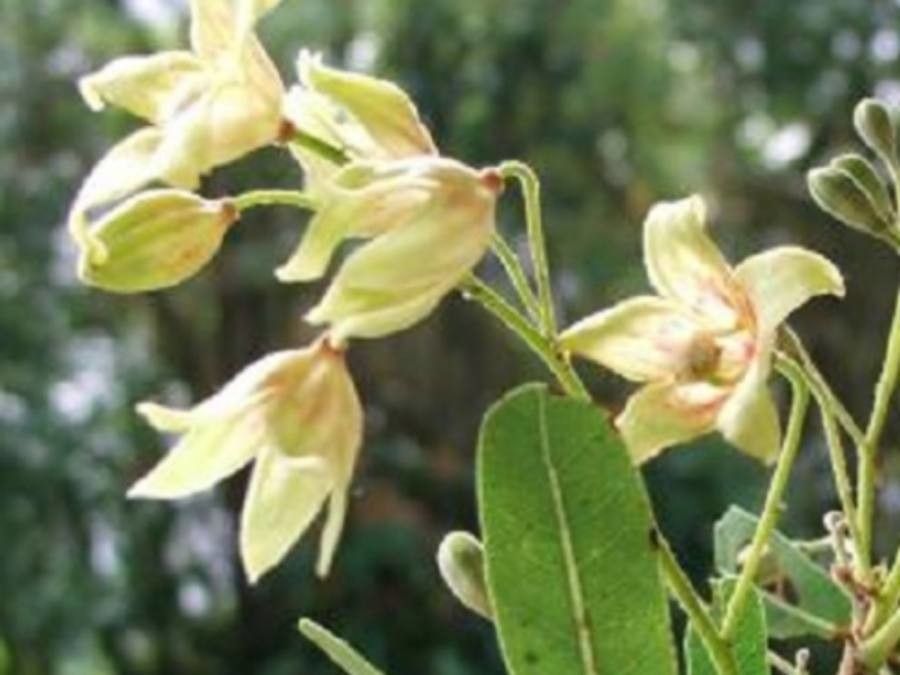
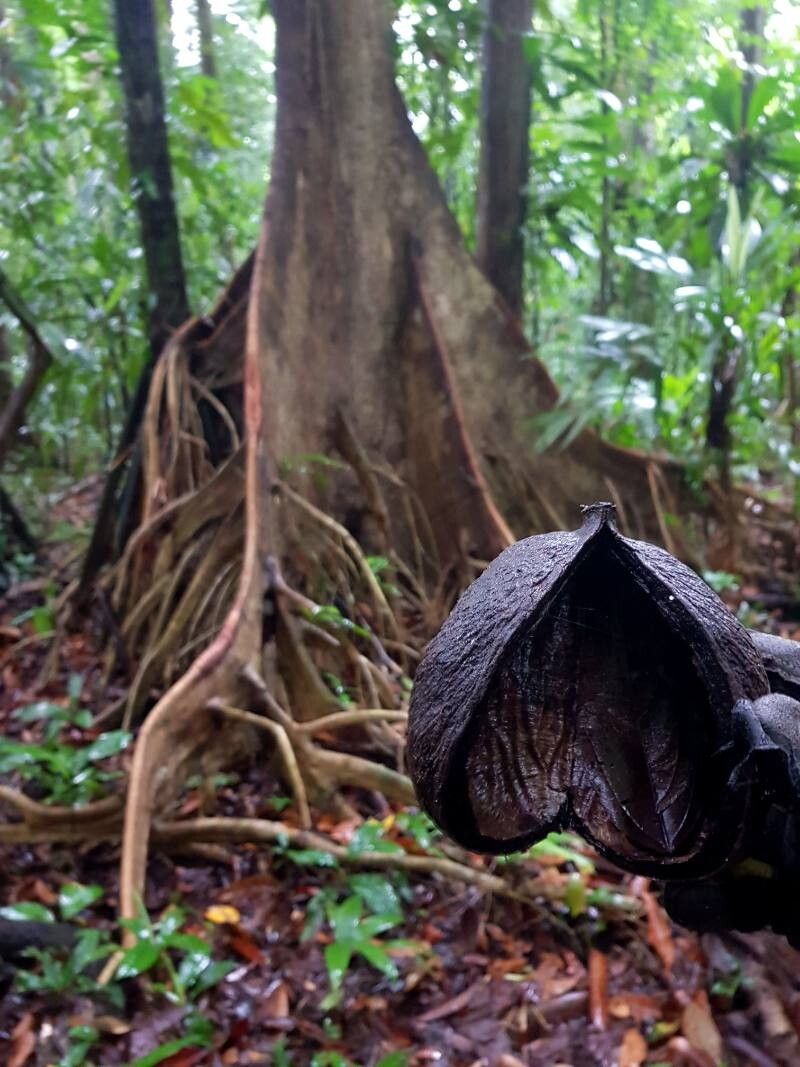
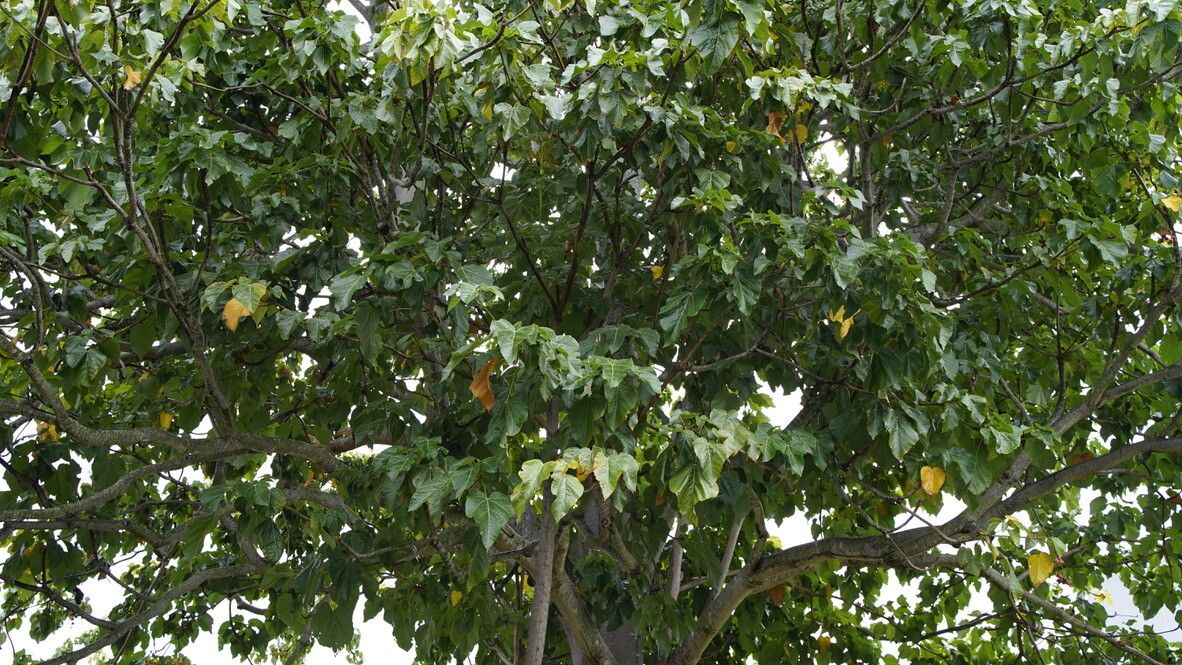
Sterculia balanghas is a species of plant in the family Malvaceae. It is native to India and Sri Lanka. Leaves are simple, alternate; swollen at base and tipped; lamina elliptic, obovate, oblong, elliptic-ovate or oblong-ovate; base subcordate or round; apex acuminate; with entire margin. Flowers may be unisexual or polygamous are yellow or greenish-purple in color. Inflorescence show terminal or axillary panicles. Orange to red colored fruit is oblong and seeds are black in color.The plant is known as "nawa - නාවා" by Sinhalese people in Sri Lanka. It is widely used as an ornamental tree and as a fence tree in Sri Lanka.
The Chinese chestnut is fairly disease-resistant and generally not susceptible to illnesses. Regarding care, this plant is relatively low-maintenance. When grown outdoors it needs little watering, and larger plants typically do not require pruning. Smaller plants, however, should be trimmed after they finish blooming. The Chinese chestnut is appropriate for anyone with outdoor space, such as a garden or a deck, and does not demand much care experience.
How to keep Sterculia Balanghas.
Light
The Chinese chestnut is native to open habitats, such as sunny meadows and forest edges, which offer plenty of light. It prefers full sun but will also tolerate partial sun, making it adaptable to a range of light conditions.
Temperature
Chinese chestnut comes from tropical areas, where the weather is generally warm and humid. As a result, it is adapted to high temperatures and moisture. It does not tolerate sudden temperature changes and prefers a stable thermal environment, so avoiding indoor temperature fluctuations is important. It usually cannot withstand cold and requires warmer conditions to grow. If the surrounding temperature falls too low, the plant may stop growing or even die.
Fertilizer
Fertilize a Chinese chestnut in early spring as it comes out of dormancy. This encourages overall growth and the development of flowers. Fertilization improves the foliage, stems, and branches, and encourages flowers that are larger, more vibrant, and longer-lasting. It helps transport nutrients from the roots to the flowers and enhances the plant's health and resistance to disease.
Botanical profile.
- Plant Type
- Tree
- Life Cycle
- Perennial
- Genus
- Sterculia
- Family
- Malvaceae
- Hardiness Zone
- 10-12
- Mature Height
- 10.06 m
- Mature Spread
- 7.92 m to 11.89 m
- Leaf Color
- Dark Green, Forest Green
- Leaf Type
- Deciduous
- Flower Color
- White, Pink
- Flower Size
- 1.02 cm
- Bloom Time
- Late spring, Early summer
- Planting Time
- Summer, Autumn
- Harvest Time
- Late summer, Early fall
- Native Area
- India, Indonesia, Vietnam, Laos, Thailand, China