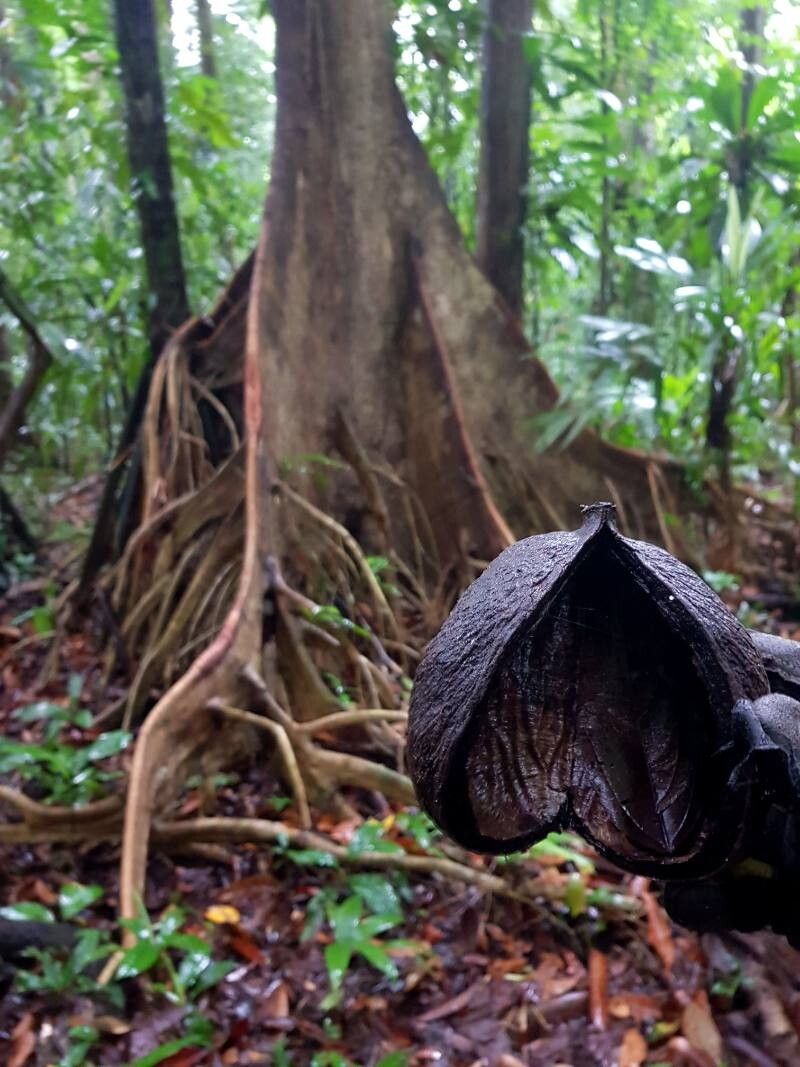
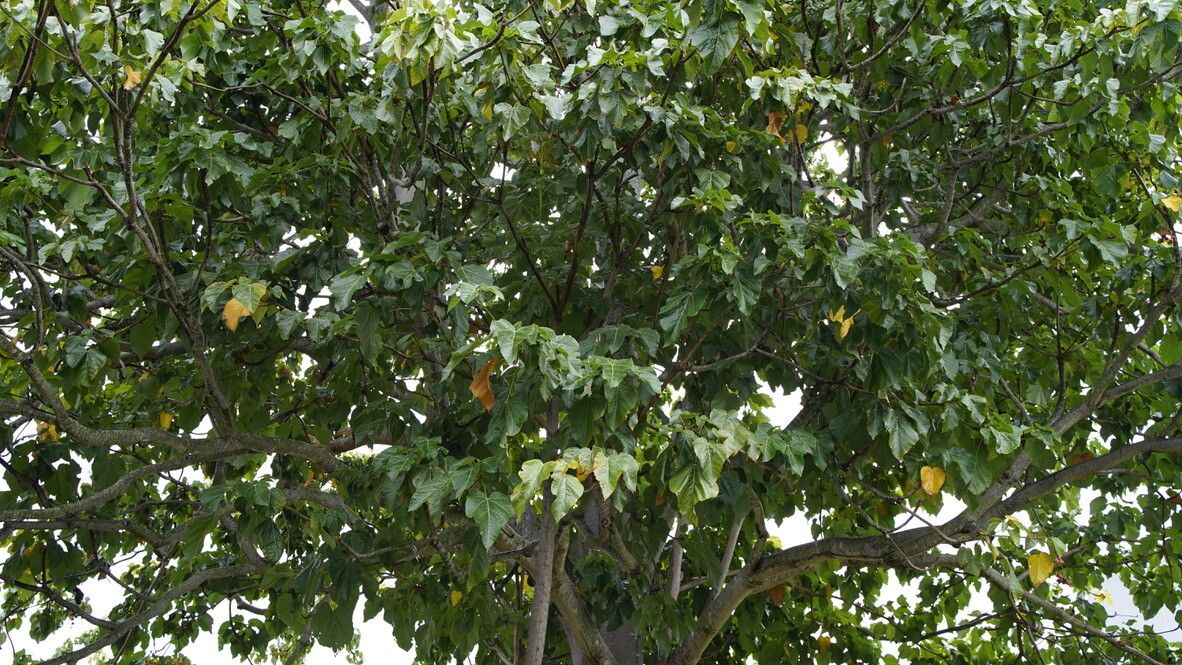
Sterculia apetala, commonly known as the Panama tree or wild almond, is a species of flowering plant in the family Malvaceae. It is native to Central and South America and can be found in countries such as Panama, Colombia, Ecuador, and Peru. This tree can grow up to 30 meters tall, with a trunk diameter of up to 1 meter. Its bark is smooth and grayish-brown in color.
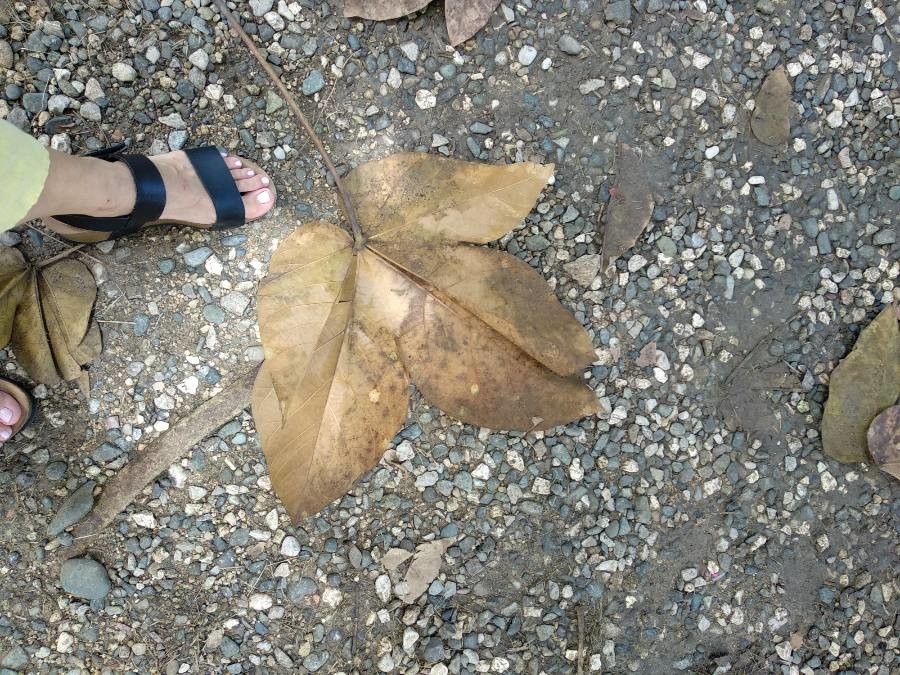
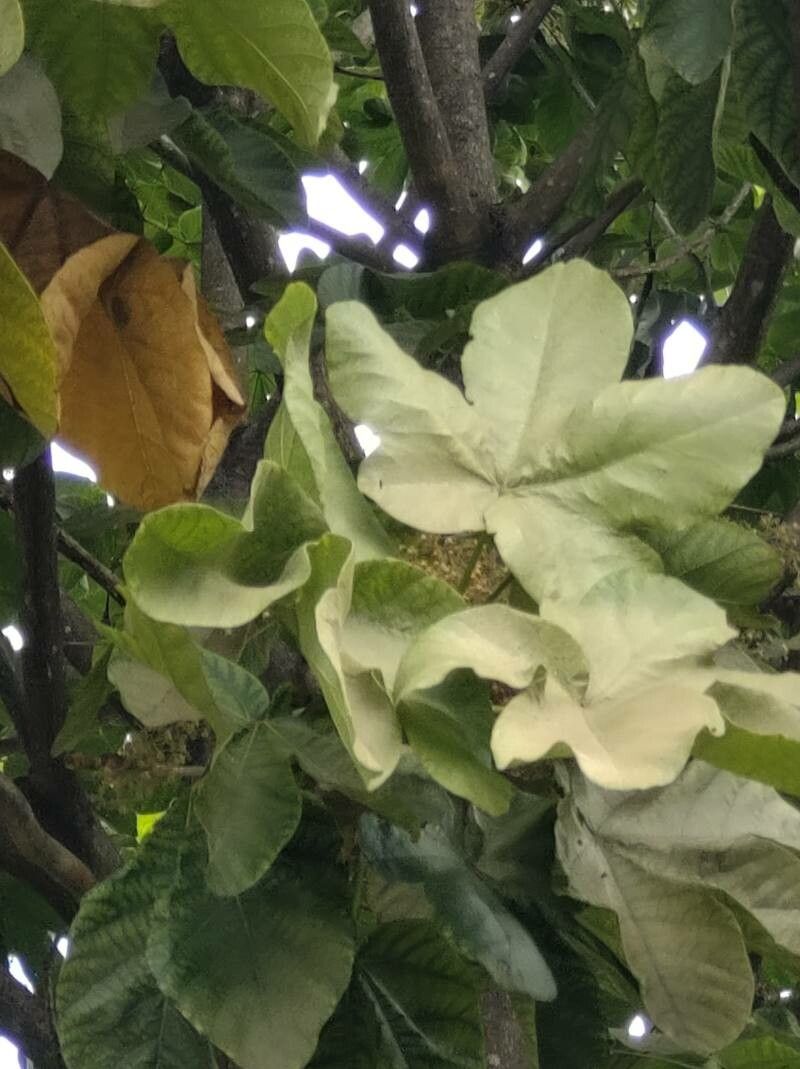
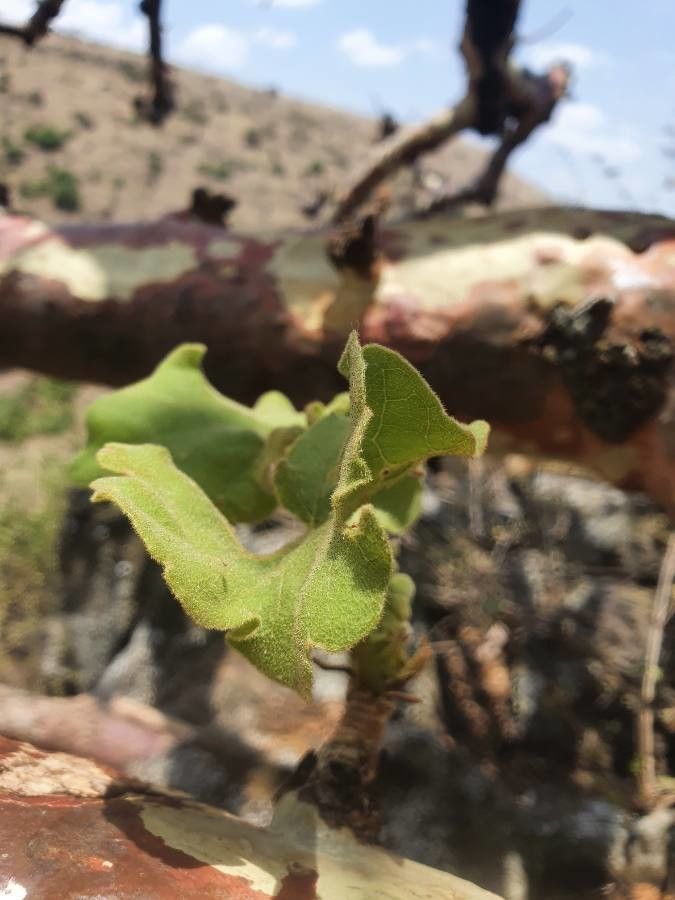
The leaves of the Sterculia apetala are large, reaching up to 50 cm in length. They have a glossy green color on their upper surface and a lighter green shade underneath. These leaves are alternate on the stem and are oblong in shape, tapering at both ends.
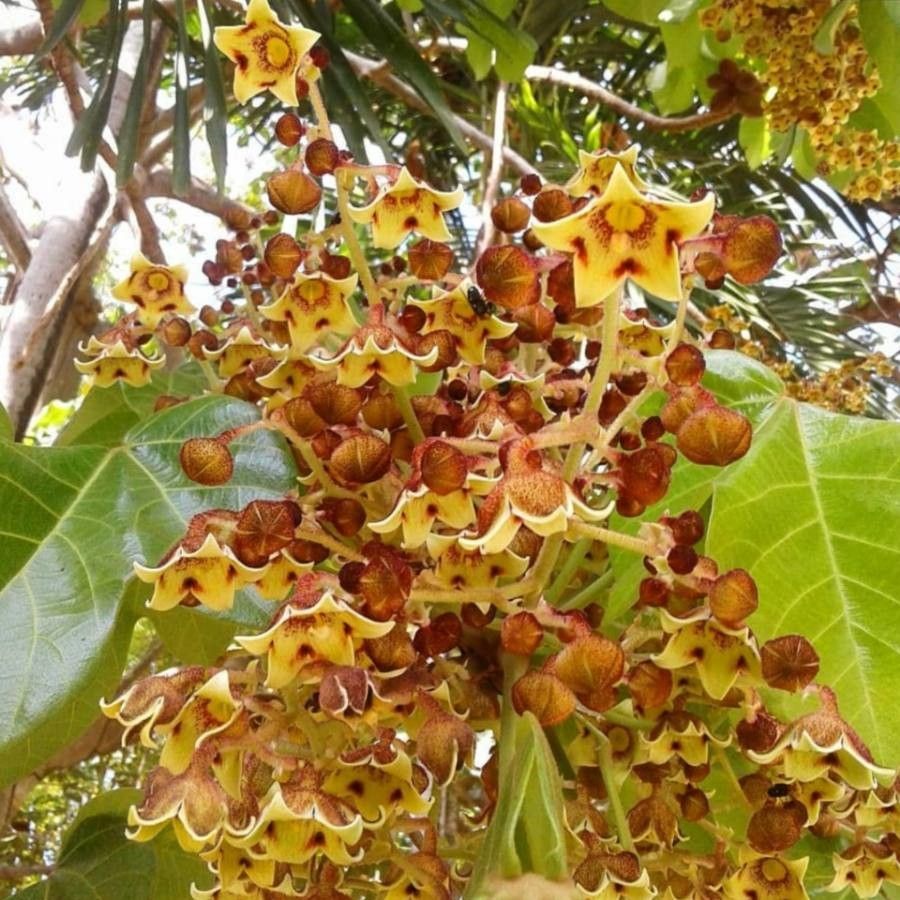
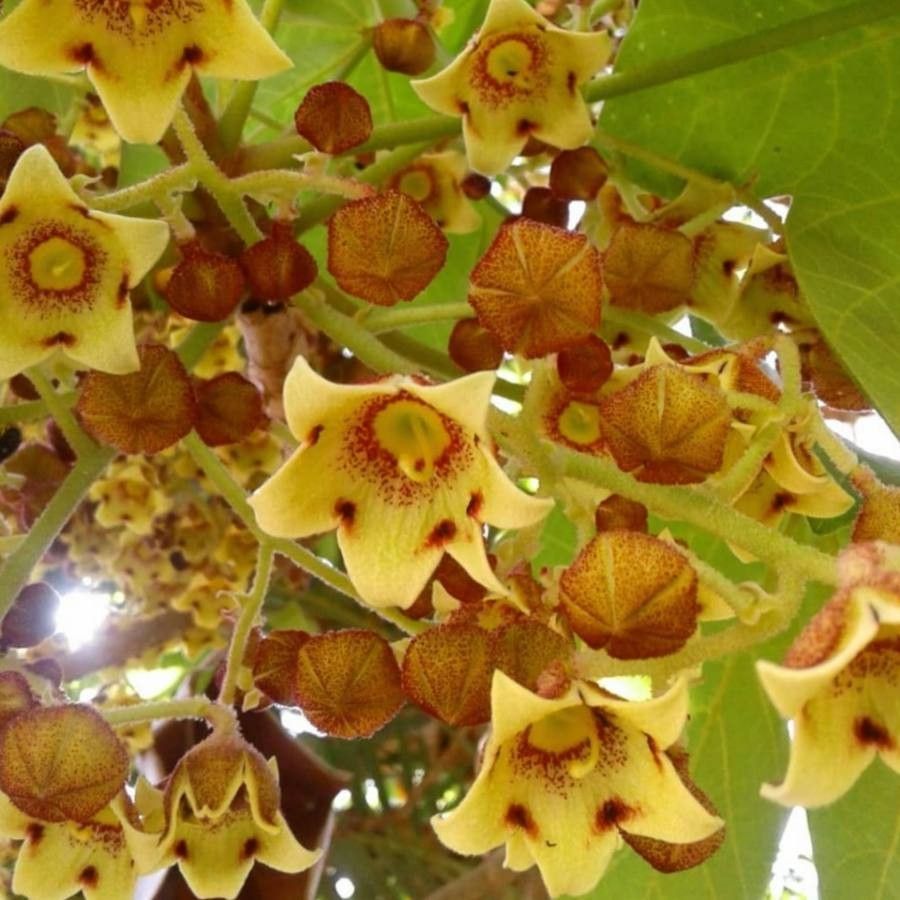
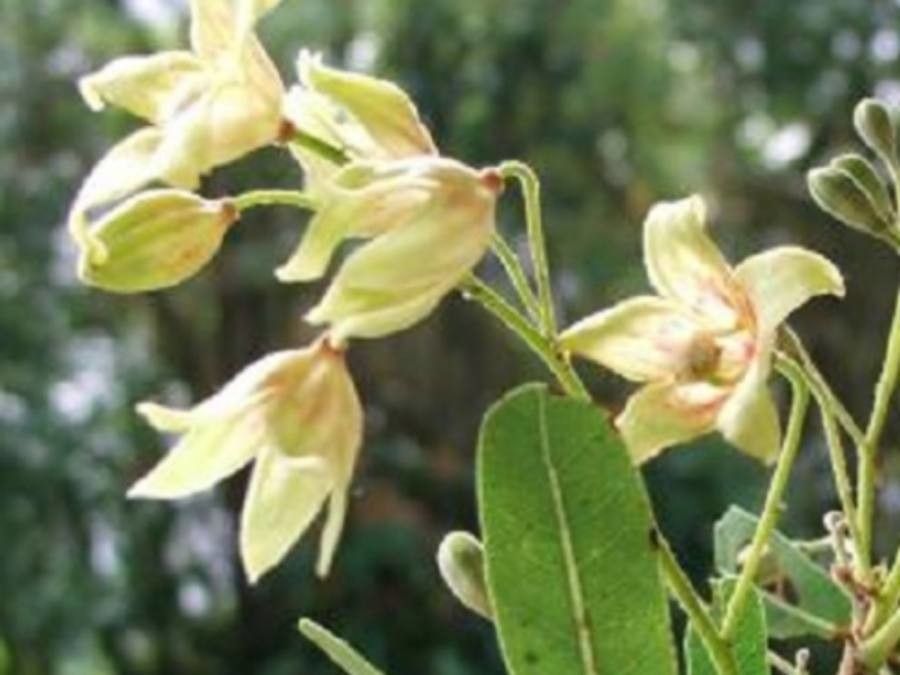
The flowers are small, about 1 cm in diameter, with five petals that range in color from yellowish-green to reddish-brown. They bloom from December through February.
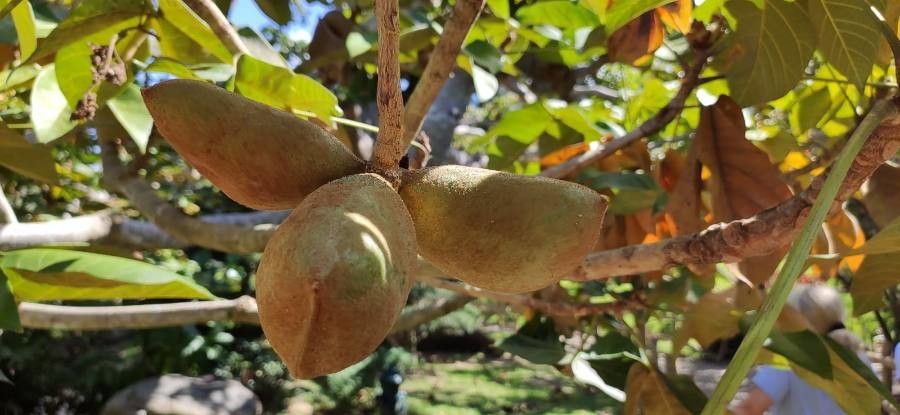
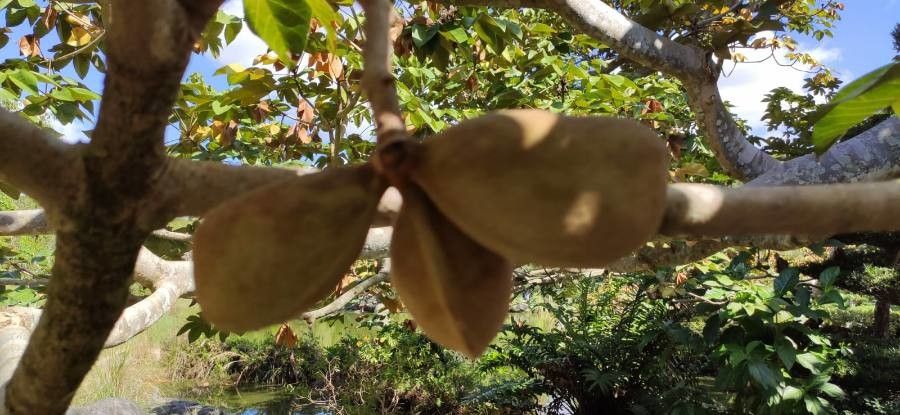
The fruit of Sterculia apetala is an oblong capsule that measures about 10-15 cm in length and about 5-7 cm in width when mature. The fruit contains numerous seeds with a hard outer shell, covered by soft white flesh that tastes like almond when roasted or boiled.
Sterculia apetala has various uses. Its strong wood makes it valuable for timber production, and its seeds are edible. The bark has medicinal properties and is used to treat various ailments such as diarrhea. Additionally, the tree provides ample shade due to its large size, making it ideal for landscaping purposes.
Overall, the Sterculia apetala plays an important ecological role, serving as a home or food source for many animals, including birds like toucans, which feed on its fruits and are important seed dispersers within its habitat range.
The Panama tree displays strong disease resistance and is usually not susceptible to illnesses. As for maintenance, this plant is fairly low-maintenance. Outdoors it needs only light watering, and larger specimens typically do not require pruning. Smaller plants, however, should be pruned after they finish blooming. Panama treet is appropriate for anyone who has an outdoor area, such as a garden or deck, and does not demand much care experience.
How to keep Sterculia Apetala.
Light
The Panama tree comes from open habitats, like sunny meadows and forest margins, where light is plentiful. It performs best in full sun but can also endure partial sun, adjusting well to different sunlight conditions.
Water
The Panama tree flourishes in humid, tropical environments similar to those found in its native Central America, relying on consistent moisture to thrive. Watering it weekly helps support its growth. To boost indoor humidity levels, you can mist the plant regularly. As an evergreen, it is crucial to maintain proper water levels to ensure its foliage remains healthy throughout the year.
Temperature
The Panama tree comes from tropical areas where the climate is generally warm and humid. As a result, it is well adapted to high temperatures and humidity. It is not fond of sudden temperature changes and prefers a stable temperature environment, so indoor temperature fluctuations should be avoided. It typically does not tolerate cold and needs higher temperatures for growth. If the surrounding temperature falls too low, the plant may stop growing or even die.
Fertilizer
Fertilizing is essential for caring for the Panama tree. Consistent feeding during the growing season helps maintain the energy needed for its showy leaves and encourages overall growth. Failing to fertilize can lead to unhealthy foliage, reduced ornamental value, and stunted or weak growth that is more likely to break.
Pruning
The Panama tree is a tall deciduous tree that benefits from early spring pruning. By removing dead or crossing branches, you can encourage healthy growth. This practice improves light penetration and air circulation, resulting in vigorous growth. Additionally, it helps manage the tree's size and enhances its appearance, making it ideal for decorative and shade purposes.
Botanical profile.
- Plant Type
- Tree
- Life Cycle
- Perennial
- Genus
- Sterculia
- Family
- Malvaceae
- Hardiness Zone
- 10-12
- Mature Height
- 20.12 m to 29.87 m
- Mature Spread
- 14.94 m to 20.12 m
- Leaf Color
- Dark Green
- Leaf Type
- Deciduous
- Flower Color
- Yellow
- Flower Size
- 1.02 cm to 2.03 cm
- Bloom Time
- Late spring, Early summer, Mid summer
- Planting Time
- Spring, Summer, Autumn
- Harvest Time
- Late summer, Early fall, Mid fall
- Native Area
- Belize, Honduras, Mexico, Guatemala, Peru, Panama, Colombia, Bolivia, Venezuela, Guyana, El Salvador, Nicaragua, Brazil, Ecuador, Suriname, Costa Rica
Other names.