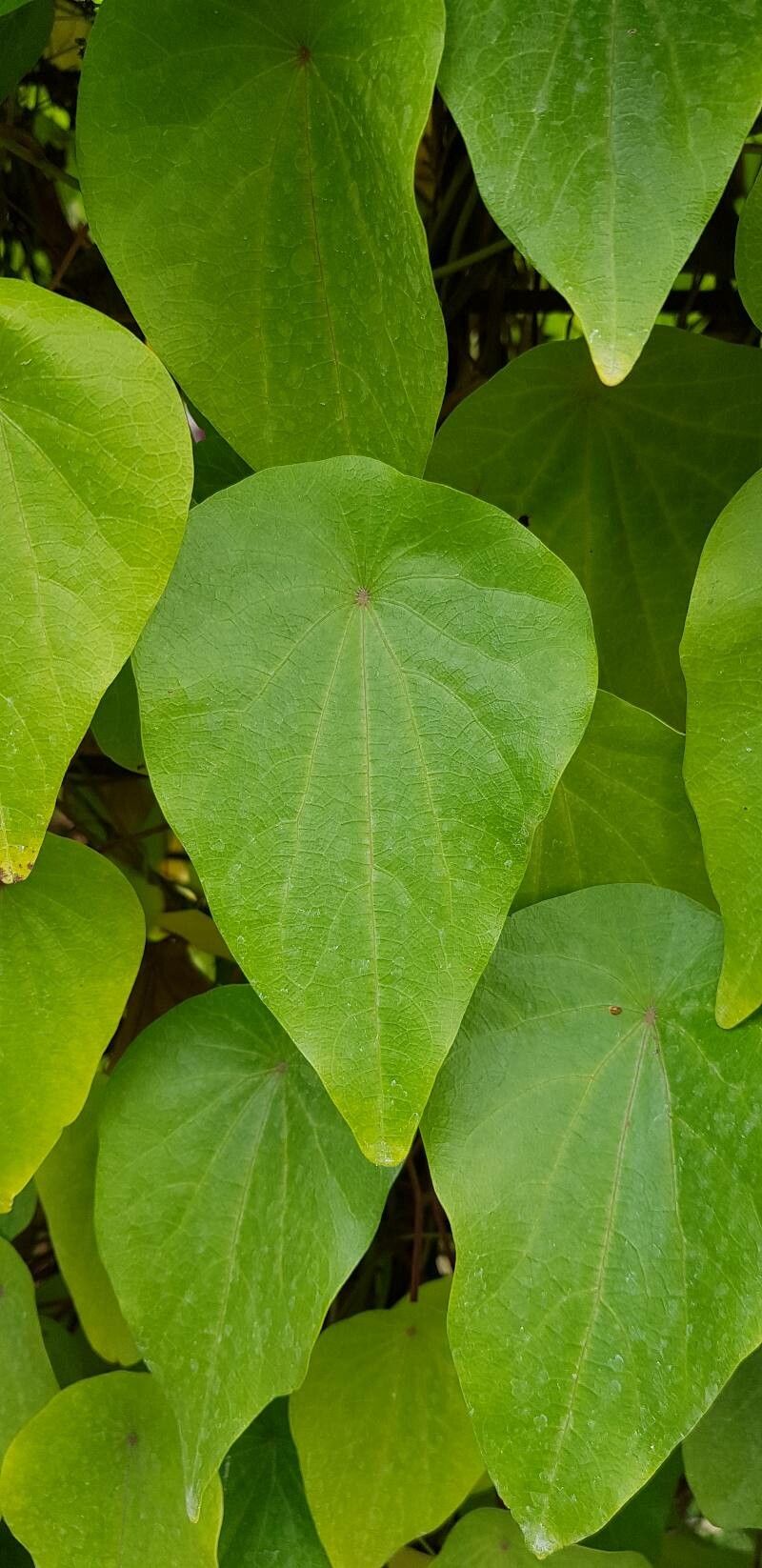
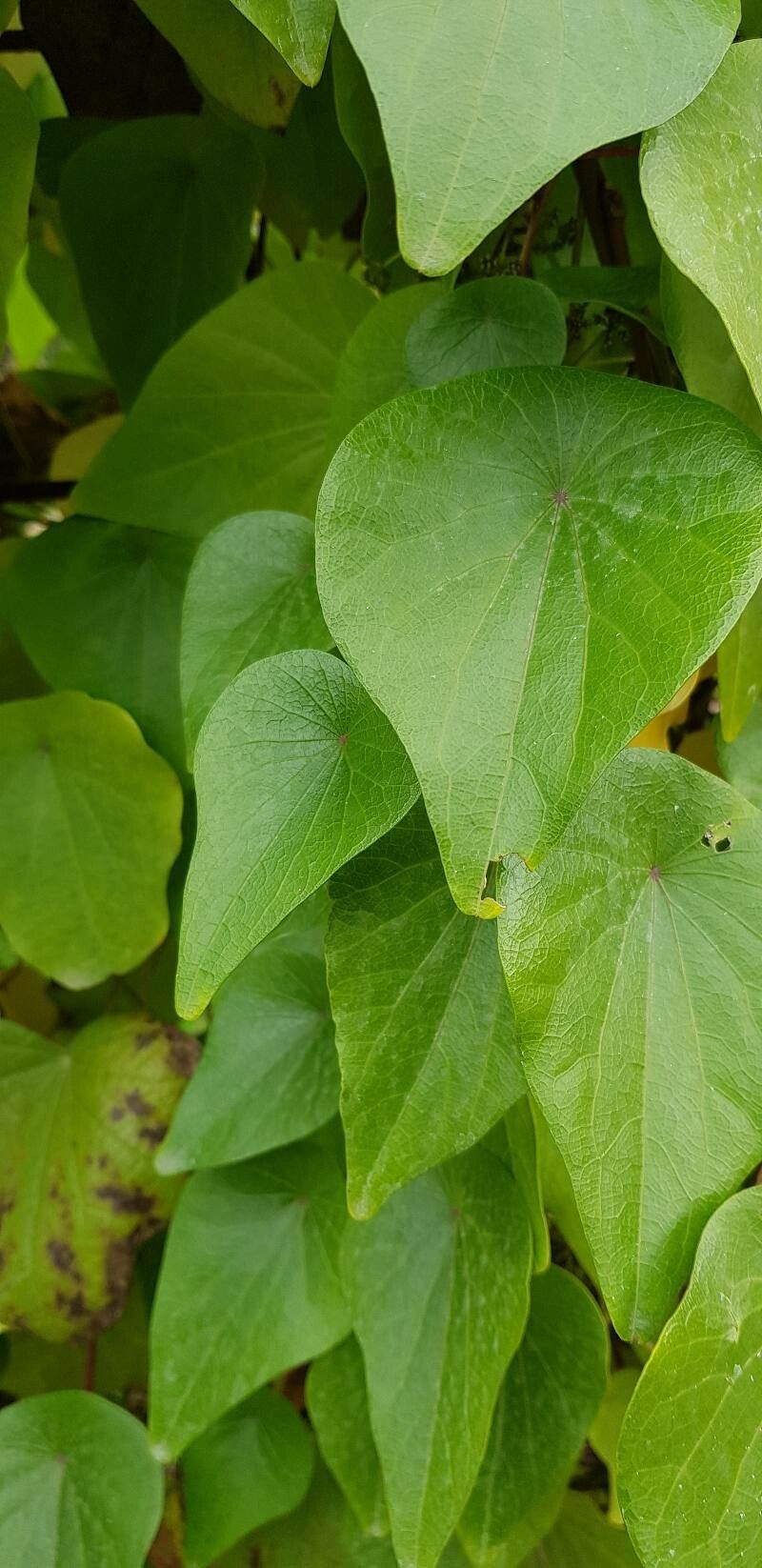
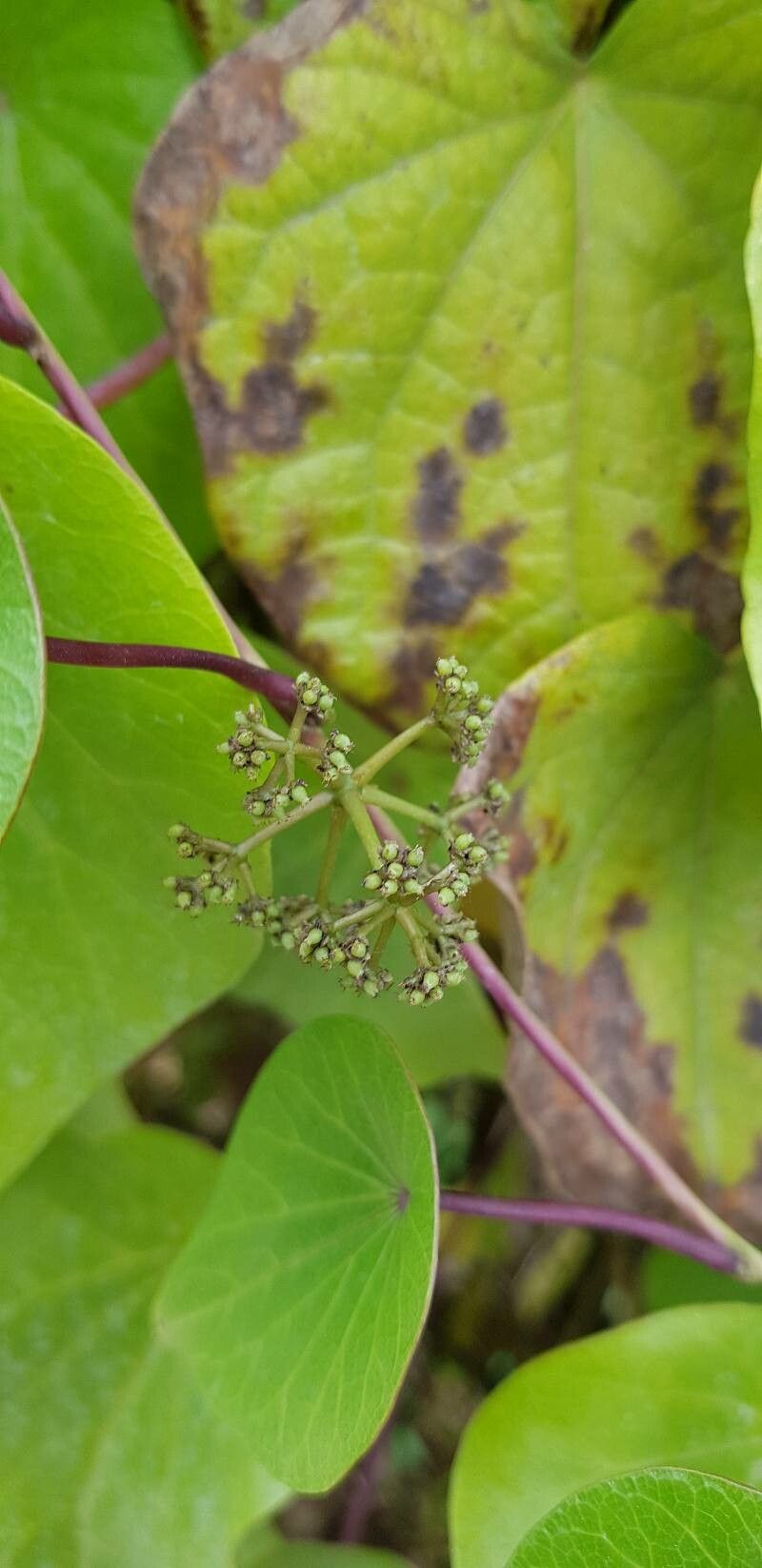
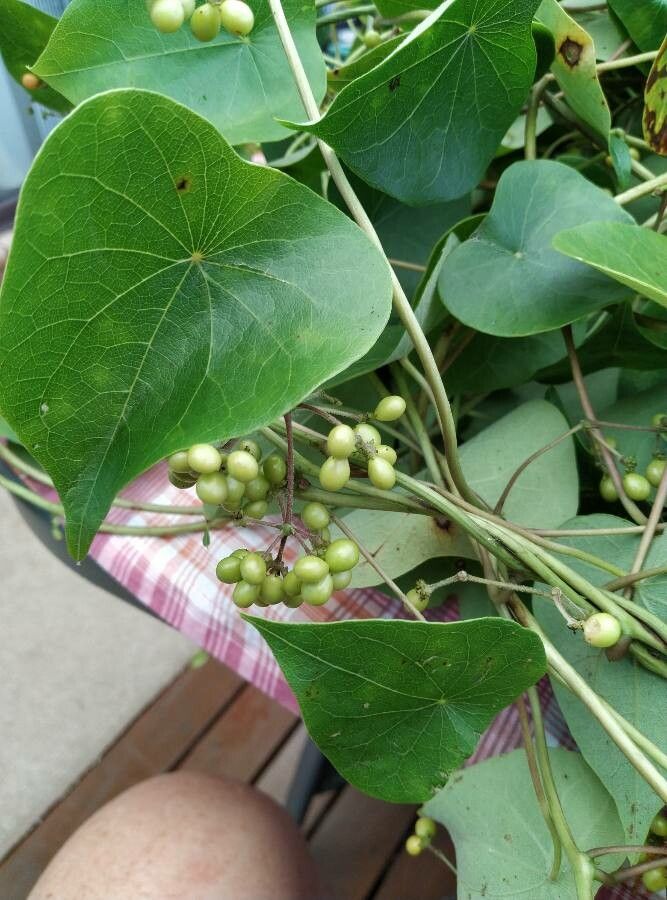
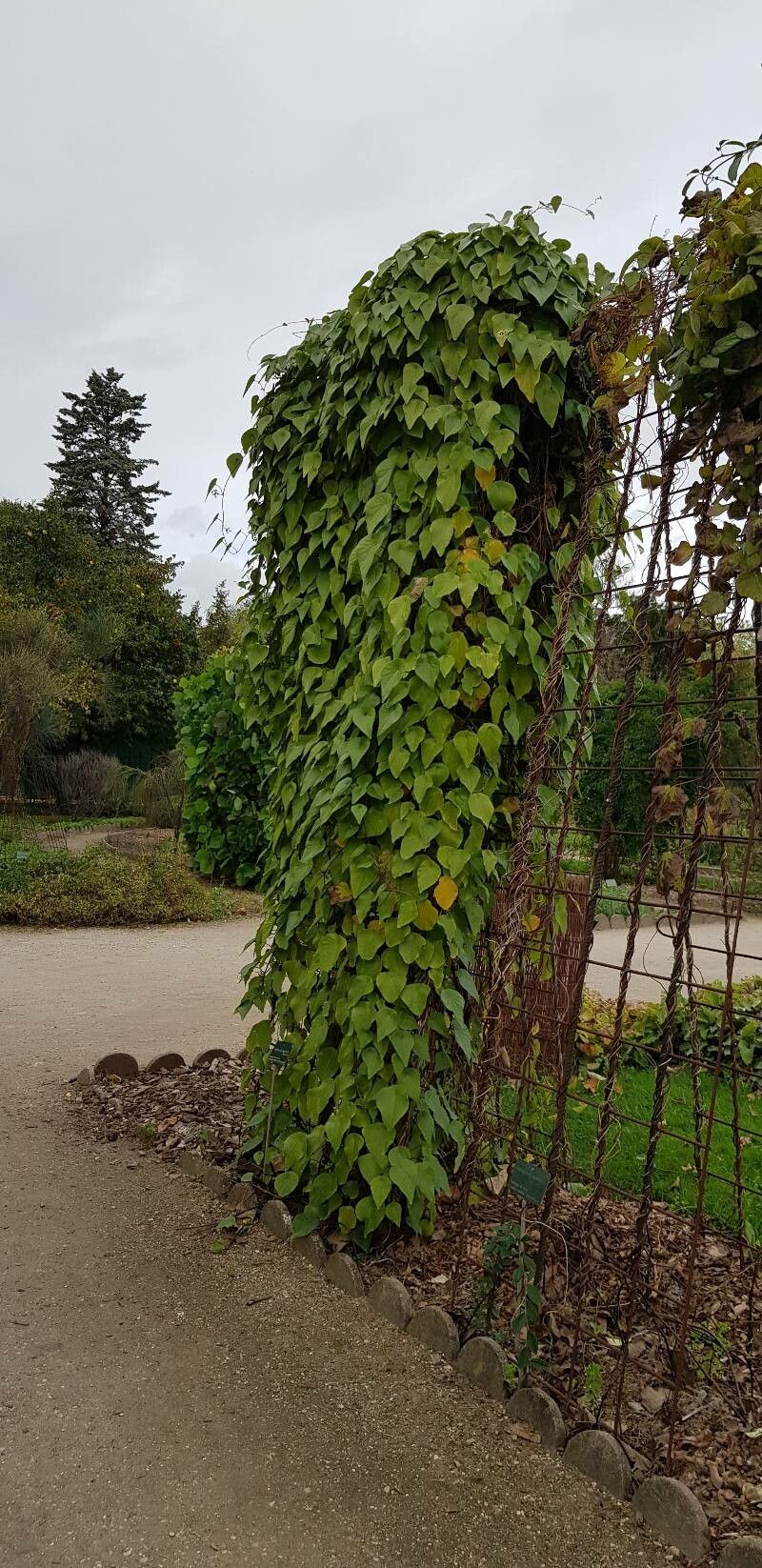
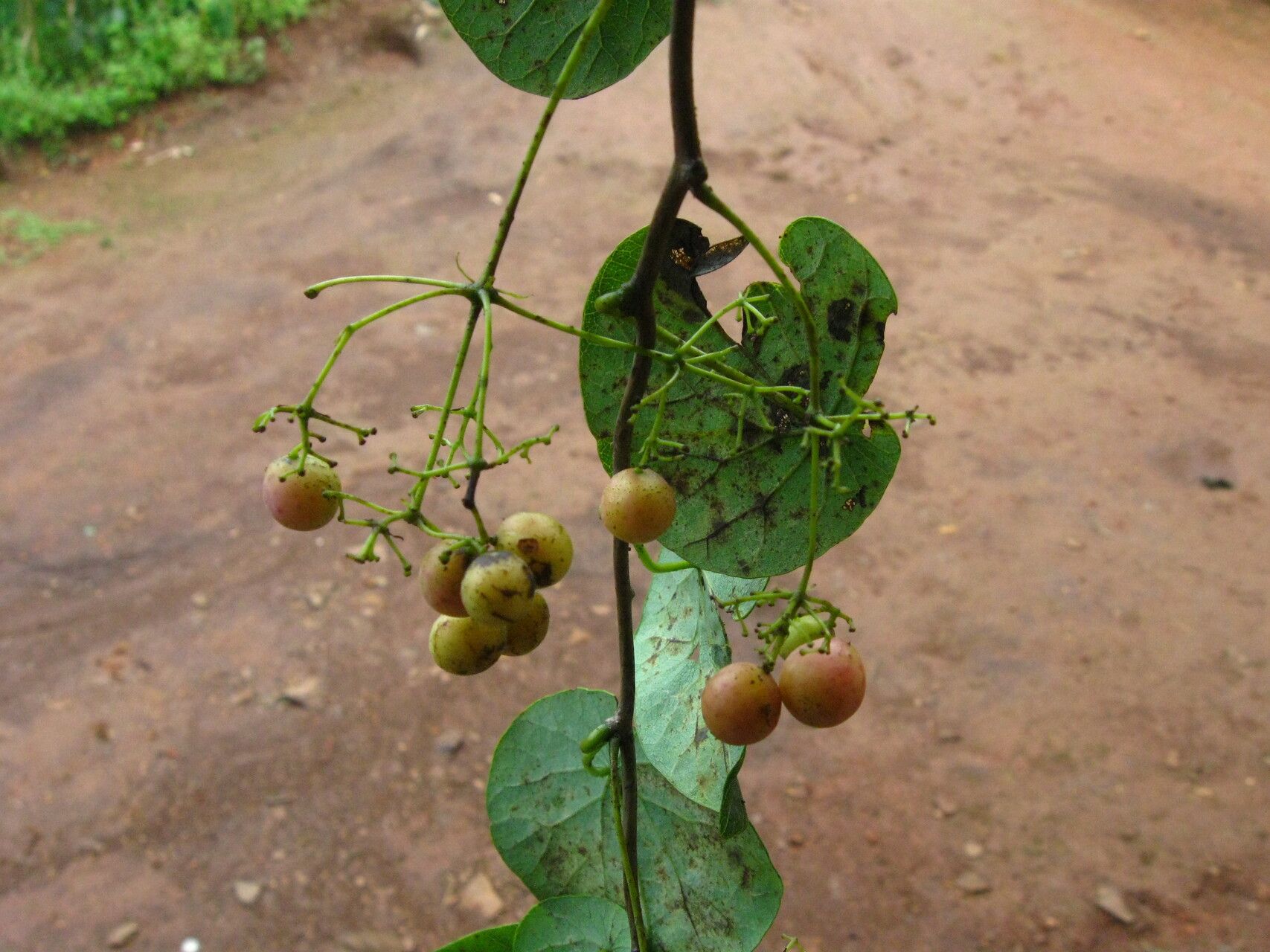
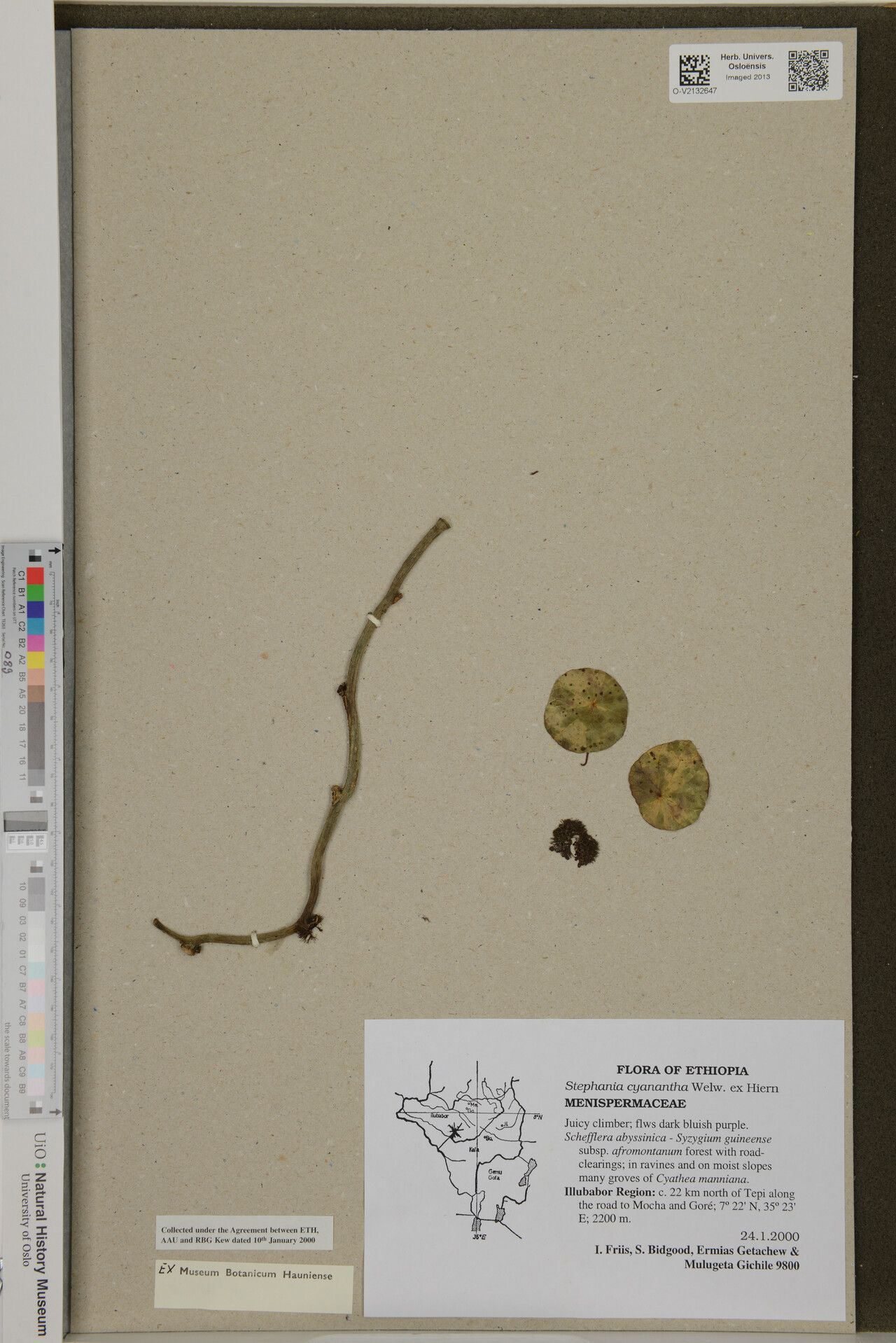
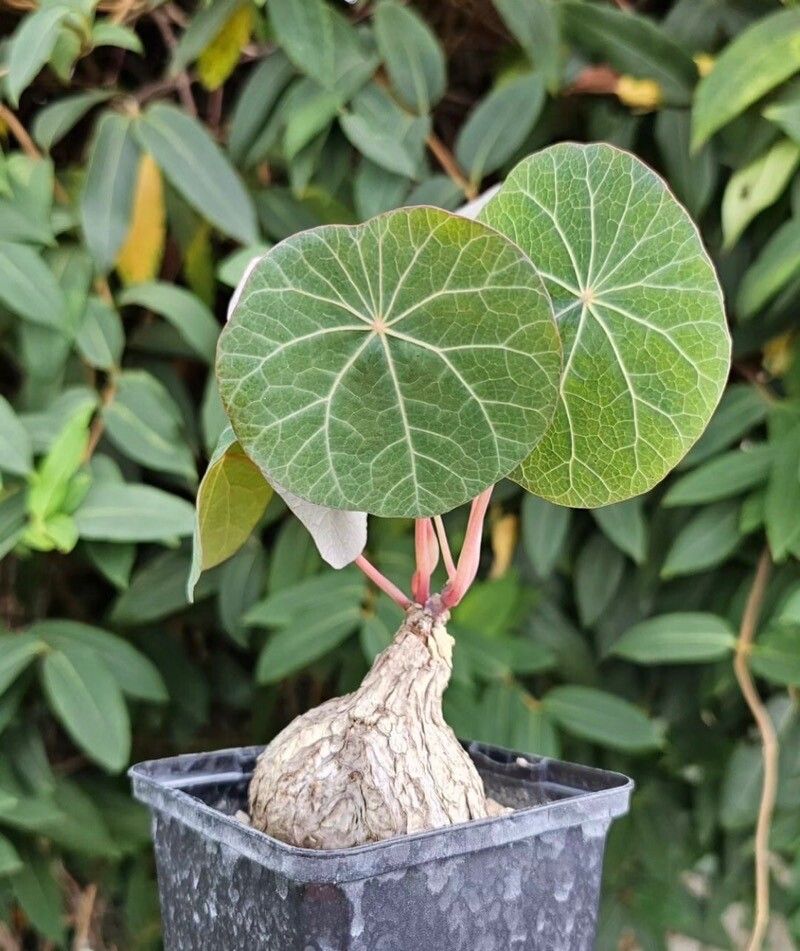
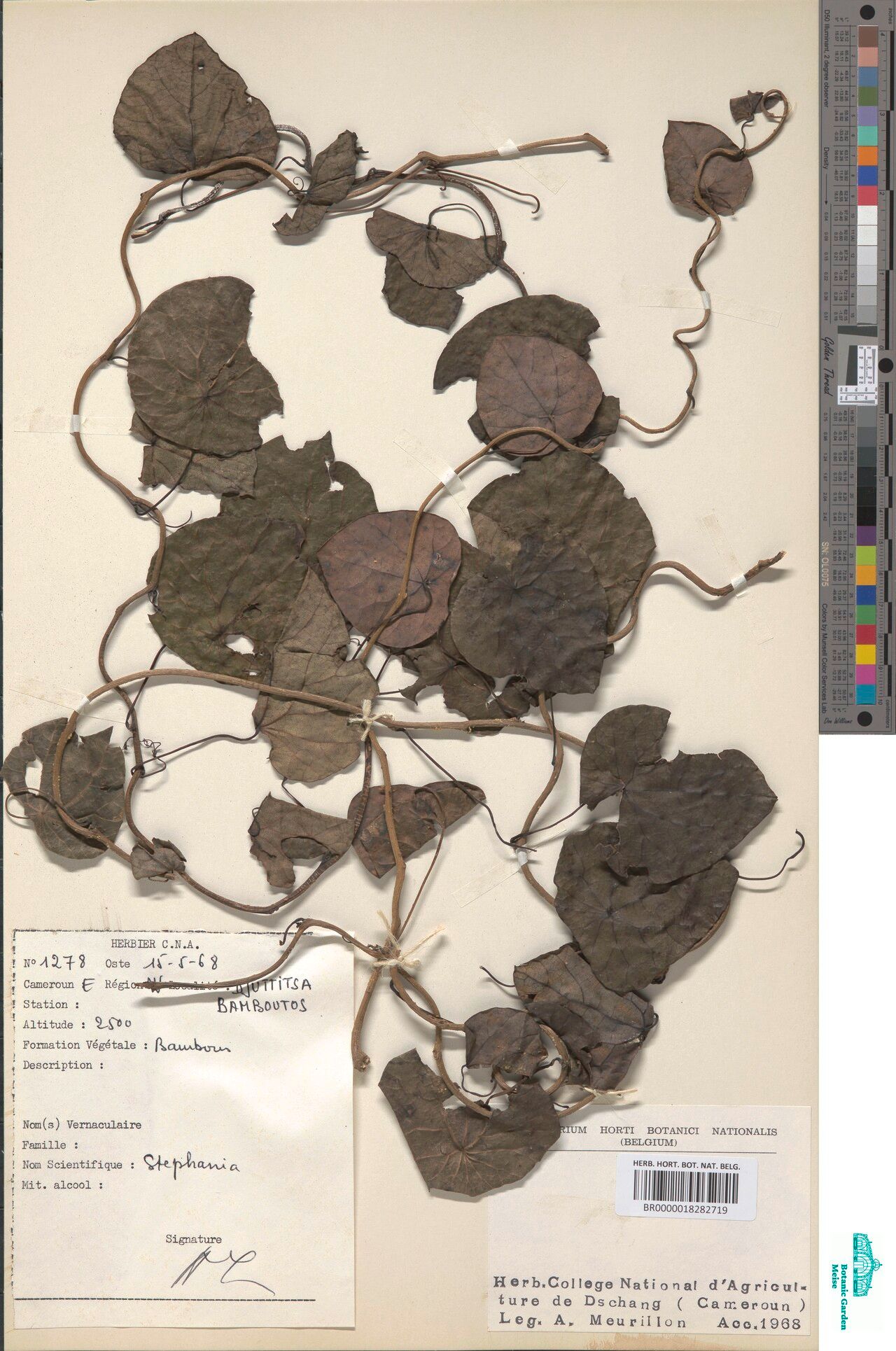
Stephania japonica, known as snake vine, is a vine often seen in sheltered areas near the sea.
Tape-vine is fairly resistant to disease and usually not vulnerable to illnesses. With regard to care, this plant is fairly low-maintenance. When grown outdoors it needs little watering, and larger plants typically do not require pruning. Smaller plants, however, should be pruned after they have bloomed. Tape-vinet is appropriate for anyone who has outdoor space, such as a garden or deck, and does not need extensive care experience.
How to keep Stephania Japonica.
Light
Tape-vine thrives under intense sun exposure, yet also does well with moderate sunlight. Originating in environments with abundant solar energy, that light aids its healthy development. However, too much or too little sunlight can negatively affect the plant's vigor and vitality.
Water
The tape-vine thrives in conditions similar to its subtropical origins, preferring a balance of moisture and dryness. It is drought-tolerant and typically needs watering every three weeks. As an evergreen climber, it grows well outdoors, adapting to different levels of rainfall while benefiting from consistent soil moisture.
Temperature
Tape-vine comes from tropical areas where the climate is typically warm and humid. As a result, it is well suited to high temperatures and humidity. It does not like sudden temperature changes and prefers a stable temperature environment, so it is important to avoid temperature fluctuations indoors. It generally does not tolerate cold and needs warmer temperatures for growth. If the surrounding temperature falls too low, the plant may stop growing or even die.
Fertilizer
Fertilization is essential for the care of Tape-vine. Regular feeding during the growing season maintains the energy needed for its showy leaves and supports overall growth. Failing to fertilize can lead to unhealthy foliage, reduced ornamental value, and stunted or weak growth that is prone to breaking.
Pruning
To ensure tape-vine thrives, it's beneficial to prune it in early spring. This helps remove damaged stems and control its growth. By doing so, you promote healthy new growth, reduce pest issues, and maintain an appealing shape and size, especially in ornamental settings. Timely pruning greatly enhances the vitality and overall beauty of tape-vine.
Botanical profile.
- Plant Type
- Vine
- Life Cycle
- Perennial
- Genus
- Stephania
- Family
- Menispermaceae
- Hardiness Zone
- 9-11
- Mature Height
- 2.13 m to 3.96 m
- Mature Spread
- 0.91 m to 2.13 m
- Leaf Color
- Dark Green, Forest Green
- Leaf Type
- Semi-evergreen
- Flower Color
- Yellow, Green
- Flower Size
- 0.05 cm to 0.10 cm
- Bloom Time
- Summer
- Planting Time
- Spring, Summer
- Harvest Time
- Late summer, Fall
- Native Area
- Nepal, Sri Lanka, India, Malaysia, Philippines, Bangladesh, Laos, China, Indonesia, Cambodia, Vietnam, Myanmar, Japan, Bhutan, South Korea, Thailand
Other names.
Reader questions.
What are the sunlight requirements for Tape-vine?
Tape-vine (Stephania japonica) thrives best under full sun conditions, which means it needs above 6 hours of sunlight daily. However, it can also fare well with partial sun, requiring about 3-6 hours of sunlight. Monitoring the sunlight in your garden is vital to ensure that you choose locations that provide the perfect balance of light and shade for your plants, ensuring their happiness and optimal growth.
What is Tape-vine?
Tape-vine, known botanically as Stephania japonica, is a plant distinguished by its unique characteristics and properties. However, there are no further details provided about its essentials, symptoms, or additional information in the data.
How does sunlight affect the growth of Tape-vine?
Sunlight plays a crucial role in the growth and development of Tape-vine, a plant that originates in environments where it receives abundant solar energy. Although it flourishes under intense sun exposure, excessive or insufficient sunlight can negatively impact the plant's vigor and vitality. Adequate light contributes significantly to its healthy development, making it essential to ensure the plant receives the right amount of sunlight.
What are the options for artificial lighting for indoor Tape-vine plants?
Indoor Tape-vine plants require adequate lighting for optimal growth, especially when natural sunlight is insufficient, such as in winter or less sunny spaces. Artificial lights serve as a vital solution, with LED lights being a popular choice due to their ability to provide specific wavelengths needed by plants. The general guidelines include providing 30-50W/sq ft of artificial light for full sun plants, 20-30W/sq ft for partial sun plants, and 10-20W/sq ft for full shade plants. The light source should be placed 12-36 inches above the plant to mimic natural sunlight, ensuring 8-12 hours of light per day.
What are the symptoms of light deficiency in Tape-vine?
When Tape-vine is placed in areas with suboptimal lighting, it may exhibit symptoms such as smaller new leaves, leggy or sparse growth, faster leaf drop, slower or stopped growth, lighter-colored new leaves, chlorosis, sunscald, leaf curling, wilting, and leaf scorching. These symptoms are subtle indicators of light deficiency and excessive sunlight exposure, affecting the plant's ability to photosynthesize and maintain overall health.
How can I address insufficient sunlight for my Tape-vine?
To address insufficient sunlight for Tape-vine, consider gradually moving the plant to a sunnier location each week until it receives at least 6 hours of direct sunlight daily. For indoor plants, you can use a south-facing window or invest in professional grow lights to provide ample light. Gradual adaptation to sunnier spots is crucial for outdoor plants to prevent sunburn. If the environment obstructs sunlight, consider pruning or transplanting the plant to a location with ample sunlight and good drainage. It's important to note that parts of the plant affected by insufficient sunlight may not recover, but new growth will be healthy with increased light exposure.