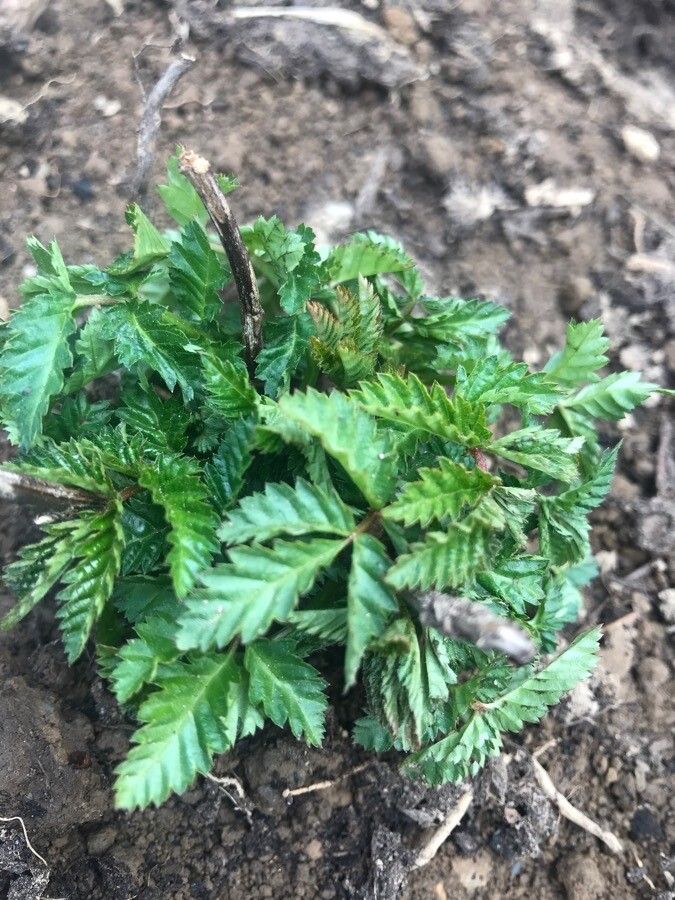
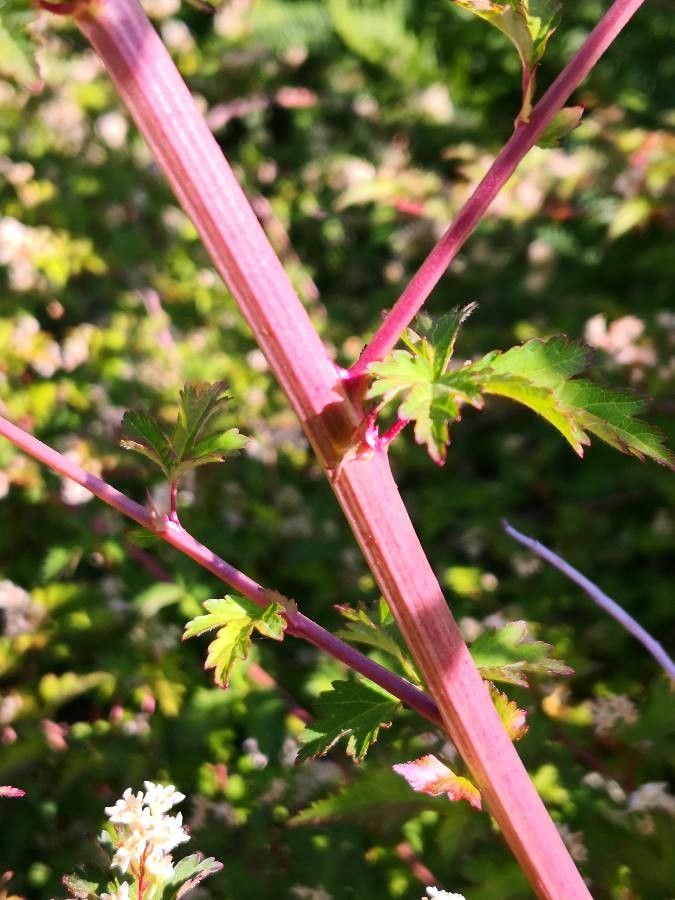
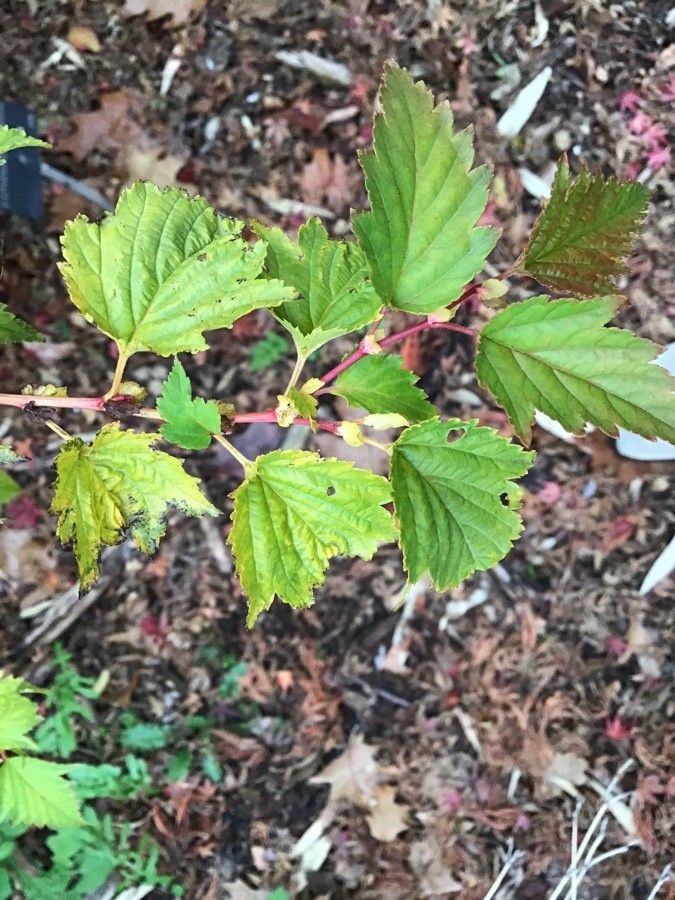
Stephanandra incisa, commonly known as the Cutleaf Stephanandra, is a deciduous shrub from the Rosaceae family. Native to Japan and Korea, this plant typically reaches up to 6 feet in height and width, with a spreading habit that makes it an excellent choice for ground cover or border plantings.
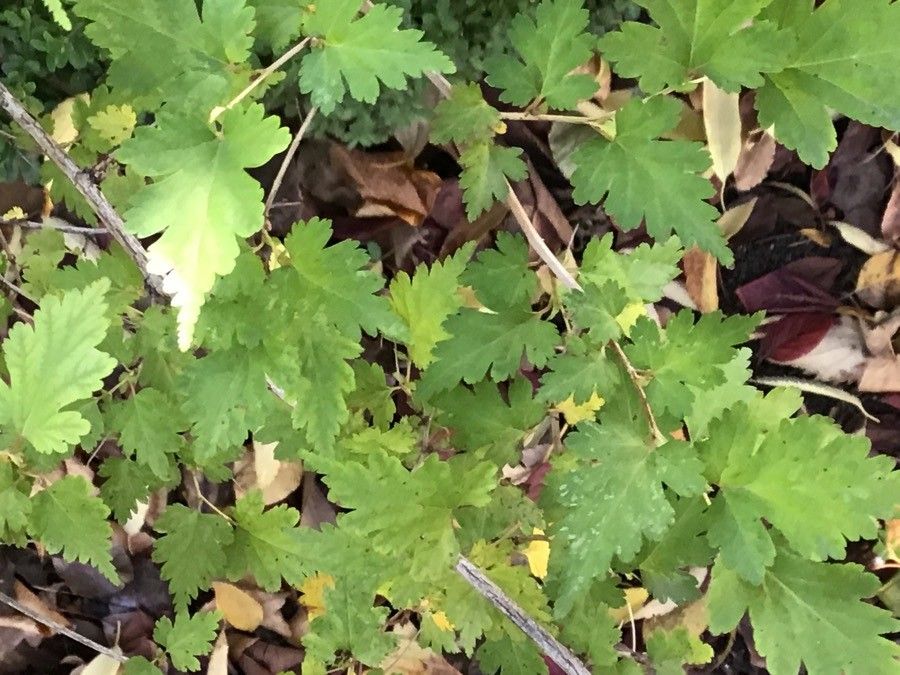
The leaves of Stephanandra incisa are deeply lobed, giving them a delicate, fern-like appearance. During the growing season, the leaves are a bright green, but they transform to yellow or reddish hues in the autumn before falling off for winter dormancy.
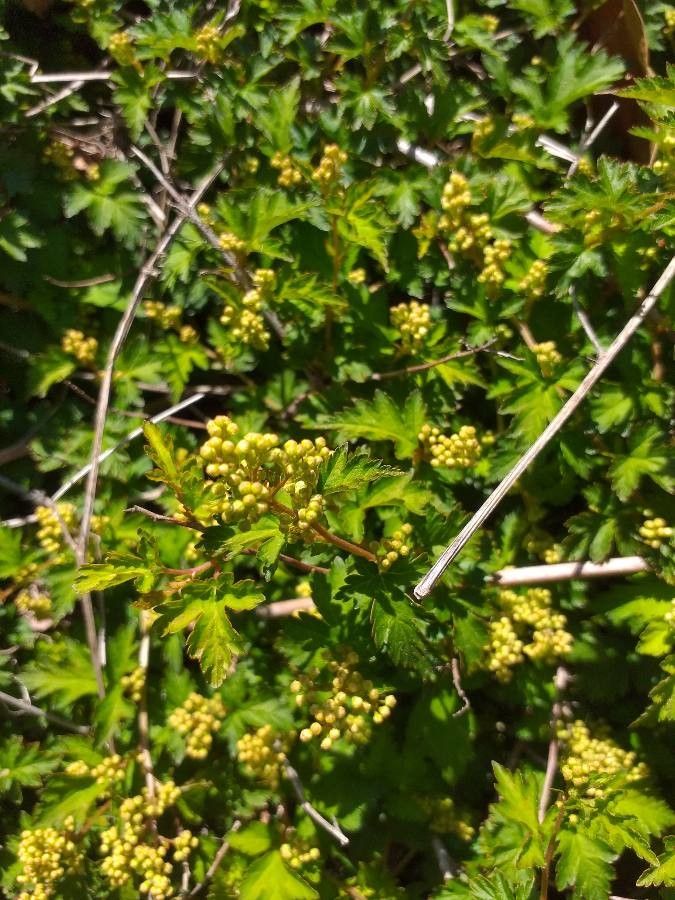
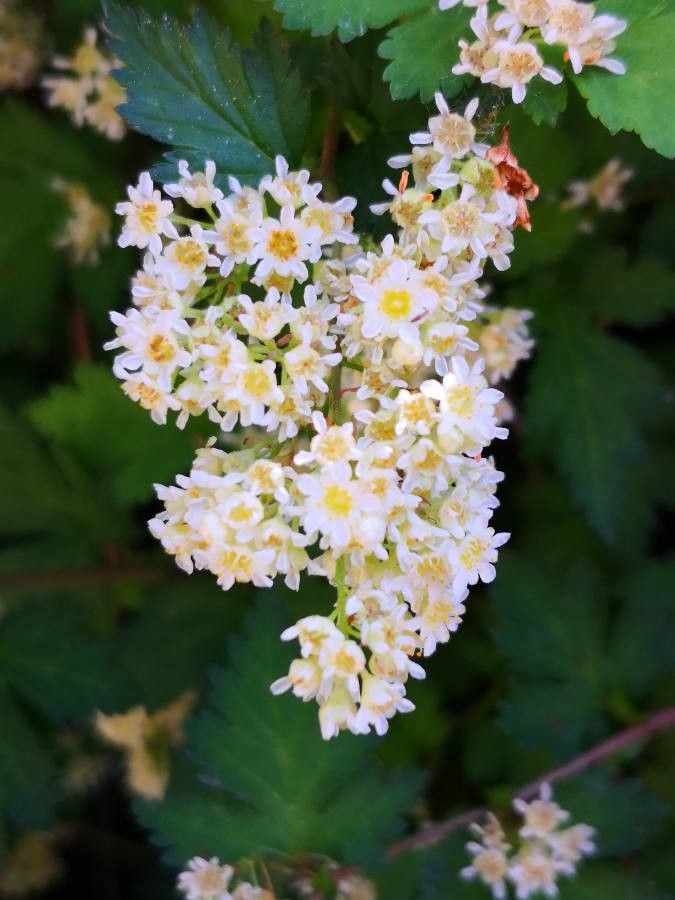
In late spring or early summer, Stephanandra incisa produces small, white flowers clustered at the tips of its branches. These flowers are followed by small brown fruits that persist into winter.
Stephanandra incisa thrives in moist but well-drained soil and prefers partial shade to full sun exposure. While it can tolerate some drought once established, regular watering during dry spells is beneficial.
Overall, this attractive shrub adds texture and interest to garden beds or borders with its delicate foliage and showy blooms, making it an excellent addition to any landscape.
Lace shrub is highly resistant to disease and usually does not develop illnesses. In terms of maintenance, this plant is fairly low-maintenance. When planted outdoors it needs only minimal watering, and larger specimens typically do not require pruning. Smaller plants, however, should be pruned after their blooms have finished. Lace shrub is appropriate for anyone with an outdoor area, such as a garden or a deck, and does not demand much gardening experience.
How to keep Stephanandra Incisa.
Light
Lace shrub grows vigorously with plenty of sunlight and can tolerate moderate light as well. Too little or too much sun can harm it, causing leaves to turn yellow or foliage to become scorched. Native to a sunny habitat, its various growth stages have a strong preference for bright conditions.
Temperature
Lace shrub is native to environments with temperatures between 32 and 90°F (0 to 32°C). It prefers cooler temperatures overall and its care should be adjusted seasonally to match these conditions. In spring or fall, it can tolerate cooler nighttime temperatures.
Fertilizer
Timing is essential for fertilizing a Lace shrub. Apply fertilizer in early spring and continue once a month until early summer. The fertilizer encourages lovely blooms and furnishes energy during both dormant and active growth phases.
Botanical profile.
- Plant Type
- Shrub
- Life Cycle
- Perennial
- Genus
- Stephanandra
- Family
- Rosaceae
- Hardiness Zone
- 3-7
- Mature Height
- 1.22 m to 2.13 m
- Mature Spread
- 1.22 m to 2.74 m
- Leaf Color
- Green, Blue, Red, Brown
- Leaf Type
- Deciduous
- Flower Color
- Pink
- Flower Size
- 2.54 cm to 7.62 cm
- Bloom Time
- Mid spring, Late spring
- Planting Time
- Spring, Summer, Autumn
- Harvest Time
- Early summer, Mid summer
- Native Area
- Koppen, Japan, South Korea, China
Other names.