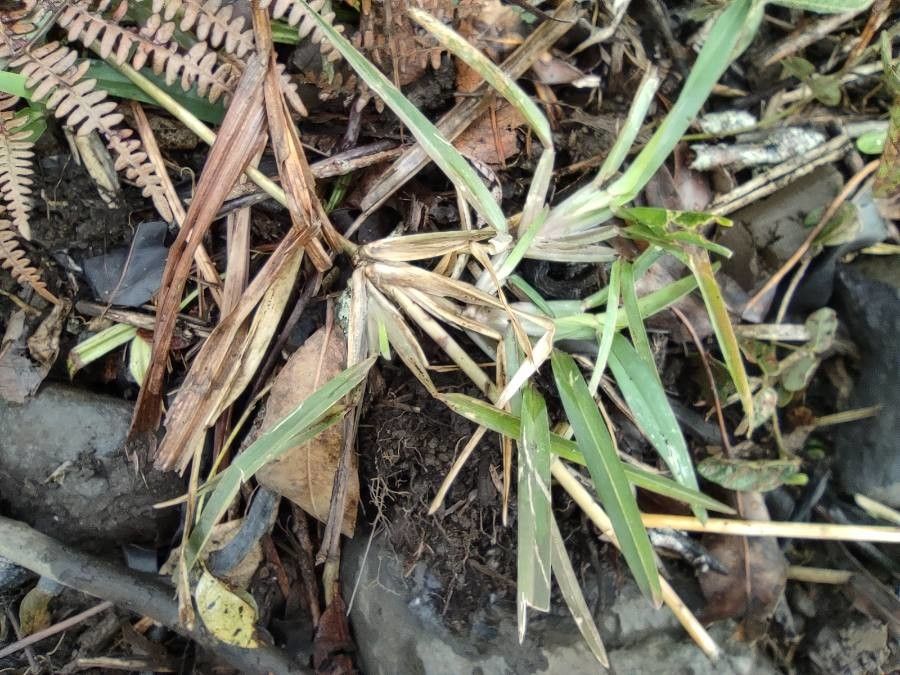
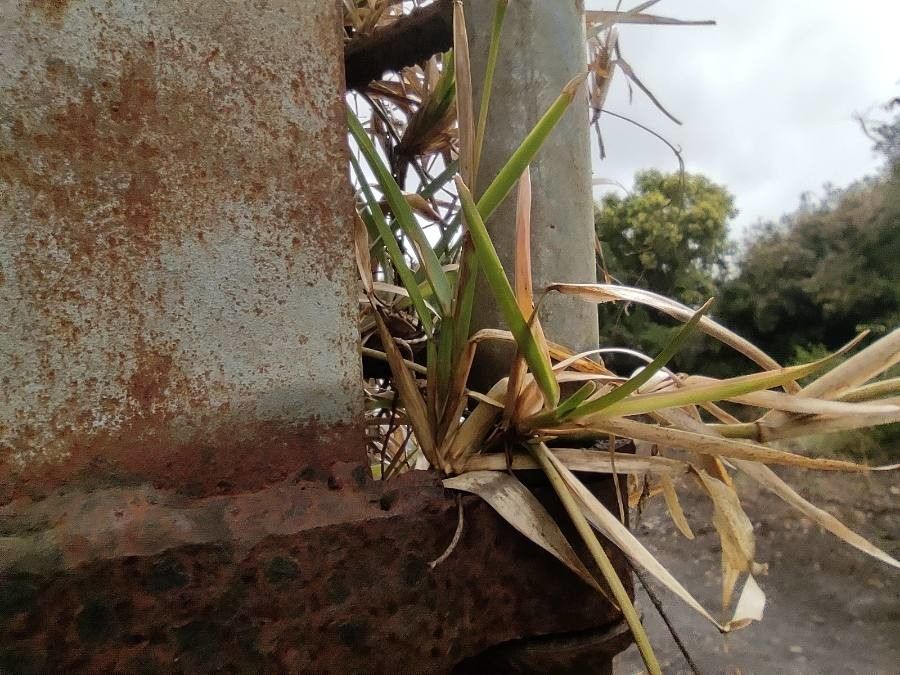
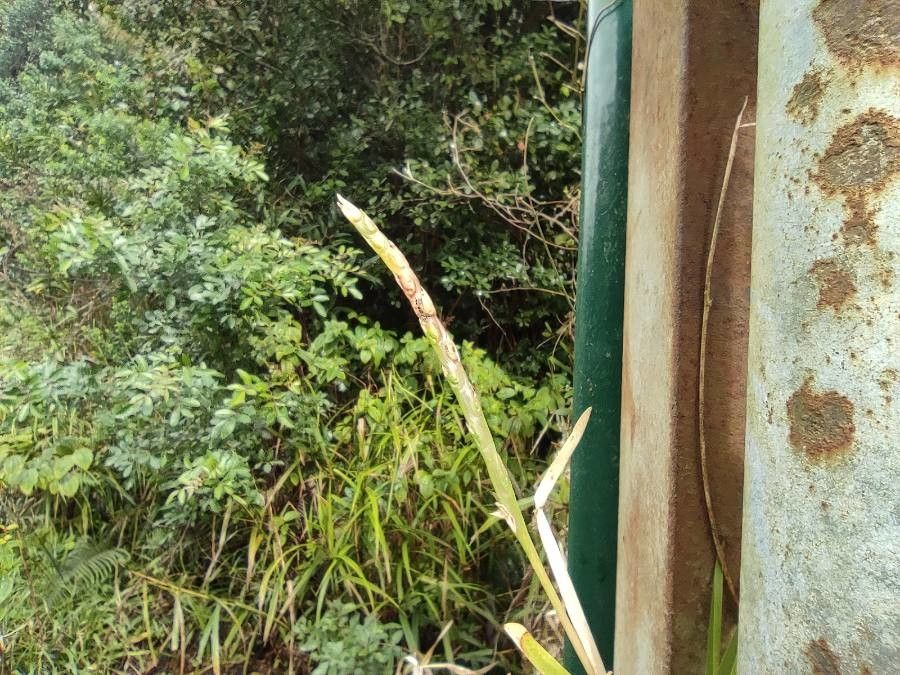
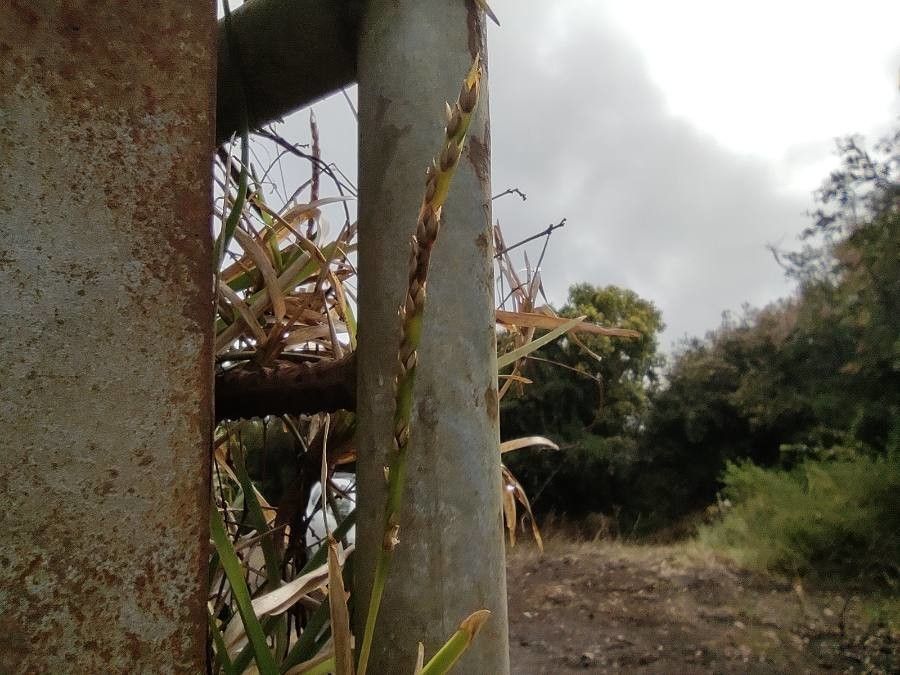
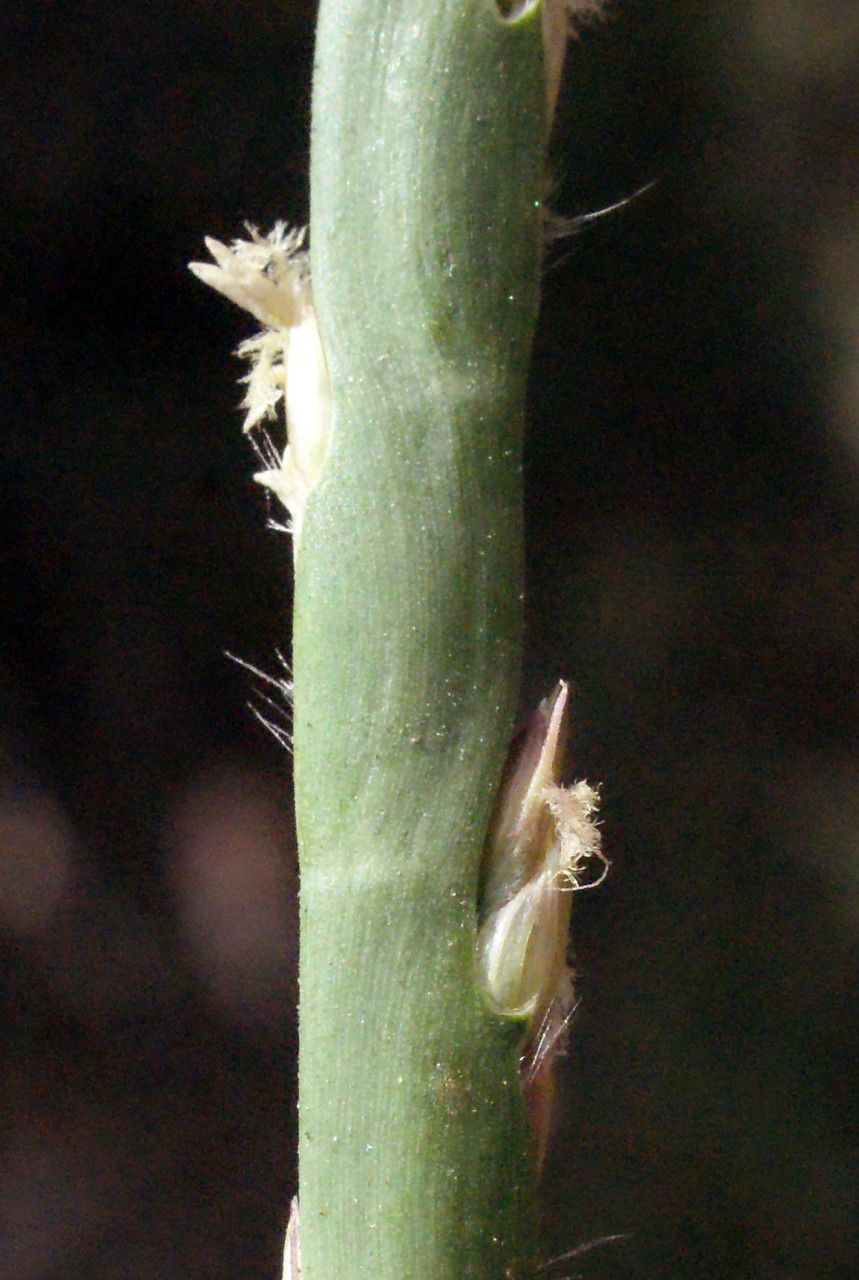
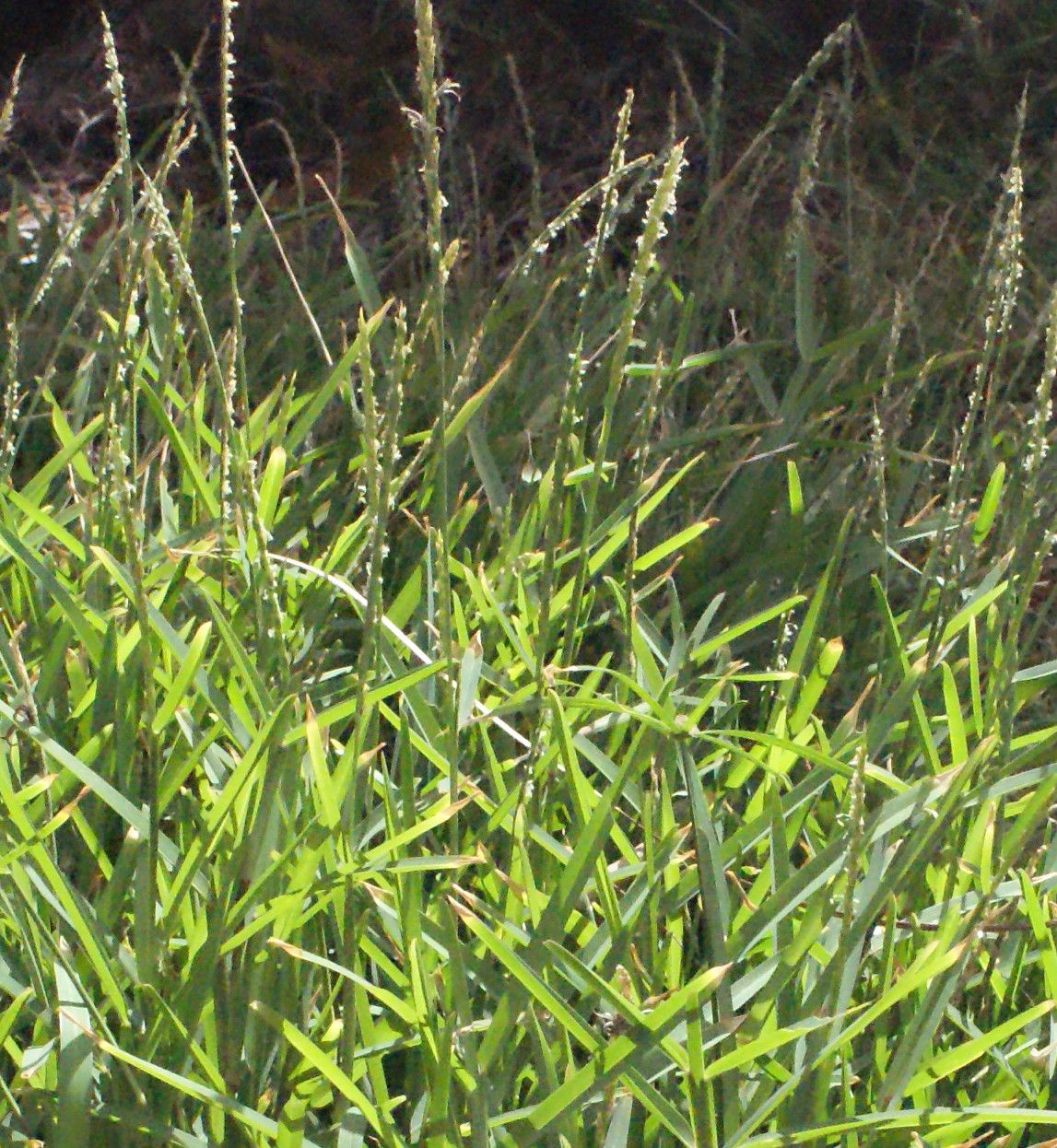
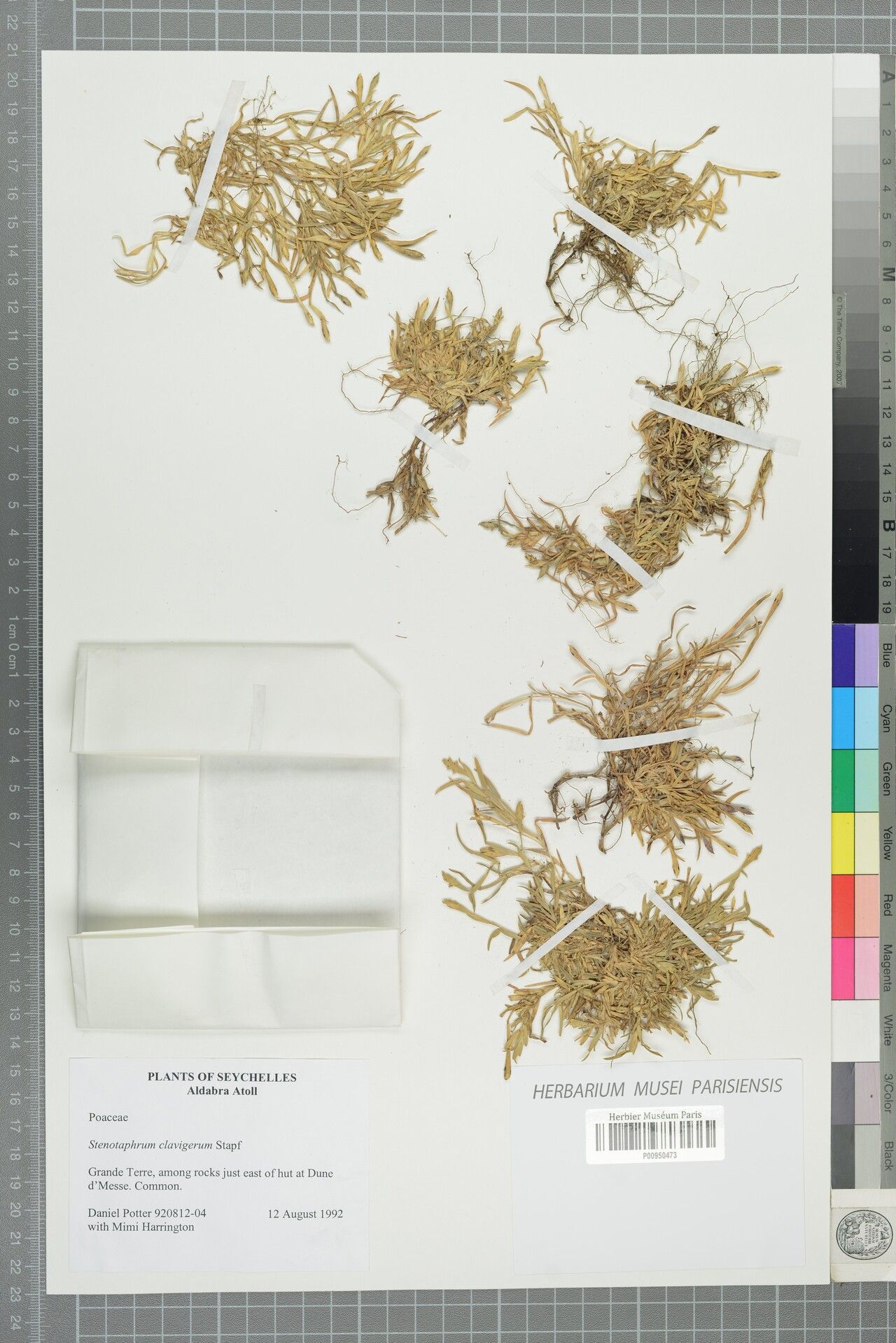
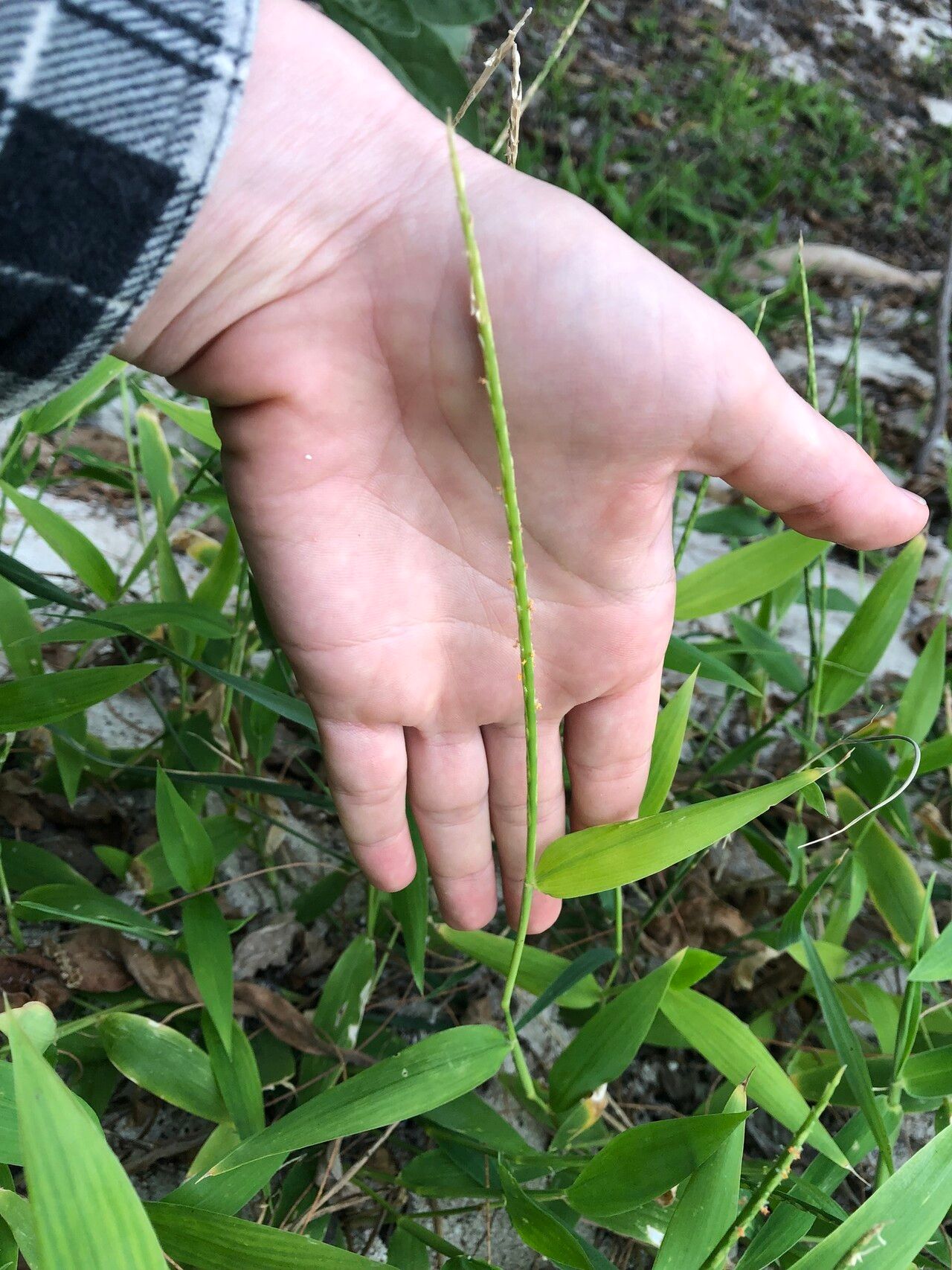
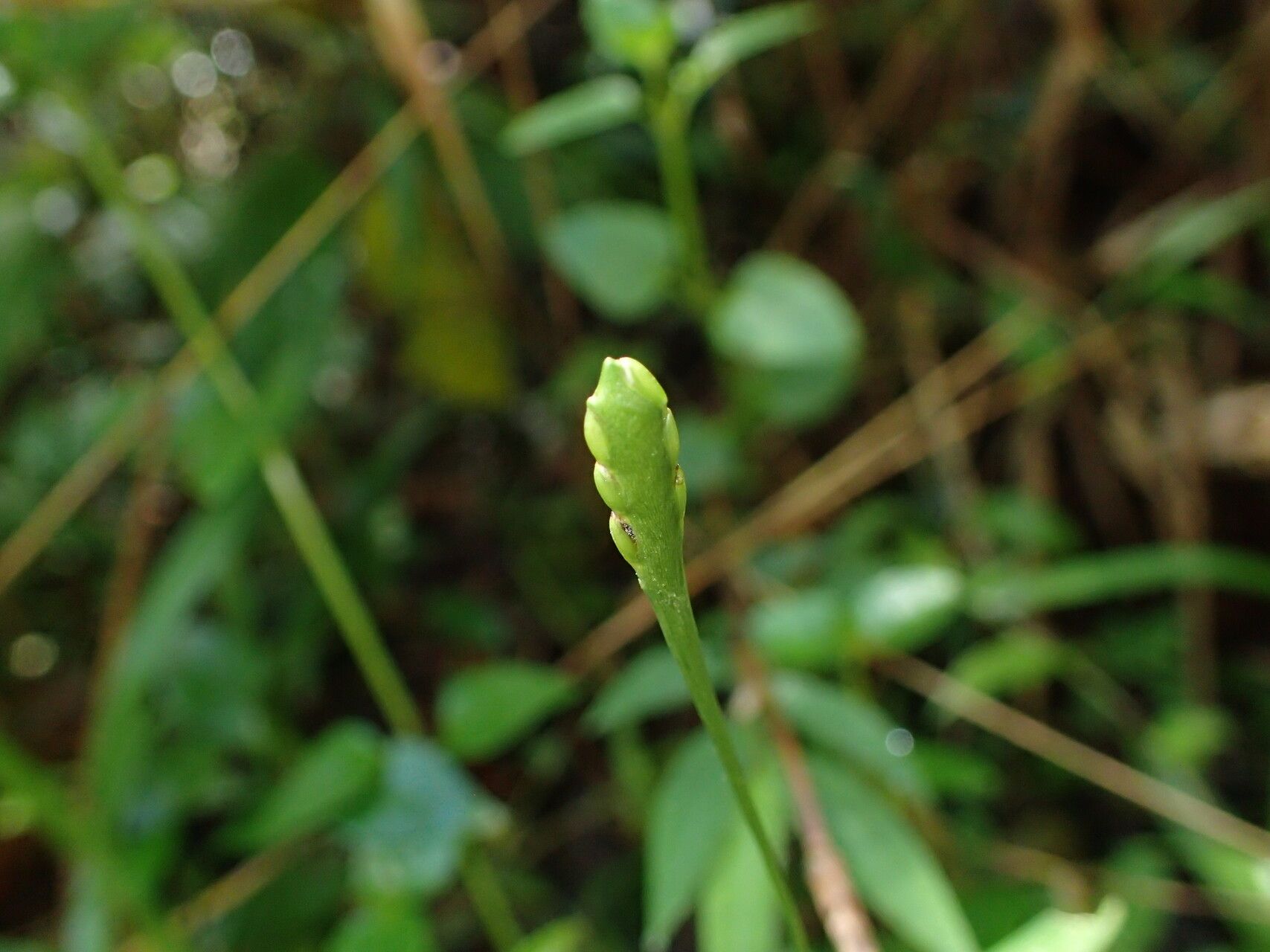
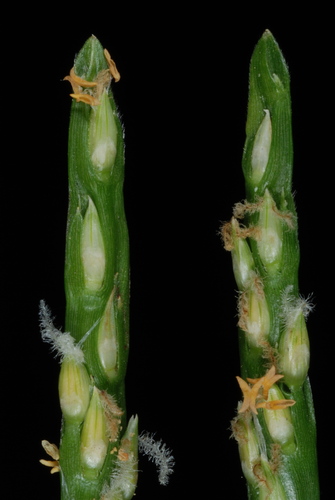
Stenotaphrum dimidiatum, commonly known as St. Augustine grass, is a warm-season grass native to the Gulf Coast region of the United States. Its popularity as a turfgrass is due to its excellent shade tolerance and resistance to salt spray, making it particularly well-suited for coastal areas. St. Augustine grass features broad leaves with a coarse texture and a dark green hue, which can vary based on the cultivar.
This grass thrives in warm climates with high humidity and ample rainfall but can endure drought conditions once established. While it prefers well-drained soils, it can also grow in poorly drained conditions as long as they are not waterlogged.
Regular maintenance, including mowing, fertilizing, and watering, is essential to keep St. Augustine grass lush throughout the growing season, which extends from spring through fall.
In summary, Stenotaphrum dimidiatum is an excellent choice for homeowners seeking an attractive turfgrass with minimal maintenance requirements. It offers outstanding shade tolerance and salt spray resistance, particularly beneficial in coastal regions.
Maidencane is resistant to disease and is usually not susceptible to illnesses. As for maintenance, this plant is fairly low-maintenance. When grown outdoors it needs little watering, and larger plants typically do not require pruning. Smaller plants, however, should be pruned after they have bloomed. Maidencanet is appropriate for anyone with an outdoor area, like a garden or deck, and does not demand extensive plant-care experience.
How to keep Stenotaphrum Dimidiatum.
Light
Maidencane is a sun-loving perennial herbaceous plant native to open habitats, commonly thriving in meadows and grasslands. It prefers full sun but can also tolerate partial sun.
Temperature
Maidencane adapts well to warmer conditions and can withstand higher temperatures and wider temperature swings. During hot periods, care should be taken with watering and providing adequate shade to prevent sunburn. Conversely, Maidencane has relatively low cold tolerance. While it can endure some cold, excessively low temperatures can cause frost damage.
Fertilizer
Maidencane needs extra nutrients to encourage healthy new growth. In spring, applying compost around the base of the plant will effectively supply the nutrition it requires. Fertilizing supports robust growth and helps the plant withstand diseases and pests.
Botanical profile.
- Plant Type
- Grass
- Life Cycle
- Perennial
- Genus
- Stenotaphrum
- Family
- Poaceae
- Hardiness Zone
- 9-11
- Mature Height
- 10 cm to 30 cm
- Mature Spread
- 49 cm to 91 cm
- Leaf Color
- Dark Green, Forest Green
- Leaf Type
- Evergreen
- Flower Size
- 0.20 cm to 0.25 cm
- Bloom Time
- Summer, Early fall, Mid fall
- Planting Time
- Spring, Summer, Autumn
- Harvest Time
- Late summer, Fall, Early winter
- Native Area
- Benin, Sri Lanka, Burkina Faso, India, Equatorial Guinea, Vietnam, Mozambique, Tanzania, South Africa, Ghana, Madagascar, Bangladesh, Pakistan, Kenya, Thailand
Other names.