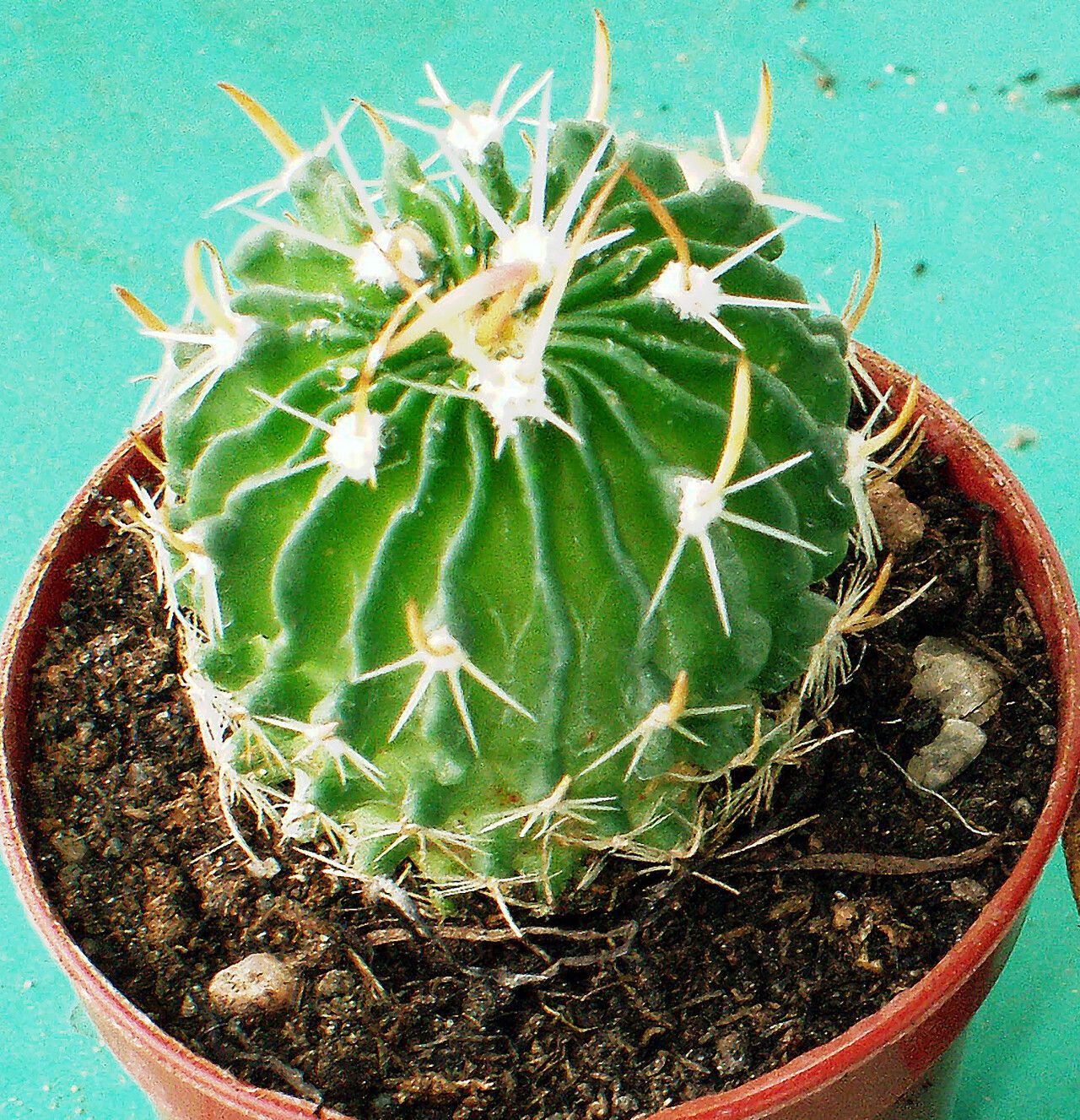
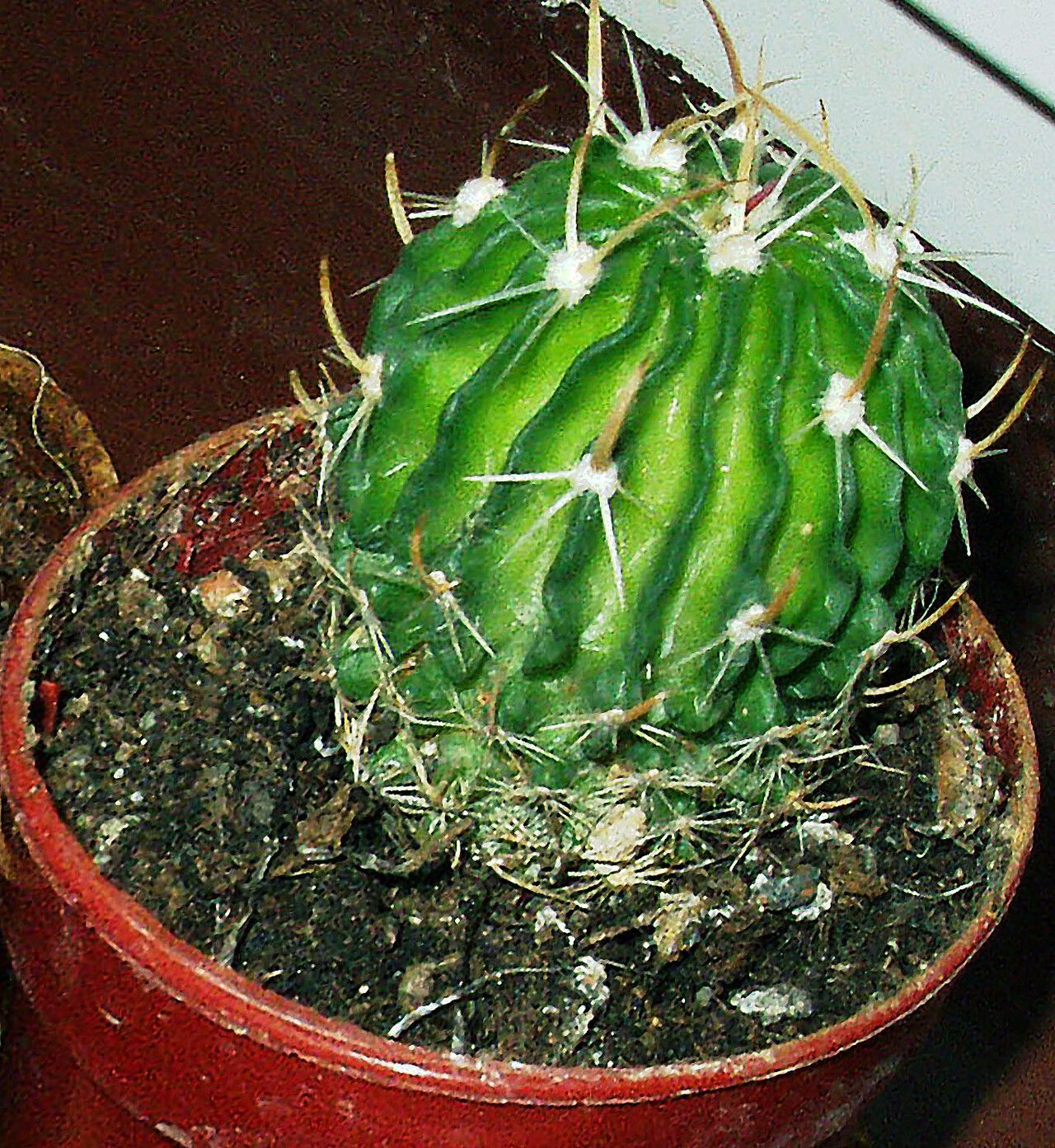
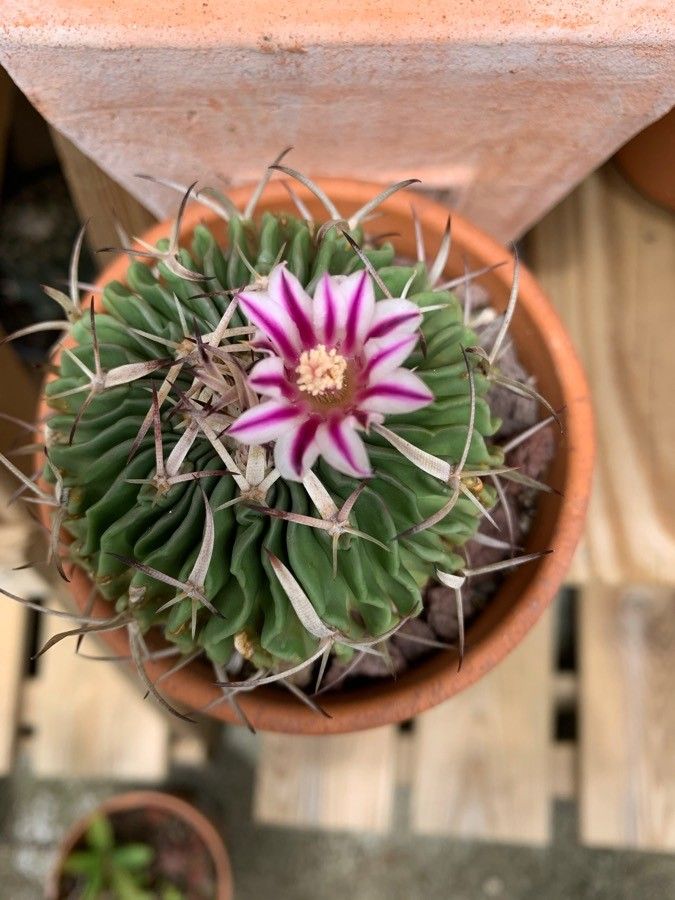
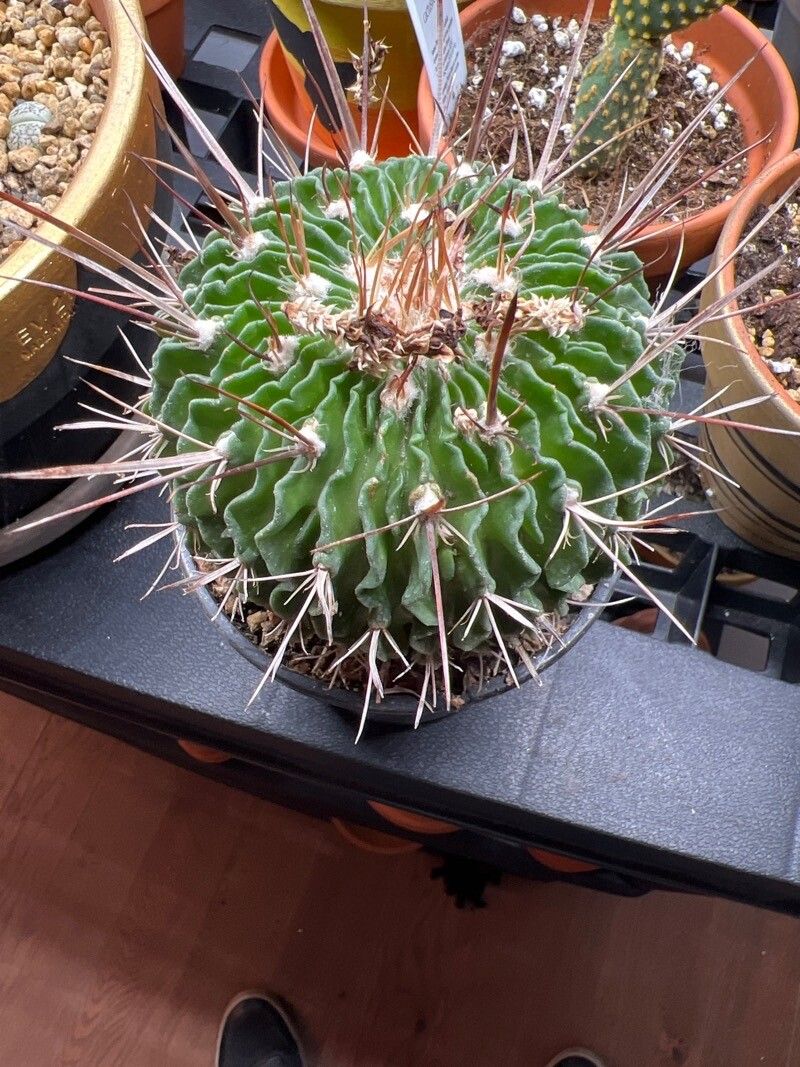
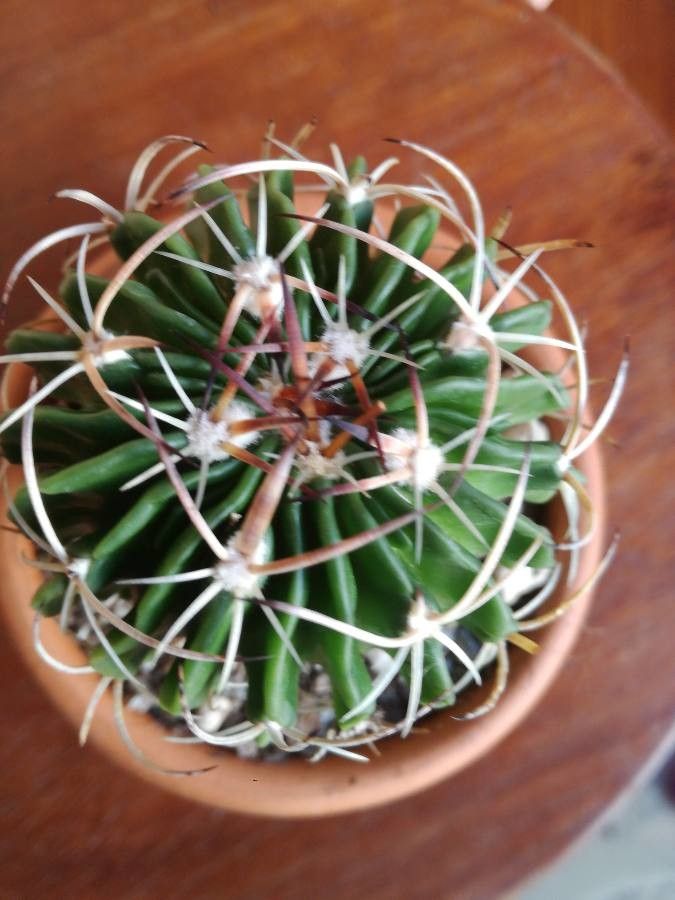
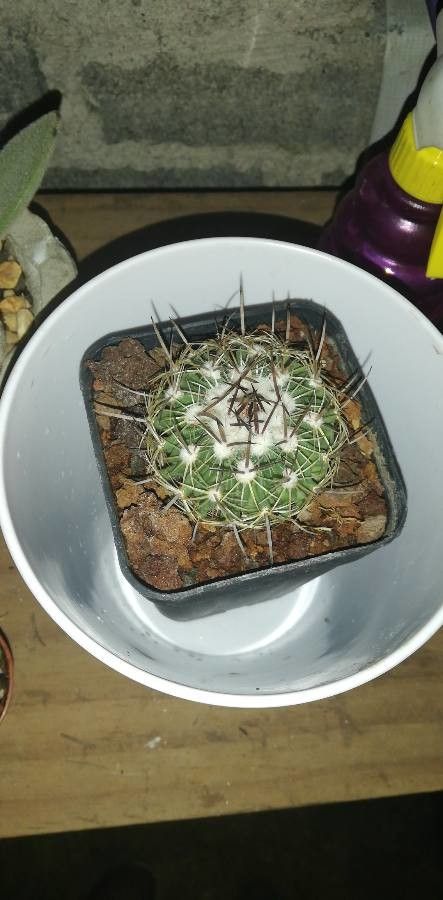
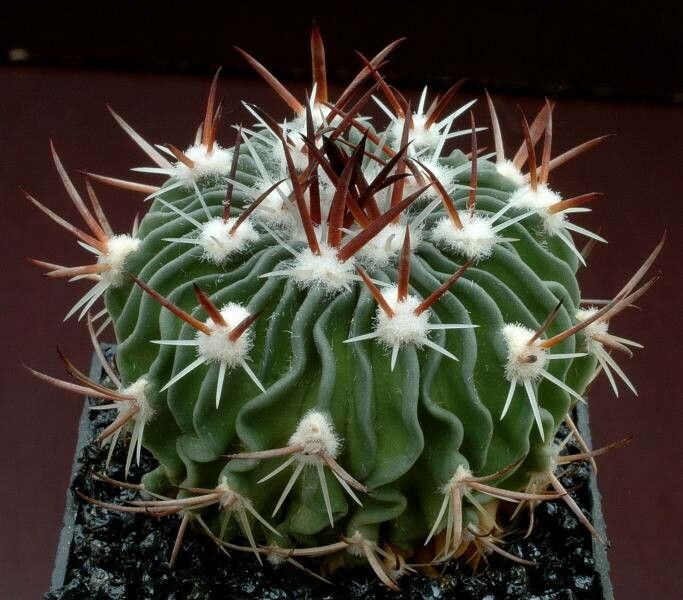
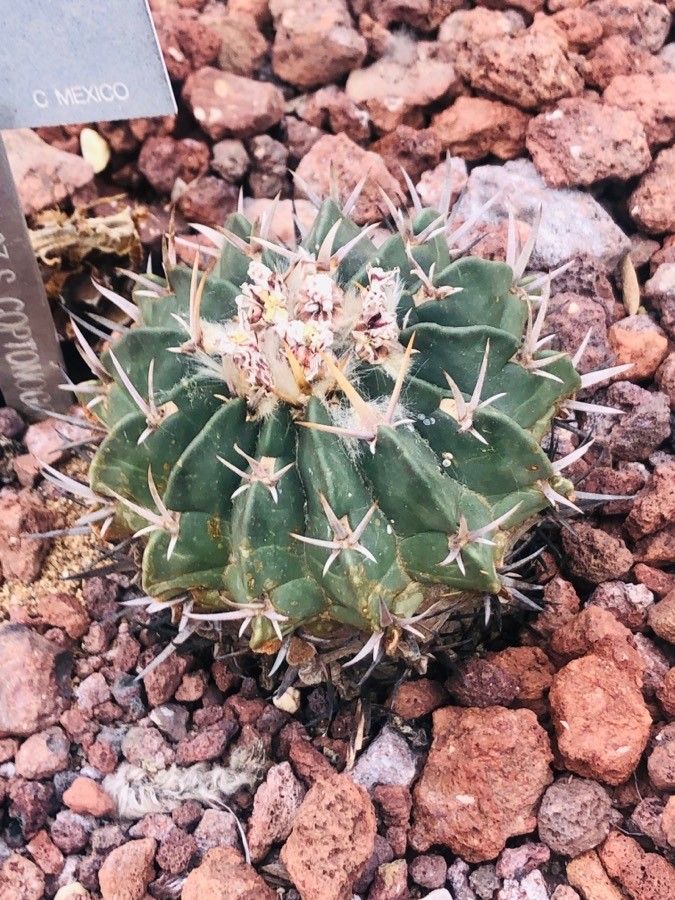
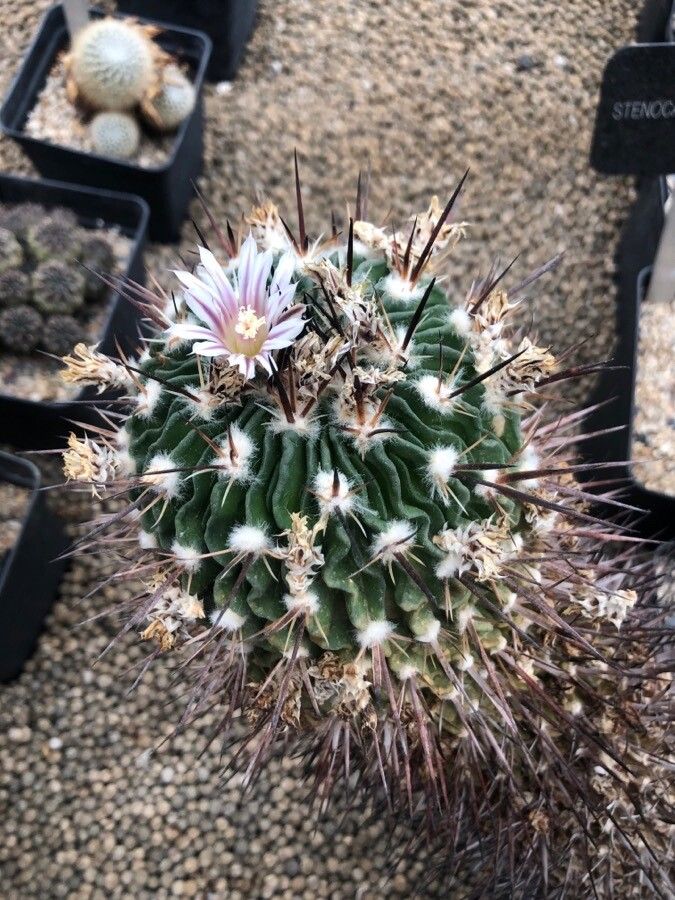
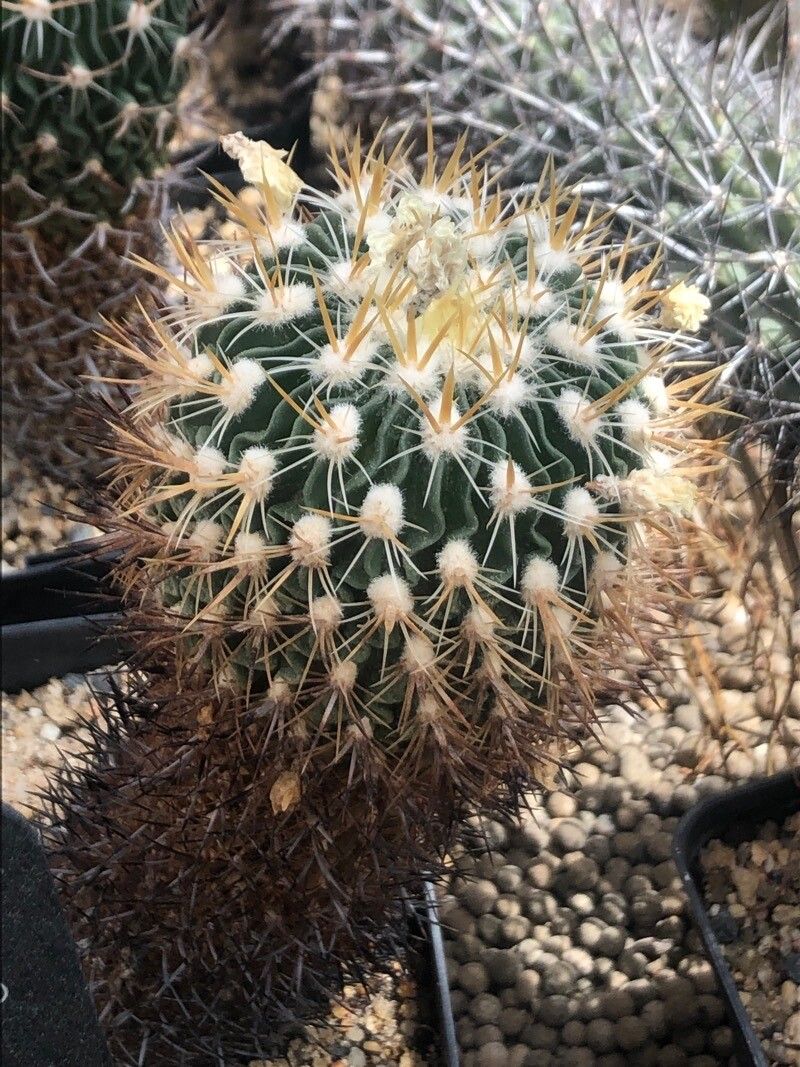
Stenocactus multicostatus is a small, slow-growing cactus species native to Mexico. Belonging to the family Cactaceae, it is commonly known as the "brain cactus" due to its unique, convoluted shape. The plant typically reaches a height of up to 10 cm and a diameter of about 5 cm, featuring a globular or cylindrical body with numerous vertically running ribs or ridges.
The spines of Stenocactus multicostatus are short and stout, growing in clusters along these ridges. Its flowers are small and pinkish-white, blooming from late spring through early summer.
This cactus species thrives in well-draining soil with plenty of sunlight. While it can tolerate drought conditions, it should be watered sparingly during its active growth periods.
Stenocactus multicostatus is popular among collectors for its distinct appearance and low maintenance requirements. However, it is important to note that the International Union for Conservation of Nature (IUCN) lists this species as threatened due to habitat loss from urbanization and agricultural activities in Mexico's Chihuahuan Desert, where it naturally grows.
Brain cactus is fairly resistant to disease and typically tolerates routine care without becoming ill easily. That said, it can be vulnerable to mealybugs; these pests may cause some harm but are usually not a major problem. Regarding its care, Brain cactus is drought-tolerant and does not require frequent watering. It can go for extended periods without water and needs little fertilizer. Conversely, it is very prone to root rot if kept in poor lighting and given too much water. In summary, Brain cactus is a good choice for people who prefer low-maintenance plants, but it’s still important to meet its basic requirements. It is especially appropriate for those who are away for long stretches and might forget regular watering.
How to keep Stenocactus Multicostatus.
Light
Brain cactus grows best in light similar to its natural environment, getting sun for most of the day. Too little light can impede healthy growth, and too much can cause damage. Across its various growth stages, its preference for ample sun exposure stays the same.
Water
The brain cactus is well-suited for arid climates and is drought-tolerant, requiring water only every three weeks. As a succulent, it is ideal for indoor growth and thrives in well-draining soil, which is essential for preventing root rot and ensuring healthy development.
Temperature
Brain cactus is native to habitats where temperatures fall between 68 and 100 °F (20 to 38 °C). It does best when kept in conditions that reproduce that range year-round. Seasonal adjustments may be required to maintain those temperatures, especially in cooler climates.
Fertilizer
For Brain cactus, use light doses of fertilizer one to two times a year during the growing season. Avoid fertilizing in winter and summer when it is dormant. Reduce fertilizer for repotted plants and wait a couple of months after repotting before fertilizing. Fertilizing supports healthy growth and encourages blooms.
Pruning
For optimal growth, brain cactus requires minimal pruning. Simply remove any withered flowers and dead branches to help the plant concentrate its nutrients on healthier development.
Pot & Repot
Repot the brain cactus in spring or summer, selecting a pot slightly larger than the current one with good drainage. Use a well-draining, sandy or gritty cactus mix. Handle it carefully to avoid its spines. Let the cactus dry out before repotting to prevent root rot. After repotting, wait a week before watering to allow the roots to heal.
Botanical profile.
- Plant Type
- Succulent
- Life Cycle
- Perennial
- Genus
- Stenocactus
- Family
- Cactaceae
- Hardiness Zone
- 9-11
- Mature Height
- 6 cm
- Mature Spread
- 6 cm to 10 cm
- Leaf Color
- Dark Green, Green
- Leaf Type
- Evergreen
- Flower Color
- Pink, White
- Flower Size
- 0.51 cm to 1.52 cm
- Bloom Time
- Spring
- Planting Time
- Spring, Summer
- Harvest Time
- Late spring, Early summer, Mid summer
- Native Area
- Central America
Other names.
Reader questions.
What are the sunlight requirements for a Brain Cactus?
The Brain Cactus (Stenocactus multicostatus) thrives in environments that mimic its native habitat, requiring more than 6 hours of sunlight daily to grow healthy. Observing how sunlight moves through your garden to select spots that offer a balance of light and shade ensures the plant's wellbeing. Inadequate sunlight can lead to poor growth, while too much exposure can be detrimental. As the cactus grows, its need for significant sun exposure remains constant, reflecting its natural preference for bright conditions.
How can artificial lighting be used for Brain Cactus indoors?
When natural sunlight is insufficient for a Brain Cactus, especially during winter or in less sunny spaces, artificial lighting becomes essential for its optimal growth. LED lights are often recommended because they can be tailored to provide specific wavelengths beneficial for plant growth. For full sun plants, 30-50W per square foot is ideal; partial sun plants need 20-30W, and shade plants require 10-20W. The light source should be placed 12-36 inches above the plant to emulate natural sunlight, and the lighting should last for 8-12 hours daily to mimic natural daylight hours effectively.
What are the symptoms of inadequate sunlight in Brain Cactus?
When Brain Cactus is placed in areas with insufficient lighting, it may exhibit several symptoms indicating light deficiency. These include the development of smaller new leaves, leggy or sparse growth, accelerated leaf drop, slower or halted growth, paler new leaves, chlorosis (yellowing leaves), sunscald, leaf curling, wilting, and leaf scorching. These symptoms highlight the plant's struggle in suboptimal lighting conditions, underscoring the need for adequate sunlight or artificial lighting solutions.
What solutions can help Brain Cactus with light deficiency?
For indoor Brain Cactus experiencing light deficiency, gradually moving the plant to a sunnier location or supplementing with artificial light is beneficial. For outdoor plants, finding the best sunlight spot and making gradual adjustments to avoid shock is key. Reducing obstructions like pruning trees can also help. Transplanting smaller plants to sunny locations can address the issue for ground-planted specimens. It's vital to note that although parts of the plant affected by low light may not fully recover, new growth will be healthy with improved lighting.