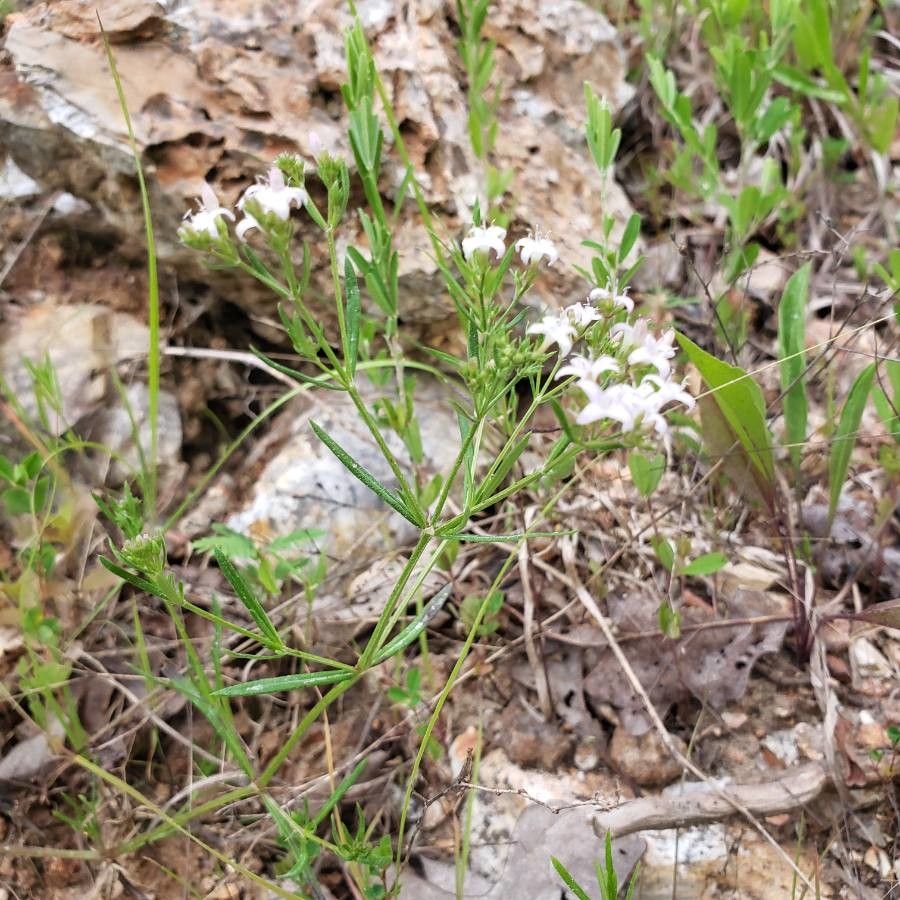
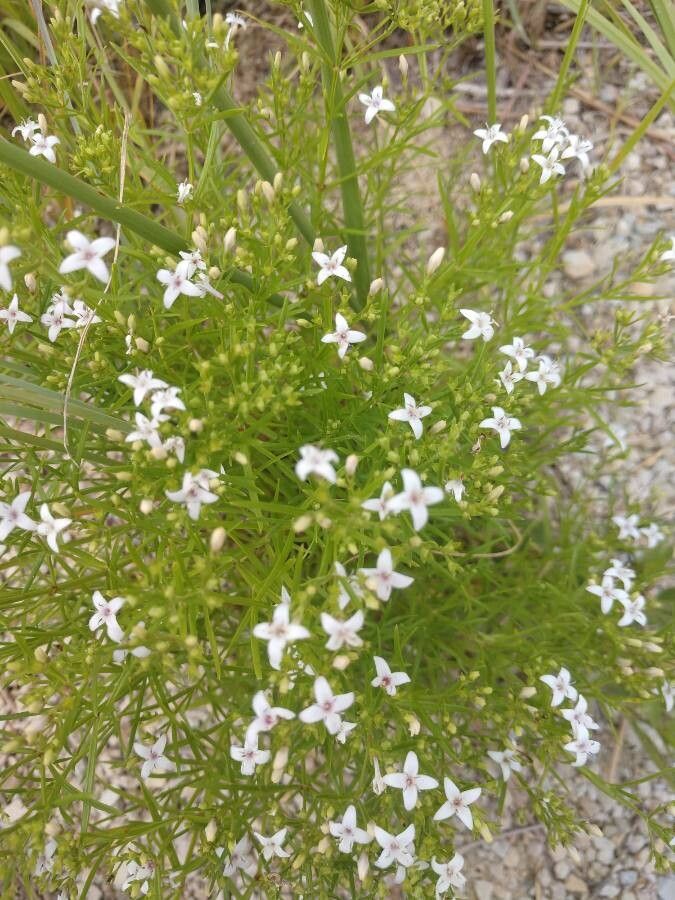
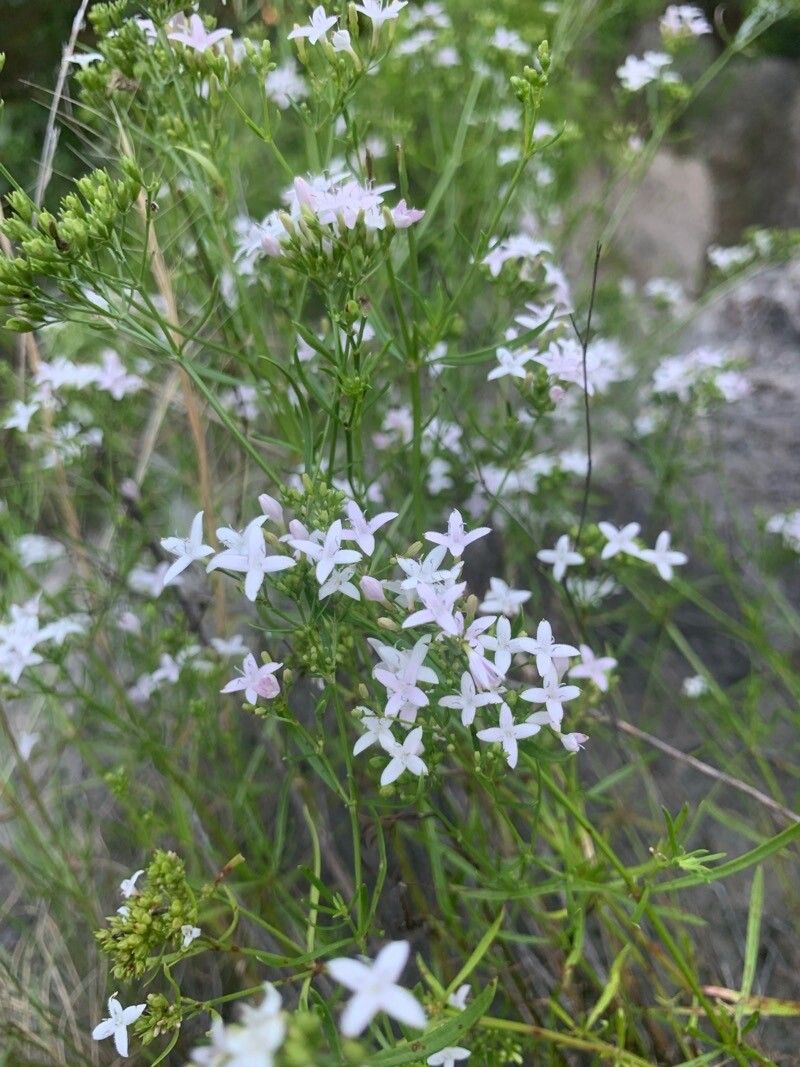
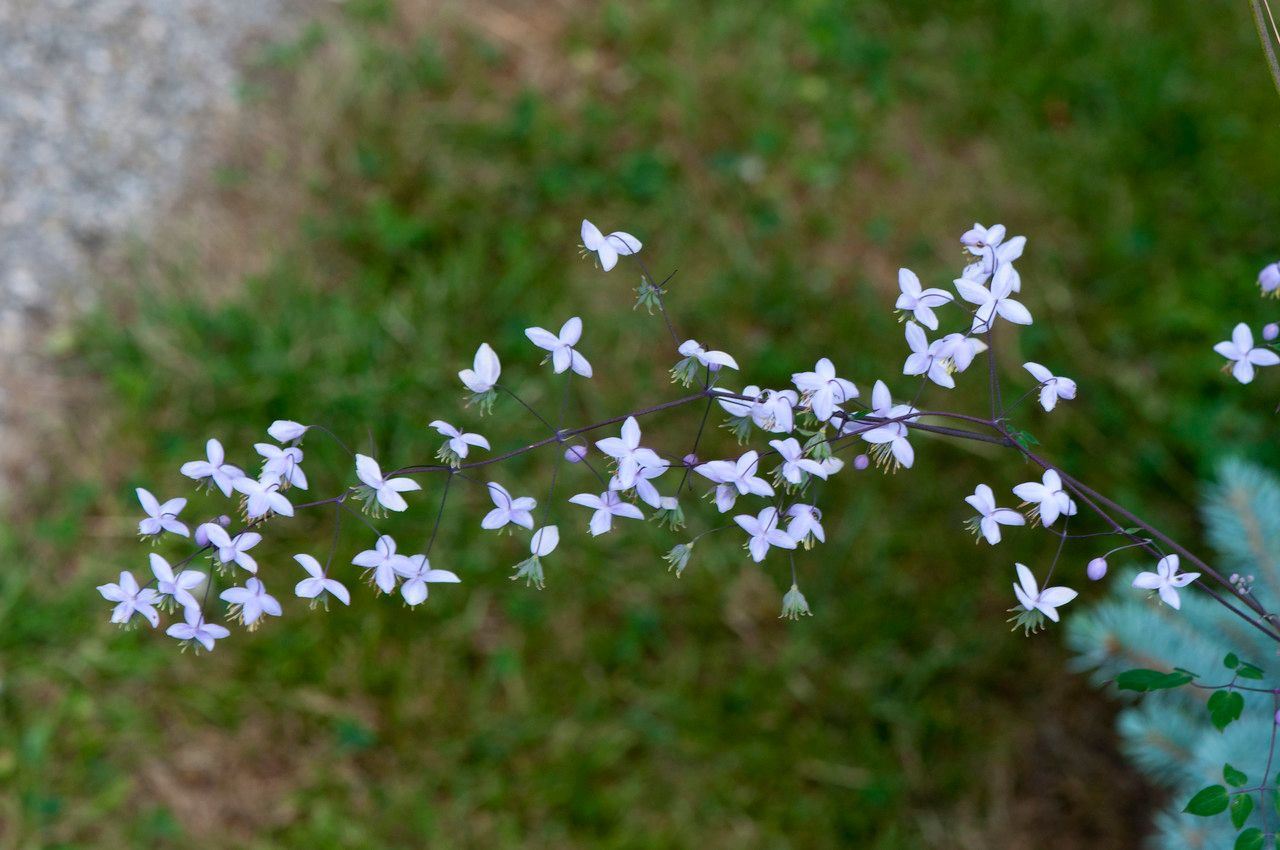
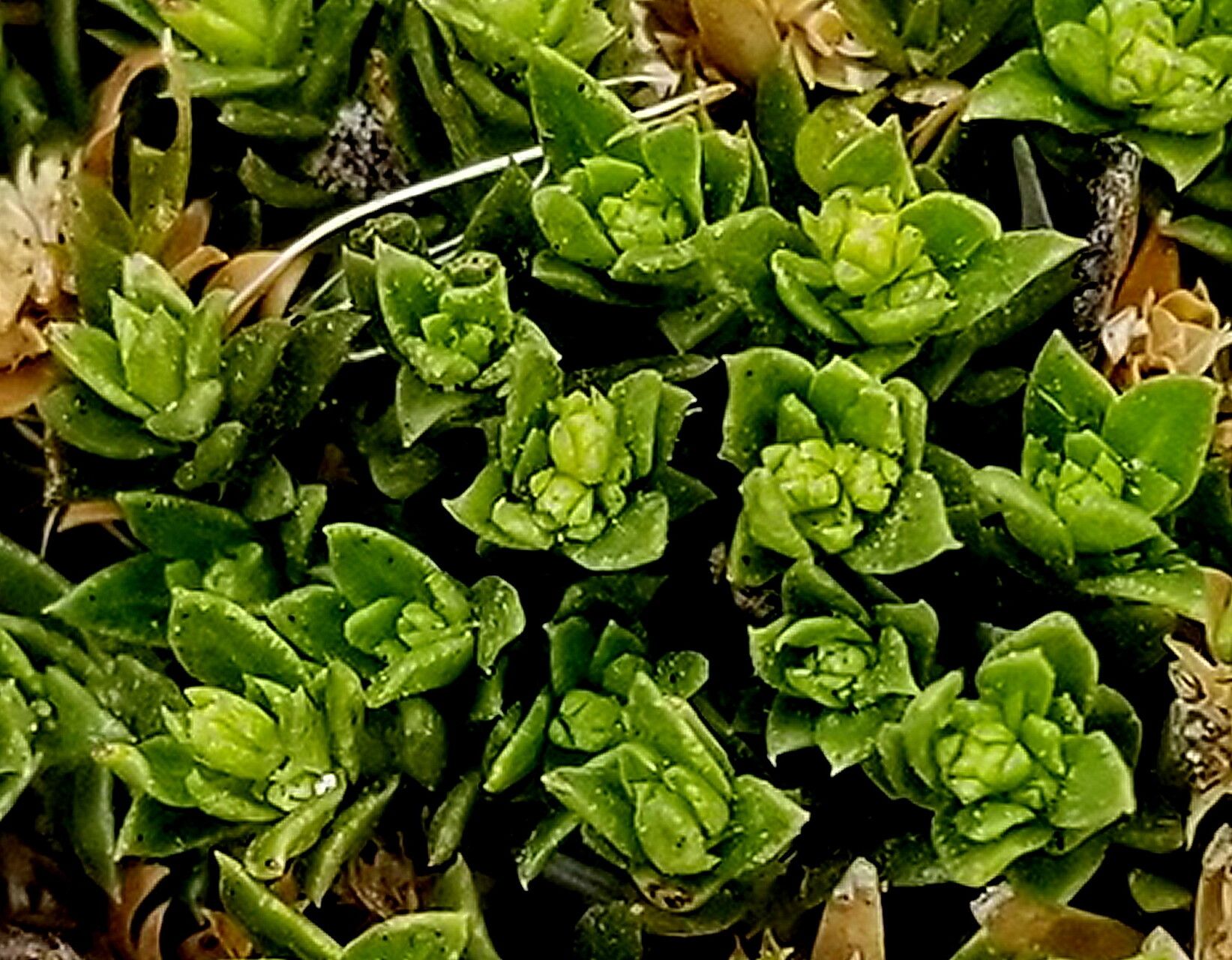
Stenaria nigricans, a perennial herbaceous plant belonging to the Apiaceae family, is commonly known as blackfruit stenaria or blackfruit parsley. Native to the Mediterranean region, it can be found in countries such as Greece, Turkey, and Cyprus.
This plant grows up to 50 cm (about 20 inches) in height and features a basal rosette of leaves deeply divided into narrow segments. Its slender, erect stem is branched and adorned with small white flowers arranged in umbels at the ends of the branches.
The fruit of Stenaria nigricans is small, measuring 2-3 mm, and turns dark brown or black upon maturity. It emits an aromatic odor similar to parsley, though with a slightly bitter taste.
Traditionally, Stenaria nigricans has been used for medicinal purposes, particularly for treating digestive disorders, respiratory problems, and skin diseases, thanks to its anti-inflammatory properties.
Besides its medicinal uses, this plant also plays an ecological role by serving as an important food source for nectar-seeking insects, such as bees.
In summary, Stenaria nigricans is a fascinating herbaceous perennial that offers both medicinal benefits and ecological significance within its native range.
Diamond flowers have good disease resistance and are generally not prone to illnesses. However, they can be vulnerable to pests and diseases present in their surroundings. These infections are usually not severe. In terms of care, this plant requires moderate maintenance. It needs regular pruning to maintain an attractive appearance and healthy growth. Fertilizing can also help encourage flowering. Diamond flowers are suitable for anyone with an outdoor space, such as a garden or patio, and do not demand extensive care experience. They may require more attention when grown indoors.
How to keep Stenaria Nigricans.
Light
The diamond flower thrives when it receives abundant sunlight for most of the day, though it can also grow reasonably well with moderate sun exposure. Excessive shade or too little sunlight can impede its healthy growth. It originates from habitats where ample sunlight is common.
Water
Diamond flowers thrive in moist conditions and need consistent hydration to stay healthy. Watering them weekly is essential because, while they are moderately drought-tolerant, they still require regular moisture. As evergreen plants, diamond flowers require a steady water supply to sustain continuous growth, especially when grown outdoors where they also benefit from natural rainfall.
Temperature
Diamond flowers is chiefly suited to mild conditions with temperatures from 68 to 95 °F (20 to 35 ℃). Native to temperate zones, it prefers moderate warmth and can tolerate slight cold. It's advisable to reduce watering slightly during colder seasons to prevent freezing.
Fertilizer
With Diamond flowers, the primary time to apply fertilizer is in early spring as the blooms begin to form. Using the appropriate fertilizer promotes better flowering and helps Diamond flowers develop attractive blooms. Fertilizing in early spring guarantees excellent flowers during the season and supplies energy for dormant growth phases.
Pruning
Diamond Flowers have small white blooms and benefit from pruning between early and late spring to encourage healthy growth. Focus on removing dead branches and thinning out crowded areas. Regular pruning enhances flowering, prevents disease, and boosts the plant's vigor. Be sure to use sterilized tools to prevent infections.
Botanical profile.
- Plant Type
- Herb, Shrub
- Life Cycle
- Perennial
- Genus
- Stenaria
- Family
- Rubiaceae
- Hardiness Zone
- 9-10
- Mature Height
- 15 cm to 46 cm
- Mature Spread
- 30 cm
- Leaf Color
- Dark Green
- Leaf Type
- Deciduous
- Flower Color
- White
- Flower Size
- 0.76 cm
- Bloom Time
- Summer
- Planting Time
- Spring, Summer, Autumn
- Harvest Time
- Late summer, Early fall, Mid fall
- Native Area
- Bahamas, Mexico
Other names.
Reader questions.
How should I water my Diamond flowers?
When watering Diamond flowers, it's best to use filtered water at room temperature or slightly warmer. Tap water may contain harmful particles for this plant. The reason for using warm water is that Diamond flowers are used to warm environments, and cold water can be a shock to them. Avoid overhead watering, as it can cause problems with the foliage. Instead, apply the filtered room temperature water directly to the soil until it is completely soaked. This will benefit the plant by moisturizing the roots and assisting them in spreading through the soil and absorbing nutrients.
What are the sunlight requirements for Diamond flowers?
Diamond flowers thrive best when exposed to full sun for the majority of the day, requiring more than 6 hours of sunlight to grow healthily. They can also grow adequately with partial sun, about 3-6 hours of sunlight. Observing the way sunlight moves through your garden will help in choosing the ideal spots that offer a good balance of light and shade, which is crucial for the plant's well-being. Specifically, Diamond flowers come from environments where being bathed in ample sunlight is the norm, although too little sun exposure can hinder its growth.
What is the ideal temperature range for Diamond flowers?
Diamond flowers thrive in mild environments with temperatures ranging between 68 to 95 °F (20 to 35 °C). Native to temperate zones, this plant enjoys moderate warmth but can also tolerate slight cold. During colder seasons, it is advisable to slightly reduce watering to prevent the soil from freezing.
What do I do if I give my Diamond flowers too much or too little water?
Both overwatering and underwatering can harm the health of your Diamond flowers, but overwatering is more common. When this species gets too much water, its stems and leaves may wilt and turn yellow. Overwatering for a long time can also cause diseases like root rot, mold, and mildew, which can kill your plant. Underwatering is less common for Diamond flowers because they can tolerate drought well. However, it is still possible, and when it happens, the leaves will become brittle and brown. It is important to notice signs of overwatering quickly. Some diseases caused by overwatering, like root rot, may not be fixable if you wait too long. If you see early signs of overwatering, reduce your watering schedule right away. Also, check the quality of the soil. If it drains poorly, replace it with loose, well-draining potting mix. If you notice signs of underwatering, simply water your Diamond flowers more regularly until the signs go away.
How can artificial lighting benefit indoor Diamond flowers?
Artificial lighting plays a crucial role for indoor Diamond flowers, especially when natural sunlight is insufficient, like in winter or less sunny areas. It promotes faster, healthier growth by compensating for the lack of natural light. LED lights are recommended due to their ability to provide specific wavelengths needed by the plants. Full sun plants require 30-50W/sq ft, partial sun plants need 20-30W/sq ft, and full shade plants should have 10-20W/sq ft of artificial light. The light source should be placed 12-36 inches above the plant, mimicking natural sunlight's distance, and it's important to adjust the lighting duration to replicate natural daylight hours, usually between 8-12 hours per day.
How should Diamond flowers be cared for in cold temperatures?
Diamond flowers have a moderate tolerance to low temperatures and generally do not require special care when temperatures are above 0°C. However, if temperatures are expected to drop below freezing, temporary cold protection measures, such as wrapping the plant with plastic film, fabric, or other materials, should be taken. These protective measures should be removed once the temperature rises again to avoid any potential damage to the plant.
How many times do I need to water my Diamond flowers?
If your Diamond flowers are in a pot, the most accurate way to know if they need water is by sticking your finger into the soil. When the top two to three inches of soil feel dry, it's time to water them. If you're growing Diamond flowers outdoors, you can use a similar method to test the soil. When the first few inches of soil have dried out, it's time to water them. Usually, during the spring and early fall, watering once a week should be sufficient. However, in extremely hot weather, you may need to water them twice a week or even more. It's worth noting that mature, well-established Diamond flowers can handle periods of drought without any major issues.
What are the symptoms of light deficiency in Diamond flowers?
When Diamond flowers don't receive enough light, several noticeable symptoms may appear. These include smaller new leaves, leggy or sparse growth, faster leaf drop, a halt in growth indicating a survival mode due to poor light conditions, and lighter-colored new leaves signaling a lack of chlorophyll. Excessive sunlight exposure can cause chlorosis, leading to yellowing of the leaves, sunscald that appears as damaged areas on plant tissues, leaf curling as a defense to minimize water loss, wilting due to increased transpiration, and leaf scorching characterized by brown, dry edges on the leaves.
What are the symptoms of and solutions for Diamond flowers exposed to low temperatures?
When exposed to temperatures below -5°C, the leaves of Diamond flowers may droop. In mild cases, they can recover, but in severe cases, leaves will wilt and eventually fall off. To address frost damage, trim off the frost-damaged parts. Before the plant is exposed to low temperatures again, protect it by wrapping with non-woven fabric or cloth and construct a wind barrier to shield it from cold winds.
How much water do my Diamond flowers need?
When watering your Diamond flowers, don't be shy about the amount of water you use. Make sure the first two to three inches of soil are dry before watering. It's best to thoroughly soak the soil by adding enough water that excess water flows out of the drainage holes in the pot. If you don't see any excess water draining, you may have not watered enough. However, be careful not to let water accumulate in the soil, as this can be harmful to the plant. On the other hand, if water doesn't drain through the pot, it may indicate poorly draining soil, which is not good for the plant's health. If the plant is outdoors, one inch of rain per week is sufficient.
What solutions are available for Diamond flowers suffering from light deficiency?
For indoor Diamond flowers, it's advised to gradually move the plants to a sunnier location each week to ensure they get at least 6 hours of direct sunlight daily. Keeping plants near a south-facing window or using artificial lights, such as desk or ceiling lamps for at least 8 hours a day, can also help. For outdoor plants, transitioning them gradually to sunnier spots is key to avoiding sunburn. Obstructions like trees might require pruning to allow more sunlight to reach the plants. Transplanting smaller plants during their dormant period into areas with better sunlight and drainage can also address light deficiency issues. It's important to note that parts of the plant already affected by insufficient sunlight may not recover, but new growth should be healthy with improved light conditions.
What are the symptoms of and solutions for Diamond flowers exposed to high temperatures?
During the summer, it's crucial to keep Diamond flowers below 35°C. Exposure to temperatures above 41°C can cause the leaves to lighten in color, dry up, curl, and increase susceptibility to sunburn. To mitigate damage from high temperatures, trim away sunburned and dried-up parts, move the plant to a shaded location, especially during midday and the afternoon, or use a shade cloth. Additionally, watering the plant in the morning and evening will help keep the soil moist and reduce stress on the plant.