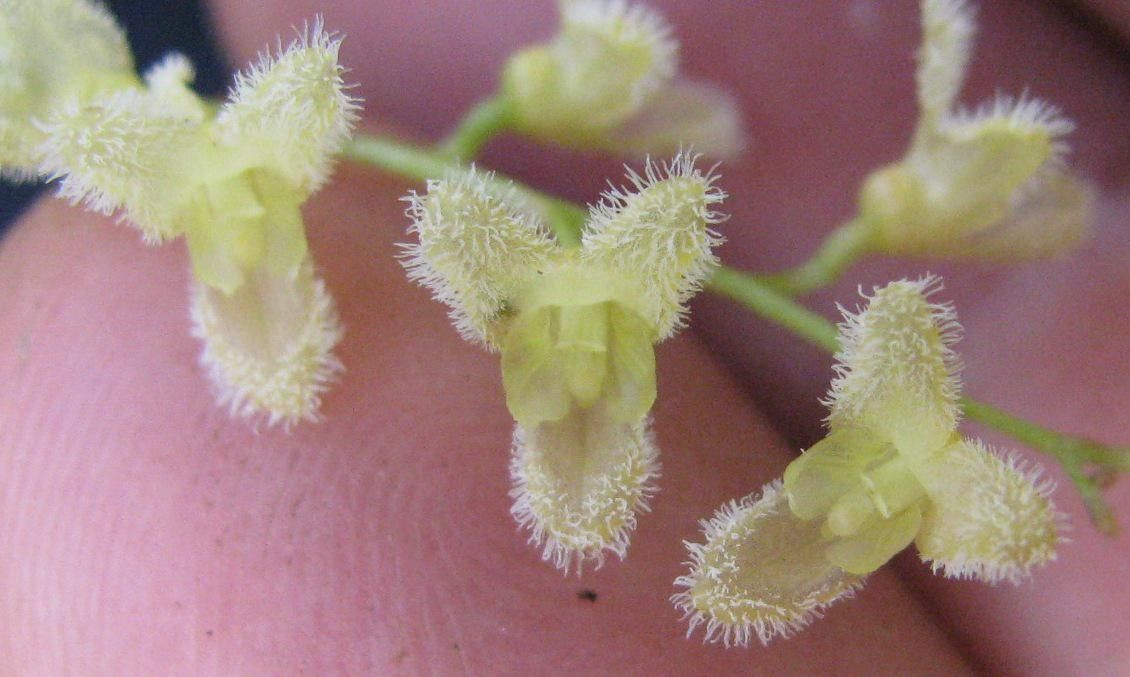
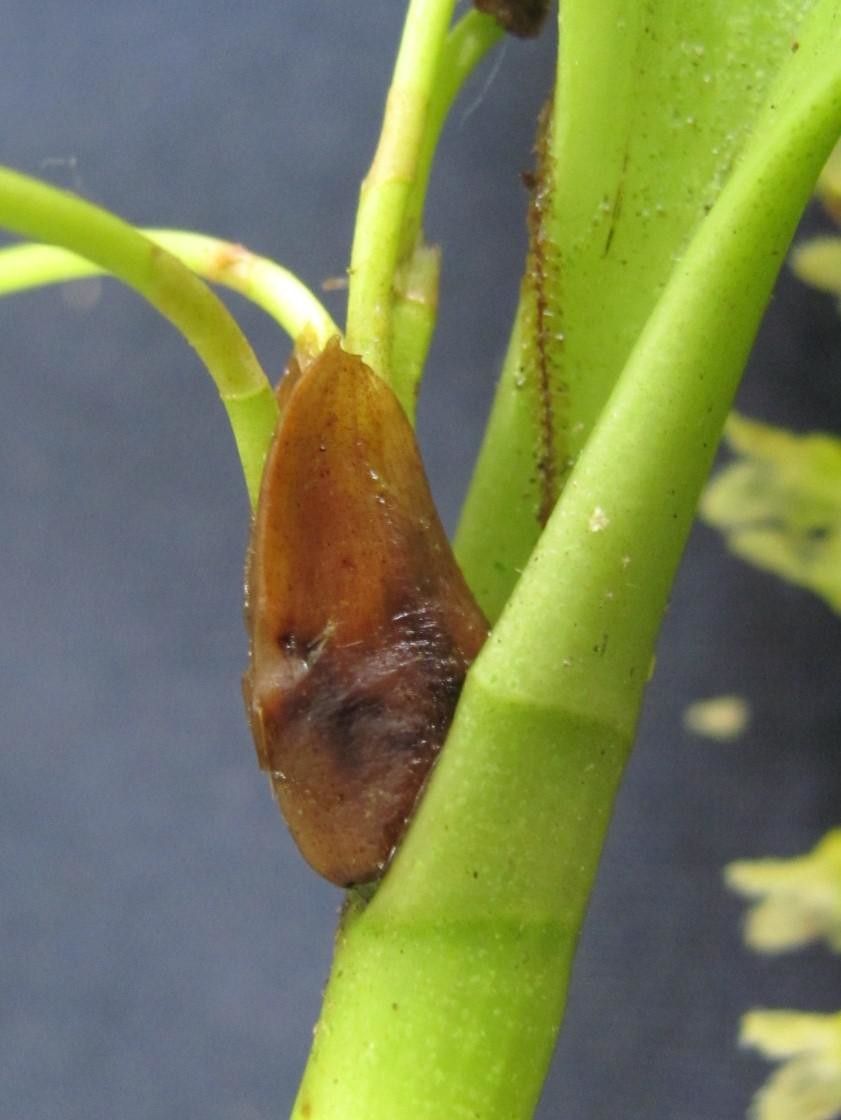
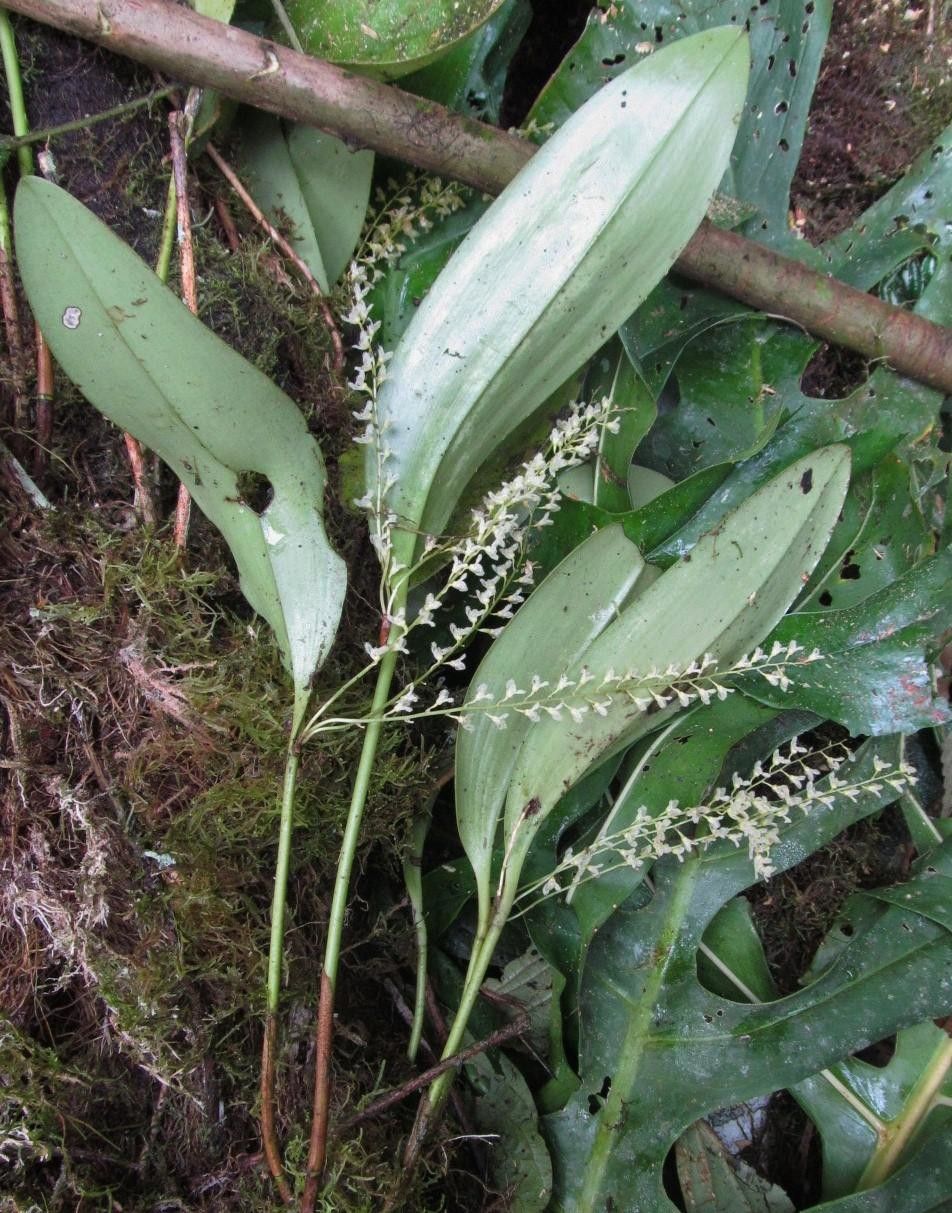
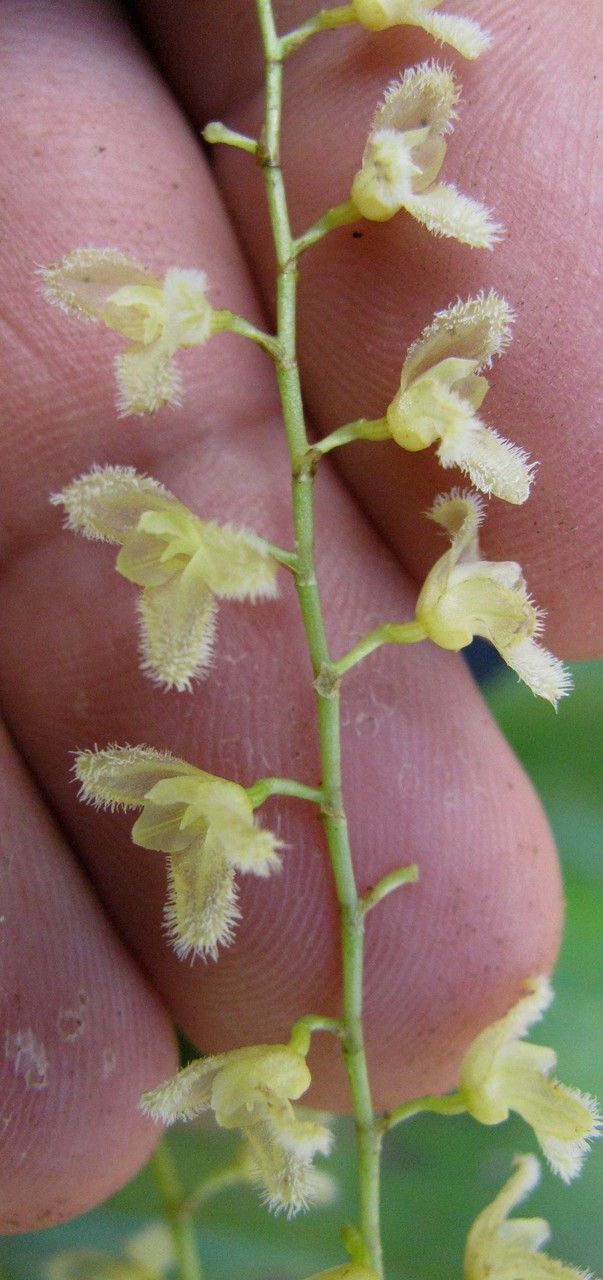
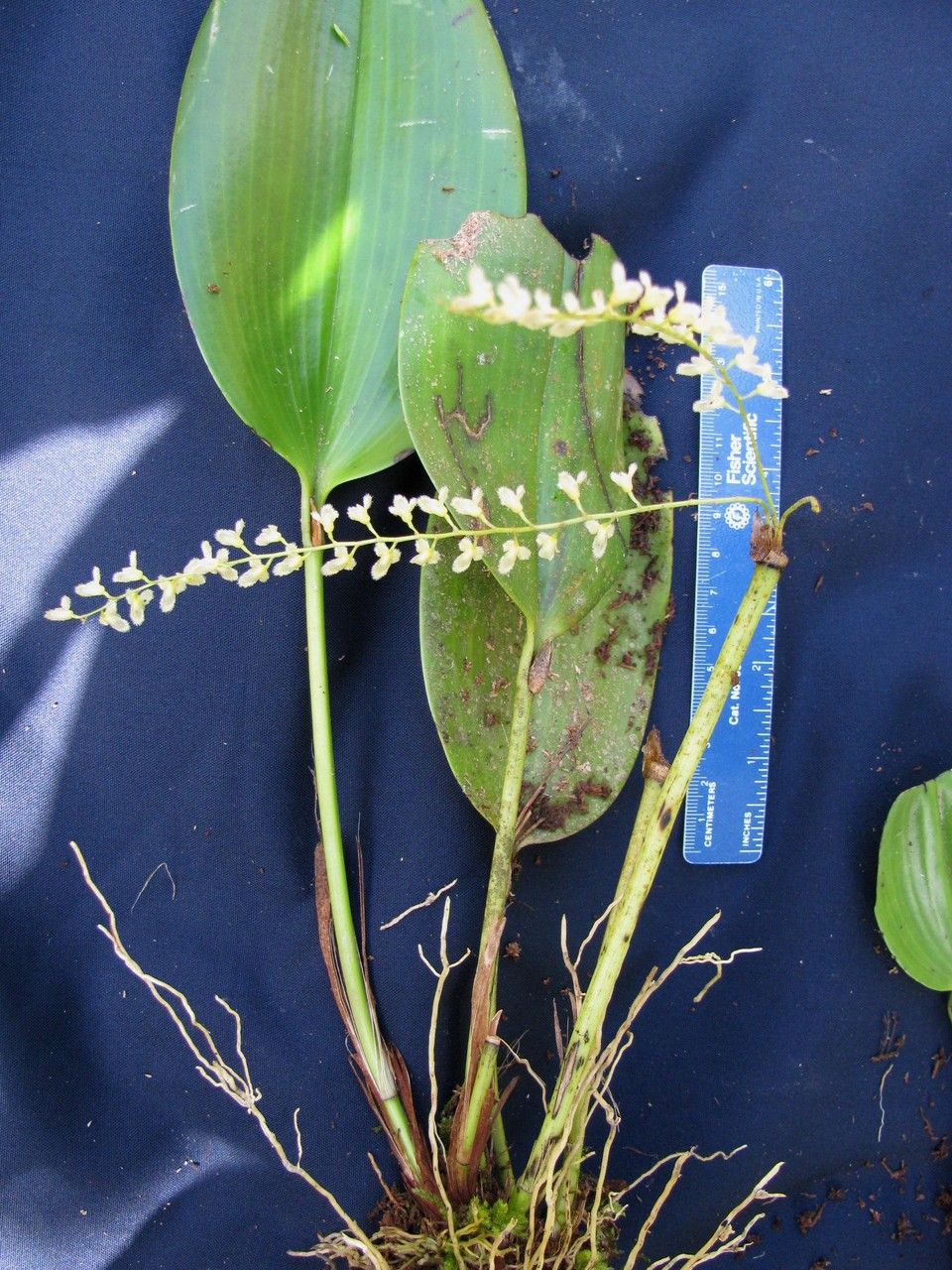
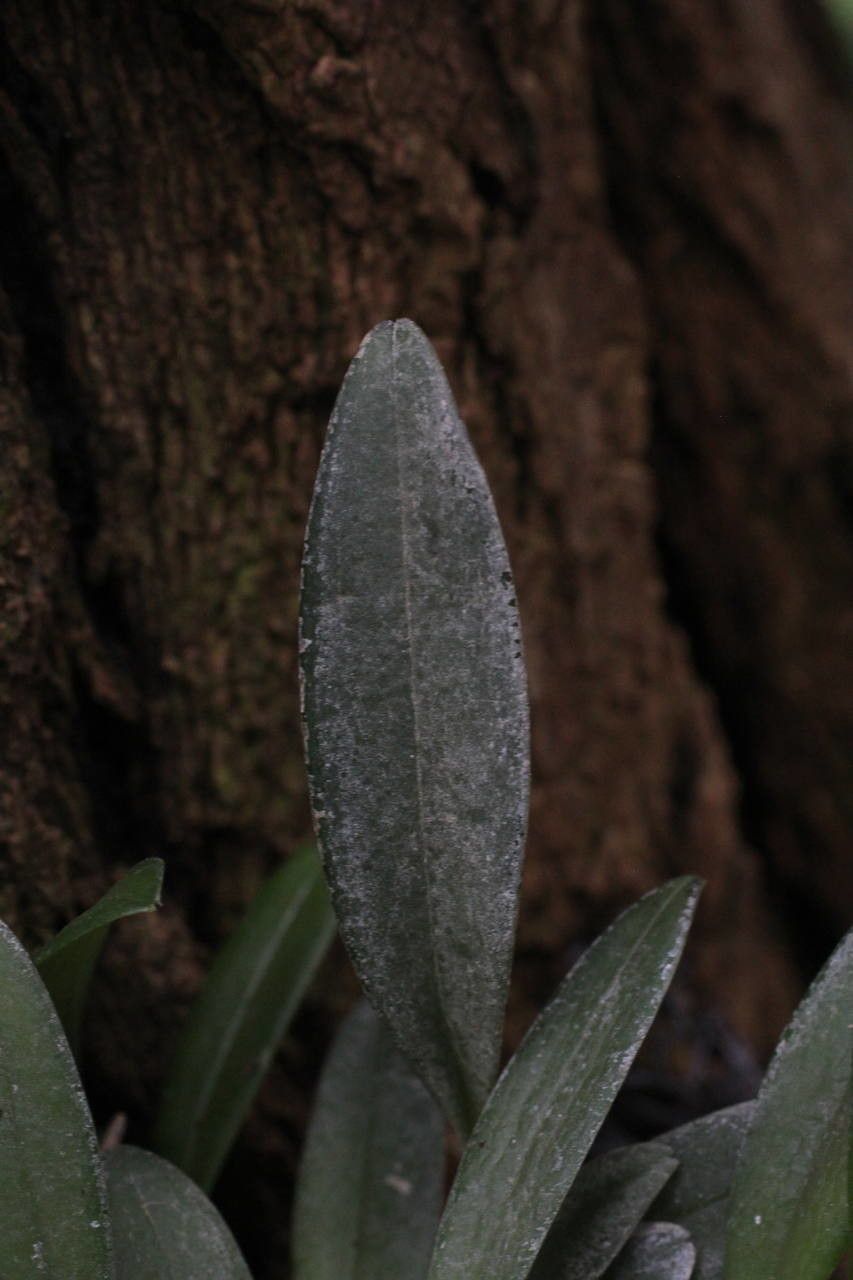
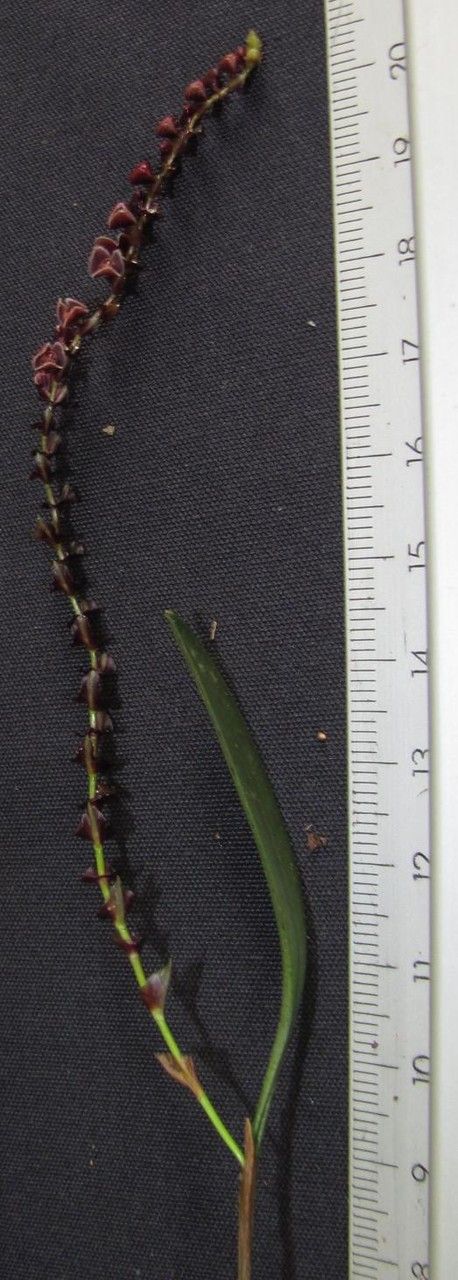
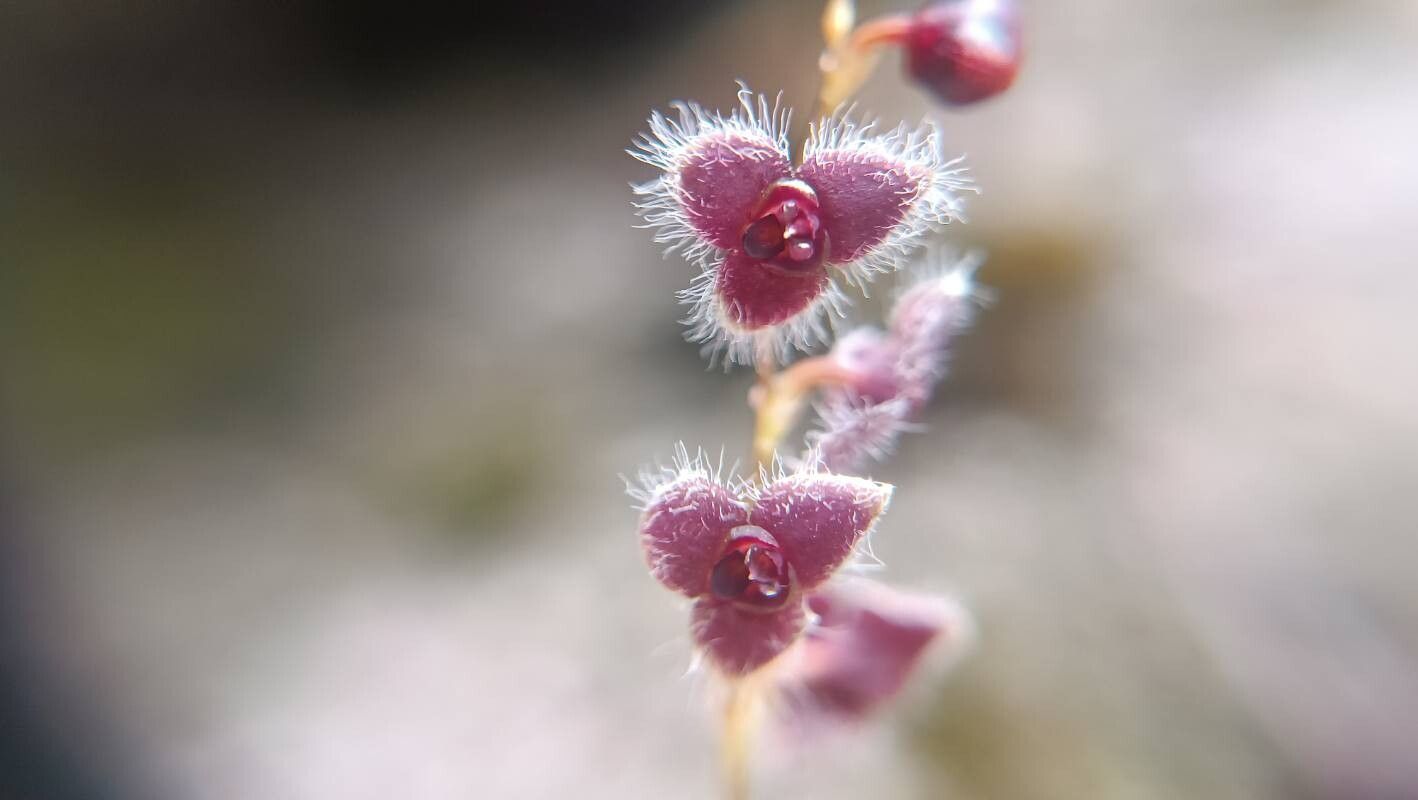
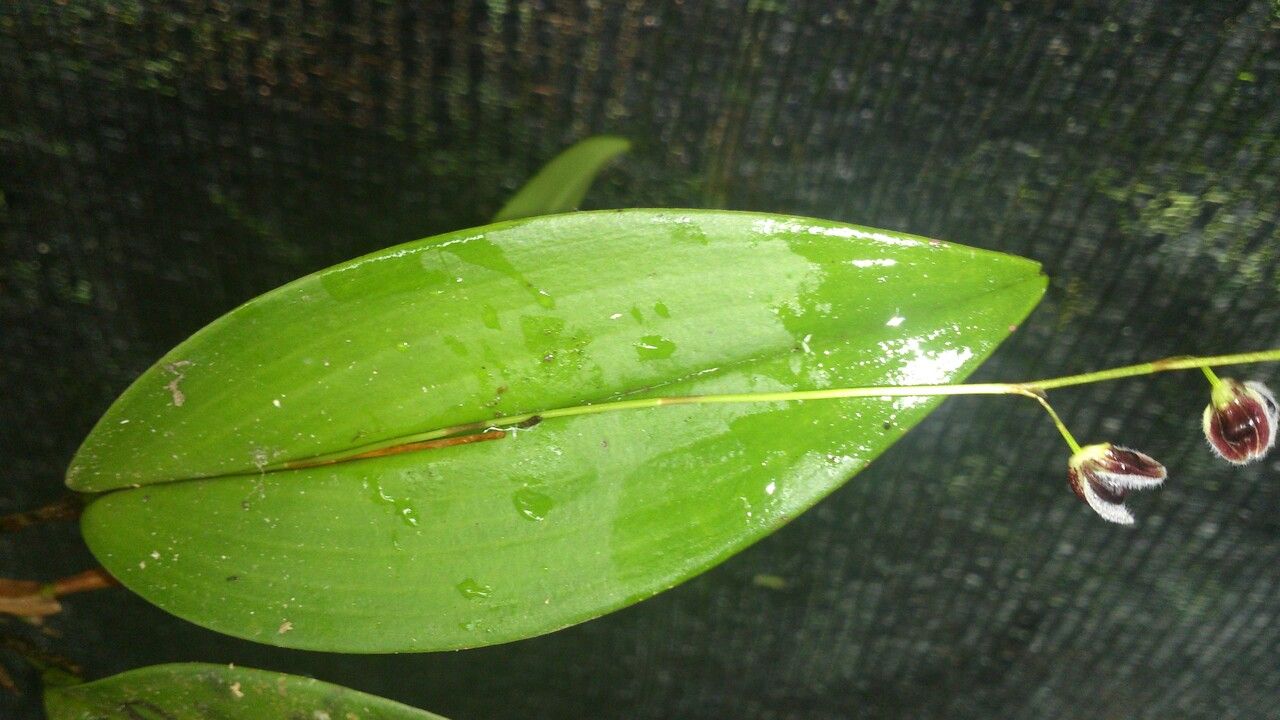
Stelis gelida typically exhibits strong resistance to disease and is subject to relatively few insect pests. Its care is considered difficult because it demands high humidity combined with good ventilation and low levels of harmful pathogens. Overwatering can cause root rot. Although anyone can grow Stelis gelida, keeping it healthy and getting it to bloom again takes more growing experience.
How to keep Stelis Gelida.
Light
Stelis gelida inherently thrives in locales like forest undergrowth or stony zones, where natural shadows prevail. The sunlight condition it favors is semi-sun, but it can acclimate to complete sun or total shade which showcases its adaptive and robust characteristics.
Water
Stelis gelida, native to high-humidity cloud forests, thrives in consistently moist environments. It prefers evenly moist conditions and needs watering on a weekly basis. Being an epiphyte, it benefits from regular misting, which mimics its natural habitat and promotes growth and vitality.
Fertilizer
The optimal period for fertilizing Stelis gelida is at the onset of spring when the flowers begin to bud. The appropriate fertilizer stimulates the production of superior blooms and aids Stelis gelida in generating attractive flowers. Administering fertilizer during the initial spring period guarantees remarkable flowers throughout the season while supplying energy for the periods of dormant growth.
Pruning
Stelis gelida benefits from pruning between early and late spring. This process involves removing dead stems, thinning out overcrowded shoots, and shaping the plant. As a result, the plant experiences healthier growth and more vibrant blooms. Additionally, conducting regular pest inspections and promptly removing any affected areas improve air circulation, reduce the risk of disease, and enhance flowering.
Pot & Repot
For the re-potting of Stelis gelida, opt for a somewhat bigger pot that has efficient drainage, ideally a transparent orchid pot. Employ a draining mix, specifically for orchids, inclusive of bark or moss. Delicately cleanse the roots and snip off any that are decayed or decomposing. It is recommended to do the repotting subsequent to the bloom, typically in the spring or autumn, liberally water, and position in a well-lit area with indirect sunlight. Refrain from causing any disturbance to the roots after they have been repotted.
Botanical profile.
- Plant Type
- Herb
- Life Cycle
- Perennial
- Genus
- Stelis
- Family
- Orchidaceae
- Hardiness Zone
- 10-12
- Mature Height
- 10 cm to 20 cm
- Mature Spread
- 5 cm to 10 cm
- Leaf Color
- Green
- Leaf Type
- Evergreen
- Flower Color
- Green, Yellow
- Flower Size
- 0.51 cm to 0.76 cm
- Bloom Time
- Spring, Summer
- Planting Time
- Spring
- Harvest Time
- Late spring, Summer, Early fall, Mid fall
- Native Area
- Belize, Honduras, Guatemala, Peru, Panama, Jamaica, Colombia, Cuba, Bolivia, Venezuela, Brazil, El Salvador, Nicaragua, Ecuador, Costa Rica