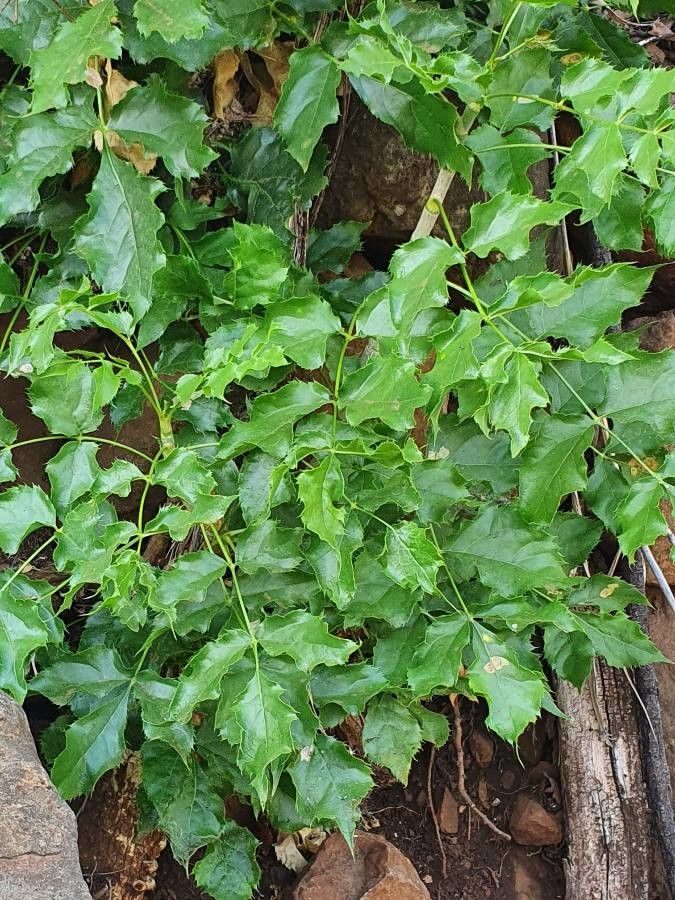
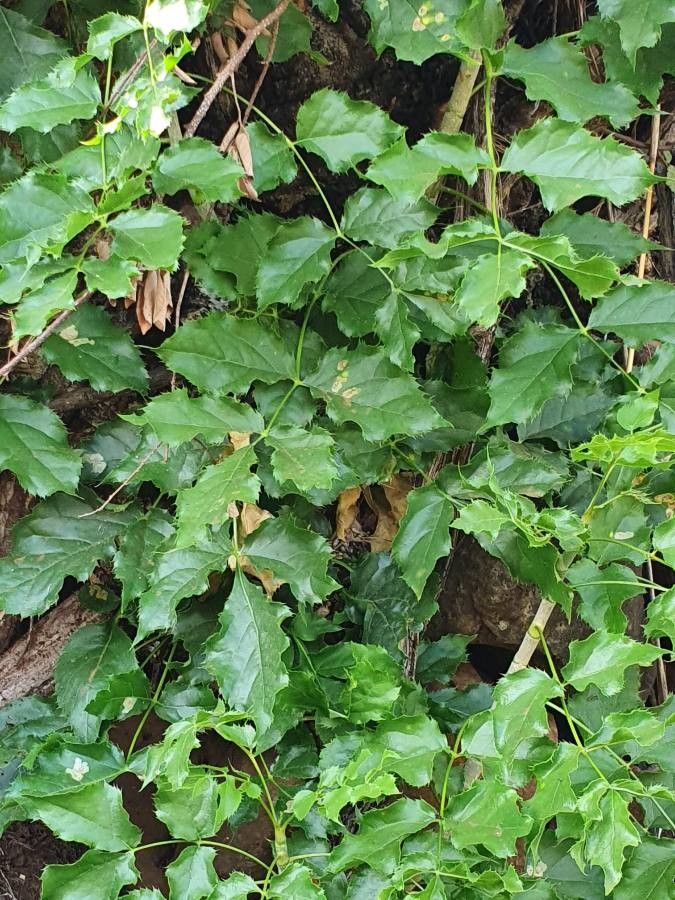
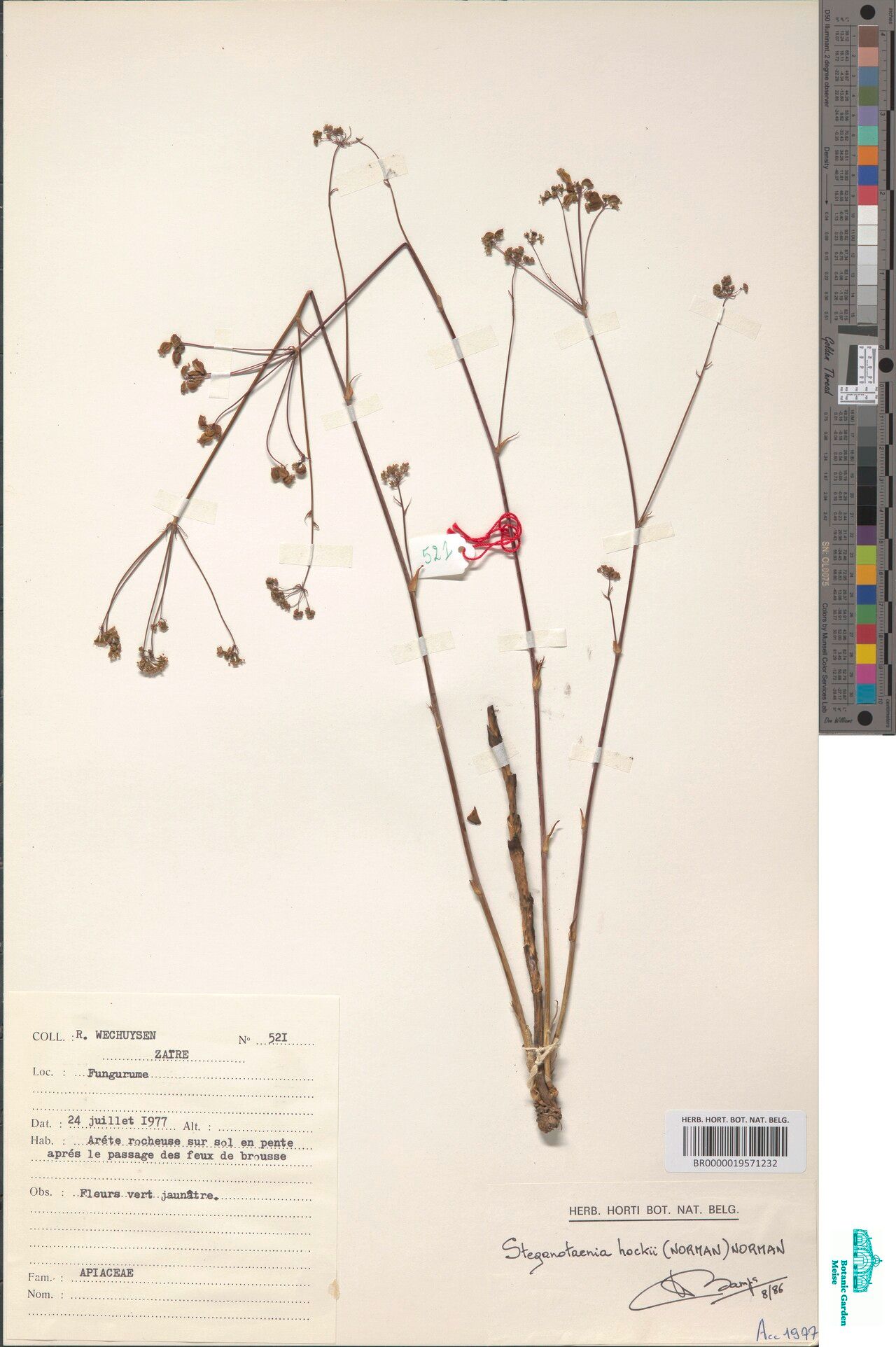
Steganotaenia araliacea, commonly known as African celery or wild celery, is a perennial herbaceous plant belonging to the Apiaceae family. This plant is native to tropical Africa and can be found in countries such as Nigeria, Cameroon, and Congo. It grows up to 2 meters tall and features a woody stem with dark green, aromatic pinnate leaves that emit a strong celery-like scent.
During the summer months, Steganotaenia araliacea produces small white flowers that grow in clusters at the end of its branches. These flowers eventually give way to small fruits containing seeds, which can be used for propagation.
Traditional healers in Africa have used this plant for centuries due to its anti-inflammatory properties, which make it effective for treating conditions such as arthritis and rheumatism. It is also believed to have diuretic properties that can help alleviate urinary tract infections.
In addition to its medicinal uses, Steganotaenia araliacea is commonly used as a culinary herb because of its strong flavor, reminiscent of celery or parsley. Its leaves are often added, either fresh or dried, to soups, stews, or salads.
Overall, Steganotaenia araliacea is a significant medicinal herb and culinary ingredient native to tropical Africa. It holds numerous potential applications in both traditional and modern contexts, making it an important part of African culture, both past and present.
Carrot-tree demonstrates good disease resistance and is generally not prone to illnesses. Regarding care, this plant is fairly low maintenance. When planted outdoors it needs only minimal watering, and larger specimens usually do not require pruning. Smaller plants, however, should be pruned after they have finished blooming. Carrot-tree is suitable for anyone with an outdoor area, such as a garden or deck, and does not demand extensive plant-care experience.
How to keep Steganotaenia Araliacea.
Light
Carrot-tree originates in open habitats like sunny meadows and forest edges that offer abundant light. It does best in Full Sun but will also tolerate Partial Sun, adapting well to various light conditions.
Water
The carrot-tree, native to arid regions, thrives with minimal moisture and is highly drought-tolerant. It only needs watering every 2-3 weeks. This makes it ideal for xeriscaping or rock gardens. To prevent root rot, the carrot-tree prefers well-draining soil, which also enhances its hardiness when grown outdoors.
Temperature
Carrot-tree originates in tropical regions, where the climate is typically warm and humid. As a result, it is well adapted to high temperatures and humidity. It does not tolerate sudden temperature changes and prefers a stable temperature environment, so avoiding temperature fluctuations indoors is important. It usually does not tolerate cold temperatures and requires higher temperatures for growth. If the environmental temperature drops too low, the plant may stop growing or even die.
Fertilizer
Fertilizing is essential for caring for the Carrot-tree. Regular feeding during the growing season maintains energy for its showy foliage and supports overall growth. Failing to fertilize can lead to unhealthy leaves, reduced ornamental appeal, and stunted or weak growth that is prone to breakage.
Pruning
The carrot-tree benefits greatly from early spring pruning. This process involves removing dead branches and thinning out densely packed areas to improve airflow. Pruning in this way encourages new growth, shapes the tree, enhances its vigor, and helps prevent disease. Be sure to make clean, angled cuts to reduce water retention and the risk of decay.
Botanical profile.
- Plant Type
- Tree
- Life Cycle
- Perennial
- Genus
- Steganotaenia
- Family
- Apiaceae
- Hardiness Zone
- 9
- Mature Height
- 3.05 m to 7.92 m
- Mature Spread
- 2.13 m to 3.96 m
- Leaf Color
- Green, Light Green
- Leaf Type
- Deciduous
- Flower Color
- White
- Flower Size
- 0.25 cm to 0.51 cm
- Bloom Time
- Mid spring, Late spring
- Planting Time
- Spring, Summer, Autumn
- Harvest Time
- Early summer, Mid summer
- Native Area
- Burkina Faso, Djibouti, Somalia, Malawi, Angola, Namibia, South Africa, Zambia, Eritrea, Sudan, Nigeria, Guinea, Kenya, Uganda, Tanzania, Zimbabwe, Benin, Mali, Central African Republic, Chad, Sierra Leone, Cameroon, Mozambique, Togo, Ghana, Senegal, Ethiopia, Côte d'Ivoire, Congo (DRC), Botswana, Congo
Other names.
Reader questions.
What are the sunlight requirements for a Carrot-tree?
The Carrot-tree (Steganotaenia araliacea) thrives in environments that provide ample light. It requires full sun, defined as more than 6 hours of sunlight daily, but can also tolerate partial sun, which is about 3-6 hours of sunlight. It's important to observe your garden's sunlight exposure throughout the day to find the perfect spot for your Carrot-tree, ensuring it gets the right balance of light and shade. This adaptability makes it suitable for various garden spots, mimicking its natural habitat in sunny meadows and forest edges.
How can artificial lighting be used for indoor Carrot-tree plants?
For indoor Carrot-tree plants, artificial lighting can provide a necessary boost when natural sunlight is insufficient, especially in winter or less sunny spaces. Optimal growth is achieved by using artificial lights such as LED lights, which can be customized to provide specific wavelengths needed by the plants. The amount of artificial light required varies by plant type: full sun plants need 30-50W per square foot, partial sun plants 20-30W per square foot, and full shade plants 10-20W per square foot. The light source should be placed 12-36 inches above the plant and kept on for 8-12 hours per day to mimic natural sunlight duration.
What are the symptoms of insufficient light in Carrot-tree plants?
Carrot-tree plants show several symptoms when they do not receive enough light, including smaller new leaves, leggy or sparse growth, faster leaf drop, slowed or ceased new growth, lighter-colored new leaves, chlorosis (leaves turning yellow), sunscald, leaf curling, wilting, and leaf scorching. These symptoms indicate the plant's struggle with low light conditions, leading to reduced chlorophyll and essential nutrients, damage from excessive sunlight, and difficulties in maintaining hydration.
How can I address insufficient light for my Carrot-tree?
To counteract insufficient sunlight for Carrot-tree plants, consider the following solutions based on the setting: Indoor solution involves gradually moving the plant to a sunnier location to receive at least 6 hours of direct sunlight daily, using a south-facing window, or providing artificial light with a desk, ceiling lamp, or professional grow lights for at least 8 hours daily. Outdoor and ground solutions include gradually acclimatizing plants to sunlight to prevent sunburn and reducing obstructions like pruning trees that block light, or transplanting smaller plants to locations with ample sunlight and good drainage. Remember, parts of the plant affected by insufficient light may not recover, but new growth will be healthy with improved light exposure.