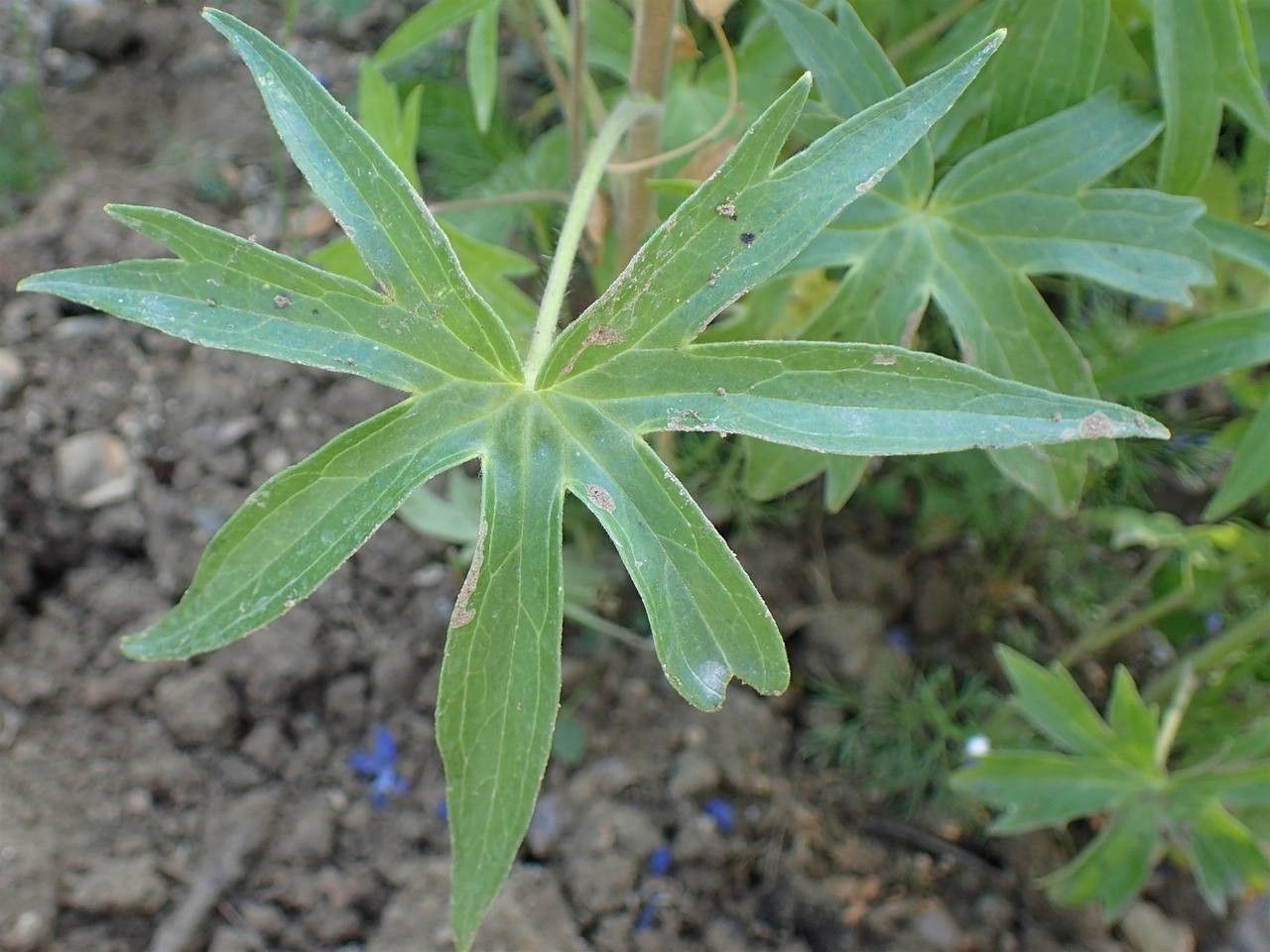
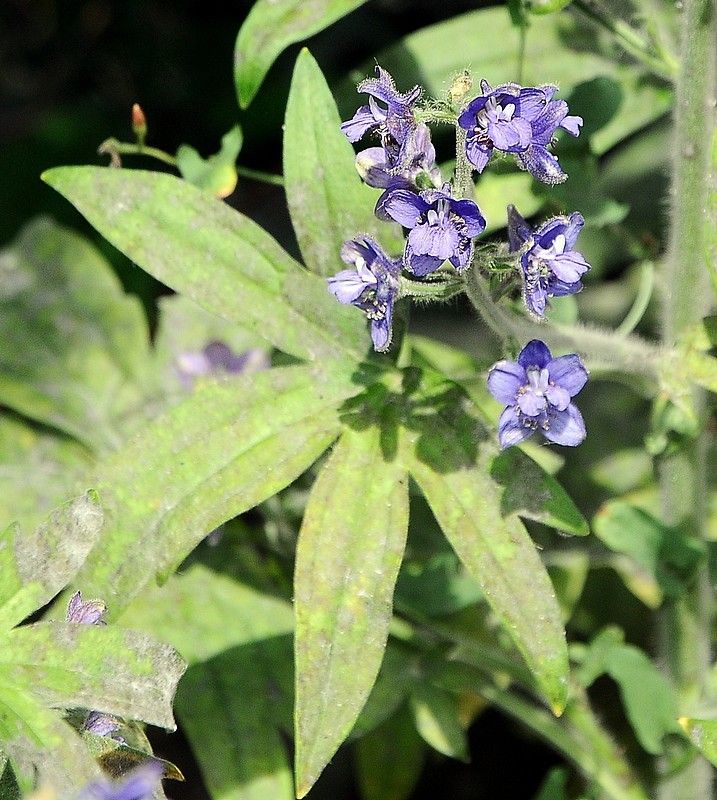
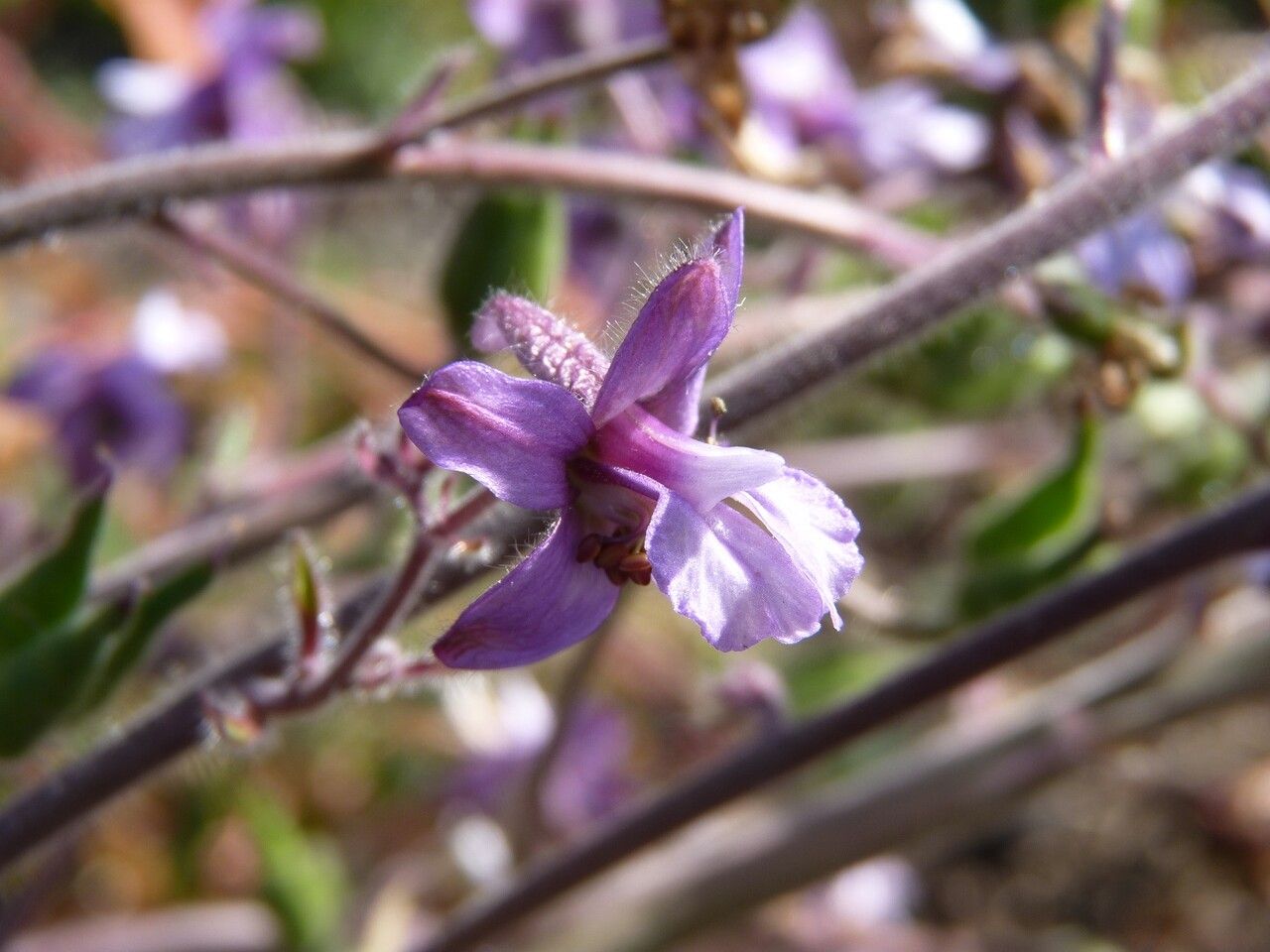
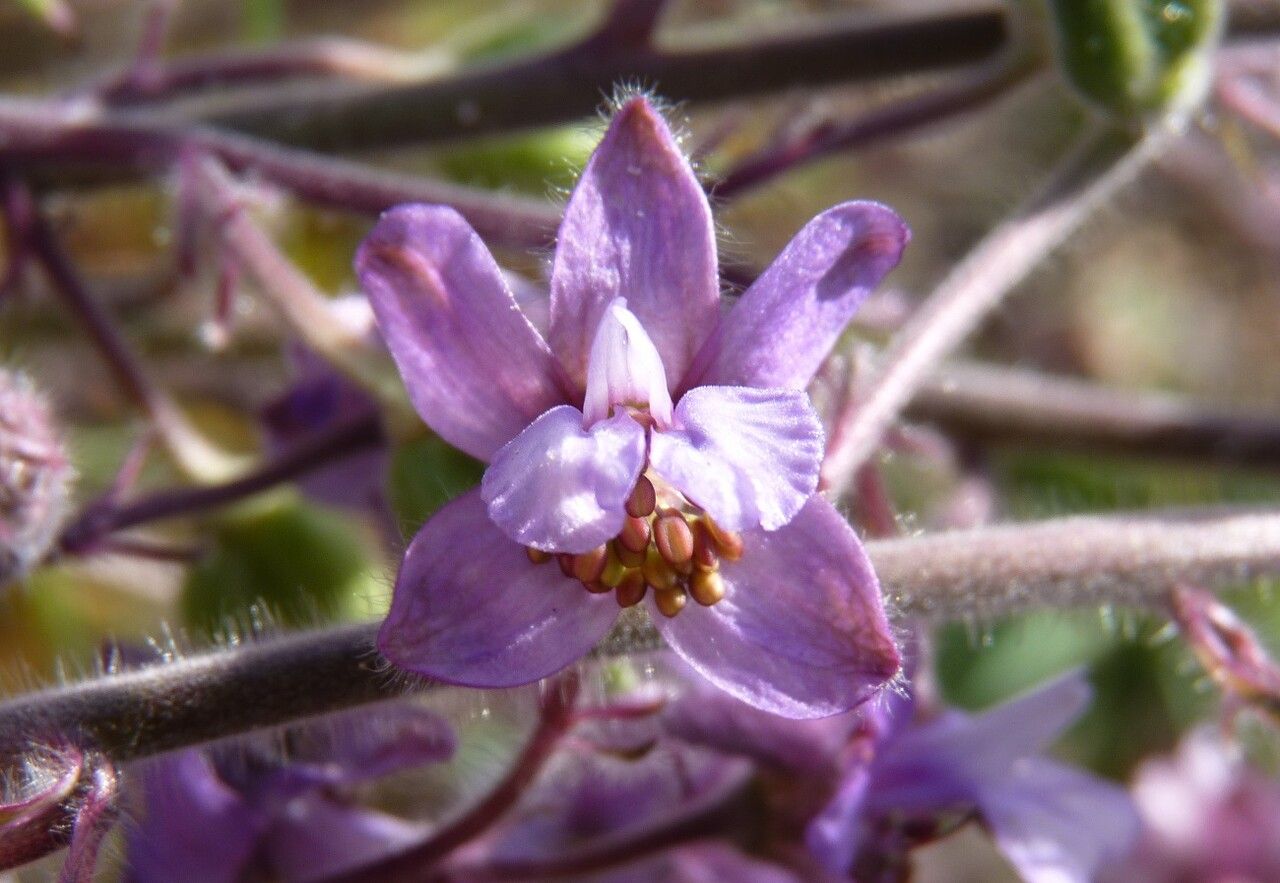
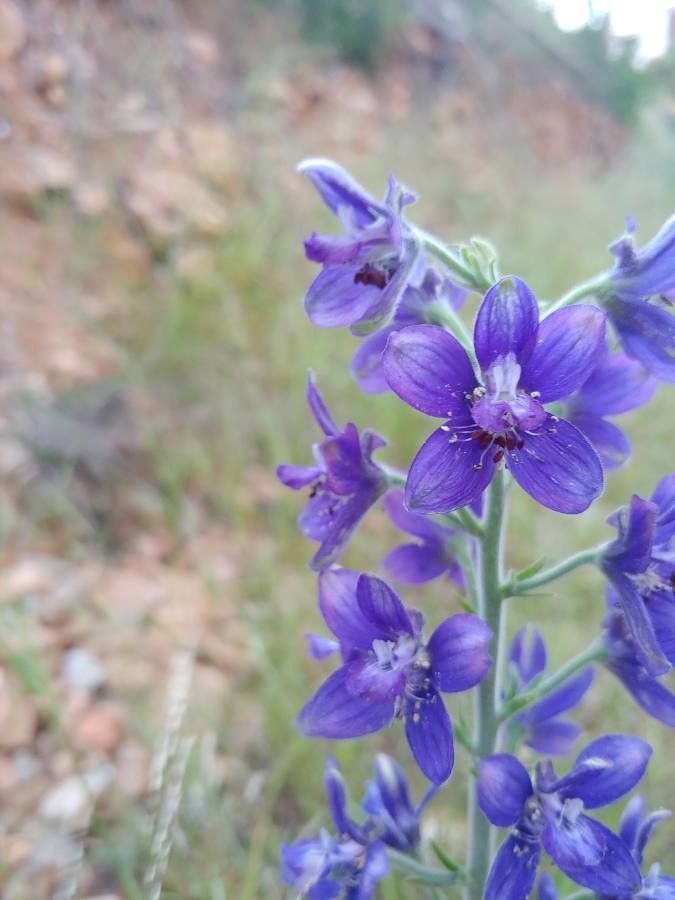
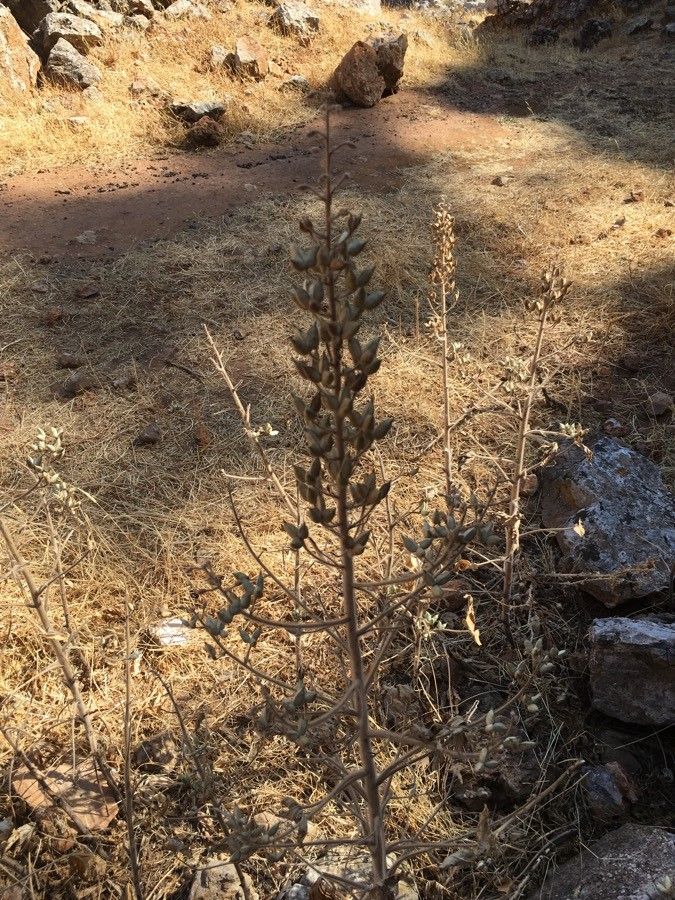
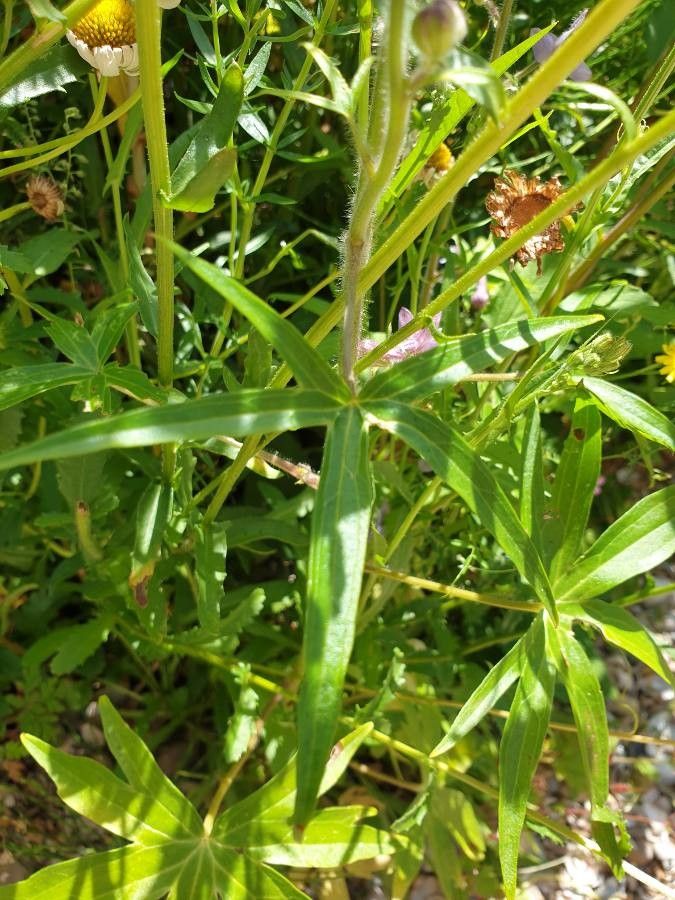
Staphisagria macrosperma, commonly known as Stavesacre or Lice-Bane, is a perennial herbaceous plant from the Delphinium family. Its name reflects its traditional use as a natural insecticide. The plant features a tall, slender stem that can reach up to 1 meter in height and blooms with striking purple-blue flowers during the summer months.
For centuries, Staphisagria macrosperma has been valued for its medicinal properties, particularly in homeopathy. It is believed to offer anti-inflammatory, analgesic, and antispasmodic effects, making it useful for treating conditions such as headaches, toothaches, menstrual cramps, and skin irritations.
The seeds of the Staphisagria macrosperma plant contain alkaloids like delphinine and staphysagrine. While these alkaloids are toxic if ingested, they possess insecticidal properties when applied topically. Traditionally, farmers used these seeds to protect their crops from pests such as lice and fleas.
Beyond its medicinal applications, Stavesacre has also found a place in cosmetics, particularly for promoting hair growth when applied to the scalp. Its extract is now included in various hair care products.
Overall, Staphisagria macrosperma is a fascinating herb with a rich history of both medicinal and agricultural uses.
Stavesacre exhibits strong disease resistance and is generally not susceptible to illnesses. However, it can be affected by pests and diseases present in its environment. Such infections are usually mild. In terms of care, this plant requires moderate maintenance. It should be pruned regularly to maintain a good appearance and support healthy growth. Fertilizing can also help encourage flowering. Stavesacre is suitable for anyone with outdoor space, like a garden or patio, and does not demand extensive care experience. It may need more attention if grown indoors.
How to keep Staphisagria Macrosperma.
Light
Stavesacre grows vigorously in sites that receive uninterrupted, plentiful sunlight throughout the day. However, it is not highly adaptable to varying light conditions. It comes from an environment with maximal sun exposure. Insufficient or excessively reduced light can harm its healthy growth.
Temperature
Stavesacre thrives in its native habitat where temperatures fall between 68 and 95 °F (20 to 35 ℃). It favors warm climates. Seasonal adjustments might be necessary to keep this temperature range.
Fertilizer
Stavesacre requires regular fertilizing to encourage flowering but is sensitive to excess. It should get light, frequent applications of fertilizer throughout its life, especially during peak growth and while it is flowering. Continue feeding your Stavesacre until it stops blooming.
Botanical profile.
- Plant Type
- Herb
- Life Cycle
- Biennial, Perennial
- Genus
- Staphisagria
- Family
- Ranunculaceae
- Hardiness Zone
- 7-10
- Mature Height
- 1.22 m
- Mature Spread
- 61 cm
- Leaf Color
- Green, Blue
- Leaf Type
- Deciduous
- Flower Color
- Purple, Lavender
- Flower Size
- 2.03 cm to 3.05 cm
- Bloom Time
- Late spring, Early summer, Mid summer
- Planting Time
- Spring, Summer
- Harvest Time
- Late summer, Early fall, Mid fall
Other names.