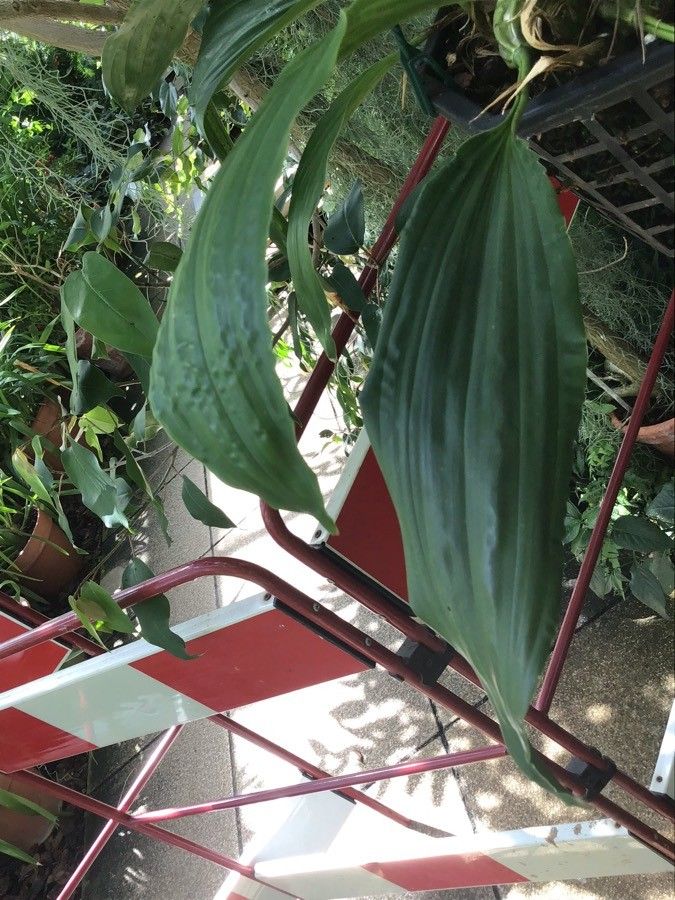
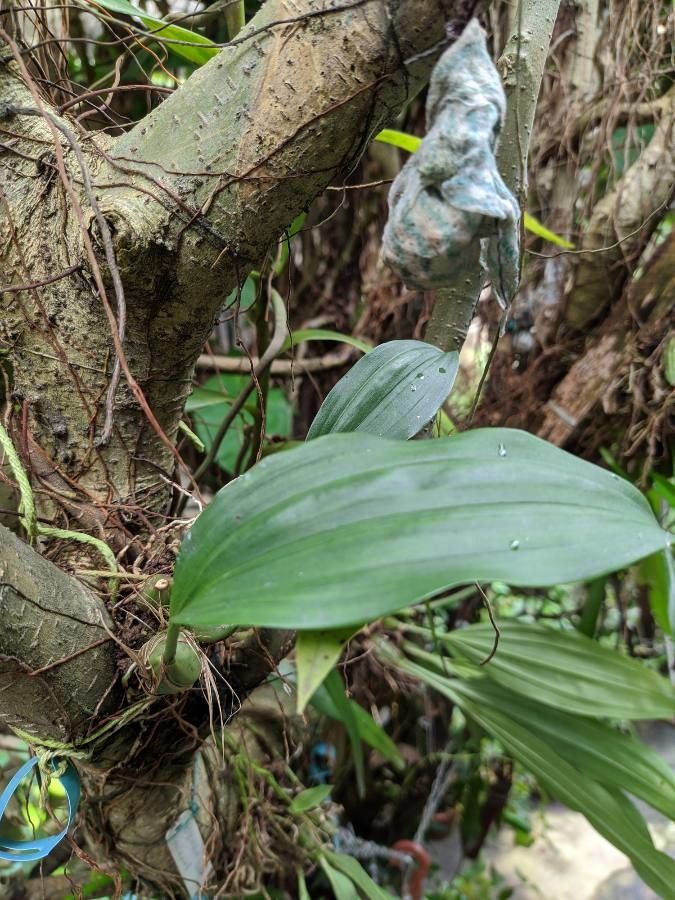
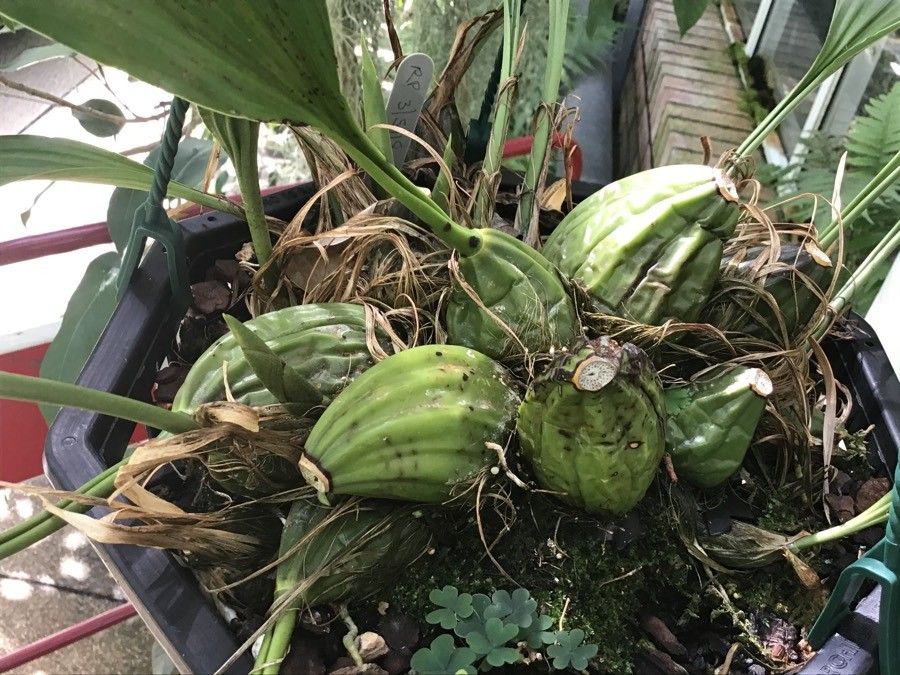
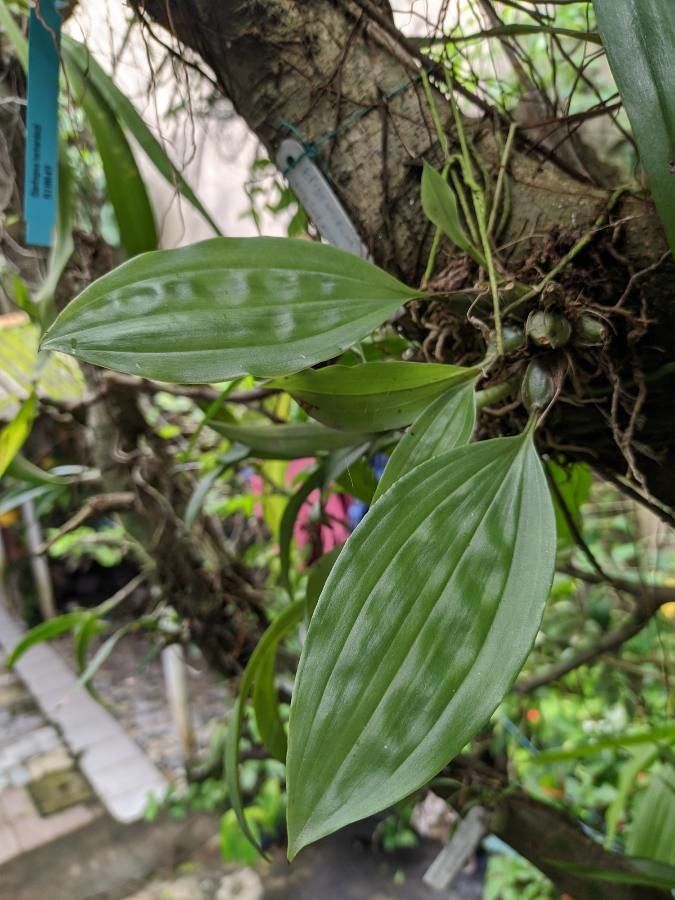
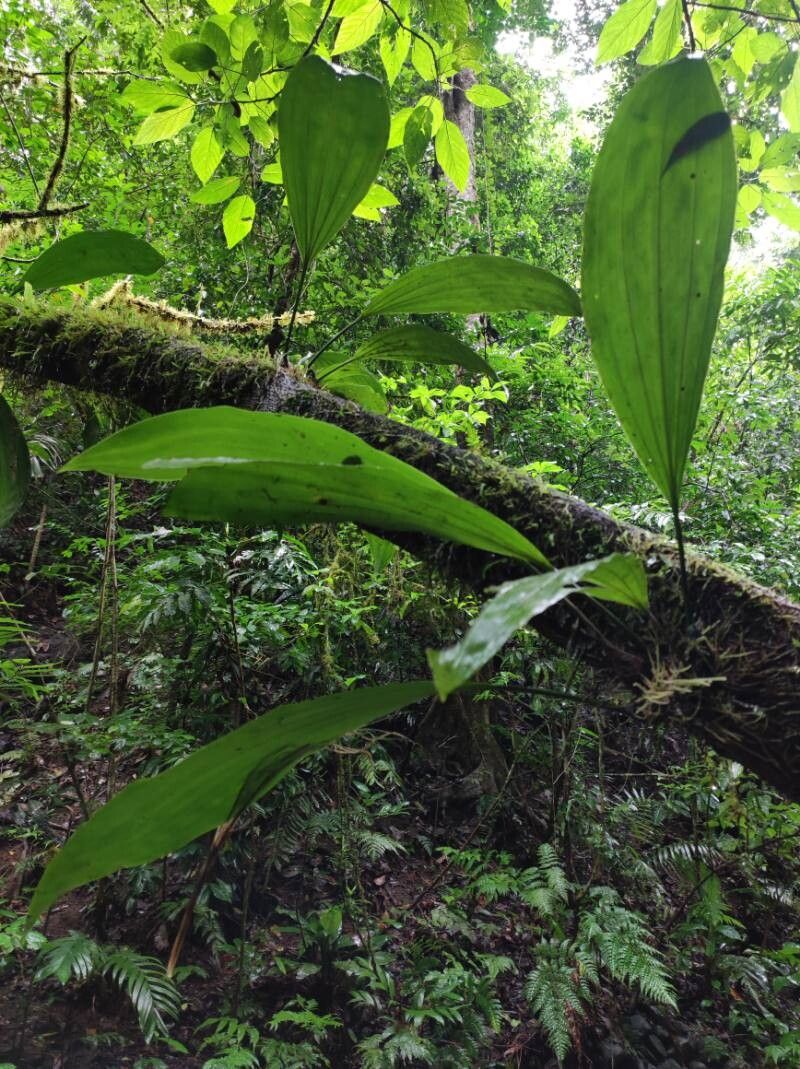
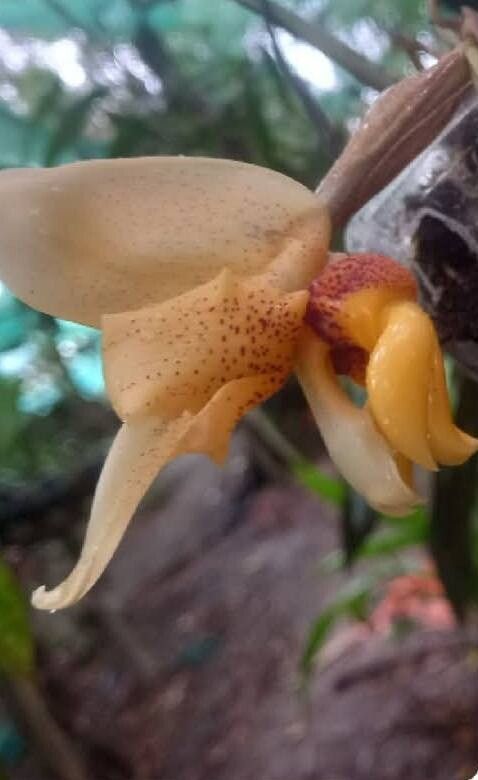
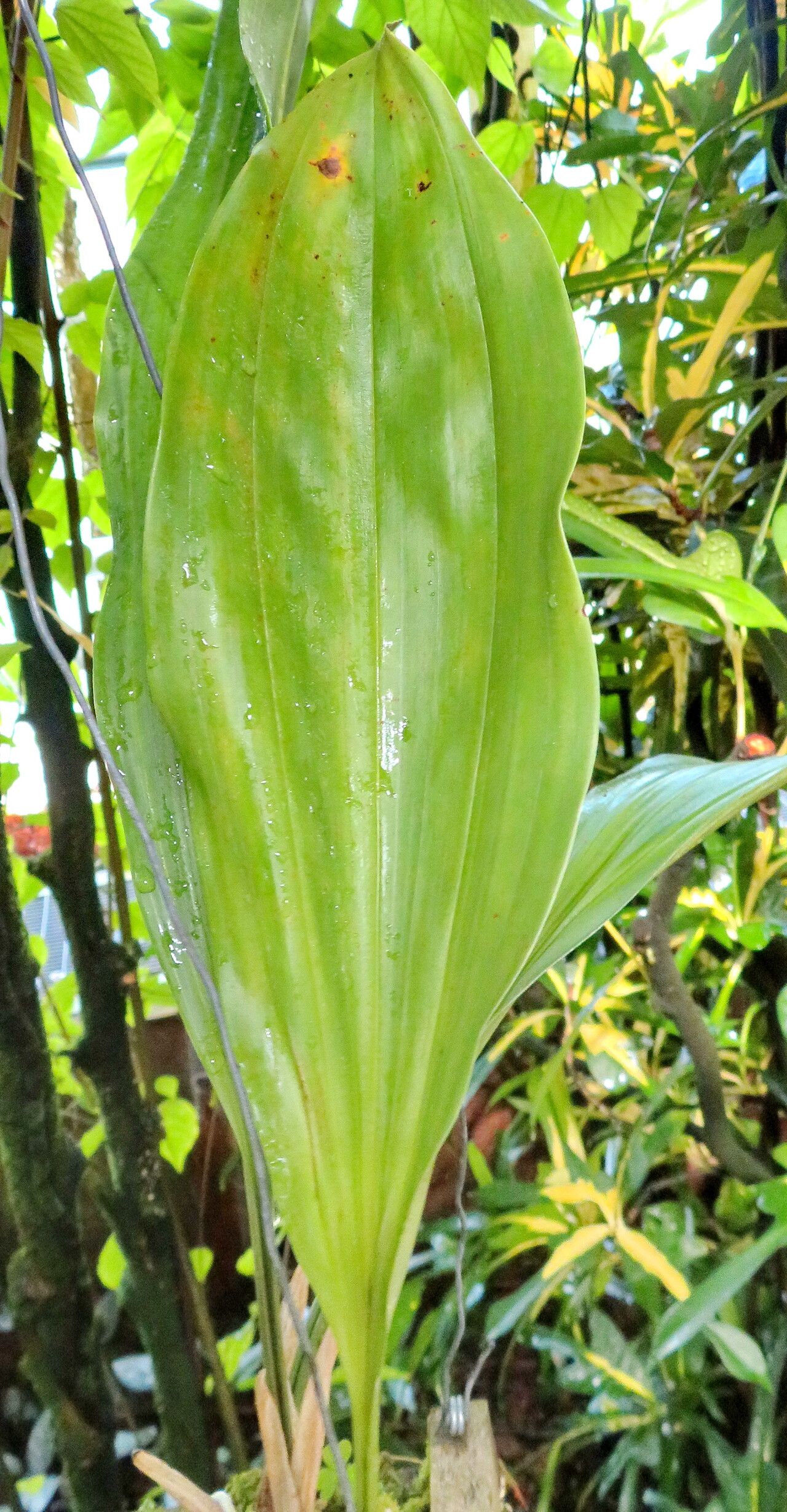
Stanhopea hernandezii is a species of orchid endemic to central and southwestern Mexico.
Stanhopea hernandezii is generally resistant to disease and is affected by relatively few insect pests. Its care is considered difficult because it needs high humidity together with good ventilation and an environment with few harmful pathogens. Overwatering can result in root rot. Although anyone can grow Stanhopea hernandezii, maintaining its health and getting it to bloom again requires greater growing experience.
How to keep Stanhopea Hernandezii.
Light
Stanhopea hernandezii occurs naturally in habitats like forest understories or rocky locations, where it grows in natural shade. It prefers partial sunlight but can tolerate both full sun and full shade, reflecting its versatile and hardy nature.
Water
Stanhopea hernandezii thrives with sufficient moisture but can tolerate some drought. During the summer, water it weekly; in the fall and winter, water it every 10 days. To maintain humidity, especially during dry weather, regularly mist the plant. Use water with a neutral pH—this can be achieved by letting tap or rainwater sit for a while to release any dissolved substances.
Temperature
Stanhopea hernandezii does best in warm conditions. The plant prefers moderately high temperatures but not extreme heat and humidity. Sunlight helps warm it and encourages flowering. However, prolonged direct sun in summer can cause sunburn, so the amount of light it receives should be limited during that season. The plant generally does not tolerate cold well and needs adequate protection and warmer temperatures in winter to avoid freezing.
Fertilizer
Proper feeding is vital for the health and appearance of Stanhopea hernandezii. Fertilize Stanhopea hernandezii during summer, repeating the treatment monthly throughout that season. Nutrients power growth and sustain the plant's parts. Fertilization also improves the orchid's flower display, ensuring the best blooms.
Pruning
Stanhopea hernandezii, an epiphytic orchid with pendulous flowers, benefits from systematic pruning after it blooms, typically between early and late spring. Light trimming improves air circulation and decreases the risk of disease. Be sure to use sterile tools when making cuts to keep the plant healthy and encourage vigorous flowering in future seasons.
Pot & Repot
When repotting Stanhopea hernandezii, select a pot that is only slightly larger and provides good drainage, preferably a clear orchid pot. Use a well-draining, orchid-specific potting mix containing bark or moss. Carefully clean the roots and remove any that are dead or rotting. Repot after flowering, usually in spring or fall, water thoroughly, and place the plant in bright, indirect light. Once repotted, avoid disturbing the roots.
Botanical profile.
- Plant Type
- Herb
- Life Cycle
- Perennial
- Genus
- Stanhopea
- Family
- Orchidaceae
- Hardiness Zone
- 10-12
- Mature Height
- 0 cm to 50 cm
- Mature Spread
- 40 cm to 61 cm
- Leaf Color
- Green
- Leaf Type
- Evergreen
- Flower Color
- Cream, Yellow, Red
- Flower Size
- 10.16 cm to 15.24 cm
- Bloom Time
- Summer, Early fall
- Planting Time
- Spring, Summer, Autumn
- Harvest Time
- Late summer, Fall
- Native Area
- Mexico
Other names.