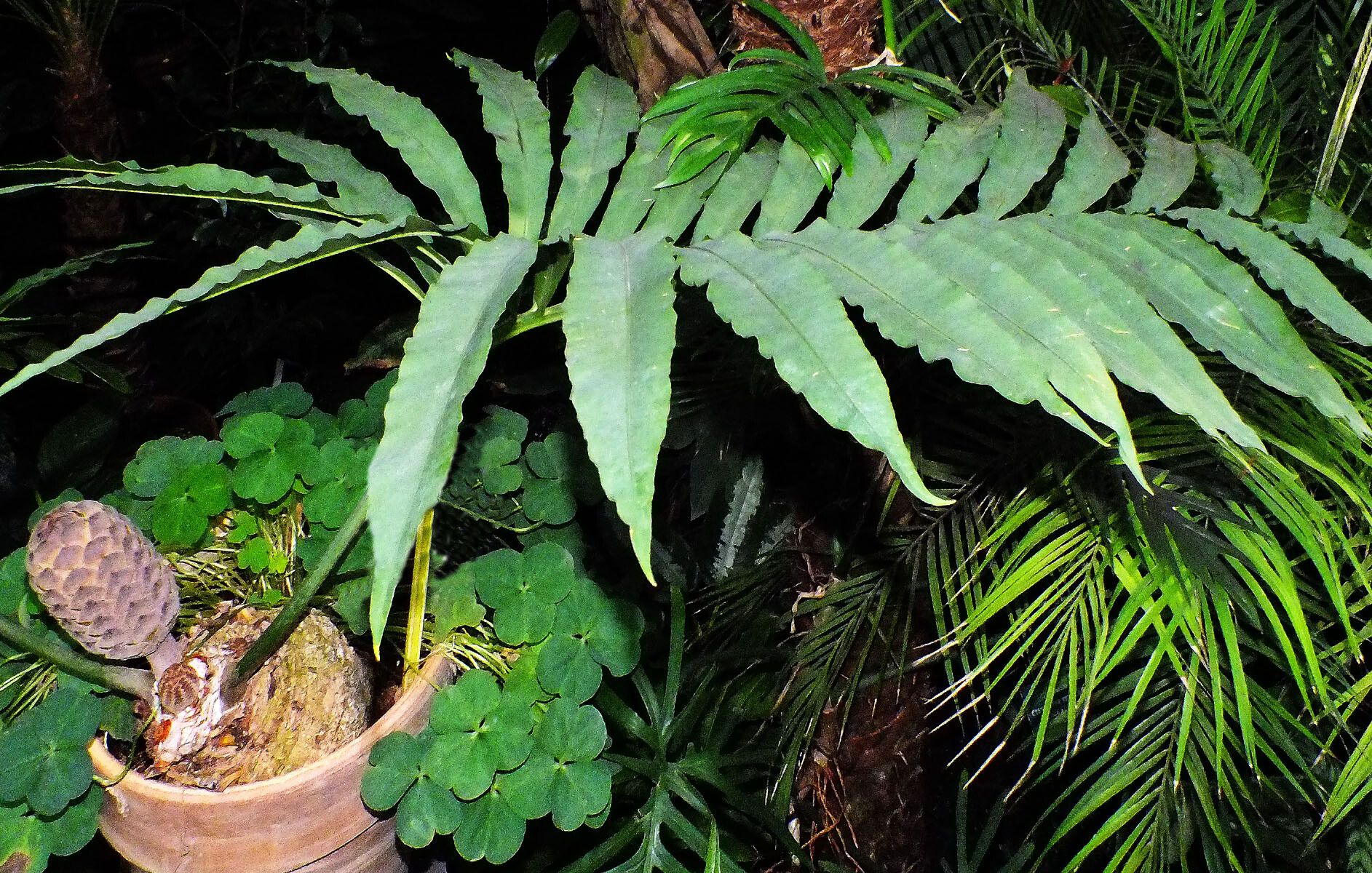
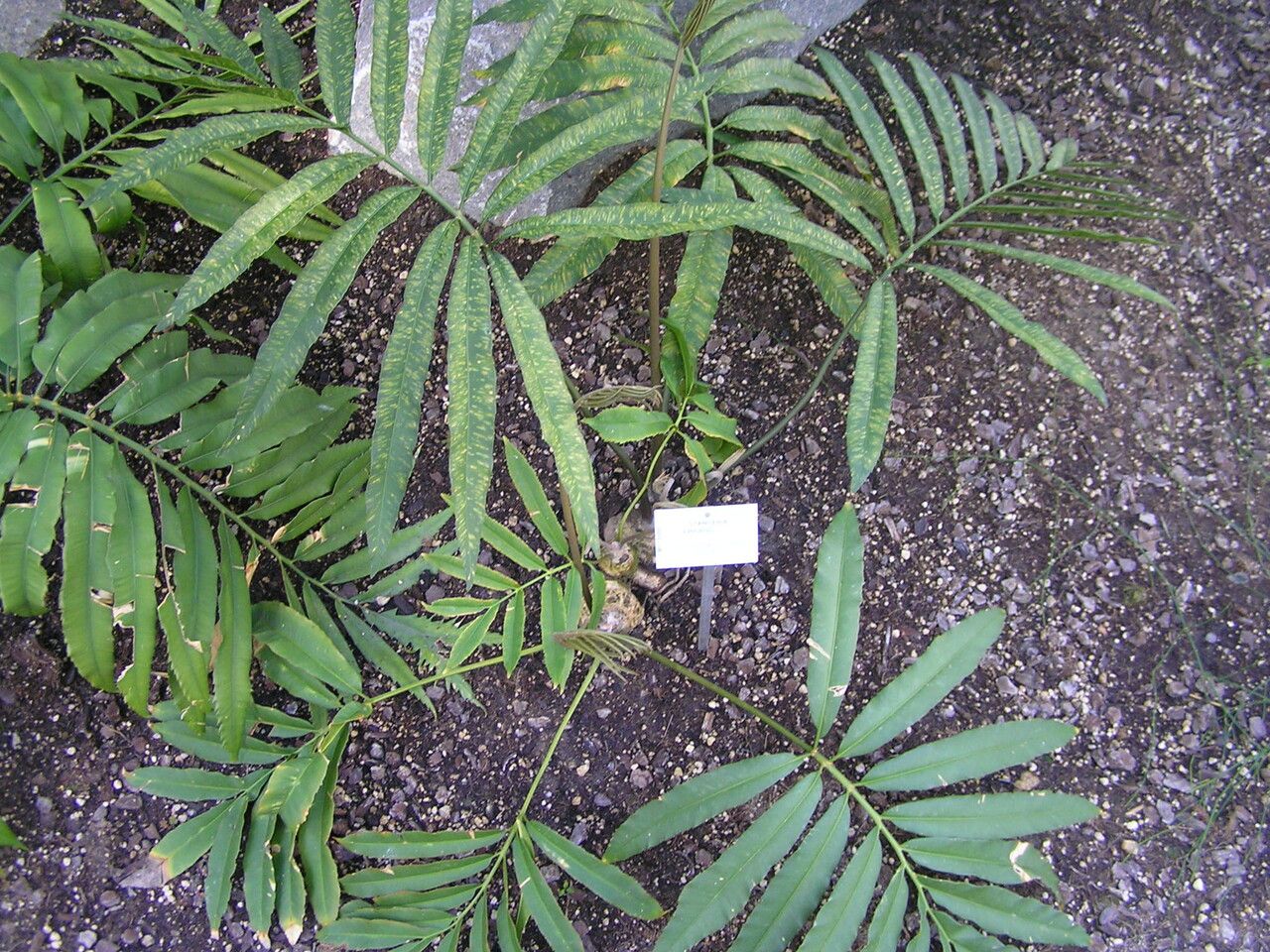
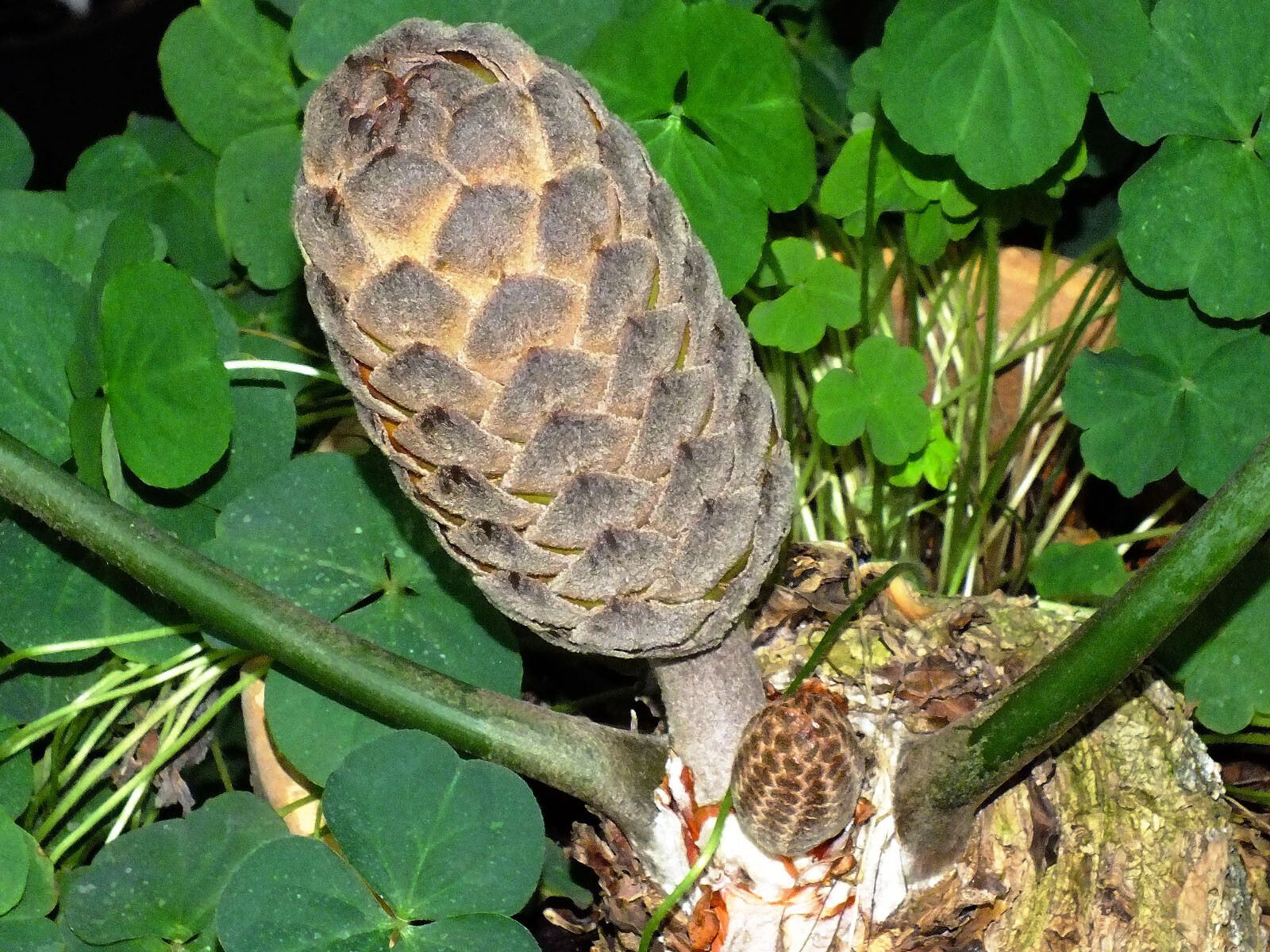
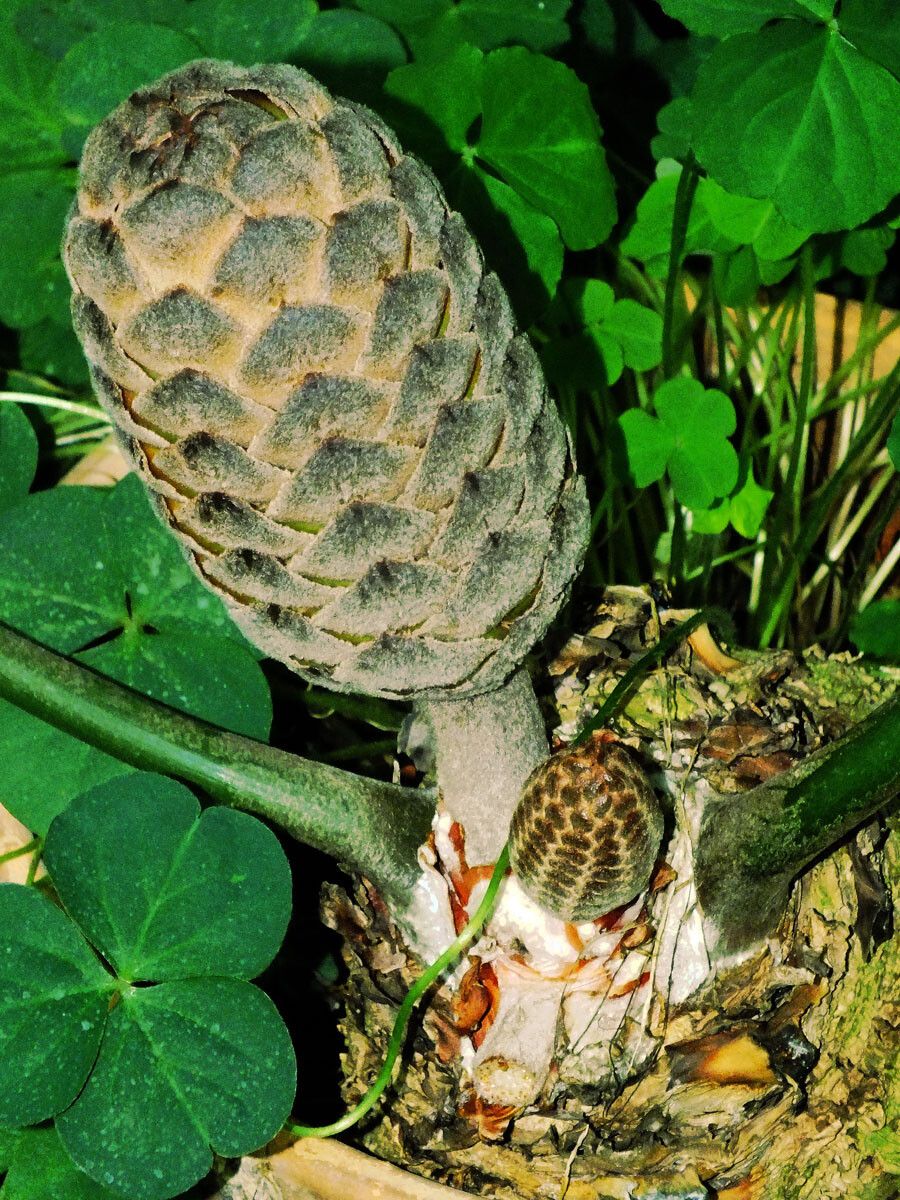
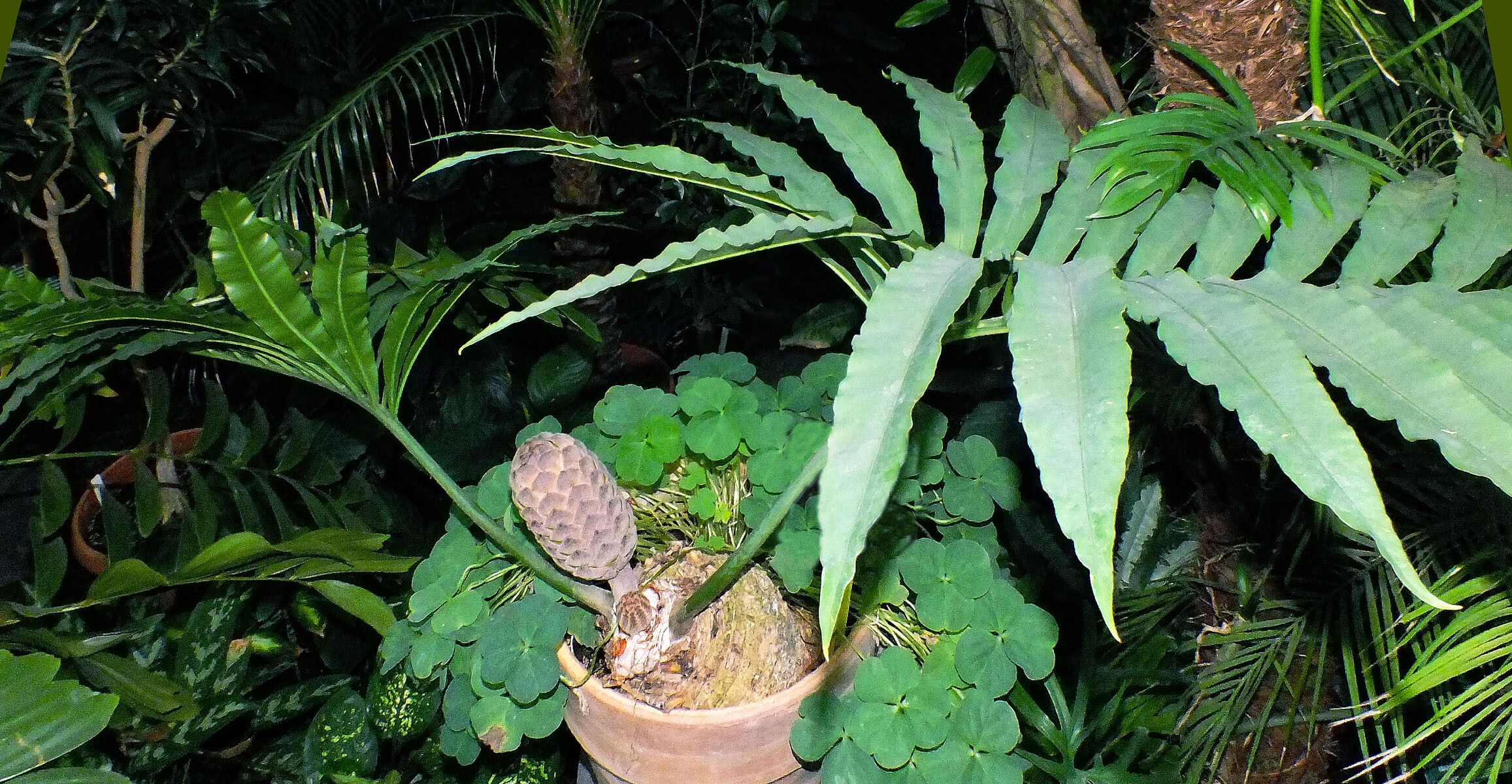
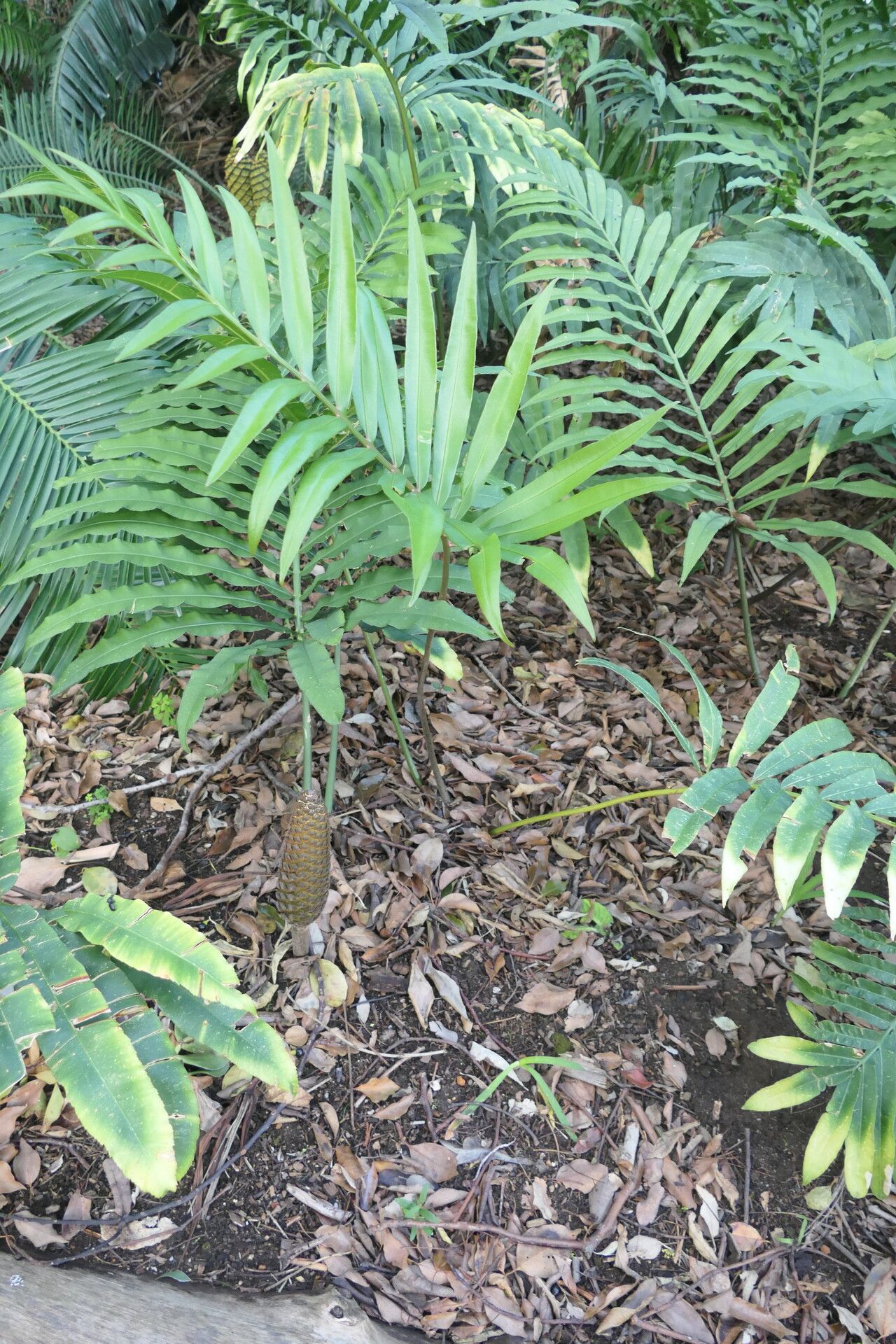
Stangeria eriopus is a cycad endemic to southern Africa. It is the sole species in the genus Stangeria, most closely related to the Australian genus Bowenia, with which it forms the family Stangeriaceae.
Hottentot's head has strong resistance to diseases and typically does not suffer from them. Still, it can be affected by pests and diseases present in its environment. Such infections tend to be mild. Regarding maintenance, this plant is moderately demanding. It should be pruned on a regular basis to preserve a neat appearance and support healthy growth. Applying fertilizer can also encourage it to bloom. Hottentot's head is well suited for anyone with outdoor areas like a garden or patio and does not call for extensive gardening experience. It may need more attention if cultivated indoors.
How to keep Stangeria Eriopus.
Light
Hottentot's head occurs naturally in habitats like forest understories or rocky sites, where natural shade is present. It prefers partial sun but can tolerate full sun or full shade, demonstrating its versatile and hardy nature.
Water
The Hottentot’s Head plant thrives in environments with moderate rainfall and requires weekly watering to maintain optimal health. Although it has average drought tolerance, it needs regular hydration, especially during its growing season. As an evergreen, it retains its foliage throughout the year, highlighting the importance of consistent moisture.
Temperature
Hottentot's head is fairly adaptable to temperature, able to endure higher heat and wide temperature fluctuations. In hot conditions, attention should be paid to watering and providing suitable shade to avoid sunburn. On the other hand, Hottentot's head is relatively intolerant of low temperatures. Although it can tolerate some cold, very low temperatures may cause frost damage.
Fertilizer
Hottentot's head has specific nutrient needs and does not require heavy fertilization. Spring is the best time to apply fertilizer for optimal growth. Providing nutrients improves its health, increases its resistance to pests and diseases, and helps sustain its long lifespan.
Pruning
To ensure the Hottentot's head remains healthy and looks its best, it is important to prune it from early to late spring. Begin by removing any dead or diseased fronds, which will improve the plant's overall health and appearance. Thinning out older fronds also enhances air circulation, which helps reduce the risk of pests. By pruning during the plant's active growth phase, you can minimize stress and encourage vibrant foliage throughout the year.
Botanical profile.
- Plant Type
- Herb
- Life Cycle
- Perennial
- Genus
- Stangeria
- Family
- Zamiaceae
- Hardiness Zone
- 9-11
- Mature Height
- 49 cm to 91 cm
- Mature Spread
- 0.61 m to 1.22 m
- Leaf Color
- Dark Green
- Leaf Type
- Evergreen
- Flower Color
- Brown
- Bloom Time
- Late spring, Early summer, Mid summer
- Planting Time
- Spring, Summer, Autumn
- Harvest Time
- Late summer, Early fall, Mid fall
- Native Area
- South Africa, Mozambique
Other names.
Reader questions.
What are the sunlight requirements for plant growth?
Plants have varying sunlight requirements to thrive. Partial sun refers to areas that receive about 3-6 hours of sunlight daily, ideal for plants that need moderate exposure. Full sun areas receive more than 6 hours of sunlight, suitable for plants adapted to more intense light conditions. It's important to observe the movement of sunlight in your garden to ensure plants get their ideal balance of light and shade, as this significantly impacts their growth and health.
What is the native environment and sunlight preference of Hottentot's head?
Hottentot's head, or Stangeria eriopus, is native to forest understories and rocky regions where it is sheltered and receives natural shade. This plant prefers partial sun but can also thrive in full shade. Its adaptability to varying light conditions makes it a versatile perennial herbaceous plant, capable of growing in both minimally lit and moderately sunny areas.
How can artificial lighting benefit indoor plants?
Indoor plants may require artificial lighting to achieve optimal growth, especially in settings where natural sunlight is insufficient, such as during winter or in less sunny indoor areas. Artificial lights, such as LED lights which can be customized for the specific light needs of plants, play a crucial role in supporting healthy plant growth. For full sun plants, 30-50W/sq ft of artificial light is recommended; partial sun plants need 20-30W/sq ft, and full shade plants require 10-20W/sq ft. The lights should be placed 12-36 inches above the plants for 8-12 hours per day to mimic natural daylight conditions.
What symptoms indicate insufficient light for Hottentot's head when grown indoors?
Hottentot's head may exhibit various signs when it doesn't receive adequate light indoors, such as: new leaves growing smaller, the plant developing a leggy or sparse growth pattern, experiencing an early leaf drop, showing a slowdown or complete halt in new growth, and displaying paler new leaves or symptoms of chlorosis. Additional issues like sunscald, leaf curling, wilting, and leaf scorching can also occur when plants are subjected to poor lighting conditions or excessive sunlight.
What solutions can help Hottentot's head plants adapt to light conditions indoors and outdoors?
To help Hottentot's head adapt to light conditions, gradually increasing sunlight exposure or using artificial light are effective methods. Indoors, move plants to sunnier spots weekly until they get 3-6 hours of direct sunlight or use grow lights for at least 8 hours daily. Outdoors, relocate your plants gradually to avoid sunburn. If the sunlight is obstructed, consider pruning or transplanting to ensure sufficient light reaches your plants. Remember, while affected parts may not recover, new growth will be healthy with improved light conditions.