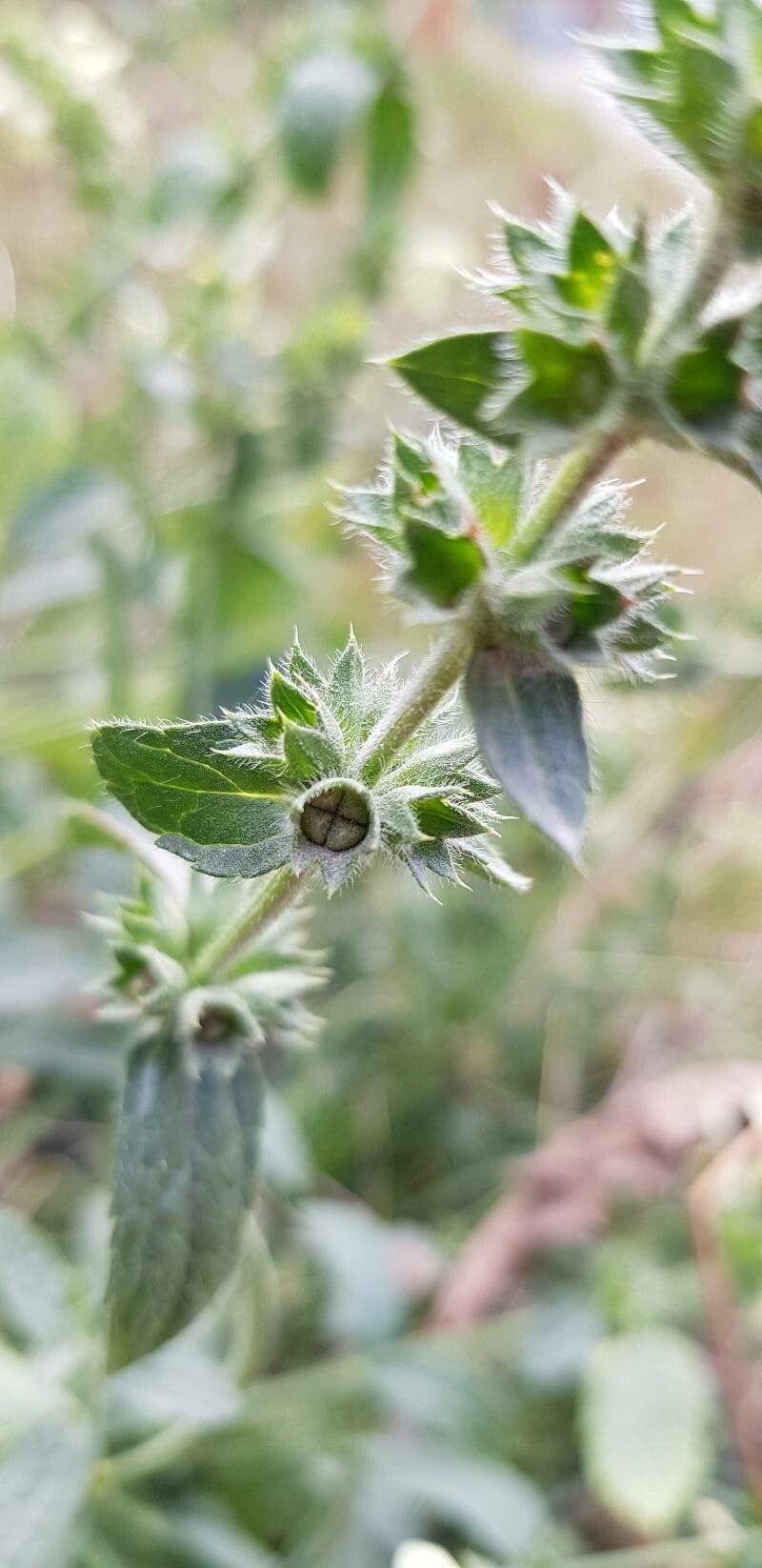
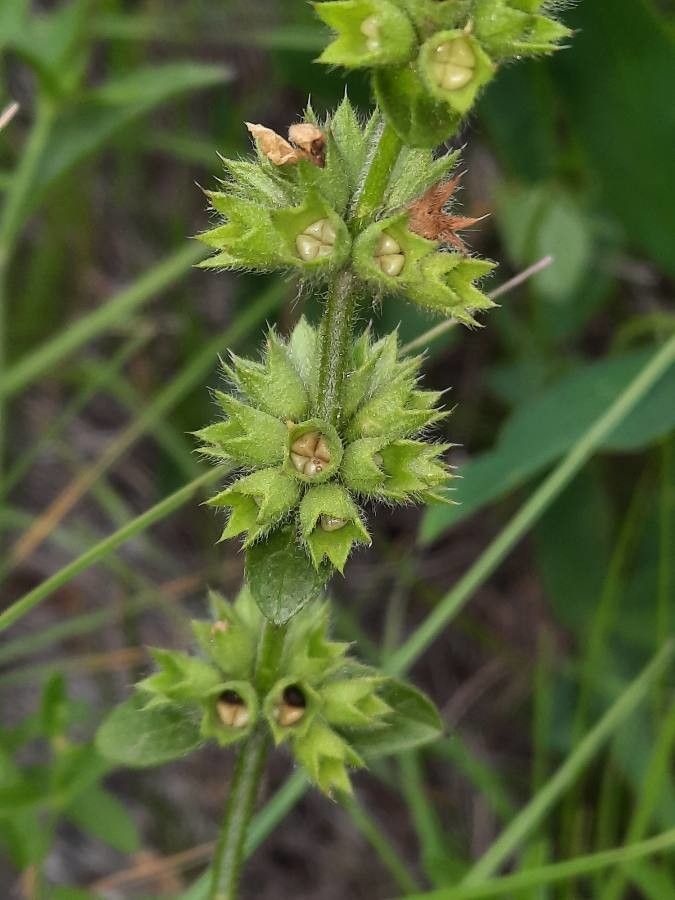
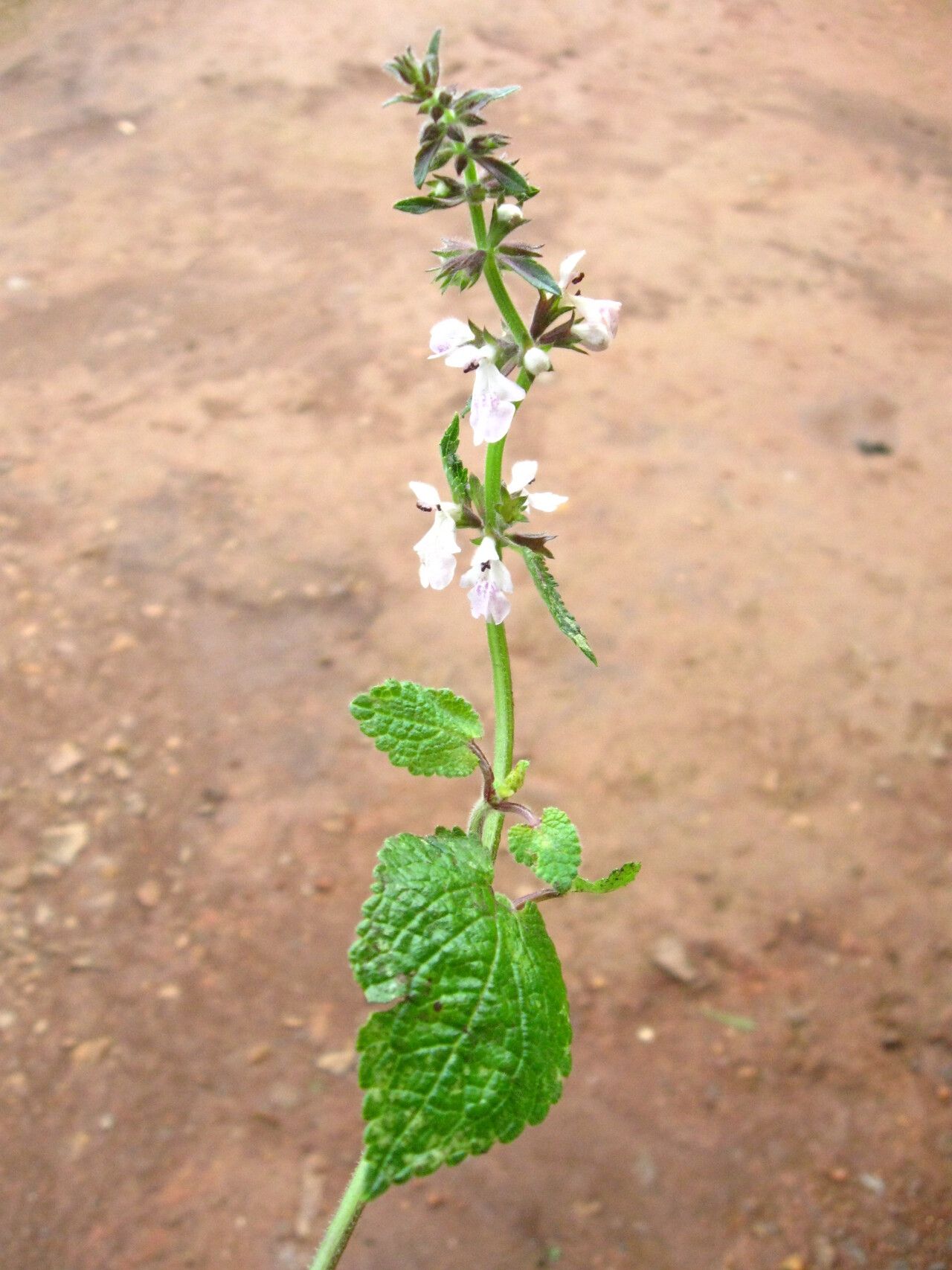
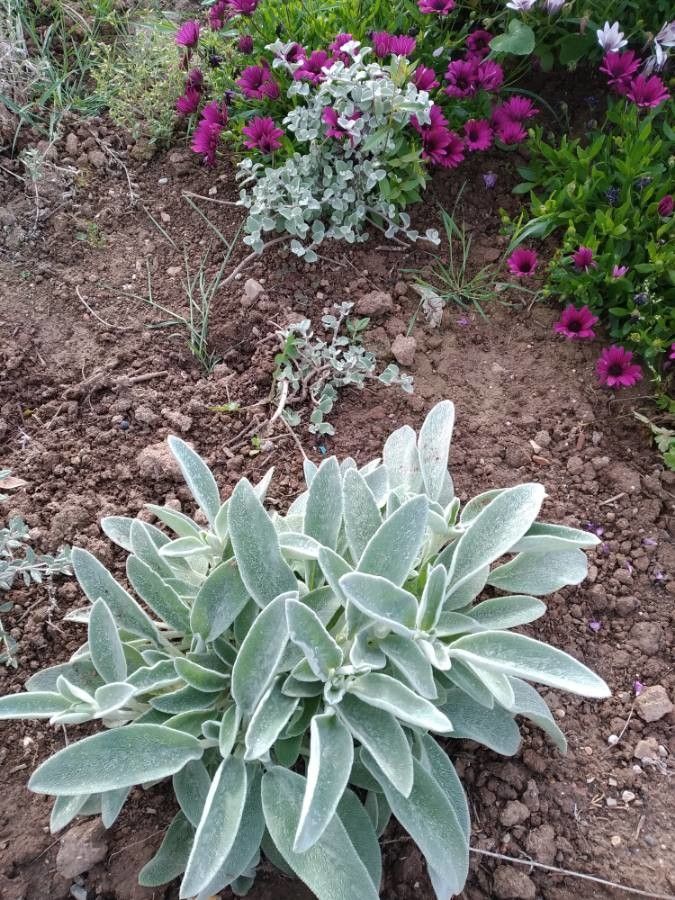
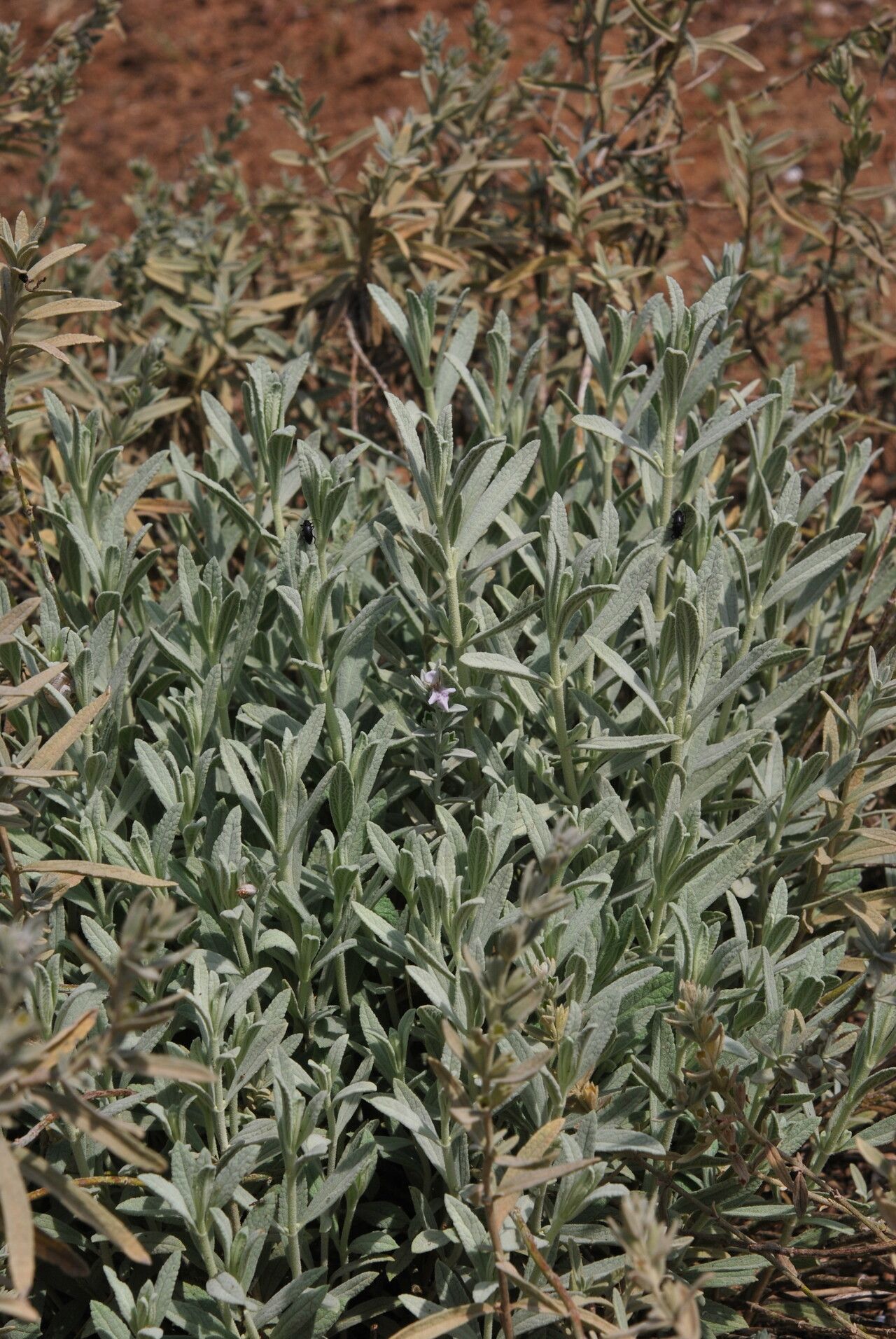
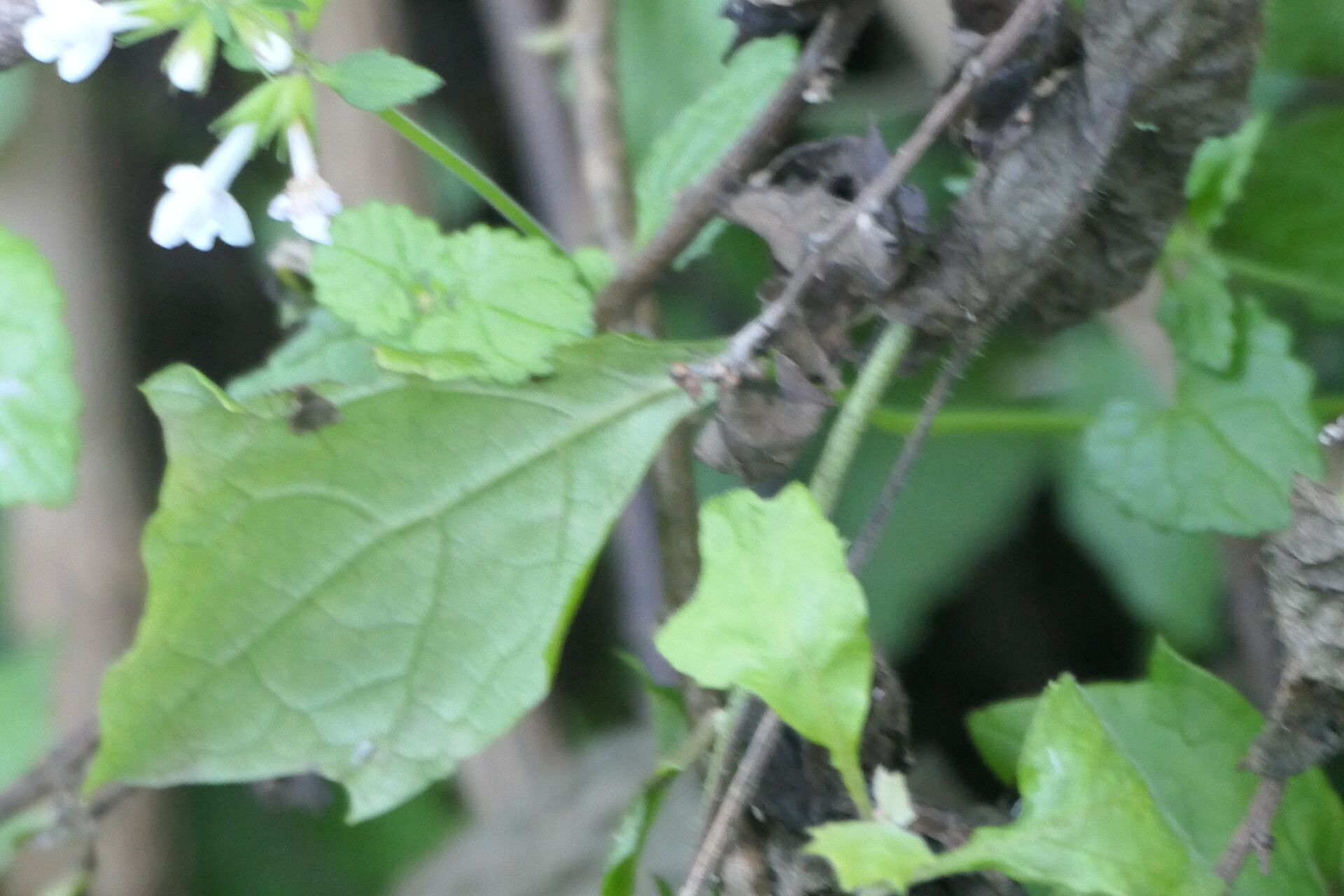
Stachys recta, commonly known as the upright hedge nettle, is a perennial herbaceous plant belonging to the Lamiaceae family. Native to Europe and Asia, it has also been introduced in North America as an ornamental plant. The plant can grow up to 60 cm in height, exhibiting a bushy appearance with erect, fine-haired stems.
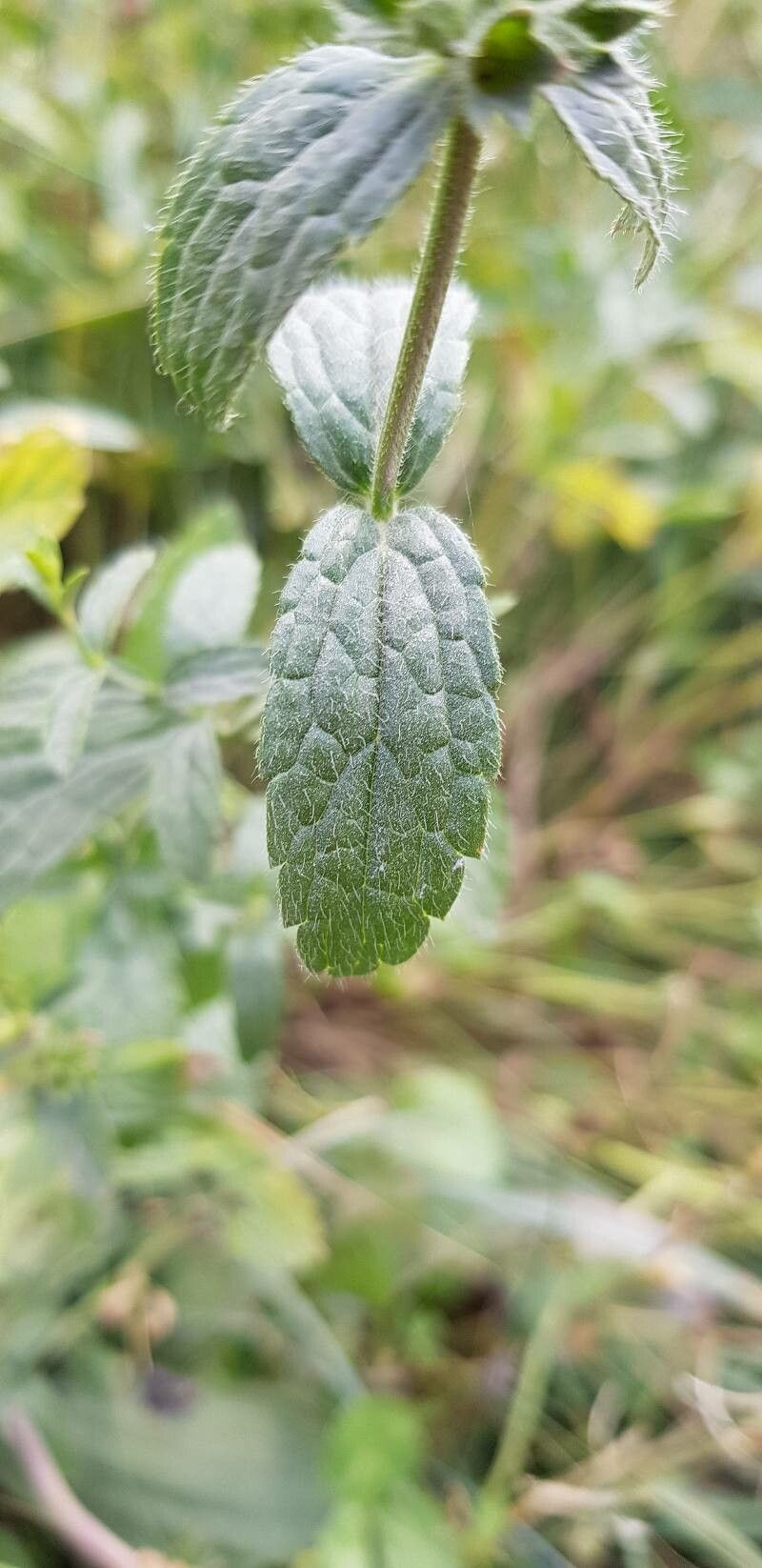
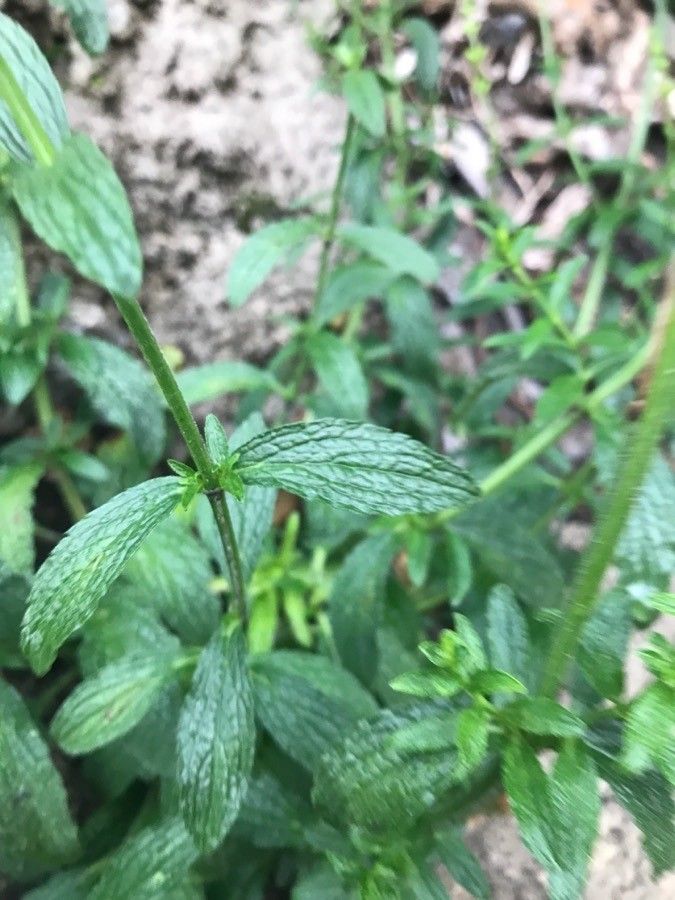
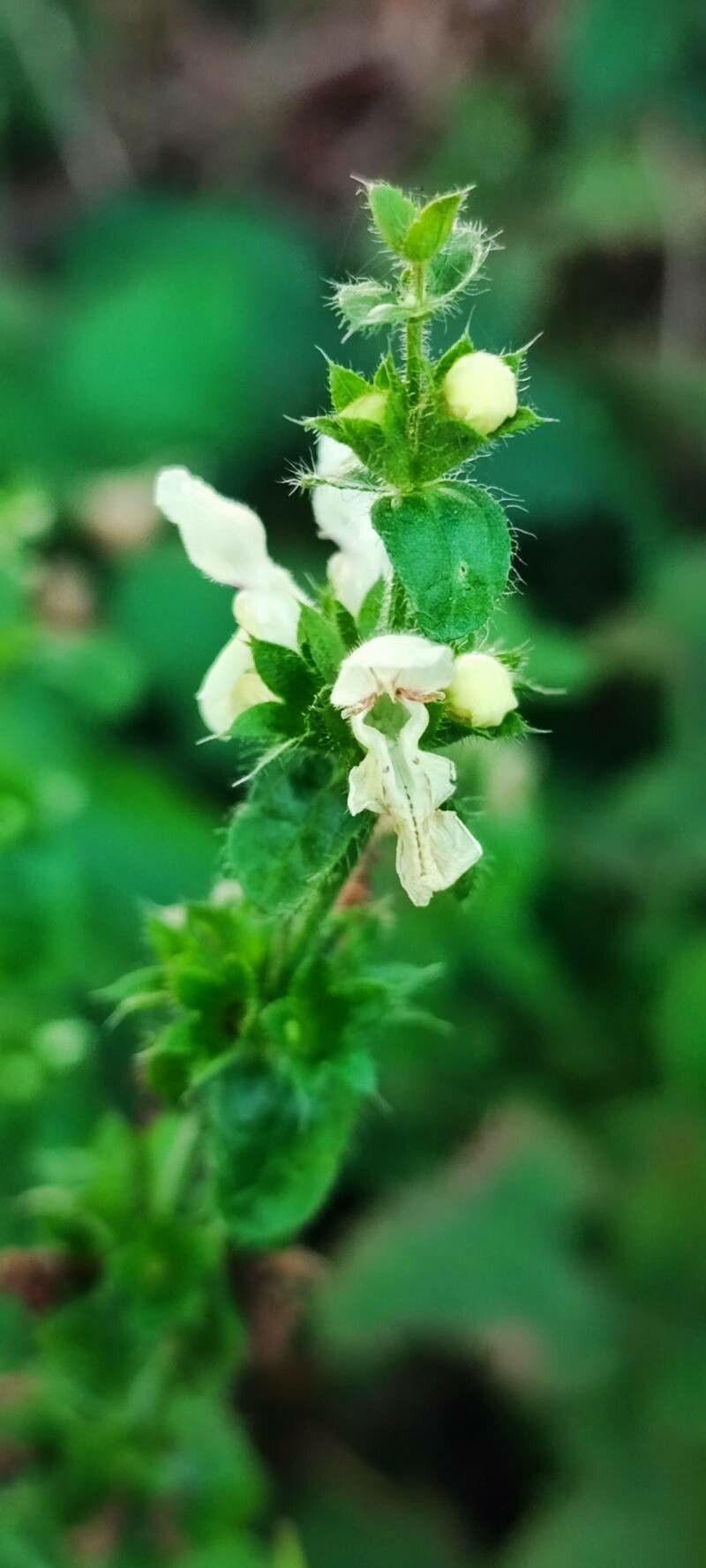
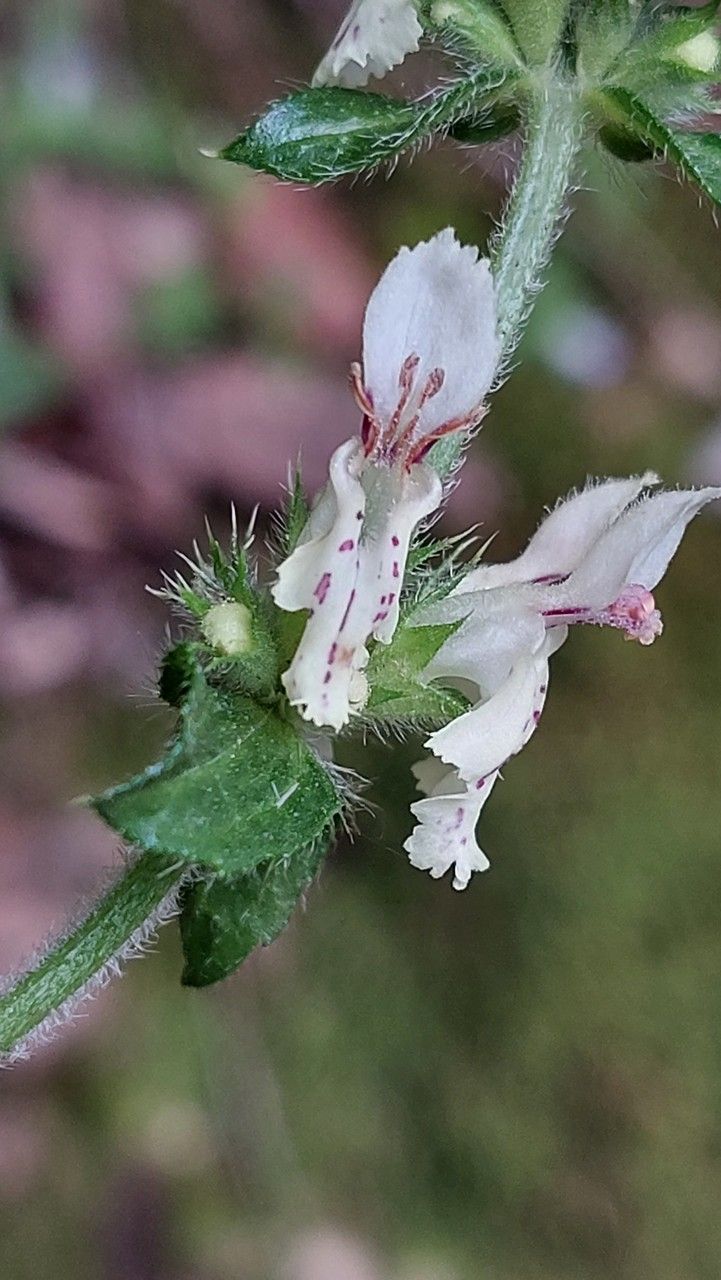
The leaves of Stachys recta are ovate to lanceolate in shape, boasting serrated edges and pointed tips. They can grow up to 10 cm long, displaying a dark green color on the top and a lighter shade underneath. The plant's flowers bloom from June through August, forming dense spikes of pink or purple tubular flowers that are particularly attractive to bees.
Stachys recta thrives in well-drained soils, preferring full sun or partial shade conditions. It can be propagated either by seeds or by dividing its rhizomes in the spring.
For centuries, the upright hedge nettle has been valued for its medicinal properties, particularly its anti-inflammatory benefits, which can help alleviate symptoms associated with arthritis, gout, rheumatism, among others.
Overall, Stachys recta is an attractive ornamental perennial that adds both color and texture to gardens, while also offering medicinal benefits when used appropriately by professionals trained in herbal medicine practices.
Perennial yellow woundwort has strong disease resistance and is generally not prone to illnesses. However, it can be vulnerable to pests and diseases present in its surroundings. These infections are typically not severe. In terms of care, this plant requires moderate maintenance. It should be pruned regularly to preserve a neat appearance and encourage healthy growth. Applying fertilizer can also help promote flowering. Perennial yellow woundwort is suitable for anyone with an outdoor area, such as a garden or patio, and does not demand extensive care experience. It may need more attention when grown indoors.
How to keep Stachys Recta.
Light
The perennial yellow woundwort requires a substantial amount of sunlight to prosper. Although it can tolerate some shade, it does best when receiving abundant sun. Because it originates from regions with plentiful sunlight, either too much or too little light can cause health problems. A strong solar presence is beneficial throughout its stages of growth.
Water
Perennial yellow woundwort flourishes in soil with moderate moisture levels and requires weekly watering to stay healthy. Native to temperate regions, this plant adapts well to seasonal rainfall, making it a resilient choice for gardens with changing weather conditions.
Temperature
Perennial yellow woundwort is suited to temperate environments, favoring temperatures between 32 and 77 °F (0 to 25 ℃). It handles seasonal variations, and no special adjustments are necessary unless conditions move outside that range.
Fertilizer
Early spring, when a Perennial yellow woundwort is coming out of dormancy and starting active growth, is the best time to fertilize. Fertilizing supplies essential nutrients for healthy development. Although Perennial yellow woundwort generally has low fertilizer requirements, applying fertilizer once a year can improve its survival and encourage better, longer-lasting flowers.
Pruning
Perennial yellow woundwort is known for its yellow flowers and medicinal benefits. To promote flowering and maintain its shape, it is best to prune the plant from early to late spring. This involves removing dead stems and preventing legginess. Pruning at the right time encourages strong seasonal growth and helps ensure the plant's overall health and vigor.
Botanical profile.
- Plant Type
- Herb
- Life Cycle
- Perennial
- Genus
- Stachys
- Family
- Lamiaceae
- Hardiness Zone
- 3-4
- Mature Height
- 20 cm to 40 cm
- Mature Spread
- 30 cm
- Leaf Color
- Green
- Leaf Type
- Deciduous
- Flower Color
- White
- Flower Size
- 2.54 cm
- Bloom Time
- Late spring, Early summer, Mid summer
- Planting Time
- Spring, Summer
- Harvest Time
- Late summer, Early fall
Other names.
Reader questions.
What's the best way to water my perennial yellow woundwort plant?
When watering the Perennial yellow woundwort, it is important to use filtered water at room temperature. Tap water may contain harmful particles that can affect the plant's health. The Perennial yellow woundwort is native to warm environments, so using cold water can be a shock to its system. To avoid any foliage complications, it is best to avoid overhead watering and instead apply filtered room temperature water directly to the soil until it is completely soaked. This helps moisten the roots and enables them to spread and gather the necessary nutrients.
Why should I put fertilizer on my Perennial yellow woundwort?
The main structure of the Perennial yellow woundwort consists of its leaves. Fertilization is a crucial way to ensure that these leaves not only look great but also fulfill their purpose effectively. Proper fertilization will promote consistent color and healthy texture in the leaves. Additionally, fertilization helps the plant below the soil's surface by promoting the growth of new roots and maintaining existing ones. This means that fertilization not only benefits the plant's current health but also enhances its ability to absorb nutrients from the soil in the future.
What are the sunlight requirements for Perennial Yellow Woundwort?
Perennial Yellow Woundwort thrives best in full sunlight, requiring above 6 hours of sunlight daily to flourish optimally. It can also grow in partial sun, with about 3-6 hours of sunlight, but it achieves its most vigorous growth under abundant sun exposure. It's essential to observe how sunlight moves through your garden to select spots offering a perfect balance of light and shade, ensuring the plants' happiness and health.
What temperature range is best for perennial yellow woundwort?
Perennial yellow woundwort thrives in temperate environments, with an ideal temperature range between 32°F and 77°F (0°C to 25°C). It is well-adapted to seasonal changes within this temperature range, requiring no special adjustments outside of these conditions.
What do I do if I give my Perennial yellow woundwort too much or too little water?
Your Perennial yellow woundwort can suffer from both overwatering and underwatering, but overwatering is more common. When this happens, the stems and leaves of the plant may wilt and turn yellow. Overwatering can also cause diseases like root rot, mold, and mildew, which can be fatal. Underwatering is less likely for this plant, as it can tolerate drought well. However, if underwatering does occur, the leaves may become brittle and brown. It's important to recognize the signs of overwatering early on. Diseases like root rot may not be fixable if left untreated for too long. If you notice overwatering signs, reduce your watering schedule and check the soil's drainage. If it drains poorly, replace it with a well-draining potting mix. On the other hand, if the signs indicate underwatering, increase your watering frequency until the signs improve.
What is the best time to fertilize my Perennial yellow woundwort?
When you grow your Perennial yellow woundwort outside, it will start to grow new leaves in early spring. This is a sign that it's time to fertilize. Usually, applying fertilizer once in the spring is enough for the plant to thrive. However, if you want to maximize growth, you can feed it multiple times during the spring and early summer. In this case, you should fertilize it about once every month to a month and a half.
How does artificial lighting support indoor growth of plants?
For indoor plants, especially during conditions of insufficient natural sunlight, such as in winter or less sunny spaces, artificial lighting becomes crucial. Adequate lighting is key for optimal growth. LED lights are recommended for their ability to provide specific wavelengths needed by plants. Full sun plants require 30-50W/sq ft of artificial light, partial sun plants need 20-30W/sq ft, and full shade plants should have 10-20W/sq ft. The light should be placed 12-36 inches above the plant, mimicking natural sunlight. Additionally, the duration of light exposure should reflect natural daylight hours, typically 8-12 hours per day.
How does perennial yellow woundwort handle cold temperatures?
This plant is highly tolerant of cold temperatures and doesn't require additional frost protection. Before the onset of the first freeze in autumn, it's advisable to water the plant thoroughly, ensuring the soil is moist when it freezes. This moist soil condition helps prevent drought and water scarcity for the plant throughout the winter and into early spring.
How much water does my perennial yellow woundwort need?
If your Perennial yellow woundwort plant is in a pot, the most precise way to determine if it needs water is to stick your finger into the soil. If the top two to three inches of soil are dry, it's time to water. If you have this plant growing outdoors in the ground, you can use the same method to test the soil. When the top few inches of soil have dried out, it's time to water. Typically, you'll need to water this plant about once a week during spring and early fall. However, during extremely hot weather, you may need to water it twice a week or even more. Nonetheless, mature and well-established Perennial yellow woundwort plants can withstand drought well.
When is it not a good idea to add fertilizer to my Perennial yellow woundwort?
During late fall and winter, your Perennial yellow woundwort goes into a dormant phase, stopping new growth. As a result, it is not recommended to fertilize it during this time. In spring and summer, if you do choose to fertilize, gradually reduce the amount as summer approaches, as the growth rate of your Perennial yellow woundwort will slow down. Overall, it is not advisable to fertilize your Perennial yellow woundwort when the weather is unusually hot or the soil is excessively dry. Doing so can cause stress and premature death for your plant.
What are the symptoms of light deficiency in Perennial Yellow Woundwort?
When Perennial Yellow Woundwort experiences light deficiency, various symptoms can manifest, including smaller new leaves, leggy or sparse growth, faster leaf drop, and halted or no new growth. Leaves may also develop lighter colors, indicating a lack of chlorophyll and essential nutrients. Conversely, excessive sunlight exposure can lead to chlorosis, sunscald, leaf curling, wilting, and leaf scorching. These conditions showcase the plant's struggle to adapt to insufficient or overly intense light.
What should be done if the winter temperature falls below -35°C?
Although perennial yellow woundwort is extremely cold-tolerant, temperatures dropping below -35°C can affect its sprouting in spring. While there might not be noticeable changes during winter, there could be a reduced sprouting rate or no sprouting in the following spring. To address this, remove any parts of the plant that fail to sprout in spring.