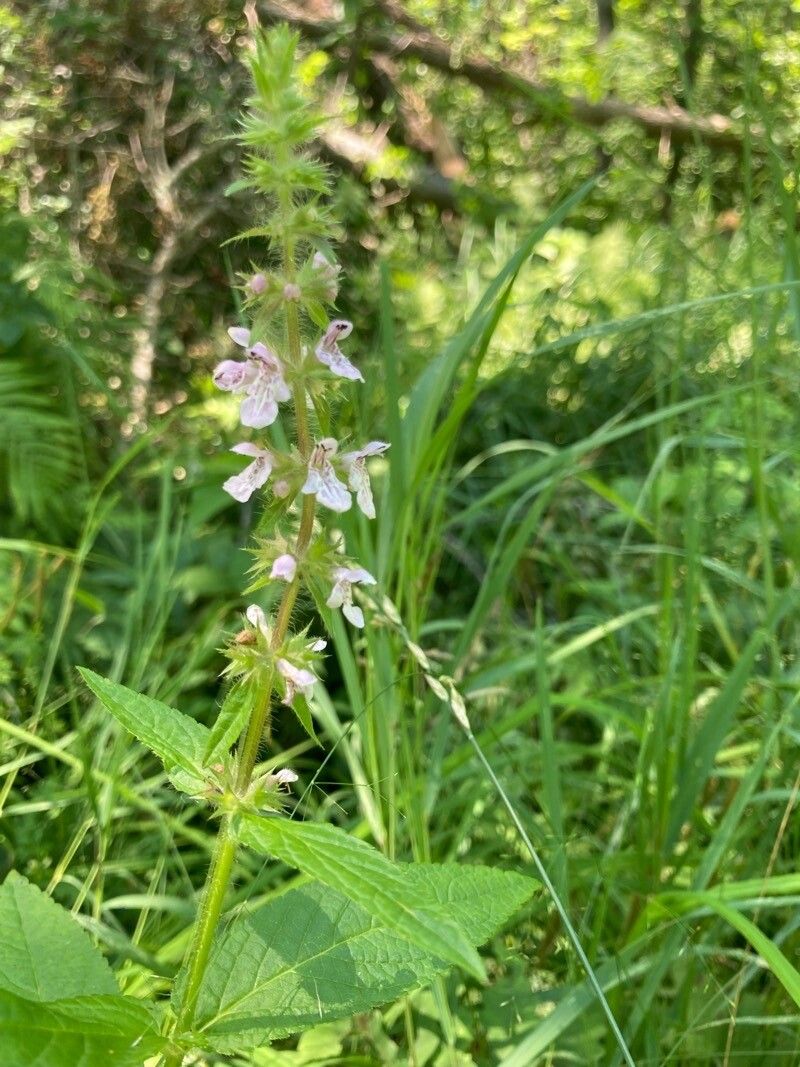
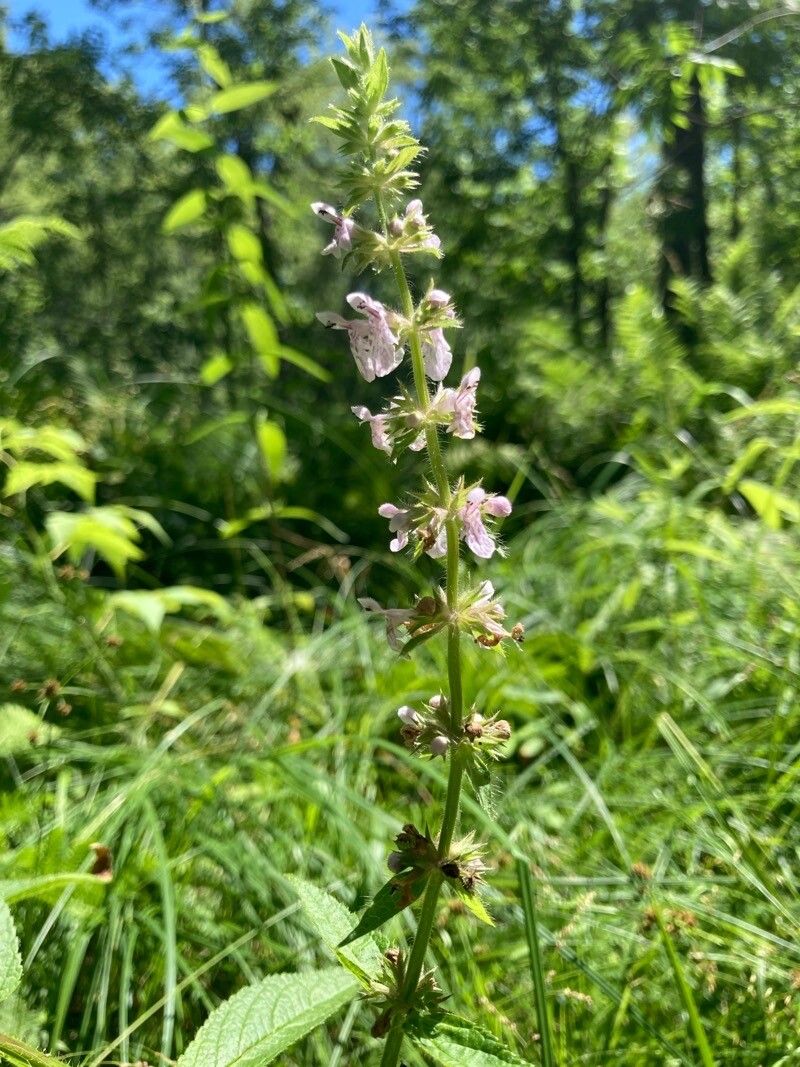
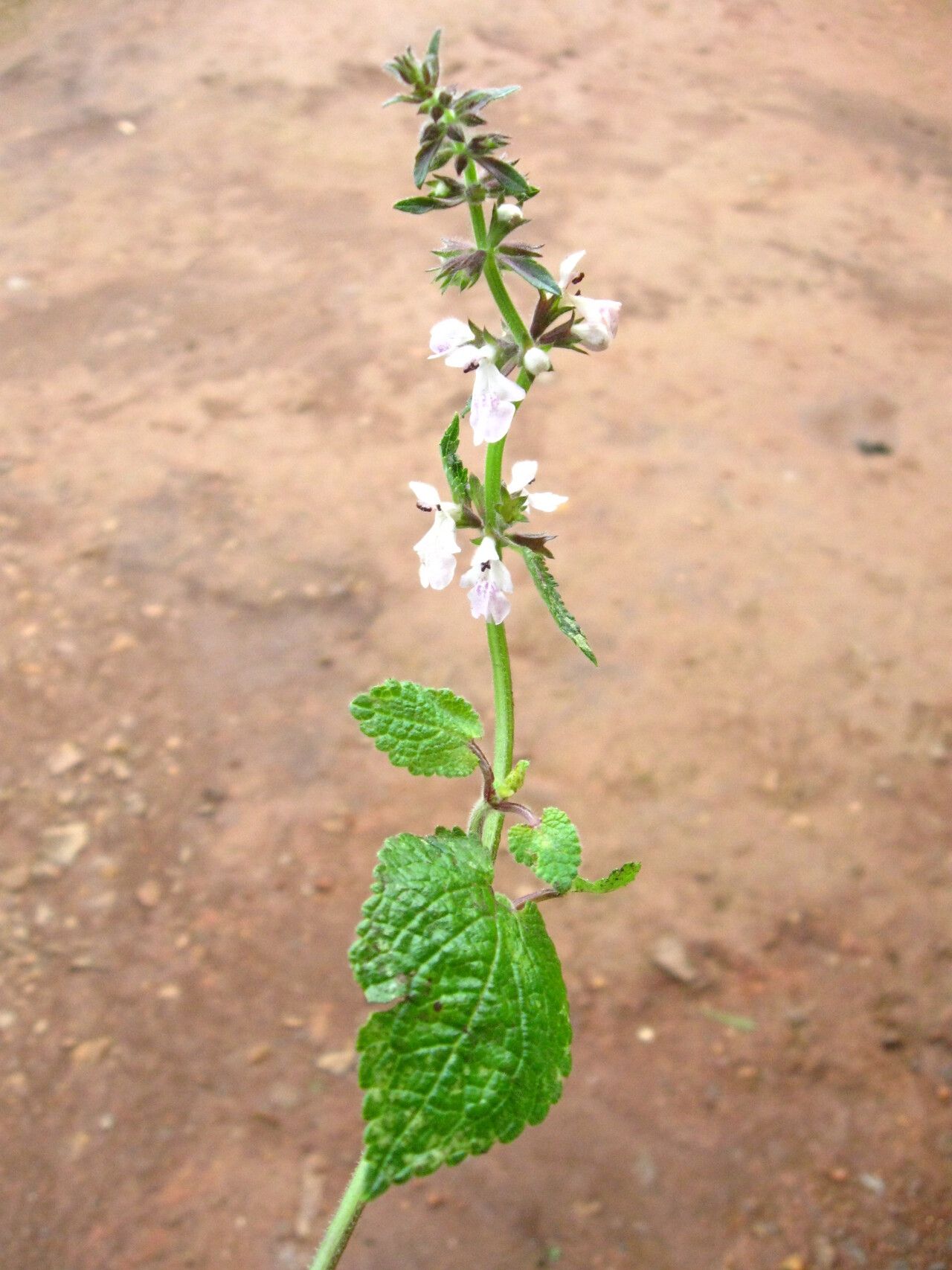
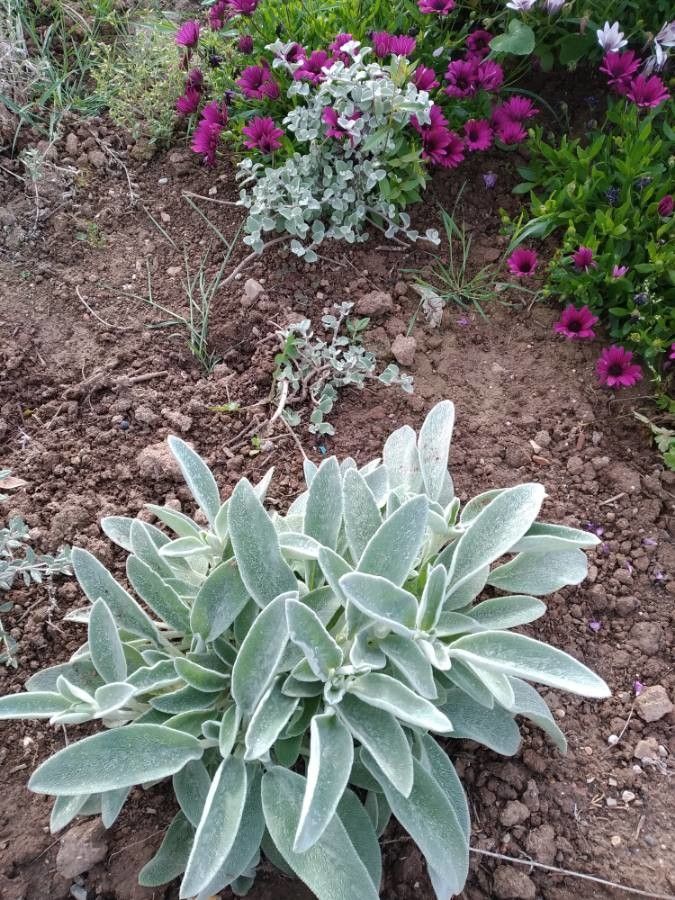
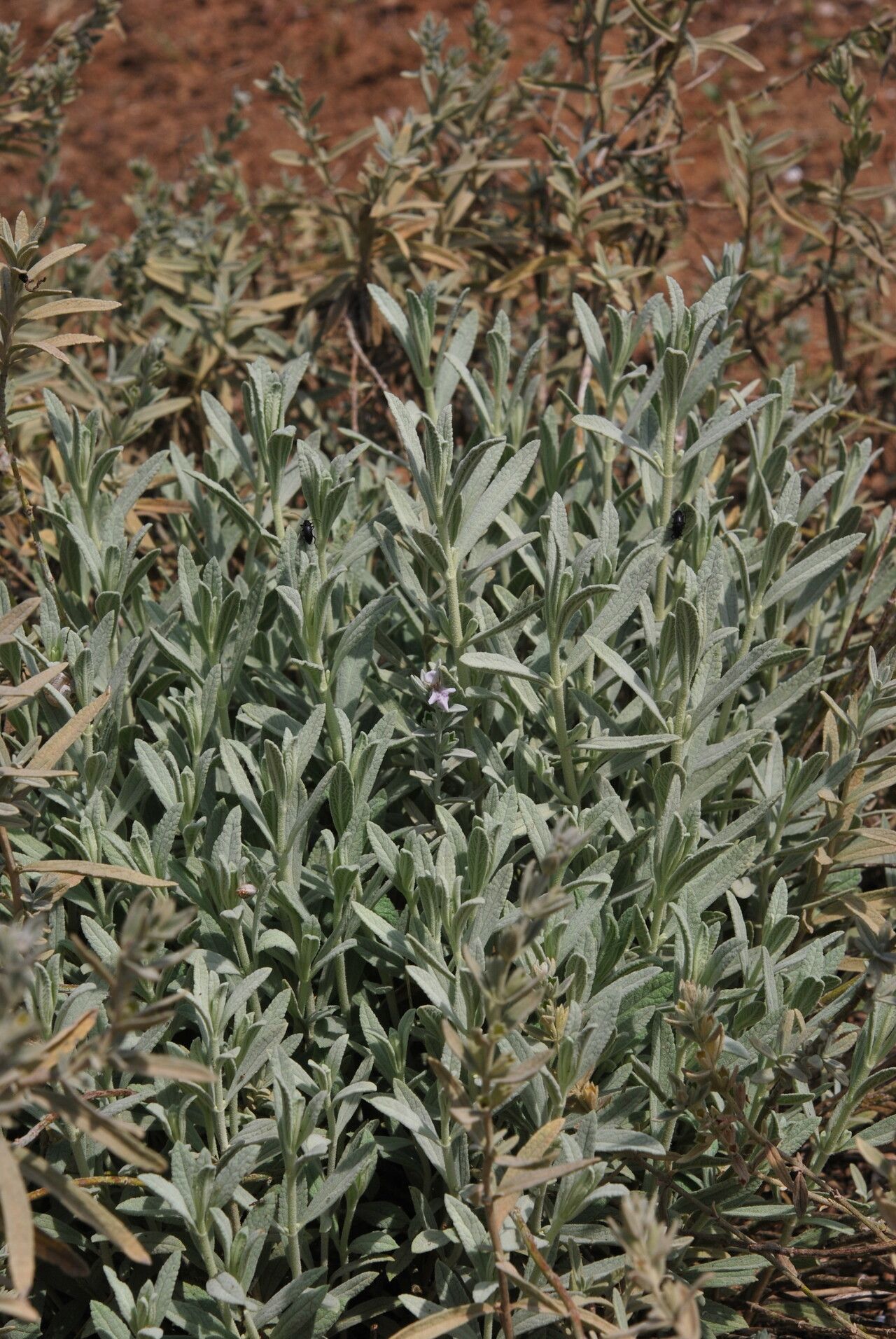
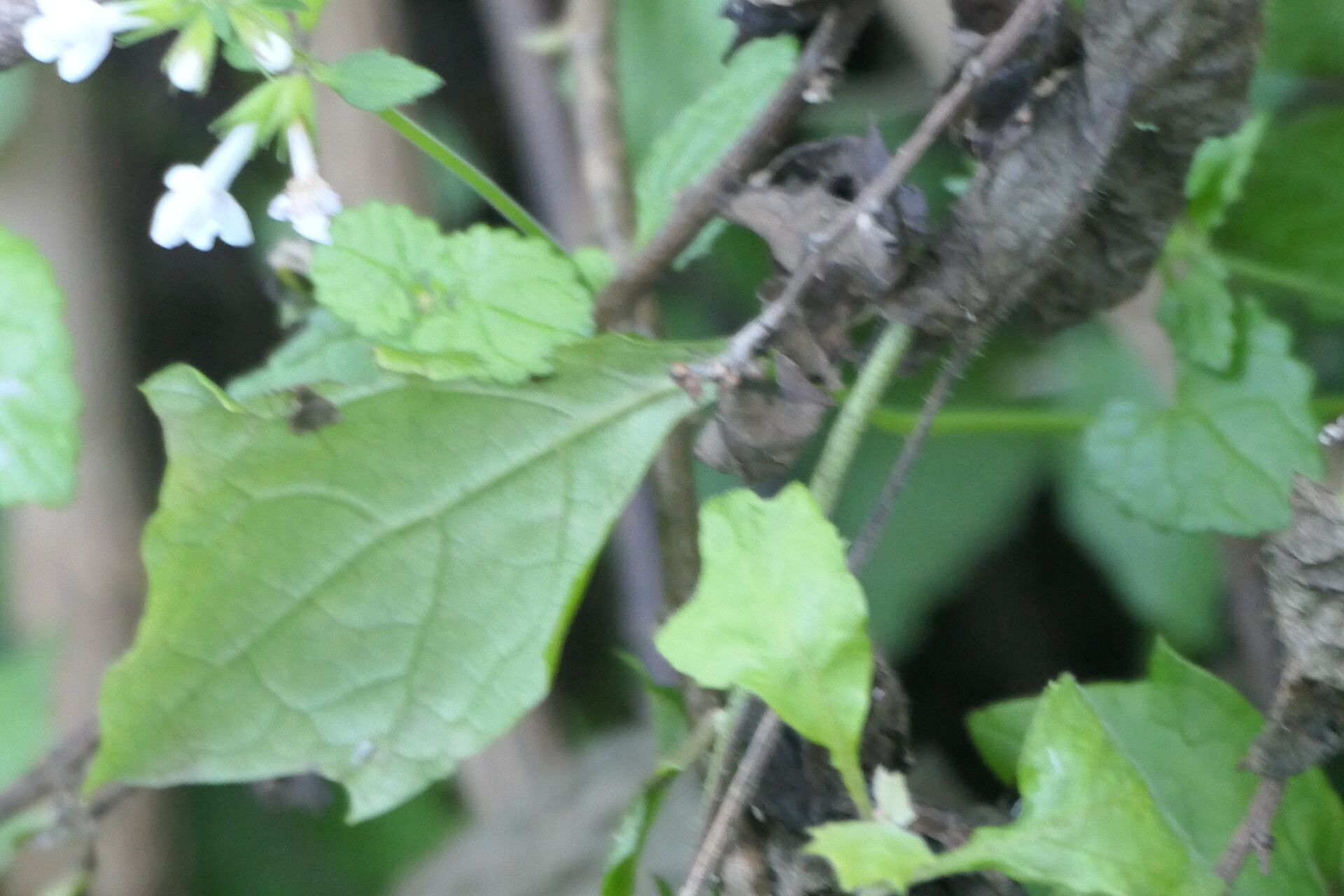
Hairy hedge-nettle is fairly disease-resistant and usually does not suffer from many illnesses. However, it can be affected by pests and diseases present in its environment. Those infections are generally mild. Regarding care, the plant needs moderate maintenance. Regular pruning is necessary to keep a tidy appearance and encourage healthy growth. Fertilizing can also help increase flowering. Hairy hedge-nettle is suitable for anyone with outdoor space, such as a garden or patio, and does not demand extensive experience in plant care. It may require more attention when grown indoors.
How to keep Stachys Pilosa.
Water
Hairy hedge-nettle thrives in consistently moist conditions, mirroring its natural habitat in damp environments. To maintain this moisture, it's recommended to water it weekly. Using rainwater can further enhance its humidity and improve foliage during the growing season. Although the plant is moderately drought-tolerant, it grows best when there is sufficient water available.
Fertilizer
One application of fertilizer in spring is generally enough for Hairy hedge-nettle, though repeated feedings can enhance growth. Apply fertilizer every one to one and a half months. Fertilization improves the leaves’ appearance and function, supporting even color and a healthy texture. It also promotes root development and nutrient uptake for the plant’s long-term health.
Pruning
Hairy hedge-nettle features fuzzy leaves and purple flowers. To encourage bushier growth, it is best to prune the plant from early to late spring. Removing spent blooms will also help to prolong its flowering period. Regular pruning helps control the plant's spread, improves foliage health, and enhances its overall appearance. Always use clean, sharp tools when pruning to prevent disease.
Botanical profile.
Other names.