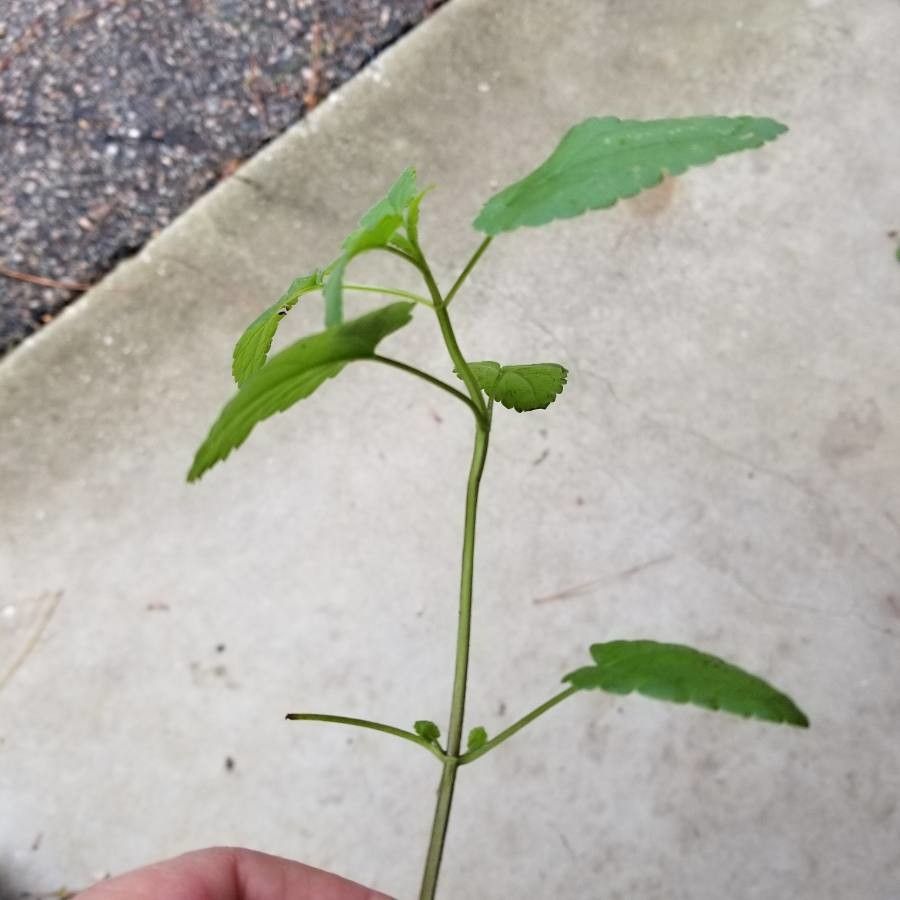
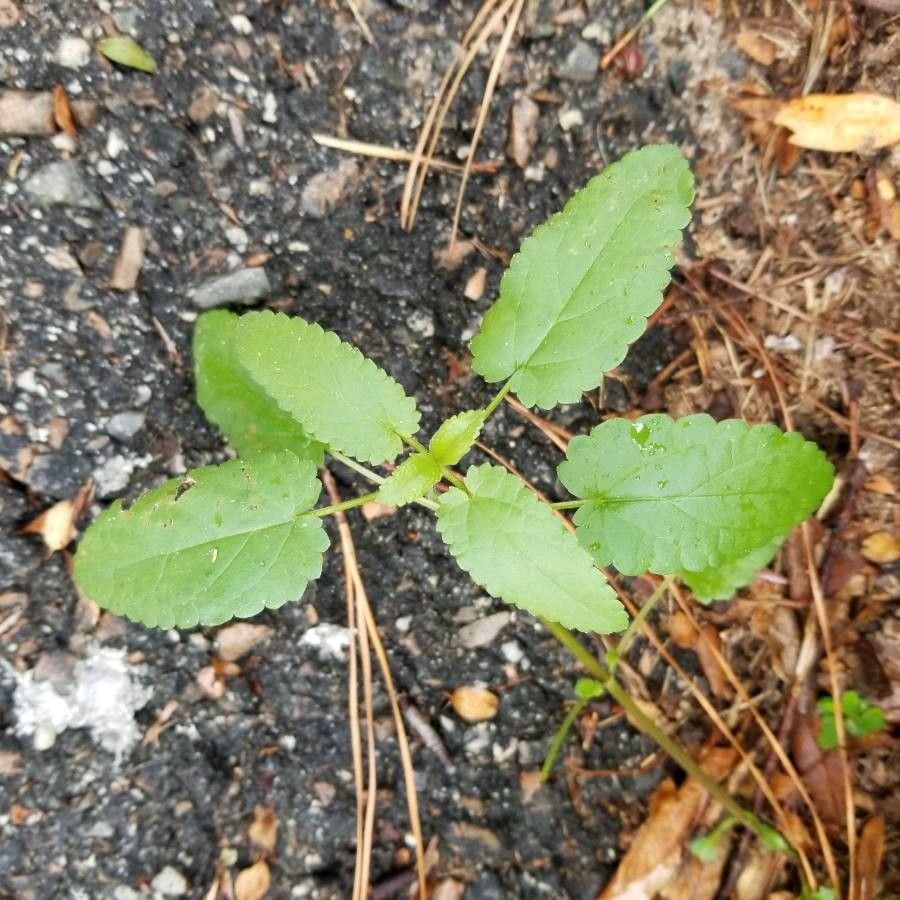
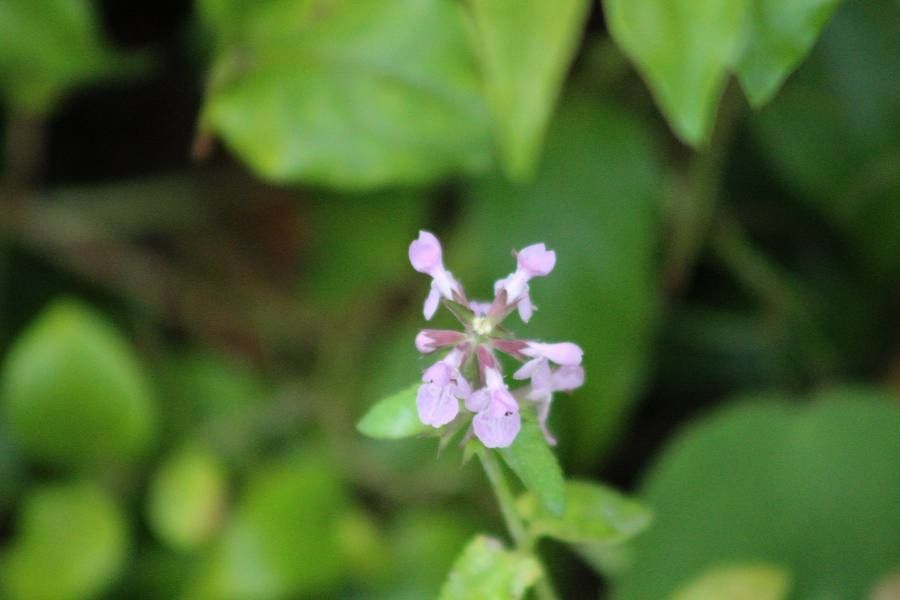
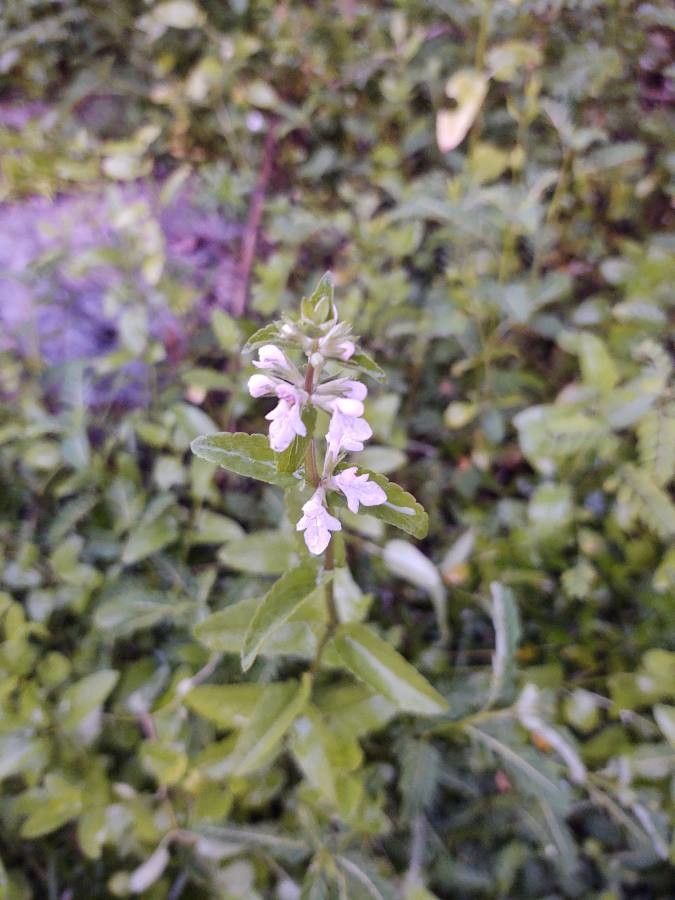
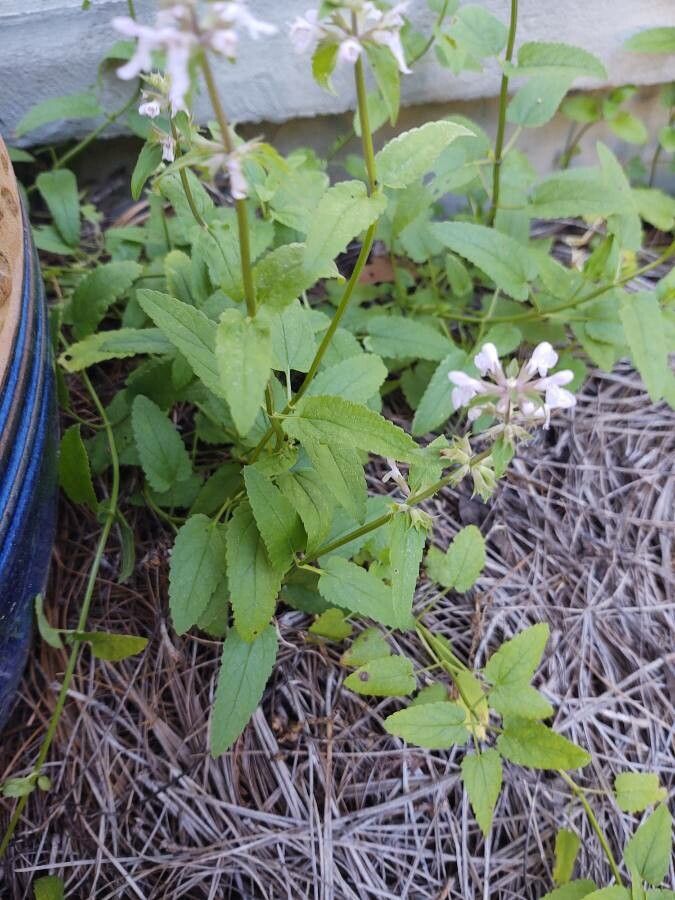
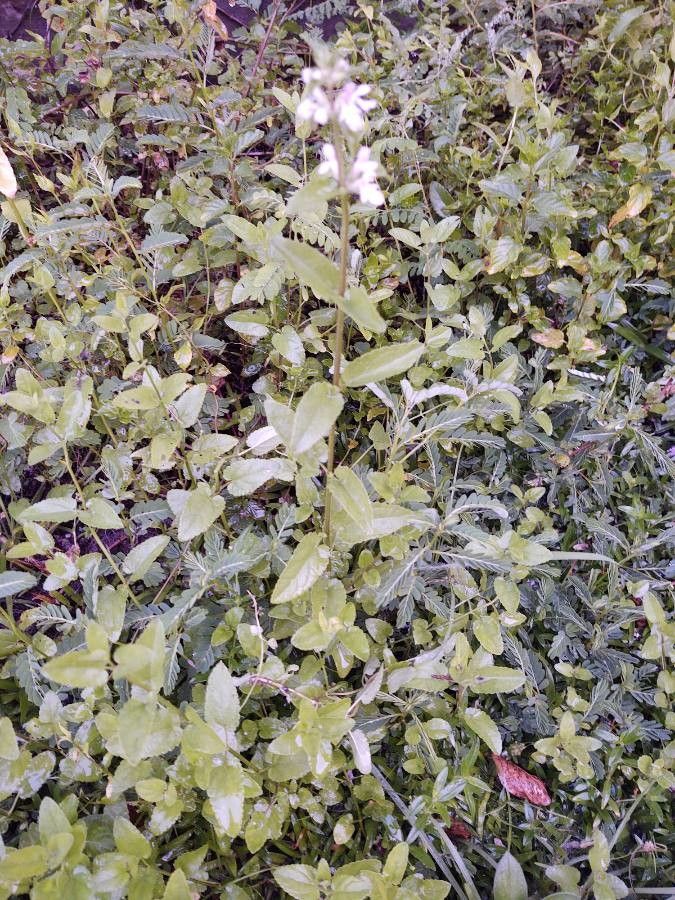
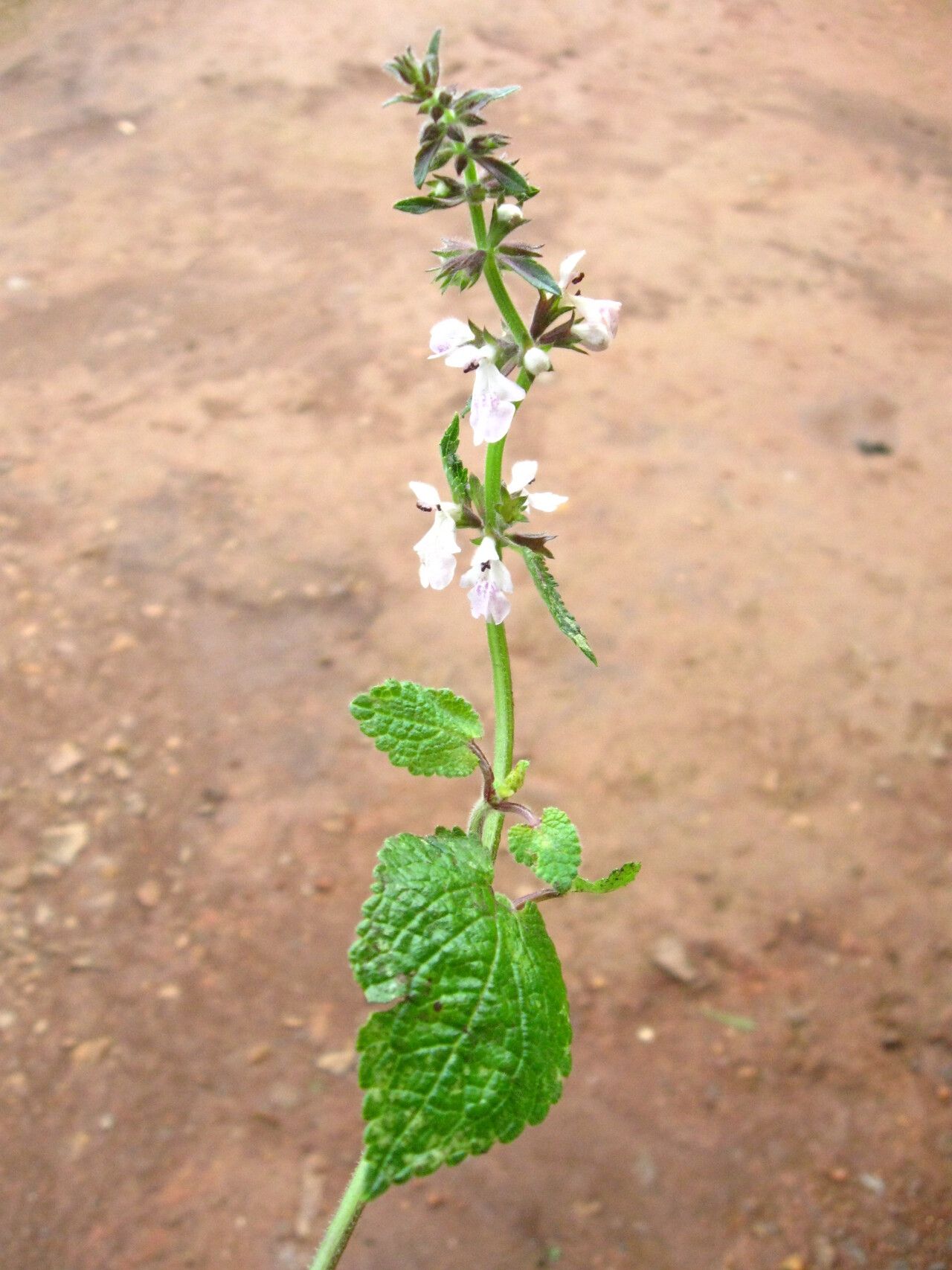
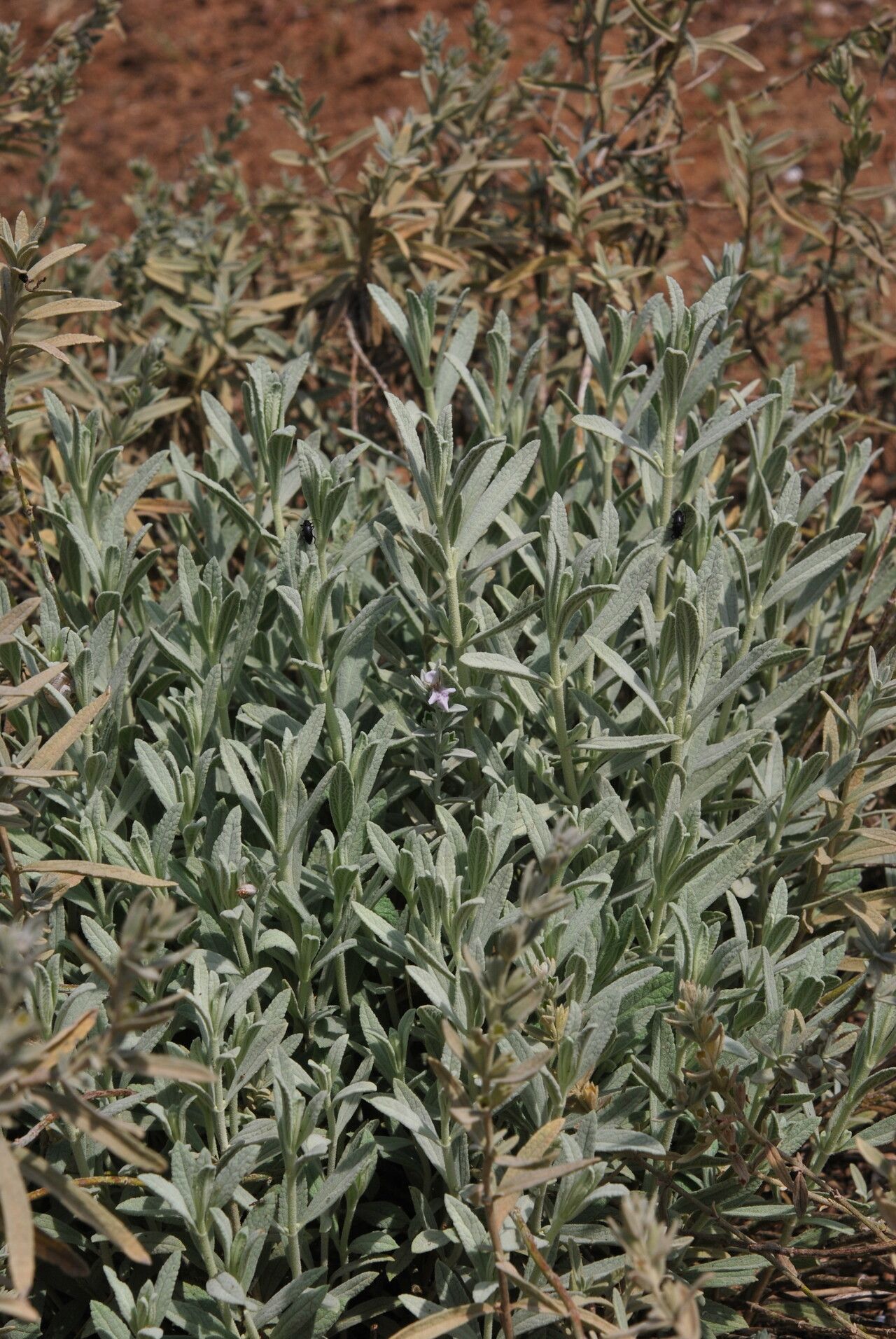
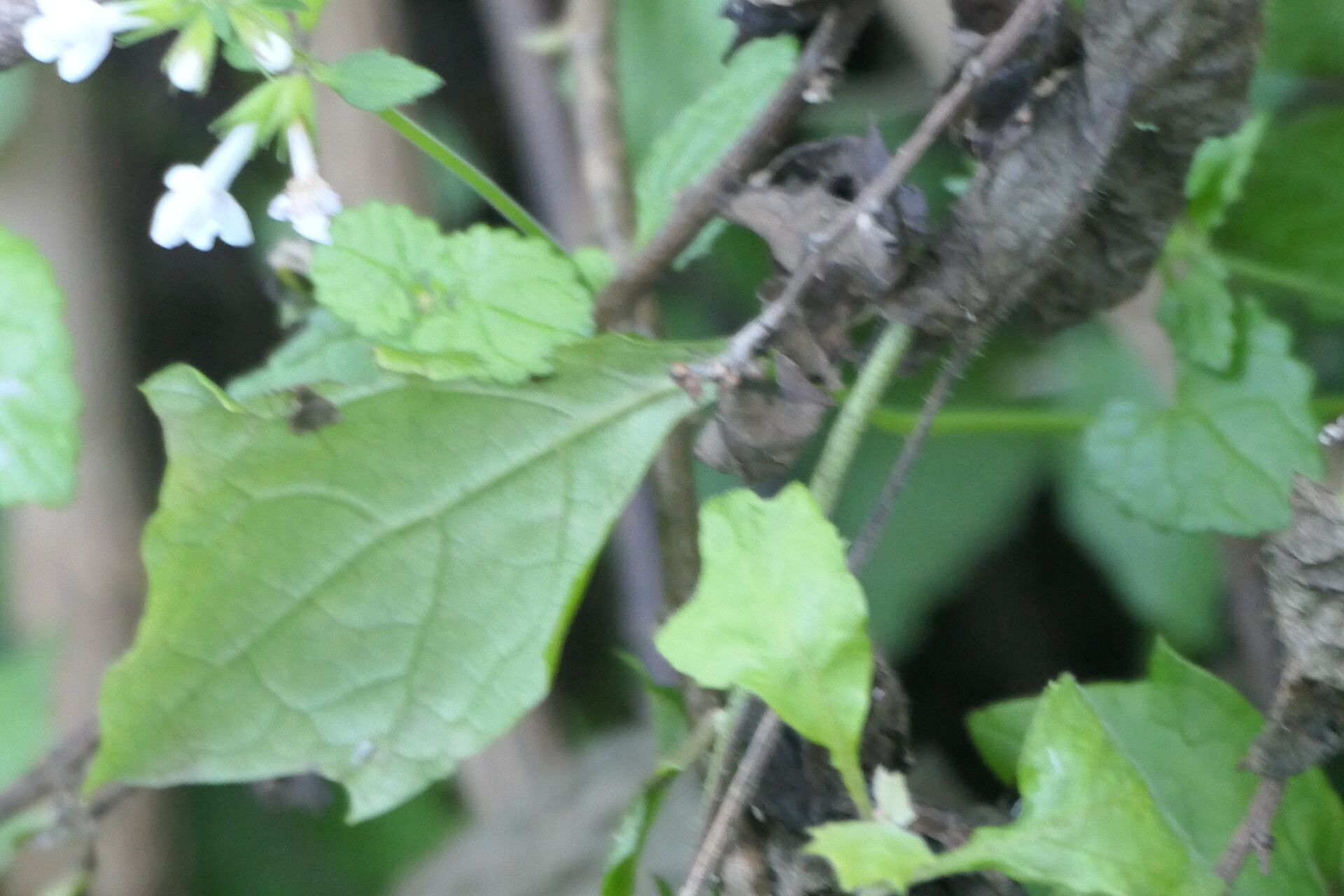
Stachys floridana, commonly known as Florida betony or rattlesnake weed, is a perennial herbaceous plant in the mint family. Native to the southeastern United States, it thrives in a variety of habitats, including woodlands, meadows, and disturbed areas.
The plant can reach up to 2 feet in height and features square stems with opposite, ovate leaves that have serrated edges. The leaves are dark green on the upper side and lighter underneath. From late spring through summer, Stachys floridana produces small, pinkish-purple flowers arranged in spikes that rise above the foliage.
Florida betony has been valued for its medicinal uses by Native Americans for centuries, particularly for its anti-inflammatory properties. It has also served as a natural remedy for respiratory ailments such as coughs, colds, and bronchitis.
In gardens or naturalized areas, Stachys floridana is an attractive choice. It not only resists deer but also attracts pollinators like bees and butterflies.
Overall, Stachys floridana is an interesting herbaceous perennial with both aesthetic and ecological benefits. Its medicinal properties and ability to attract pollinators make it an excellent addition to any garden or naturalized area.
Florida hedgenettle has good resistance to disease and is generally not prone to illnesses. Still, it can be susceptible to pests and diseases present in its surroundings. These infections are generally not severe. Regarding care, this plant needs a moderate level of attention. It should be pruned regularly to maintain a neat appearance and healthy growth. Fertilization can also help encourage flowering. Florida hedgenettle is well suited for people with outdoor areas, such as a garden or patio, and does not require extensive care experience. It may need more attention when grown indoors.
How to keep Stachys Floridana.
Light
Florida hedgenettle naturally occurs in habitats like forest understories and rocky locations, where it gets natural shade. It favors partial sun but can tolerate full sun or deep shade, reflecting its hardy, adaptable character.
Water
Florida hedgenettle flourishes in humid environments and needs consistently moist soil to thrive. Watering it weekly meets its hydration needs, and rainwater greatly enhances its growth in warmer climates.
Temperature
Florida hedgenettle shows good temperature adaptability, tolerating higher heat and broader temperature swings. In hot conditions, attention should be given to watering and providing proper shade to prevent sunburn. On the other hand, Florida hedgenettle has relatively poor cold tolerance. While it can endure some chill, overly low temperatures can cause frost damage.
Fertilizer
Typically one fertilizer application in spring is adequate for Florida hedgenettle, although several feedings can boost growth. Apply fertilizer about every month to six weeks. Fertilizing improves the leaves’ appearance and function, helping them maintain uniform color and a healthy texture. It also promotes root development and nutrient uptake, supporting long-term plant health.
Pruning
The Florida hedgenettle is characterized by its broad leaves and vibrant purple flowers. To maintain its health and appearance, prune the plant from early to late spring, focusing on removing any damaged stems and thinning the foliage to improve air circulation. Regular pruning not only promotes growth but also enhances flowering. Ensure that your tools are clean to prevent the spread of disease. After the plant blooms, consider doing a light pruning to maintain its shape.
Botanical profile.
- Plant Type
- Herb
- Life Cycle
- Perennial
- Genus
- Stachys
- Family
- Lamiaceae
- Hardiness Zone
- 7-11
- Mature Height
- 49 cm
- Mature Spread
- 49 cm
- Leaf Color
- Green
- Leaf Type
- Deciduous
- Flower Color
- Pink
- Flower Size
- 2.54 cm
- Bloom Time
- Mid spring, Late spring, Early summer
- Planting Time
- Spring, Summer, Autumn
- Harvest Time
- Summer
Other names.
Reader questions.
What are the sunlight requirements for Florida hedgenettle?
Florida hedgenettle, or Stachys floridana, thrives in varying amounts of sunlight. It requires full sun, which means it should receive above 6 hours of sunlight daily, to flourish optimally. However, it can also tolerate partial sun, defined as about 3-6 hours of sunlight. It's important to observe the movement of sunlight through your garden to identify spots that offer a perfect balance of light and shade, ensuring the best growth conditions for your plants.