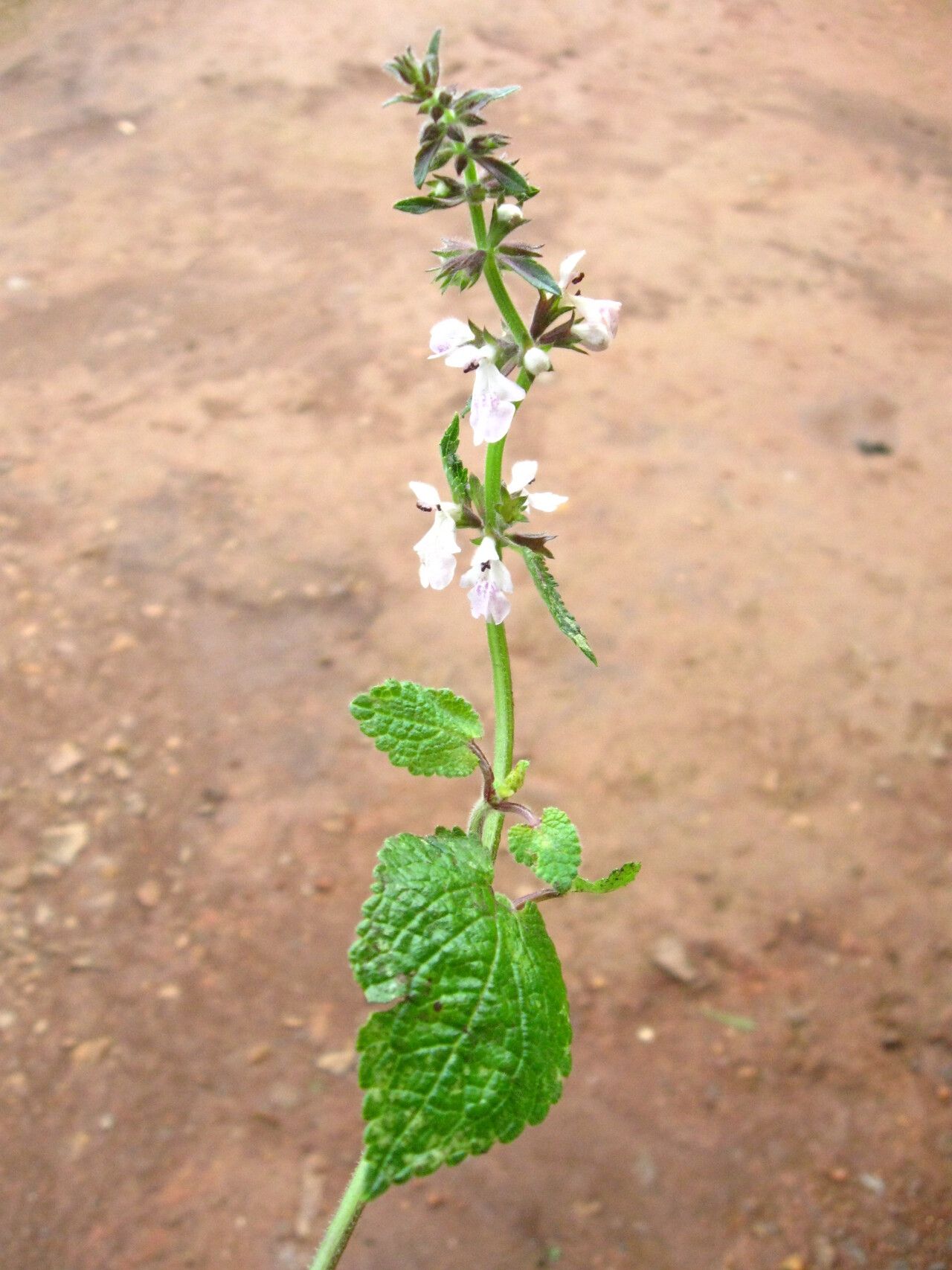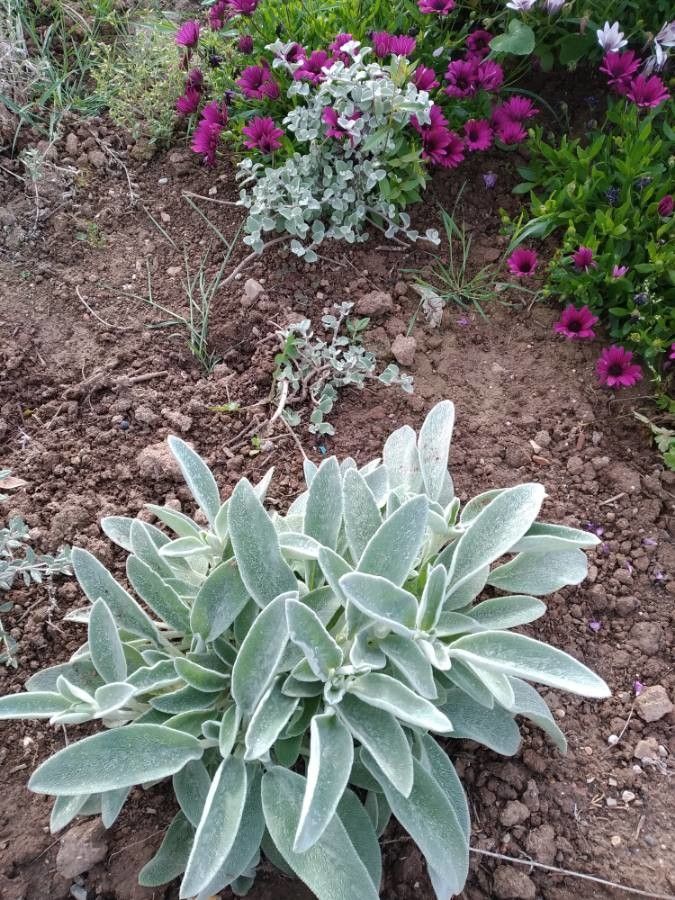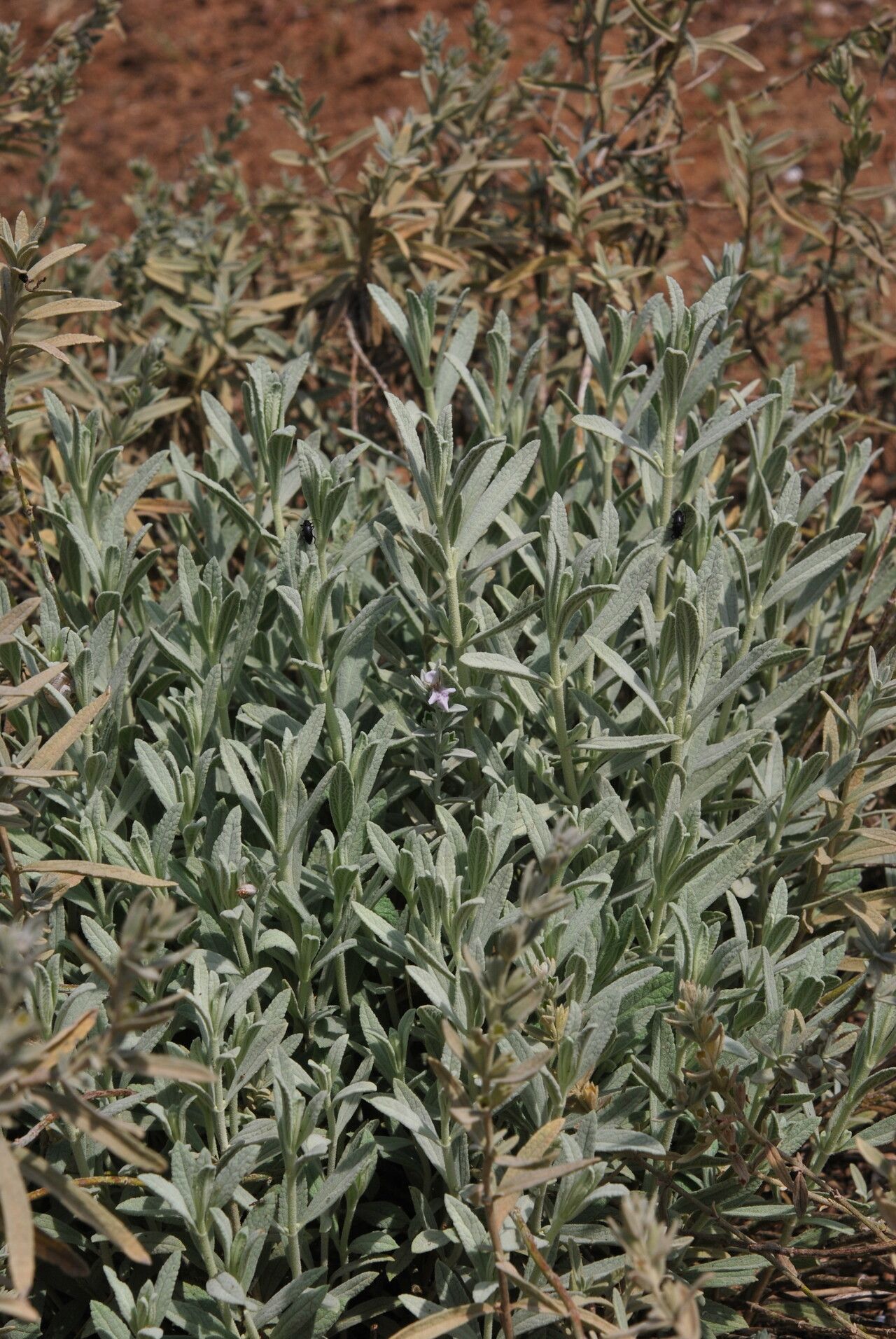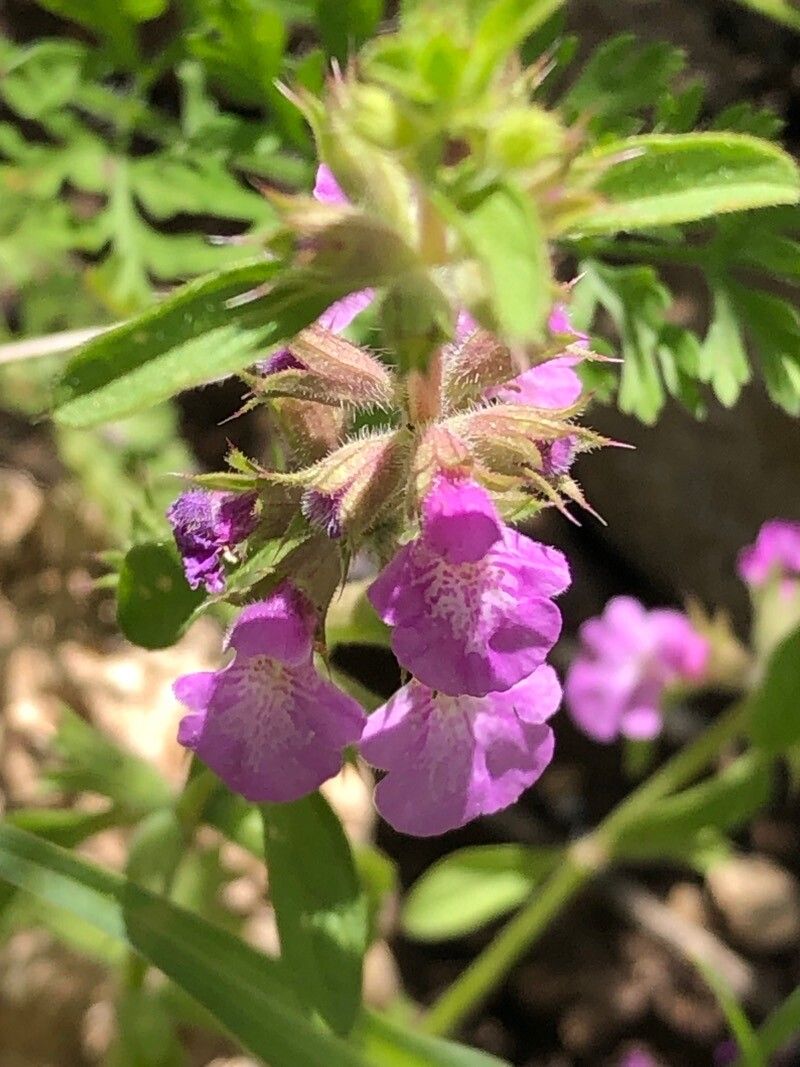
Drummond's hedgenettle shows good resistance to diseases and is generally not vulnerable to them. Still, it can be affected by pests and diseases present in its environment. Such infections are typically mild. Regarding care, the plant demands moderate maintenance. Regular pruning is necessary to preserve an attractive appearance and healthy growth. Applying fertilizer can also encourage flowering. Drummond's hedgenettle is well suited to anyone with outdoor space, like a garden or patio, and does not call for extensive gardening experience. It may need extra attention if cultivated indoors.
How to keep Stachys Drummondii.
Light
Drummond's hedgenettle is a sun-loving, perennial herbaceous plant that comes from open habitats and is commonly found in meadows and grasslands. It prefers full sun but can tolerate partial sun conditions.
Temperature
Drummond's hedgenettle can tolerate a wide range of temperatures, though its range may still be constrained by specific combinations of moisture and heat. It does best in warm summer climates with sufficient rainfall or watering. Extended stretches of cloudy, rainy weather or prolonged high temperatures can raise the chance of the plant dying. In winter, protecting it from cold can increase its survival rate.
Fertilizer
One fertilizer application in spring is generally enough for Drummond's hedgenettle, although repeated feedings can enhance growth. Apply fertilizer every month to six weeks. Fertilization improves the leaves' appearance and function, helping maintain even color and a healthy texture. It also encourages root development and nutrient uptake, supporting the plant's long-term health.
Pruning
Drummond's hedgenettle has tall, square stems and vibrant purple flowers. To manage its size and encourage bushier growth, prune it by one-third in early spring. At the same time, remove any dead stems to improve air circulation. Make sure to clean your tools to prevent infection, which will support the plant's overall health and encourage prolific flowering.
Botanical profile.
- Plant Type
- Herb
- Life Cycle
- Perennial
- Genus
- Stachys
- Family
- Lamiaceae
- Hardiness Zone
- 7-10
- Mature Height
- 30 cm to 61 cm
- Mature Spread
- 30 cm to 46 cm
- Leaf Color
- Green
- Leaf Type
- Deciduous
- Flower Color
- Pink, Purple
- Flower Size
- 1.02 cm to 1.52 cm
- Bloom Time
- Late spring, Summer
- Planting Time
- Spring, Summer, Autumn
- Harvest Time
- Mid summer, Late summer, Early fall, Mid fall
- Native Area
- Mexico
Other names.
Reader questions.
What are the sunlight requirements for Drummond's hedgenettle?
Drummond's hedgenettle (Stachys drummondii) thrives in various sunlight conditions. For plants to flourish, they ideally require 'Full sun,' which means they should receive above 6 hours of sunlight daily. If this isn't possible, they can still grow well under 'Partial sun,' which entails about 3-6 hours of sunlight. It's important to observe the way sunlight moves through your garden thoroughly. Selecting spots that provide the right balance of light and shade will ensure your Drummond's hedgenettle plants are healthy and happy.
What is Drummond's hedgenettle?
Drummond's hedgenettle, known botanically as Stachys drummondii, is a plant species named after the area or person associated with its discovery or study. Unfortunately, the specific details about its essentials, symptoms, or additional information were not provided.