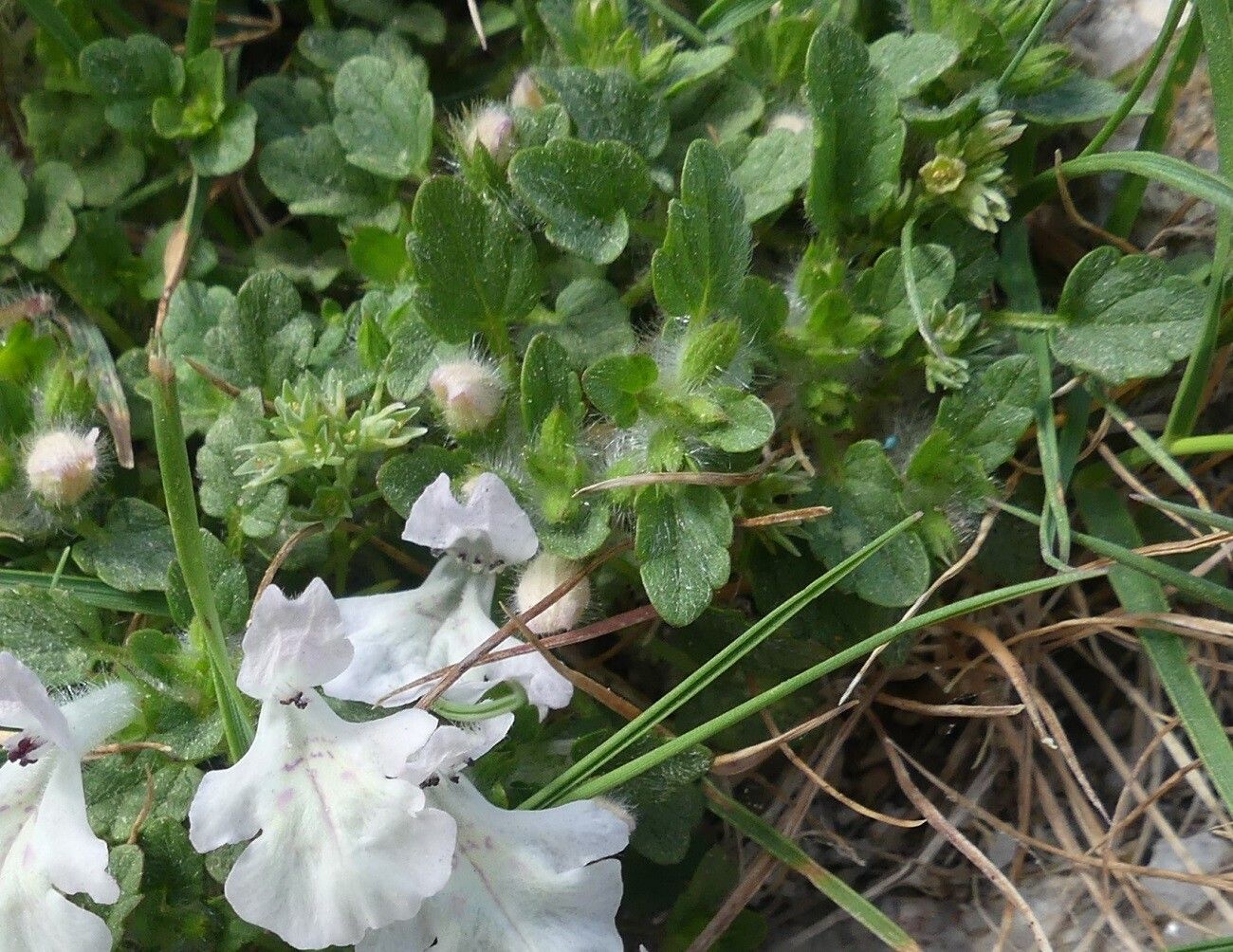
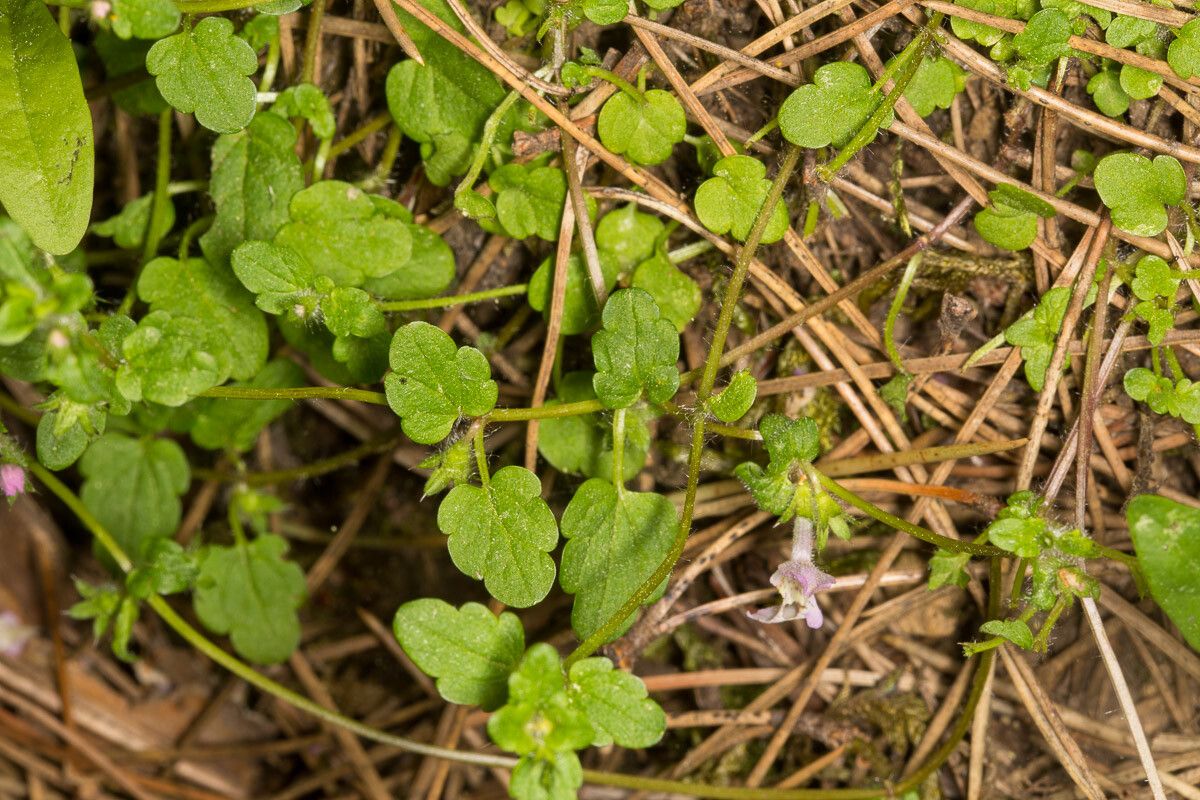
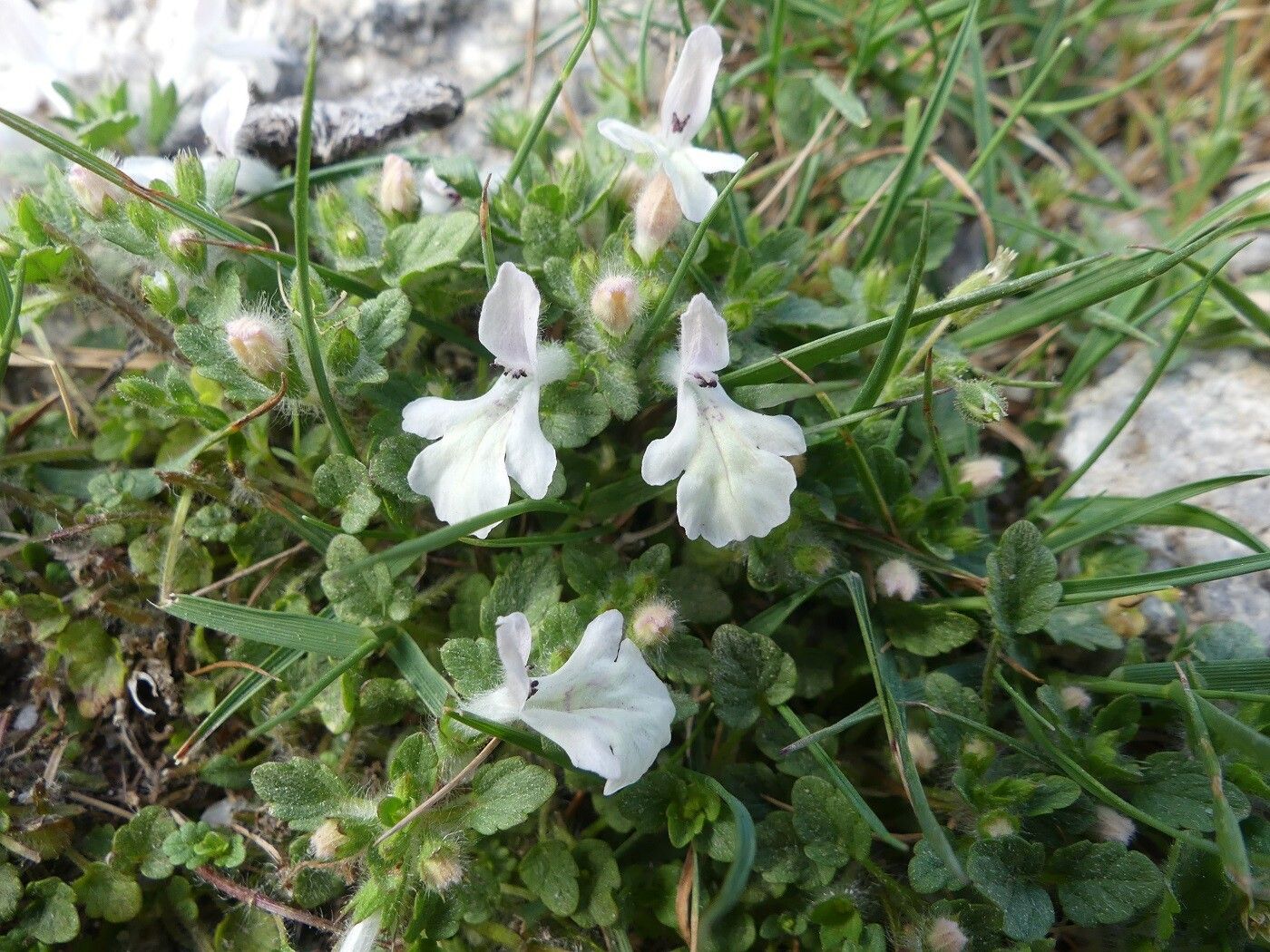
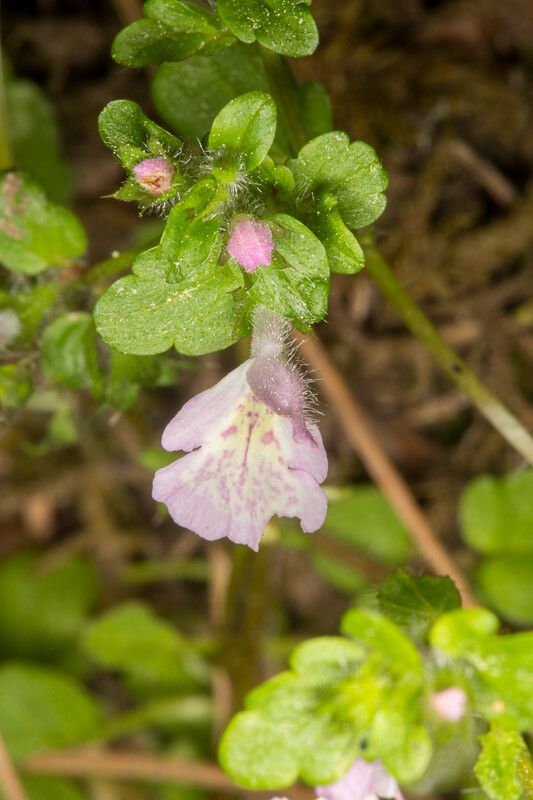
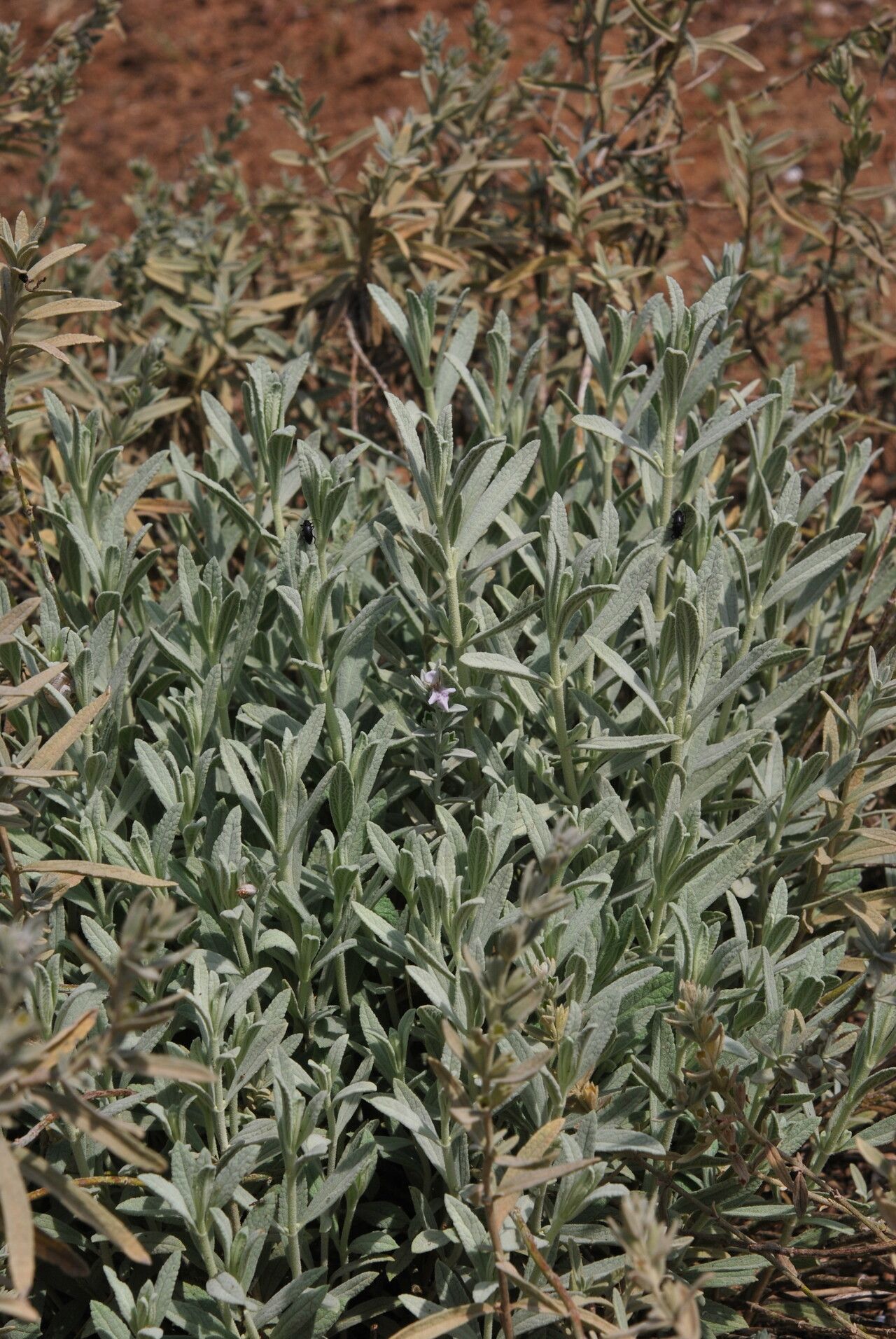
Stachys corsica shows good resistance to disease and is generally not very prone to illnesses. Still, it can be vulnerable to pests and diseases present in its environment. Such infections are generally not serious. For care, this plant requires moderate attention. It should be pruned regularly to keep a neat appearance and healthy growth. Fertilizing can also help encourage flowering. Stachys corsica is suitable for anyone with an outdoor area like a garden or patio and does not need extensive care experience. It may demand more attention when cultivated indoors.
How to keep Stachys Corsica.
Fertilizer
A single spring fertilizer application is typically enough for Stachys corsica, although several feedings can optimize growth. Provide feedings at intervals of one to one and a half months. Fertilization improves the leaves' appearance and function, helping maintain uniform color and a healthy texture. It also promotes root development and better nutrient uptake for the plant's long-term health.
Pruning
Pruning Stachys corsica in early spring encourages fuller growth and removes dead stems. This practice improves air circulation, reduces the risk of disease, and maximizes blooming potential. Use clean, sharp tools to make precise cuts in sync with the plant's natural growth cycle for the best results.
Botanical profile.
Reader questions.
What are the sunlight requirements for Stachys corsica?
Stachys corsica, also known by its botanical name Stachys corsica, thrives in specific sunlight conditions to ensure its optimal growth and happiness. The plant requires 'full sun,' which means it needs above 6 hours of sunlight daily. Additionally, it can also tolerate 'partial sun' conditions, requiring about 3-6 hours of sunlight each day. It's essential to observe how sunlight moves through your garden to find spots that offer a harmonious balance of light and shade, catering to the needs of your Stachys corsica plants.