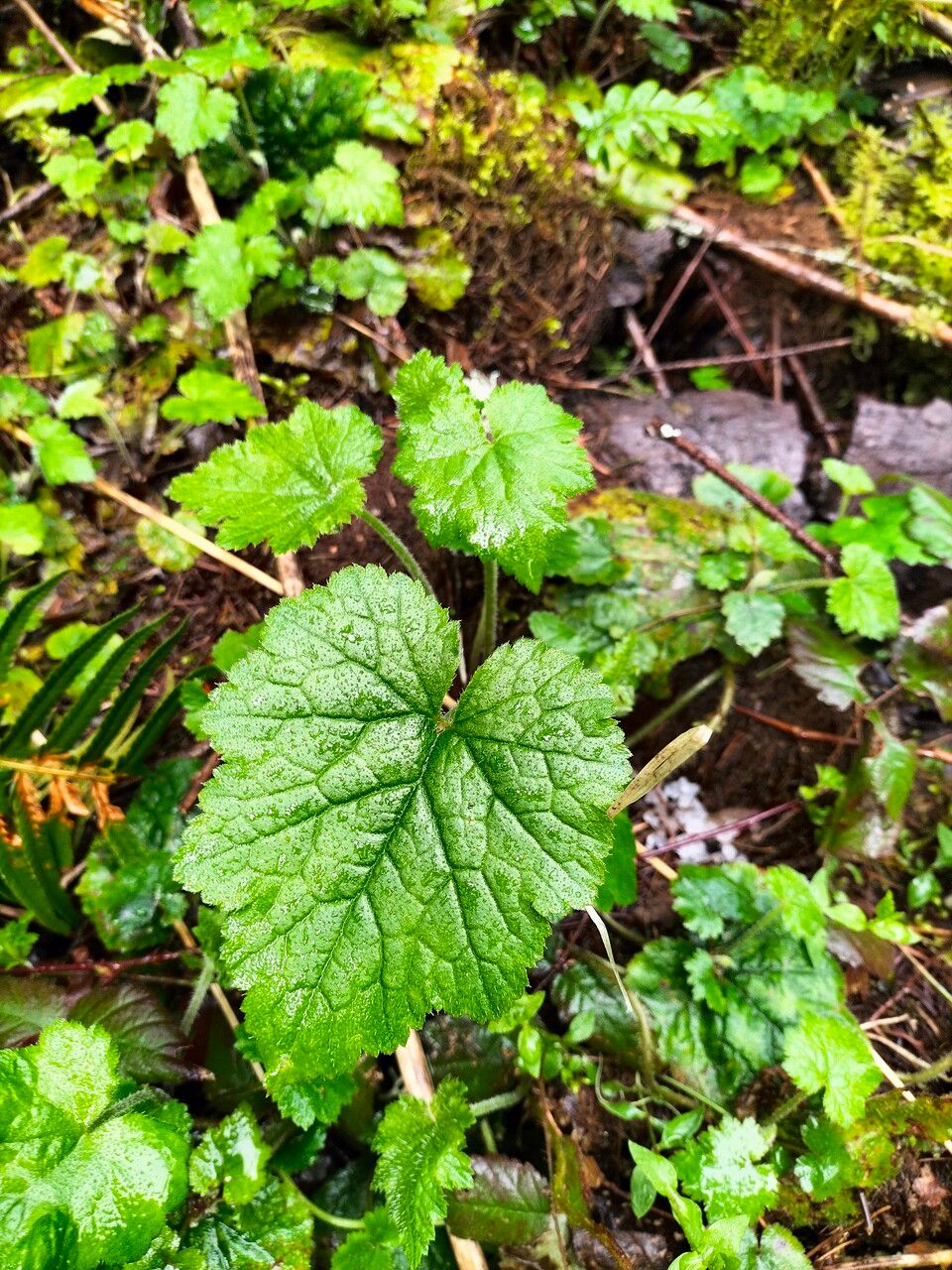
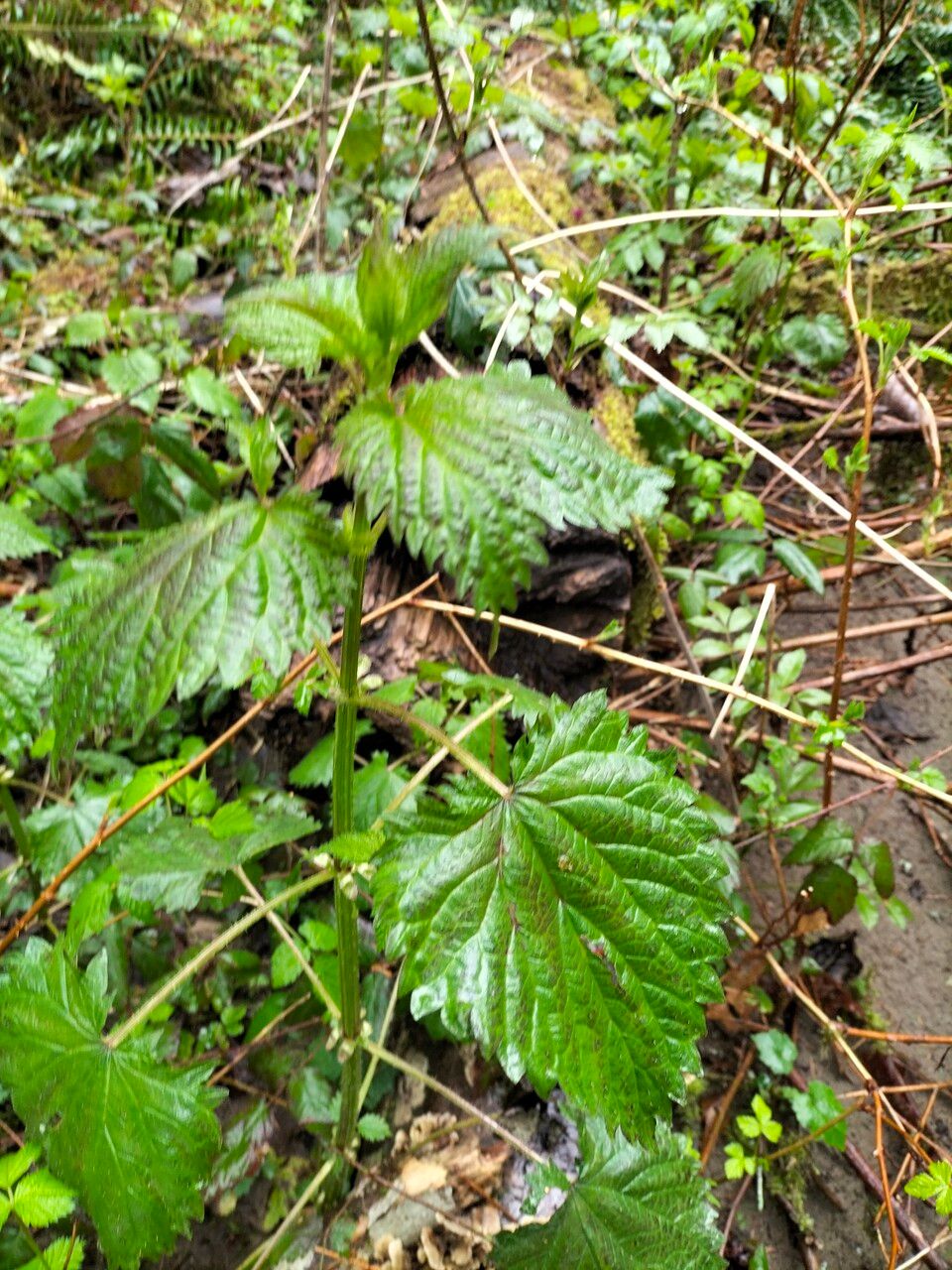
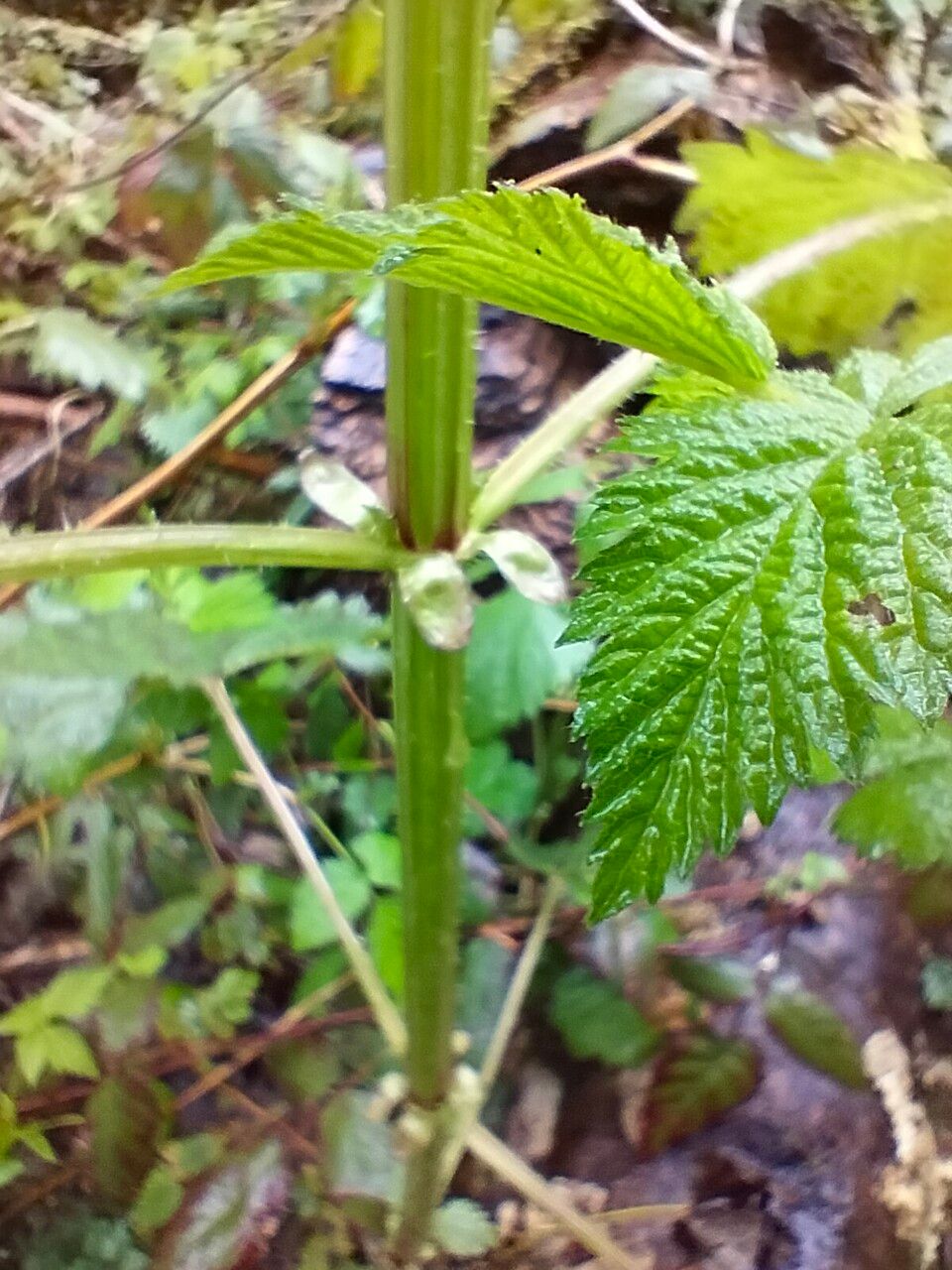
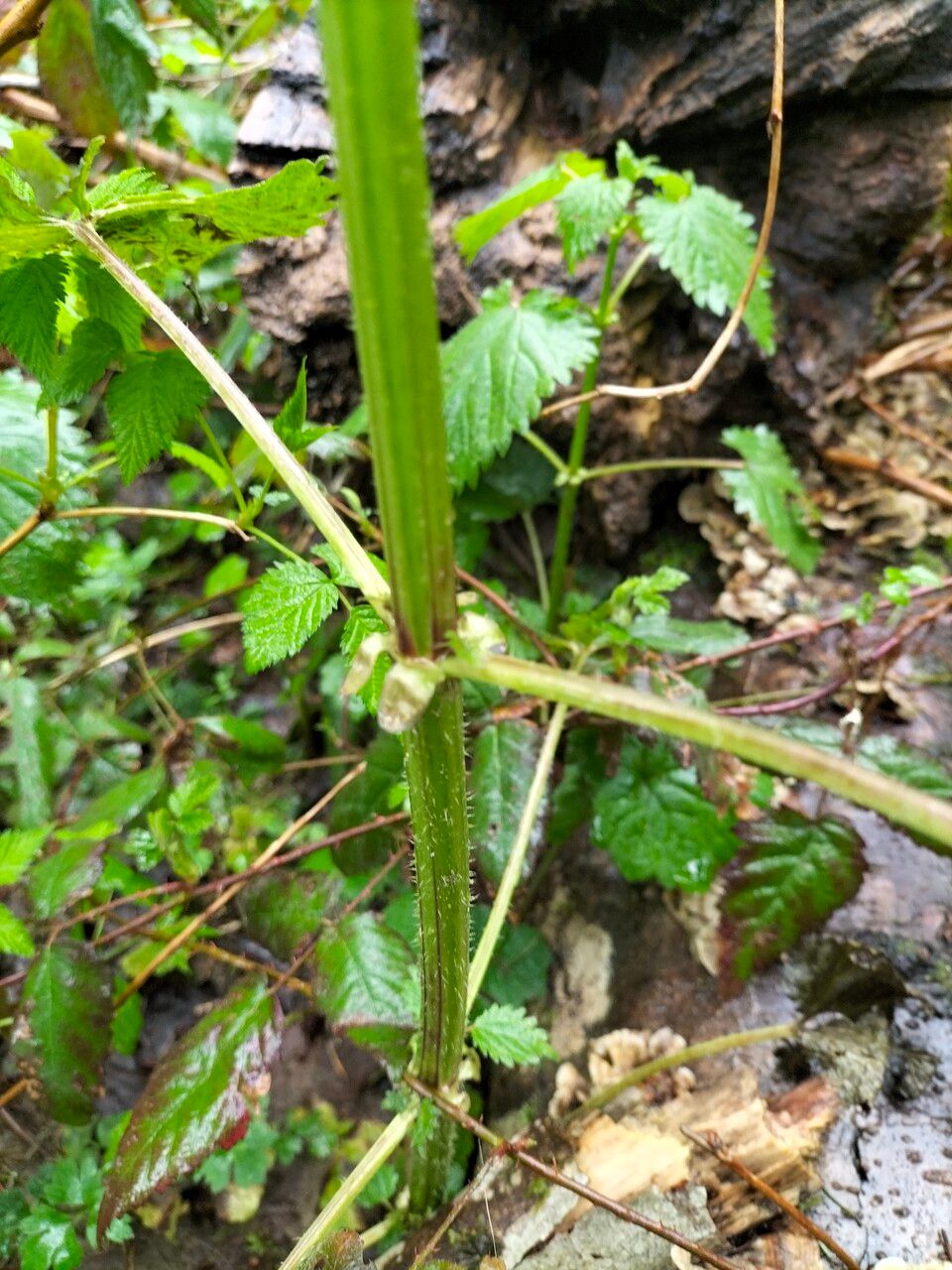
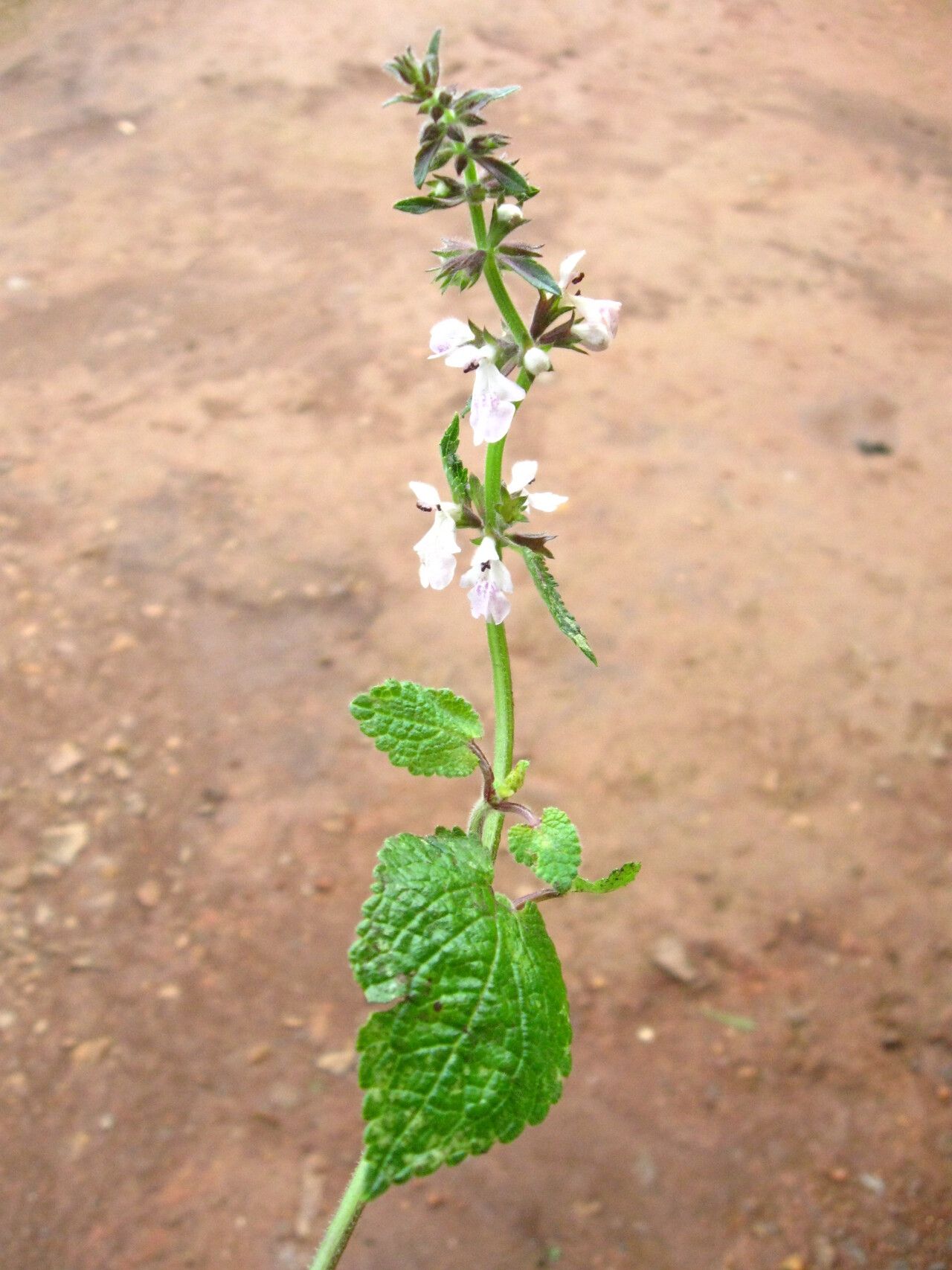
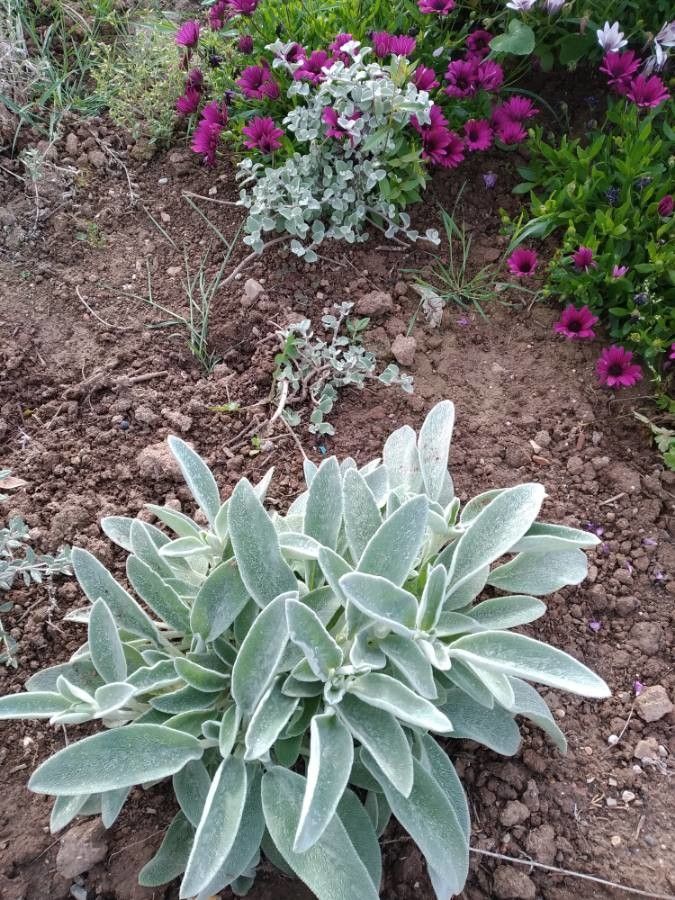
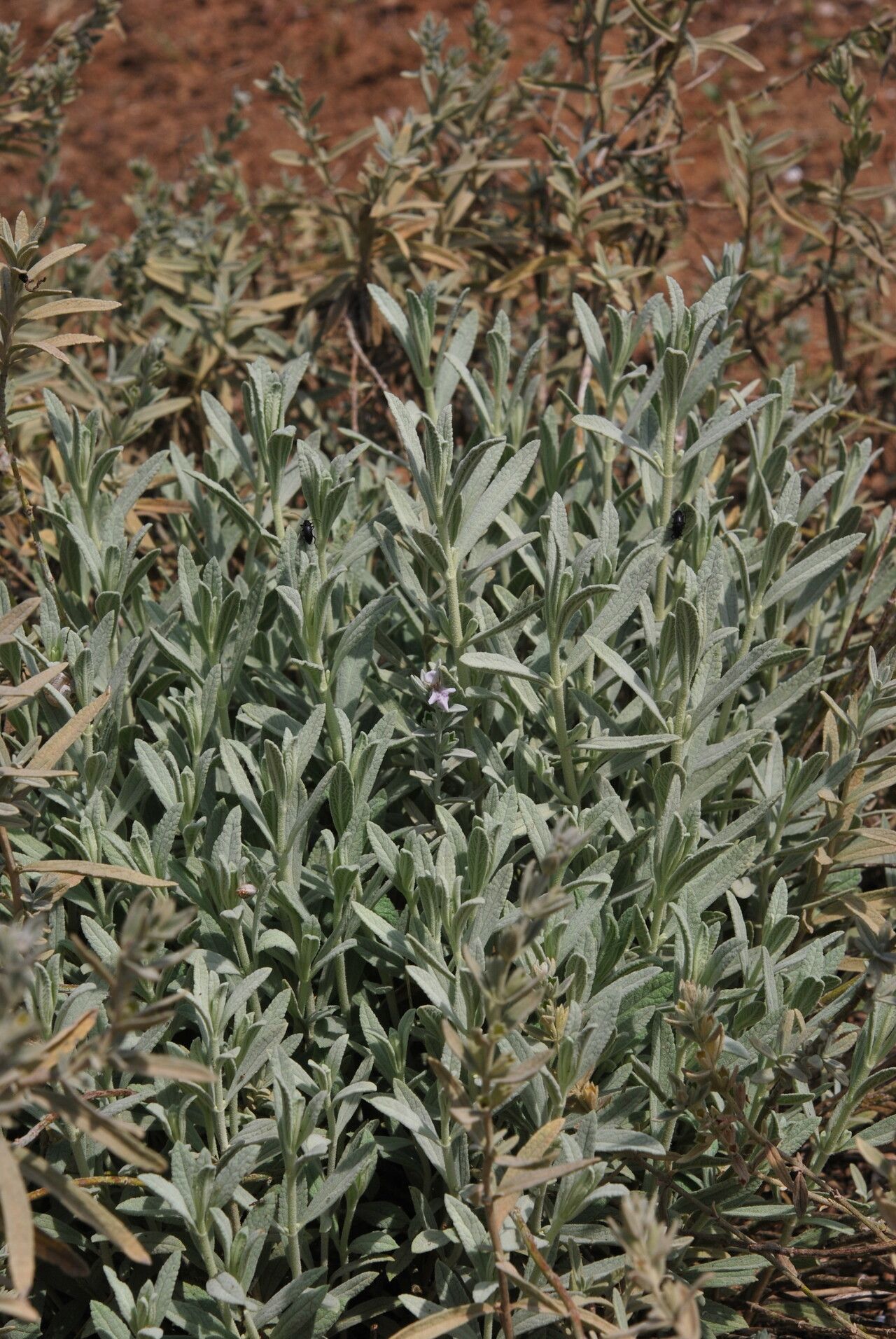
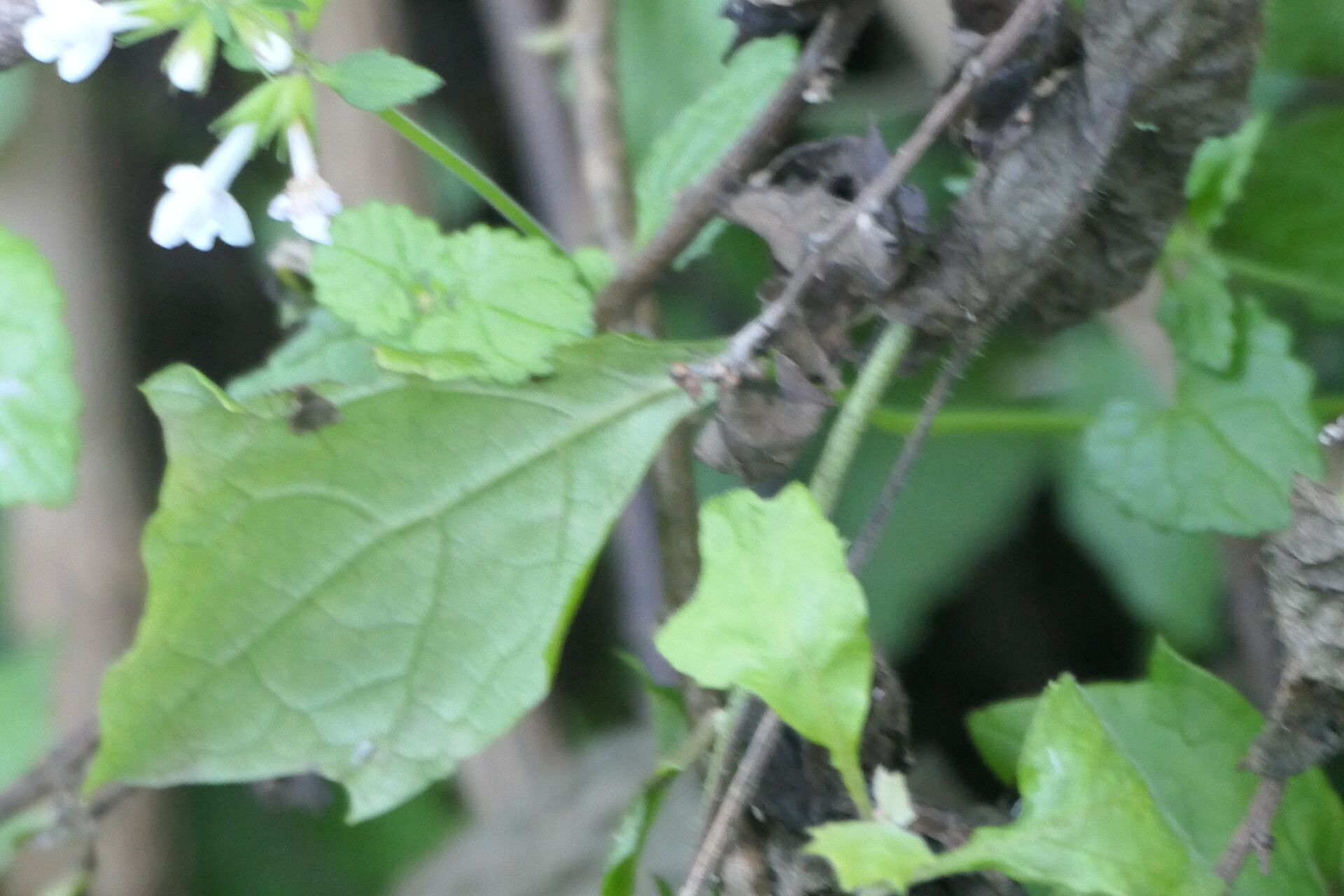
Stachys chamissonis, commonly known as Chamisso's hedgenettle, is a perennial herbaceous plant in the mint family, Lamiaceae. Native to North America, it thrives in various habitats, including meadows, forests, and rocky slopes. The plant reaches a height of up to 60 cm and features square stems with opposite, ovate, or lanceolate leaves.
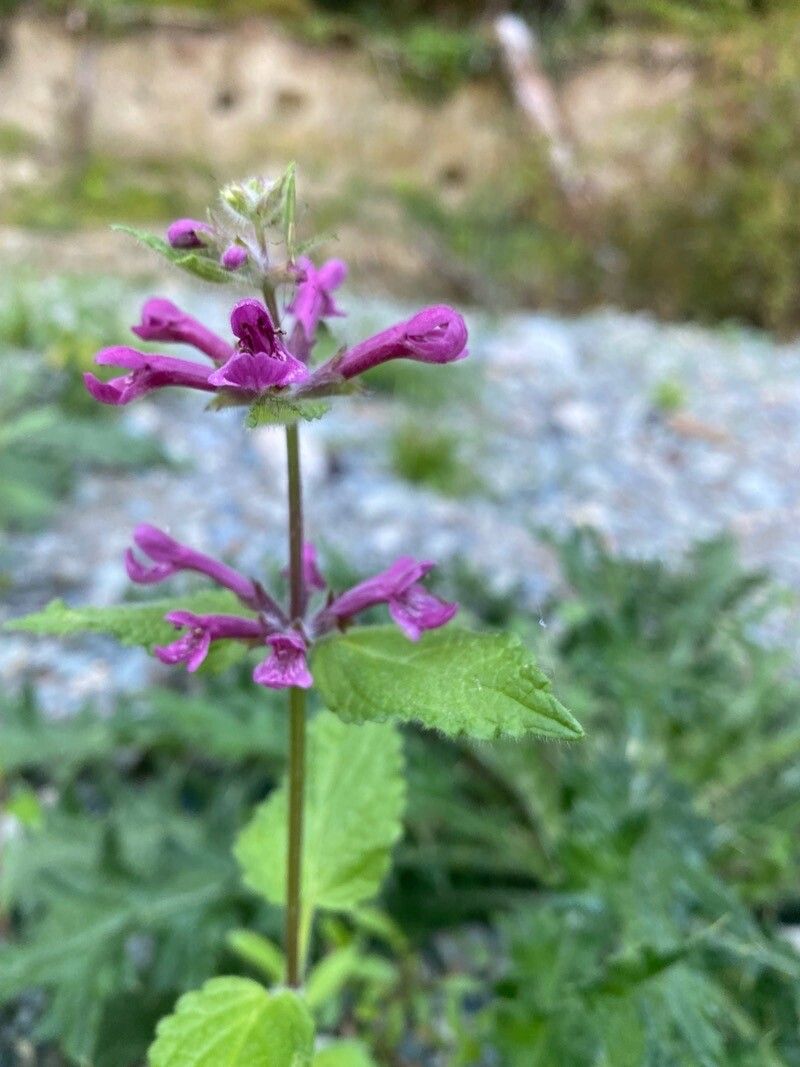
The flowers of Stachys chamissonis form dense spikes at the top of the stems. They are tubular in shape, with a pink or purple hue, and bloom from June to August. The plant is renowned for its medicinal properties; it contains compounds such as rosmarinic acid, which possess anti-inflammatory effects.
Stachys chamissonis can be propagated through seeds or by dividing its root system in spring or fall. It thrives in well-drained soil with moderate moisture levels and prefers full sun but can also tolerate partial shade.
Overall, Stachys chamissonis is an attractive perennial that adds color to gardens and provides medicinal benefits for herbal remedies.
Coastal hedge-nettle has strong resistance to disease and is generally not susceptible to illnesses. Nonetheless, it can be affected by pests and diseases present in its environment. These ailments are typically mild. Regarding care, this plant needs moderate maintenance. It should be pruned regularly to preserve a neat appearance and healthy growth. Applying fertilizer can also aid in encouraging blooms. Coastal hedge-nettle is appropriate for anyone with an outdoor area, such as a garden or patio, and does not demand extensive care experience. It may need additional attention when grown indoors.
How to keep Stachys Chamissonis.
Light
Coastal hedge-nettle occurs naturally in places like forest understories and rocky sites that receive natural shade. It prefers partial sun but can tolerate full sun or deep shade, showing its hardy and adaptable nature.
Temperature
Coastal hedge-nettle can adapt to a wide range of temperature conditions, but its distribution may still be limited by various combinations of water and heat. It does best in warm summer climates when there is sufficient rainfall or watering. Extended periods of cloudy, rainy weather, as well as prolonged high temperatures, can increase the chances of Coastal hedge-nettle dying. In winter, adequate protection from cold can improve the plant's survival rate.
Fertilizer
The best time to fertilize a Coastal hedge-nettle is in early spring, when it is coming out of dormancy and beginning active growth. Fertilization supplies essential nutrients needed for healthy development. Although Coastal hedge-nettle has relatively low fertilizer requirements, applying fertilizer annually can boost its survival and encourage better, longer-lasting blooms.
Pruning
Coastal hedge-nettle has fuzzy, aromatic leaves and spike-like flowers. Pruning in early spring encourages growth; removing dead stems and spent flowers can lead to reblooming. Thinning the plant improves air circulation and reduces the risk of disease, promoting its overall health and enhancing its aesthetic appeal.
Botanical profile.
- Plant Type
- Herb
- Life Cycle
- Perennial
- Genus
- Stachys
- Family
- Lamiaceae
- Hardiness Zone
- 5-9
- Mature Height
- 61 cm to 91 cm
- Mature Spread
- 30 cm to 61 cm
- Leaf Color
- Dark Green, Forest Green
- Leaf Type
- Deciduous
- Flower Size
- 1.02 cm to 1.52 cm
- Bloom Time
- Summer
- Planting Time
- Spring, Autumn
- Harvest Time
- Late summer, Early fall, Mid fall
Other names.
Reader questions.
What are the sunlight requirements for Coastal hedge-nettle (Stachys chamissonis)?
Coastal hedge-nettle (Stachys chamissonis) thrives under specific sunlight conditions. For full sun exposure, the plant requires above 6 hours of sunlight daily. In contrast, for partial sun, about 3-6 hours of sunlight is necessary to ensure the plant's health and growth. It's essential to observe how sunlight moves through your garden over time to find locations that offer an ideal mix of light and shade. This careful selection helps ensure that your Coastal hedge-nettle plants remain vibrant and healthy.
What is the botanical name of Coastal hedge-nettle?
The botanical name of Coastal hedge-nettle is Stachys chamissonis.