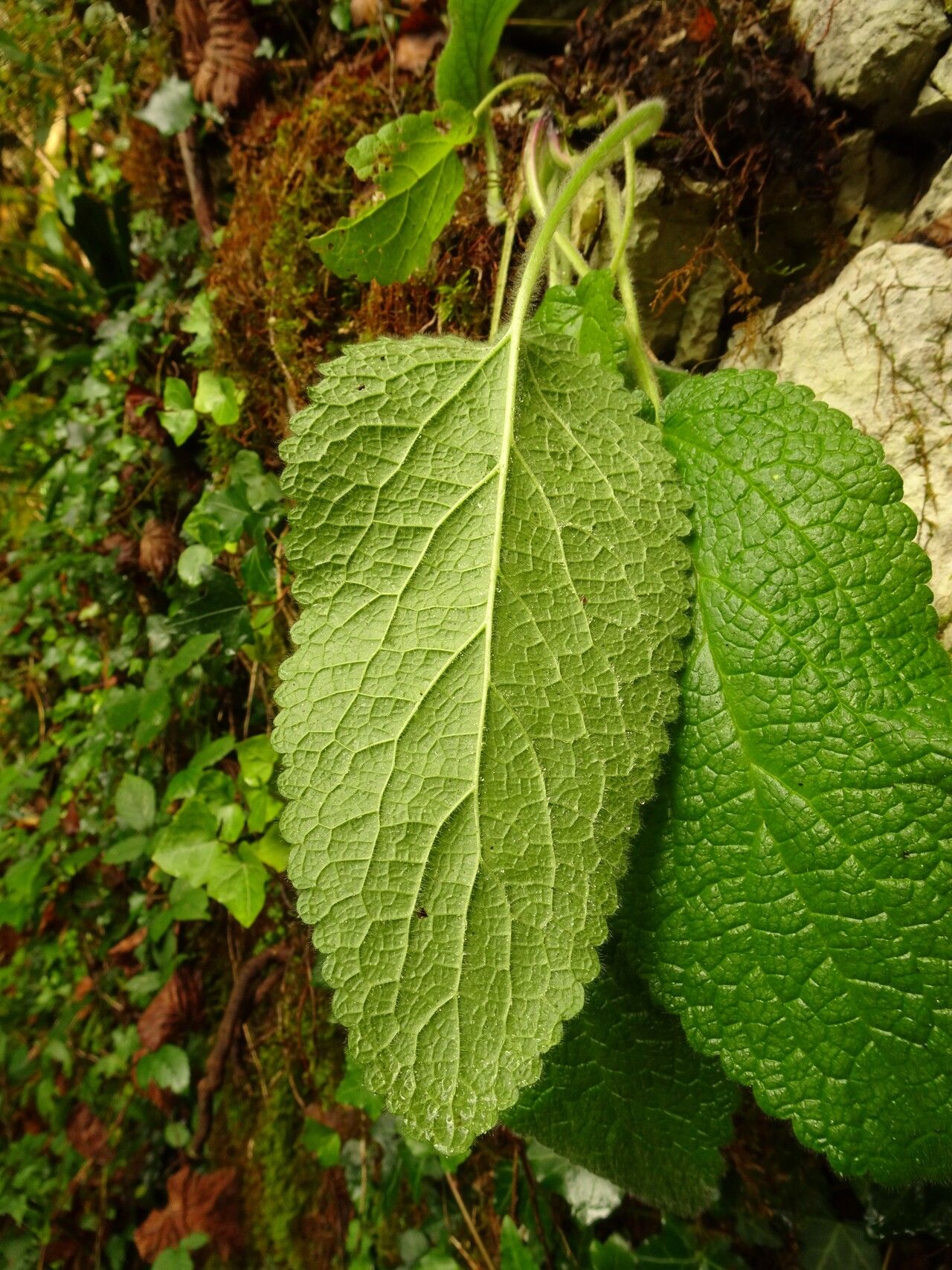
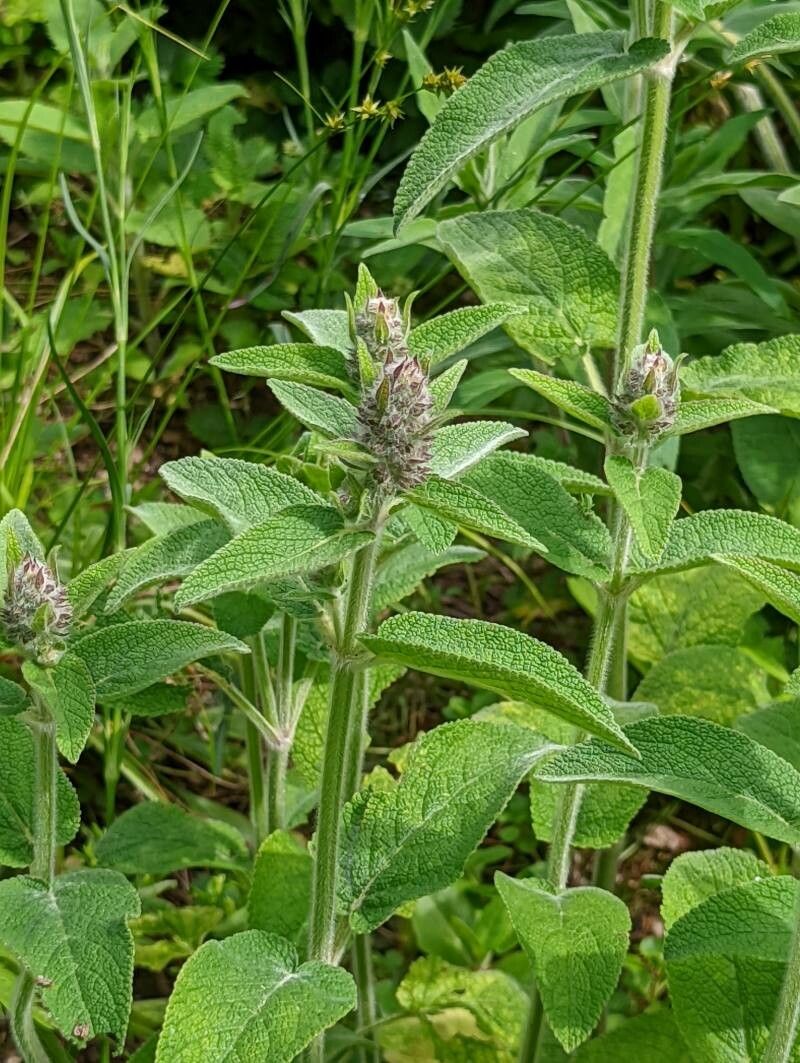
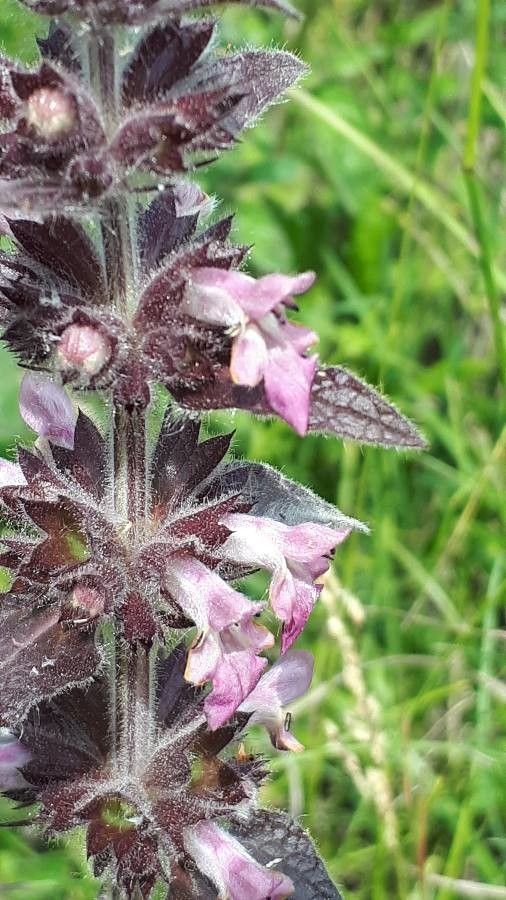
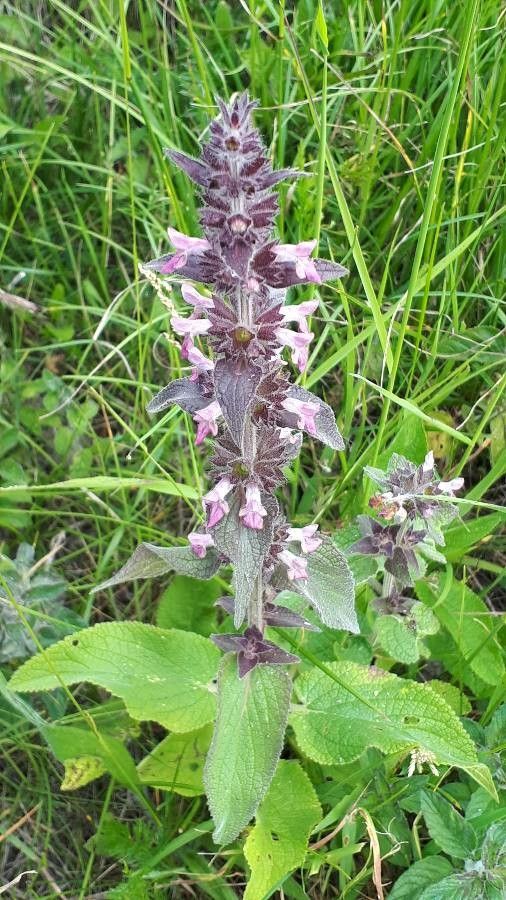
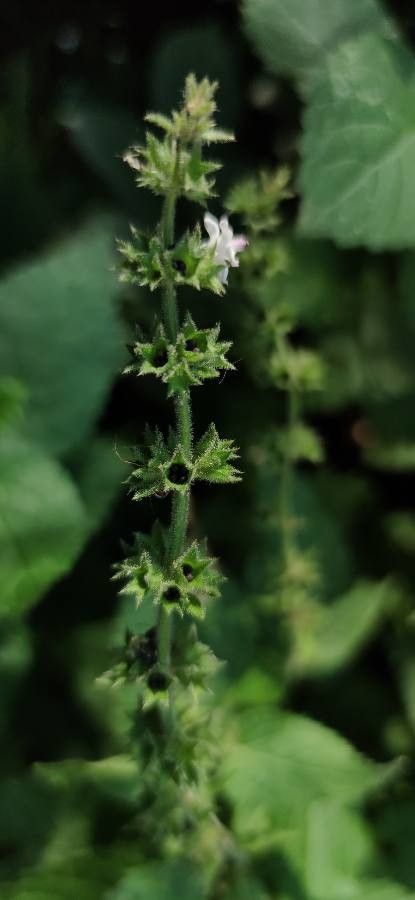
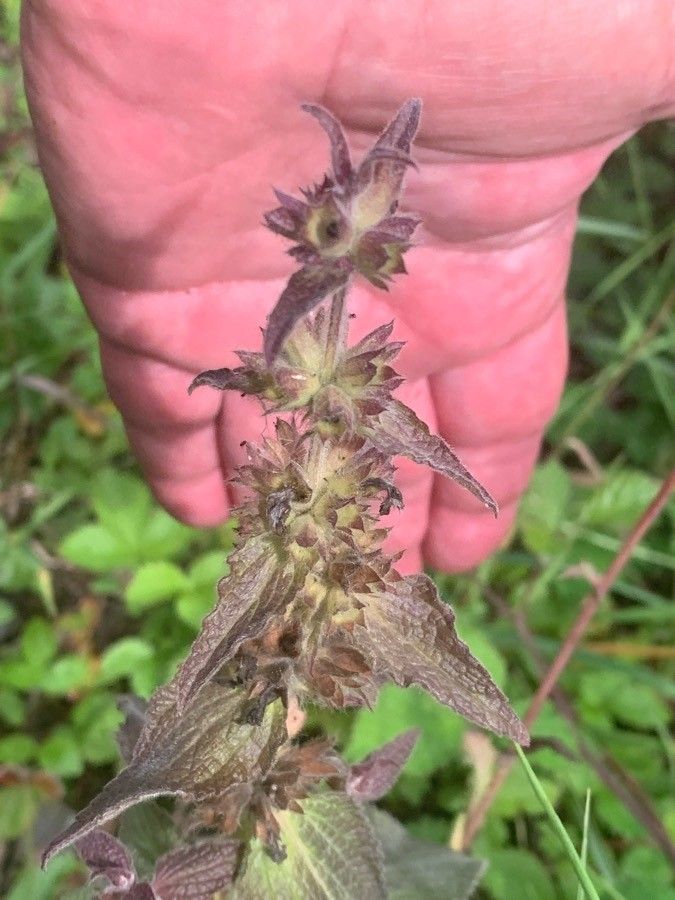
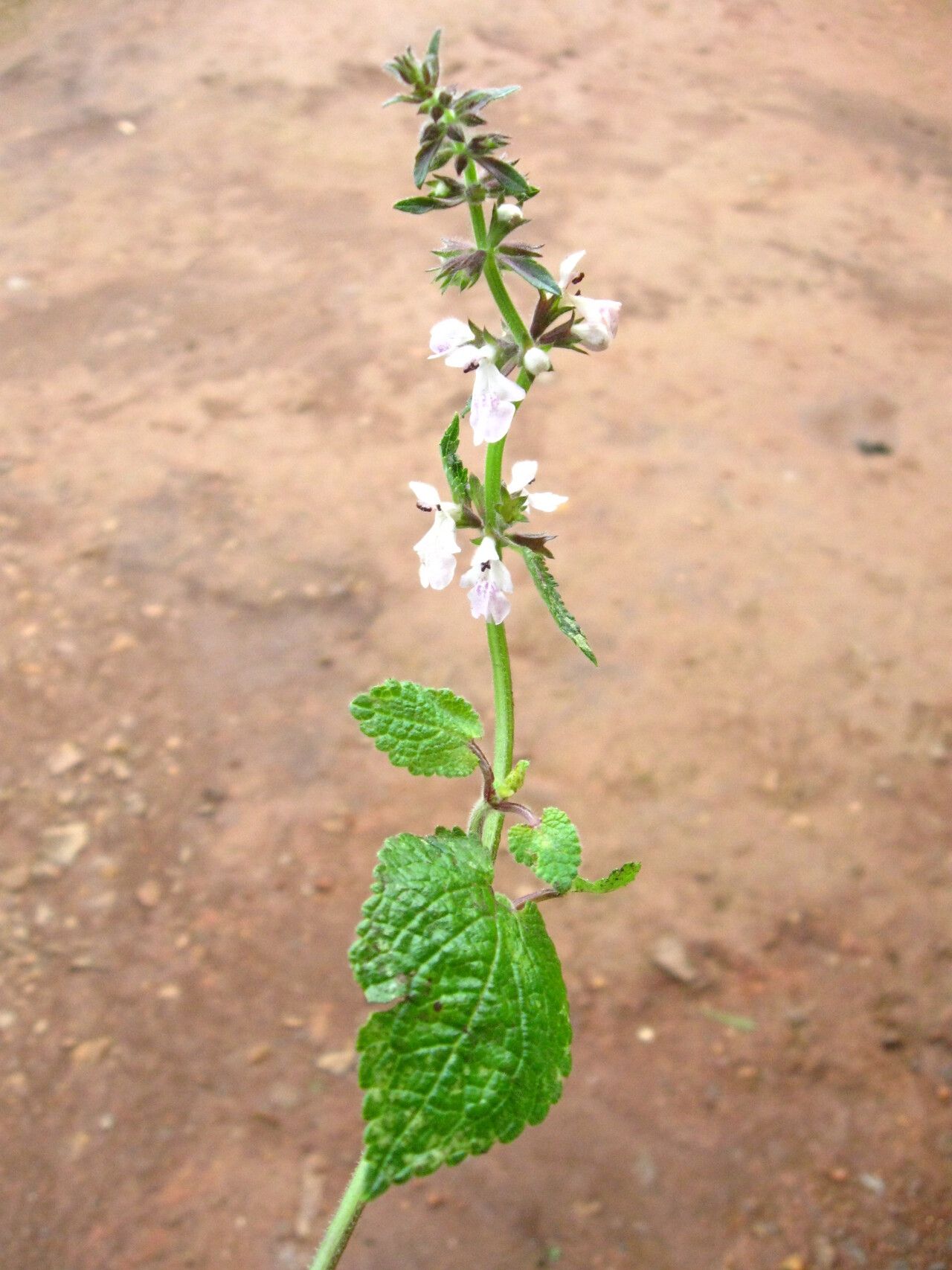
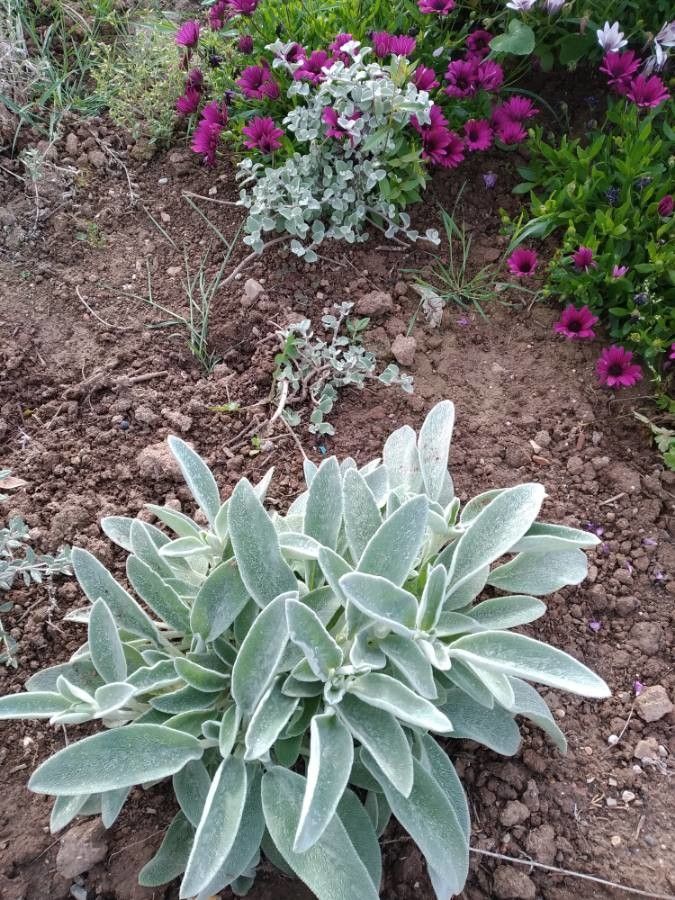
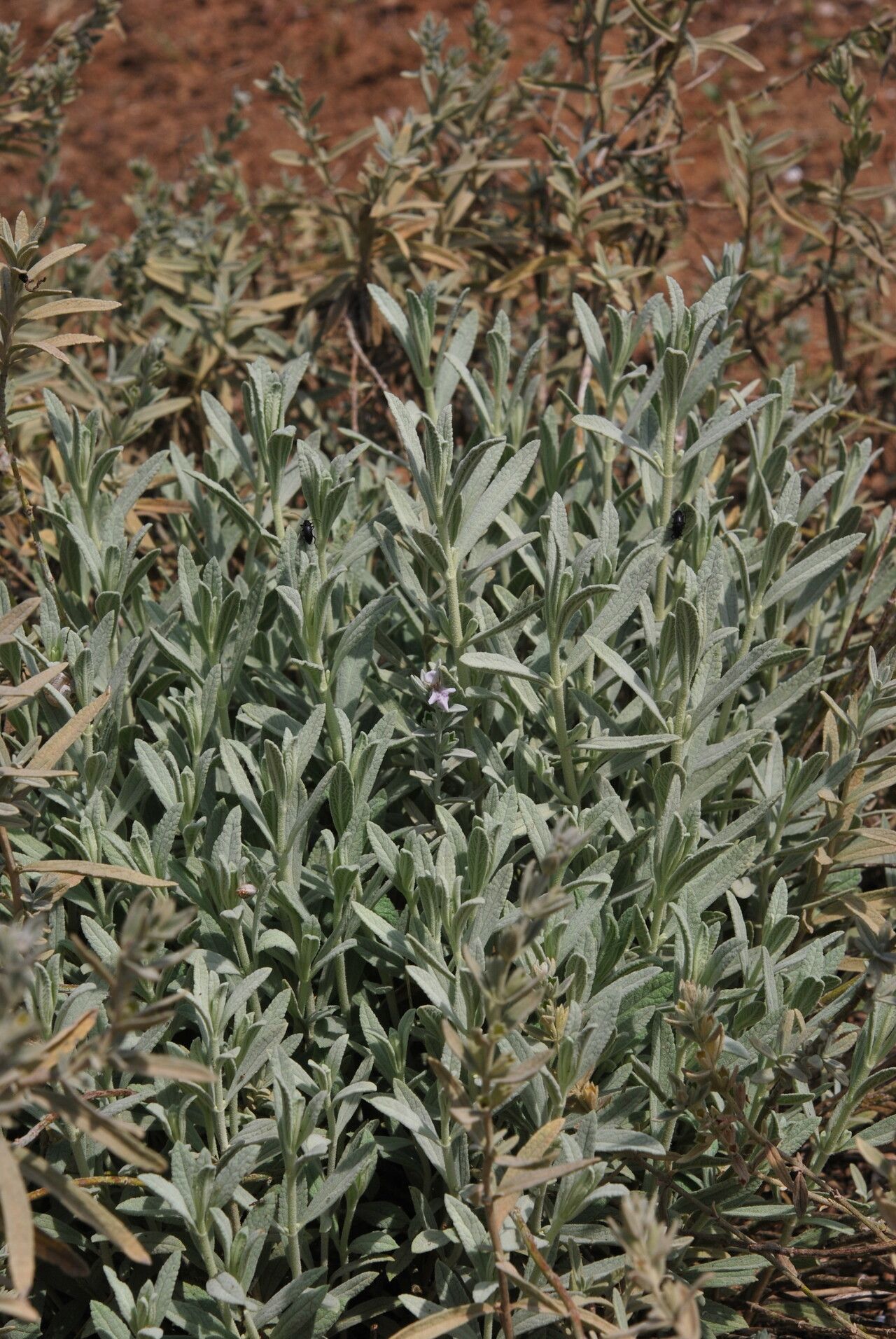
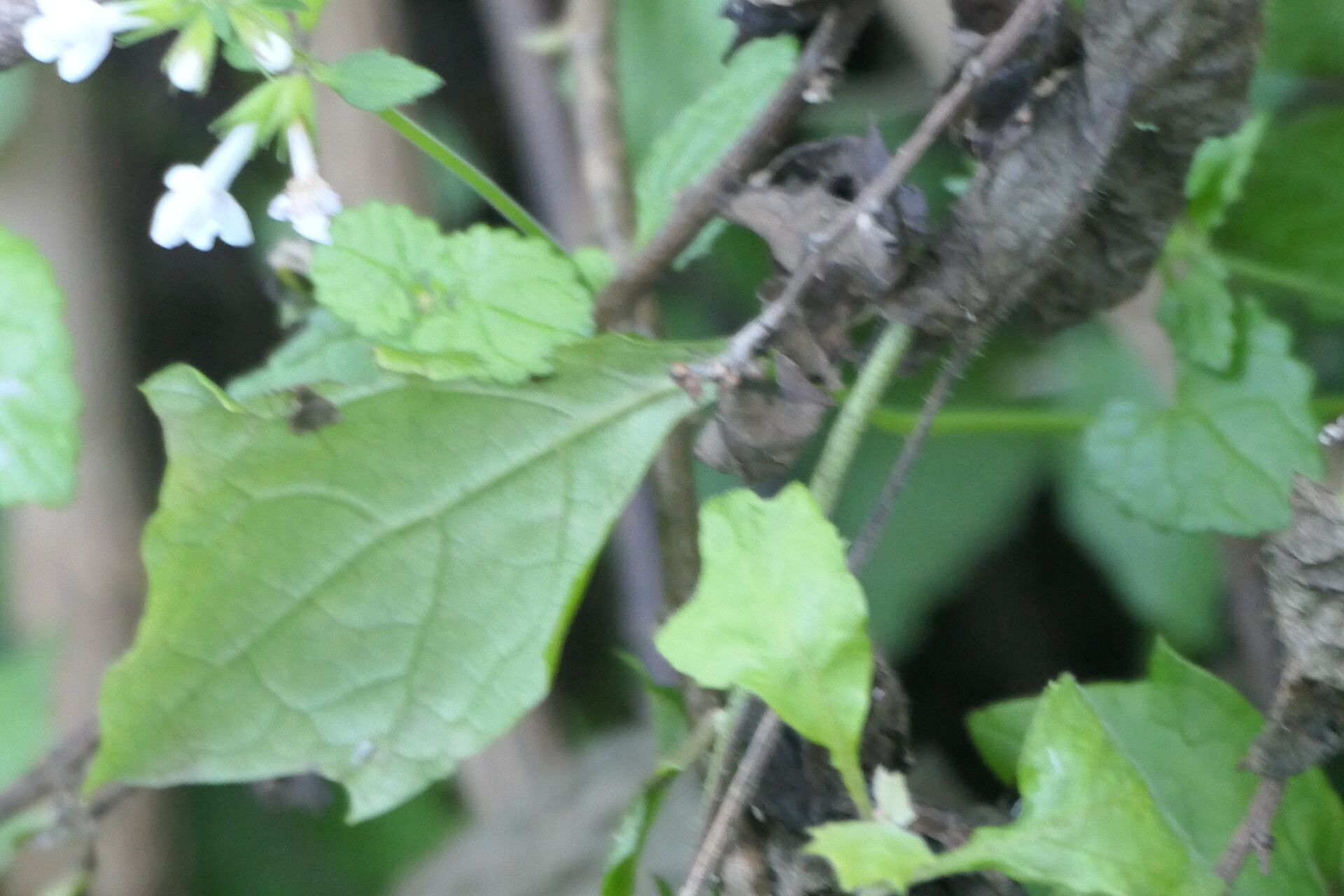
Limestone woundwort is fairly disease-resistant and usually not prone to illnesses. However, it can be affected by pests and diseases present in its environment. These problems are typically not serious. As for care, this plant needs moderate maintenance. It should be pruned regularly to preserve a neat appearance and support healthy growth. Fertilizing can also help encourage flowering. Limestone woundwort is suitable for anyone with outdoor areas like a garden or patio and does not require extensive care experience. It may need more attention when grown indoors.
How to keep Stachys Alpina.
Light
Limestone woundwort grows best in full sun, reflecting its natural habitat. Although it can persist in lower light conditions, strong sunlight promotes healthy growth. However, incorrect light exposure can affect its vigor. It does not have a defined tolerance for light intensity.
Water
Limestone woundwort, native to the limestone-rich soils of Europe, thrives with moderate moisture and regular weekly watering. While it can adapt to dry spells, it truly flourishes outdoors, where it can benefit from the natural cycles of rain, ensuring consistent and balanced hydration.
Temperature
Limestone woundwort can tolerate a wide range of temperatures, but its distribution may still be restricted by different combinations of moisture and heat. It does best in warm summer conditions with sufficient rainfall or watering. Extended periods of cloudy, rainy weather, as well as prolonged high temperatures, can raise the chance of Limestone woundwort dying. In winter, adequate protection from cold can increase the plant's survival rate.
Fertilizer
The best time to fertilize a Limestone woundwort is in early spring, as it comes out of dormancy and begins active growth. Fertilizing supplies essential nutrients needed for healthy development. While Limestone woundwort has fairly low fertilizer requirements, applying fertilizer annually can improve its survival and encourage better, longer-lasting flowers.
Pruning
Limestone woundwort is known for its dense, tall flower spikes and aromatic leaves. To promote healthy growth, prevent overcrowding, and extend the flowering period, it is important to prune this plant annually from early to late spring. Be sure to avoid heavy pruning during periods of extreme temperatures, as this can cause stress to the plant. By following these guidelines, you can ensure that your limestone woundwort remains a vibrant and thriving addition to your garden.
Botanical profile.
- Plant Type
- Herb
- Life Cycle
- Perennial
- Genus
- Stachys
- Family
- Lamiaceae
- Hardiness Zone
- 4-8
- Mature Height
- 91 cm
- Mature Spread
- 91 cm
- Leaf Color
- Green
- Leaf Type
- Semi-evergreen
- Flower Color
- Pink
- Flower Size
- 1.02 cm to 1.52 cm
- Bloom Time
- Summer
- Planting Time
- Spring, Summer, Autumn
- Harvest Time
- Late summer, Early fall, Mid fall
Other names.
Reader questions.
How should I water my Limestone woundwort plant?
To properly water the Limestone woundwort, follow these guidelines for best results: - Use filtered water that is at room temperature or slightly warmer. This type of water is preferable because tap water can contain harmful particles for the plant's health. - The Limestone woundwort thrives in warm environments, so avoid using cold water as it can shock its system. - Do not water the plant from above. This practice can lead to complications with its foliage. - Instead, directly apply the filtered, room temperature water to the soil until it is completely soaked. - Soaking the soil benefits the Limestone woundwort by providing ample moisture for the roots. This helps them spread through the soil and collect the necessary nutrients.
Why should I put fertilizer on my Limestone woundwort plant?
The main structure of the Limestone woundwort is made up of its leaves, which play a crucial role. Fertilization is a highly effective way to ensure that the leaves of the plant stay healthy and vibrant. By providing proper fertilization, you can help the Limestone woundwort maintain consistent leaf color and a good texture. Fertilization also has benefits beneath the soil's surface, as it encourages the growth of new roots and maintains the existing ones in the root system. This means that by fertilizing your plant, you not only support its current health but also enhance its ability to absorb nutrients from the soil in the future.
What are the sunlight requirements for Limestone woundwort?
Limestone woundwort thrives best when exposed entirely to full sun, which means it requires above 6 hours of direct sunlight daily. However, it can also grow in partial sun, or about 3-6 hours of sunlight. It's essential to observe how sunlight moves through your garden throughout the day to find the perfect spot that provides a balance of light and shade, ensuring your Limestone woundwort stays healthy and happy.
What is Limestone woundwort?
Limestone woundwort, scientifically known as Stachys alpina, is a plant species. Detailed information such as its essential uses, content, and additional attributes, as well as its symptoms, were not provided.
What should I do if I give my Limestone woundwort plant too much or too little water?
Overwatering is a common issue that can harm your Limestone woundwort. When this plant gets too much water, its stems and leaves may wilt and turn yellow. Prolonged overwatering can even lead to diseases like root rot, mold, and mildew, which can be fatal. Underwatering is less common due to the plant's drought tolerance, but it can still happen. In this case, the leaves may become brittle and brown. It's important to recognize signs of overwatering early to prevent irreversible damage. Reduce your watering if you notice these signs and consider improving the soil drainage. If your Limestone woundwort is not getting enough water, simply increase your watering until the signs improve.
When should I fertilize my Limestone woundwort plant?
Growing your Limestone woundwort outdoors annually will cause new growth to sprout in early spring, indicating the appropriate time to start fertilizing. Typically, a single application of fertilizer during spring will suffice for your Limestone woundwort. However, if you want to promote maximum growth, you can feed the plant multiple times during spring and early summer. In this case, you should fertilize your Limestone woundwort approximately once every month to a month and a half.
Can Limestone woundwort grow under artificial lighting?
Yes, Limestone woundwort can grow under artificial lighting, especially when natural sunlight is insufficient, such as in winter or less sunny spaces. Artificial lights, like LEDs, can be a vital solution providing the specific wavelengths of light your plant needs. Full sun plants require 30-50W per square foot, partial sun plants need 20-30W per square foot, and full shade plants need 10-20W per square foot of artificial light. The light source should be placed 12-36 inches above the plant, and most plants will need 8-12 hours of light per day to mimic natural daylight hours.
How frequently should I water my Limestone woundwort plant?
If your Limestone woundwort plant is in a pot, you can check if it needs watering by putting your finger in the soil. If the first two to three inches of soil are dry, it needs water. For outdoor plants in the ground, the same method can be used. When the top few inches of soil are dry, it's time to water. In the spring and early fall, watering once a week is usually sufficient. In very hot weather, you may need to water twice or more per week. However, mature Limestone woundwort plants are quite resilient and can tolerate drought.
When is the best time to not use fertilizer on my Limestone woundwort?
During late fall and winter, your Limestone woundwort goes into a dormant phase and stops growing. Therefore, it's best to avoid fertilizing it during this time. When spring and summer come around and you choose to fertilize, you should gradually decrease the amount of fertilizer you use as summer approaches. This is because the growth rate of your Limestone woundwort will also slow down. In general, it's not a good idea to fertilize your Limestone woundwort during extremely hot weather or when the soil is very dry. Doing so can stress your plant and lead to premature death.
What are the common symptoms of inadequate lighting for Limestone woundwort?
Symptoms of inadequate lighting in Limestone woundwort include smaller new leaves, leggy or sparse growth, faster leaf drop, slower or no new growth, lighter-colored new leaves, chlorosis (yellowing of leaves), sunscald (damage from intense sunlight), leaf curling, wilting, and leaf scorching. These symptoms can indicate either too much or too little light, affecting the plant's health and growth. Observing these symptoms early can help in taking corrective actions to improve light conditions.
How much water does my Limestone woundwort plant need?
To properly care for your Limestone woundwort, it's important to water it thoroughly. When the top 2-3 inches of soil are dry, give the plant a deep watering so that the soil is completely soaked. Make sure you give enough water that it starts to drain out of the bottom holes of the pot. If you don't see any excess water draining, it means you haven't watered enough. On the other hand, avoid letting water accumulate inside the soil, as it can be harmful to the plant. If water is not draining properly from the pot, it could be due to poorly draining soil, which is not good for the plant's health. If the plant is outside, about 1 inch of rain per week should be sufficient.
What kind of plant food does my Limestone woundwort need?
Choosing the appropriate fertilizer for a Limestone woundwort is straightforward. These plants thrive on a general-purpose garden fertilizer with equal amounts of nitrogen, phosphorus, and potassium, like a 10-10-10 ratio. It's important to avoid fertilizers high in nitrogen if you're unsure. Granular slow-release fertilizers are generally the best option for Limestone woundwort and can easily be applied to the soil. Additionally, using organic soil amendments like compost can be beneficial for feeding your plant.