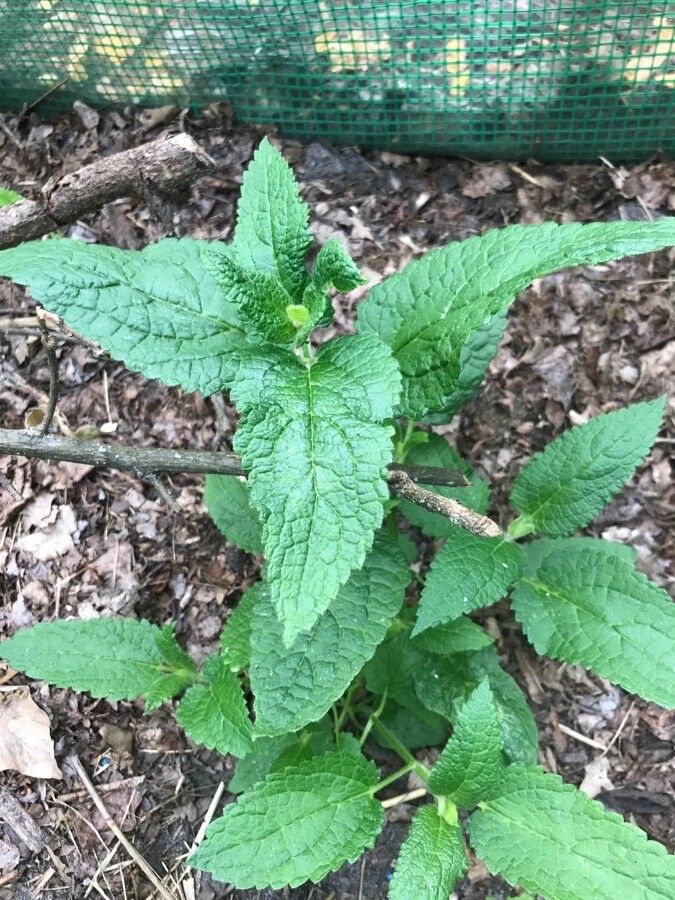
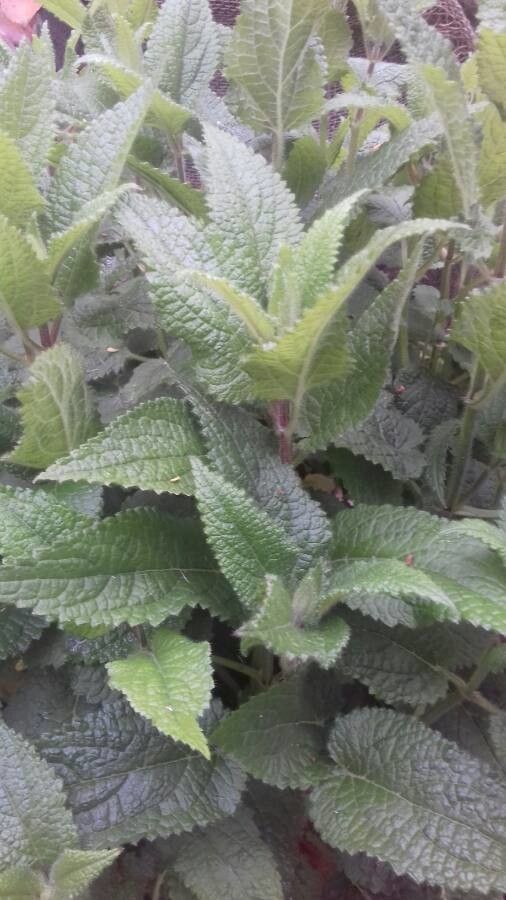
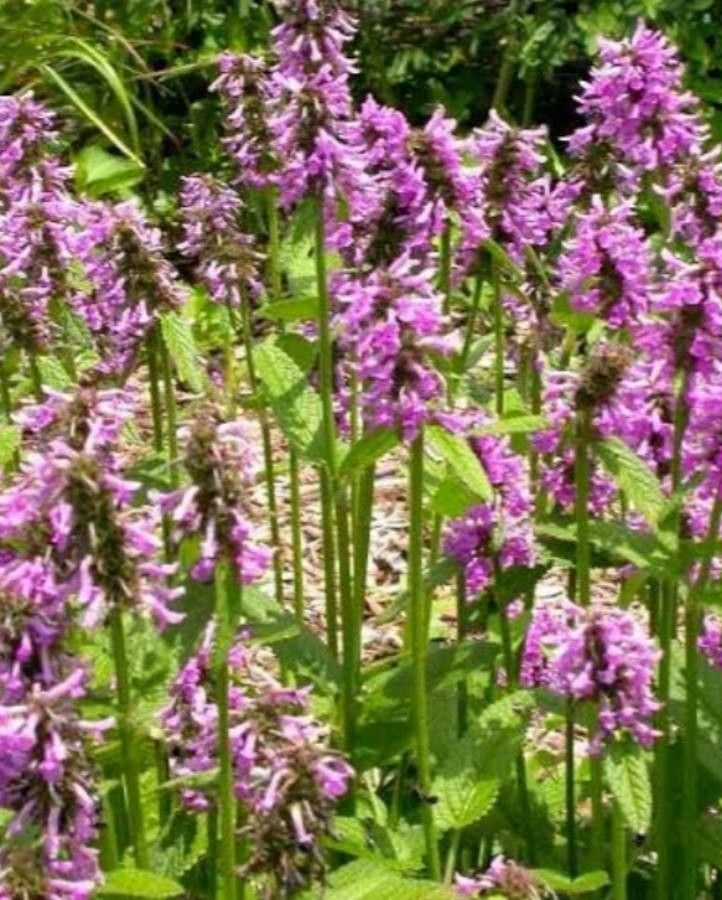
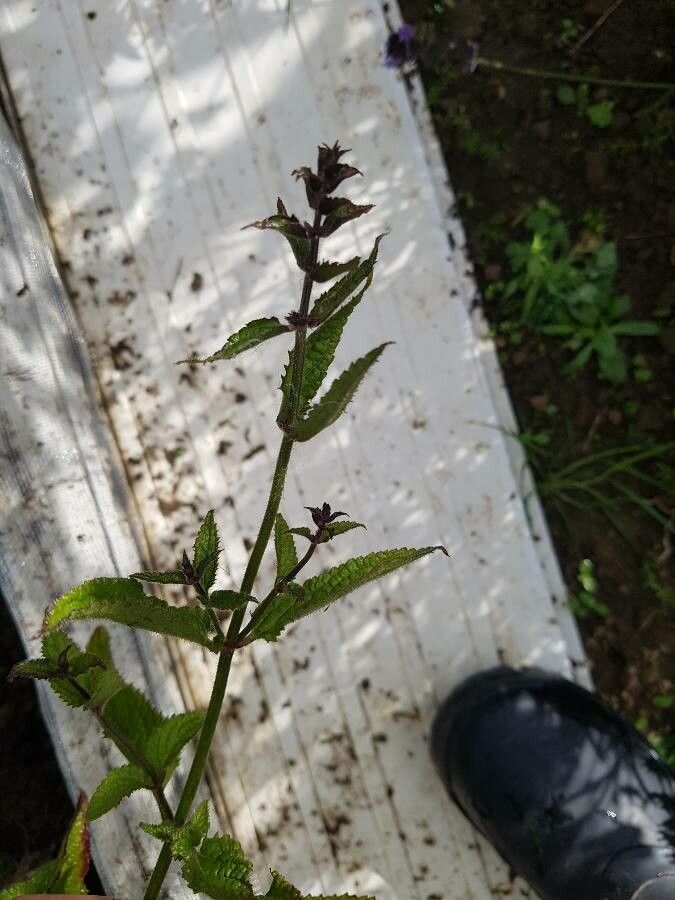
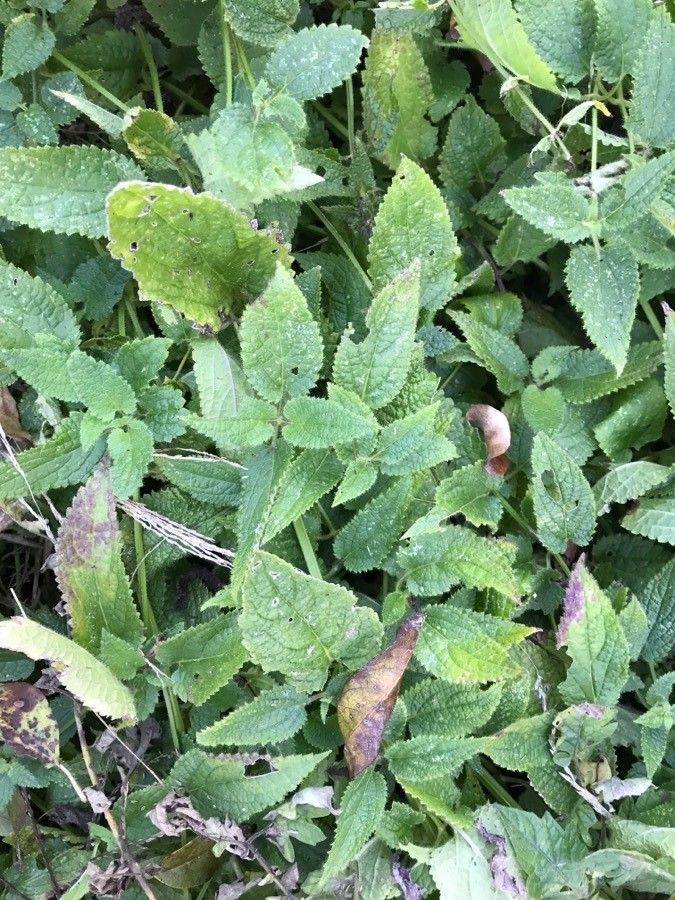
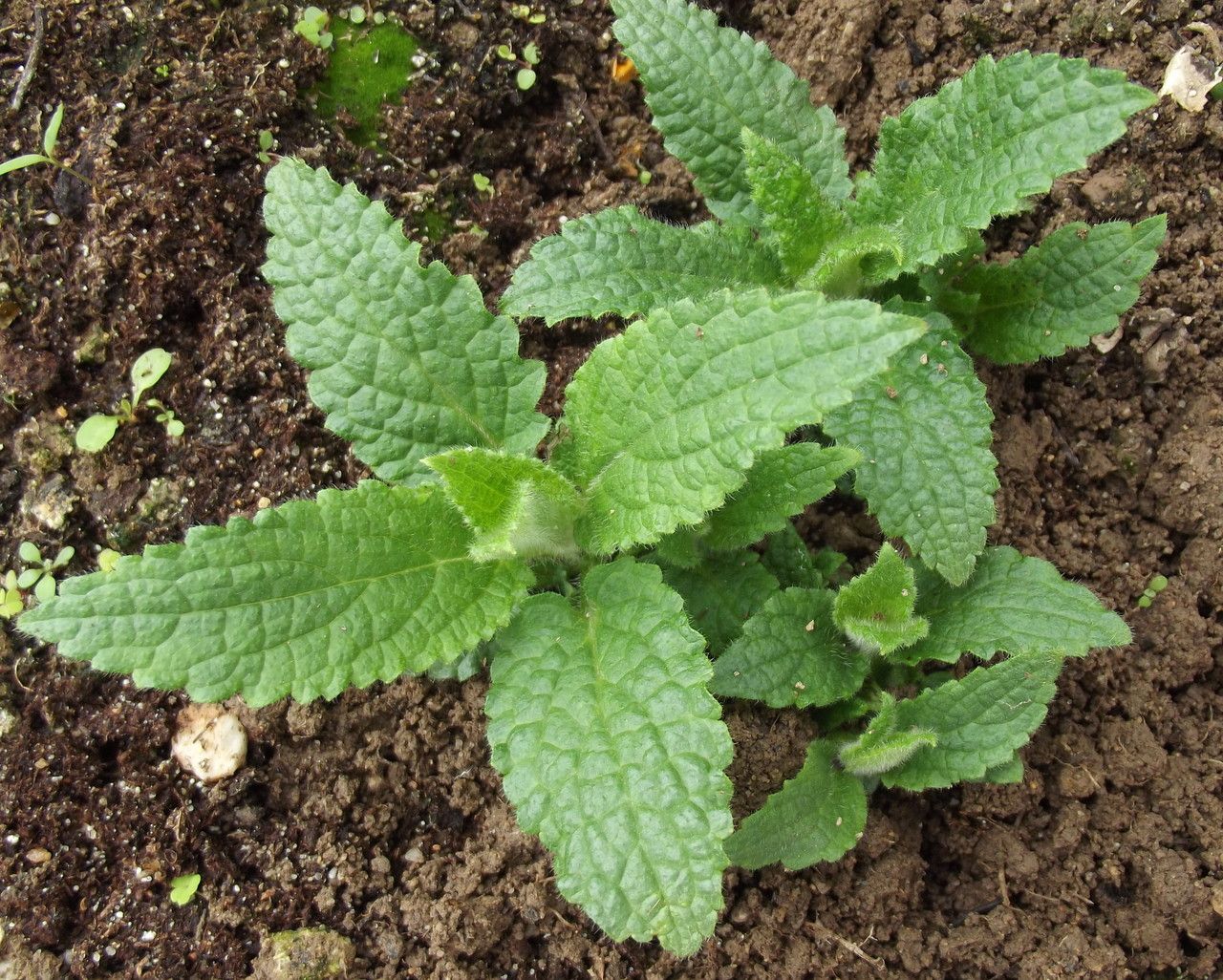
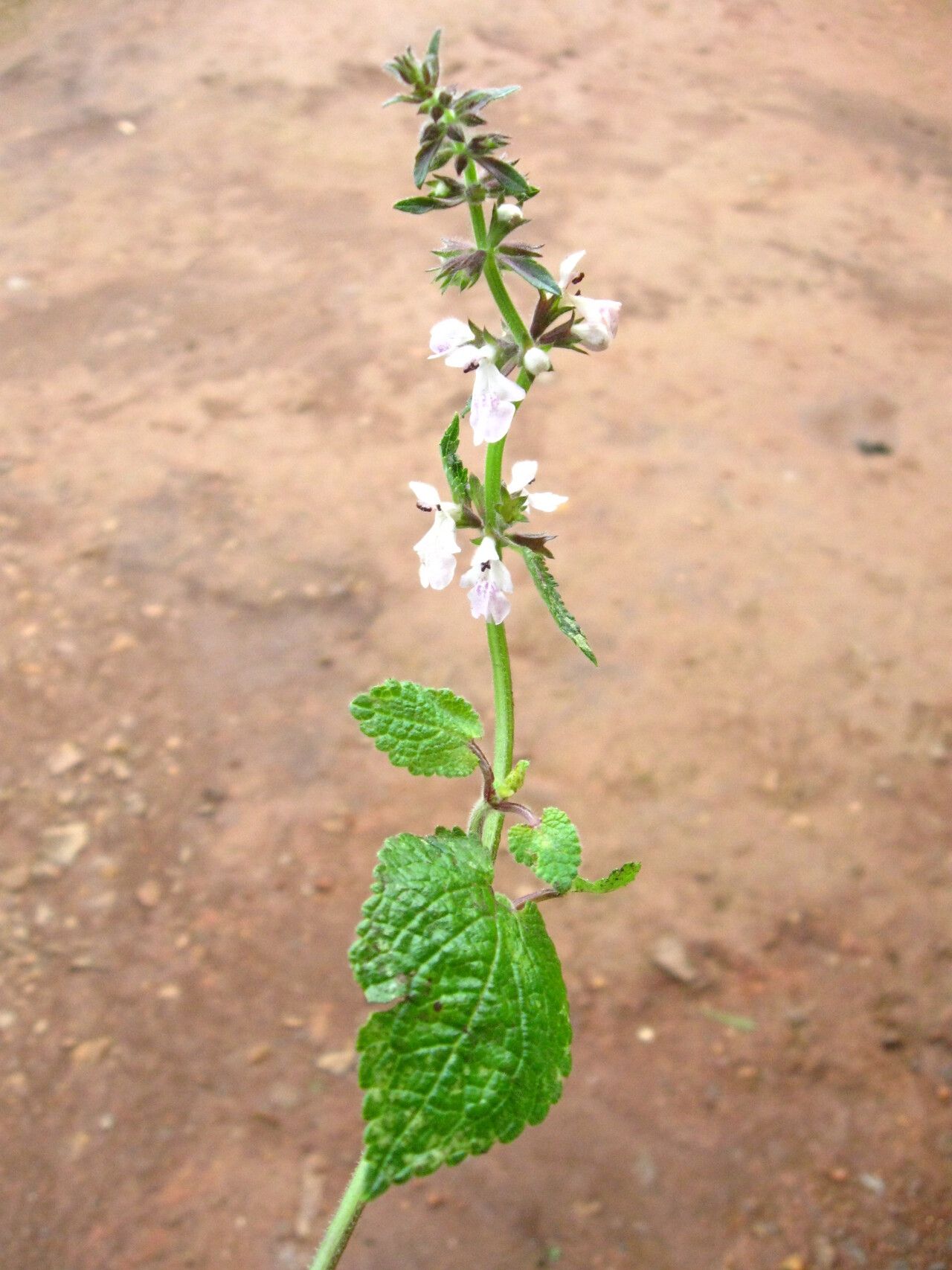
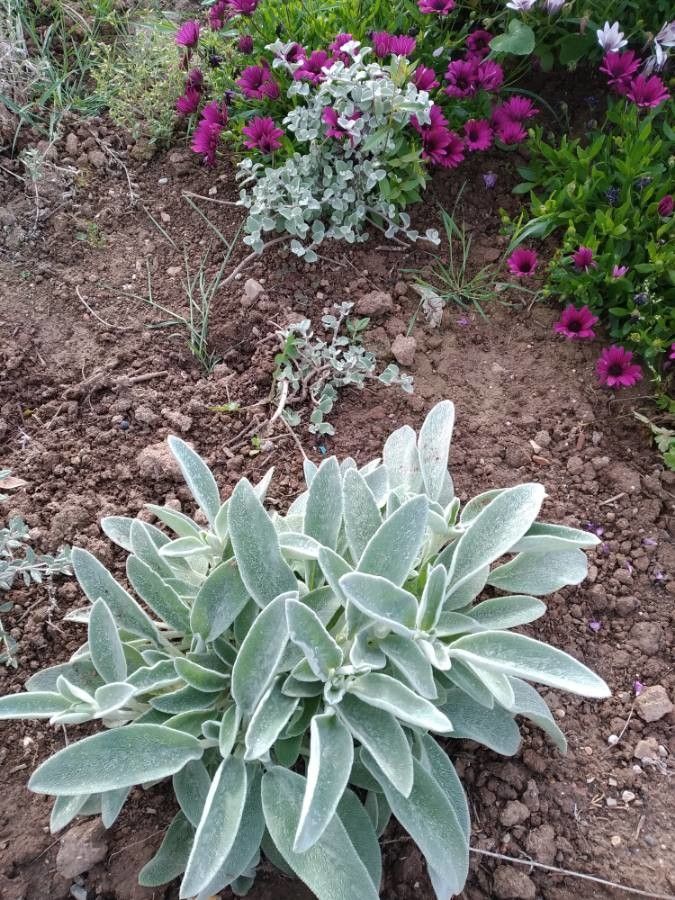
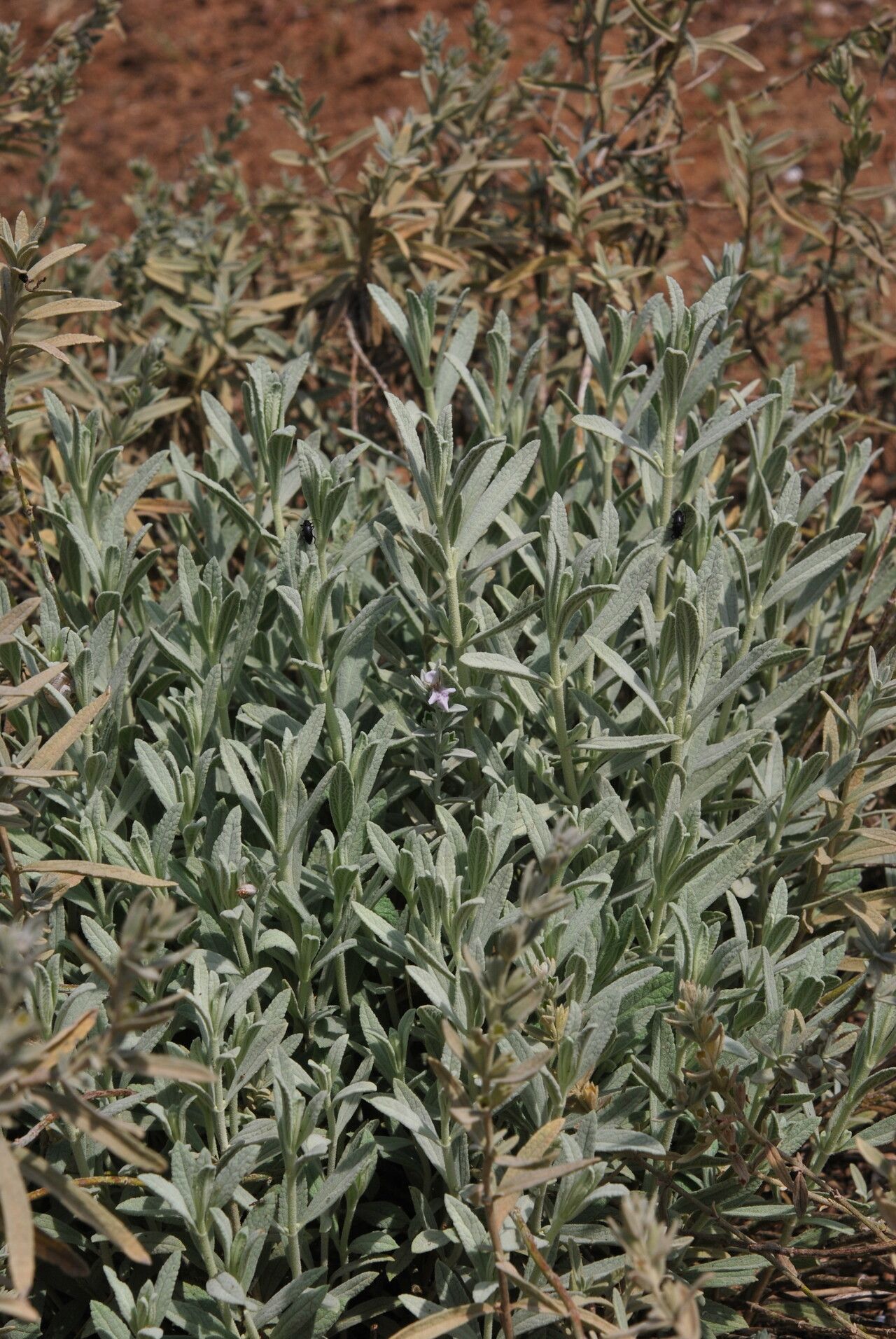
Stachys affinis, commonly called crosne, Chinese artichoke, Japanese artichoke, knotroot, or artichoke betony, is a perennial herbaceous plant of the family Lamiaceae, originating from China. Its rhizome is a root vegetable that can be eaten raw, pickled, dried or cooked.
Chinese artichoke has moderate resistance to disease and can be prone to ailments such as leaf spot. Its vulnerability to insect pests varies with the variety, but most are fairly susceptible. In terms of care, Chinese artichoke requires regular watering and fertilizing, and yellow leaves should be pruned frequently. It is important to manage pests and diseases when they appear and to harvest the plant promptly. Chinese artichoke is suited to people who have some time and energy to dedicate to regular maintenance.
How to keep Stachys Affinis.
Light
Chinese artichoke does well in locations with substantial or prolonged sunlight during the day. However, it can also adjust to situations where sunlight is available only part of the day. Both too little and too much sun can hinder its healthy growth, reflecting that its origin environment—currently unspecified—features strong sunlight.
Water
Chinese artichoke thrives in consistently moist soil and benefits from weekly watering, especially during its active growing season. While it can tolerate moderate drought, regular moisture is crucial for optimal tuber growth and a successful harvest, reflecting its origins in the fertile valleys of China.
Temperature
Chinese artichoke is well adapted to environments with temperatures between 41 and 89.6 °F (5 and 32 °C), typical of its native temperate habitats. For optimal growth, care may need to be adjusted to accommodate seasonal temperature variations.
Fertilizer
Chinese artichoke species do well with one or two applications of organic, natural fertilizers that contain potassium and phosphorus. Apply the fertilizer before planting, work it into the soil, and water thoroughly. Usually one application is enough, but a second can be applied once seedlings have become established. Avoid overuse of fertilizer to prevent damage to the plants.
Pruning
To ensure optimal growth and yield, prune Chinese artichoke from early to late spring, after the last frost has passed. Remove dead stems and excess foliage to enhance air circulation and sunlight exposure. This practice promotes vigorous growth, reduces the risk of disease, and improves the quality of the tubers.
Botanical profile.
- Plant Type
- Herb
- Life Cycle
- Perennial
- Genus
- Stachys
- Family
- Lamiaceae
- Hardiness Zone
- 4-8
- Mature Height
- 49 cm
- Mature Spread
- 91 cm
- Leaf Color
- Green
- Leaf Type
- Deciduous
- Flower Color
- Lavender, Pink
- Flower Size
- 5.08 cm to 15.24 cm
- Bloom Time
- Early summer, Mid summer
- Planting Time
- Spring, Autumn
- Harvest Time
- Late summer, Early fall
- Native Area
- Myanmar, China
Other names.
Reader questions.
How should I water my Chinese artichoke plant?
The Chinese artichoke has specific preferences for water quantity and the manner in which it is provided. Proper watering techniques are essential to avoid damaging your tomatoes. The ideal method is to slowly and gently apply water directly to the soil. It is important not to pour all the water into the soil at once or use overhead watering for the Chinese artichoke. While watering slowly, it is crucial to ensure deep watering to adequately moisten the soil where the Chinese artichoke grows.
Why should I put fertilizer on my Chinese artichoke?
Chinese artichoke is known for its rapid growth and high energy consumption in producing the root vegetables we love. In addition to sunlight, oxygen, and water, Chinese artichoke species rely on nutrients for their growth and root production. Although garden soil naturally contains these nutrients due to organic matter decomposition, sometimes they may not be sufficient to foster healthy Chinese artichoke growth. In such cases, fertilizer proves to be the necessary solution to give Chinese artichoke the boost it requires.
What are the sunlight requirements for Chinese artichoke?
Chinese artichoke requires considerable to extensive sun exposure throughout the day to thrive. It can adapt to partial sun conditions, experiencing sunlight for only a portion of the day, but both a lack and an excess of sunlight can impede its healthy growth. The plant benefits from full sun, defined as over 6 hours of sunlight, or partial sun, about 3-6 hours of sunlight. Observing how sunlight moves through your garden will help you choose the best spots that offer the right balance of light and shade, ensuring your plants' happiness and healthy development.
What is the ideal temperature range for growing Chinese artichoke?
Chinese artichoke thrives in temperatures ranging from 41 to 89.6 °F (5 to 32 °C), which is typical of its native temperate environments. To ensure optimal growth, it's crucial to adjust care based on seasonal temperature variations. It prefers relatively warm conditions, so maintaining temperatures above 5°C during the winter is beneficial. It's also important to keep the minimum temperature above the freezing point to avoid freezing damage. When outdoor temperatures approach -5°C (25°F) in winter, it's advisable to bring the plant indoors or provide protection with a temporary greenhouse or wrapping materials like plastic film or fabric.
What should I do if I give my Chinese artichoke too much or too little water?
If you notice that you've given too much water to your Chinese artichoke and you're worried about disease, take action right away. The best solution for an overwatered Chinese artichoke is to remove it from where it's currently growing. Once the plant is out of the ground, let its roots dry out a bit before planting it in a new location with well-draining soil. If you're growing it in pots, you might also consider switching to a pot with more or larger drainage holes. On the other hand, if you're not giving your plant enough water, simply increase the frequency of watering.
When should I fertilize my Chinese artichoke for the best results?
To prepare your soil for planting, apply natural fertilizer. There is no set timeframe to follow, but ensure you have enough time to mix the fertilizer into the soil and water it thoroughly before adding seeds or seedlings. Generally, one application of fertilizer is sufficient for Chinese artichoke throughout the season. However, if desired, you can apply one more application after the seedlings have established to increase their yield. Be cautious not to use excessive fertilizer, which could harm the plants.
How can artificial lighting be used for indoor Chinese artichokes?
Indoor Chinese artichokes require adequate lighting for optimal growth, especially when natural sunlight is insufficient, such as during winter or in less sunny spaces. Artificial lights, with LED lights being a popular and customizable choice, provide necessary wavelengths of light. For full sun plants, 30-50W/sq ft of artificial light is needed, partial sun plants require 20-30W/sq ft, and full shade plants need 10-20W/sq ft. The artificial light source should be placed 12-36 inches above the plant, simulating natural sunlight conditions and ensuring 8-12 hours of light per day for most plant species.
How does low temperature affect Chinese artichoke, and what are the solutions?
Chinese artichoke has a moderate tolerance to low temperatures, thriving best between 5°C and 32°C. When winter temperatures fall below -25°C, the plant can experience darkening of leaves. Below -30°C, leaves may show signs of water-soaked necrosis, wilting, drooping, and gradually turn brown in severe cases. To combat frost damage, trim away frost-damaged parts and either move the plant indoors to a warmer environment or set up a makeshift greenhouse for protection. If indoors, place the plant near a south-facing window for sufficient sunlight, and use supplemental lighting if necessary.
How often do I need to water my Chinese artichoke?
Chinese artichoke needs a lot of water while growing. To meet this need, water it regularly in the spring and summer. At first, water it once or twice a week. As the season goes on, increase the frequency of watering, potentially up to twice a day in the summer if necessary. After the main growth period, you can water it once a week until the end of the growing season.
When is it not a good idea to fertilize my Chinese artichoke?
To ensure effective fertilization, remember to avoid applying fertilizer when the soil is dry. After fertilizing, make sure to water your plants thoroughly as this helps deliver the nutrients properly. If you prioritize the growth of foliage over the root crops, then high-nitrogen fertilizers might be suitable for you. However, take care not to let fertilizer come into contact with the base of the plant, leaves, or stems as it can potentially damage them.
What are the common symptoms of inadequate light in Chinese artichokes?
When grown indoors or under inadequate light, Chinese artichokes may show subtle symptoms of light deficiency. These symptoms include small leaves, leggy or sparse growth, faster leaf drop, slower or no new growth, and lighter-colored or pale new leaves indicating a lack of chlorophyll. Additionally, excessive sunlight can cause chlorosis, sunscald, leaf curling, wilting, and leaf scorching. Identifying these symptoms early can help mitigate issues related to improper light exposure.
What impact does high temperature have on Chinese artichoke and how can it be managed?
During summer, it's important to keep Chinese artichoke's temperature below 32°C. Temperatures above 35°C can slow the plant's growth, lighten the color of its leaves, and increase susceptibility to sunburn. To manage high temperatures, trim away the sunburned and dried-up parts of the plant. Then, move the plant to a shaded location, especially away from the harsh afternoon sun. Ensuring the soil remains moist by watering the plant in the morning and evening can also help manage the effects of high temperatures.