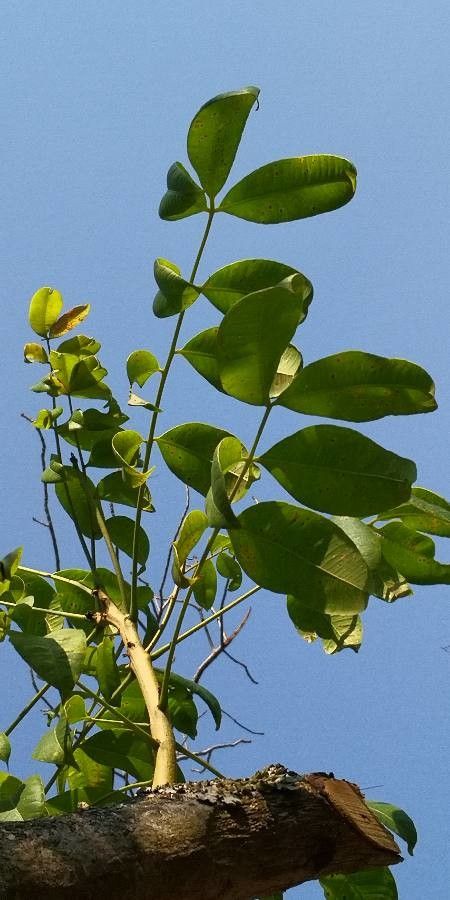
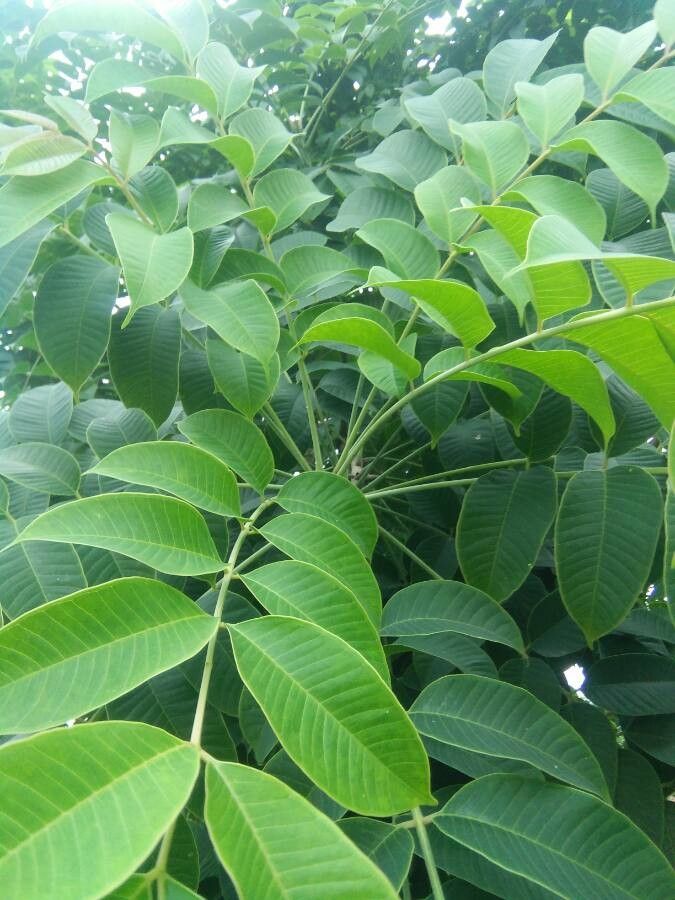
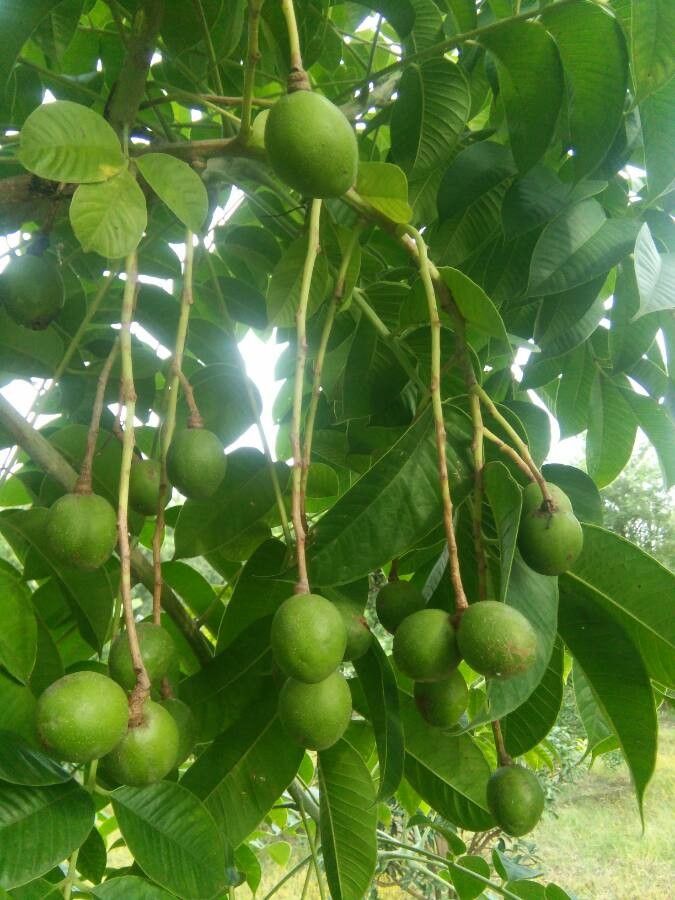
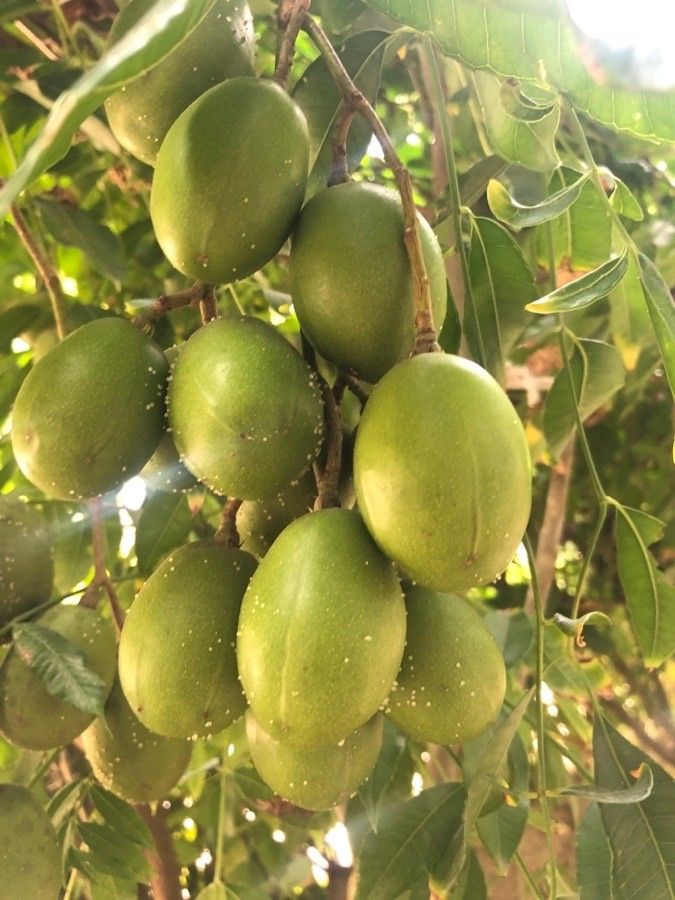
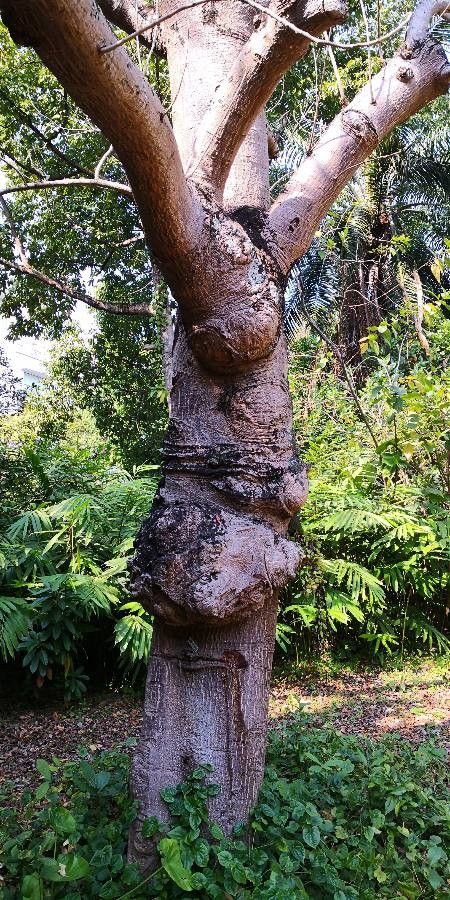
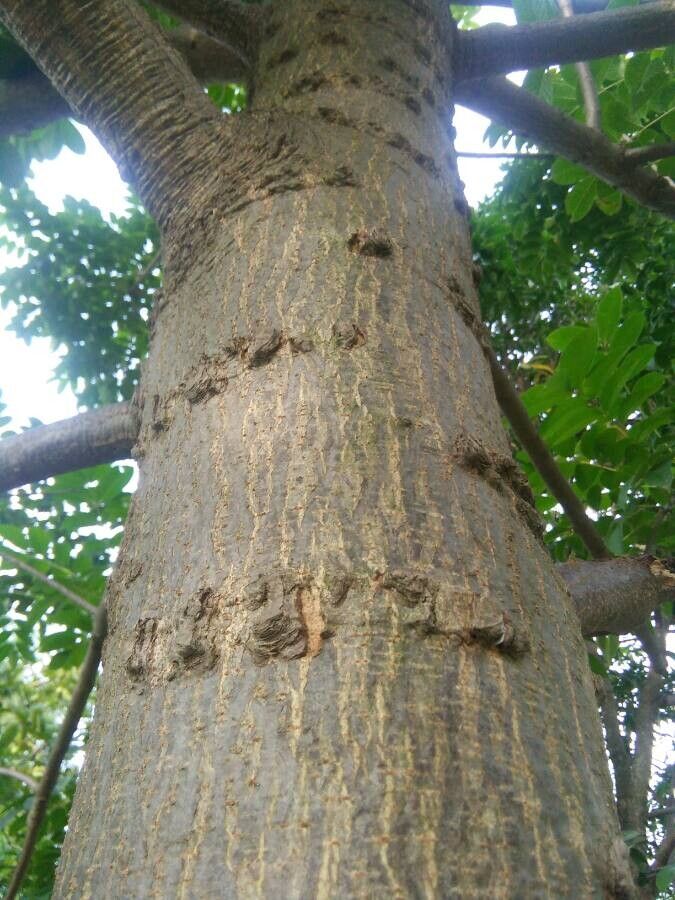
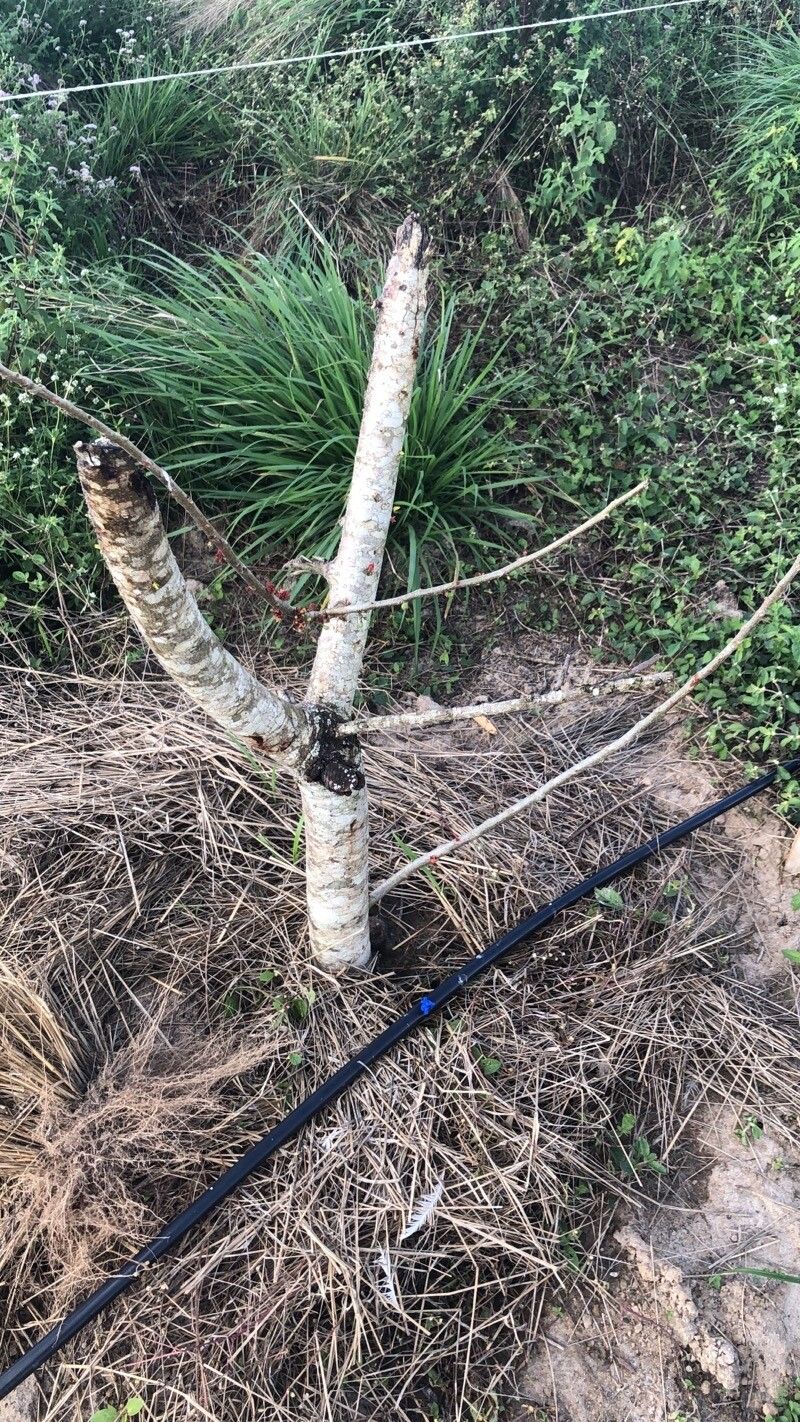
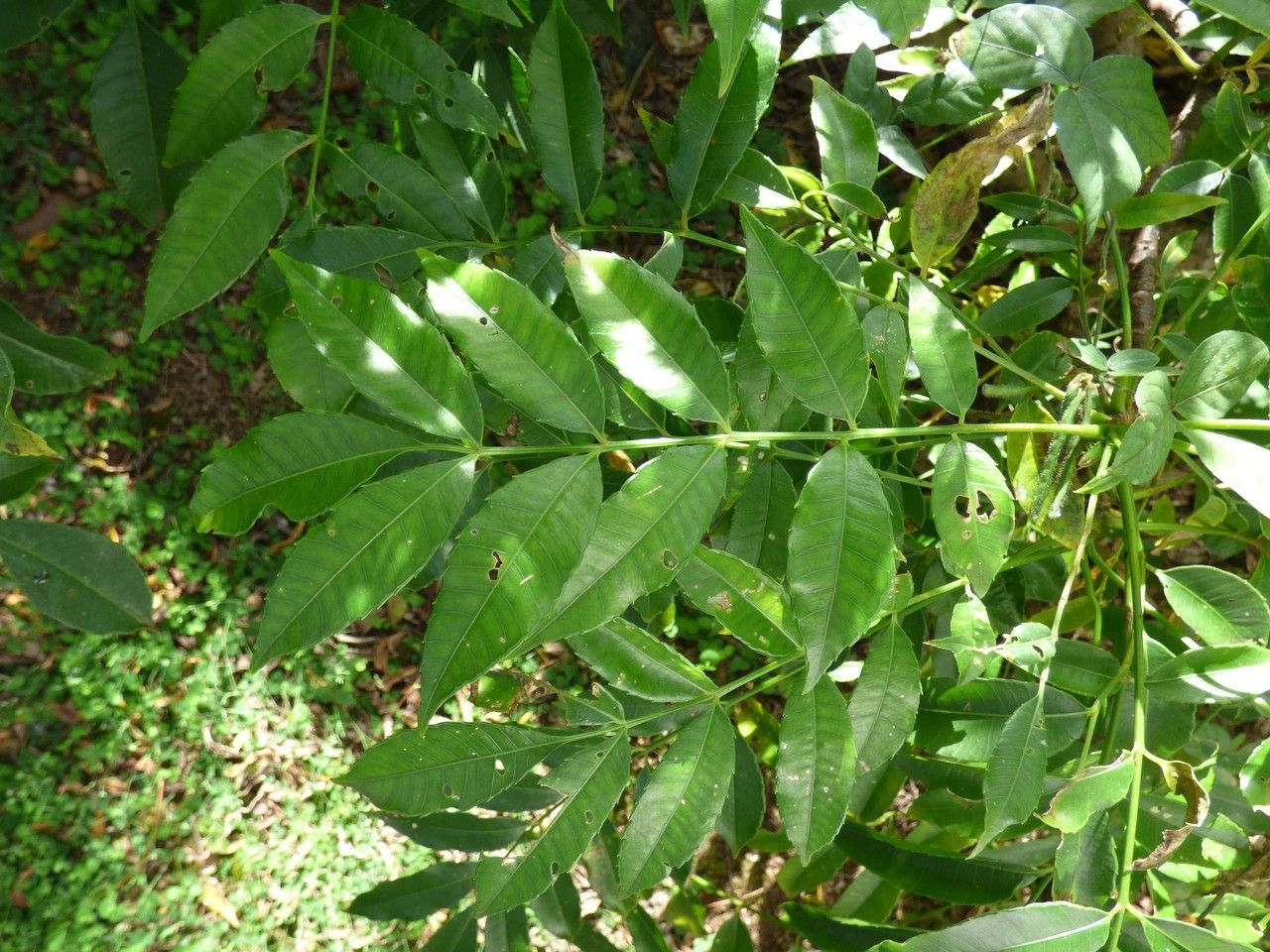
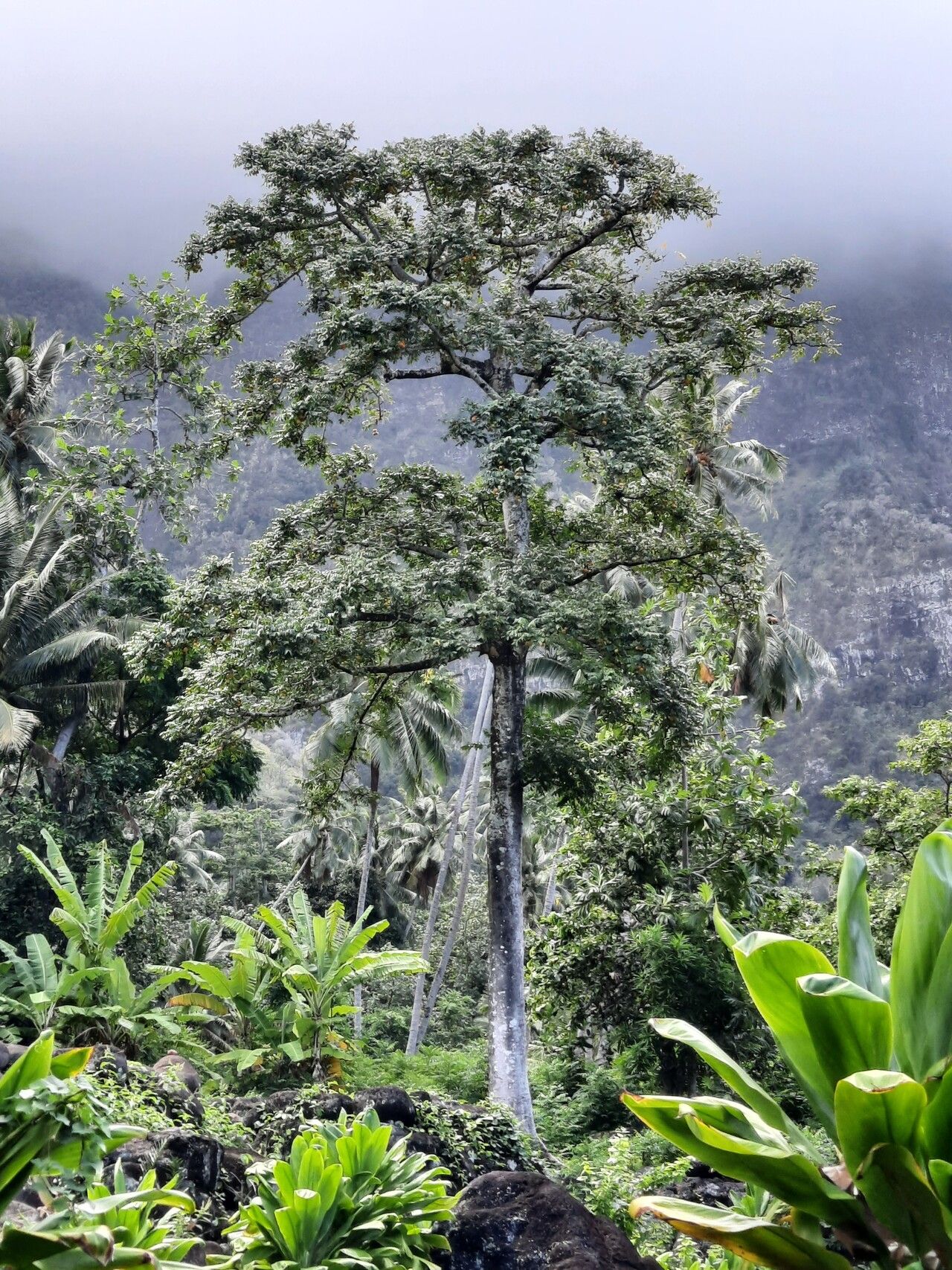
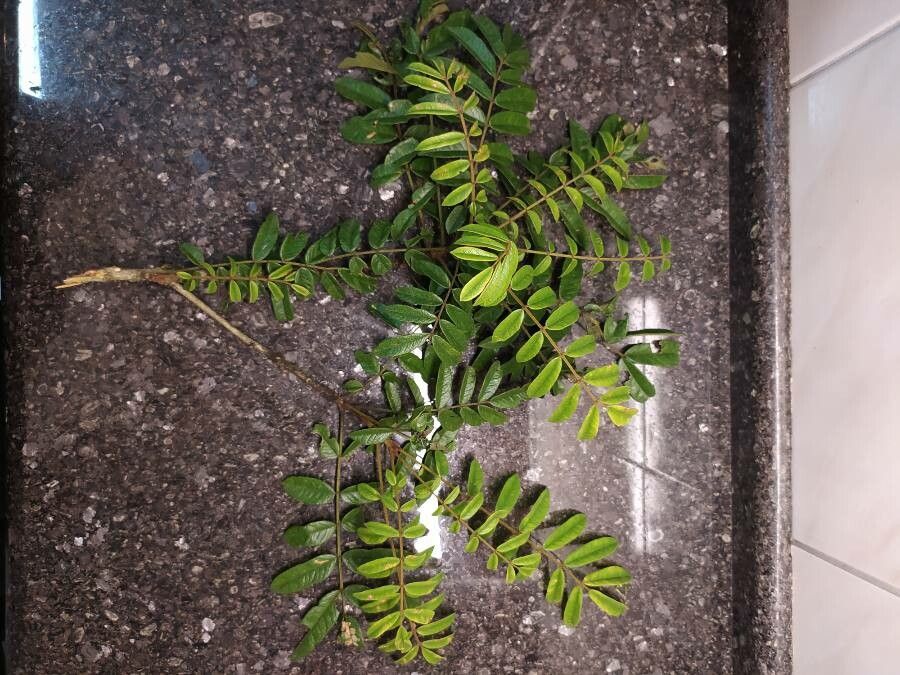
Spondias pinnata, sometimes also known as hog plum, is a species of tree with edible sour fruits. It is native to the Philippines and Indonesia, but has been widely naturalized in South Asia, Mainland Southeast Asia, Southern China, and the Solomon Islands. It belongs to the family Anacardiaceae. This species, among several others, has sometimes called the "wild (or forest) mango" in other languages and was once placed in the genus Mangifera. It is found in lowlands and hill forests up to 1,200 m (3,900 ft).
The Indian hog plum is fairly disease-resistant and typically isn’t susceptible to many illnesses. As for care, this plant is relatively low-maintenance. When grown outdoors it needs only light watering, and larger specimens usually do not require pruning. Smaller plants, however, should be pruned after they finish blooming. The Indian hog plum is suitable for anyone with outdoor space, such as a garden or a deck, and does not demand extensive gardening experience.
How to keep Spondias Pinnata.
Light
The Indian hog plum comes from open habitats, such as sunlit meadows and forest margins, which provide plenty of light. It performs best in full sun but can also tolerate partial sun, adapting well to a range of sunlight conditions.
Water
The Indian hog plum, native to Southeast Asia, thrives in environments with high moisture. Although it is drought-tolerant, it needs regular watering every 2-3 weeks to maintain optimal soil moisture. This plant grows best outdoors during the tropical rainy seasons, as these conditions support its active growth period.
Temperature
The Indian hog plum comes from tropical areas where the climate is generally warm and humid. Consequently, it is adapted to high heat and humidity. It does not tolerate sudden temperature changes and prefers a steady temperature, so avoiding indoor temperature swings is important. It typically cannot endure cold and needs warmer conditions to grow. If the ambient temperature falls too low, the plant may stop growing or even die.
Fertilizer
Prefer organic fertilizers (e.g., fish emulsion or compost) rather than chemical fertilizers for Indian hog plum. Supply higher levels of nitrogen and phosphorus to young plants during spring. Mix compost or fertilizer into the soil before or after planting. For mature plants, apply a balanced fertilizer in spring or one tailored to specific nutrient deficiencies. Nutrient deficiency causes small leaves, short branches, yellow or bronze foliage, acidic fruits, premature fruit drop, and splitting.
Pruning
To improve the fruit yield and shape of the Indian hog plum, selective pruning is essential. This should be done in early spring to remove dead branches and thin the canopy, which improves airflow. Always use clean tools to prevent infections, and tailor your pruning techniques to meet the specific care needs of the Indian hog plum for optimal growth.
Botanical profile.
- Plant Type
- Tree
- Life Cycle
- Perennial
- Genus
- Spondias
- Family
- Anacardiaceae
- Hardiness Zone
- 10-12
- Mature Height
- 14.94 m to 24.99 m
- Mature Spread
- 10.06 m to 14.94 m
- Leaf Color
- Dark Green
- Leaf Type
- Deciduous
- Flower Color
- White
- Flower Size
- 0.25 cm to 0.51 cm
- Bloom Time
- Late spring, Early summer, Mid summer
- Planting Time
- Spring, Summer, Autumn
- Harvest Time
- Late summer, Fall
- Native Area
- Nepal, Sri Lanka, India, Malaysia, Philippines, Bangladesh, Pakistan, Laos, China, Indonesia, Cambodia, Vietnam, Myanmar, Bhutan, Oman, Thailand
Other names.