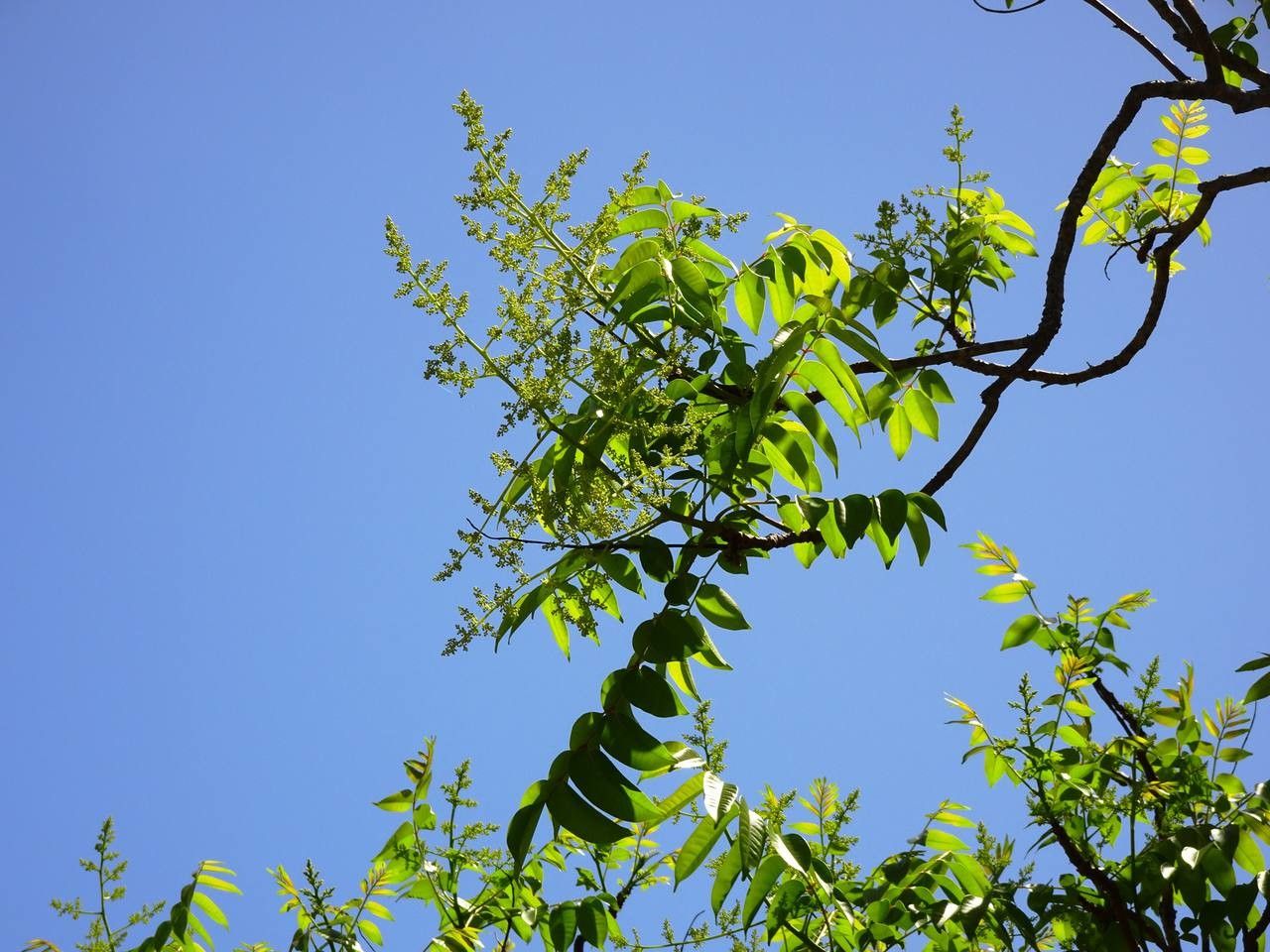
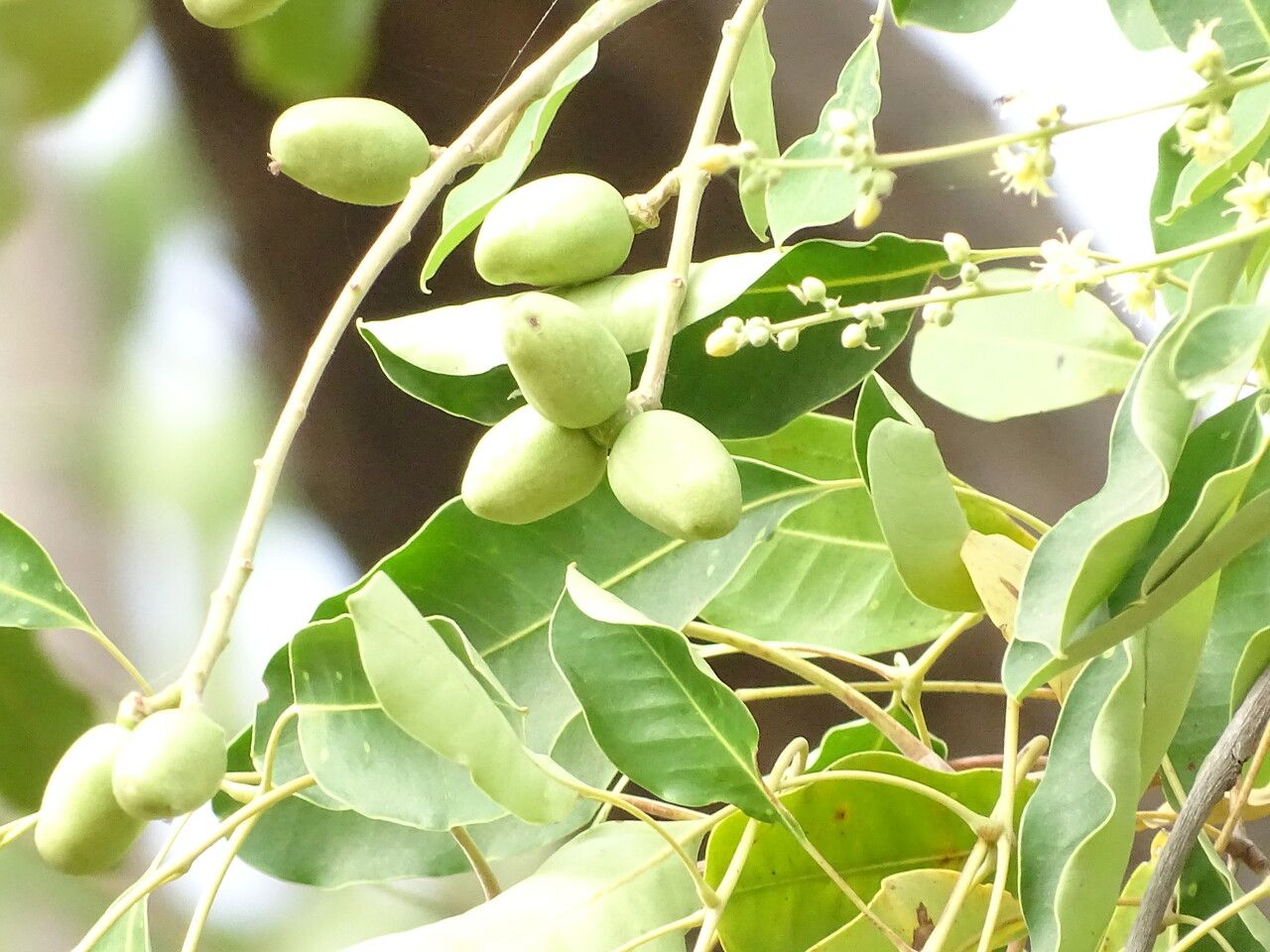
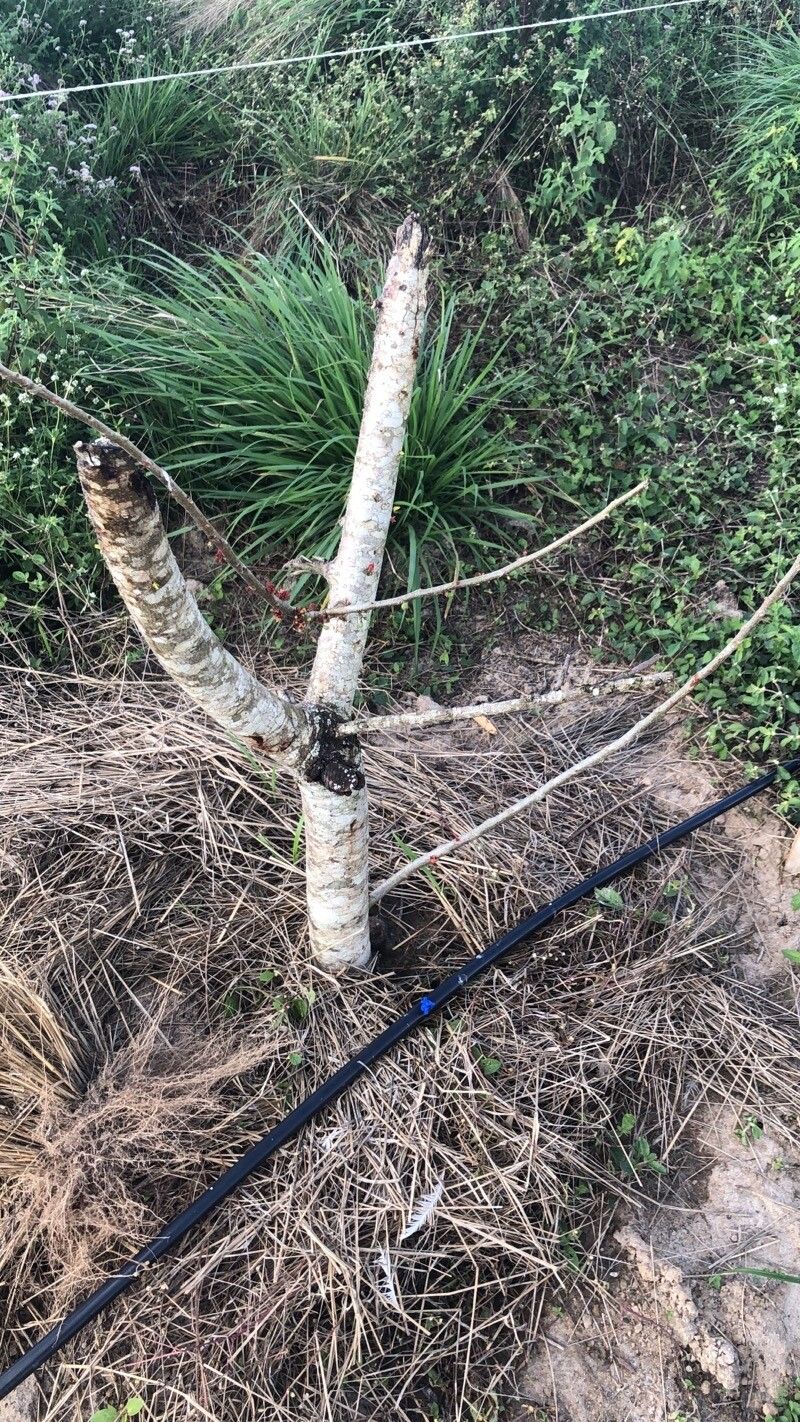
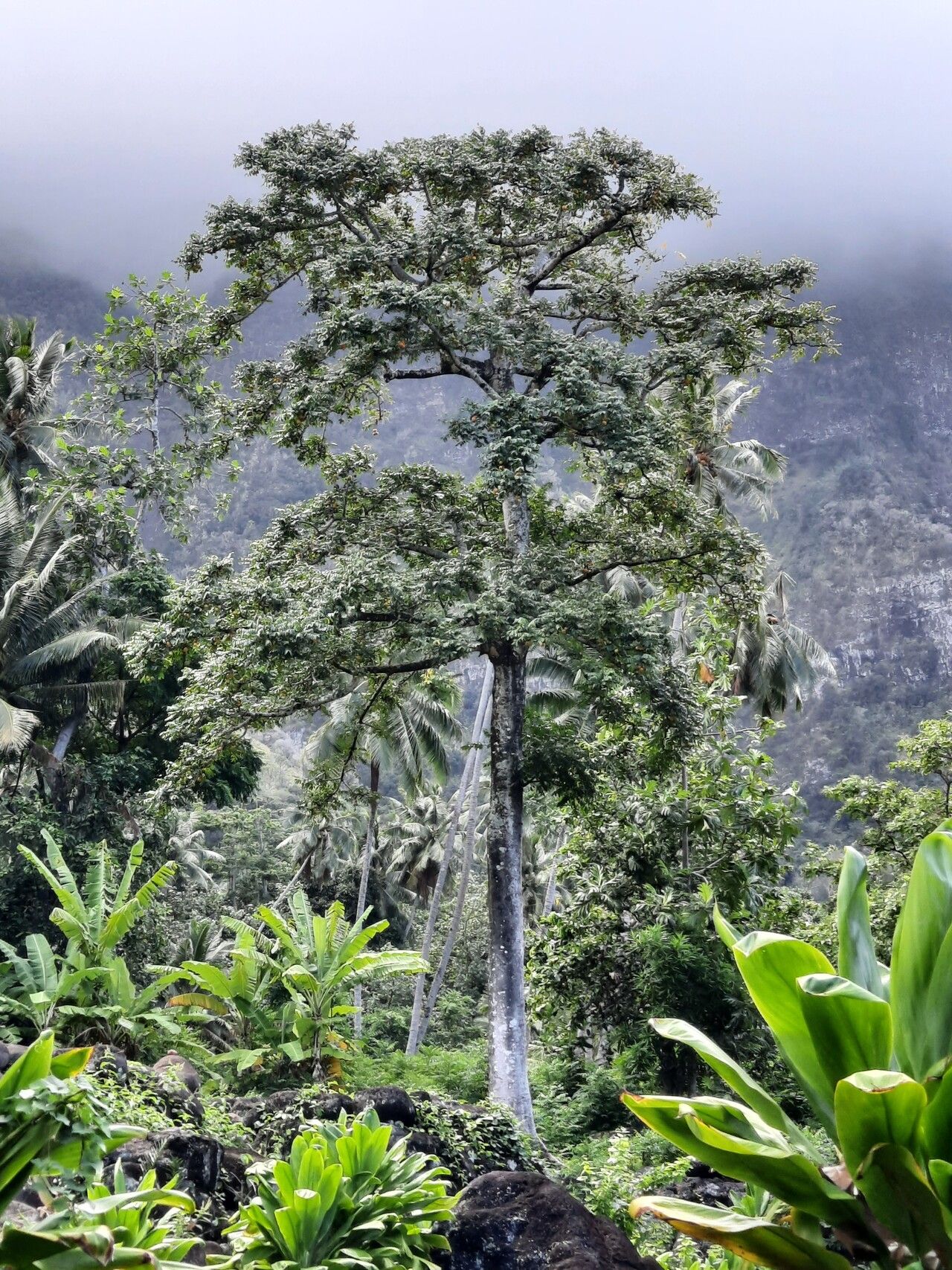
Spondias mombin, commonly known as the yellow mombin or hog plum, is a tropical fruit tree that belongs to the Anacardiaceae family. Native to Central and South America, it has spread and naturalized in various regions worldwide. The tree can reach heights of up to 20 meters and features a spreading crown with drooping branches.
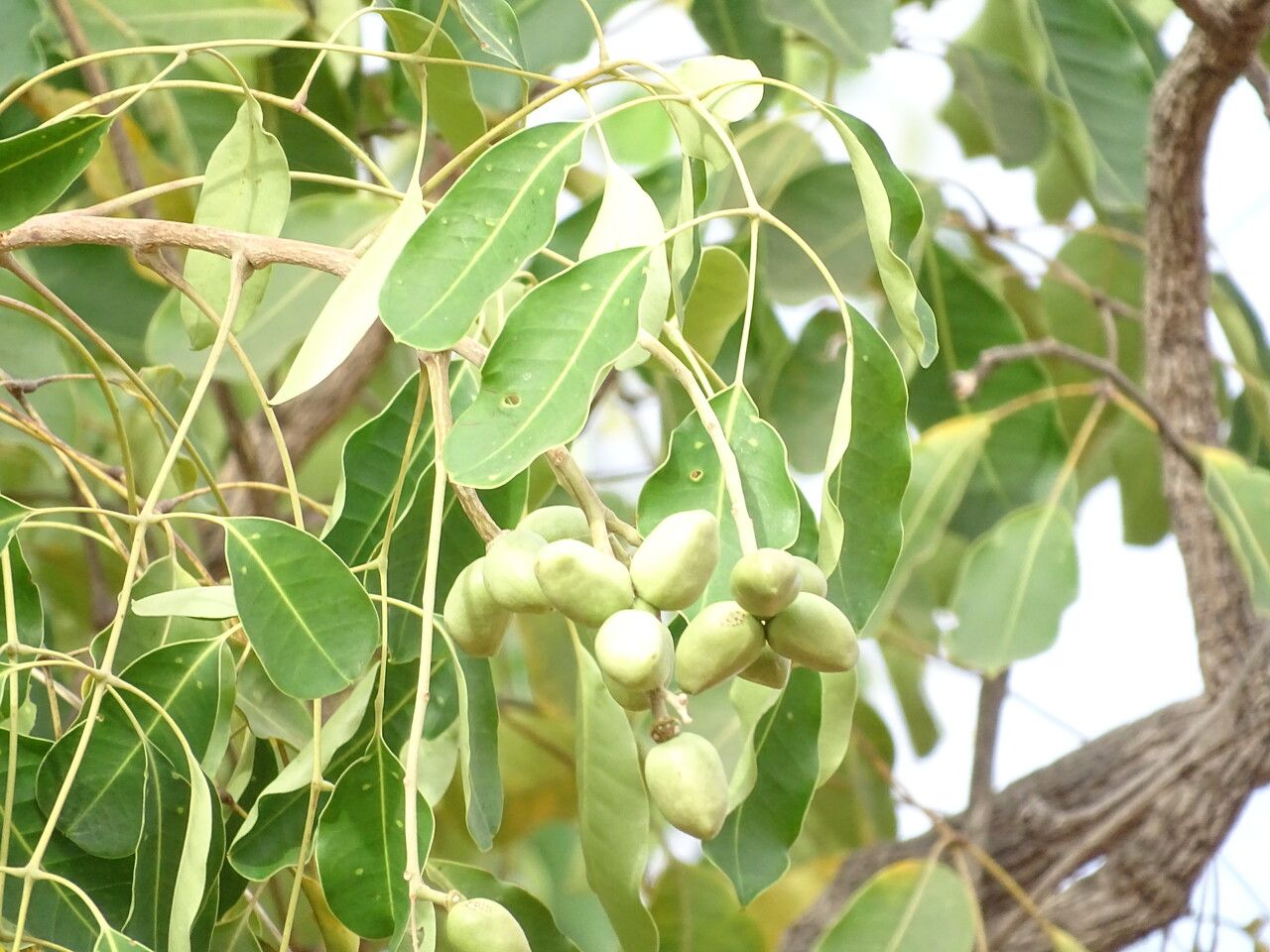
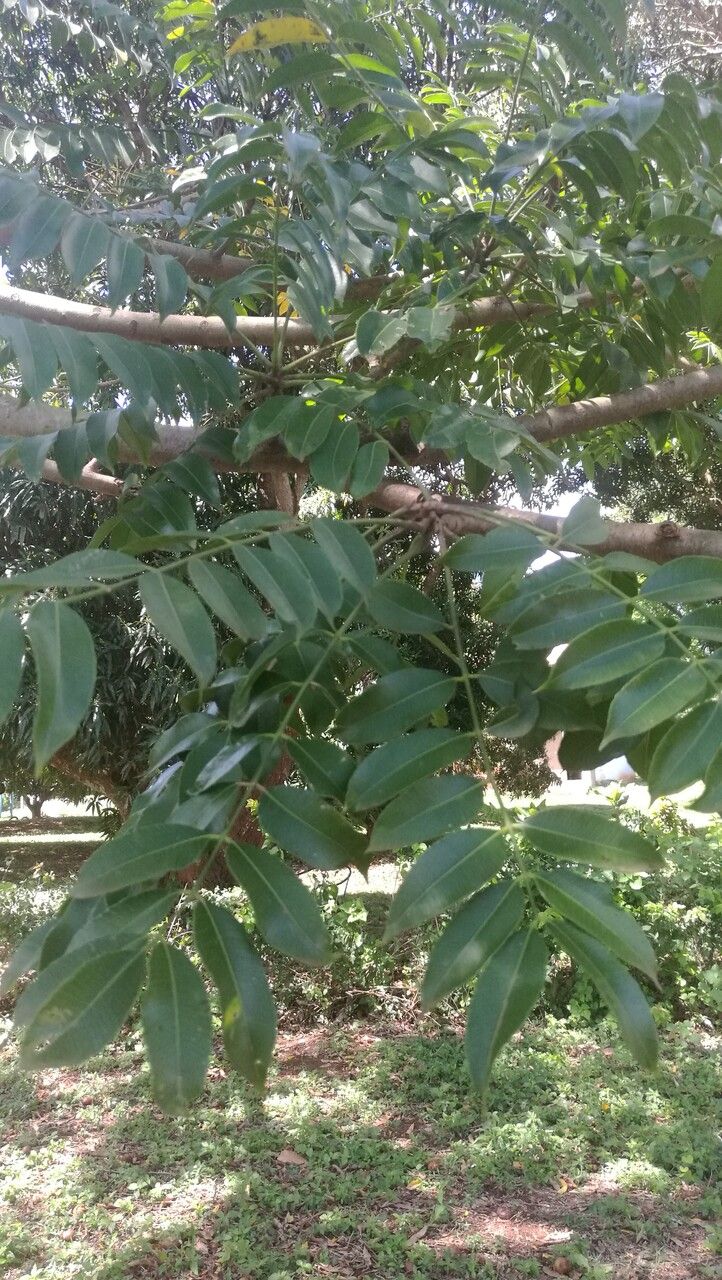
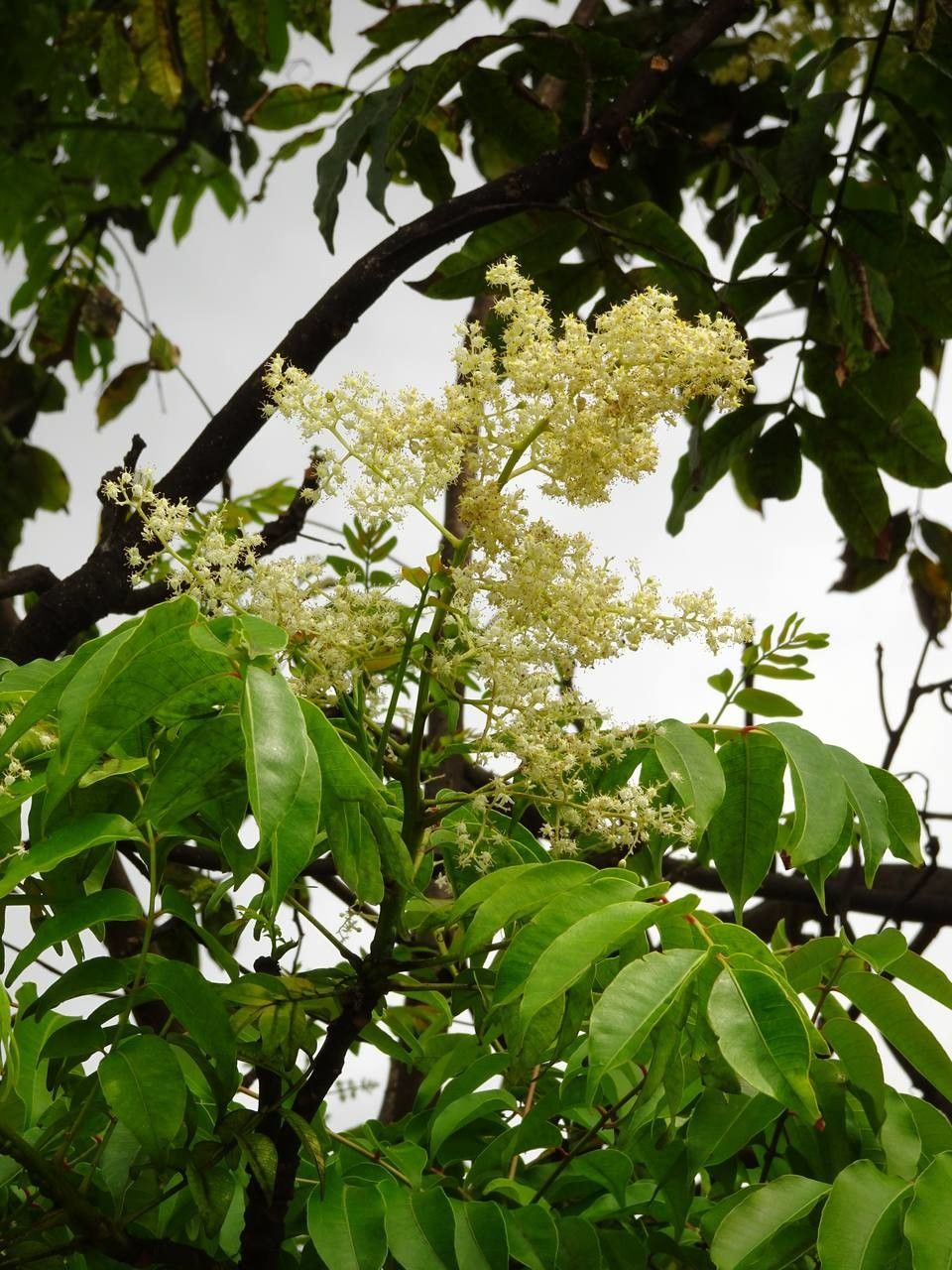
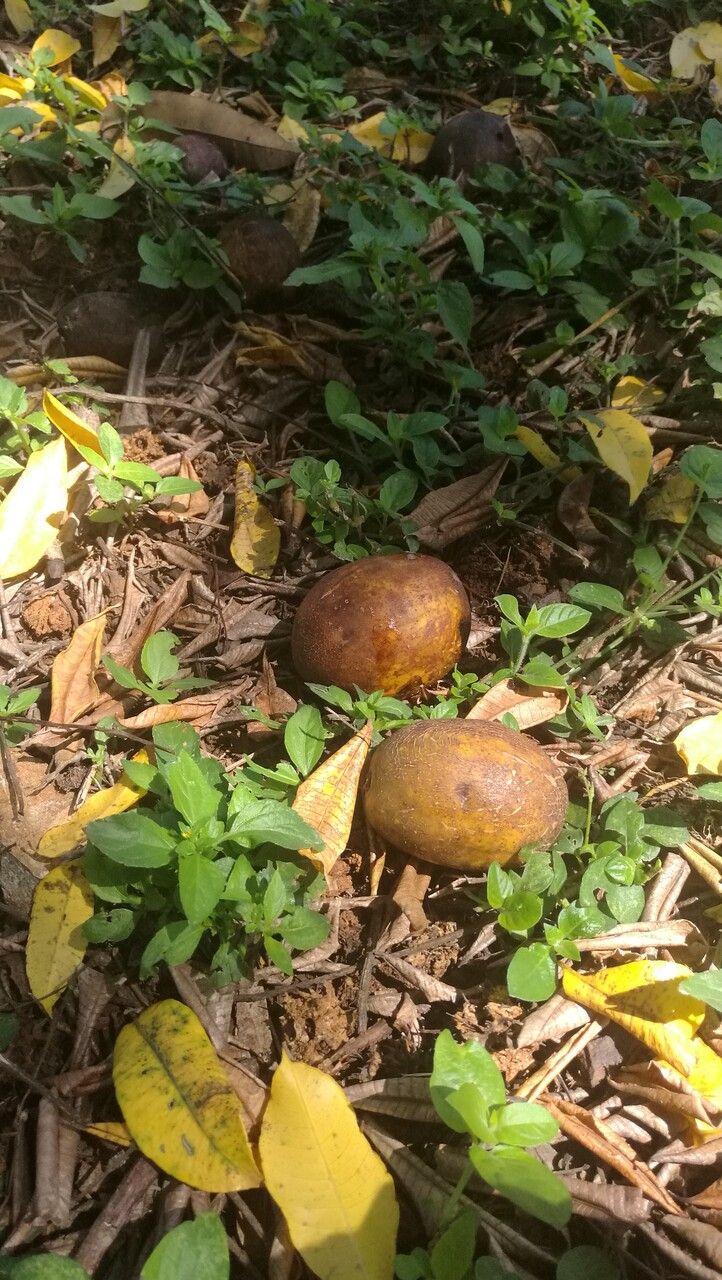
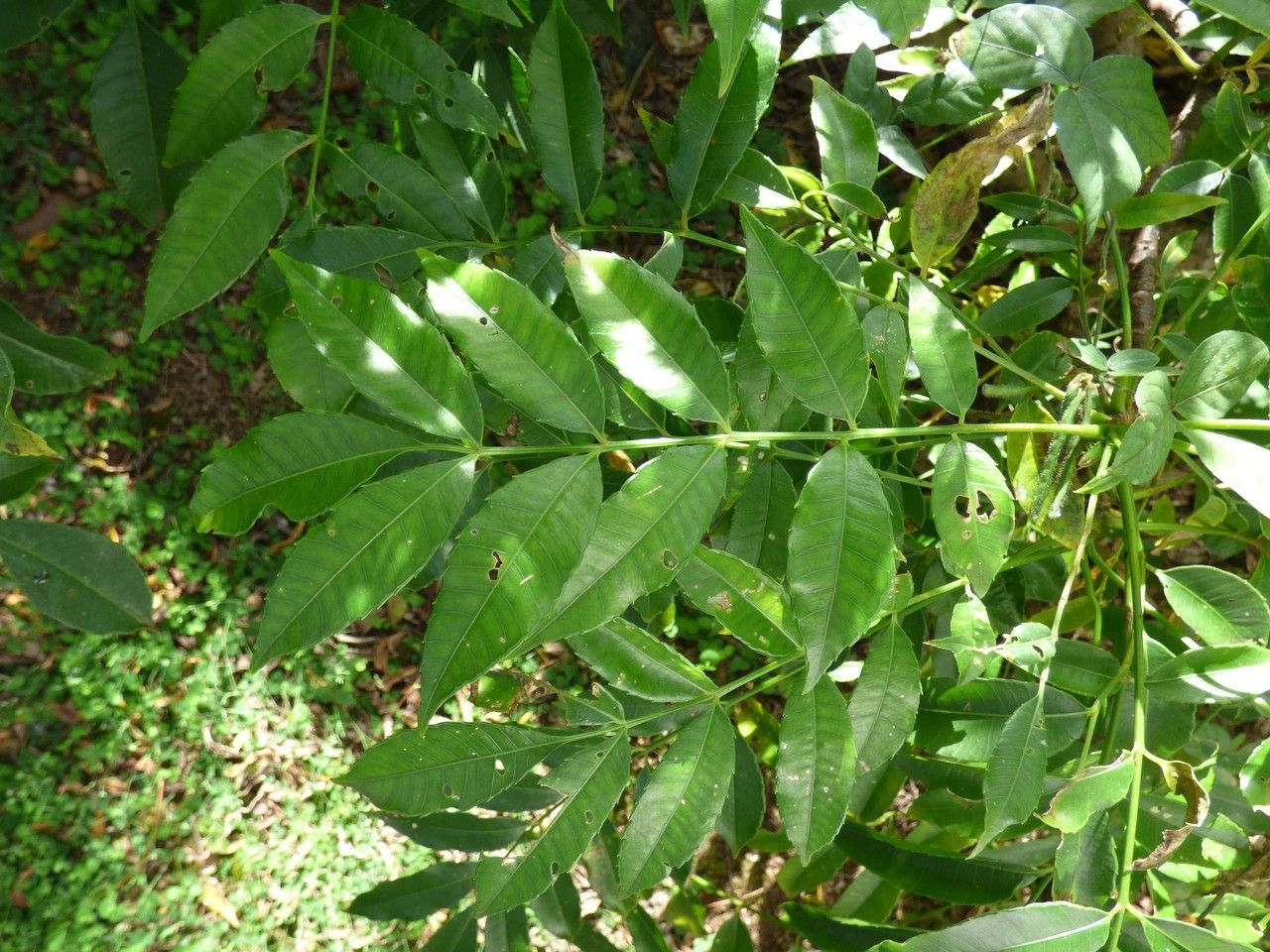
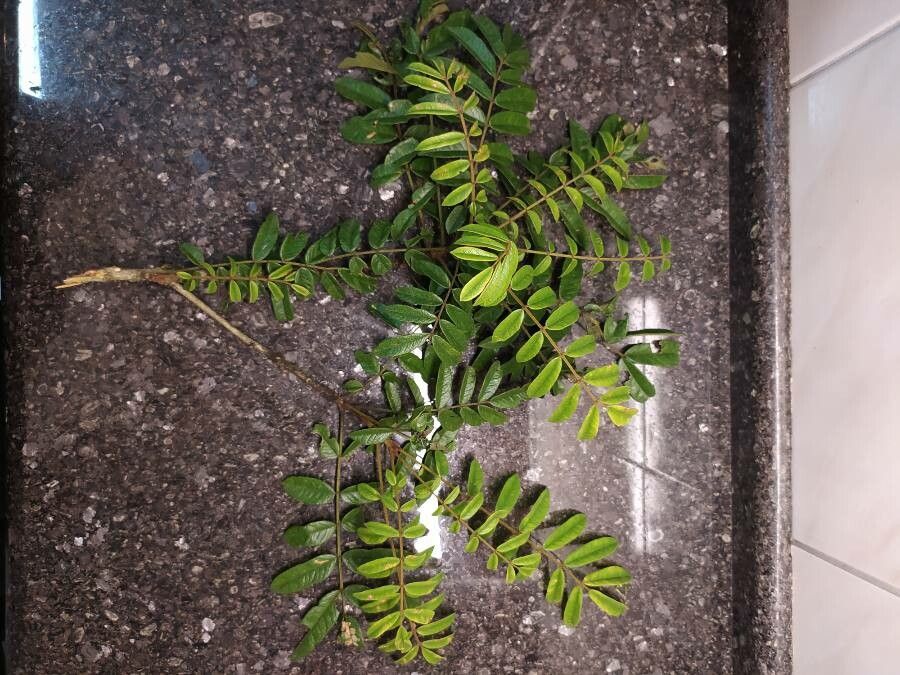
The leaves of Spondias mombin are pinnate, consisting of 9 to 25 leaflets that are oblong or elliptical in shape. Its small, yellowish-green flowers grow in clusters at the ends of branches. The fruit, a drupe, varies in shape from oval to round and has a thin skin that turns from greenish-yellow to orange-red when ripe.
The flesh of the Spondias mombin fruit is juicy, acidic, and sweet, with a flavor reminiscent of mangoes or apricots. It can be enjoyed fresh or used to make jams, jellies, sauces, and even alcoholic beverages like wine.
Beyond its culinary applications, Spondias mombin also offers medicinal benefits. It contains antioxidants that protect against free radicals, which can cause cell damage and contribute to chronic diseases such as cancer. Additionally, its anti-inflammatory properties help reduce inflammation associated with conditions like arthritis.
Overall, Spondias mombin provides both nutritional and medicinal benefits. Its fruit contributes to food security, while its leaves offer health benefits, making it an important plant for communities in tropical regions where it thrives.
Yellow mombin is fairly disease-resistant and typically not susceptible to illnesses. As for upkeep, this plant is fairly easy to care for. When grown outdoors it needs only light watering, and larger specimens usually do not require pruning. Smaller plants, however, should be trimmed after they finish blooming. Yellow mombint is appropriate for anyone who has an outdoor area, like a garden or deck, and it does not call for much gardening experience.
How to keep Spondias Mombin.
Light
Yellow mombin does best in places that receive abundant sunlight throughout the day, reflecting its natural preference for high exposure. Native to areas where sunlight is dominant, it can be hindered by either too little or too much light, which may impair its healthy growth.
Water
The yellow mombin thrives in tropical climates with high humidity and regular rainfall. To mimic the conditions of its natural dry season, water the plant every 2 to 3 weeks. When grown outdoors, it relies on local rainfall patterns for irrigation, so consider these trends when planning its watering schedule.
Temperature
Yellow mombin comes from tropical areas, where the weather is usually warm and humid. Therefore it is well adapted to high heat and humidity. It does not tolerate sudden shifts in temperature and prefers a steady temperature, so it is important to avoid temperature swings indoors. It generally cannot withstand cold and needs warmer conditions to grow. If the surrounding temperature falls too low, the plant may stop growing or even die.
Fertilizer
Choose organic fertilizers (e.g., fish emulsion, compost) instead of chemical fertilizers for Yellow mombin. Provide higher levels of nitrogen and phosphorus to young plants in spring. Incorporate compost or fertilizer into the soil before or after planting. For mature plants, supplement in spring with a balanced fertilizer or one specific to the deficiency. Nutrient deficiency causes small leaves, shortened branches, yellow/bronze foliage, acidic fruits, premature fruit drop, and splitting.
Botanical profile.
- Plant Type
- Tree
- Life Cycle
- Perennial
- Genus
- Spondias
- Family
- Anacardiaceae
- Hardiness Zone
- 10-11
- Mature Height
- 14.94 m to 24.99 m
- Mature Spread
- 10.06 m to 14.94 m
- Leaf Color
- Green, Dark Green
- Leaf Type
- Deciduous
- Flower Color
- White
- Flower Size
- 0.51 cm to 0.51 cm
- Bloom Time
- Late spring, Early summer, Mid summer
- Planting Time
- Spring, Summer, Autumn
- Harvest Time
- Late summer, Fall
- Native Area
- Belize, Honduras, Mexico, Guatemala, Peru, Panama, Jamaica, Colombia, Cuba, Bolivia, Venezuela, Guyana, El Salvador, Nicaragua, Brazil, Ecuador, Costa Rica
Other names.
Reader questions.
How should I water my Yellow mombin plant for best results?
To promote excellent root development, it is recommended to place a garden hose at the base of the plant. However, avoid spraying the leaves directly with water. If the plant is outdoors and exposed to direct sunlight, the leaves will require more watering. Using bubblers for each individual plant can help moisturize the roots. Additionally, soaker hoses can be used to cover the entire garden or bed, especially when adding or removing plants, in order to deeply water the roots. After watering, make sure to drain any excess water and allow the soil to dry before watering again. Watering at ground level is advised to prevent the development of diseases. On a sunny day, it may be beneficial to spray the entire bush with water. Regardless of whether the plant is potted or in the ground, it is important to remember that Yellow mombin plants prefer deep watering rather than light sprinkling.
What are the sunlight requirements for Yellow Mombin?
Yellow Mombin thrives in full sun, needing more than 6 hours of sunlight daily to maintain its health and promote growth. It’s crucial to observe the movement of sunlight in your garden to find the optimal balance of light and shade. The plant originates from regions with abundant sunlight, and its growth can be negatively affected by either insufficient or excessive light. Be mindful of its location to ensure it gets the right amount of natural light.
What if I give Yellow mombin plant too much or too little water?
Overwatered Yellow mombin plants can exhibit various signs of distress. Leaves may turn yellow, drop off, and wilt, giving the plant a dull and unhealthy appearance. Mushy stems may also be present. When these signs appear, it is important to adjust your watering schedule accordingly. Wilting can also be a symptom of under watering, characterized by crispy and dry leaves. To address this, check the soil moisture level and provide a thorough watering if necessary. However, keep in mind that even with adequate water, the damaged root system may cause the plant to continue having dry and yellow leaves for a few days. Once the plant has fully recovered, the yellowing of leaves will cease. When keeping the Yellow mombin indoors, regularly check the moisture levels in the pot and avoid overwatering. Look out for signs of black spots, and if present, allow the soil to dry out by withholding watering for a few days. Overwatering can lead to root rot, so if you notice discolored and slimy roots, consider transferring the plant to a different pot. It is important to prevent root rot by not letting the soil become overly soggy. Additionally, when planting the Yellow mombin outdoors, ensure the soil has enough moisture by checking its dryness with your fingers. If it feels dry, it may indicate underwatering, and adequate watering is needed to help the plant recover.
How should artificial lighting be used for indoor plants?
When natural sunlight is insufficient for indoor plants, especially during winter or in less sunny spaces, artificial lighting can serve as an effective alternative. LED lights are recommended due to their ability to provide specific wavelengths needed for plant growth. The required wattage varies depending on the plant's sunlight needs: 30-50W/sq ft for full sun plants, 20-30W/sq ft for partial sun, and 10-20W/sq ft for full shade plants. The artificial light source should be placed 12-36 inches above the plant to mimic natural sunlight, with the duration of exposure mimicking natural daylight hours, generally between 8-12 hours per day.
How frequently do I need to water my Yellow mombin?
The Yellow mombin prefers deep and infrequent watering, especially when planted in pots. When watering, it is best to soak them in a gallon of water each time. Potted plants have limited water storage, so the soil tends to dry out quickly. In cold regions, watering is needed every 3 to 5 days. It is recommended to water in the morning when the soil is dry. To determine if watering is needed, check the soil. If the top 2-3 inches of soil is dry, it's time for a full watering. On hot days, check the moisture daily as the heat can dry out the pot soil quickly. For garden irrigation in hot climates, watering once a week is sufficient. Only water when you notice the soil becoming too dry, about 2 to 3 inches deep. Take into consideration the amount of rainfall and avoid overwatering to prevent root rot. Yellow mombin plants usually grow in spring and fall. Outdoors, add mulch about 3 to 4 inches deep to retain water. Sandy soil drains faster, so plants in this soil type require more frequent watering. Clay soil, on the other hand, needs less frequent watering, allowing the plant to dry out for 2-3 days without developing root rot. Keep track of watering dates to avoid missing watering and look out for drooping leaves as a sign that watering may be needed.
What symptoms indicate a Yellow Mombin plant is receiving too little or too much sunlight?
Symptoms of insufficient sunlight in Yellow Mombin include smaller new leaves, leggy or sparse growth, faster leaf drop, slower or halted growth, and lighter-colored new leaves. Excessive sunlight may result in chlorosis, where leaves turn yellow due to chlorophyll breakdown, sunscald with pale or necrotic areas on plant tissue, leaf curling as a defense against water loss, wilting due to excessive transpiration, and leaf scorching characterized by brown, dry edges on leaves. These symptoms highlight the plant's struggle to adapt to its lighting environment.
How much water should I give my Yellow mombin?
The Yellow mombin plant needs about a gallon of water on a regular schedule. For potted plants, water them deeply until you see water dripping out of the bottom of the pot. Then, wait for the soil to dry before watering again. Use a water calculator or moisture meter to track how much water you give the plant in a week. During the flowering period, provide plenty of water but allow the moisture to evaporate afterwards to avoid root rot. If the Yellow mombin is planted outside and receives adequate rainfall, it may not need extra watering. However, when it is young or newly planted, ensure it gets 1-2 inches of rain per week. As the Yellow mombin grows, it can rely on rainfall alone. Only water it thoroughly if there are extremely hot conditions or no rainfall for 2-3 weeks, and do so during cooler hours to prevent damage from heat. Additional watering will be necessary during prolonged dry spells.
What are the solutions for Yellow Mombin plants suffering from improper lighting?
For indoor Yellow Mombin plants needing more light, gradually increase sunlight exposure to at least 6 hours daily by moving them closer to a south-facing window or by using artificial lights for at least 8 hours a day. Outdoor plants should be moved to sunnier spots gradually to prevent sunburn. Pruning obstructions like branches can also improve sunlight access. If plants are small enough, consider transplanting during their dormant period to a brighter location with good drainage. It's important to note that while new growth will be healthy following these adjustments, parts of the plant already damaged by poor lighting may not recover.
Should I water my Yellow mombin more or less depending on the time of year or the weather?
The Yellow mombin needs outdoor rainwater, except during prolonged dry periods when it will require watering. During spring and fall, keep the soil moist but not soggy, and alternating between dry and moist conditions will help the plant thrive. In summer, hot weather and lack of rainfall may lead to quick evaporation, so you need to water more frequently to keep the plant moist. In winter, the plant needs less water as it goes dormant and drops its leaves. Use a well-draining but moisture-retentive soil mixture like terracotta to help water evaporate. During the dormant period, rely on fall and winter rains for the plant's survival. Once the temperature becomes warmer in spring, encourage the plant to grow and bloom. Ensure good drainage at all times, especially in winter, to avoid ponding or drought. When in a pot, water the plant well, especially in summer, but provide adequate drainage to prevent cold and wet roots. Deeply soak the entire root system once or twice a week, avoiding shallow sprinkles that reach the leaves. Don't allow the plant to dry out completely in fall or winter, even during dormancy. Avoid overwatering to prevent waterlogging and potential death during winter. Applying mulch can help reduce stress, conserve water, and promote healthy blooms.
What do I need to watch out for when I water my Yellow mombin in different seasons, climates, or while it's growing?
When planting Yellow mombin in the ground, it mostly relies on rain for watering. However, if there is no rainfall for 2-3 weeks, you may need to give the plants a deep watering. If you water Yellow mombin in the summer, it's best to do it in the morning to avoid stressing the roots with a large temperature difference between the water and the root system. Avoid watering the bushes when it's too hot outside. Start mulching them in the spring when the ground is not too cold. The age of the plants is important. Newly planted Yellow mombin plants often fail to grow due to lack of water. Once they are established, you can reduce the watering schedule. During fall and winter, water them less, especially if the soil has water-retaining material. Dry winds in these seasons can dry the plants out and put newly planted ones at risk of drought. Windy seasons require more watering. Plants in pots dry out faster, so they need more frequent watering. If you notice less blooming and dry leaves, it's a sign they need more water. Watering potted plants can be more complex and the frequency can fluctuate. Avoid leaving pot-planted plants sitting in water. Containers with saucers, bowls, and trays should be avoided. Too much watering in the fall can cause mottled or yellowish foliage. It's always best to prevent overwatering, regardless of the current climate or season. When Yellow mombin begins to flower, you may want to increase the watering frequency, but once they are fully grown, you can give them a rest. Water them adequately once every 3 to 5 days, but don't follow a strict watering schedule. Check the soil's moisture by sticking your finger in the pot or using a moisture meter if unsure. Overwatering or underwatering can cause root rot and result in plant death, so be cautious regardless of your area's climate or season.
Why do I need to water my Yellow mombin?
Watering the Yellow mombin is important for transporting nutrients from the soil to the rest of the plant. To keep this species healthy, it's crucial to understand the appropriate amount of water to give. The watering requirements depend on the local weather and the plant's soil. The Yellow mombin thrives on moist soil but is not tolerant of waterlogging. When planting them on the ground, make sure to provide an adequate amount of mulch and avoid under-watering. For potted plants, provide a generous amount of water, ensuring that the base remains moist for optimal blooms. If they are grown for foliage, watering them up to a depth of 10 to 20 inches will help promote growth. During rainy periods, refrain from watering and allow the plants to benefit from natural rainwater.