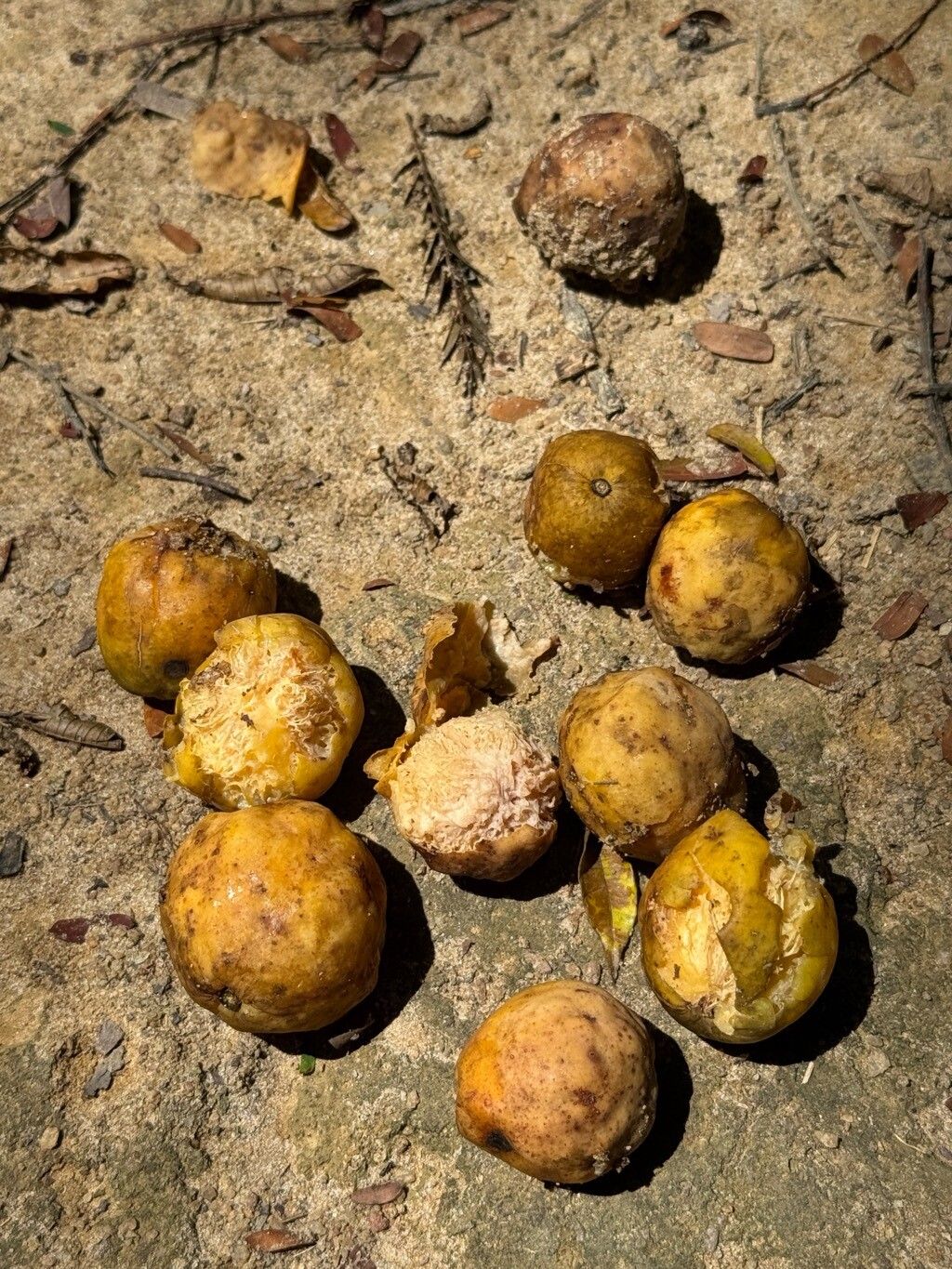
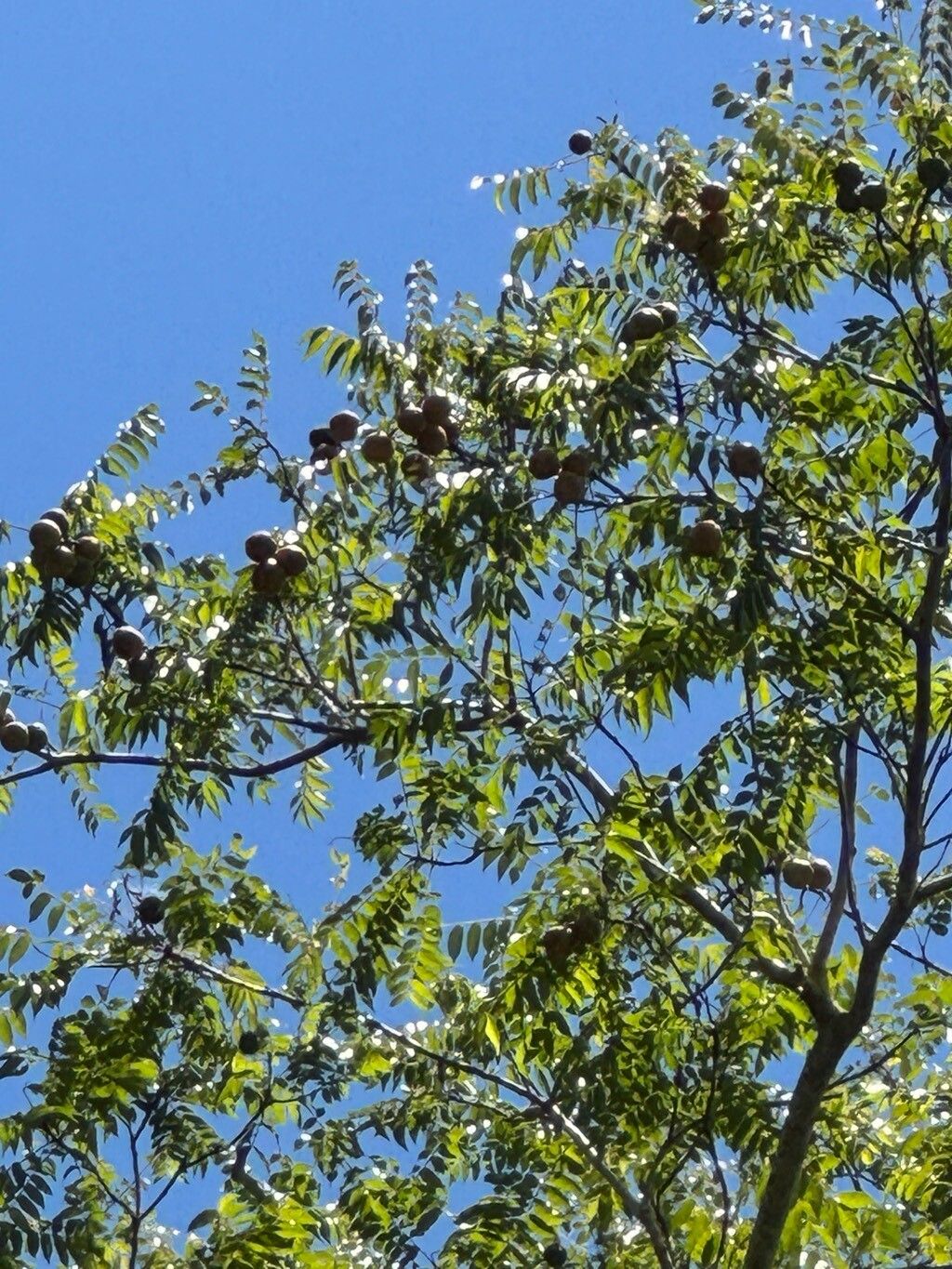
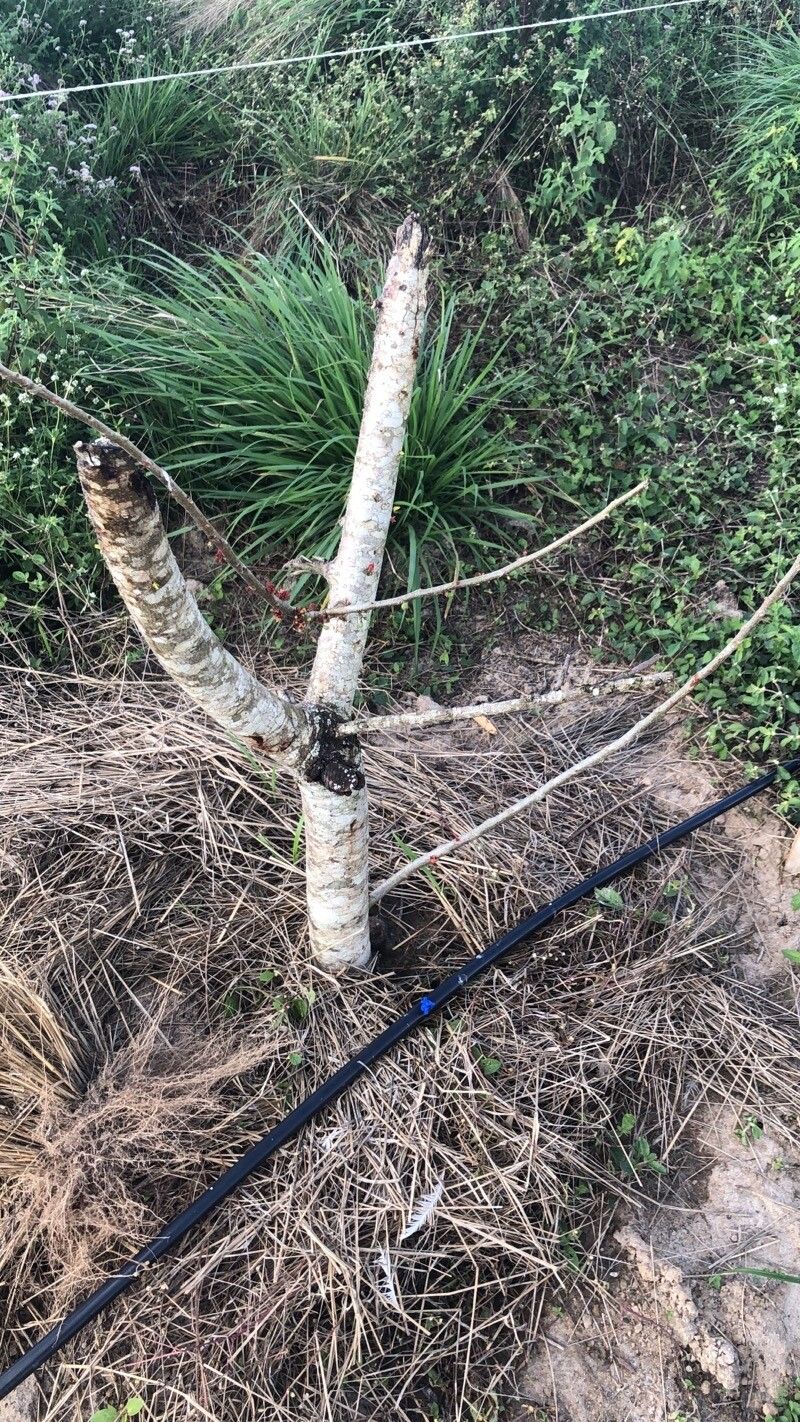
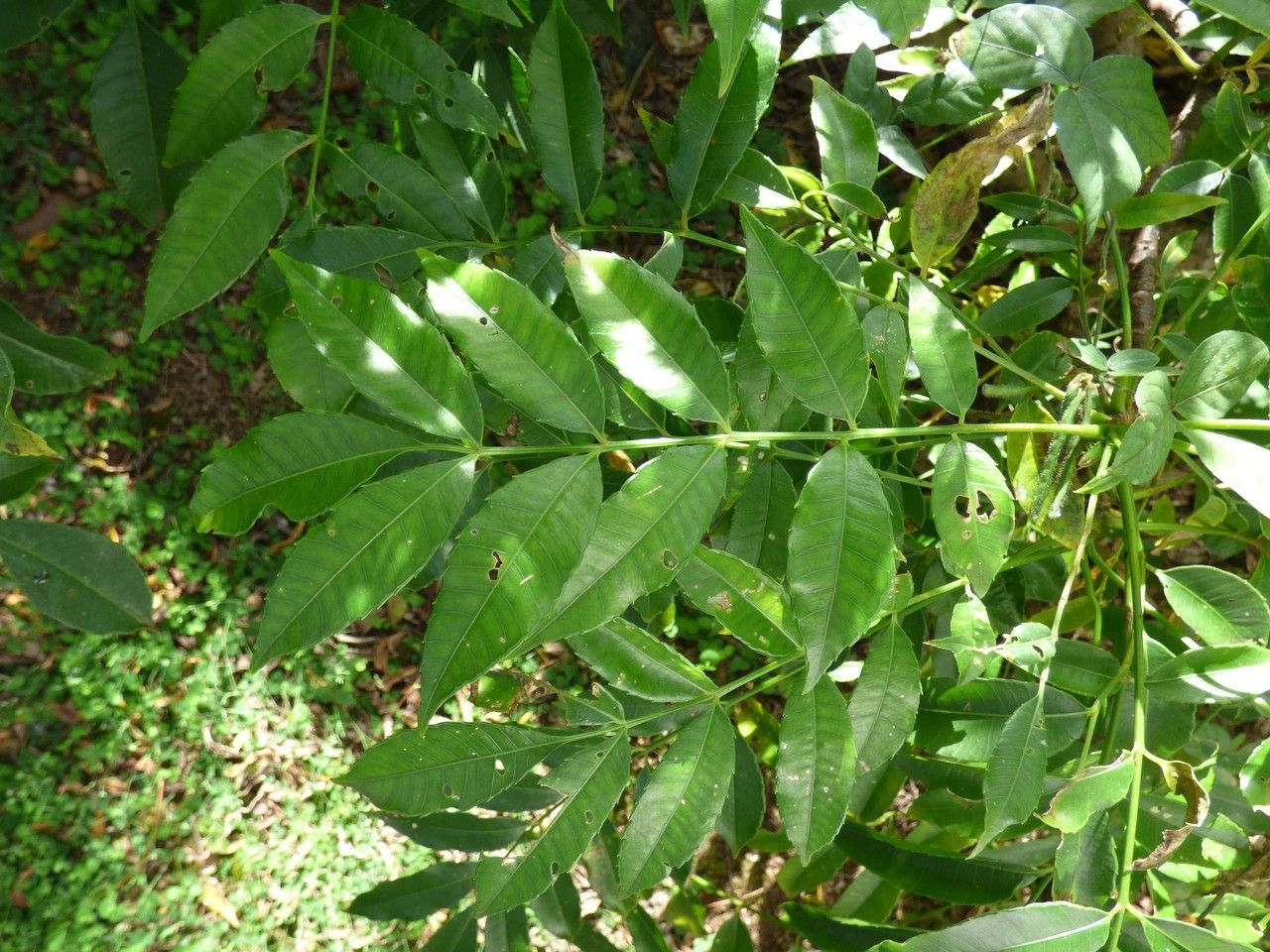
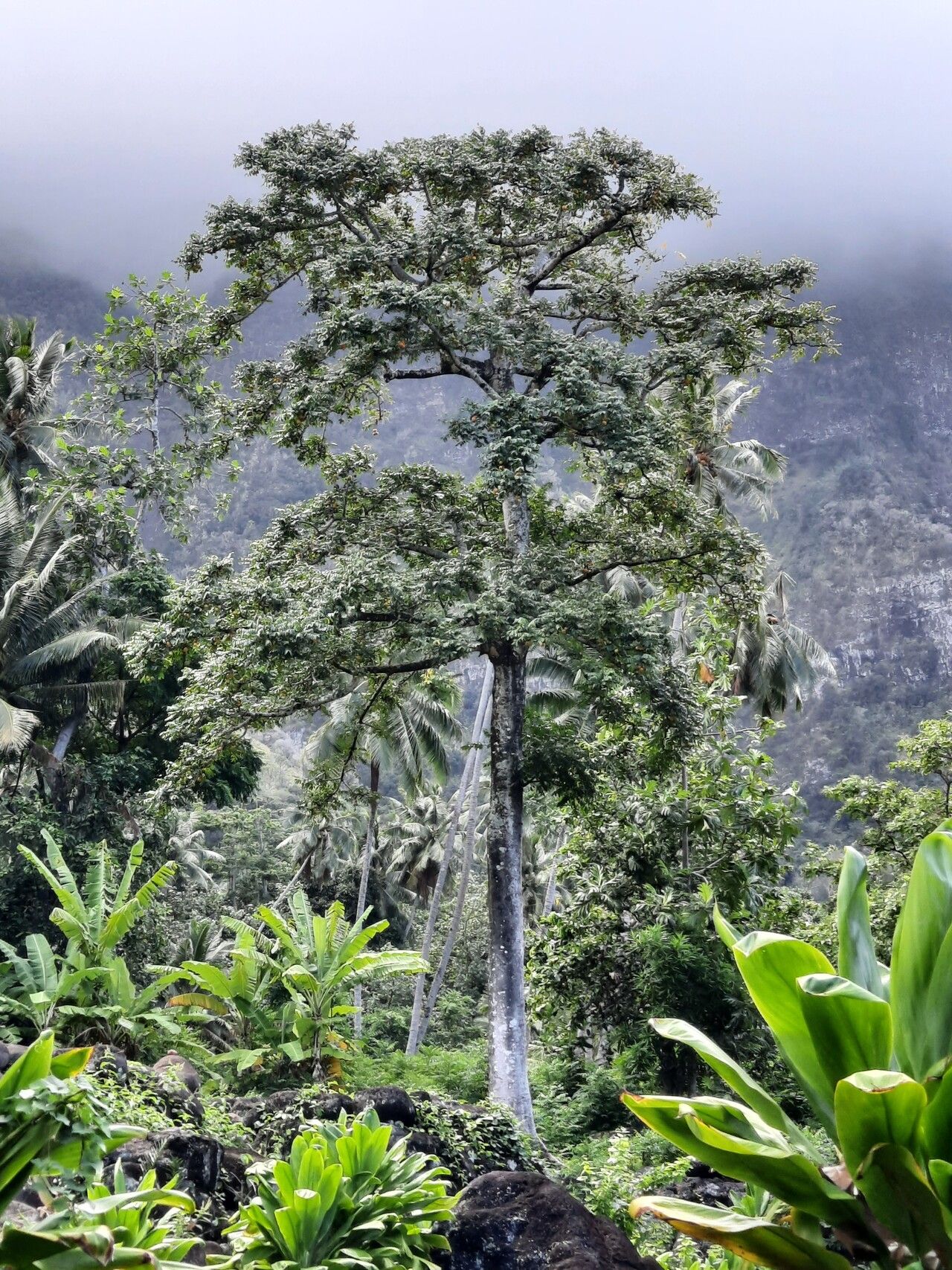
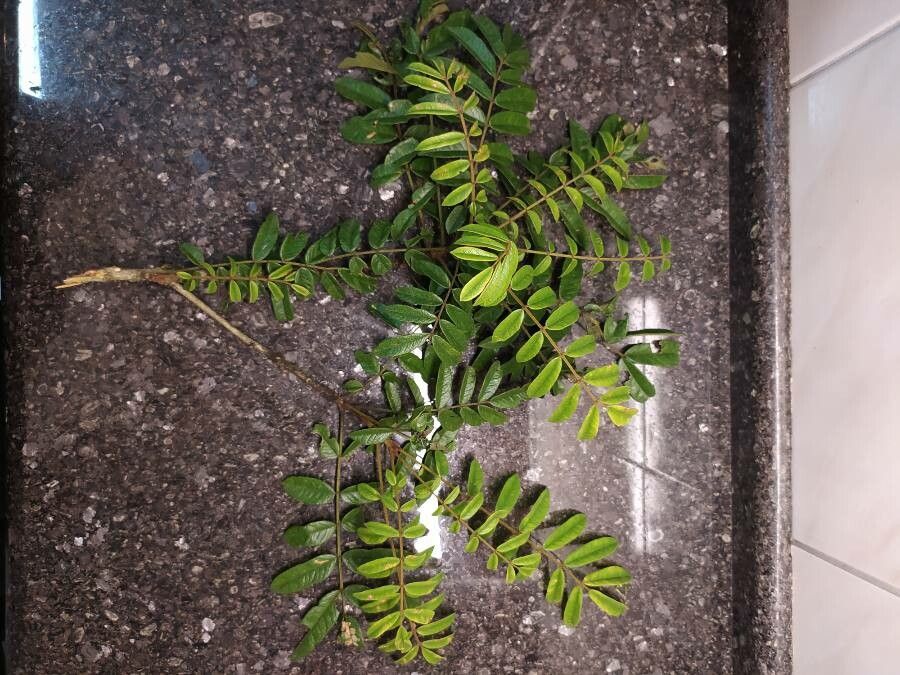
Jocote has strong resistance to disease and is usually not susceptible to illnesses. In terms of care, this plant is fairly low-maintenance. When grown outdoors it needs only minimal watering, and larger specimens generally do not require pruning. Smaller plants, however, should be pruned after they finish blooming. Jocotet is well-suited for anyone with an outdoor area, such as a garden or deck, and does not demand much prior care experience.
How to keep Spondias Macrocarpa.
Light
The jocote prospers in surroundings that receive constant sunlight. It uses the sun's energy for healthy growth, and its native habitat likewise indicates a preference for those conditions. Sufficient sun exposure encourages vegetation, but too much or too little light can be harmful.
Temperature
Jocote naturally occurs in habitats where temperatures fall between 68 and 100.4 °F (20 and 38 ℃). It performs best when temperatures are kept within that range. For optimal growth, adjustments may be necessary to accommodate seasonal temperature variations.
Fertilizer
Use organic fertilizer (for example, fish emulsion or compost) instead of chemical fertilizers for Jocote. Apply higher levels of nitrogen and phosphorus to young plants in spring. Incorporate compost or fertilizer before or after planting. For mature plants, supplement in spring with a balanced fertilizer or one aimed at specific deficiencies. Nutrient deficiency leads to small leaves, short branches, yellow/bronze leaves, acidic fruits, premature fruit drop, and splitting.
Botanical profile.
- Plant Type
- Tree, Shrub
- Life Cycle
- Perennial
- Hardiness Zone
- 10-12
- Mature Height
- 3.05 m to 14.94 m
- Mature Spread
- 14.94 m
- Leaf Color
- Green, Dark Green
- Leaf Type
- Evergreen
- Flower Color
- Pink, Red
- Flower Size
- 1.02 cm to 10.16 cm
- Bloom Time
- All year round
- Planting Time
- Spring, Autumn
- Harvest Time
- All year round
- Native Area
- Colombia, Belize, Honduras, Mexico, Guatemala, Venezuela, Brazil, El Salvador, Nicaragua, Costa Rica, Panama