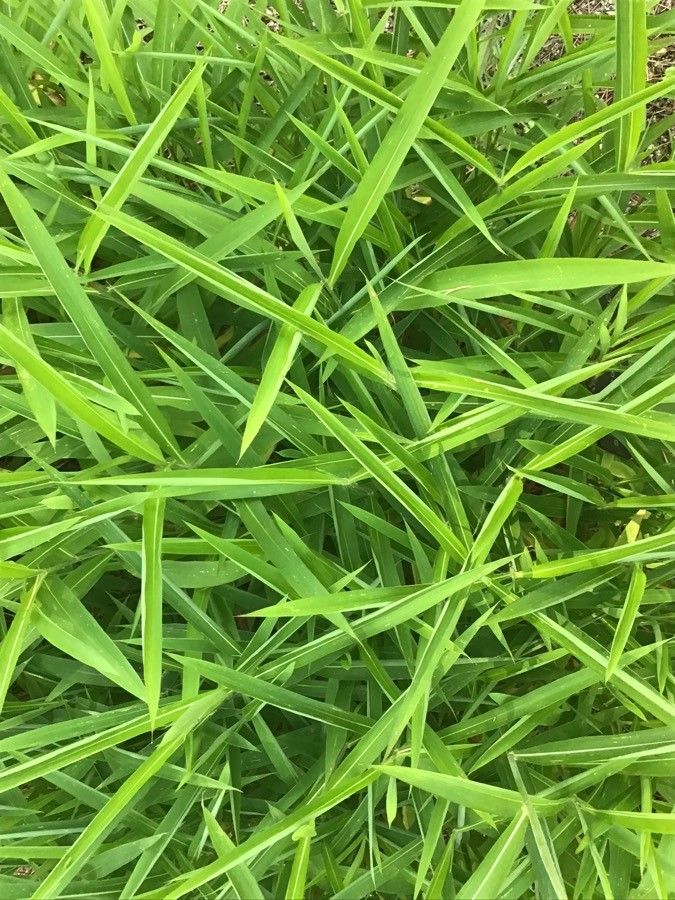
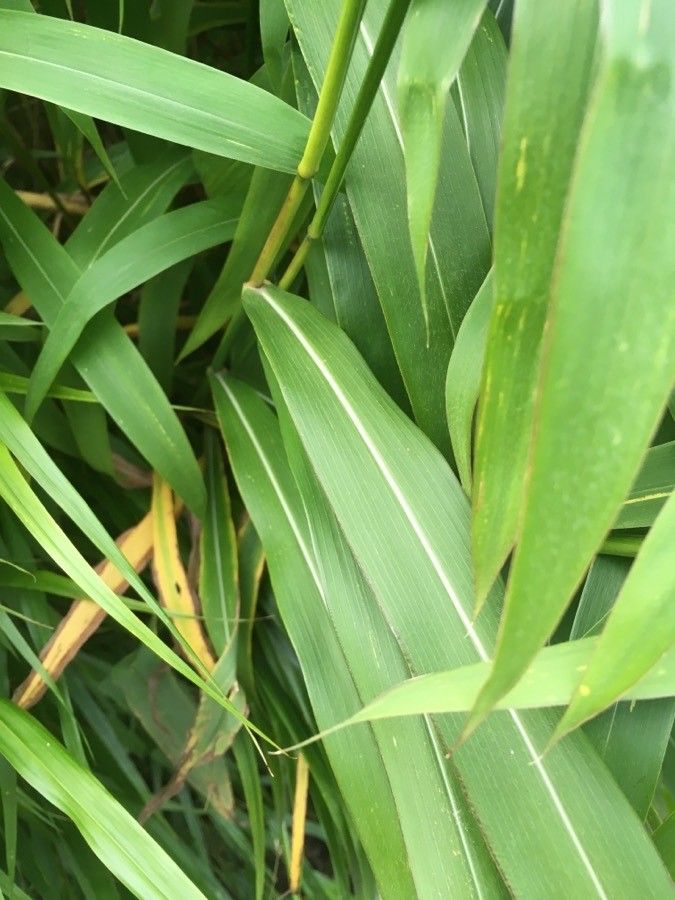
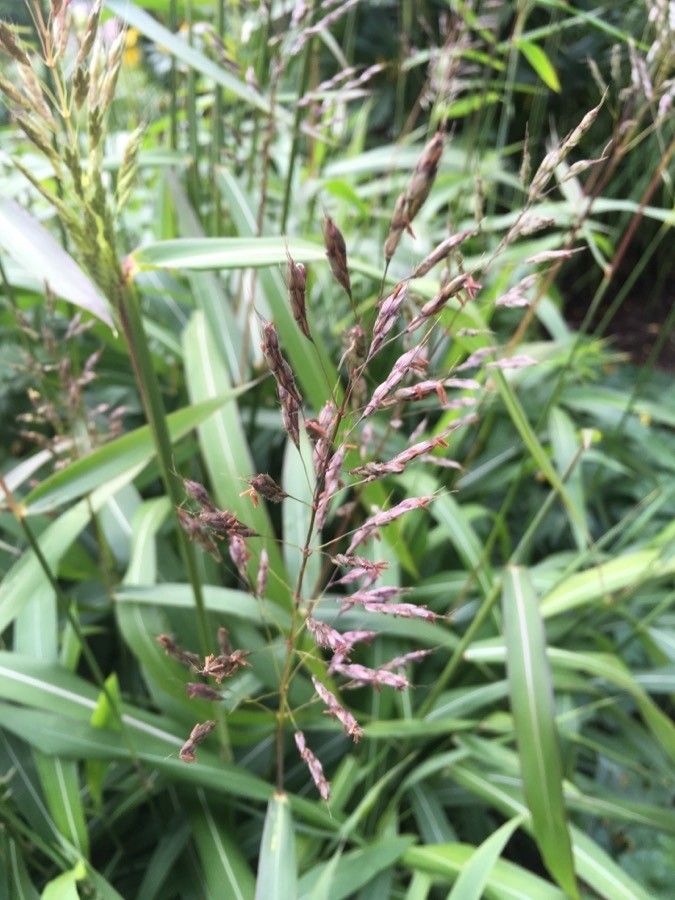
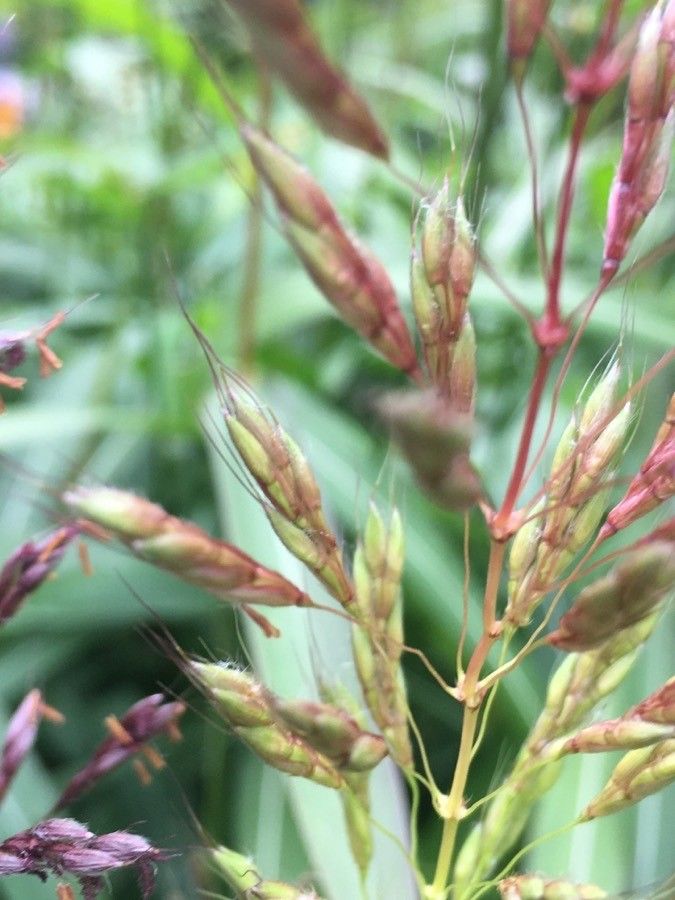
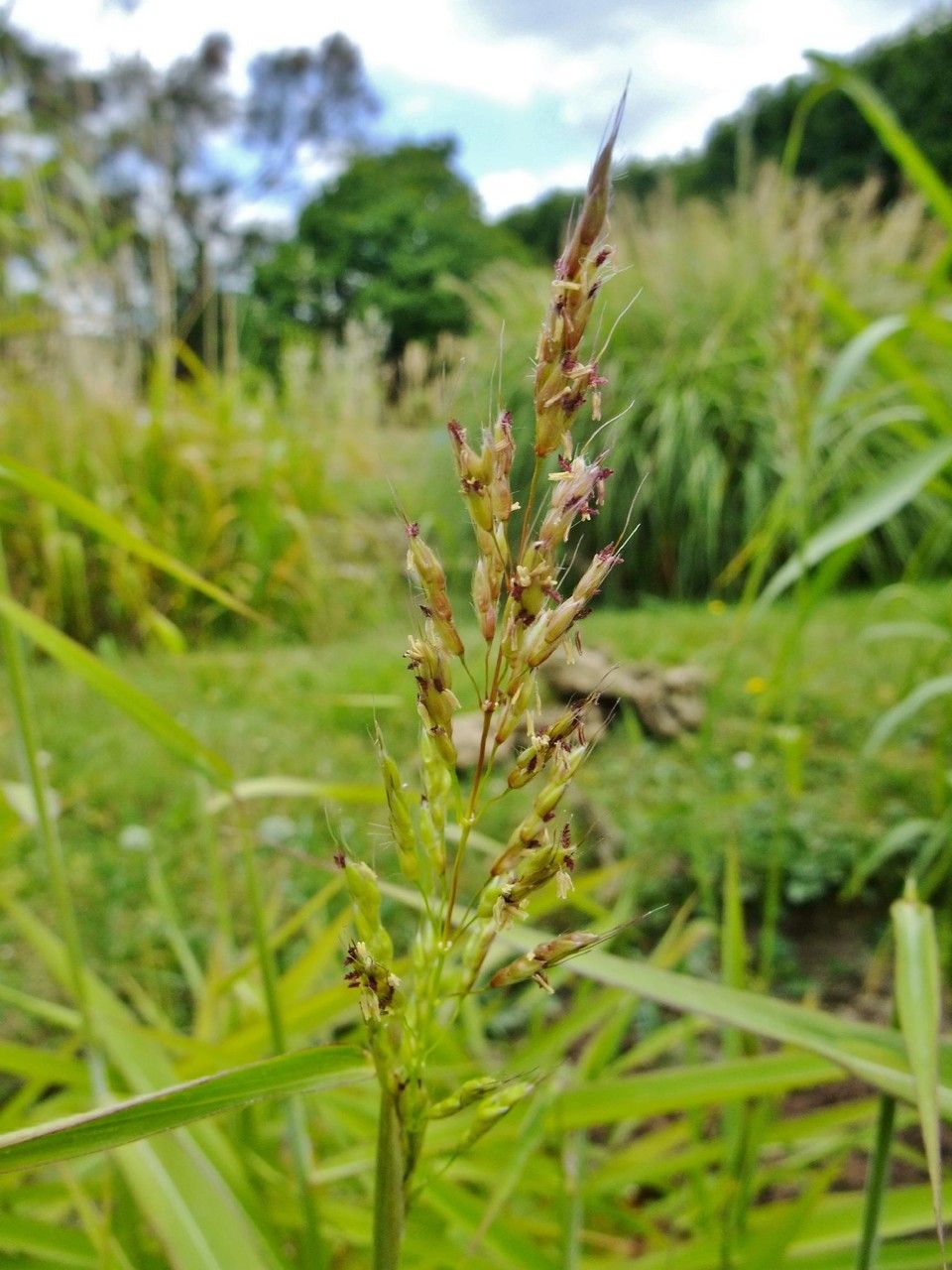
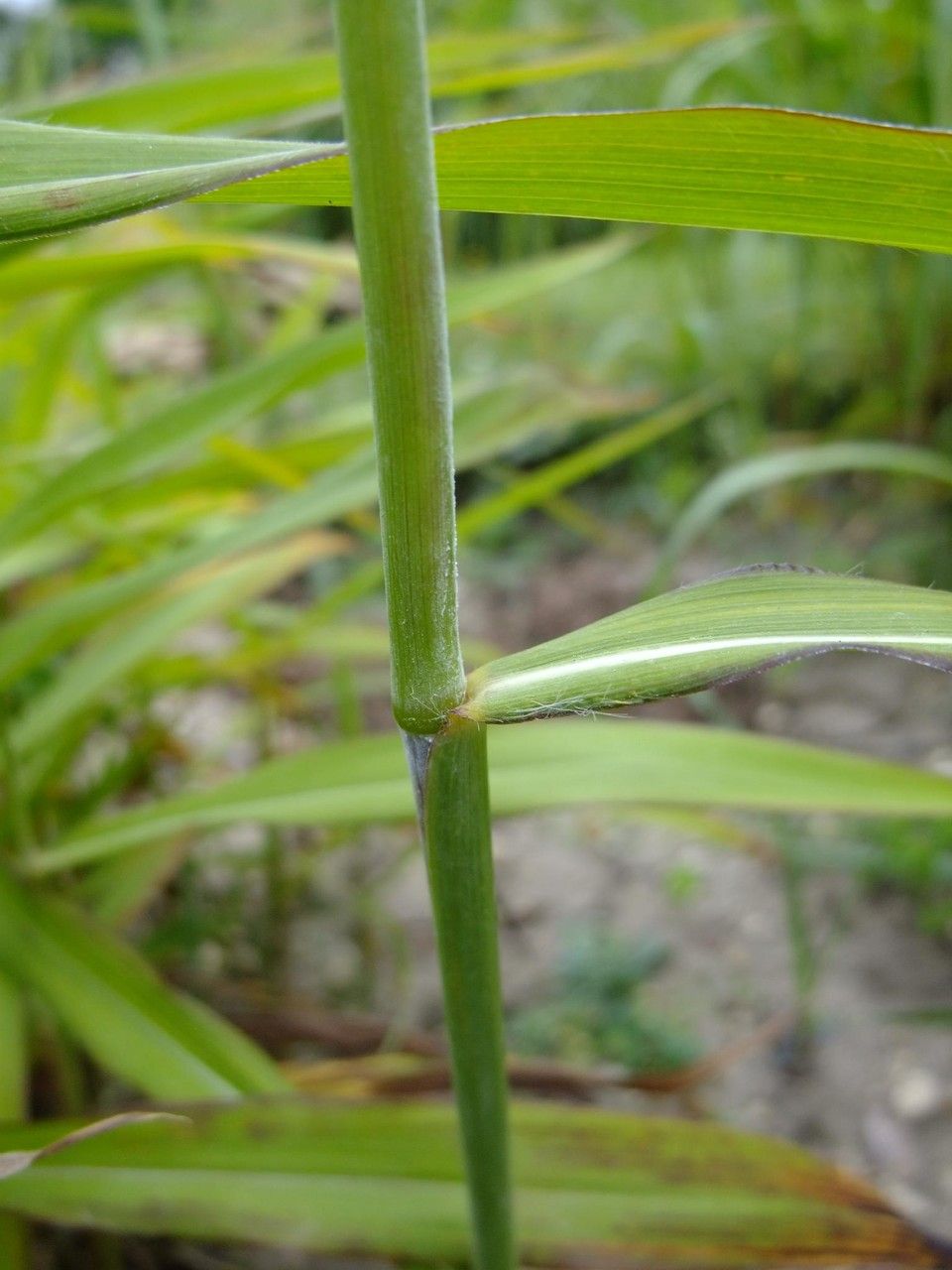
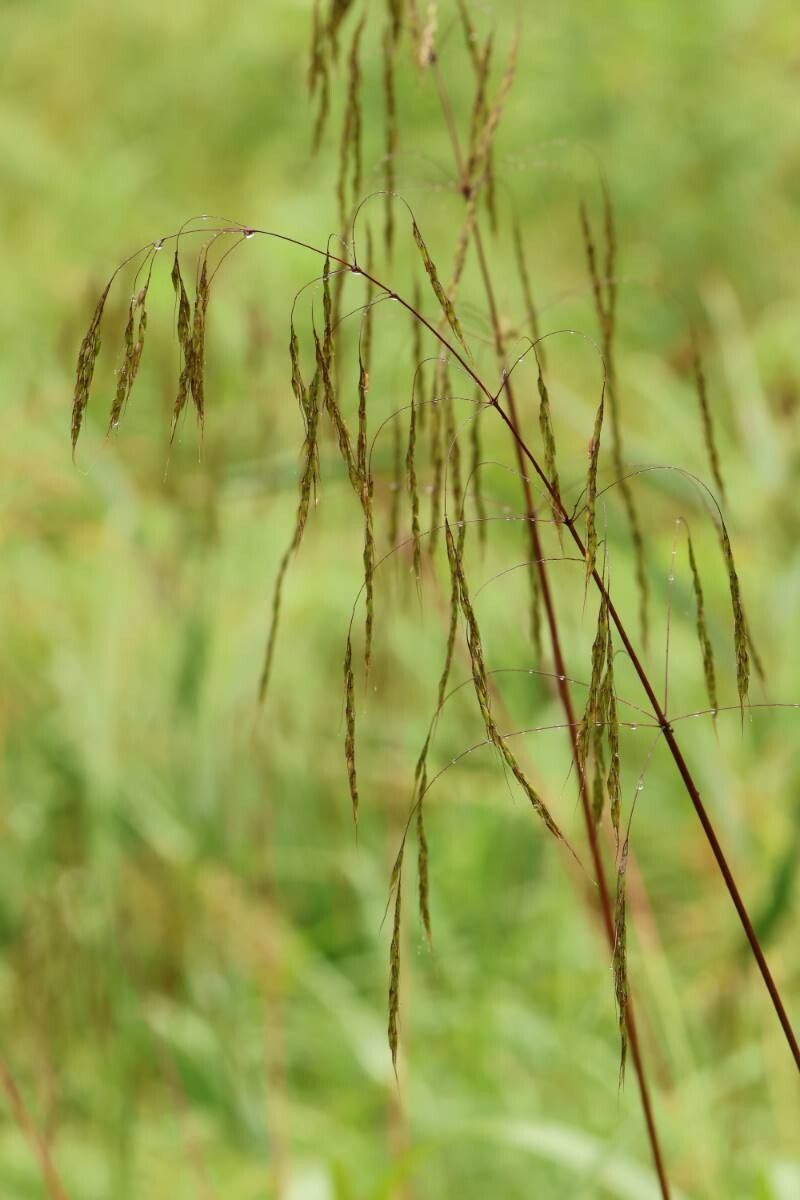
Spodiopogon sibiricus is a species of perennial grass in the family Poaceae. It is native to Siberia, Mongolia, China, Korea, and Japan. Culms are solitary, erect, 70–200 cm in height, 2–4 mm in diameter, and unbranched.
Frost grass has strong disease resistance and is typically not susceptible to illnesses. In terms of care, this plant is fairly low maintenance. Planted outdoors, it needs little watering, and larger plants usually do not require pruning. Smaller plants, however, should be pruned after they have finished blooming. Frost grass is suitable for anyone with an outdoor area, such as a garden or deck, and does not demand much experience in plant care.
How to keep Spodiopogon Sibiricus.
Light
Frost grass thrives in a setting that receives a steady, plentiful supply of sunlight. Its native habitat, where sun exposure is abundant, plays an important role in its healthy development. Across its various growth stages, ample light is necessary. Insufficient light leads to poor growth, while excessive exposure can also cause stress to frost grass.
Water
Frost grass thrives best in soils with consistent moisture but also shows moderate tolerance to drought conditions. To maintain the right moisture levels, it's recommended to water it once a week. This plant is well-suited for temperate regions and can adapt to changing weather patterns and natural rainfall, making it an excellent option for those seeking a low-maintenance garden.
Temperature
Frost grass occurs naturally in regions where temperatures range from 41 to 95 °F (5 to 35 ℃). Well adapted to moderate climates, it prefers mild temperatures during its growth period. Seasonal adjustments to temperature may be necessary to mimic its native conditions.
Fertilizer
Frost grass needs extra nutrients to encourage healthy new growth. In spring, spreading compost around the base of the plant will supply the nutrition it requires. Fertilizing supports robust growth and helps the plant resist diseases and pests.
Pruning
Frost grass, with its elegant, arching foliage, thrives when pruned in early spring. This helps remove damaged stems, encourages healthy growth, improves air circulation, and reduces the risk of disease. To avoid frost damage, refrain from pruning late in the season. By following these guidelines, you can ensure a lush display and long-lasting beauty in your ornamental garden.
Botanical profile.
- Plant Type
- Grass
- Life Cycle
- Perennial
- Genus
- Spodiopogon
- Family
- Poaceae
- Hardiness Zone
- 4-9
- Mature Height
- 0.91 m to 1.52 m
- Mature Spread
- 46 cm to 61 cm
- Leaf Color
- Green, Blue, Red
- Leaf Type
- Deciduous
- Flower Color
- Green, Purple, Red, Brown
- Flower Size
- 7.62 cm to 15.24 cm
- Bloom Time
- Mid summer, Late summer
- Planting Time
- Winter, Spring, Summer
- Harvest Time
- Late summer, Early fall, Mid fall
- Native Area
- Russia, Japan, Mongolia, Koppen, South Korea, China
Other names.
Reader questions.
What sunlight requirements does frost grass have?
Frost grass requires ample sunlight to thrive, with its ideal conditions being categorized into full sun and partial sun. Full sun constitutes above 6 hours of sunlight per day, whereas partial sun describes a sunlight exposure of about 3-6 hours daily. It's important to observe how sunlight navigates through your garden, choosing locations that ensure a harmonious balance of light and shade to foster the well-being of your plants.
What is the native environment of Frost grass?
Frost grass, also known by its botanical name Spodiopogon sibiricus, thrives in environments where temperatures range from 41 to 95°F (5 to 35°C). It adapts well to moderate climates and prefers moderate temperatures during its growing phase. Seasonal temperature adjustments might be needed to mimic its native conditions. Frost grass has a significant cold resistance, meaning special frost protection measures are not typically necessary during winter. However, if temperatures are expected to drop below -30°C, it's important to take steps to protect the plant, such as covering it with soil or straw and watering abundantly before the first freeze in autumn to keep the soil moist.
Why is sunlight essential for frost grass, and how can artificial lighting help?
Sunlight plays a crucial role in the healthy growth of frost grass, a plant that originates from environments with abundant sun exposure. Adequate sunlight is necessary across various growth stages of the plant, as insufficient light can hamper growth while too much can cause stress. For indoor plants where natural sunlight may be limited, especially during winter or in less sunny spaces, artificial lighting provides a beneficial alternative. LED lights are often chosen for their ability to supply specific wavelengths needed by plants. Full sun plants generally require 30-50W/sq ft of artificial light, partial sun plants need 20-30W/sq ft, and full shade plants should have 10-20W/sq ft. Placement should be 12-36 inches above the plant, with a light duration that mimics natural daylight hours, typically 8-12 hours per day.
How does Frost grass react to low temperatures?
Frost grass is highly tolerant to cold and performs best when the temperature stays above 5°C. During the winter, it is advisable to keep the temperature above -25°C to prevent damage. If temperatures fall below -30°C, you might not see any noticeable changes in the plant during winter; however, there could be a decrease in sprouting or even complete lack of sprouting during spring. To help the plant recover in spring, it is recommended to remove any parts that have failed to sprout.
What symptoms indicate inadequate lighting for frost grass?
Symptoms of insufficient lighting in frost grass may not be immediately noticeable but can become evident over time. These signs include smaller new leaves compared to mature ones, leggy or sparse growth, premature leaf drop, halted or no new growth, lighter-colored new leaves, and symptoms caused by excessive sunlight such as chlorosis, sunscald, leaf curling, wilting, and leaf scorching. These symptoms underscore the importance of providing frost grass with the right amount of sunlight.
What are the effects of high temperatures on Frost grass and how can they be mitigated?
Frost grass should be kept below 35°C during the summer to prevent heat stress. Exposing the plant to temperatures above 38°C can cause the leaves to lighten in color, curl, become prone to sunburn, and in severe cases, can lead to the entire plant wilting and drying up. To mitigate the effects of high temperatures, you should trim away any sunburned and dried parts of the plant. Moving the plant to an area with shade from the midday and afternoon sun or using a shade cloth can also be beneficial. Additionally, watering the plant in the morning and evening will help keep the soil moist and support the plant's health.
How can one mitigate lighting issues for frost grass?
To address lighting issues for frost grass, indoor plants can be gradually moved to receive at least 6 hours of direct sunlight daily, utilizing south-facing windows for optimal exposure. Artificial lighting, such as desk lamps or professional grow lights, can also supplement sunlight for large or immobile plants. Outdoors, plants should be moved progressively to sunnier spots to prevent sunburn, ensuring a careful adaptation to increased light intensity. Additionally, removing obstructions like tree branches that shade plants can improve sunlight access. For smaller plants, transplanting during their dormant period in late winter or early spring to a location with better sunlight and drainage can be beneficial. Note, however, that parts of the plant already affected by past insufficient sunlight may not recover, but new growth should be healthier post-adjustment.