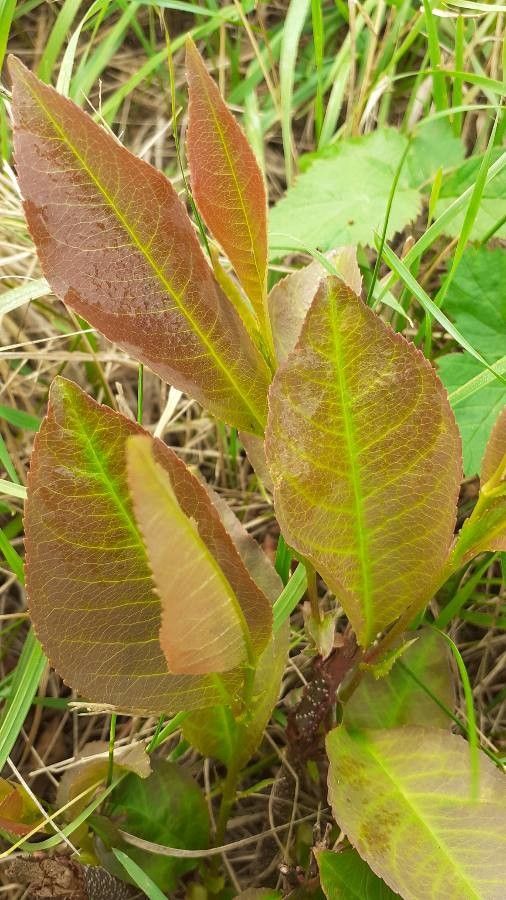
Spirostachys africana, commonly known as the Tamboti tree, is a slow-growing evergreen native to southern Africa. This tree can reach heights of up to 20 meters. Its bark is dark brown and deeply fissured, while its leaves are glossy green with a leathery texture.
In spring and summer, the Tamboti tree produces small, greenish-yellow flowers. These flowers are followed by small fruit capsules that contain seeds, which are dispersed by wind or animals.
The wood of the Tamboti tree is highly valued for its durability and resistance to termites. For centuries, indigenous people have used it to make furniture, carvings, and musical instruments.
However, caution is advised when handling this plant because it contains toxic compounds that can cause skin irritation or even blindness if ingested or exposed to open wounds.
Overall, Spirostachys africana is an important species in southern African ecosystems due to its ecological value and cultural significance.
Tamboti resists disease well and is generally not susceptible to illnesses. Regarding care, this plant is fairly low-maintenance. When grown outdoors it needs only light watering, and larger specimens typically do not require pruning. Smaller plants, however, should be pruned after they flower. Tambotit is suitable for anyone with an outdoor area, such as a garden or deck, and does not demand extensive experience in plant care.
How to keep Spirostachys Africana.
Light
Tamboti is native to open habitats, such as sunny meadows and forest margins, which supply abundant light. It does best in Full Sun but will tolerate Partial Sun, adapting well to a range of sunlight conditions.
Water
Tamboti, a plant native to arid regions, is highly drought-tolerant and thrives with minimal moisture. To mimic its natural environment, it should be watered once every 2 to 3 weeks. During the growing season, rainwater is particularly beneficial for tamboti, as it enhances its water cycle and supports healthy growth.
Temperature
Tamboti comes from tropical areas, where the climate is generally warm and humid. As a result, it is well suited to high temperatures and humidity. It does not tolerate sudden temperature changes and prefers a stable thermal environment, so it is important to prevent temperature fluctuations indoors. It typically cannot withstand cold temperatures and needs warmer conditions for growth. If the surrounding temperature falls too low, the plant may stop growing or even die.
Fertilizer
Fertilization is essential for caring for Tamboti. Regular feeding during the growing season sustains the energy for its showy leaves and supports overall growth. Failing to fertilize can lead to unhealthy leaves, reduced ornamental appeal, and stunted or weak growth that is prone to breaking.
Botanical profile.
- Plant Type
- Tree
- Life Cycle
- Perennial
- Genus
- Spirostachys
- Family
- Euphorbiaceae
- Hardiness Zone
- 10-12
- Mature Height
- 10.06 m to 20.12 m
- Mature Spread
- 4.88 m to 10.06 m
- Leaf Color
- Dark Green, Olive Drab
- Leaf Type
- Deciduous
- Flower Size
- 0.25 cm to 0.51 cm
- Bloom Time
- Early fall, Mid fall
- Planting Time
- Spring, Summer, Autumn
- Harvest Time
- Late fall, Early winter