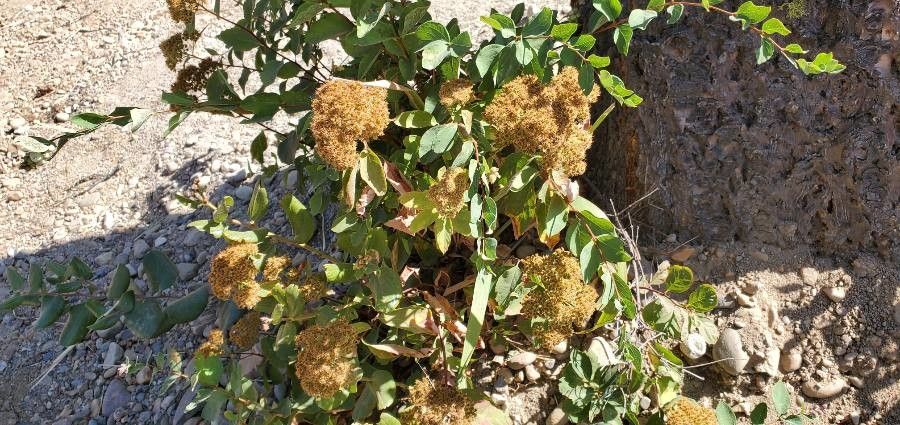
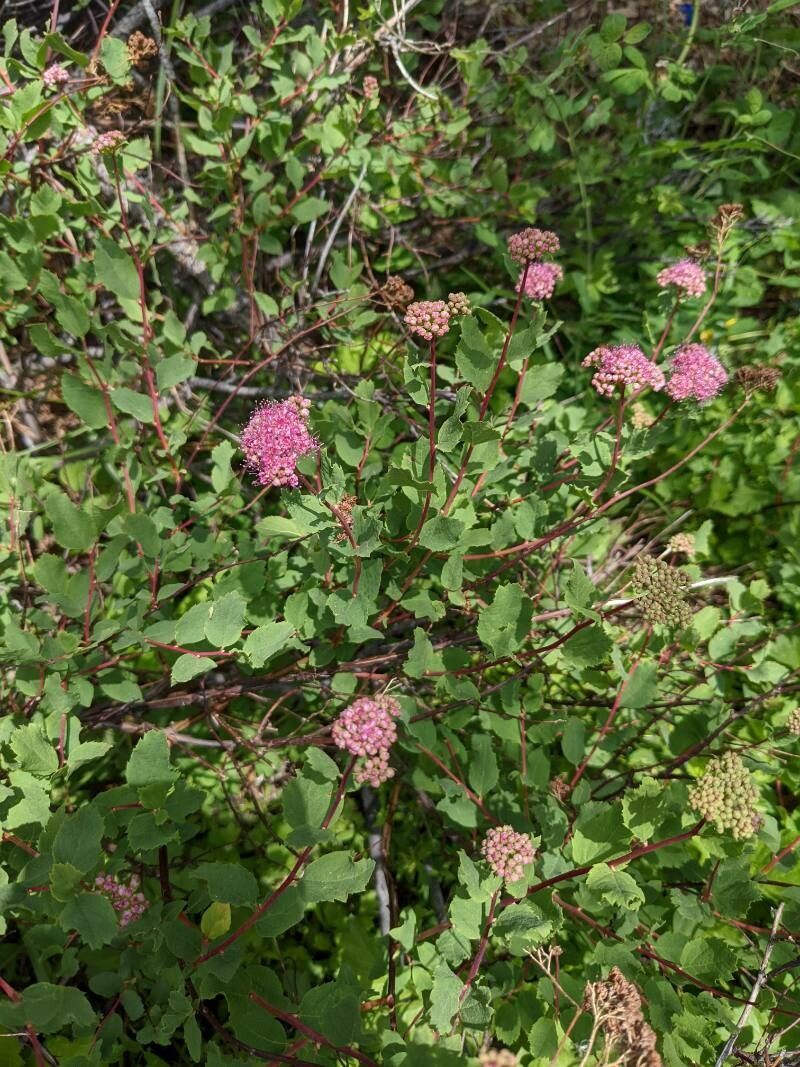
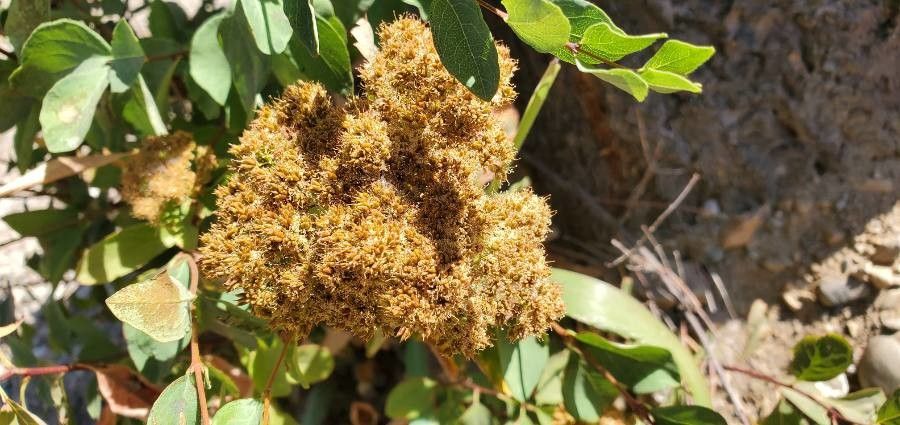
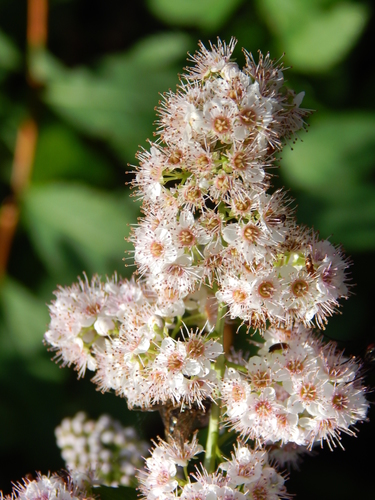
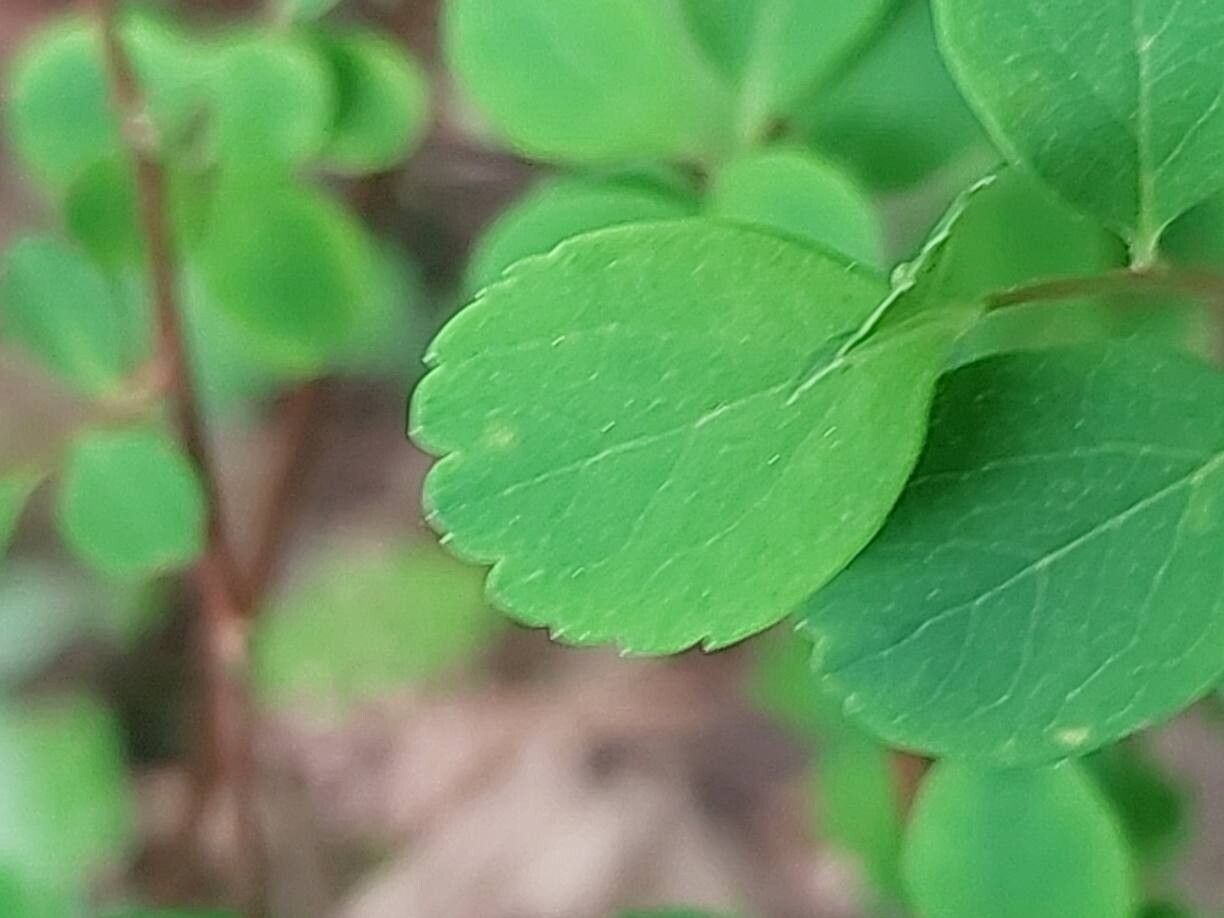
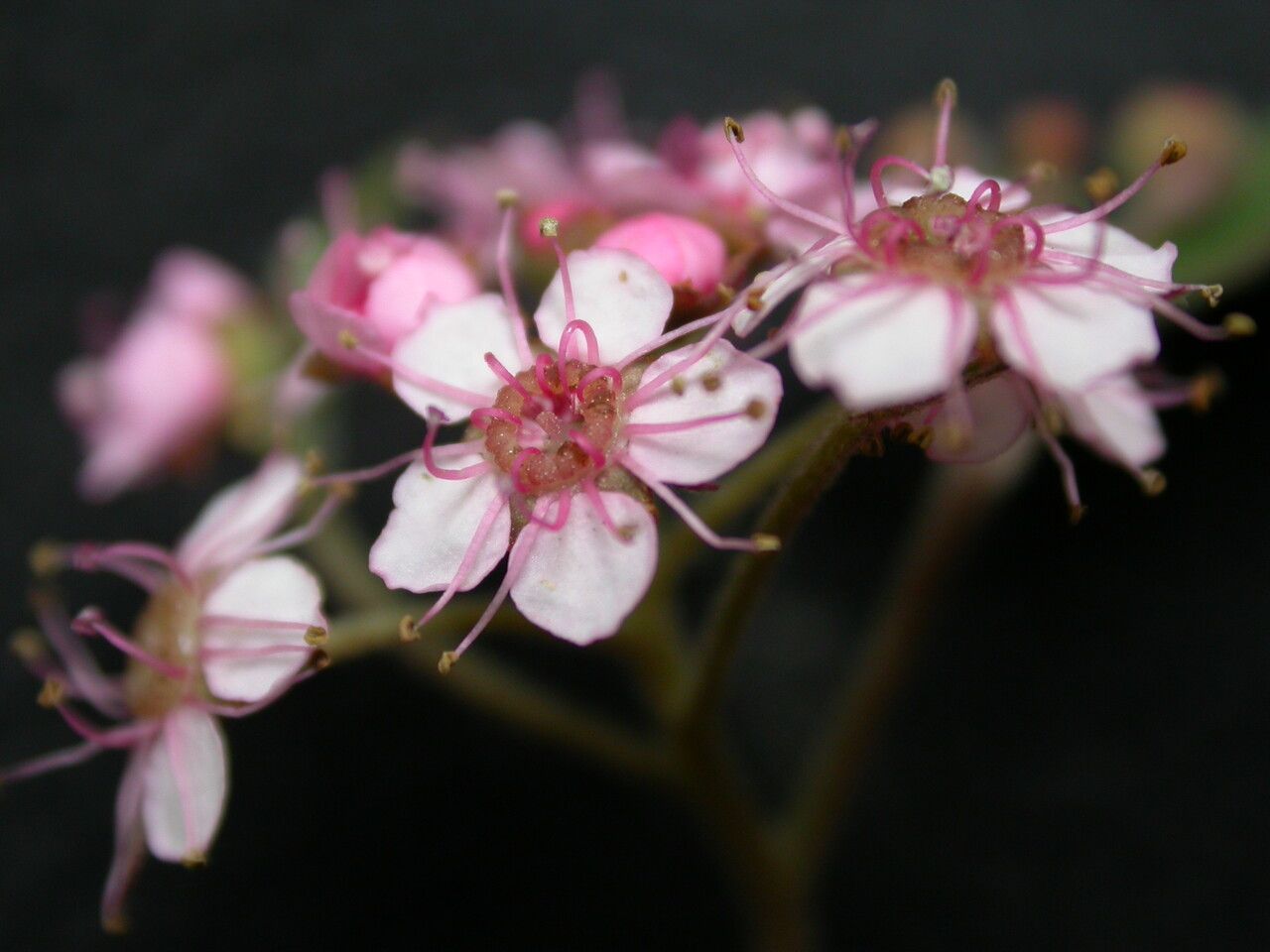
Spiraea splendens is a shrub of the rose family (Rosaceae) native to the western mountains of North America, from California to British Columbia, commonly known as dense-flowered spiraea, rose meadowsweet, rosy spiraea, subalpine spiraea, and mountain spiraea. It is commonly found at elevations between 2,000 and 11,000 feet on inland mountain ranges. The plant is adapted to cold, moist, rocky slopes, subalpine forests and meadows.It is a woody shrub rarely reaching a meter in height. It has light green toothed leaves which turn yellow as cold weather approaches. The plant bears fragrant, fuzzy pom-poms of bright rosy pink flowers in the summer. The fruit is a tiny dry pod, no more than one eighth of an inch in length. Native Americans made a tea-like drink from the leaves.
How to keep Spiraea Splendens.
Light
Rose meadowsweet prospers in unobstructed light and favors abundant sunlight. Its native environments are places rich in daylight, which reflects that preference. With too little sun, its growth may be suppressed, resulting in poor flowering or reduced overall vigor. Conversely, excessive exposure can lead to issues such as scorched foliage.
Water
Rose meadowsweet thrives in moist, well-drained soil commonly found in alpine meadows. This plant requires watering every three weeks. It adapts well to different temperatures, making it ideal for outdoor cultivation. Additionally, it can endure short periods of dryness, demonstrating a balanced need for water.
Temperature
Rose meadowsweet is native to regions where temperatures range from 41 to 90 °F (5 to 32 °C). It prefers moderate conditions but can adapt to temperature variations across seasons. During exceptionally hot or cold spells, close monitoring is recommended.
Fertilizer
Timing is essential for fertilizing Rose meadowsweet. Apply fertilizer in early spring and continue monthly until early summer. Fertilizer promotes attractive blooms and supplies energy during both dormant and active growth phases.
Pruning
The rose meadowsweet is known for its vibrant pink blooms, and it benefits greatly from early spring pruning. Important practices for maintaining its health include removing dead wood and thinning the plant to improve air circulation. Pruning at this time encourages growth, reduces the risk of disease, and helps preserve the plant's structure, ensuring both its health and ornamental appeal. Additionally, regular light pruning helps maintain its size and shape.
Botanical profile.
- Plant Type
- Shrub
- Life Cycle
- Perennial
- Genus
- Spiraea
- Family
- Rosaceae
- Hardiness Zone
- 5-7
- Mature Height
- 30 cm to 61 cm
- Mature Spread
- 1.22 m
- Leaf Color
- Dark Green, Forest Green
- Leaf Type
- Deciduous
- Flower Color
- Pink
- Flower Size
- 2.54 cm
- Bloom Time
- Early summer, Mid summer
- Planting Time
- Spring, Autumn
- Harvest Time
- Mid summer
Other names.
Reader questions.
What are the sun requirements for Rose Meadowsweet?
Rose Meadowsweet thrives best in full sun, requiring more than 6 hours of sunlight daily. It can also grow in partial sun, which means about 3-6 hours of sunlight. It's important to observe how sunlight moves through your garden, selecting spots that offer the right balance of light and shade to ensure the health and happiness of your plants.
What is the native climate zone for Rose Meadowsweet?
Rose meadowsweet is native to climate zones where temperatures range from 41 to 90 °F (5 to 32 °C). It thrives within these moderate conditions but is adaptable to varying temperatures across different seasons. However, during extremely hot or cold periods, it's advisable to monitor the plant closely to ensure its health and vitality.
What are the essential growing conditions for Rose Meadowsweet?
Rose Meadowsweet luxuriates in ample sun exposure, favoring thriving in areas abundant in daylight. Its growth can be hindered by insufficient sunlight, leading to failed blooming or poor health. On the other hand, too much exposure can cause issues like scorched foliage. For indoor plants that lack natural sunlight, artificial lighting such as LED lights can be a crucial solution. Depending on the light requirements, full sun plants need 30-50W/sq ft, partial sun plants need 20-30W/sq ft, and full shade plants require 10-20W/sq ft of artificial light. The light should be placed 12-36 inches above the plant, and most plants benefit from 8-12 hours of light per day.
How does Rose Meadowsweet respond to extremely cold temperatures?
Rose meadowsweet is highly tolerant of cold temperatures and does not require additional measures for frost protection during the winter. However, to prepare for the first freeze of autumn, it's recommended to water the plant generously. This step helps the soil stay moist and freeze, providing the plant with a buffer against drought and water scarcity during the winter and early spring months.
What are the symptoms of insufficient or excessive sunlight in Rose Meadowsweet?
Under insufficient sunlight, Rose Meadowsweet might show symptoms such as smaller new leaves, leggy or sparse growth, faster leaf drop, slower or no new growth, lighter-colored new leaves. Excessive sunlight can cause symptoms like chlorosis (leaves turning yellow), sunscald (damaged leaves or stems from intense sunlight), leaf curling, wilting, and leaf scorching (brown, dry, crispy edges on leaves). These indicate either a lack of adequate light or overexposure, affecting the plant's photosynthesis process and overall health.
What should be done if Rose Meadowsweet experiences temperatures below -25°C?
If Rose meadowsweet experiences temperatures below -25°C, the plant remains surprisingly resilient during winter, but you might observe its branches becoming brittle and dry come spring, with no new shoots appearing. In such cases, the advisable course of action is to prune away any dead branches that have failed to produce new growth in the spring.
What solutions can remedy the sunlight-related issues faced by Rose Meadowsweet?
To ensure optimal growth for indoor Rose Meadowsweet, gradually move plants to sunnier locations to achieve at least 6 hours of direct sunlight daily. Using south-facing windows or artificial plant grow lights can help. For outdoor plants, gradually adapt them to more sunlight while avoiding sudden changes to prevent sunburn. Removing obstructions or transplanting smaller plants to sunnier locations with good drainage can also be beneficial. Note, affected parts may not recover, but new growth should be healthy with proper light exposure.
How does Rose Meadowsweet react to high temperatures?
Rose meadowsweet struggles in high temperatures, particularly when the mercury climbs above 32°C. Under such conditions, the plant might undergo significant leaf drop, and in severe cases, it could wither and die. To mitigate damage from high temperatures, sunburned and dried parts should be trimmed away. Moving the plant to a shaded location or employing a shade cloth can protect it from the harsh midday and afternoon sun. Moreover, watering the plant during the cooler morning and evening hours is crucial to keep the soil adequately moist.