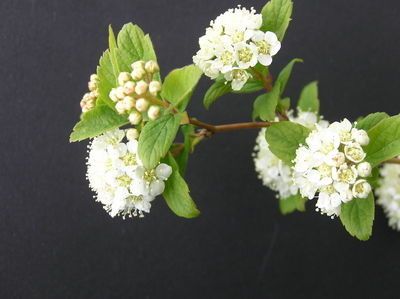
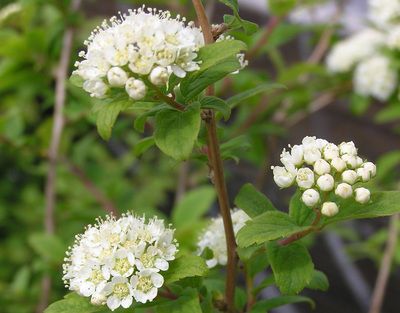
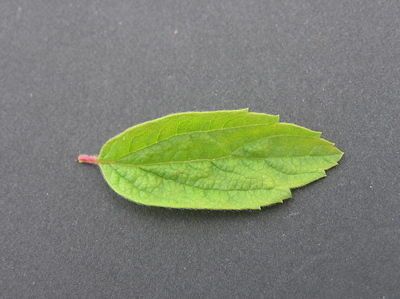
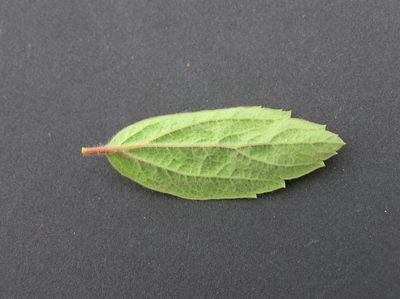
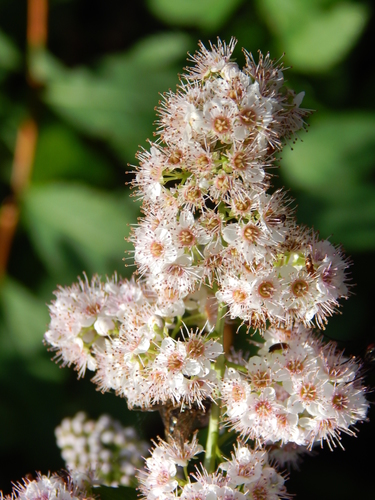
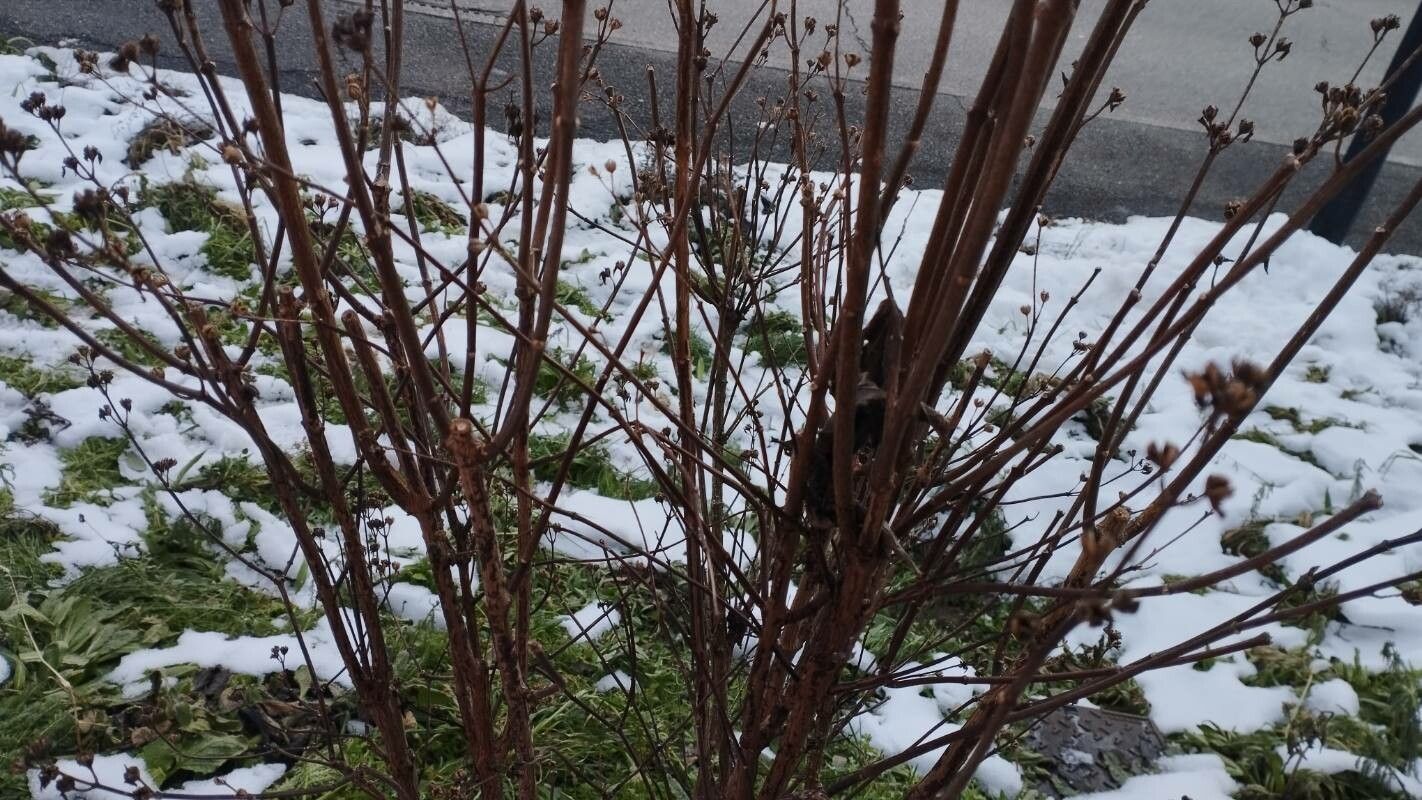
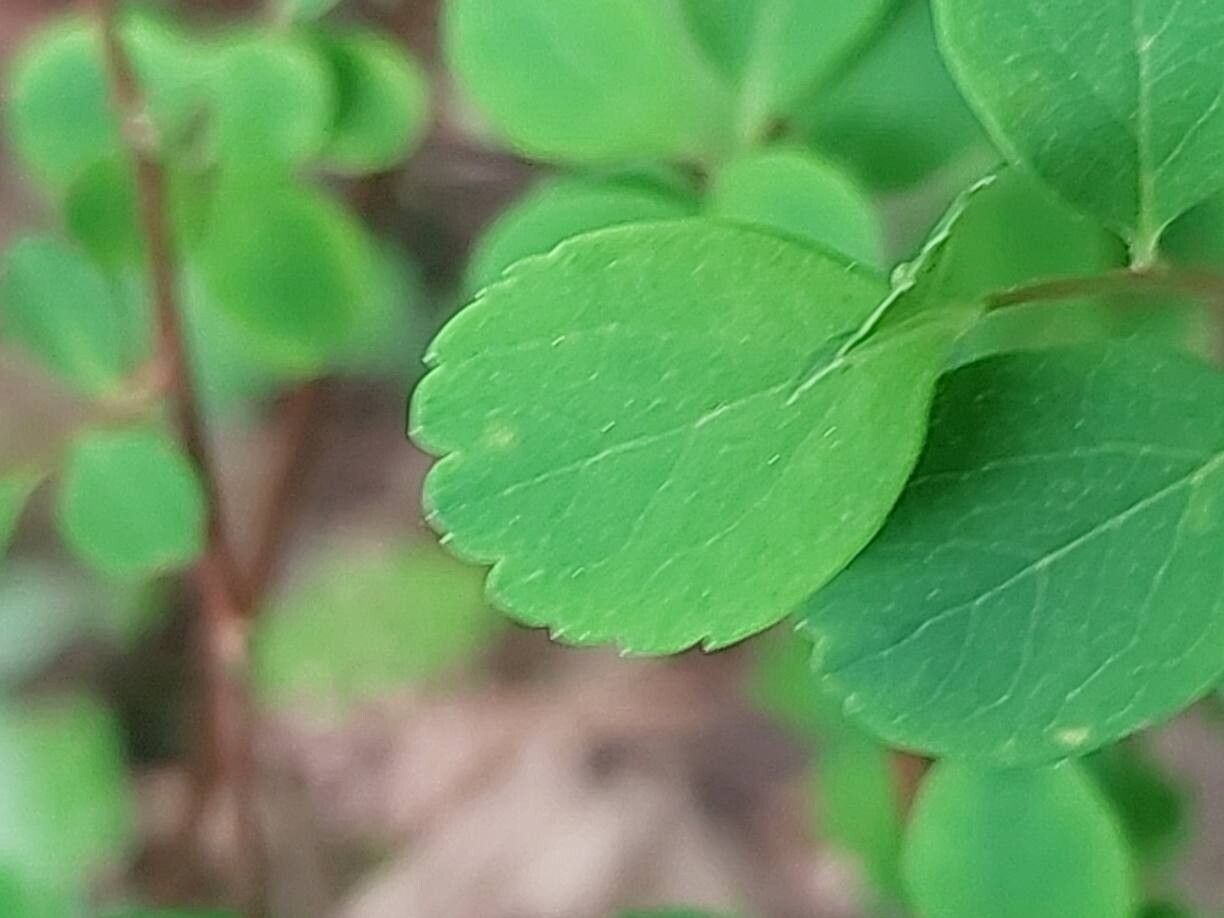
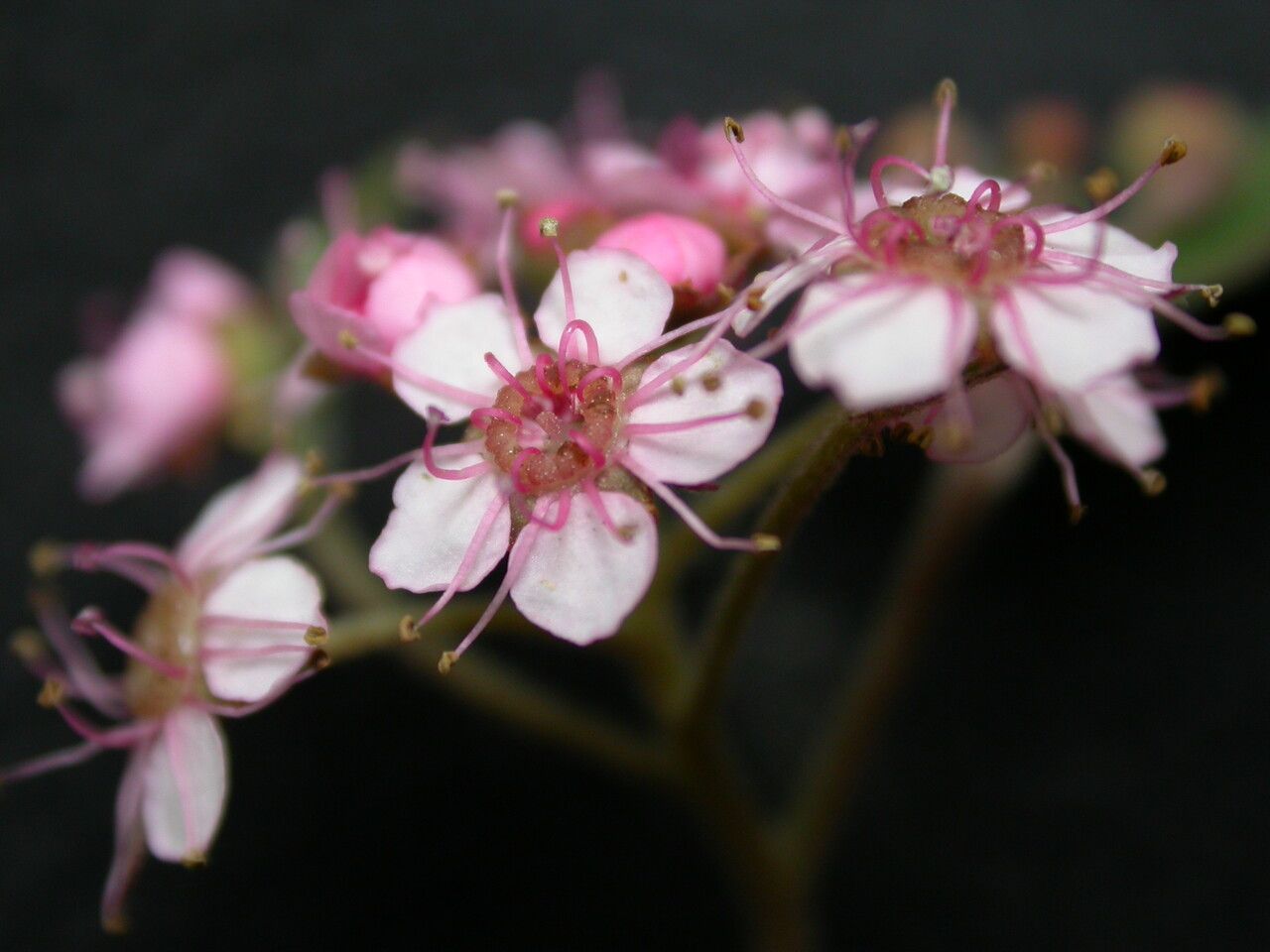
Dropwort is fairly disease-resistant and generally does not suffer from frequent illnesses. However, it can be vulnerable to pests and local diseases; such infections are usually mild. Care-wise, the plant requires moderate maintenance. Regular pruning is needed to keep a neat appearance and support healthy growth. Fertilizing can also encourage flowering. Dropwort is well suited for anyone with outdoor space, such as a garden or patio, and does not demand extensive care experience. It may need more attention when grown indoors.
How to keep Spiraea Pubescens.
Light
For optimal health, Dropwort greatly benefits from extensive exposure to sunlight. It originates from sunny environments and although it can adjust to areas with less sunlight, it flourishes best in locations with generous amounts of light throughout the day. Any imbalance in light exposure could potentially have a detrimental effect on the plant's growth and stability. Therefore, ensuring the plant receives the correct amount of sunlight is crucial.
Temperature
Dropwort is indigenous to temperate zones and thrives best in a moderate weather condition. It has the ability to tolerate a temperature range of 32 to 95°F (0 to 35℃), which showcases its adaptability. During seasons with lower or higher temperatures, establishing a consistent microclimate proves advantageous.
Fertilizer
The optimal time to fertilize Dropwort is at the onset of spring when it begins to form flowers. Using the appropriate fertilizer enhances the quality of blooms and enables Dropwort to produce beautiful flowers. Applying fertilizer in the early spring facilitates the growth of splendid flowers throughout the season and supplies the necessary energy required for latent growth phases.
Pruning
Spiraea pubescens is a deciduous shrub characterized by its arching stems and small flowers. To maintain its health and appearance, prune it in early spring. Focus on removing dead wood and thinning crowded branches to improve air flow and structure. Always use clean, sharp tools to make precise cuts and prevent disease.
Botanical profile.
- Plant Type
- Herb
- Life Cycle
- Perennial
- Genus
- Spiraea
- Family
- Rosaceae
- Hardiness Zone
- 3-10
- Mature Height
- 20 cm to 49 cm
- Mature Spread
- 37 cm to 46 cm
- Leaf Color
- Green, Blue
- Leaf Type
- Deciduous
- Flower Color
- White
- Flower Size
- 0.51 cm to 0.76 cm
- Bloom Time
- Late spring, Early summer, Mid summer
- Planting Time
- Spring, Summer, Autumn
- Harvest Time
- Mid summer
- Native Area
- Turkey, Sweden, Austria, Slovakia, Montenegro, Slovenia, Morocco, Croatia, Belarus, Russia, Germany, Estonia, Romania, Latvia, Belgium, Portugal, Netherlands, France, Czech Republic, Bulgaria, Poland, Greece, Ukraine, Serbia, Lithuania, Norway, Kyrgyzstan, Kazakhstan, Italy, Spain, Switzerland, Denmark, Finland, Iran, Albania, Ireland, United Kingdom, Hungary, Algeria
Reader questions.
What are the sunlight requirements for Spiraea pubescens?
Spiraea pubescens, also known by its botanical name Spiraea pubescens, thrives in areas that receive different amounts of sunlight throughout the day. For optimal growth, it requires full sun, which is defined as more than 6 hours of sunlight daily. However, it can also grow well in partial sun, which means it should receive about 3-6 hours of sunlight. It's important to observe how sunlight moves through your garden to identify spots that offer a perfect balance of light and shade, ensuring the plants stay happy and healthy.