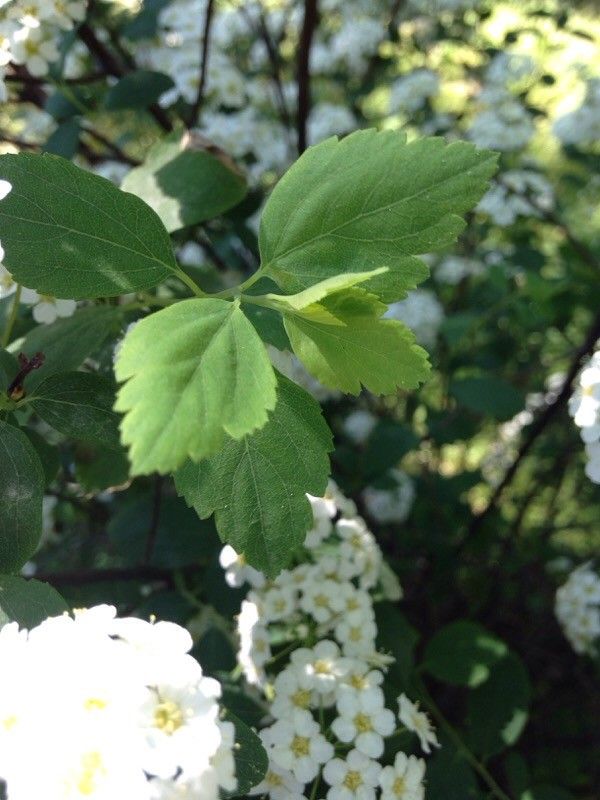
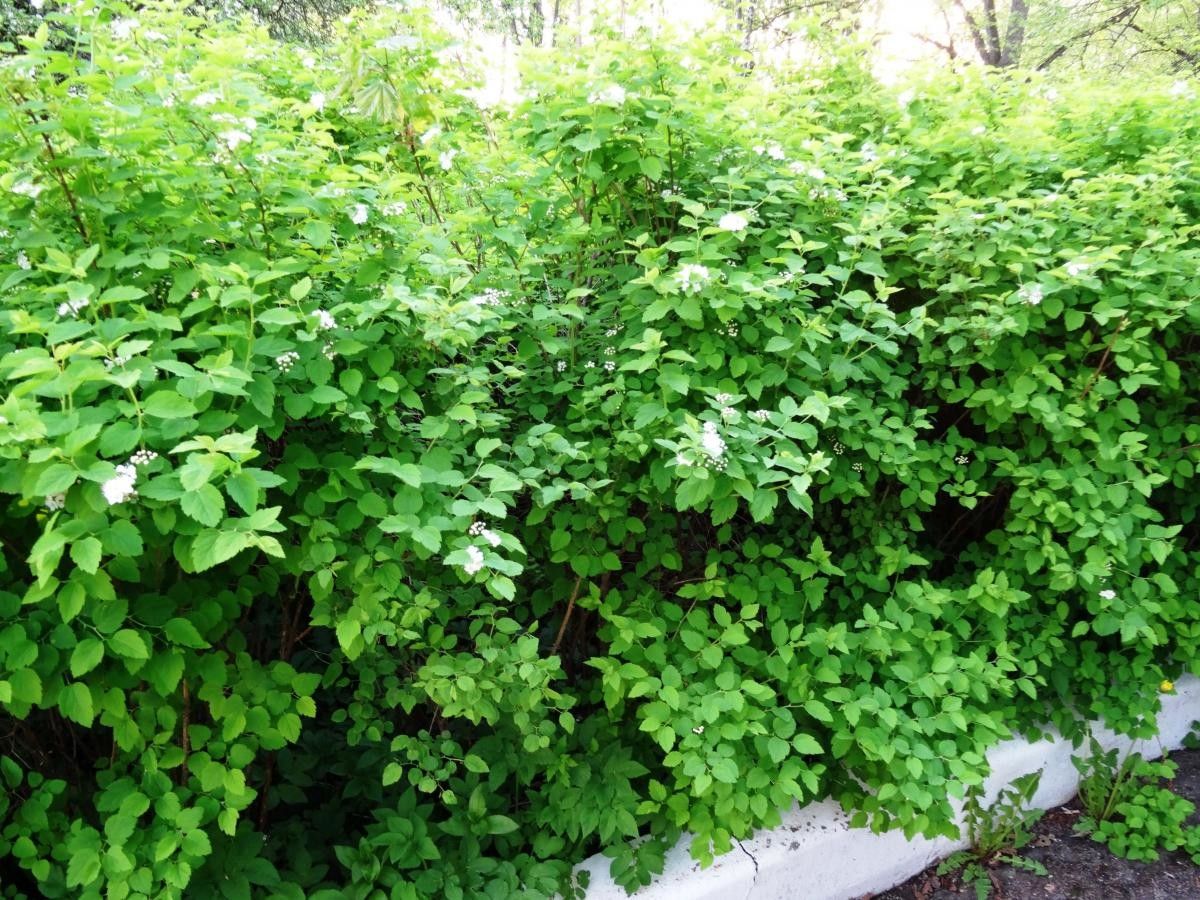
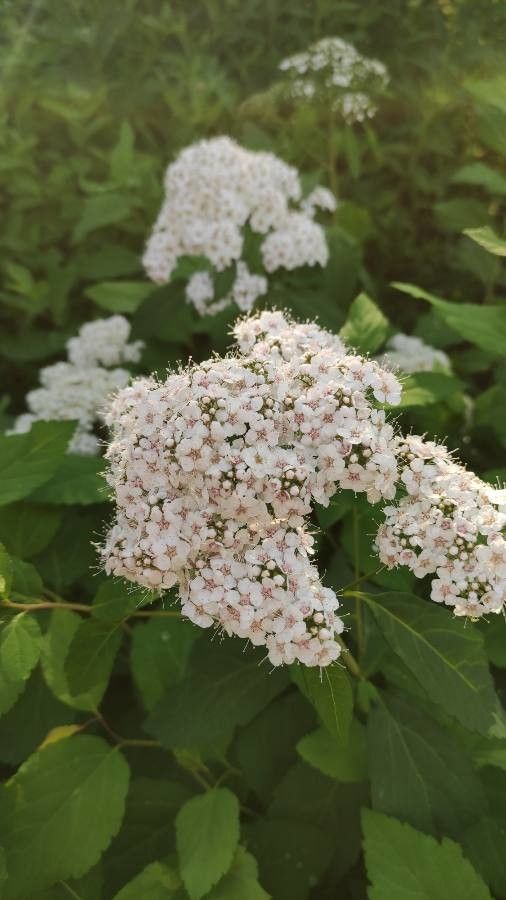
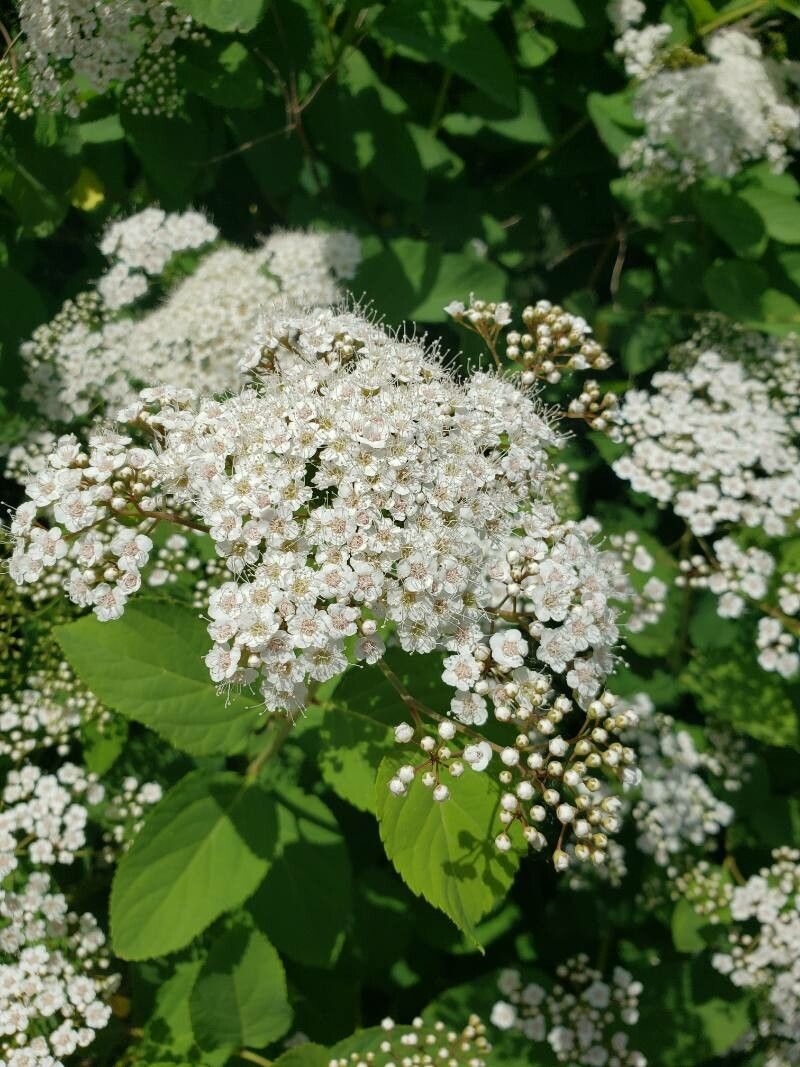
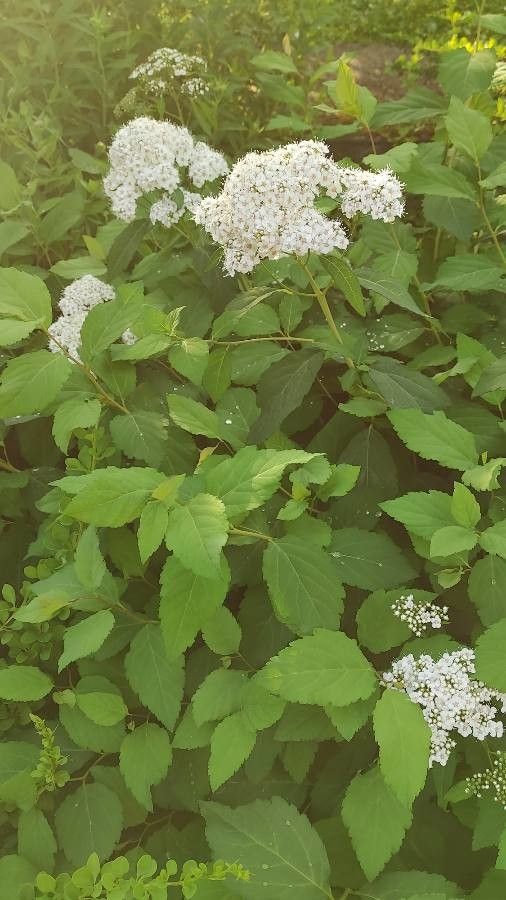
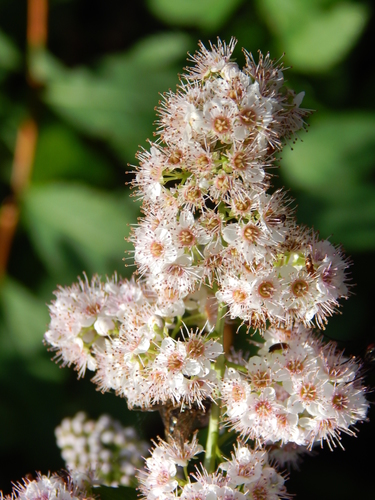
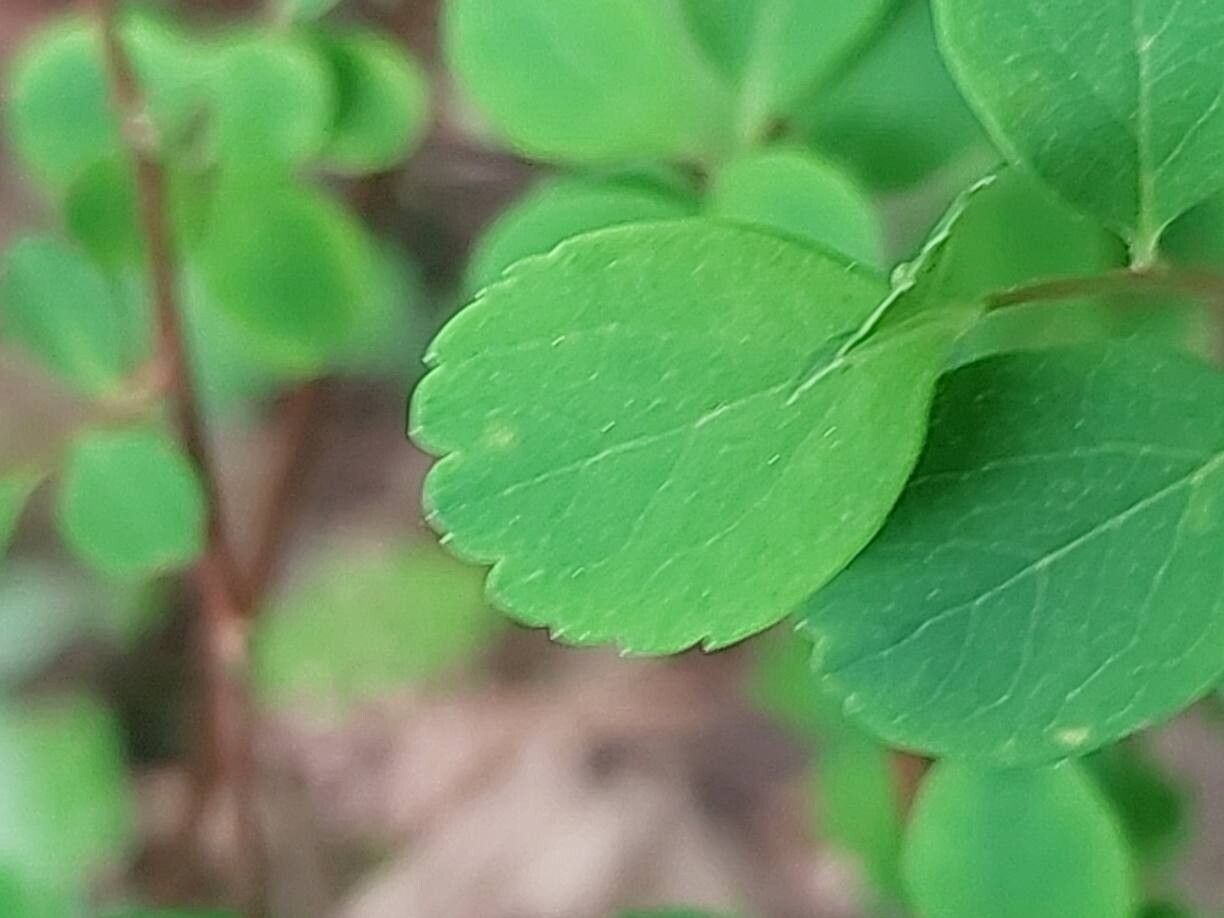
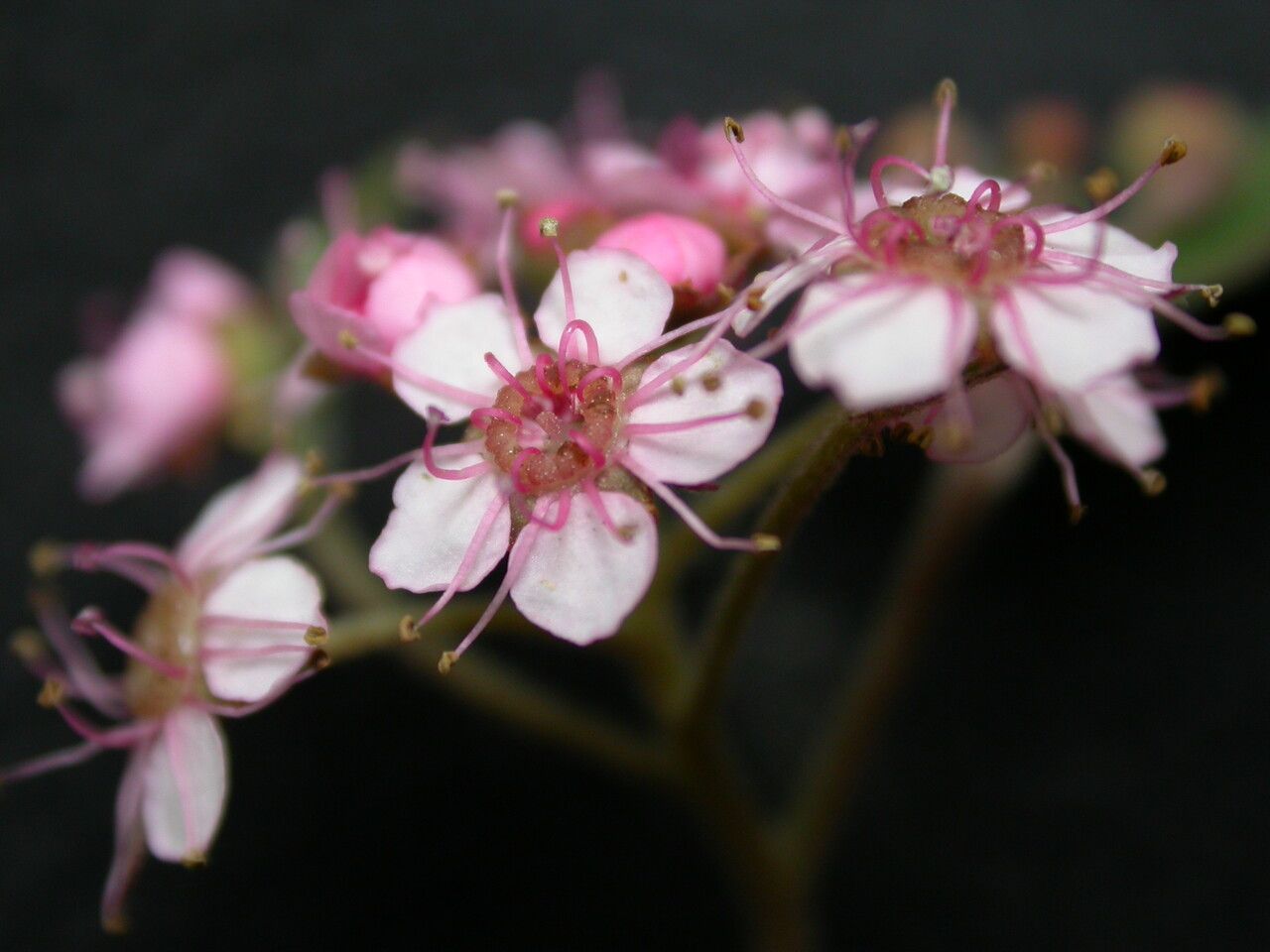
Burgundy new growth accentuates the stunning blue-green foliage of spring, which transforms into vibrant red in the fall, offering multi-season interest. Crisp white flowers in spring further enhance its beauty. This easy-care shrub is perfect for foundation and mass plantings. It is deciduous and belongs to the Double Play® series.
Germander meadowsweet is quite resistant to disease and is generally not susceptible to illnesses. In terms of upkeep, this plant is fairly low-maintenance. When planted outside it needs only minimal watering, and larger plants typically do not need pruning. Smaller plants, however, should be pruned after they finish blooming. Germander meadowsweett is suitable for anyone with an outdoor area, such as a garden or a deck, and does not require much gardening experience.
How to keep Spiraea Media.
Light
Germander meadowsweet needs a substantial amount of sunlight to thrive but can cope with moderately sunny conditions. Its root environment is used to abundant light. Too much or too little sun can harm the plant and interfere with its normal growth.
Water
Russian spiraea thrives when its watering schedule mirrors the sporadic rainfall of its native habitat, requiring irrigation every 2 to 3 weeks. This drought-tolerant plant prefers moderate moisture without being waterlogged. It flourishes outdoors, benefiting from natural rainwater to support healthy growth throughout the seasons.
Temperature
Germander meadowsweet is native to moderate climate regions, with temperatures ranging from 32 to 70 °F (0 to 21 ℃). It prefers cooler temperatures but can tolerate slight fluctuations. In hotter seasons, providing some shade can help manage the temperature.
Fertilizer
Timing matters when feeding Germander meadowsweet. Apply fertilizer in early spring and continue monthly up to early summer. Fertilizer encourages attractive blooms and supplies energy both during dormant periods and throughout active growth.
Pruning
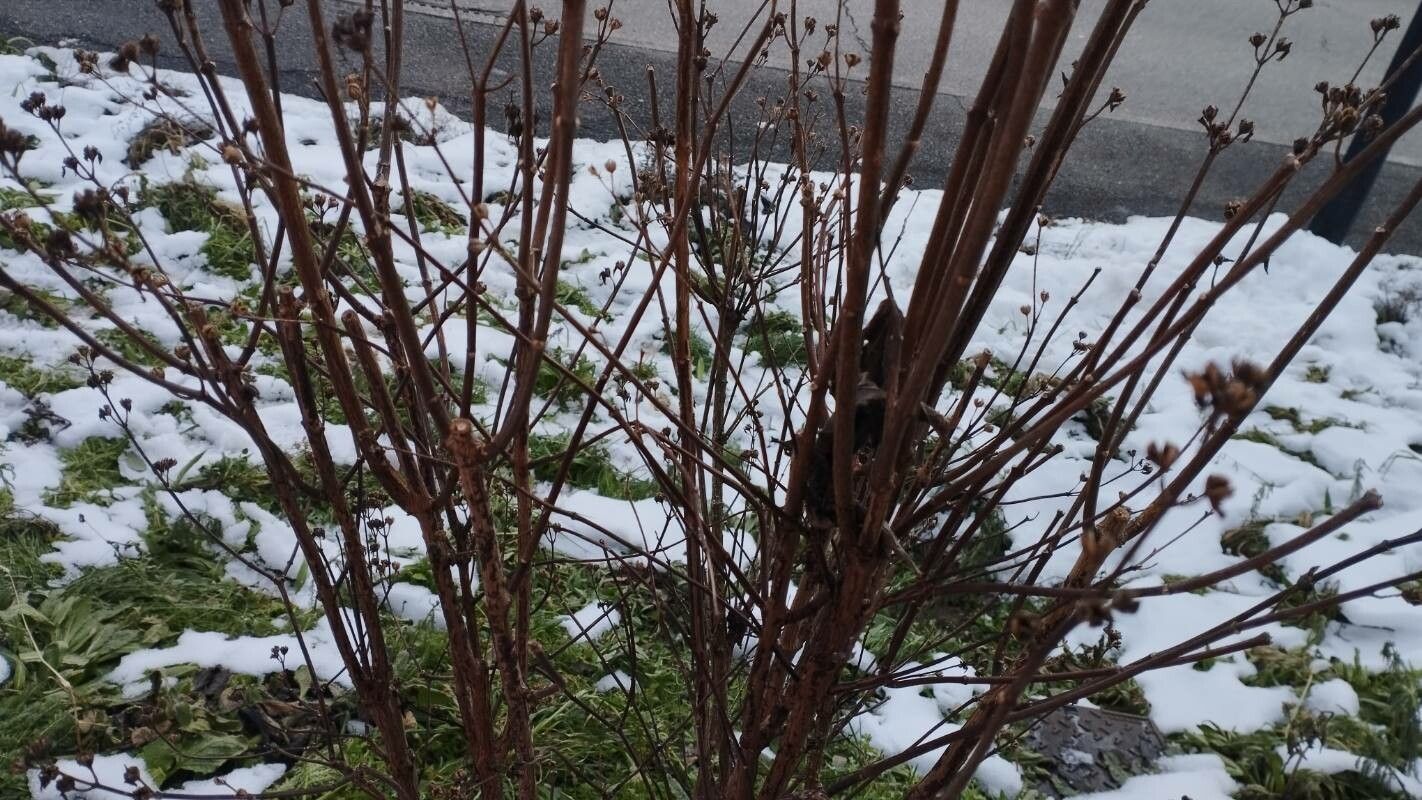
The Russian spiraea is a deciduous shrub known for its dense foliage and beautiful white flowers. To maintain its health and appearance, it's best to prune it in early spring. During this time, remove any dead wood and thin out the center to enhance air circulation. Regular pruning encourages vigorous growth and abundant flowering, ensuring that your Russian spiraea remains a vibrant addition to your garden.
Botanical profile.
- Plant Type
- Shrub
- Life Cycle
- Perennial
- Genus
- Spiraea
- Family
- Rosaceae
- Hardiness Zone
- 2
- Mature Height
- 0.91 m to 1.52 m
- Mature Spread
- 1.83 m
- Leaf Color
- Green, Dark Green
- Leaf Type
- Deciduous
- Flower Color
- White
- Flower Size
- 0.51 cm to 1.02 cm
- Bloom Time
- Late spring, Early summer, Mid summer
- Planting Time
- Spring, Autumn
- Harvest Time
- Mid summer
- Native Area
- Austria, Montenegro, Croatia, Slovenia, Uzbekistan, Russia, Koppen, Romania, South Korea, Bulgaria, Greece, North Macedonia, Ukraine, Serbia, China, Kyrgyzstan, Kazakhstan, Italy, Japan, Mongolia, Bosnia and Herzegovina
Other names.
Reader questions.
What are the sunlight requirements for Russian spiraea?
Russian spiraea thrives in full sun, requiring more than 6 hours of sunlight daily, but can also tolerate partial sun, which means about 3-6 hours of sunlight each day. This adaptability allows it to grow well in various sunlight conditions, mimicking its natural habitat of open environments like sunny meadows and forest edges. It's important to observe the movement of sunlight through your garden to choose spots that offer a perfect balance of light and shade, ensuring the plant's happiness.
What is the botanical name of Russian spiraea?
The botanical name of Russian spiraea is Spiraea media.
What is the warning about sunlight for planting?
The warning about sunlight emphasizes the importance of carefully observing how sunlight moves through your garden. Choosing the right spots for your plants involves finding areas that provide the ideal balance of light and shade. This careful selection ensures that your plants, like the Russian spiraea, can thrive by receiving the appropriate amount of sunlight needed for their growth and health.
How can artificial lighting help indoor Russian spiraea plants?
For indoor Russian spiraea plants, artificial lighting serves as a crucial alternative when natural sunlight is insufficient, especially during winter or in less sunny spaces. LED lights are recommended due to their ability to be customized to provide specific wavelengths needed for optimal plant growth. The intensity of the artificial light required varies with the plant's sunlight needs: full sun plants need 30-50W/sq ft, partial sun plants 20-30W/sq ft, and full shade plants 10-20W/sq ft. Proper placement involves the light source being 12-36 inches above the plant, and the lighting should simulate natural daylight hours, typically 8-12 hours per day for most plants.
What are the symptoms of light deficiency in Russian spiraea?
Russian spiraea may exhibit symptoms of light deficiency when not exposed to adequate sunlight, including new leaves growing smaller, leggy or sparse growth, accelerated leaf drop, slower or ceased new growth, leaves developing in lighter colors or with irregular patterns indicating nutrient deficiencies, chlorosis or the loss of green color, sunscald, leaf curling, wilting, and leaf scorching. These symptoms highlight the sensitivity of Russian spiraea to both insufficient and excessive sunlight.
What solutions are available for light deficiency in Russian spiraea?
To address light deficiency in Russian spiraea, consider gradually moving indoor plants to sunnier locations each week until they receive at least 6 hours of direct sunlight daily, ideally near a south-facing window with open curtains. For large or immobile plants, supplementing with artificial lighting, such as plant grow lights for at least 8 hours daily, can be beneficial. For outdoor plants, choose the sunniest spot and allow gradual adaptation to prevent sunburn. Note that damaged parts might not recover but new growth can be healthy with increased light. For ground plants, reduce obstructions like tree branches blocking sunlight or, for small plants, consider transplanting during dormant periods to sunnier locations with good drainage.