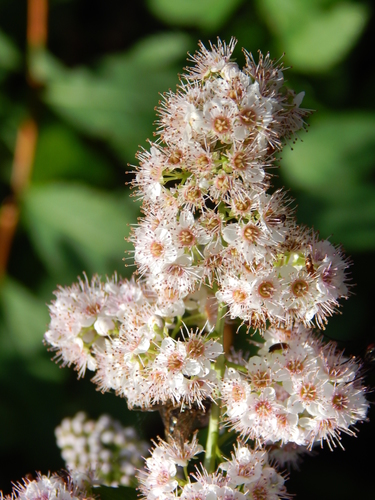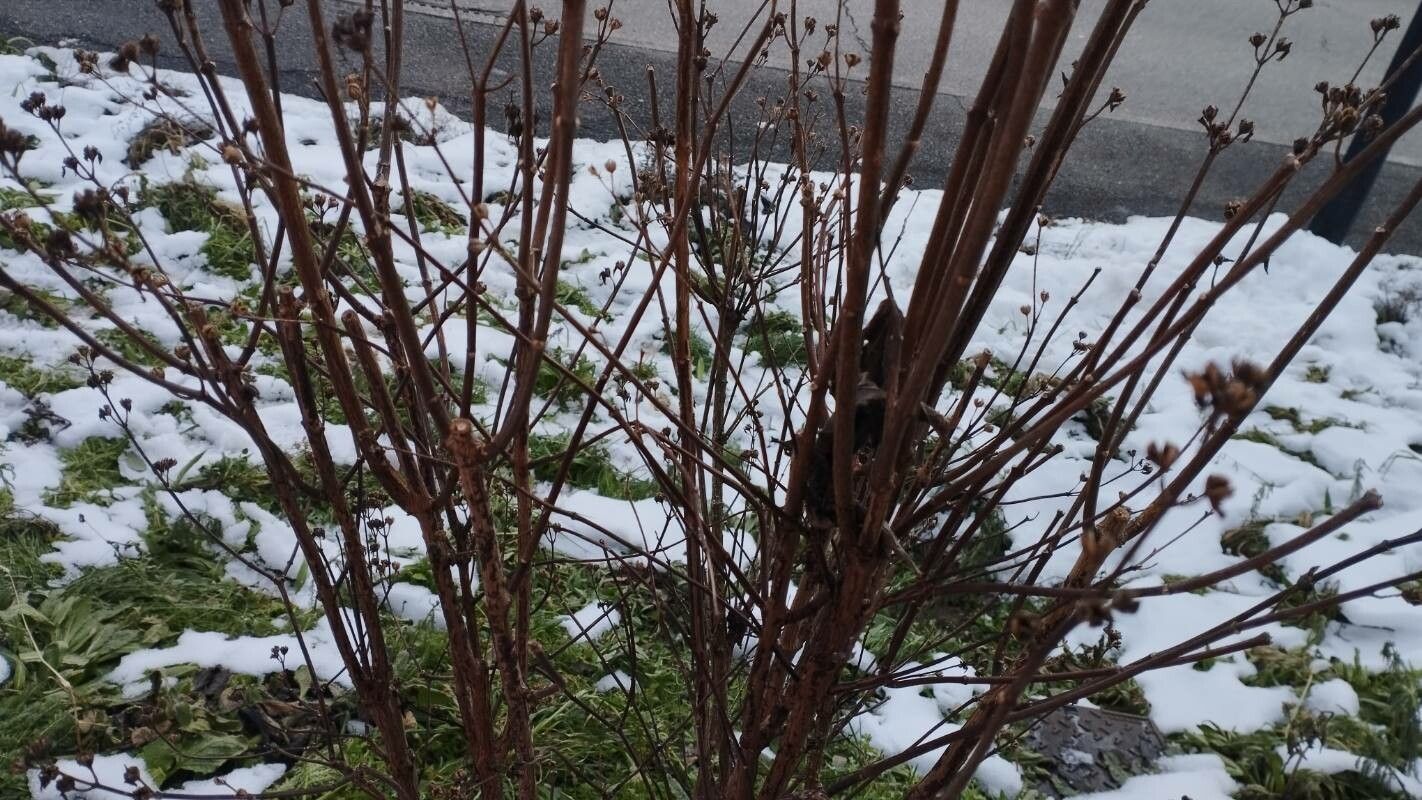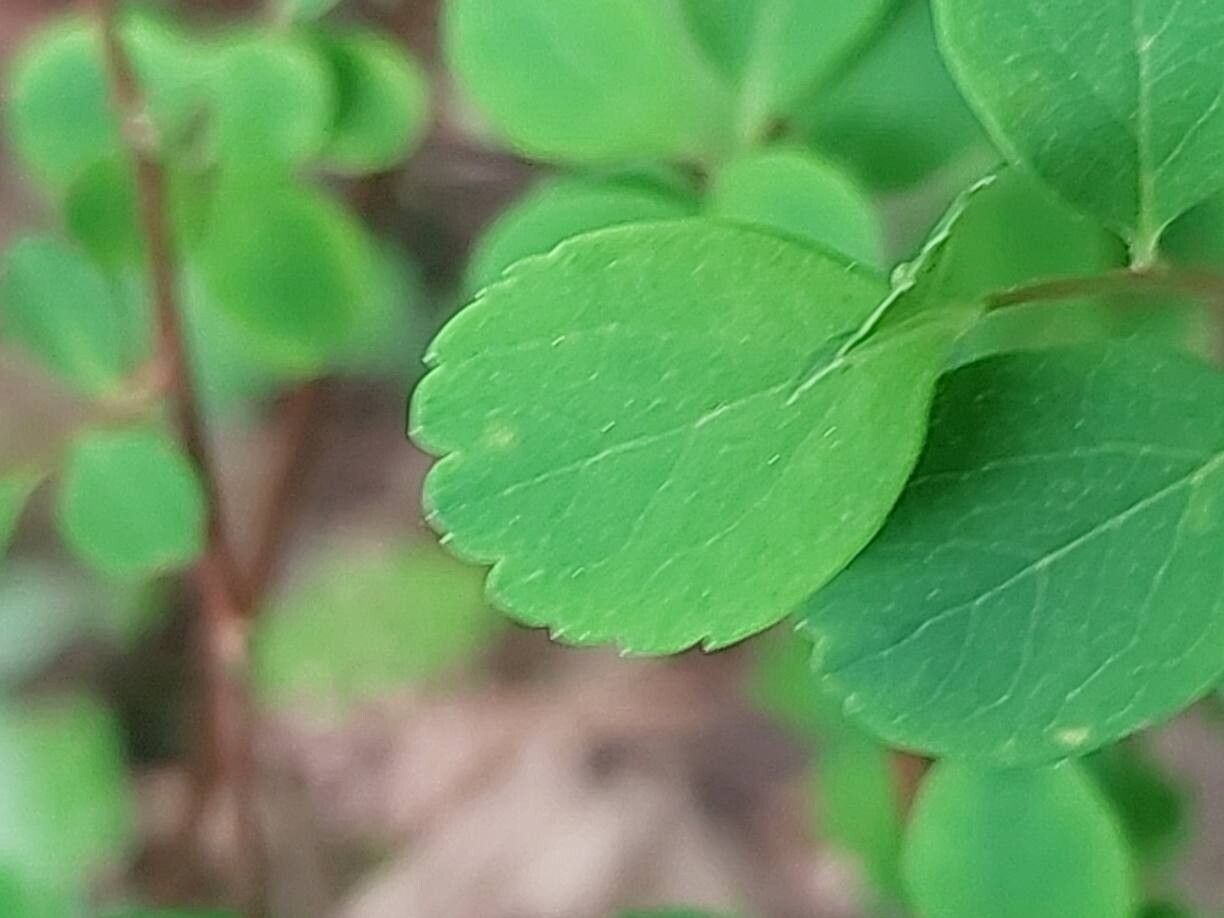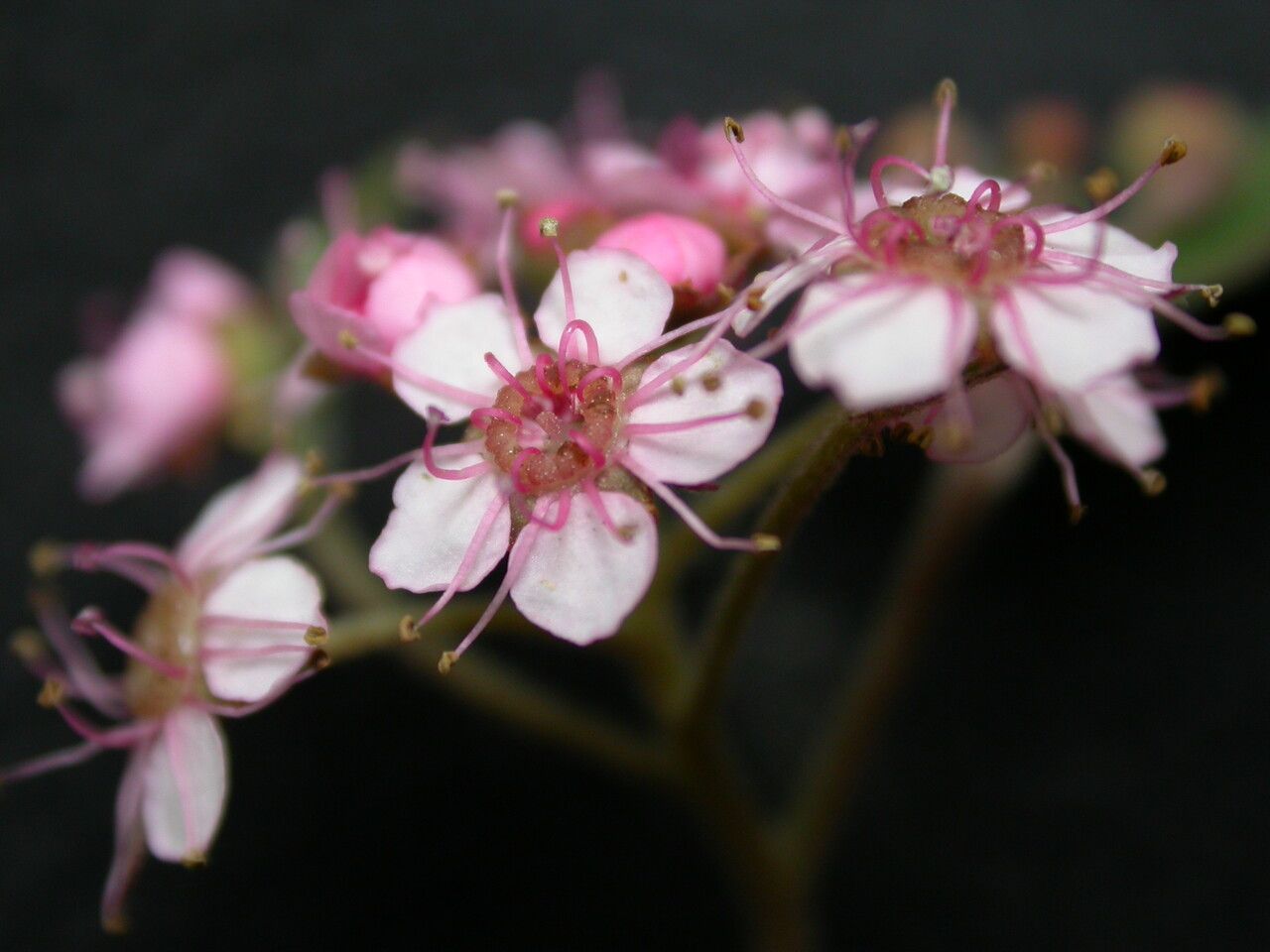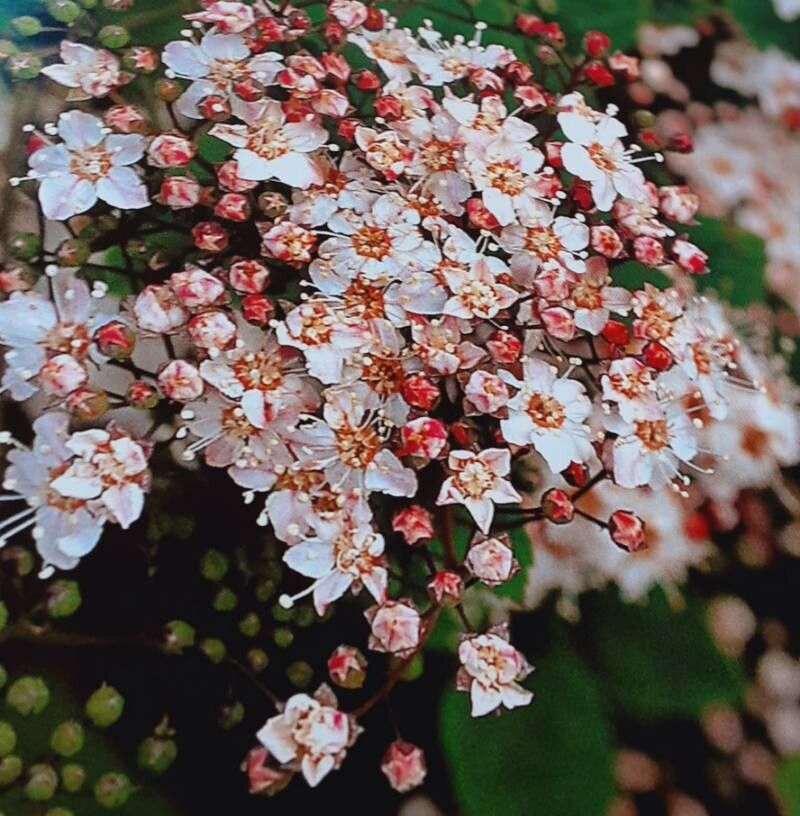
Fritsch's spirea is resistant to disease and is typically not susceptible to illnesses. As for care, the plant is fairly low-maintenance. When grown outdoors it needs only light watering, and larger specimens usually do not require pruning. Smaller plants, however, should be trimmed after they finish blooming. Fritsch's spireat is well suited for anyone with an outdoor area like a garden or deck and does not demand extensive care experience.
How to keep Spiraea Fritschiana.
Light
Fritsch's spirea is native to bright open spaces like sun-drenched meadows and the periphery of forests where there's plenty of light. It blooms well in Full Sun yet can withstand Partial Sun too, proving its ability to adjust to different levels of sunlight exposure.
Temperature
Fritsch's spirea exhibits tremendous versatility in adapting to diverse weather conditions, be they hot summers or cold winters. Nonetheless, it does have a preferred temperature range for optimal growth. In situations with extremely high temperatures, the plant can be susceptible to the damaging effects of heat and humidity stress, which could potentially lead to its death. In areas where temperatures are nearing the bottom threshold of its cold tolerance, it is crucial to initiate insulation methods for the plant's protection.
Fertilizer
It's essential to time the fertilization of Fritsch's spirea correctly. You should apply fertilizer starting in the early spring and continue monthly until the start of summer. Providing fertilizer aids in creating beautiful blossoms and delivers energy during periods of dormancy and vigorous growth.
Botanical profile.
- Plant Type
- Shrub
- Life Cycle
- Perennial
- Genus
- Spiraea
- Family
- Rosaceae
- Hardiness Zone
- 4-8
- Mature Height
- 61 cm to 91 cm
- Mature Spread
- 1.22 m to 1.52 m
- Leaf Color
- Green
- Leaf Type
- Deciduous
- Flower Color
- White
- Flower Size
- 2.54 cm to 7.62 cm
- Bloom Time
- Early summer, Mid summer
- Planting Time
- Spring, Summer, Autumn
- Harvest Time
- Late summer, Early fall, Mid fall
- Native Area
- Koppen, South Korea, China