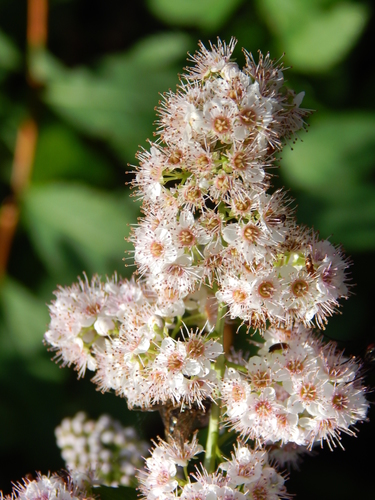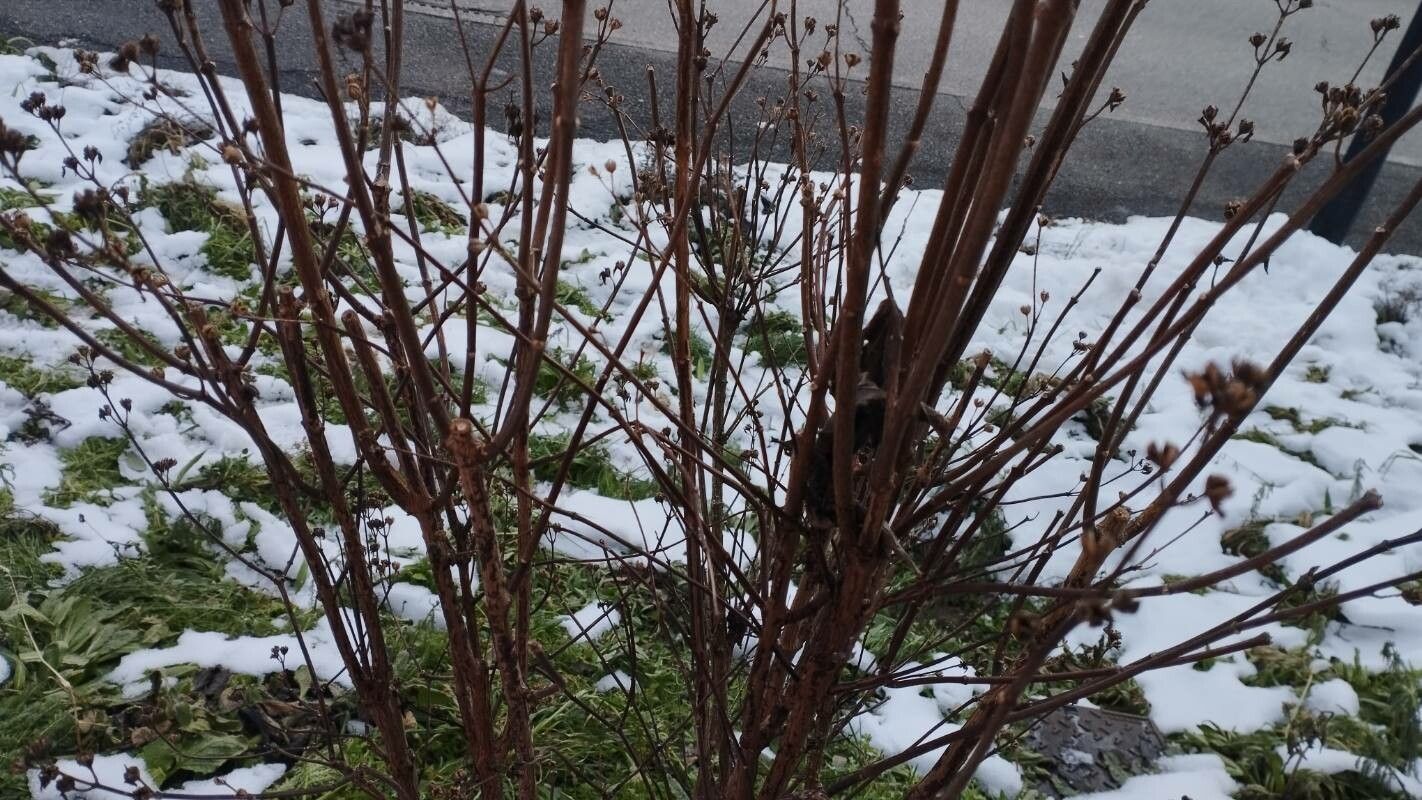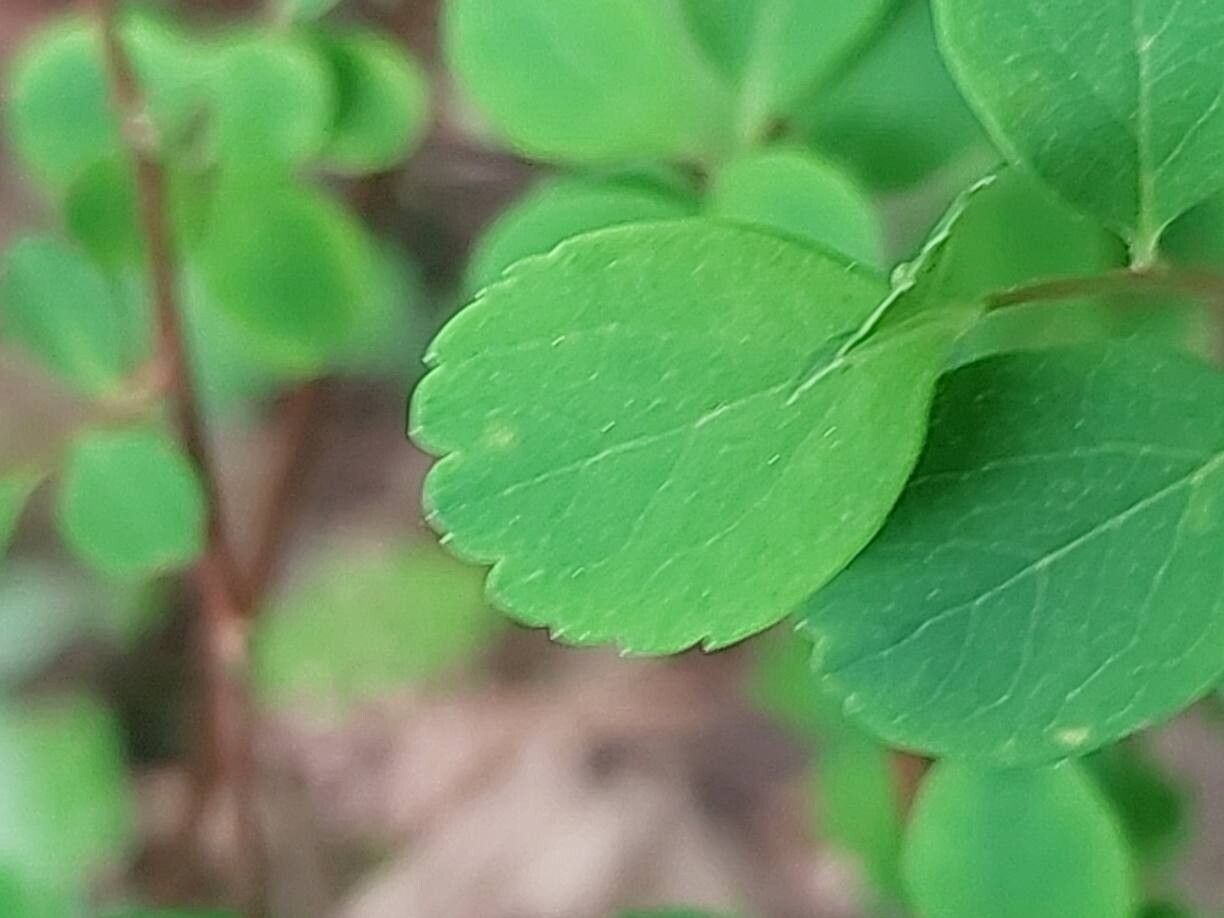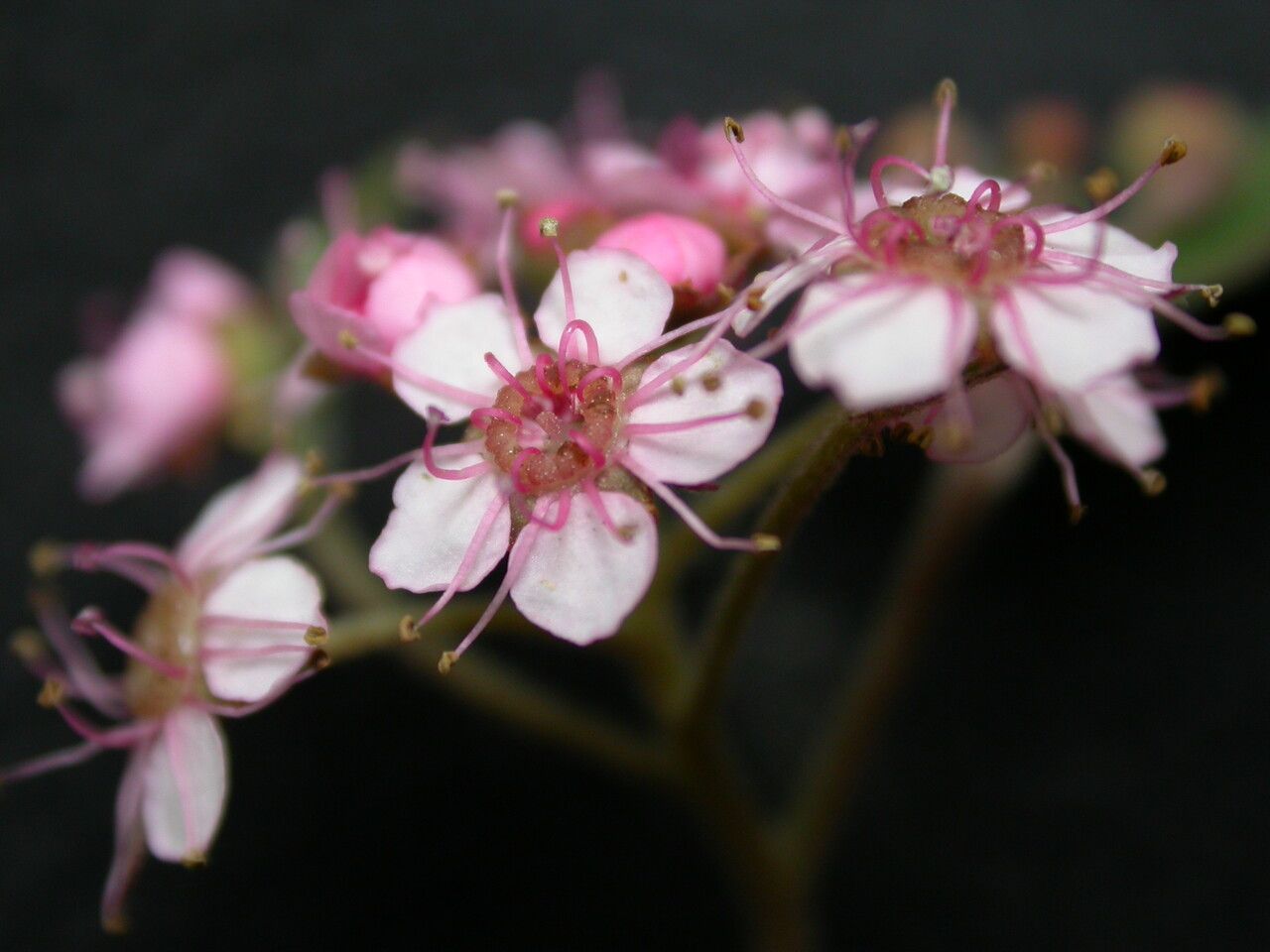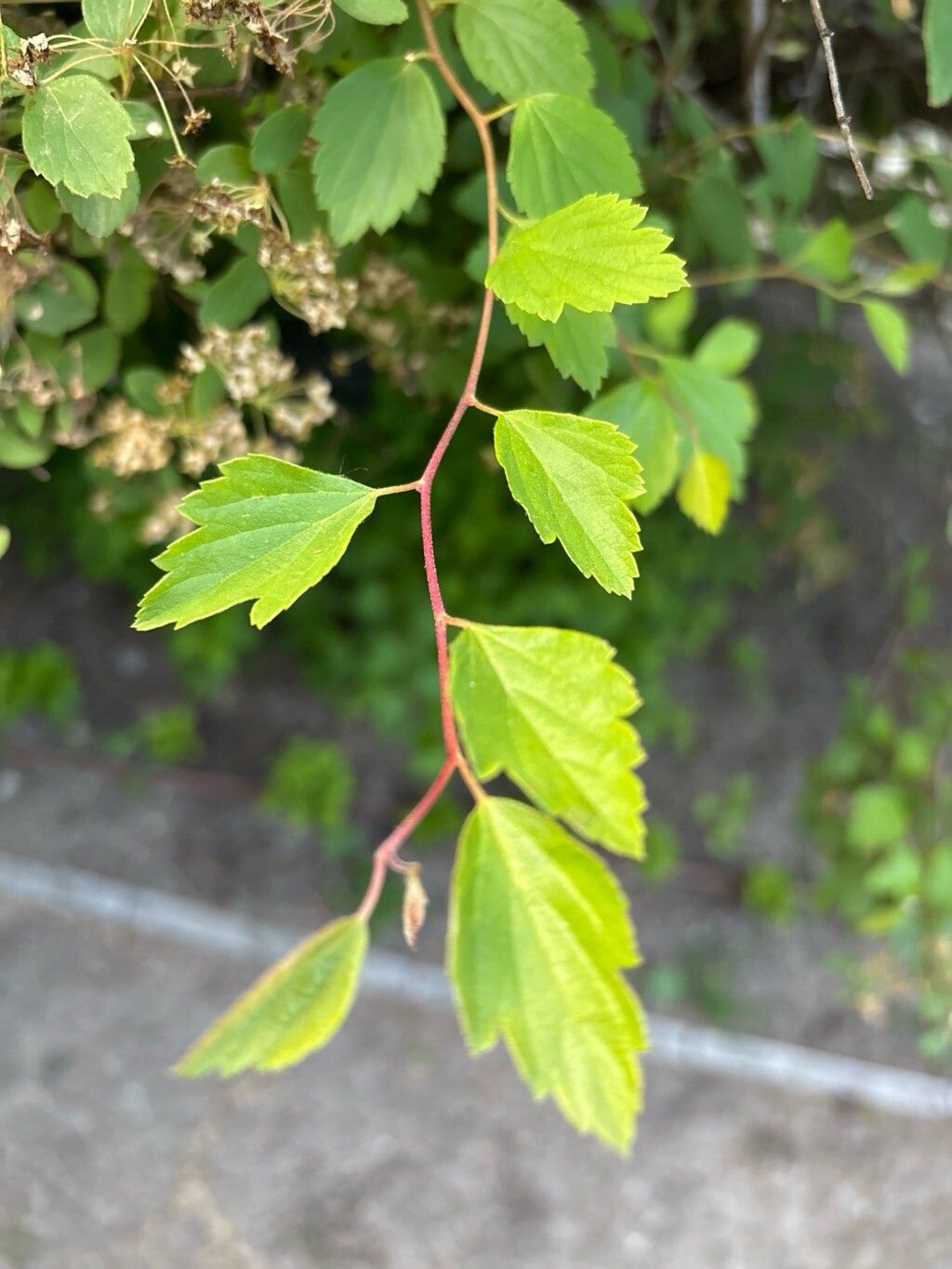
Chinese spirea has strong disease resistance and is typically not vulnerable to illnesses. Regarding care, this plant is fairly low-maintenance. Planted outdoors, it needs only occasional watering, and larger specimens usually do not require pruning. Smaller plants, however, should be pruned after they finish flowering. Chinese spirea is well suited for anyone with an outdoor area, such as a garden or a deck, and does not demand much gardening experience.
How to keep Spiraea Chinensis.
Light
Spirea from China is native to open spaces like sunlit meadows and the borders of forests, where there is plenty of light. It flourishes in full sunlight, yet it can also withstand partial sun, demonstrating its adaptability to different light situations.
Temperature
Chinese spirea has the capacity to adjust to a range of weather conditions, including hot summers and cold winters. Nonetheless, it does have a preferred temperature spectrum for its growth. If the temperatures rise exceedingly high, the plant may suffer from heat and moisture stress, potentially leading to its death. In locales where the temperatures verge on the plant's lowest cold resistance, taking measures for insulative protection become crucial to safeguard the plant.
Fertilizer
It is vital to fertilize Chinese spirea at the right time. Begin fertilization in early spring and continue on a monthly basis until the start of summer. The use of fertilizer aids in generating beautiful flowers and supplies the necessary energy during both dormant and active stages of growth.
Botanical profile.
- Plant Type
- Shrub
- Life Cycle
- Perennial
- Hardiness Zone
- 5-8
- Mature Height
- 3.05 m
- Mature Spread
- 0.61 m to 1.52 m
- Leaf Color
- Green
- Leaf Type
- Deciduous
- Flower Color
- Pink, White
- Flower Size
- 0.25 cm to 0.51 cm
- Bloom Time
- Mid spring, Late spring, Early summer
- Planting Time
- Spring, Autumn
- Harvest Time
- Mid summer, Late summer, Early fall
- Native Area
- Koppen, Japan, South Korea, China