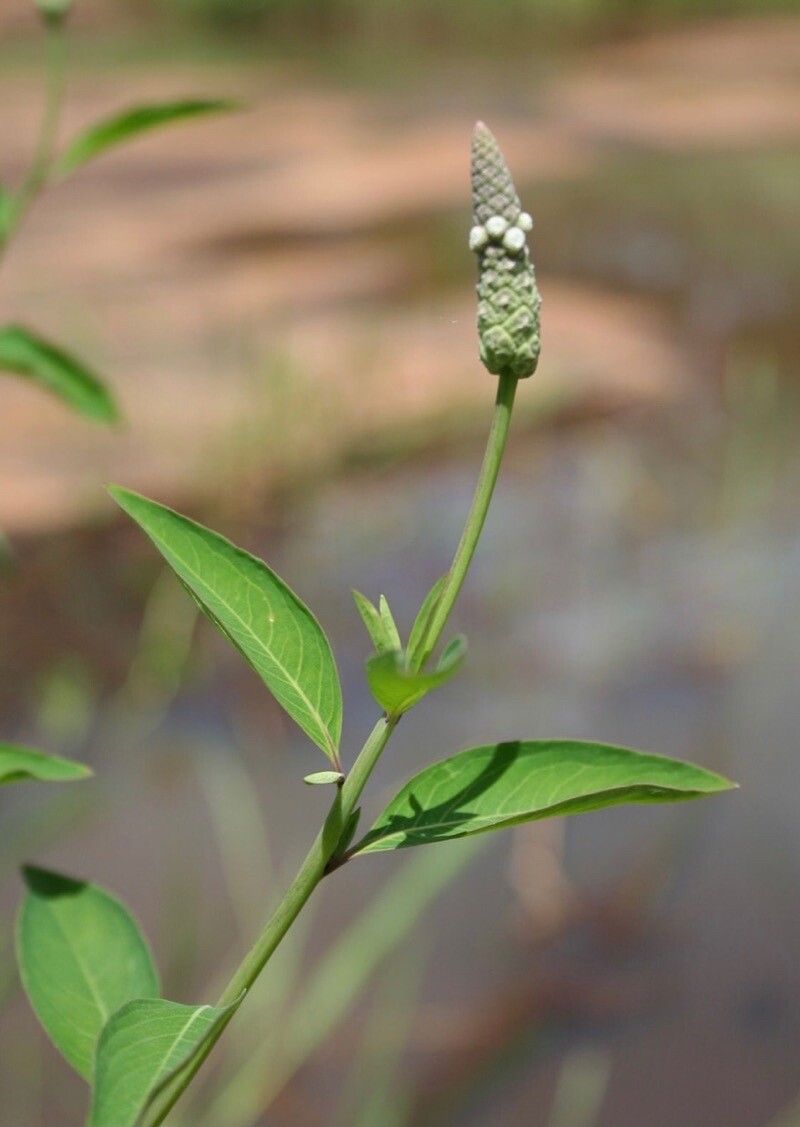
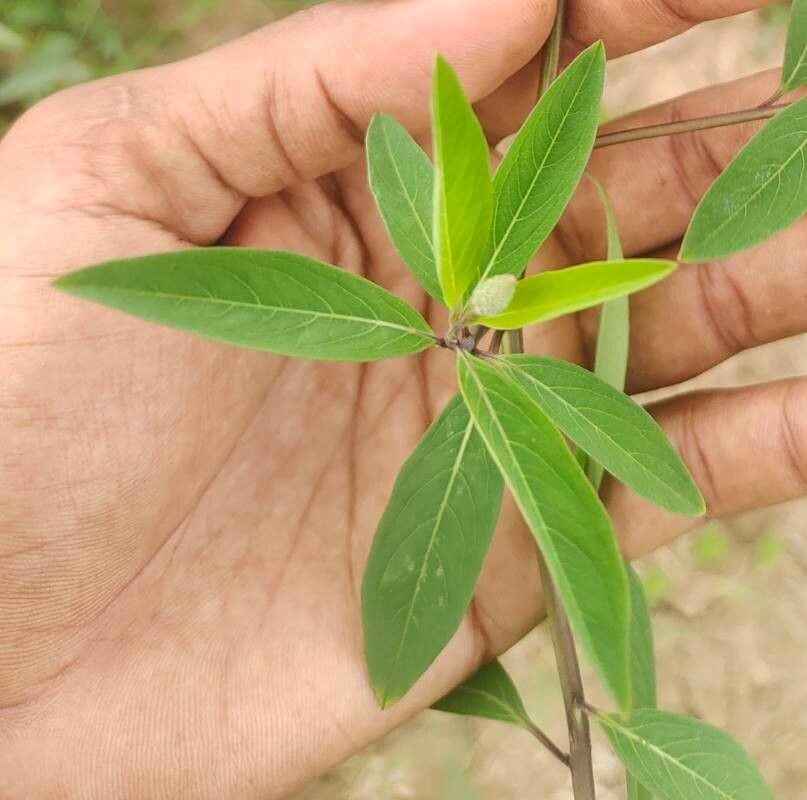
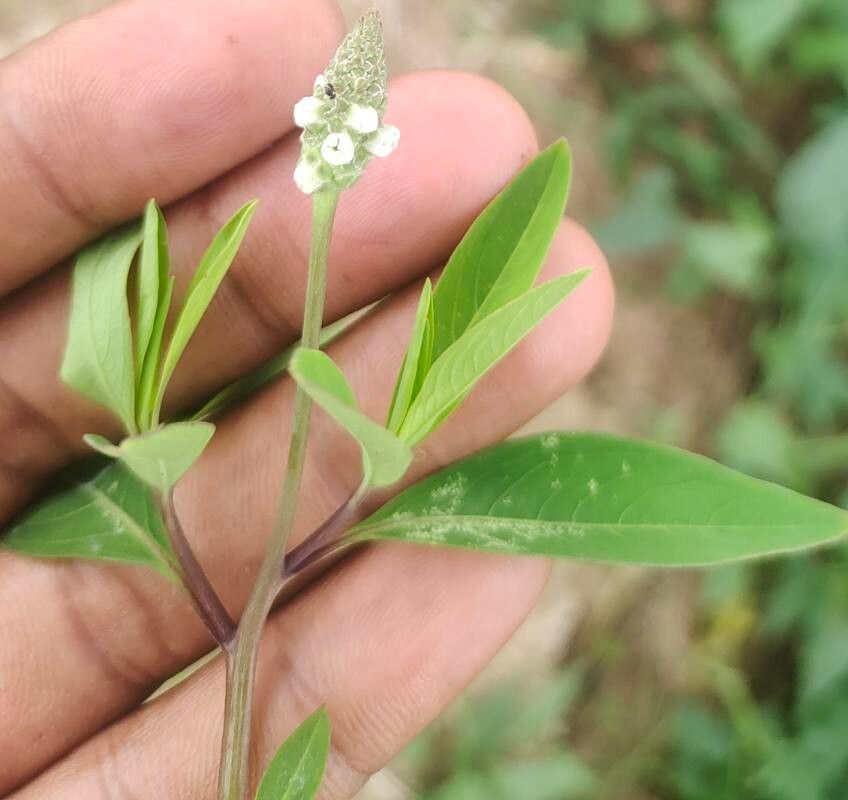
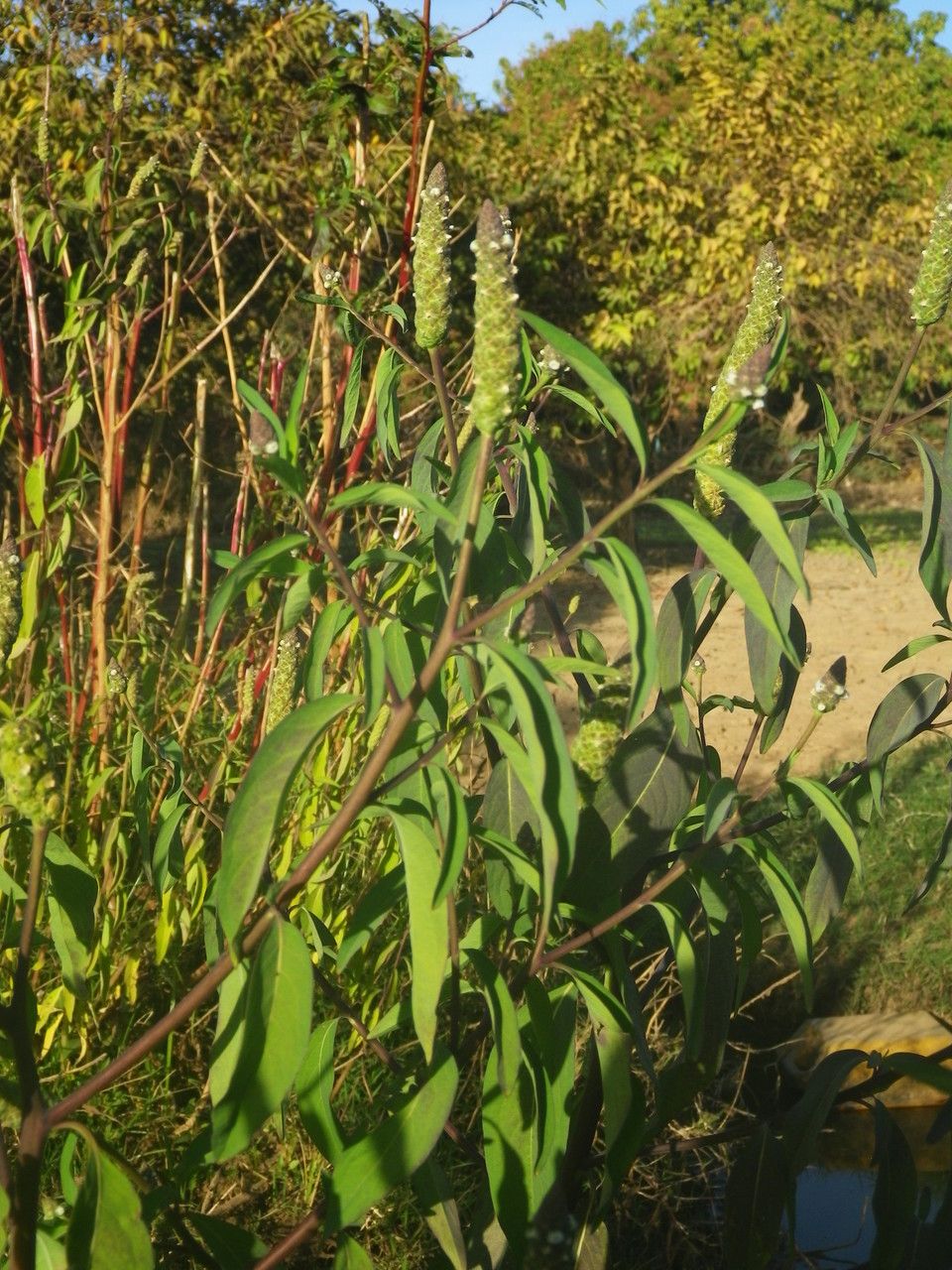
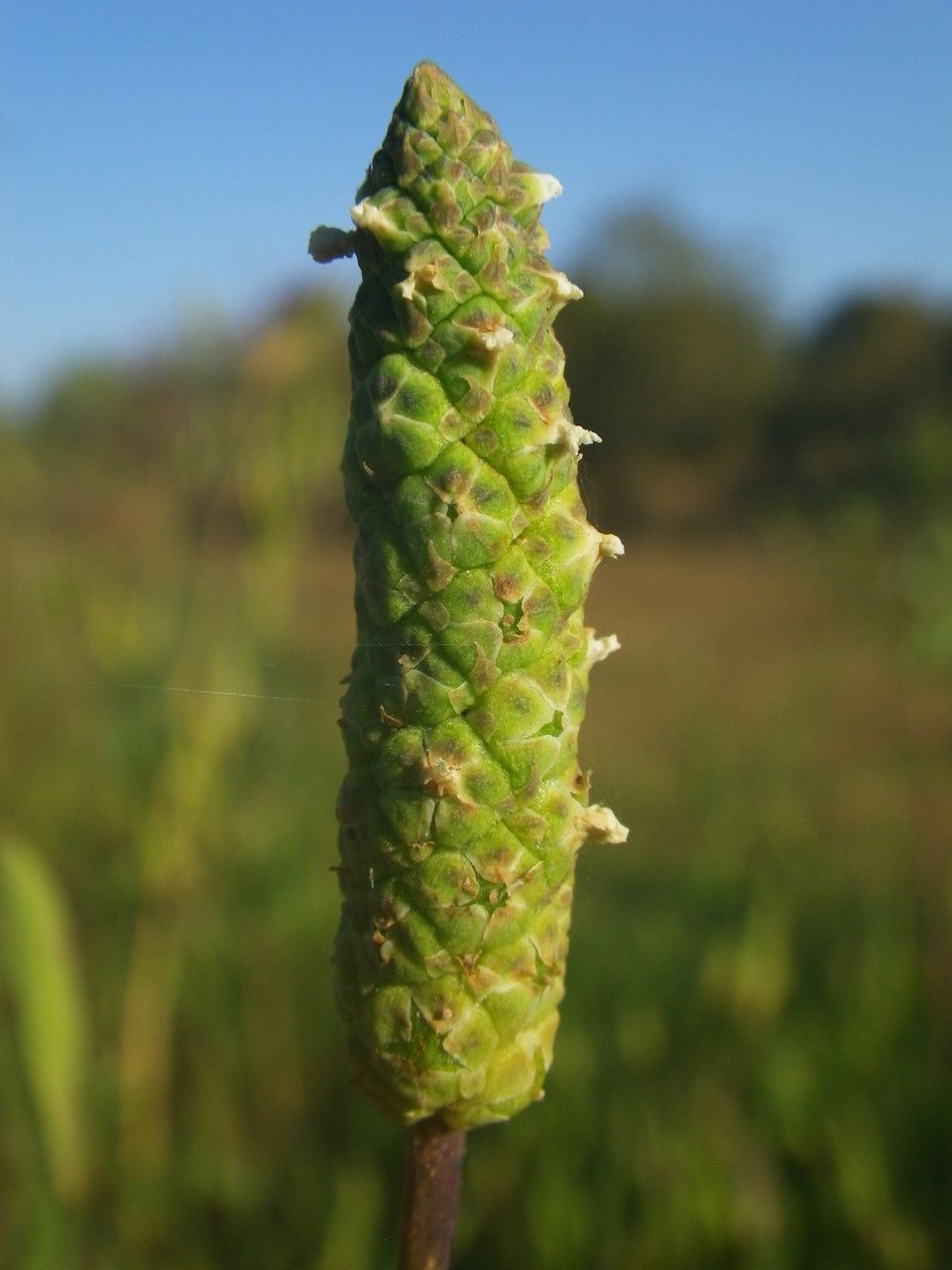
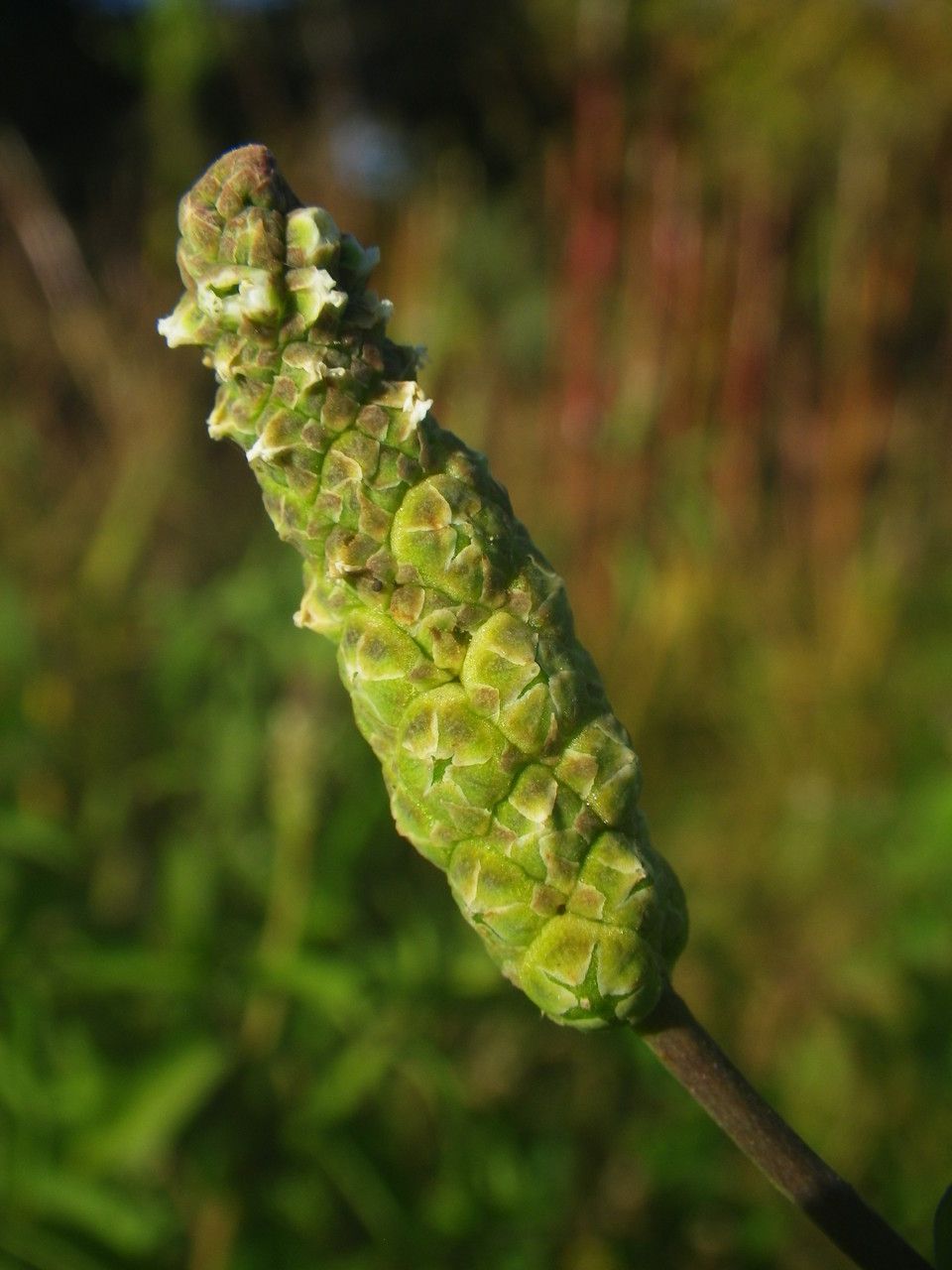
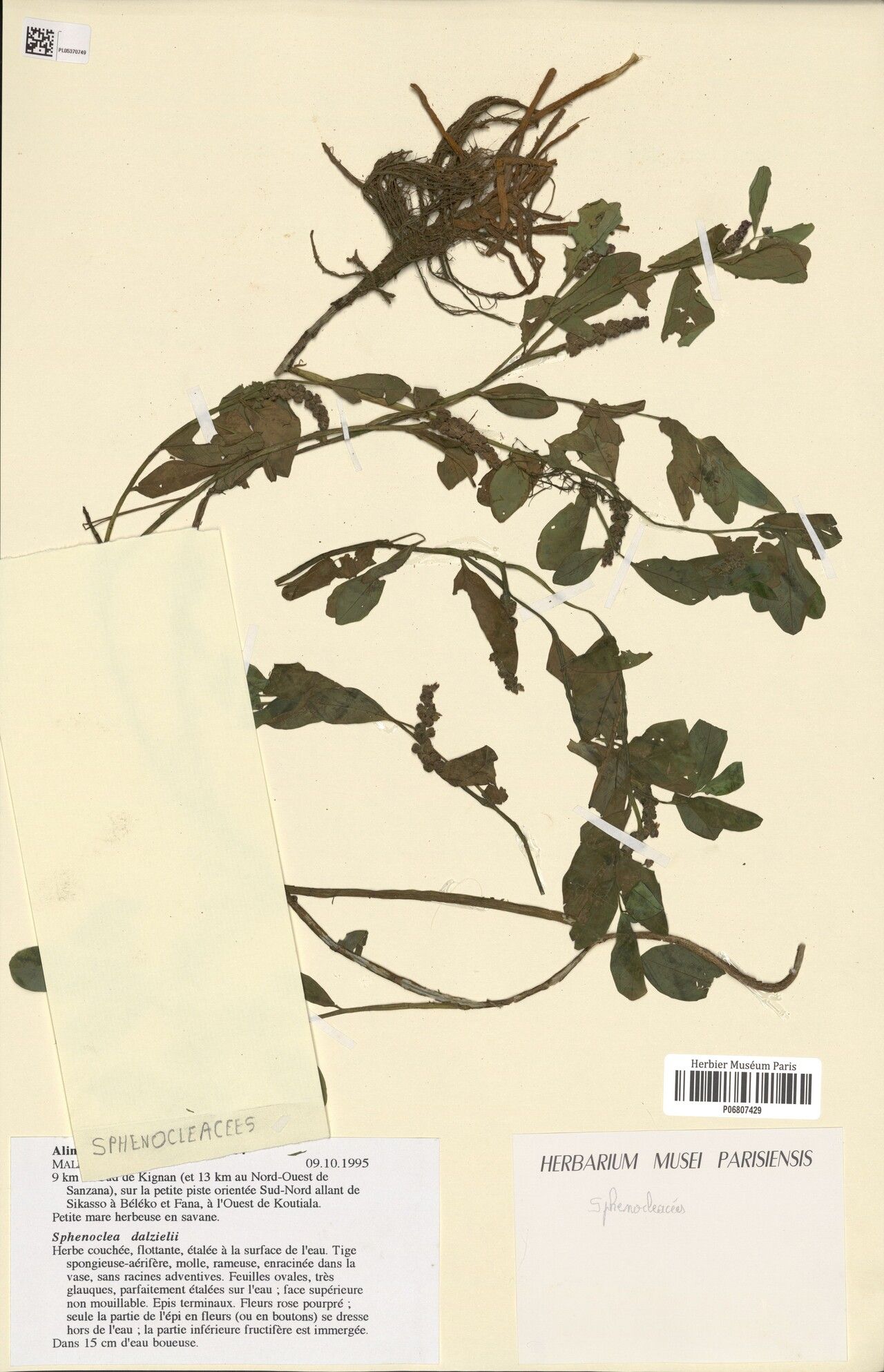
Sphenoclea zeylanica, called chickenspike, gooseweed, and wedgewort, is a widespread species of flowering plant in the genus Sphenoclea, native to Africa, Madagascar, tropical and subtropical Asia, and Australia. It is widely introduced in the New World tropics and subtopics from the southern United States to northern Argentina. Its young leaves are edible and are occasionally eaten, perhaps with a light boiling. A common weed of rice paddies, it can cause yield losses from 25 to 50%.
Chickenspike is fairly disease-resistant and generally does not tend to get sick. However, it can be affected by pests and diseases present in its surroundings. Those infections are typically mild. For care, the plant requires moderate maintenance. It should be pruned regularly to keep a neat appearance and encourage healthy growth. Fertilizing can also help stimulate flowering. Chickenspike is appropriate for anyone with outdoor space, such as a garden or patio, and does not demand a lot of care experience. It may need more attention when grown indoors.
How to keep Sphenoclea Zeylanica.
Light
Chickenspike comes from sunny, open habitats and does best in full sun. It can tolerate some shade but favors direct sunlight for optimal growth. This plant, which may be annual or biennial, is noted for its sun-loving character.
Temperature
Chickenspike comes from tropical areas where the climate is generally warm and humid. Consequently, it is well adapted to high temperatures and humidity. It is sensitive to abrupt temperature changes and prefers a steady thermal environment, so avoiding temperature fluctuations indoors is important. It usually does not tolerate cold and requires warmer conditions for growth. If the surrounding temperature falls too low, the plant may stop growing or even die.
Fertilizer
Chickenspike benefits from regular, light applications of fertilizer to encourage healthy leaf development. You should fertilize Chickenspike about once a month during the summer. Nitrogen is important for foliage, and adding nitrogen-rich sources helps Chickenspike thrive.
Pruning
Chickenspike plants have distinctive flowering spikes and can benefit from pruning during early to late spring. Pruning helps stimulate growth and manage the plant’s density. To encourage healthier blooms, trim away dead stems and improve air circulation, all while maintaining an eye for aesthetics. By pruning at the right time, you can enhance the plant's vigor and reduce stress.
Botanical profile.
- Plant Type
- Herb
- Life Cycle
- Annual
- Genus
- Sphenoclea
- Family
- Sphenocleaceae
- Hardiness Zone
- 10-11
- Mature Height
- 20 cm to 61 cm
- Mature Spread
- 20 cm to 40 cm
- Leaf Color
- Green
- Leaf Type
- Deciduous
- Flower Color
- White
- Flower Size
- 0.20 cm
- Bloom Time
- Summer, Early fall, Mid fall
- Planting Time
- Spring, Summer, Autumn
- Harvest Time
- Late summer, Fall, Early winter
- Native Area
- Sri Lanka, Burkina Faso, Egypt, India, Malaysia, Angola, Namibia, Madagascar, Pakistan, Nigeria, Guinea-Bissau, Zimbabwe, Uzbekistan, Benin, Iraq, Indonesia, Cambodia, Cameroon, Mozambique, Botswana, Congo, Nepal, Malawi, Central African Republic, Tajikistan, South Africa, Zambia, Sudan, Philippines, Laos, Bangladesh, Guinea, Chad, China, Afghanistan, Vietnam, Myanmar, Japan, Togo, Eswatini, Iran, Thailand, Gabon
Other names.
Reader questions.
What are the sun requirements for Chickenspike?
Chickenspike thrives in environments with full sun, requiring above 6 hours of sunlight daily, and can also tolerate partial sun, approximately 3-6 hours of sunlight. Originating from bright, open environments, this annual and biennial plant prefers direct sunlight for optimal growth. It's essential to watch how sunlight moves through your garden, selecting spots that offer a balance of light and shade, ensuring the plants' well-being.
What is Chickenspike?
Chickenspike, known botanically as Sphenoclea zeylanica, doesn't have any specified essential information, symptoms, or additional details provided in the data. Further research or clarification might be necessary to understand more about Chickenspike, including its uses, habitats, or any cultural significance it may have.
How can artificial lighting benefit indoor Chickenspike plants?
Indoor Chickenspike plants require adequate lighting for optimal growth, especially when natural sunlight is insufficient. Artificial lights, such as LED lights, are vital in providing the specific wavelengths of light the plants need. For instance, full sun plants need 30-50W/sq ft of artificial light, partial sun plants need 20-30W/sq ft, and the lights should be placed 12-36 inches above the plant. Mimicking natural daylight hours is crucial, with most plants needing 8-12 hours of light per day.
What are common symptoms of insufficient light in Chickenspike?
Chickenspike shows several symptoms when grown indoors with inadequate light. These include smaller new leaves, leggy or sparse growth, faster leaf drop, slower or no new growth, lighter-colored new leaves, chlorosis (leaves turning yellow), sunscald, leaf curling, wilting, and leaf scorching. These symptoms indicate the plant's struggle with low light conditions, affecting its health and growth.
What solutions can alleviate Chickenspike's light deficiency symptoms?
To counteract light deficiency in Chickenspike, gradually moving plants to sunnier locations can be beneficial. For indoor plants, increasing direct sunlight exposure through south-facing windows or using artificial light, like desk lamps or grow lights for at least 8 hours daily, is recommended. Outdoors, adjusting plants gradually to brighter spots prevents sunburn. Additionally, reducing obstructions that block sunlight or transplanting smaller plants during their dormant period to sunnier locations can greatly improve their exposure to sunlight.