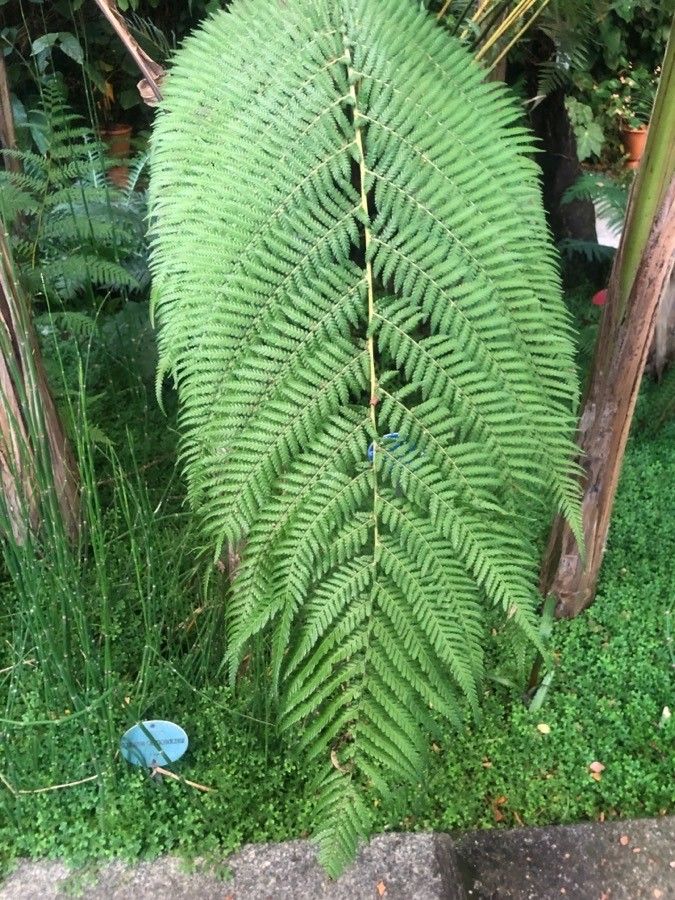
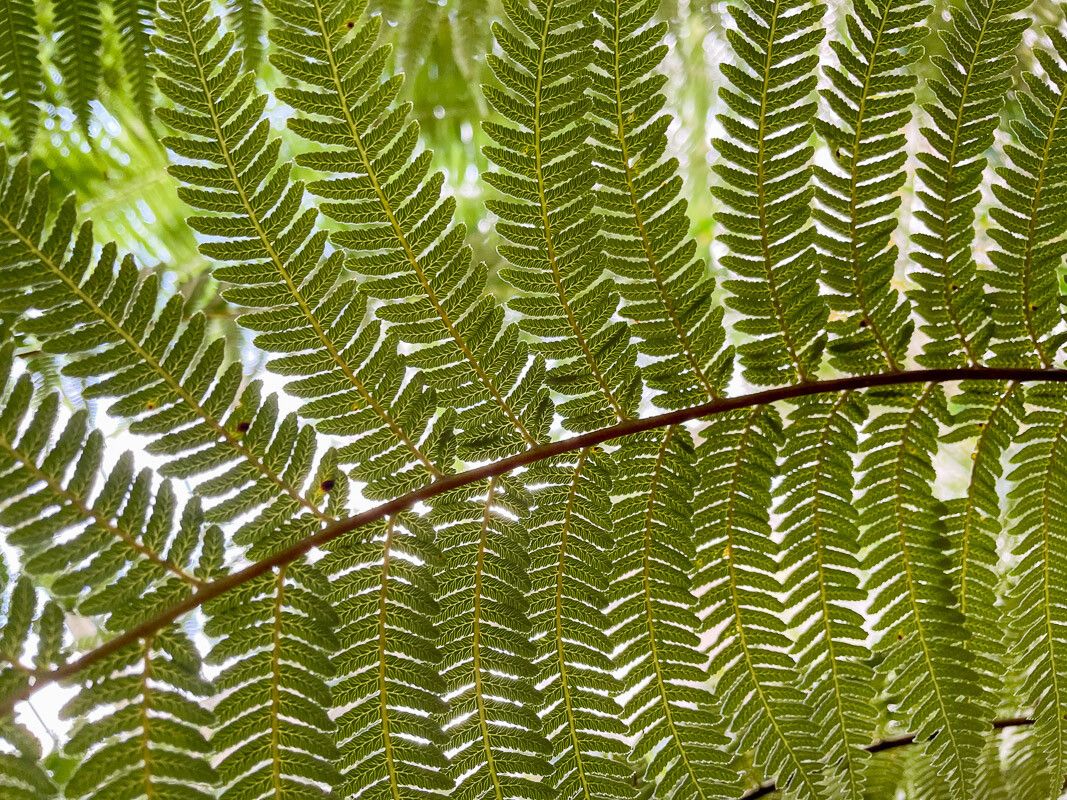
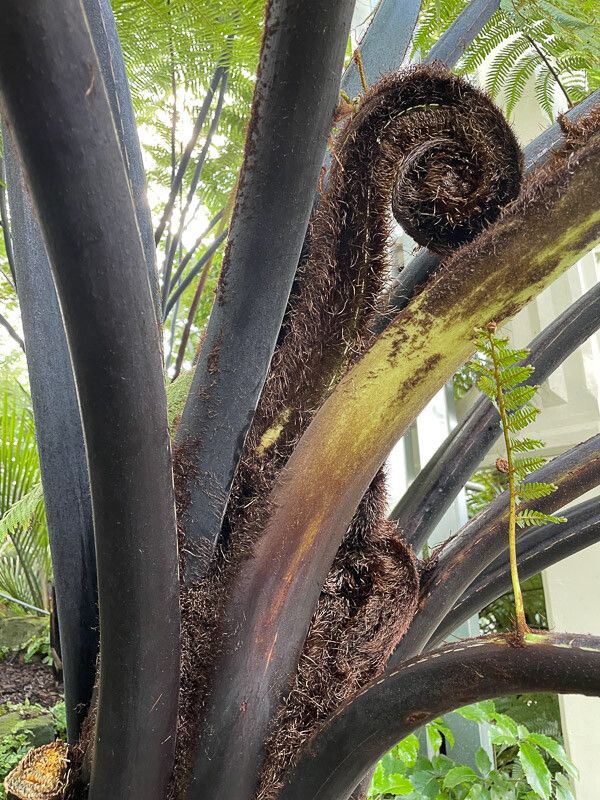
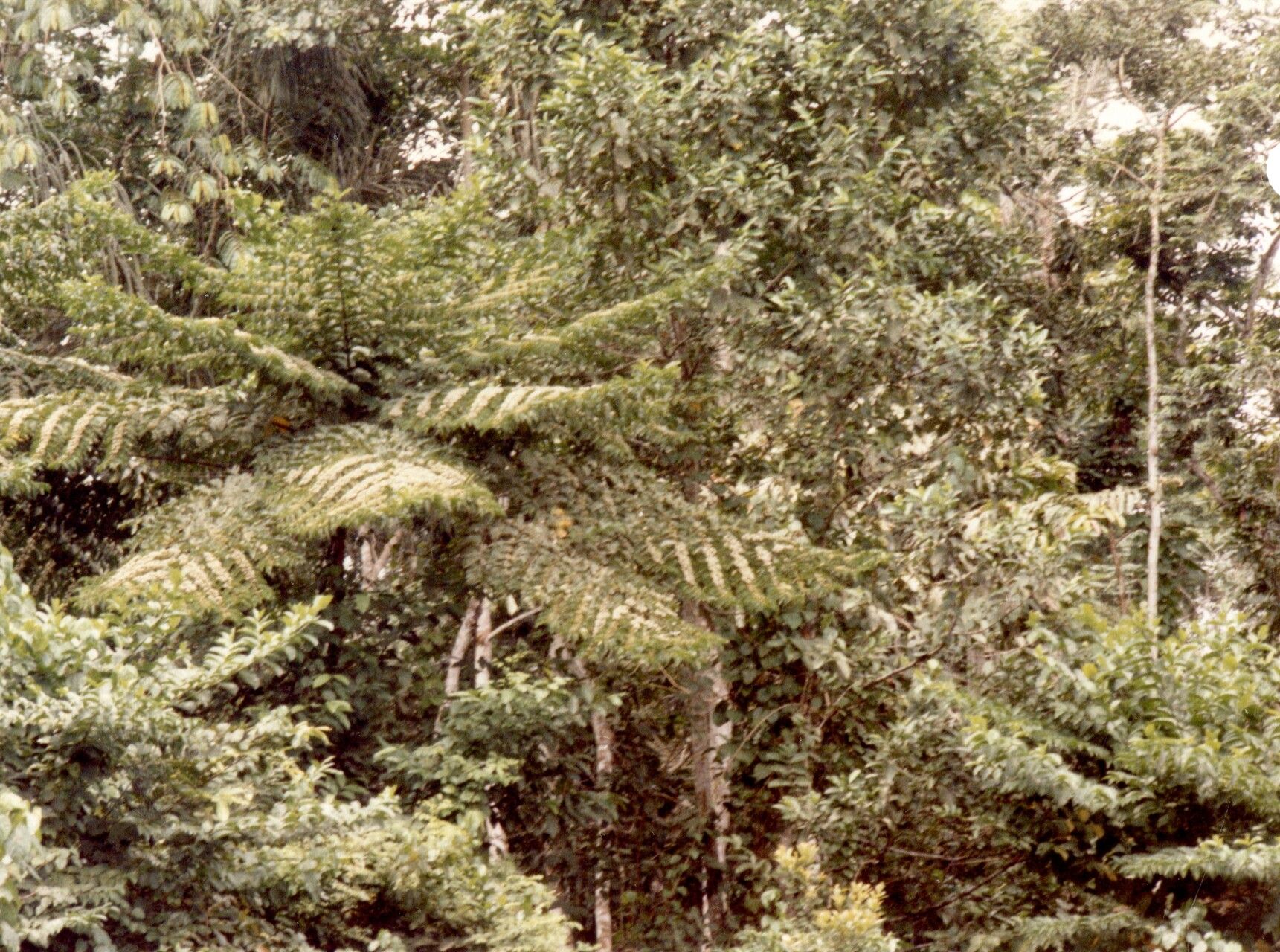
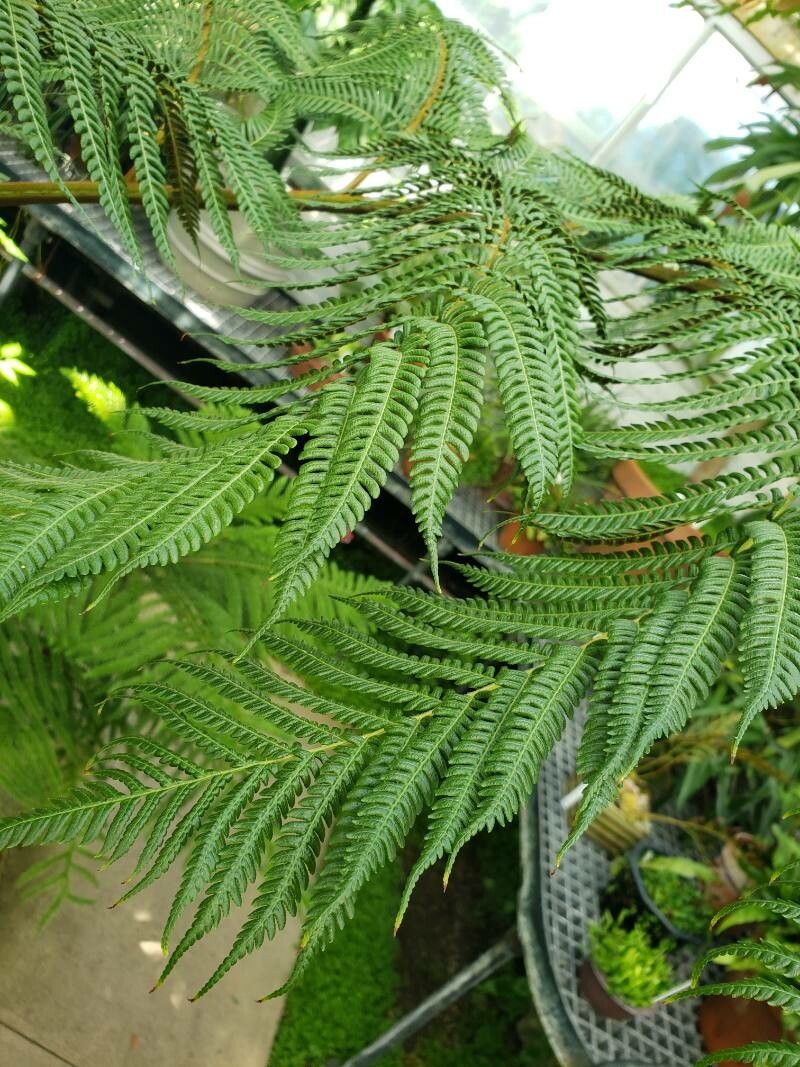
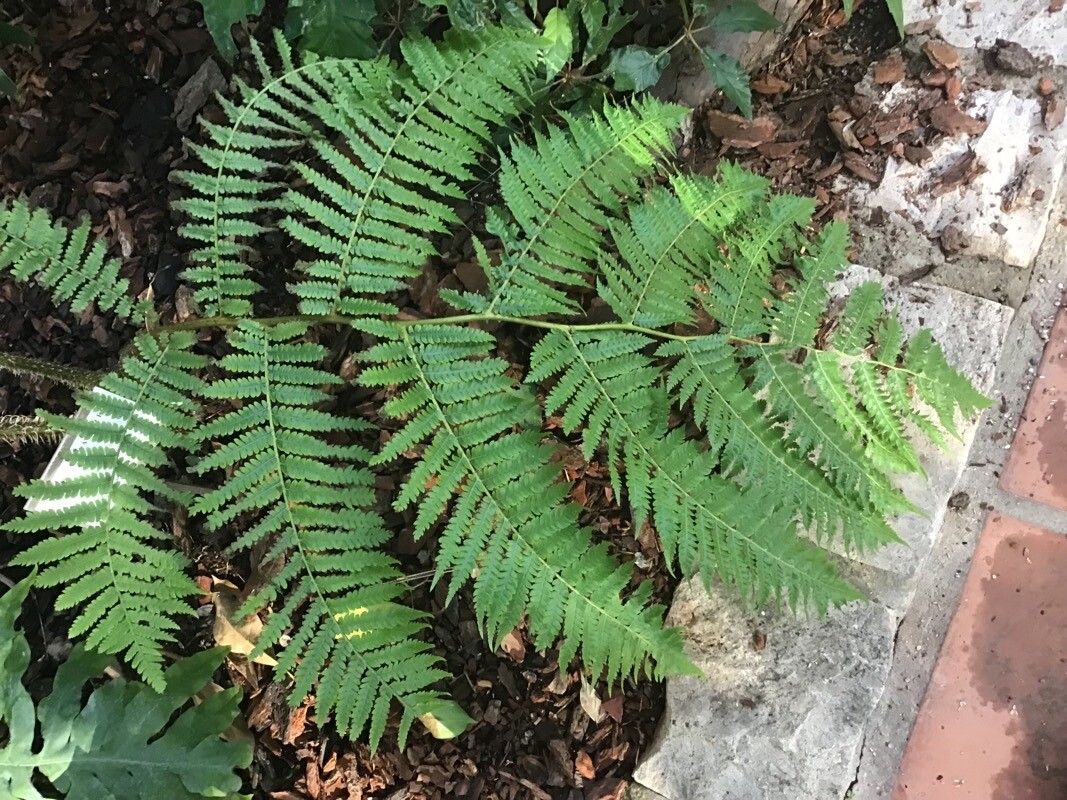
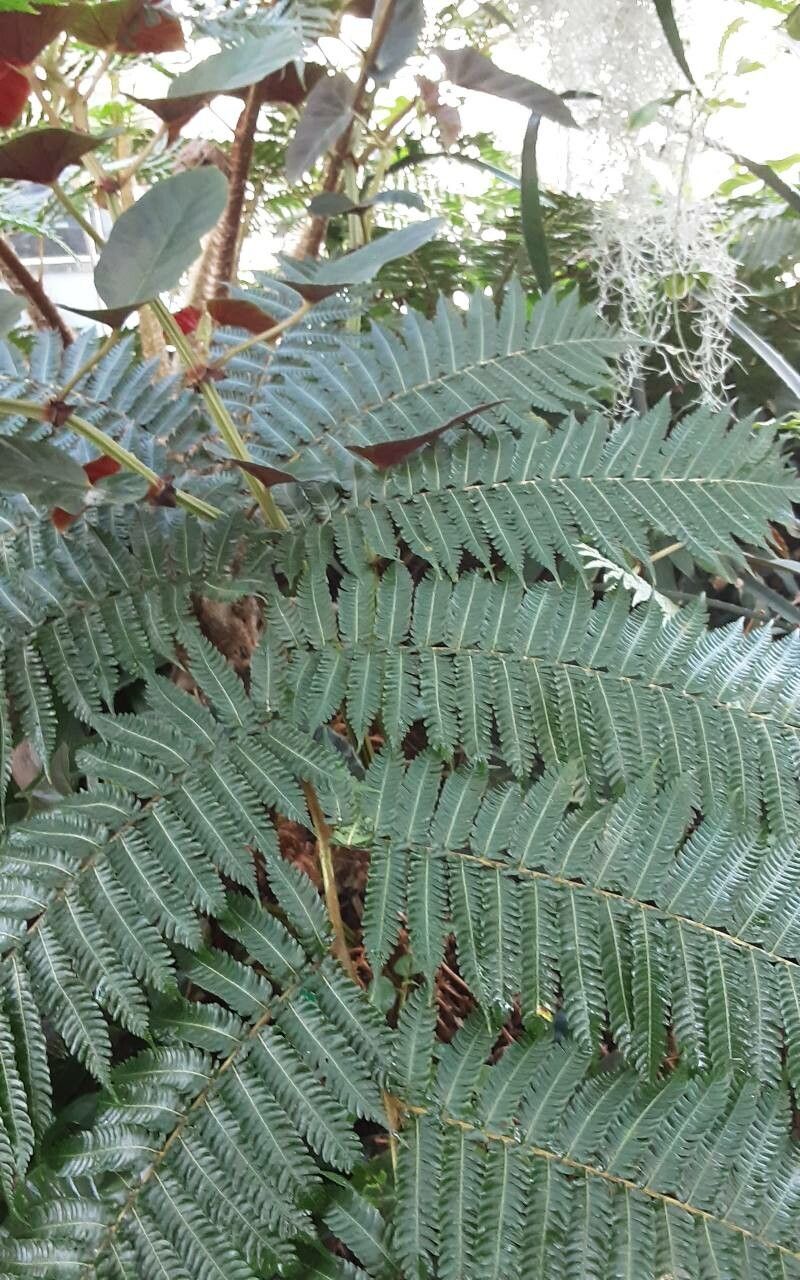
Sphaeropteris medullaris, synonym Cyathea medullaris, commonly known as mamaku or black tree fern, is a large tree fern up to 20 m tall. It is distributed across the south-west Pacific from Fiji to Pitcairn Island. Its other Māori names include katātā, kōrau, or pītau.
Tree fern sago typically resists disease well and has relatively few insect pests. Its care is regarded as difficult because it needs a moist environment and frequent watering. At the same time, the roots can rot if the plant is overwatered or the surrounding air is poorly ventilated. Tree fern sago is appropriate for growers with some experience, since most people can keep it alive for a certain period. Still, it can struggle to thrive, and its fronds may dry out and lose vigor over time.
How to keep Sphaeropteris Medullaris.
Light
Tree fern sago grows best with moderate sunlight, though it can naturally adjust to conditions with less light. This preference helps protect it from scorching and bleaching. However, if light is too low, its growth may slow and the plant’s health could be affected.
Water
The tree fern sago is native to tropical rainforests and thrives in conditions with consistently moist soil and high humidity. To keep it healthy, water it twice a week, though it can withstand short periods of dryness. Usually grown indoors, this evergreen plant maintains its vibrant appearance throughout the year as long as it receives consistent moisture.
Temperature
Tree fern sago comes from tropical areas, where the climate is usually warm and humid. Because of this, it is adapted to high temperatures and humidity. It is sensitive to sudden temperature changes and prefers a stable temperature environment, so indoor temperature fluctuations should be avoided. It generally does not tolerate cold and needs warmer conditions to grow. If the environmental temperature falls too low, the plant may stop growing or even die.
Pruning
Tree fern sago is characterized by its tall fronds and sturdy trunk. Pruning should concentrate on removing dead fronds to improve airflow and reduce the risk of fungal infections. This is best done in early spring. Following these practices can enhance the plant's health and appearance, as recommended by organizations like the Royal Horticultural Society.
Pot & Repot
Tree fern sago plants should be repotted every 2 to 3 years, preferably in the spring. When repotting, use a large, deep pot filled with well-draining soil. After repotting, make sure the plant receives high humidity and indirect sunlight to encourage recovery and prevent root rot.
Botanical profile.
- Plant Type
- Fern
- Life Cycle
- Perennial
- Genus
- Sphaeropteris
- Family
- Cyatheaceae
- Hardiness Zone
- 9-11
- Mature Height
- 91 cm
- Mature Spread
- 4.88 m
- Leaf Color
- Dark Green, Forest Green
- Leaf Type
- Evergreen
- Planting Time
- Spring, Summer, Autumn
- Native Area
- Fiji, New Zealand
Other names.
Reader questions.
What are the sunlight requirements for Tree fern sago?
Tree fern sago thrives under specific light conditions to ensure its optimal growth and health. It prefers moderate amounts of sunlight, typically being comfortable in environments that aren't overly bright, which protects it from scorching and bleaching. However, it's adaptable and can survive in lower light conditions, though this may slow its growth. When it comes to sunlight specifics, 'partial sun' means about 3-6 hours of sunlight per day, while 'full shade' indicates less than 3 hours of sunlight. It's important to watch how sunlight moves through your garden to choose the best spots for your plants, balancing light and shade to keep them happy.
How can artificial lighting support Tree fern sago's growth indoors?
Indoor Tree fern sago plants can benefit significantly from artificial lighting, especially when natural sunlight is insufficient. During winter or in less sunny indoor locations, artificial lights can offer a vital growth boost. LED lights are particularly recommended because they can be customized to provide the specific wavelengths needed by the plants. For the intensity, full sun plants require 30-50W per square foot, partial sun plants need 20-30W per square foot, and full shade plants should get 10-20W per square foot. The artificial light source should be placed 12-36 inches above the plants, mimicking natural sunlight. Most plants will thrive with 8-12 hours of artificial light per day.
What are the signs of inadequate light exposure in Tree fern sago?
Tree fern sago can show various symptoms when it's not getting enough light, impacting its growth and health. These symptoms include smaller new leaves, leggy or sparse growth, faster leaf drop, and a halt in new growth. Leaves may also show lighter colors or develop chlorosis, turning pale or yellow due to low chlorophyll and nutrient levels. Other signs of light stress include sunscald, leaf curling, wilting, and leaf scorching. These symptoms indicate the plant's struggle with its current light conditions, either due to insufficient or excessive light.
What strategies can improve light conditions for Tree fern sago?
Improving light conditions for Tree fern sago involves both preventive measures and interventions. Indoors, gradually increasing sunlight exposure or using artificial light can help. Moving plants to sunnier spots weekly until they receive 3-6 hours of direct sunlight or using desk, ceiling lamps, or professional grow lights for at least 8 hours daily can be beneficial. Outdoors, gradually adapt plants to more sunlight and prune obstructions like tree branches to allow more light. For smaller plants, consider transplanting them during their dormant period to a location with better light and drainage. Remember, parts of the plant damaged by inadequate light might not recover, but new growth should be healthy with improved light conditions.