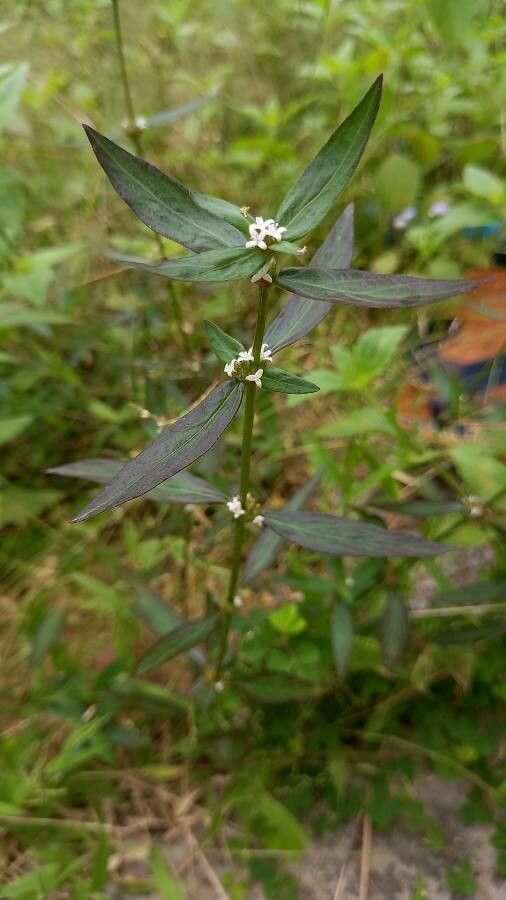
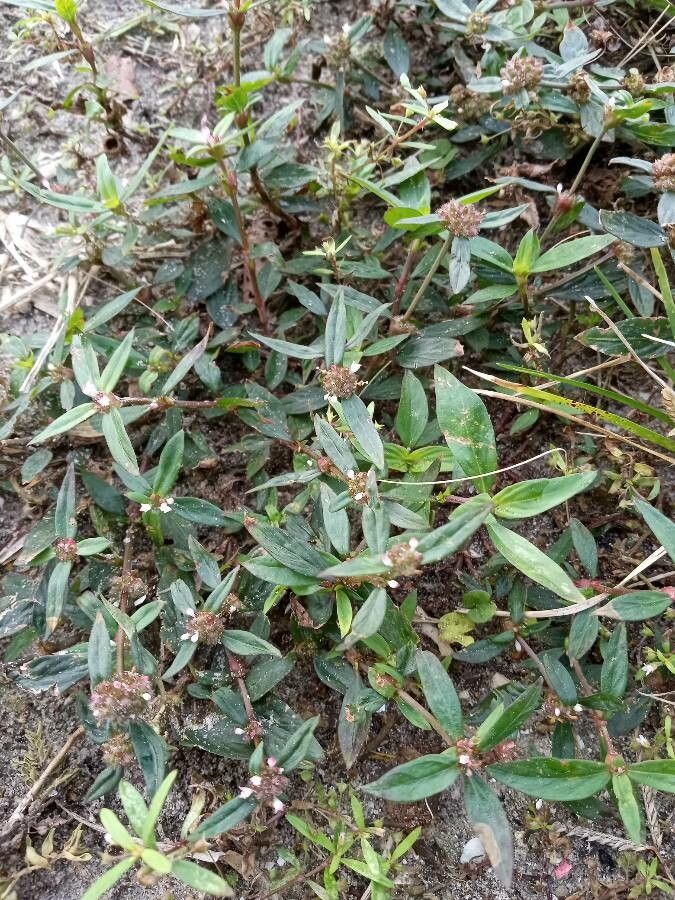
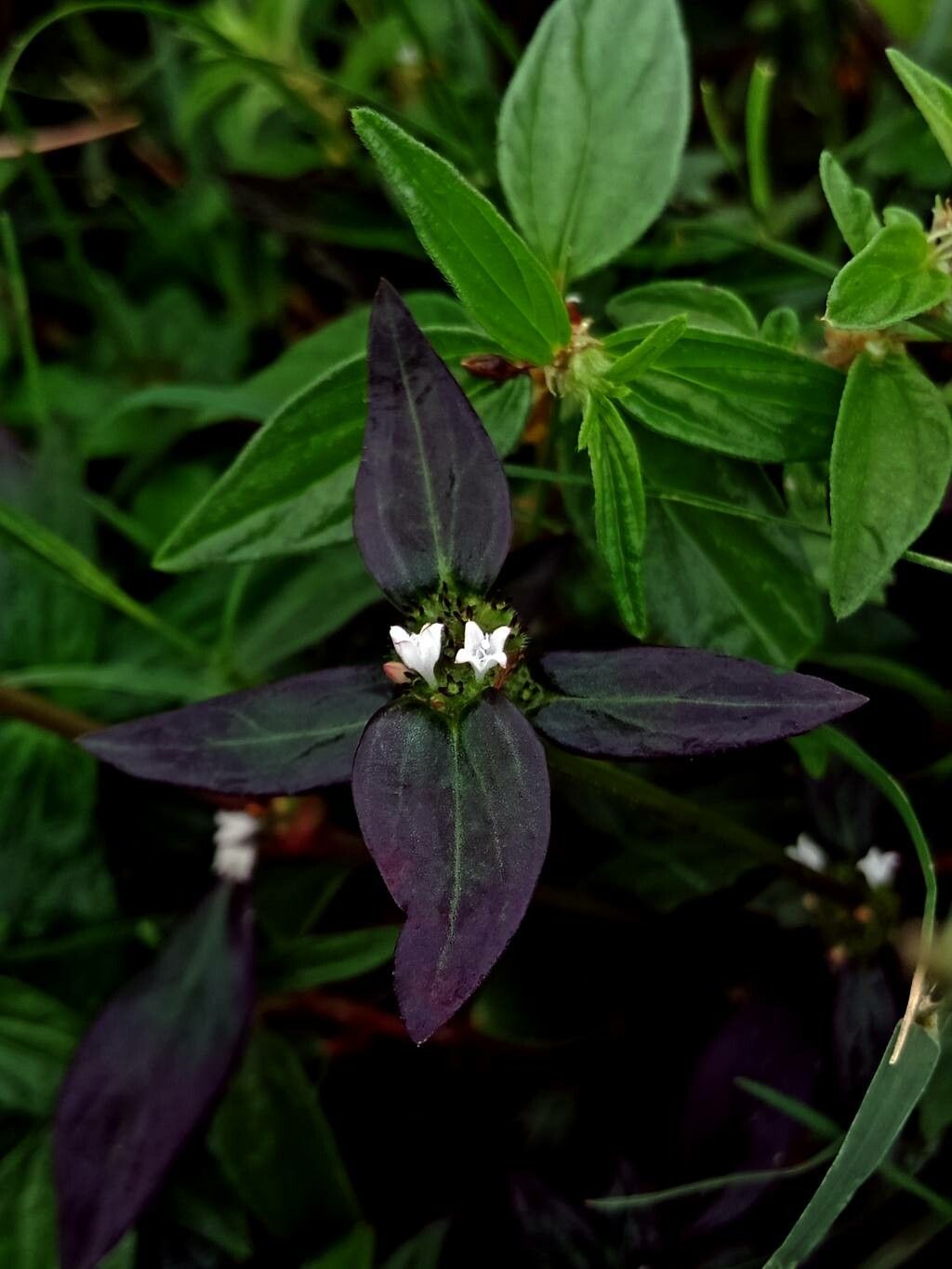
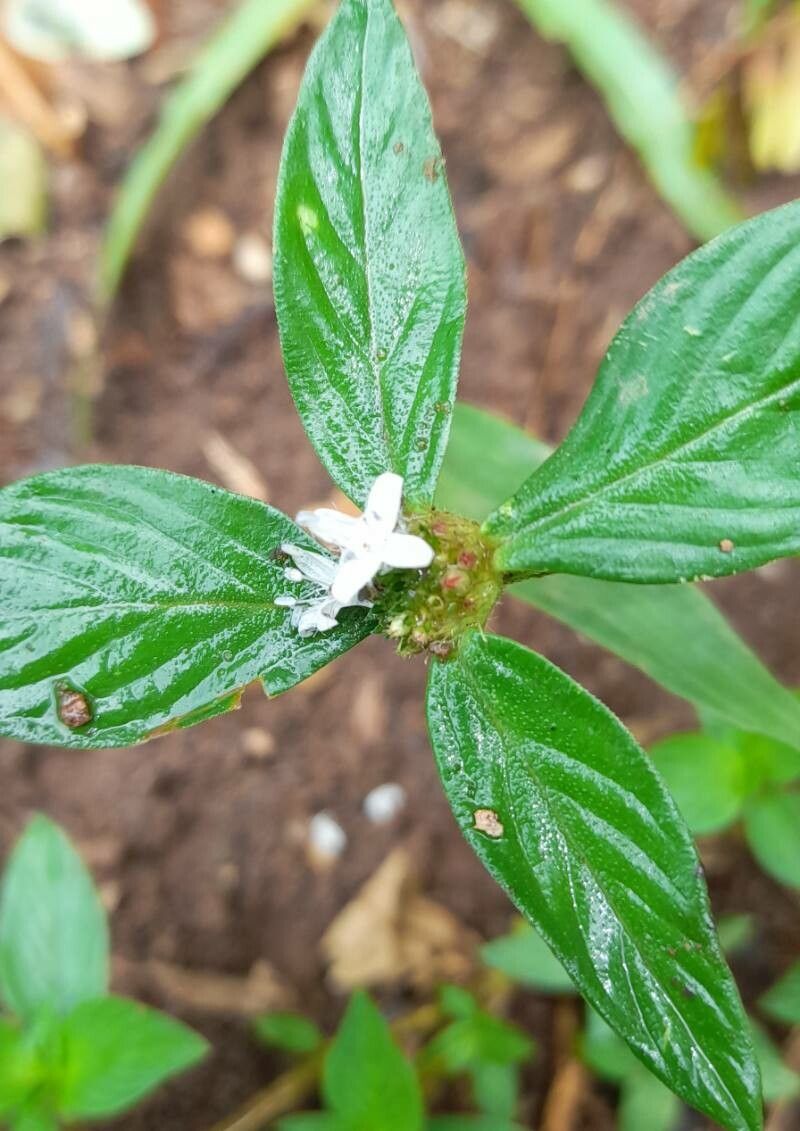
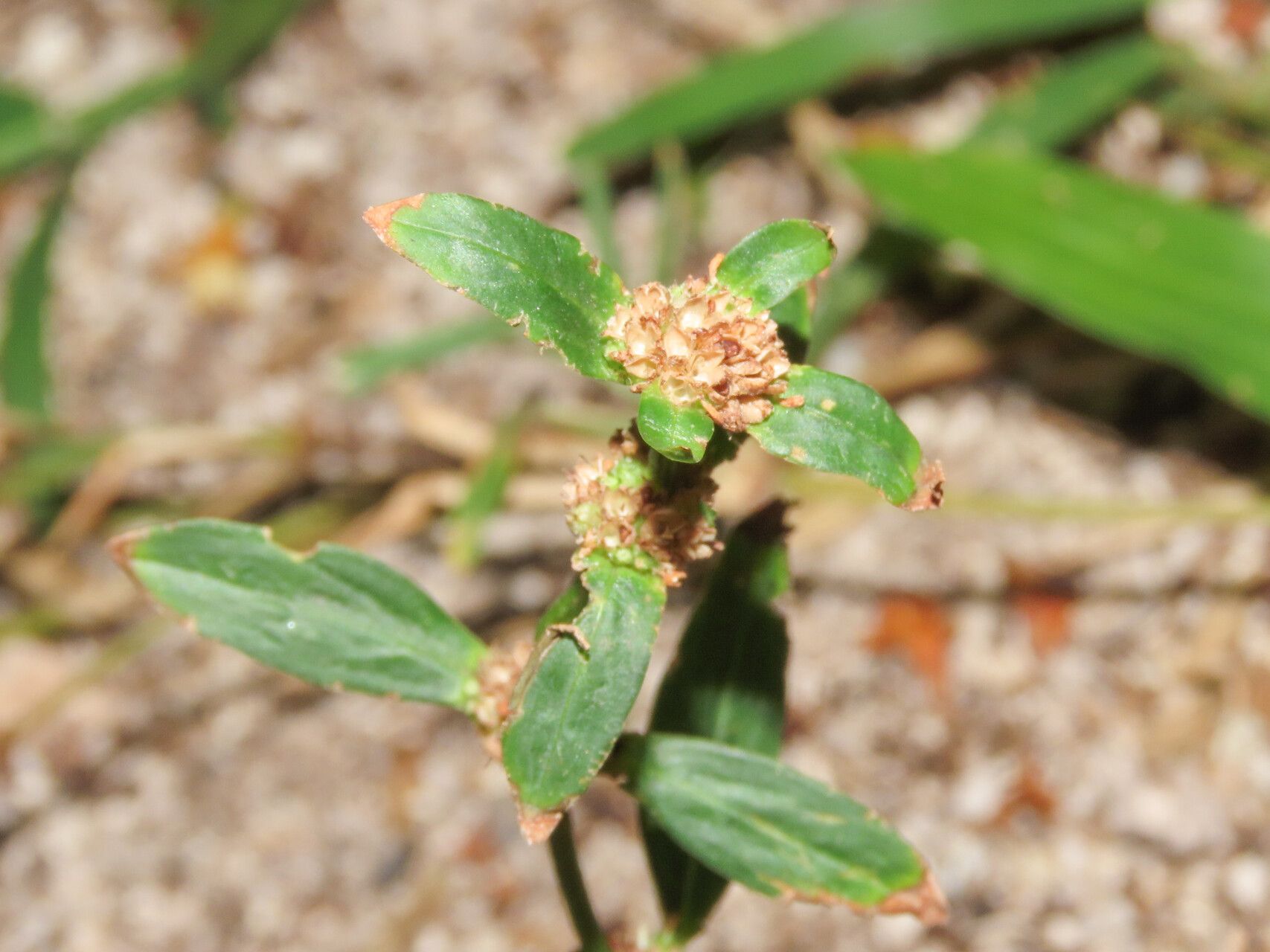
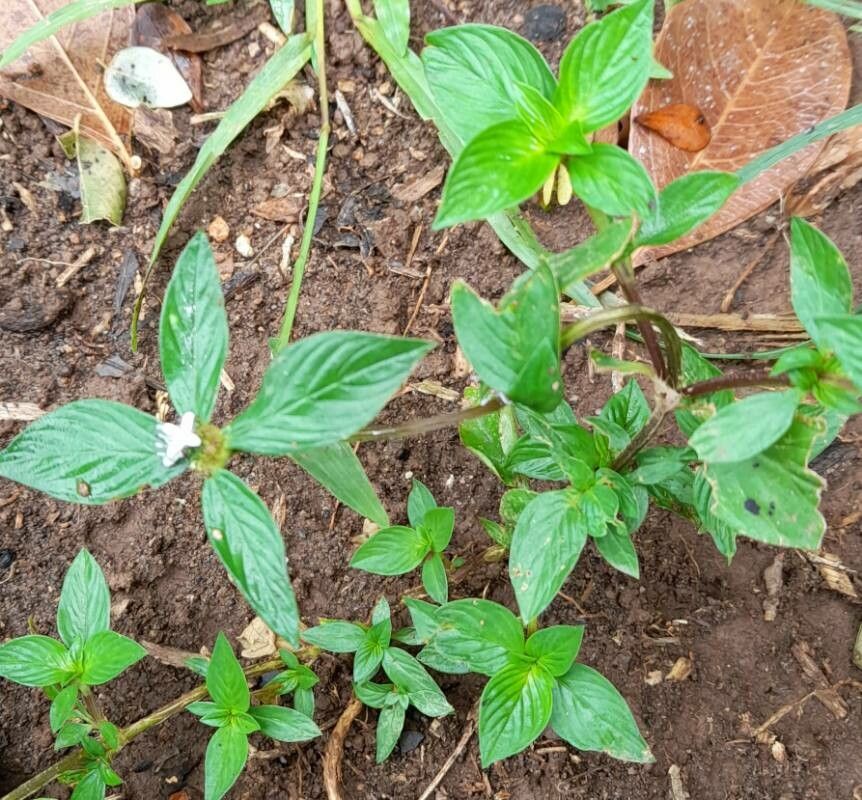
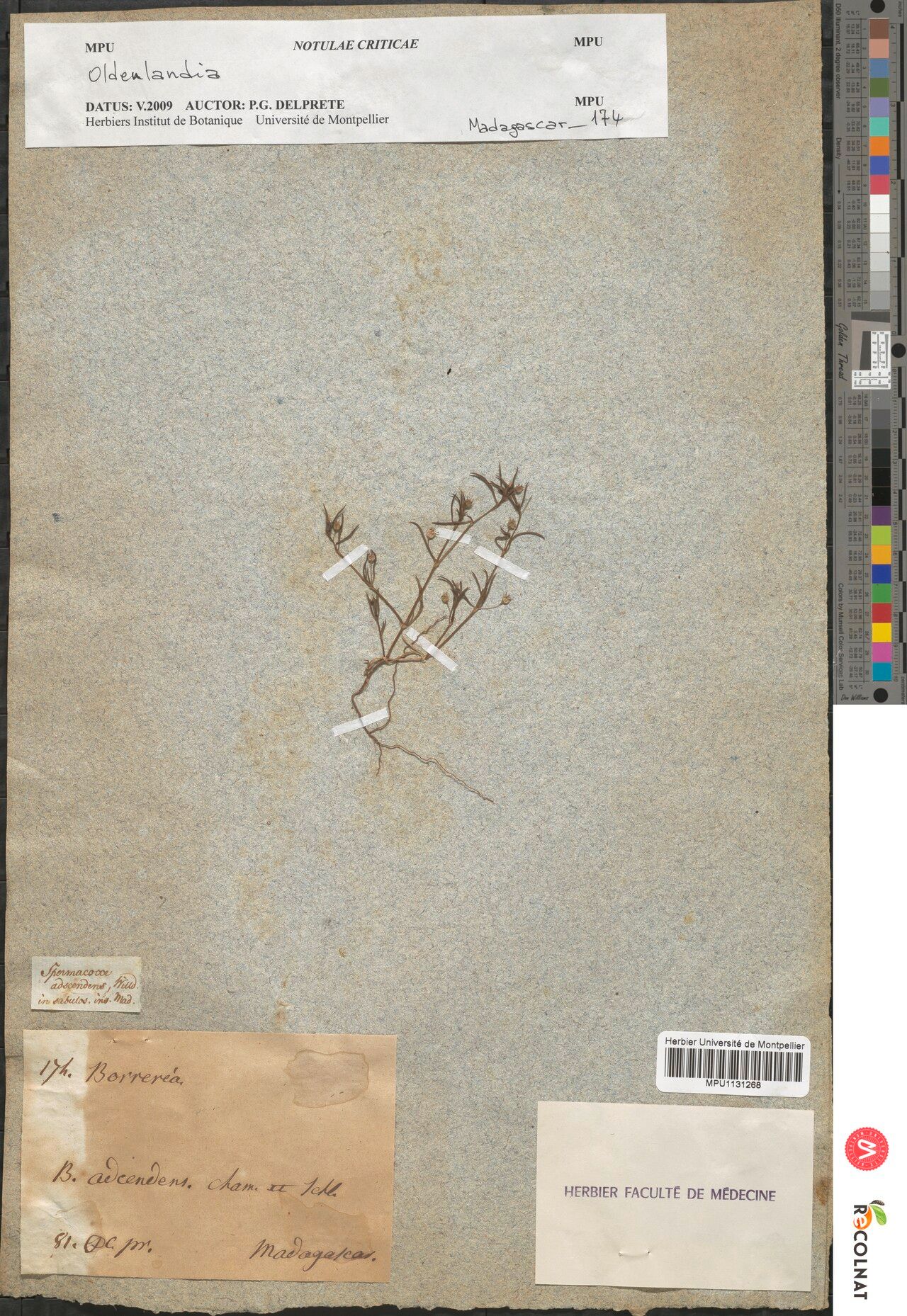
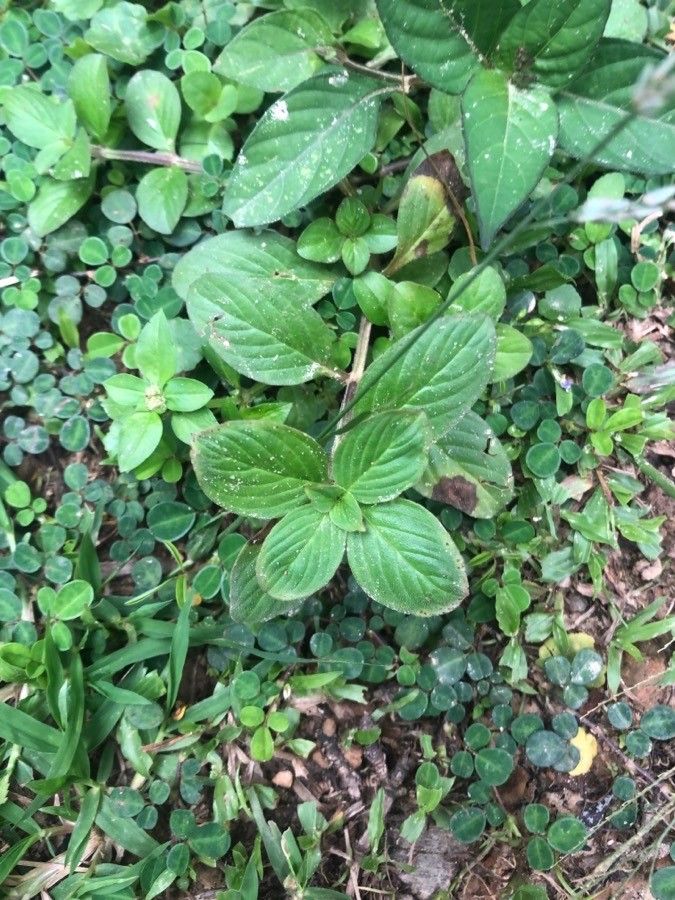
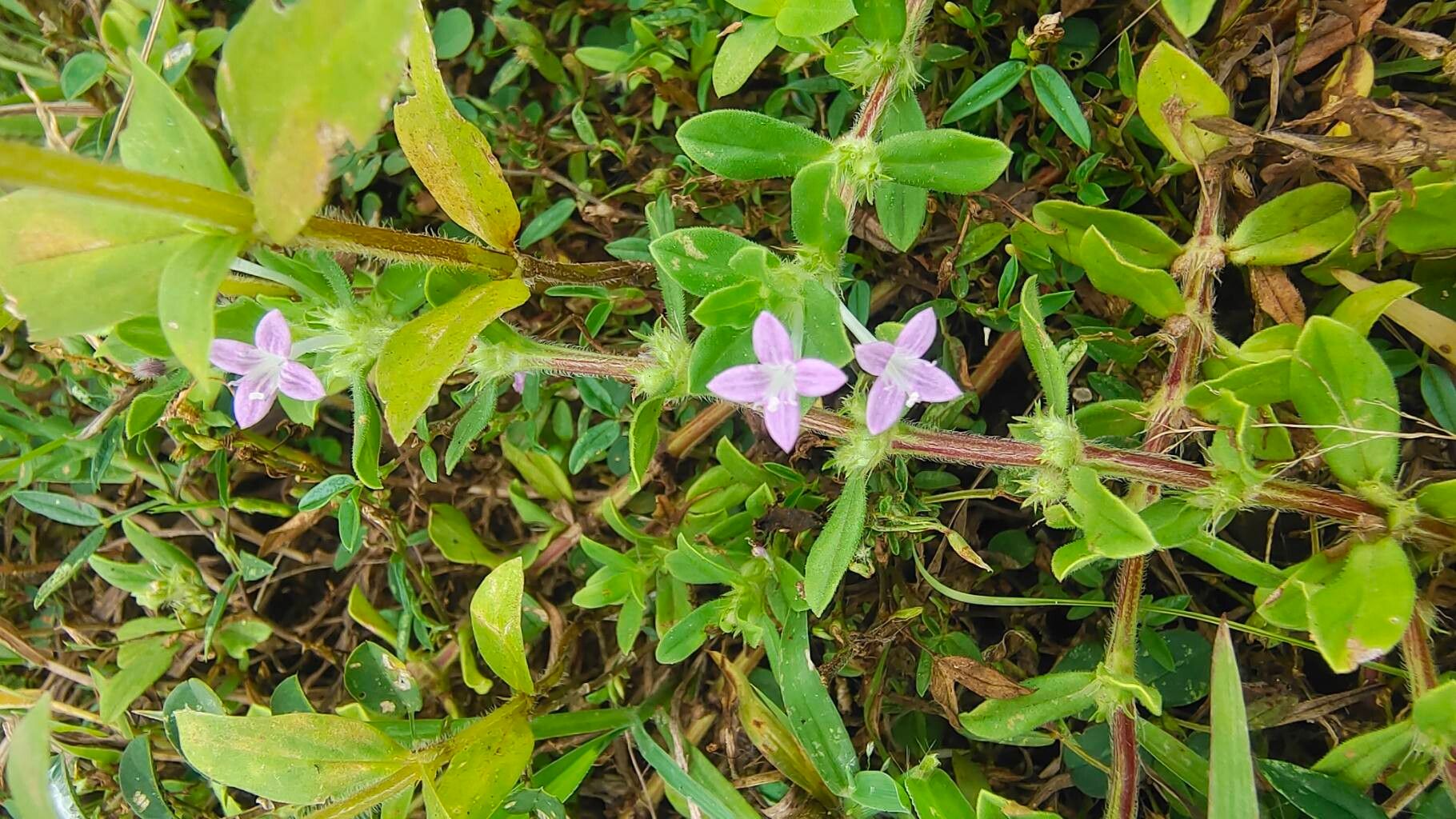
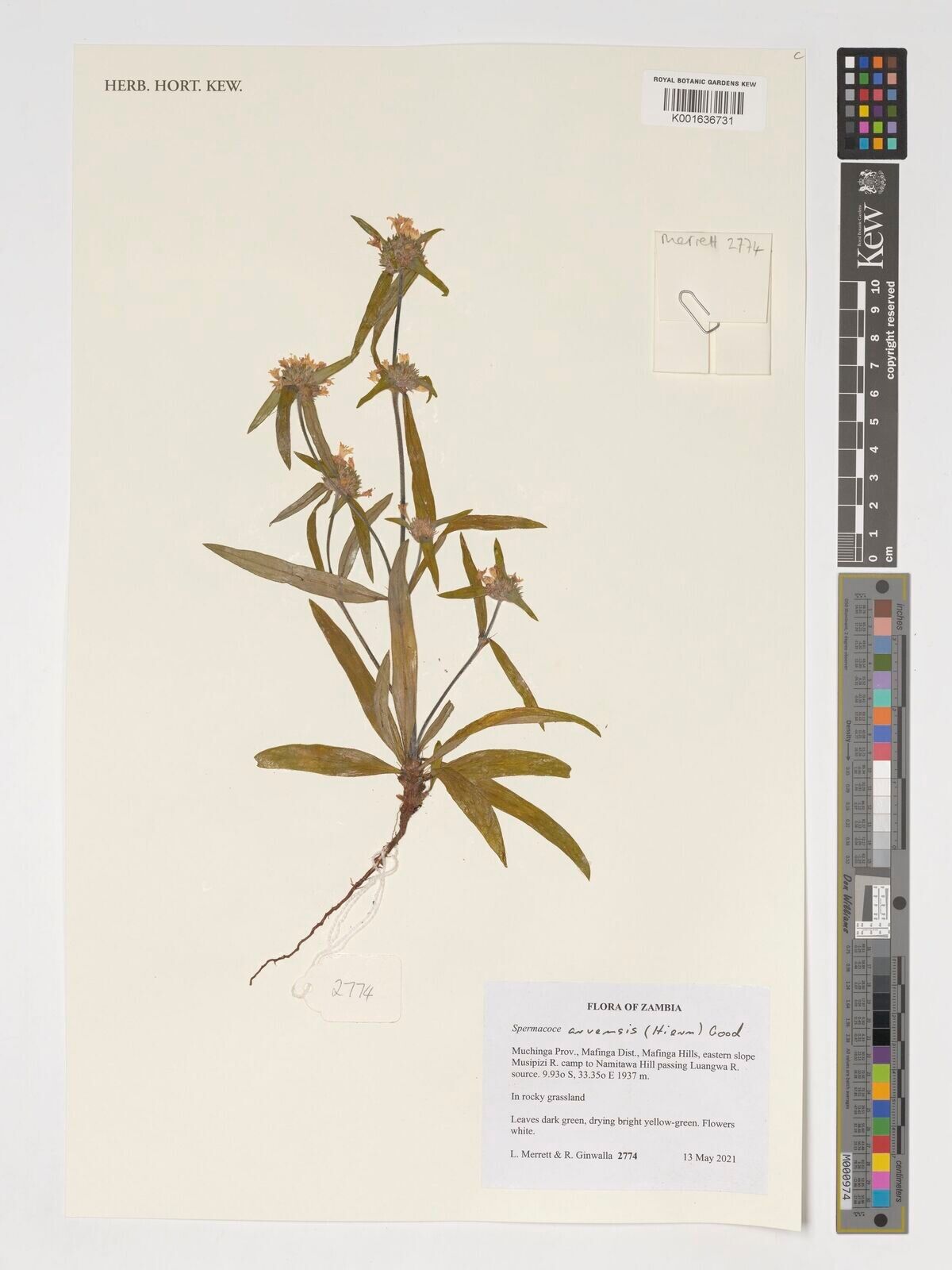
Spermacoce remota, commonly known as the forest bitterbush, is a species of flowering plant in the Rubiaceae family. It is indigenous to tropical regions of Africa, Asia, and Australia. The plant typically reaches up to 1 meter in height and features small white flowers that bloom in clusters. Its leaves are opposite, lance-shaped, and exhibit a glossy green coloration.
Traditionally, Spermacoce remota has been used for various medicinal purposes, including the treatment of fever, diarrhea, and skin infections. In traditional African medicine, it is particularly valued for its anti-inflammatory properties. The plant thrives in moist soil conditions with partial shade or full sun exposure but can also endure drought once established.
Spermacoce remota plays an essential ecological role by providing a food source for various insects, such as butterflies and bees, which are attracted to its nectar-rich flowers for pollination.
Woodland false buttonweed is fairly resistant to disease and usually does not readily suffer from them. However, it can be affected by pests and diseases present in its environment. Such problems are typically not serious. For care, this plant requires a moderate amount of maintenance. It should be pruned regularly to preserve a neat appearance and encourage healthy growth. Fertilizing can also help increase flowering. Woodland false buttonweed is well suited to people with outdoor spaces like a garden or patio and does not need extensive gardening experience. It may demand more attention if grown indoors.
How to keep Spermacoce Remota.
Light
Woodland false buttonweed is native to bright, open habitats and performs best in full sun. It can withstand partial sun but favors direct sunlight for optimal growth. This plant, which can be annual or biennial, is known for its sun-loving habit.
Water
The woodland false buttonweed thrives in tropical rainforests where the humidity is high. It needs to be watered regularly, with weekly hydration being ideal for its growth. As an evergreen plant, it requires consistent watering even when it is dormant to maintain its health and vitality throughout the year.
Temperature
Woodland false buttonweed comes from tropical areas, where the weather is generally warm and humid. Because of this, it is adapted to high heat and humidity. It is sensitive to sudden temperature shifts and prefers a steady thermal environment, so avoid temperature fluctuations indoors. It typically cannot withstand cold and needs warmer conditions to grow; if the surrounding temperature falls too low, growth may stop or the plant may die.
Fertilizer
Woodland false buttonweed benefits from regular, light applications of fertilizer to encourage healthy leaf growth. You should fertilize Woodland false buttonweed about once a month during the summer. Nitrogen is vital for foliage, and adding nitrogen-rich sources helps Woodland false buttonweed thrive.
Pruning
Woodland false buttonweed is characterized by its small, button-like flowers. To promote healthy growth, it benefits from careful pruning between early to late spring. Begin by removing dead stems and shaping the plant, but avoid excessive cutting to minimize stress. Proper pruning improves air circulation and reduces the risk of disease, leading to healthier growth and more vibrant displays.
Botanical profile.
- Plant Type
- Herb
- Life Cycle
- Annual, Perennial
- Genus
- Spermacoce
- Family
- Rubiaceae
- Hardiness Zone
- 9-11
- Mature Height
- 61 cm
- Mature Spread
- 30 cm to 49 cm
- Leaf Color
- Green
- Leaf Type
- Evergreen
- Flower Color
- White
- Flower Size
- 0.51 cm
- Bloom Time
- Late spring, Summer, Fall
- Planting Time
- Spring, Summer, Autumn
- Harvest Time
- Mid summer, Late summer, Fall, Early winter
Other names.
Reader questions.
How should I water my Woodland false buttonweed?
There are multiple ways to water Woodland false buttonweed, including using a garden hose, watering can, or any other common watering tool. This plant is not too particular about the water source and can thrive with rainwater, tap water, or filtered water. However, it is best to avoid watering from above, as this may harm the leaves, flowers, and potentially lead to disease. A drip irrigation system is often recommended for watering Woodland false buttonweed as it provides even and direct watering to the soil. When watering a container-grown plant, you can use a cup, watering can, or tap to apply water directly to the soil.
What should I do if I give too much or too little water to my Woodland false buttonweed plant?
To help your Woodland false buttonweed thrive, make sure to water it regularly if you notice it is lacking moisture. Overwatering can be a serious problem, so it is important to catch it early. Overwatered plants can develop diseases that lead to decline and death. To avoid this, choose a growing location that receives plenty of sunlight and has good drainage to prevent water from pooling in the soil. If you have overwatered a potted Woodland false buttonweed, consider repotting it in soil with better drainage and using a pot that allows excess water to drain efficiently.
How often should I give water to my Woodland false buttonweed?
Woodland false buttonweed requires regular watering throughout the growing season. In spring, you should water it once per week. As the season progresses and becomes warmer, you may need to increase watering to two to three times per week. However, exceeding this rate can harm the plant. It's important to keep the soil relatively moist but not wet regardless of the watering frequency. When it comes to watering Woodland false buttonweed in a pot, you'll need to increase the frequency as pot soil tends to dry out faster than ground soil. Typically, you should water a container-grown Woodland false buttonweed a few times per week compared to just once per week for a plant in the ground.
How much water does my Woodland false buttonweed require?
There are several ways to decide how much water your Woodland false buttonweed needs. Some gardeners prefer to check the soil's moisture level by feeling it. In this method, you should water until the top six inches of soil feel moist. Alternatively, you can use a specific measurement to determine the water amount. As a general guideline, about two gallons of water per week should be sufficient for your Woodland false buttonweed, considering the temperature and how quickly the soil dries. However, following such strict guidelines may result in overwatering if your plant requires less water for any reason. When growing your Woodland false buttonweed in a container, you need to use a different approach. In this case, water enough to moisten all the dried layers of soil. You can test this by sticking your finger in the soil to feel for moisture, or you can water until you see a slight trickle of excess water draining out of the pot's drainage holes.
How can I know if I'm giving enough water to my Woodland false buttonweed?
Woodland false buttonweed can be tricky to water correctly. On one hand, their deep roots need watering once a week. However, these plants are highly prone to root rot, which can cause browning. Overwatering is a bigger risk than underwatering, as these plants are resilient and can survive for a while without water. But if you neglect watering for too long, they will wilt and their leaves will become dry.
How should I water my Woodland false buttonweed at different times of the year?
As the seasons change, the watering needs of your Woodland false buttonweed will also change. In the spring, watering once a week should be sufficient. However, as the summer heat arrives, you will need to increase the frequency of watering to about three times a week, especially if your Woodland false buttonweed is planted in a container. Container soil tends to dry out faster compared to ground soil during warm weather. In autumn, when the temperature cools down and the sun is not as intense as in the summer, you can reduce watering slightly while your Woodland false buttonweed is still blossoming.
How should I water my Woodland false buttonweed as it grows?
Woodland false buttonweed undergoes various growth stages throughout the year, with each stage requiring different amounts of water. To start, when you plant Woodland false buttonweed as a seed, it is recommended to provide more water than it will need in later stages. This means watering often enough to keep the soil consistently moist. After a few weeks, when the seed germinates and the plant grows above the soil, it will require slightly less water than in its seedling phase. Once the plant reaches maturity, you can switch to a regular watering frequency of about once per week. During flower development, it may be necessary to provide slightly more water to support the process.
What's the difference between watering Woodland false buttonweed inside and outside?
Most Woodland false buttonweed plants prefer outdoor growing conditions for a few reasons. First, these plants tend to grow quite tall. Second, they require more daily sunlight than most indoor locations can offer. However, if you can provide a suitable indoor environment, be prepared to water your Woodland false buttonweed more frequently compared to outdoor growth. Indoor locations are typically drier, thanks to HVAC units, while soil in containers also tends to dry out quickly compared to soil in the ground.