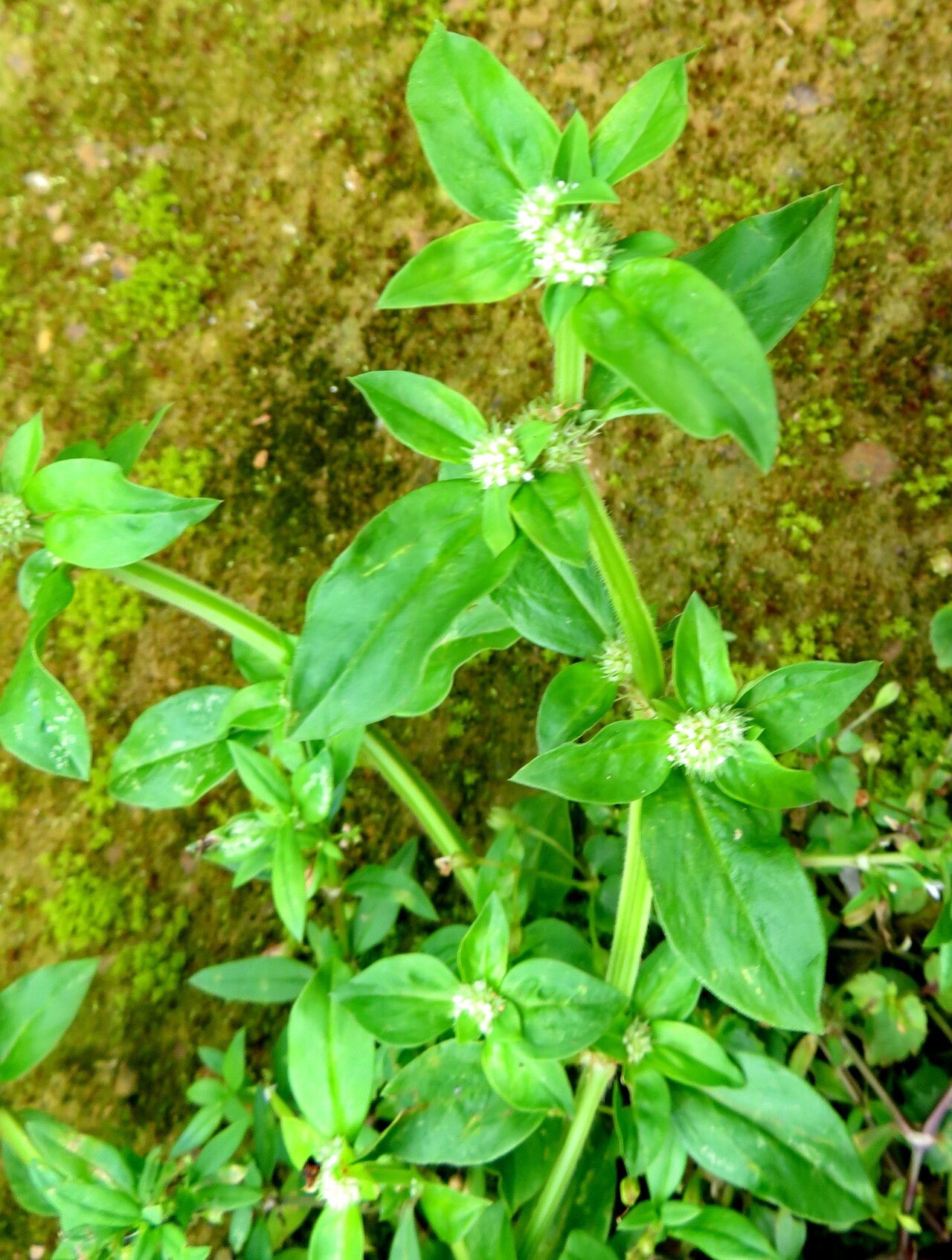
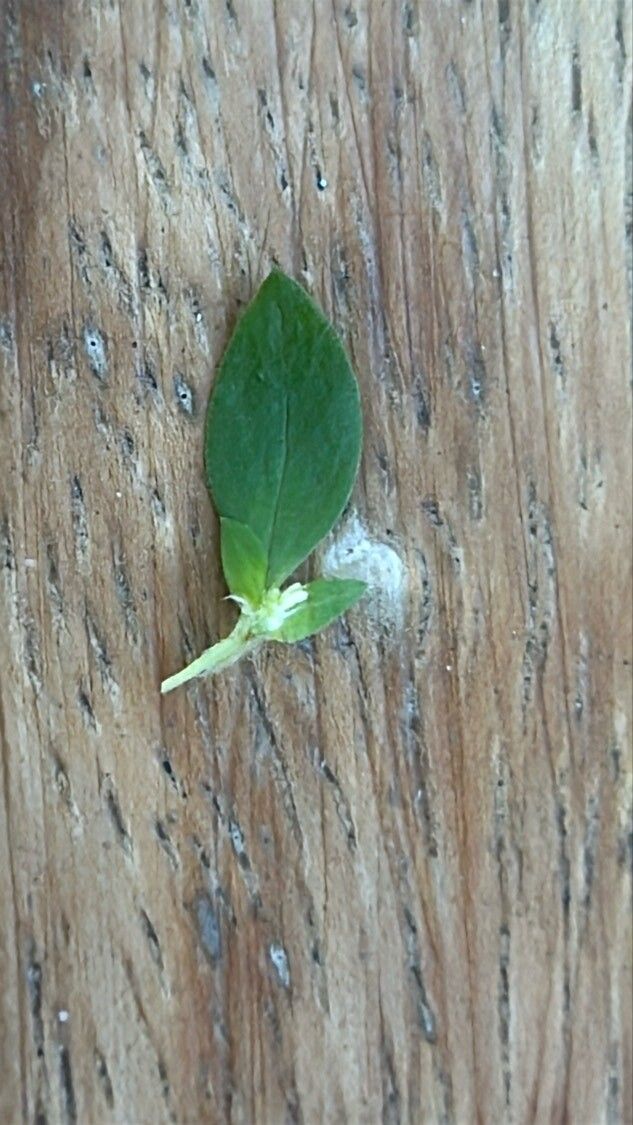
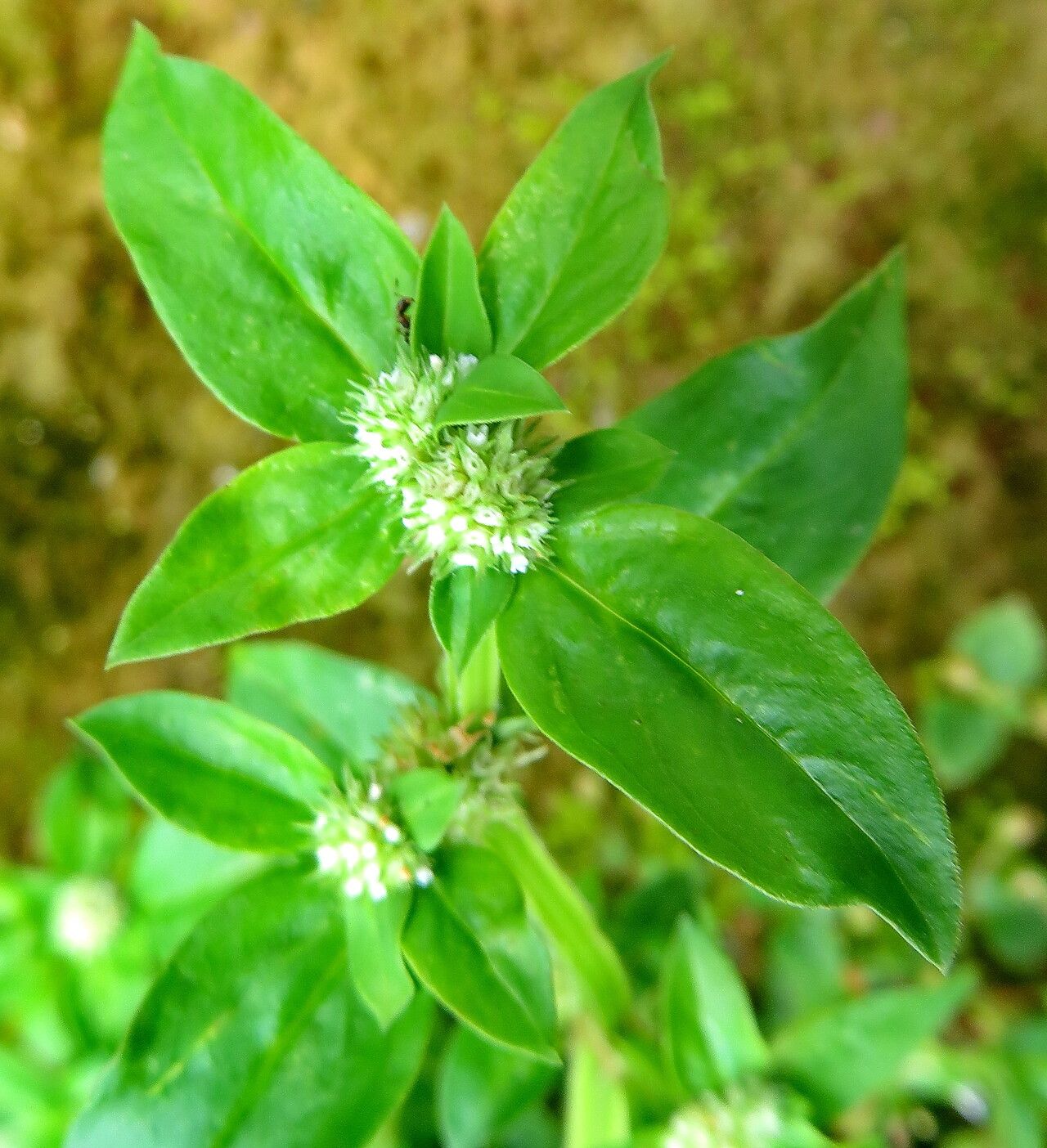
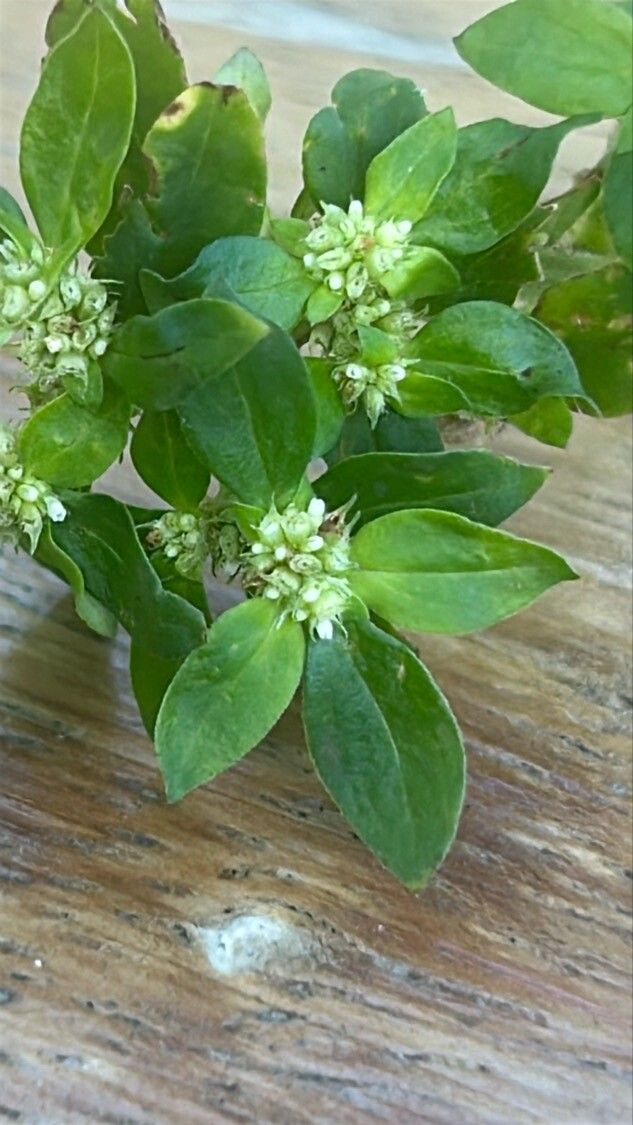
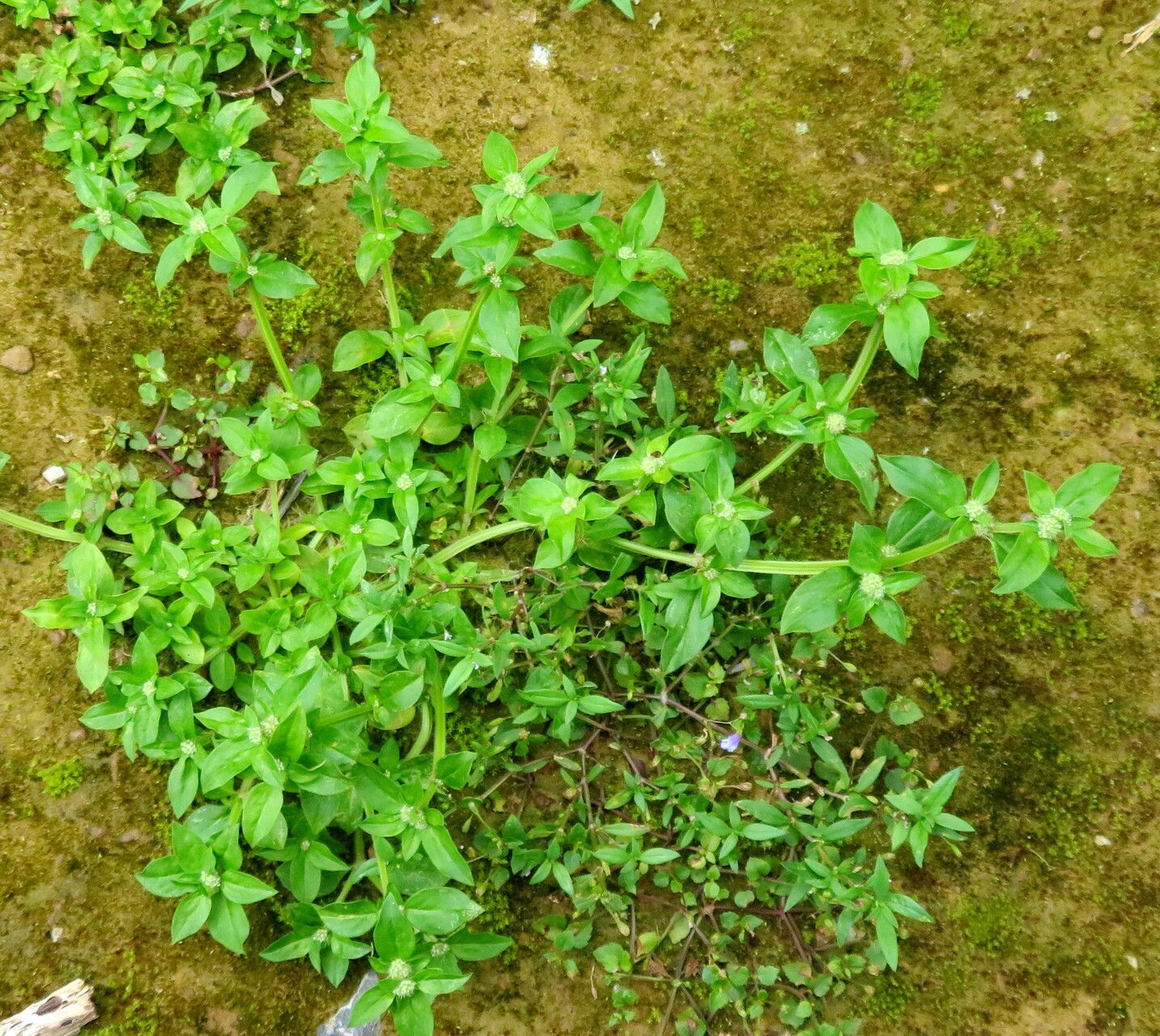
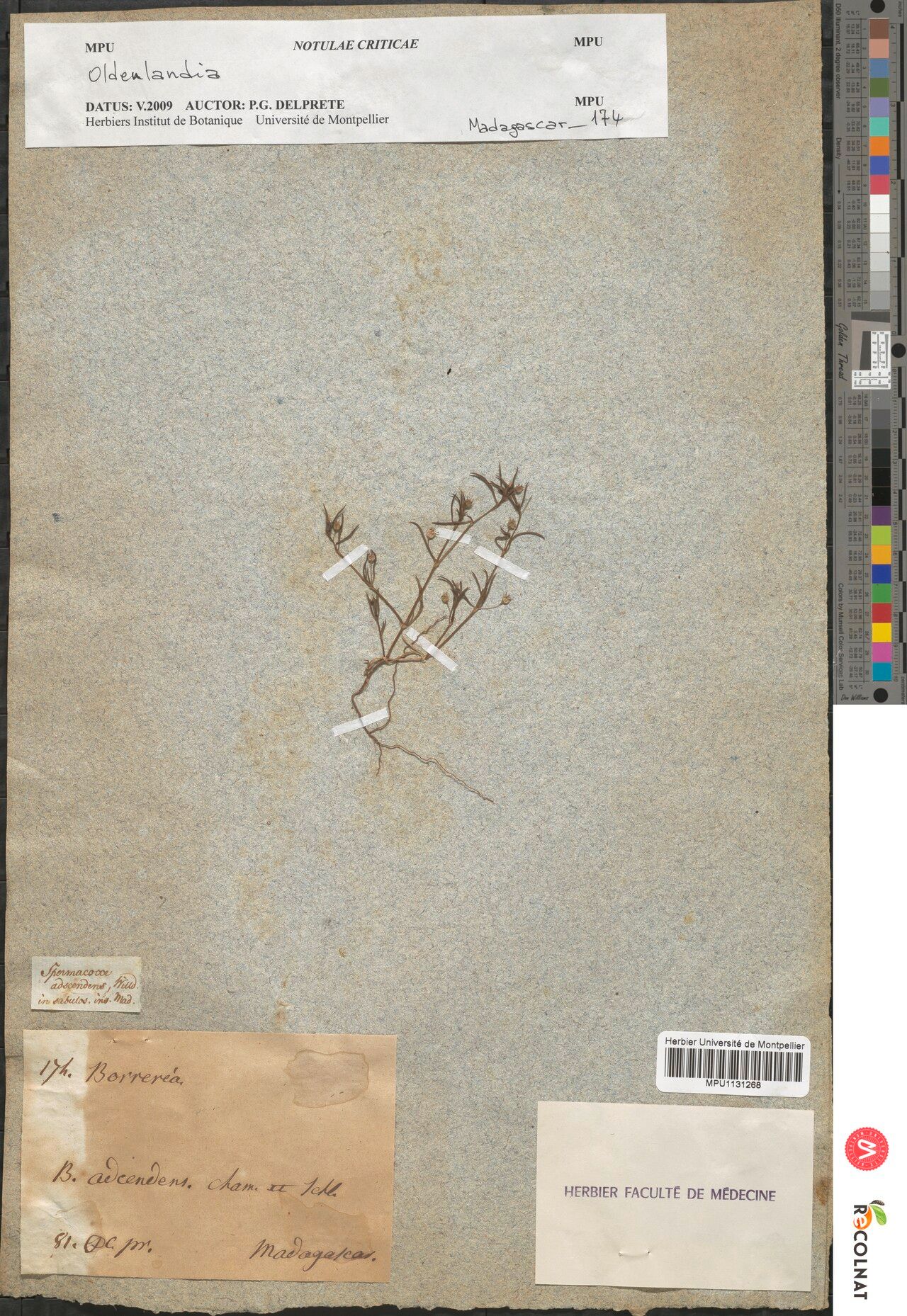
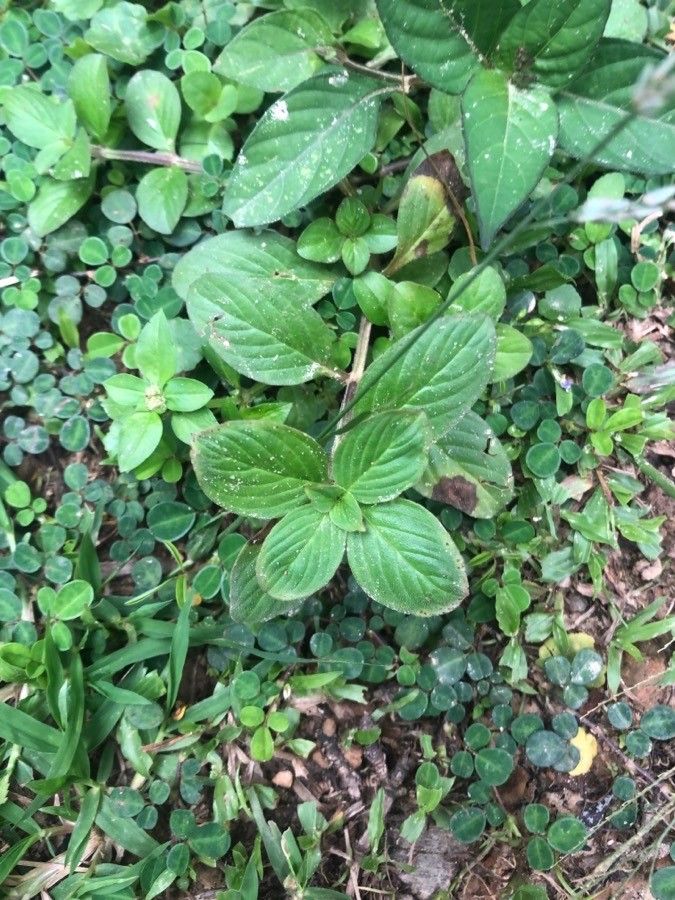
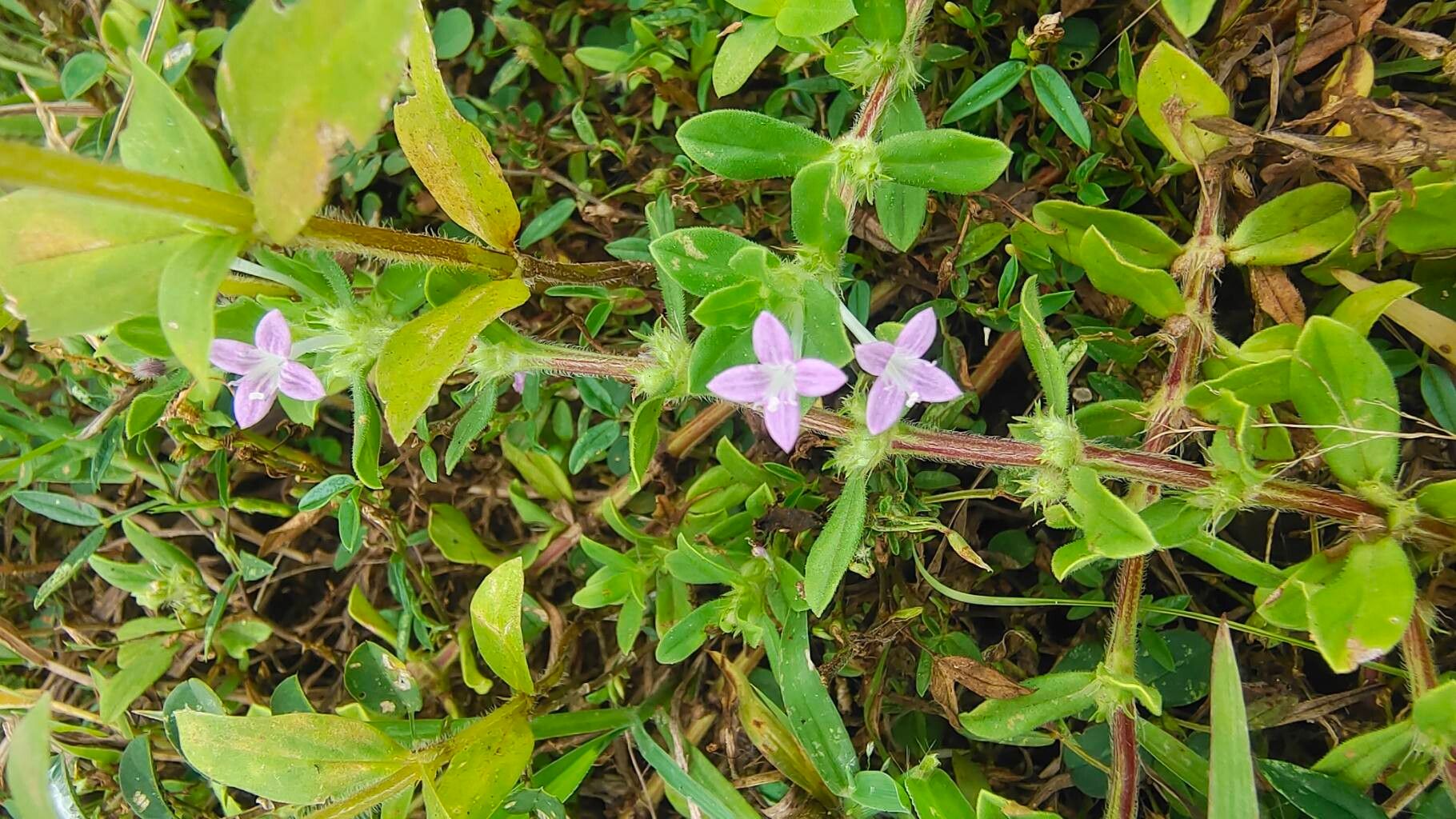
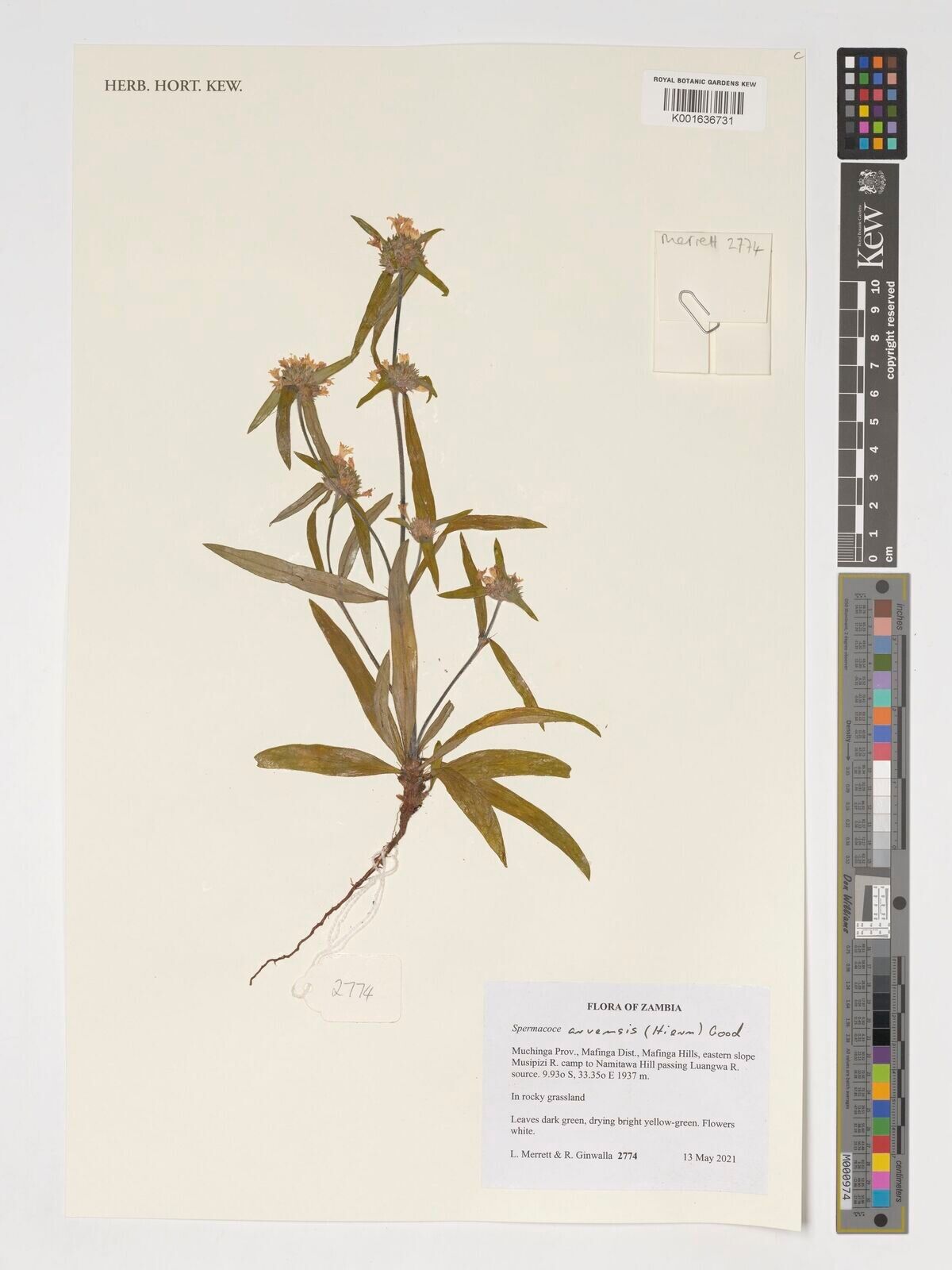
Pacific false buttonweed is fairly disease-resistant and generally does not suffer from many ailments. That said, it can be affected by pests and diseases present in its environment. Those infections are typically mild. When it comes to care, this plant needs moderate maintenance. It should be pruned regularly to maintain a neat appearance and encourage healthy growth. Fertilizing can also help encourage flowering. Pacific false buttonweed is suitable for anyone with an outdoor area, such as a garden or patio, and does not demand extensive plant-care experience. It may need more attention if grown indoors.
How to keep Spermacoce Exilis.
Light
Pacific false buttonweed performs best when grown in full sun. Too little light can cause stunted development and diminished vigor. In its native range it prospers in open locations with ample sunlight. However, continuous intense sun can scorch the plant, so maintaining moderate light intensity is important.
Water
The Pacific false buttonweed flourishes in tropical environments with consistent moisture and prefers evenly moist soil. To maintain the right balance, water it weekly. When grown outdoors in warm climates, applying mulch can help retain moisture, thus reducing the need for frequent watering, particularly during the active growing season.
Temperature
Pacific false buttonweed comes from tropical areas, where the weather is usually warm and humid. Consequently, it is adapted to high heat and humidity. It does not tolerate sudden temperature shifts and prefers a consistent temperature, so avoiding indoor temperature fluctuations is important. It generally cannot withstand cold and needs warmer conditions to grow. If the ambient temperature becomes too low, the plant may stop growing or even die.
Fertilizer
Pacific false buttonweed responds well to regular, dilute fertilizer applications to encourage healthy leaf development. You should apply fertilizer to Pacific false buttonweed about once a month during the summer. Nitrogen is important for foliage, and providing nitrogen-rich sources helps Pacific false buttonweed thrive.
Pruning
The Pacific false buttonweed is characterized by its small, button-like flowers and low-growing nature. To encourage healthy growth and abundant flowering, prune the plant from early to late spring. Remove any dead stems and trim back overgrown sections to improve airflow and minimize the risk of disease. This will promote denser foliage and more vibrant blooms while keeping the plant stress-free.
Botanical profile.
- Plant Type
- Herb
- Life Cycle
- Annual
- Genus
- Spermacoce
- Family
- Rubiaceae
- Hardiness Zone
- 9-11
- Mature Height
- 30 cm
- Mature Spread
- 10 cm to 20 cm
- Leaf Color
- Green
- Leaf Type
- Semi-evergreen
- Flower Color
- White
- Flower Size
- 0.25 cm to 0.51 cm
- Bloom Time
- All year round
- Planting Time
- Spring, Summer, Autumn
- Harvest Time
- All year round
Other names.
Reader questions.
What are the sunlight requirements for Pacific false buttonweed?
Pacific false buttonweed requires above 6 hours of sunlight daily to thrive, exhibiting its best growth in full exposure to the sun. Insufficient light exposure may lead to stunted growth and weak vitality. It's important to watch how sunlight moves through your garden and choose spots that balance light and shade for your plants. Despite its need for substantial sunlight, constant strong solar exposure can potentially scorch the plant, indicating that moderation in light intensity is vital for the health of Pacific false buttonweed.
How do you manage artificial lighting for Pacific false buttonweed indoors?
Indoor plants, including Pacific false buttonweed, require adequate lighting for optimal growth, especially when natural sunlight is insufficient, like in winter or less sunny spaces. Artificial lights, such as LED lights, offer a solution by providing the necessary wavelengths of light. Full sun plants need 30-50W/sq ft of artificial light, partial sun plants require 20-30W/sq ft, and full shade plants need 10-20W/sq ft. The light source should be placed 12-36 inches above the plant, mimicking natural sunlight, and the duration should align with the natural daylight hours typical for the species, which is most often 8-12 hours of light per day.
What are the symptoms of inadequate light exposure in Pacific false buttonweed?
When Pacific false buttonweed is grown indoors or in conditions of inadequate light, it may show several symptoms indicative of light deficiency. These symptoms include smaller new leaves, leggy or sparse growth, faster leaf drop, slower or no new growth, and lighter-colored new leaves. Excessive sunlight can also lead to chlorosis, where leaves lose their green color and turn yellow, sunscald resulting in damage to leaves or stems, leaf curling as a defense mechanism against extreme sunlight, wilting due to loss of turgor pressure, and leaf scorching characterized by brown, dry edges on leaves.
What solutions can alleviate light-related issues for Pacific false buttonweed?
To resolve light-related issues in Pacific false buttonweed, indoor plants can be gradually moved to sunnier locations each week until they receive at least 6 hours of direct sunlight daily. Keeping them by a south-facing window and using artificial light for large or immobile plants for at least 8 hours daily can also help. For outdoor plants, gradual relocation to sunnier spots can prevent sunburn. Addressing obstructions by pruning or transplanting during dormant periods to sunnier locations with good drainage can also alleviate light-related issues. It's important to note that parts of the plant already affected by insufficient sunlight may not recover, but new growth should be healthy with improved light conditions.