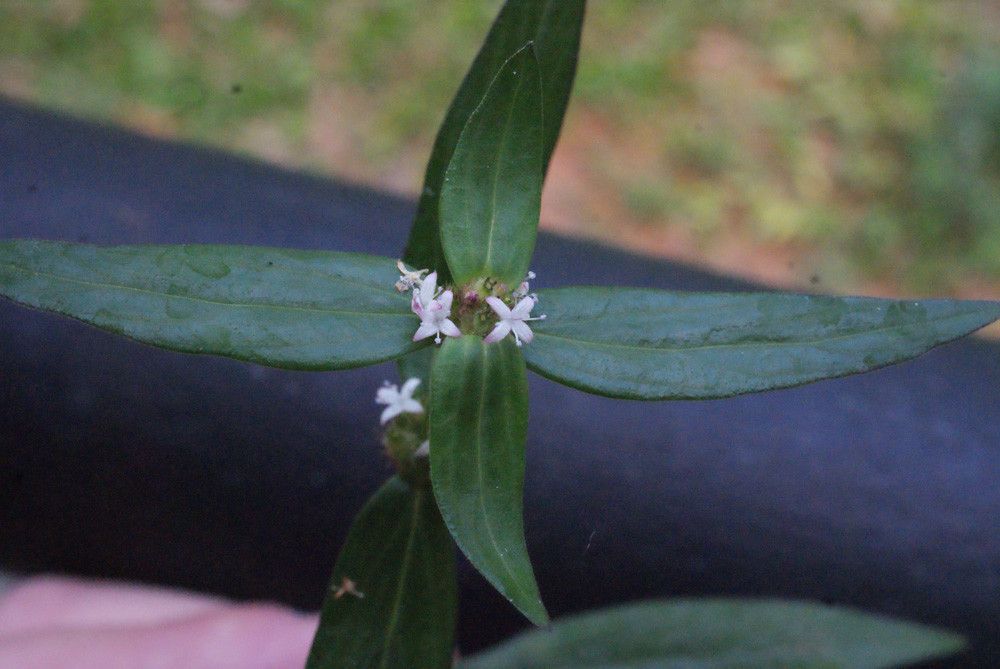
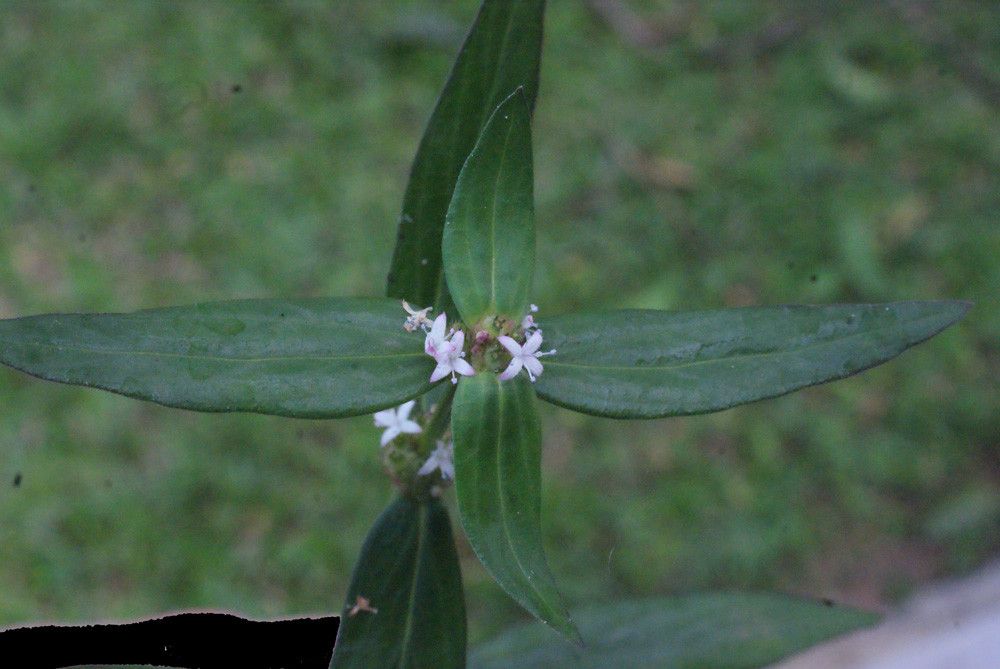
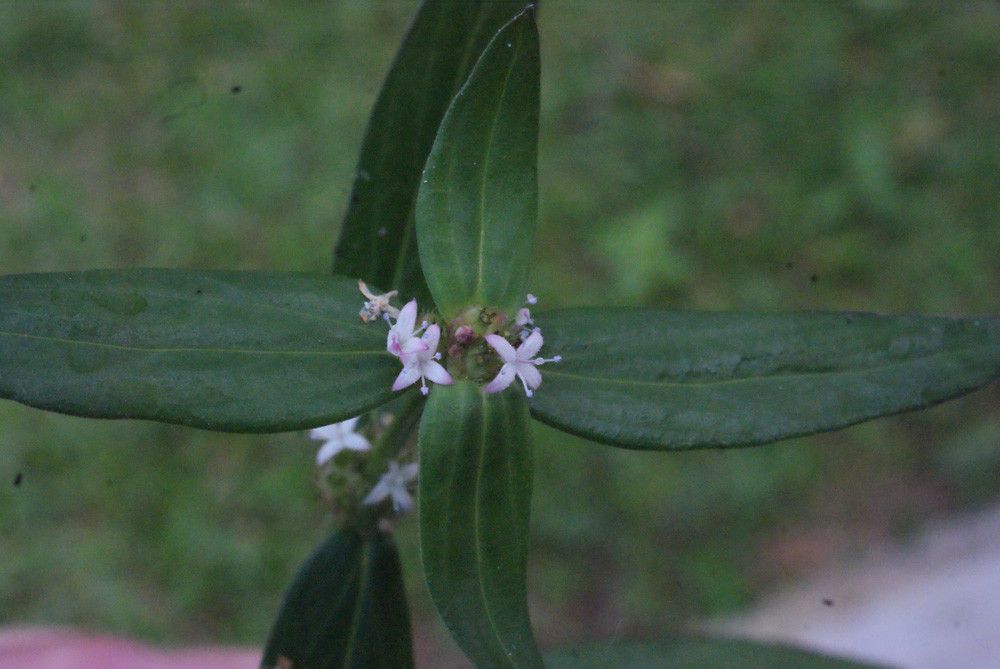
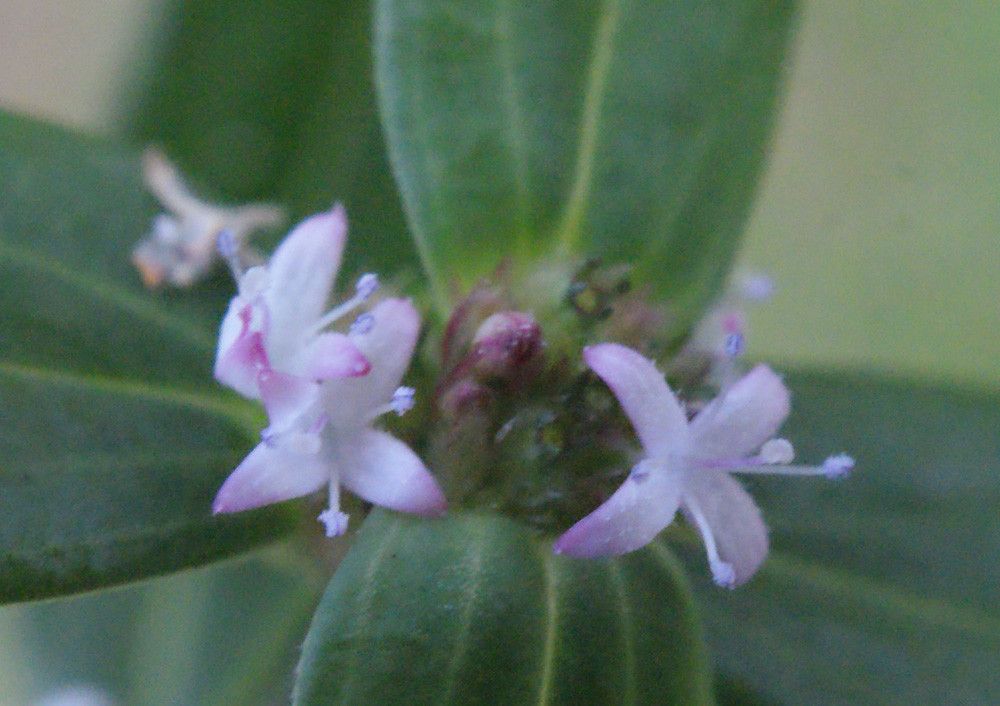
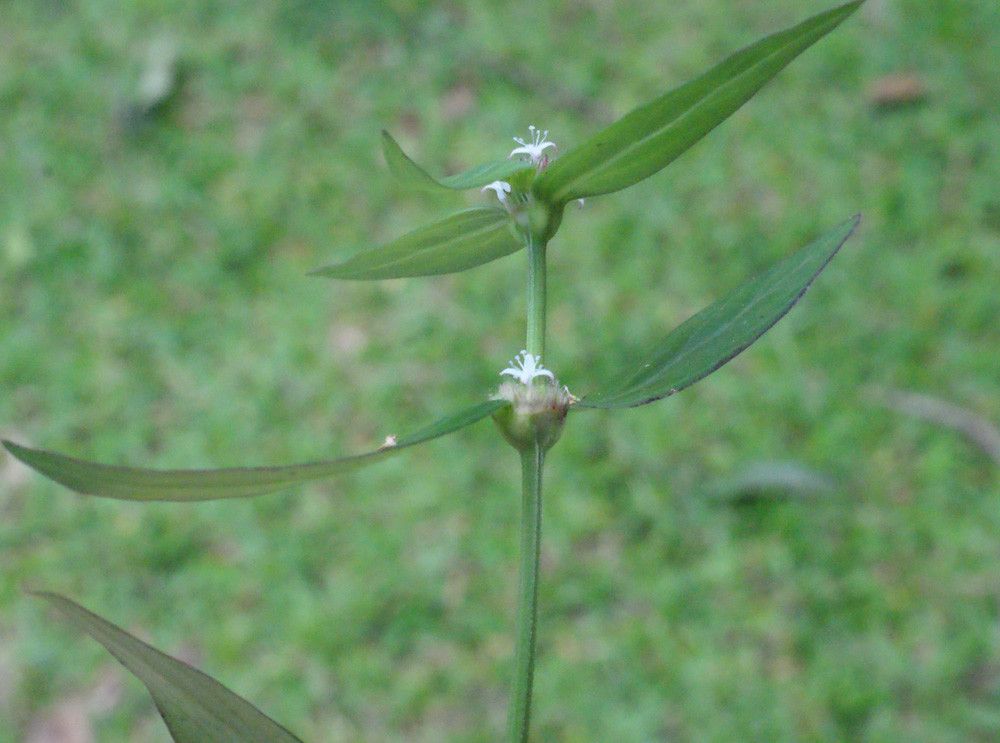
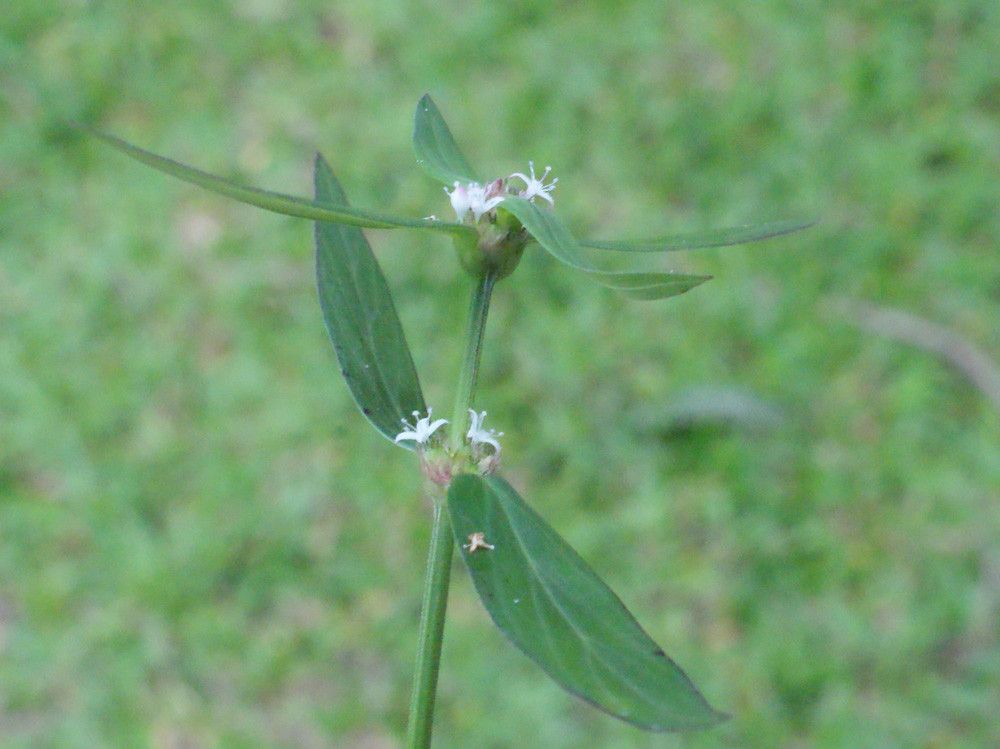
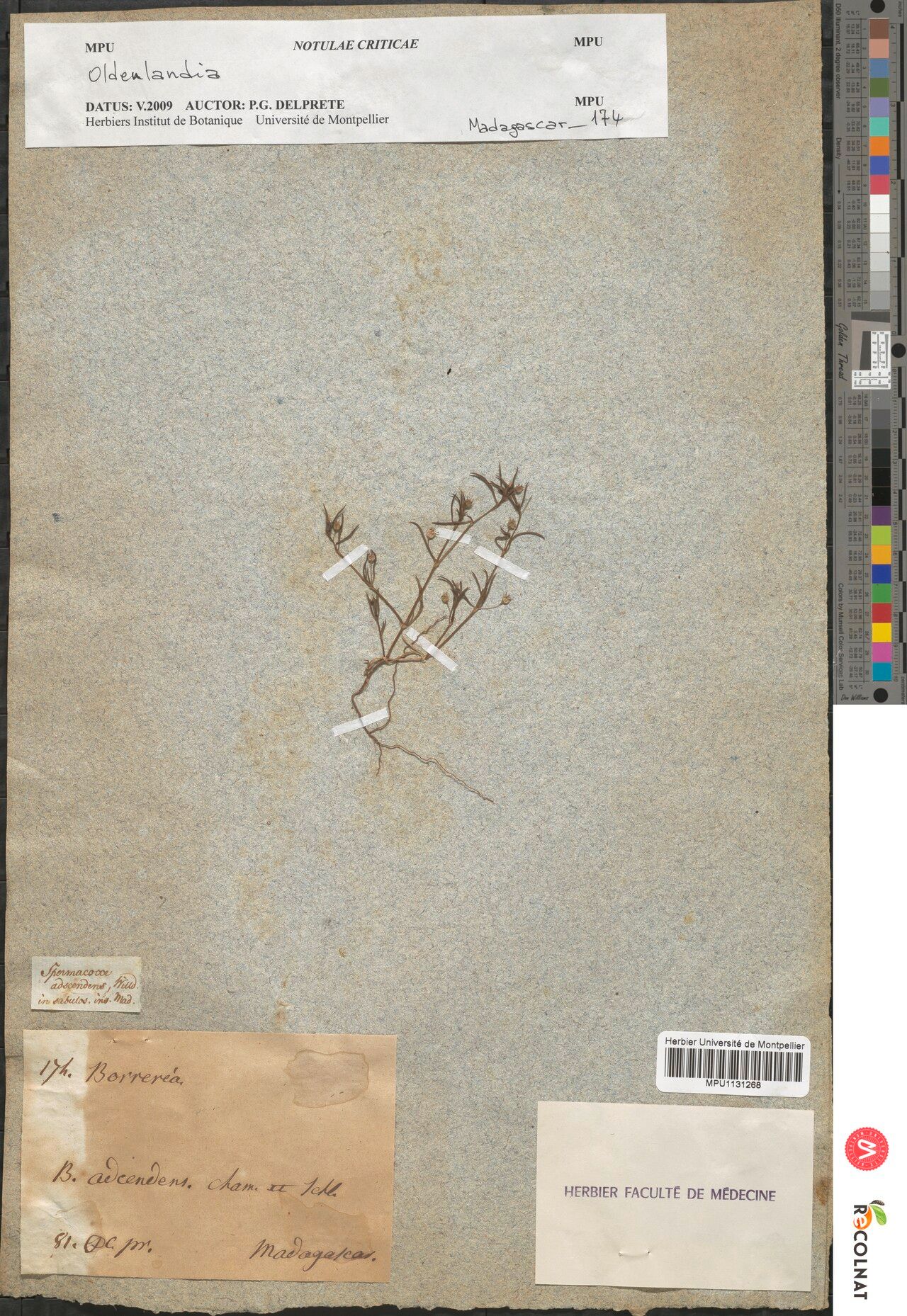
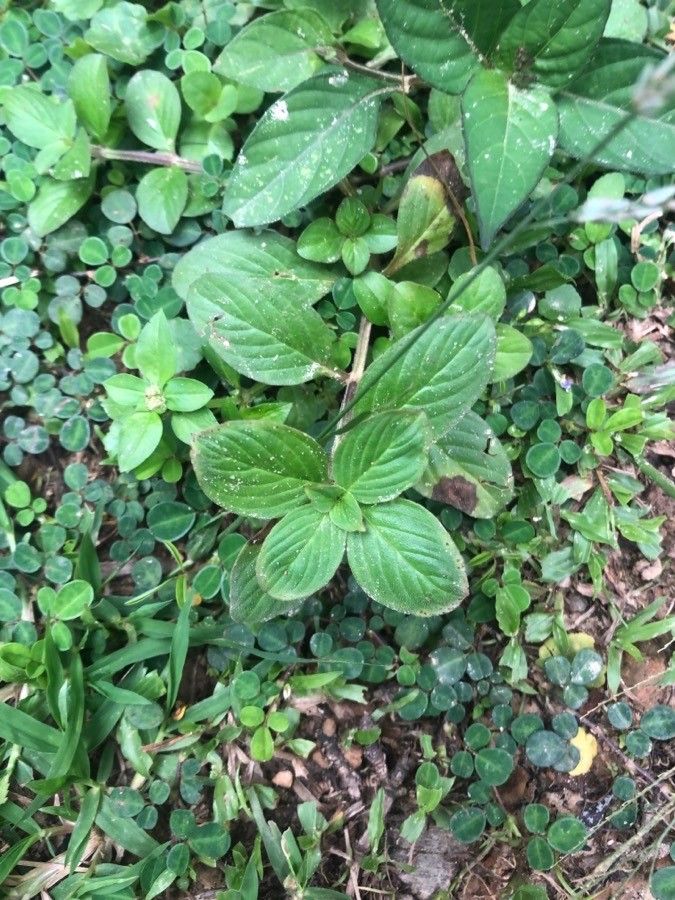
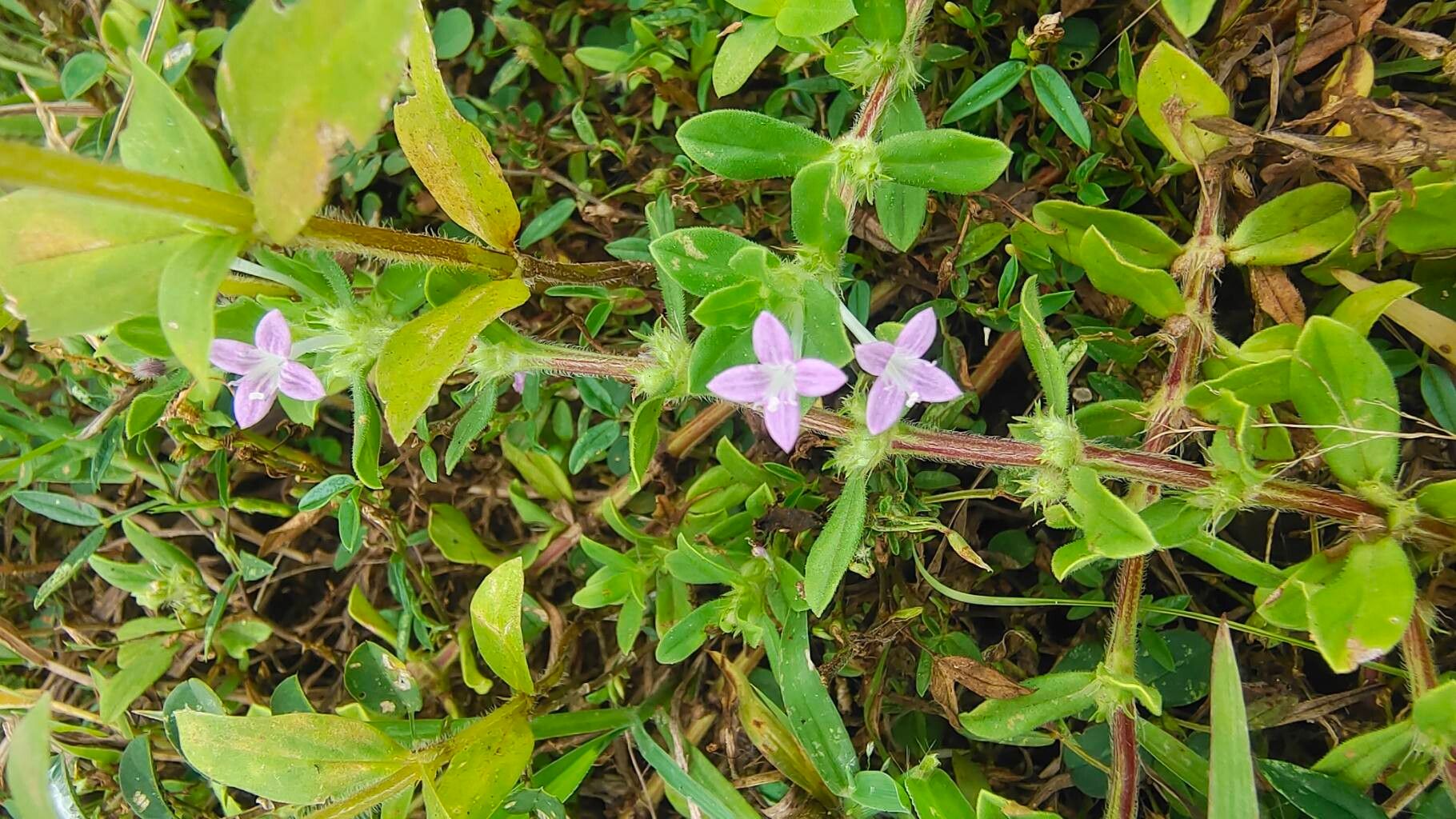
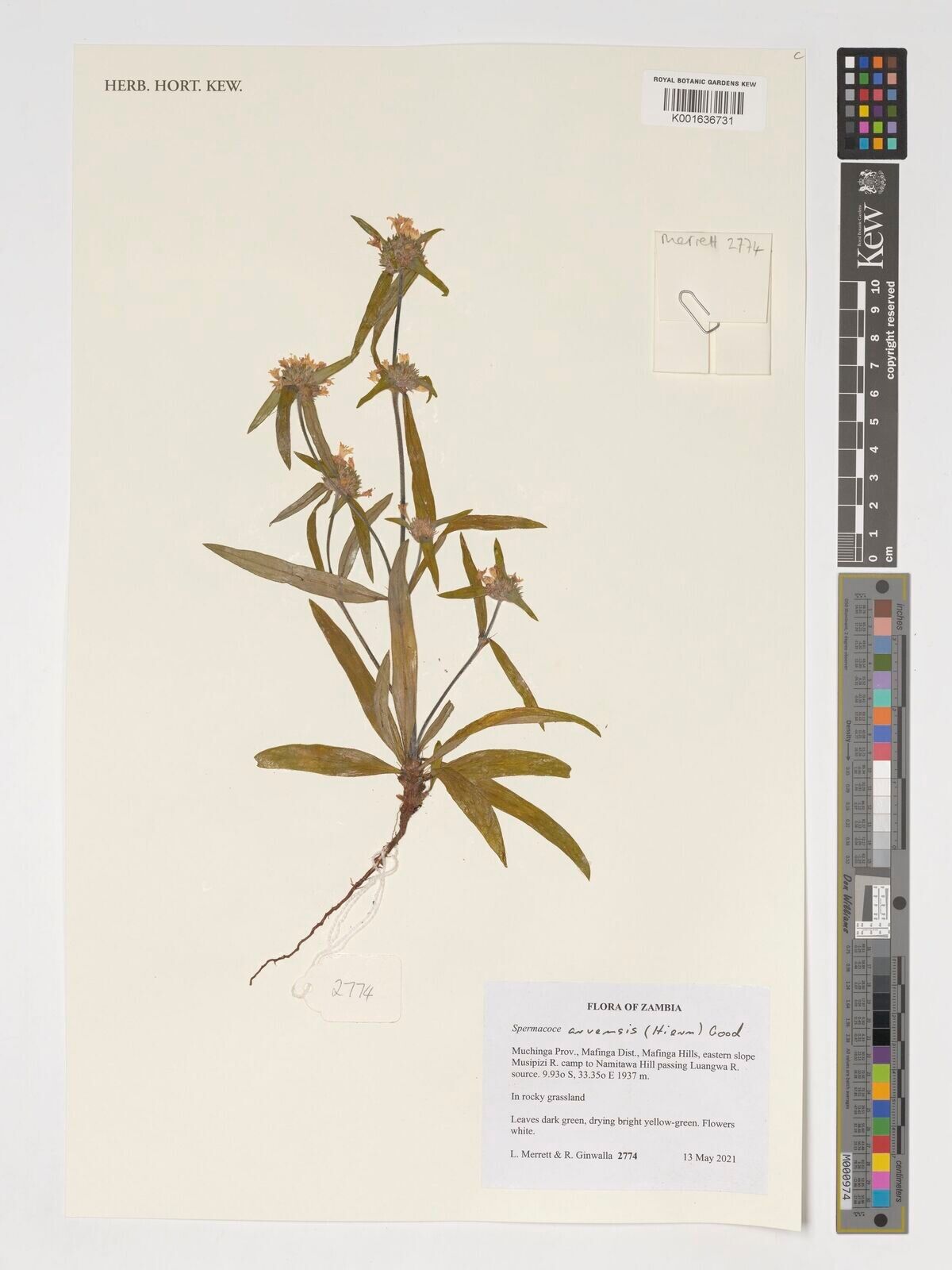
Spermacoce remota, the woodland false buttonweed, is a species of plant in the Rubiaceae. It is native to the southeastern United States (Texas, Florida, Georgia, Alabama), West Indies (Bermuda, Bahamas, Hispaniola, Puerto Rico, the Cayman Islands, Trinidad, Lesser Antilles, etc.), Mexico, Central America and South America. It is naturalized in Taiwan, Southeast Asia (Thailand, Vietnam, Malaysia, Indonesia), China (Guangdong), India, Sri Lanka, New Guinea, Mauritius and many other oceanic islands (including Hawaii and the Galápagos).Spermacoce remota is a perennial herb or sub-shrub up to 70 cm tall. Stems are either round or square in cross-section. Leaves are lanceolate, up to 5 cm long. Flowers are small, white, in a clump at the top of the stem. This herb is a common ground for oviposition of butterfly eggs, such as those of Anartia fatima.
Woodland false buttonweed is fairly resistant to disease and usually does not readily suffer from them. However, it can be affected by pests and diseases present in its environment. Such problems are typically not serious. For care, this plant requires a moderate amount of maintenance. It should be pruned regularly to preserve a neat appearance and encourage healthy growth. Fertilizing can also help increase flowering. Woodland false buttonweed is well suited to people with outdoor spaces like a garden or patio and does not need extensive gardening experience. It may demand more attention if grown indoors.
How to keep Spermacoce Assurgens.
Light
Woodland false buttonweed is native to bright, open habitats and performs best in full sun. It can withstand partial sun but favors direct sunlight for optimal growth. This plant, which can be annual or biennial, is known for its sun-loving habit.
Temperature
Woodland false buttonweed comes from tropical areas, where the weather is generally warm and humid. Because of this, it is adapted to high heat and humidity. It is sensitive to sudden temperature shifts and prefers a steady thermal environment, so avoid temperature fluctuations indoors. It typically cannot withstand cold and needs warmer conditions to grow; if the surrounding temperature falls too low, growth may stop or the plant may die.
Fertilizer
Woodland false buttonweed benefits from regular, light applications of fertilizer to encourage healthy leaf growth. You should fertilize Woodland false buttonweed about once a month during the summer. Nitrogen is vital for foliage, and adding nitrogen-rich sources helps Woodland false buttonweed thrive.
Botanical profile.
- Plant Type
- Herb
- Life Cycle
- Annual, Perennial
- Genus
- Spermacoce
- Family
- Rubiaceae
- Hardiness Zone
- 9-11
- Mature Height
- 61 cm
- Mature Spread
- 30 cm to 49 cm
- Leaf Color
- Green
- Leaf Type
- Evergreen
- Flower Color
- White
- Flower Size
- 0.51 cm
- Bloom Time
- Late spring, Summer, Fall
- Planting Time
- Spring, Summer, Autumn
- Harvest Time
- Mid summer, Late summer, Fall, Early winter
Other names.