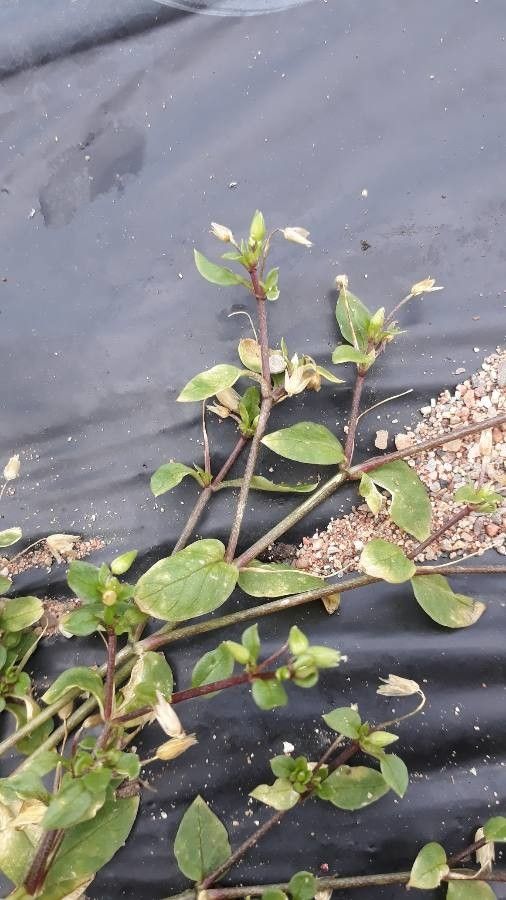
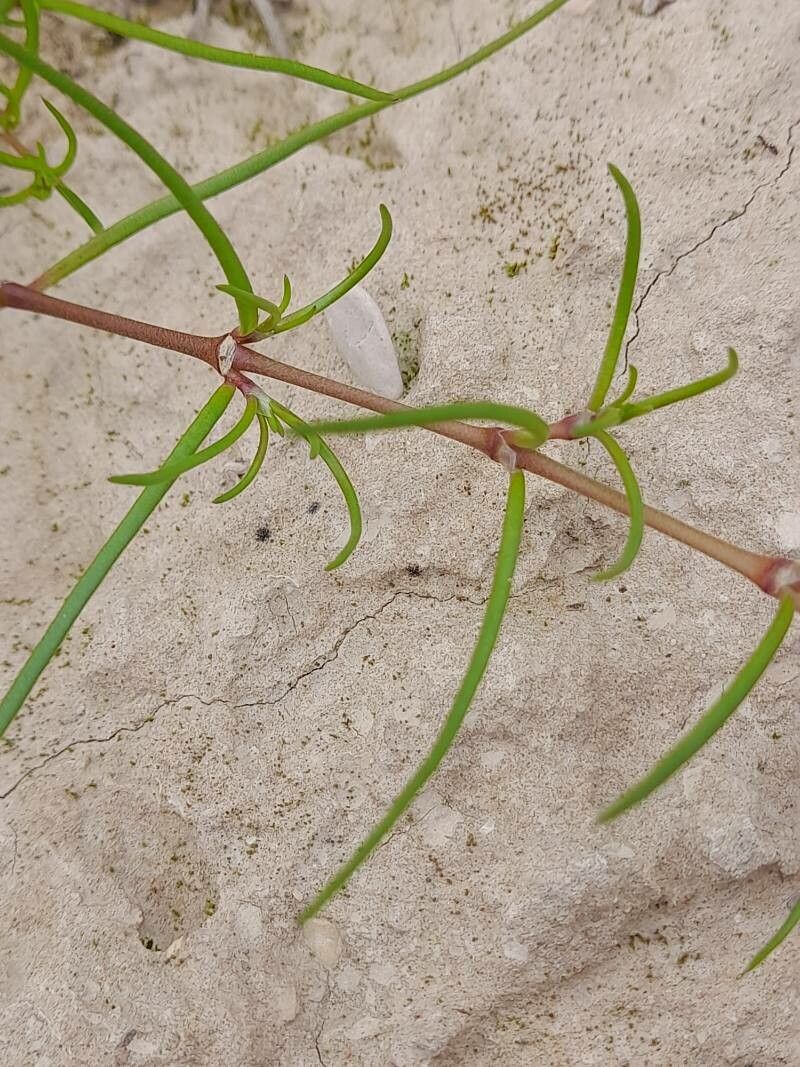
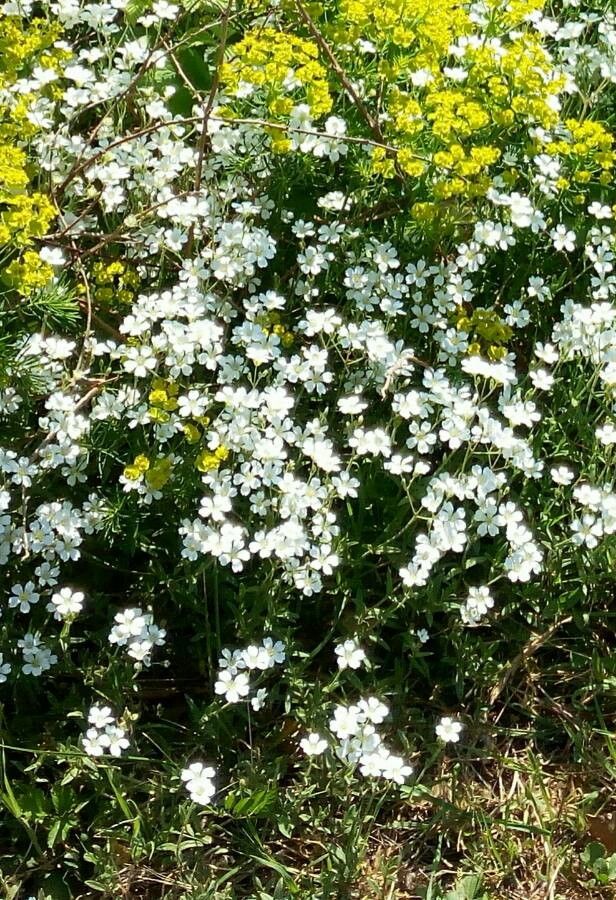
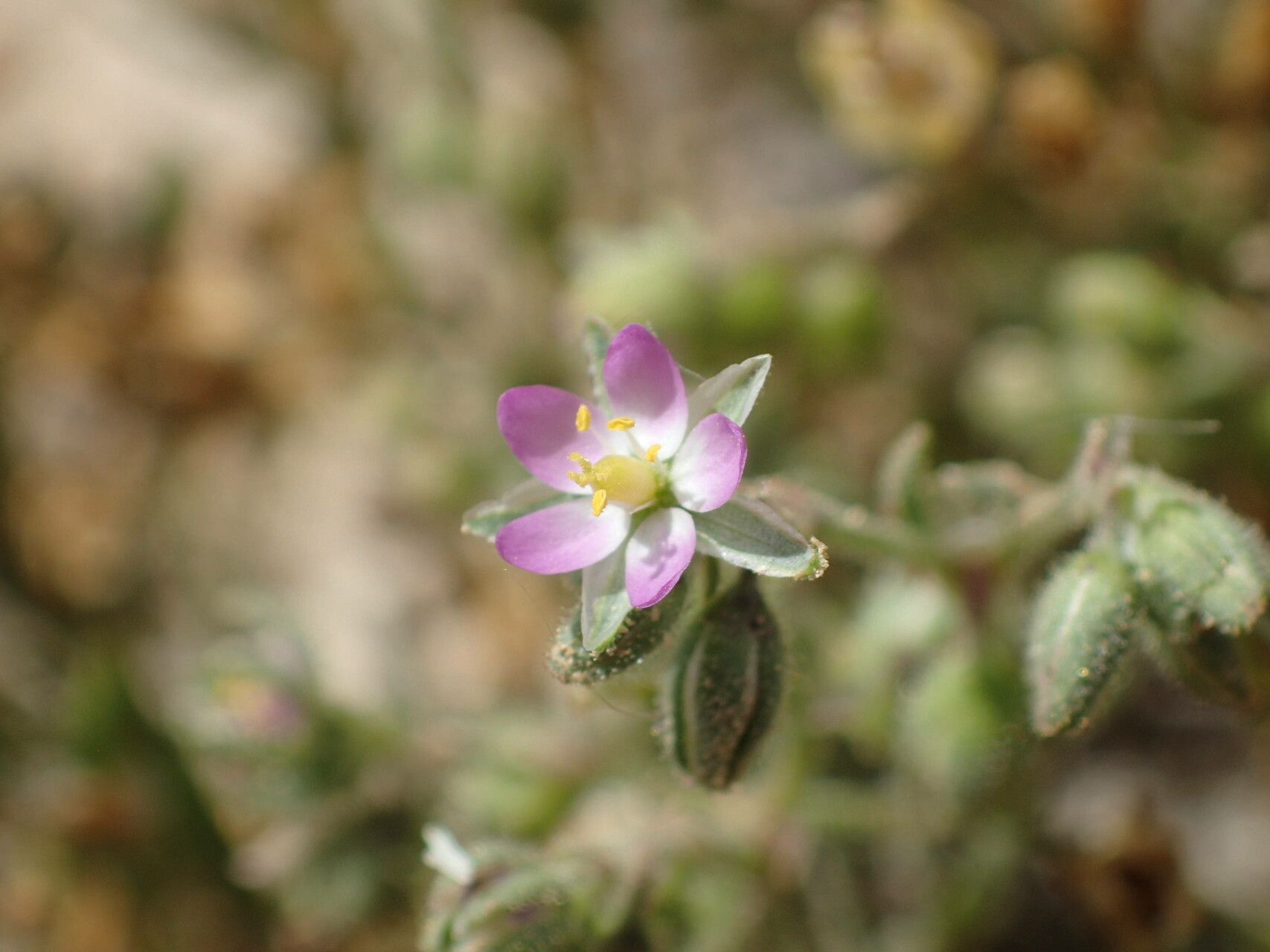
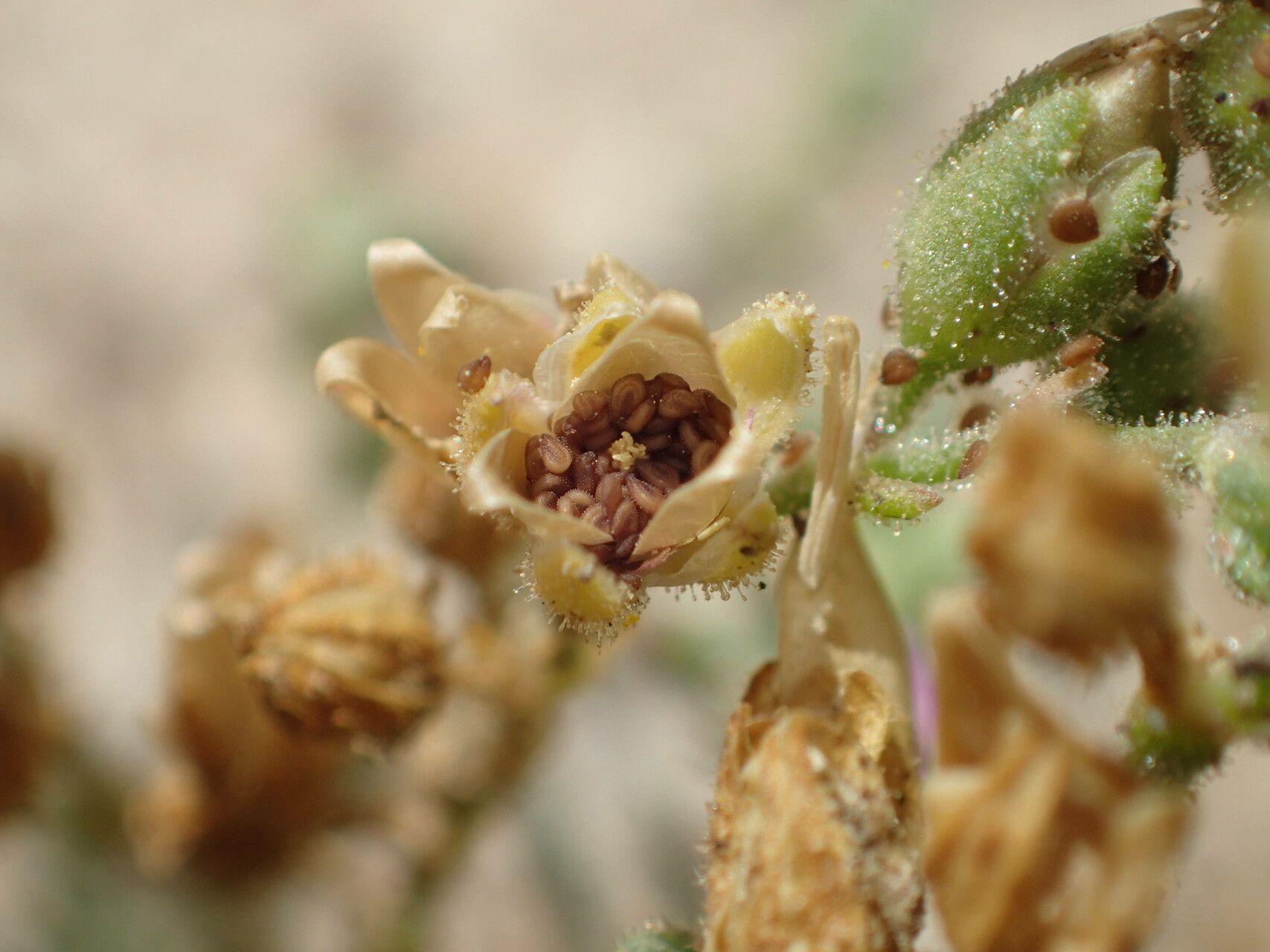
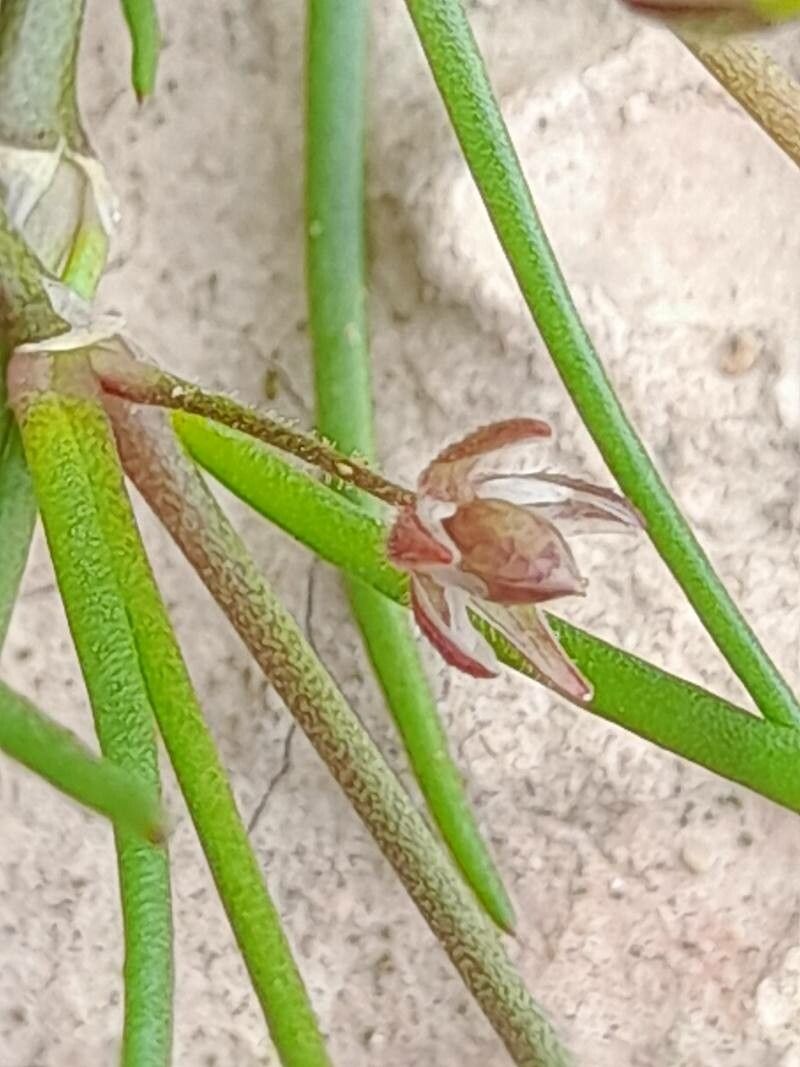
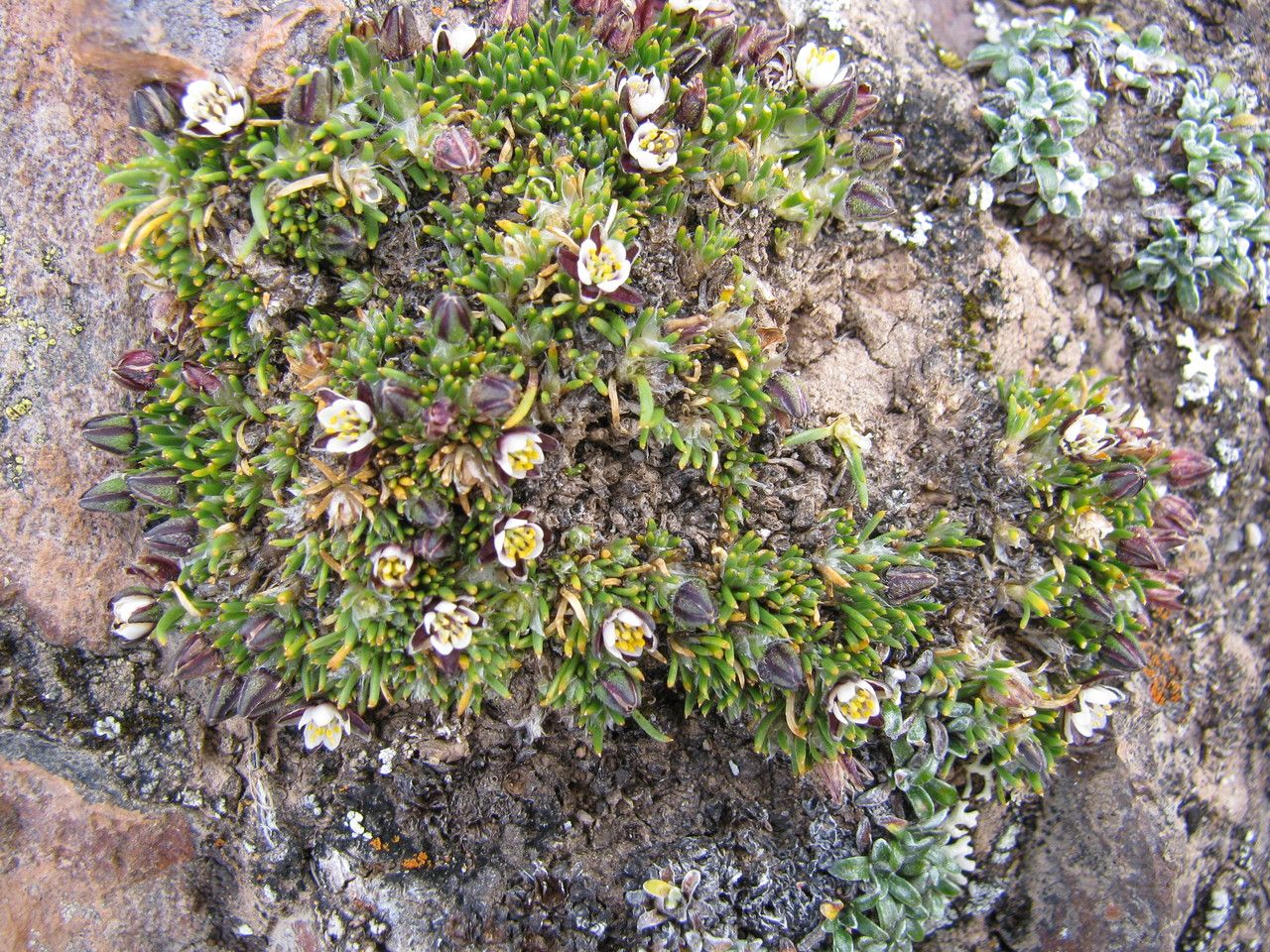
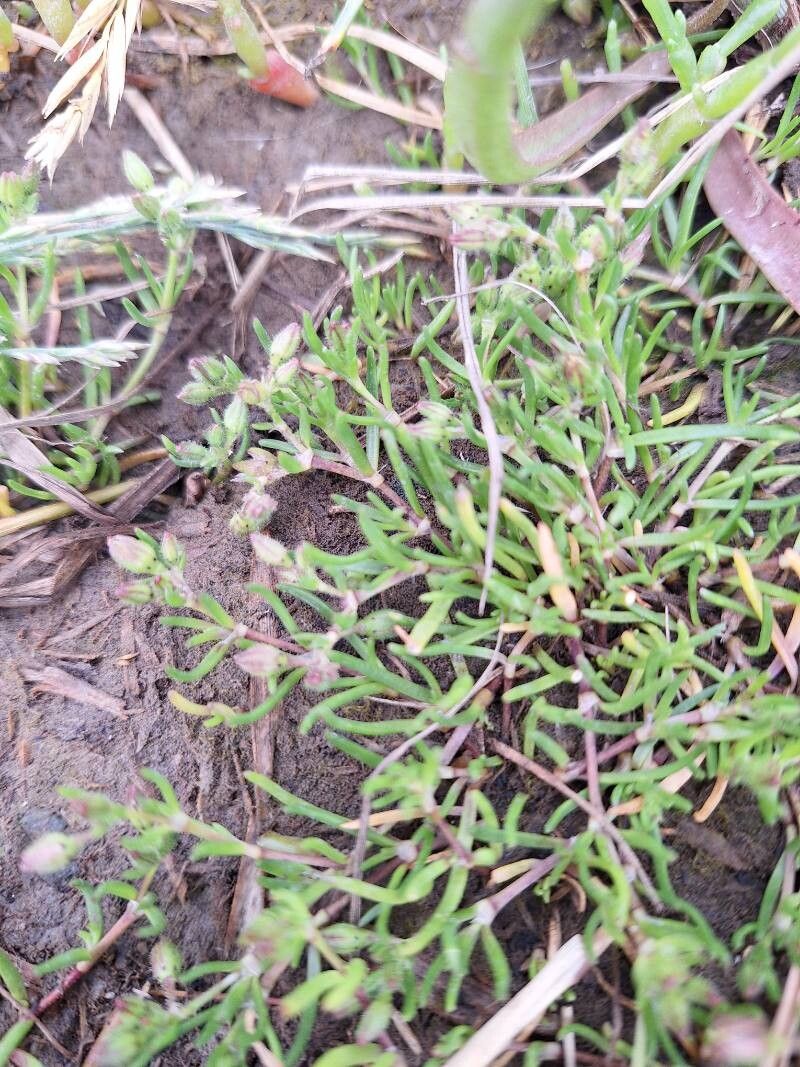
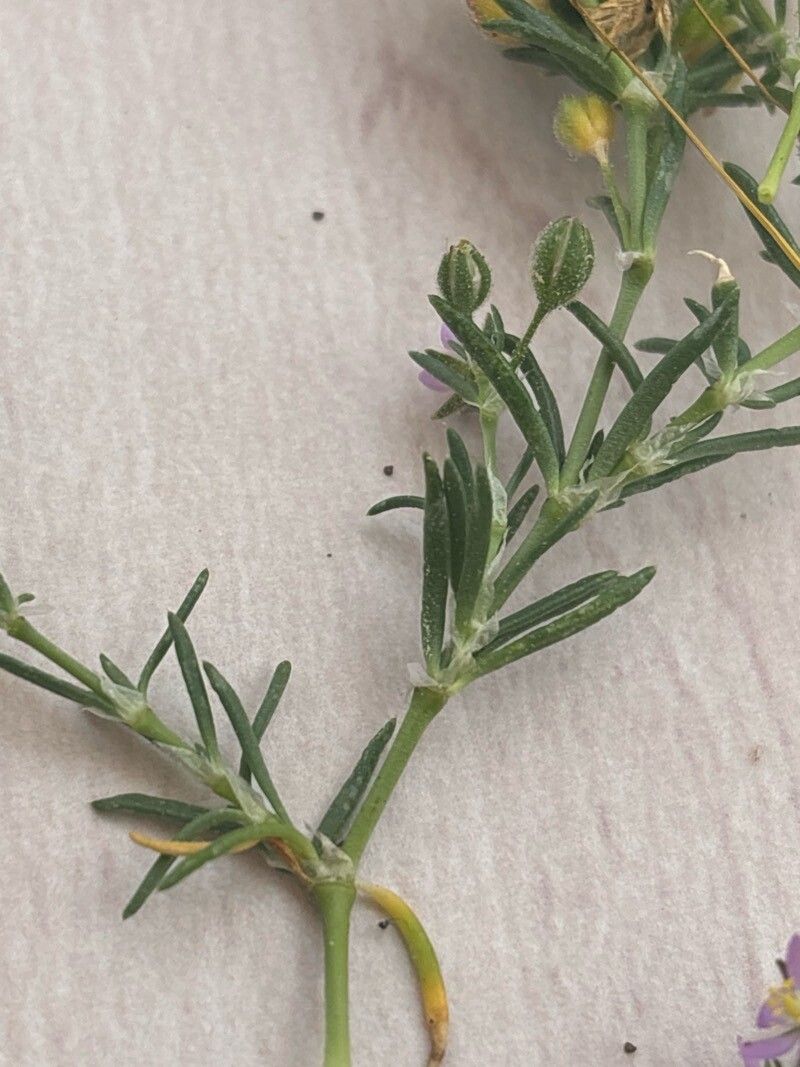
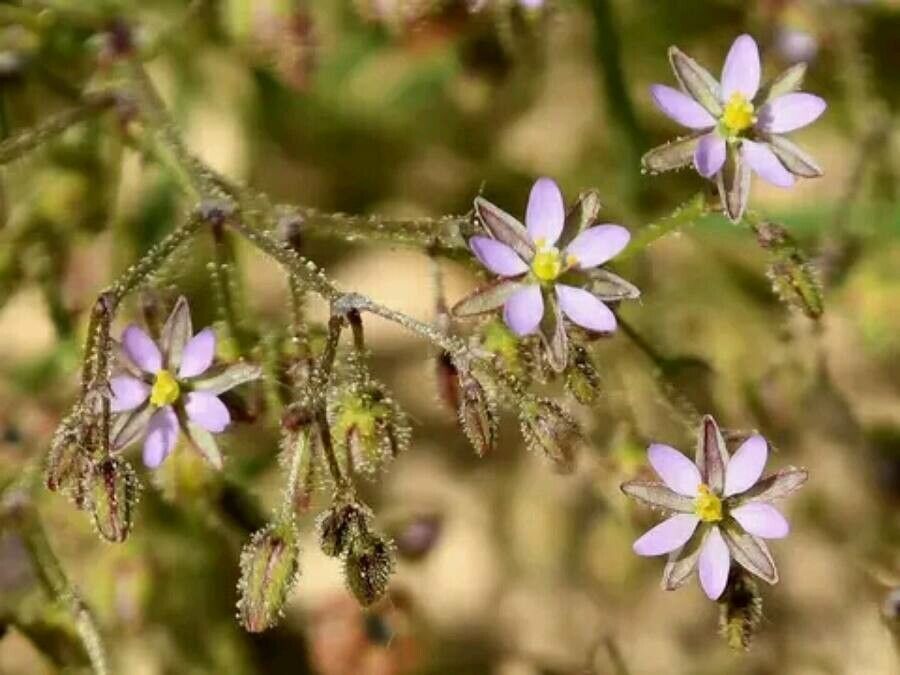
Spergularia bocconei, Boccone's sandspurry, Greek sea-spurrey or Boccone's sea-spurrey, is a species of the genus Spergularia, in the family Caryophyllaceae. It is named after the Sicilian botanist Paolo Boccone. Scheele first published it as Alsine bocconi in 1843. It was transferred to the genus Spergularia by Graebner in 1919. Pedersen placed the species in genus Spergula in 1984.
Greek sea spurrey shows strong resistance to disease and is generally unlikely to suffer from illnesses. Still, it can be affected by pests and diseases present in its environment, though such infections tend to be mild. Regarding upkeep, this plant needs a moderate level of care. It should be pruned on a regular basis to preserve a neat appearance and encourage healthy growth. Applying fertilizer can also assist in boosting bloom production. Greek sea spurrey is appropriate for anyone with outdoor areas like a garden or patio and does not demand extensive gardening experience. It may, however, need more attention when cultivated indoors.
How to keep Spergularia Bocconei.
Light
Originating from open habitats, Greek sea spurrey is a perennial herbaceous plant that loves sun and often grows prosperously in both meadows and grasslands. While it has a preference for full sun, it is also able to withstand conditions of partial sun.
Temperature
The Greek sea spurrey is capable of thriving under diverse temperature conditions, although its distribution can still be constrained by varying permutations of thermal and water conditions. It flourishes optimally in summertime warmth with sufficient rainfall or supplemental watering. Extended bouts of overcast and wet weather, coupled with high temperatures sustained for long periods, can heighten the risk of the Greek sea spurrey perishing. Ensuring suitable defense against the cold during winter can enhance the survival prospects of this plant.
Fertilizer
One fertilizer application in spring is generally enough for Greek sea spurrey, though repeated feedings can boost growth. Feed it every month to month and a half. Fertilization improves the leaves' appearance and function, maintaining even color and a healthy texture. It also promotes root development and nutrient uptake for the plant's long-term health.
Botanical profile.
- Plant Type
- Herb
- Life Cycle
- Perennial
- Genus
- Spergularia
- Family
- Caryophyllaceae
- Hardiness Zone
- 7-10
- Mature Height
- 5 cm to 20 cm
- Mature Spread
- 10 cm to 30 cm
- Leaf Color
- Green
- Leaf Type
- Deciduous
- Flower Color
- Pink
- Flower Size
- 0.25 cm to 0.51 cm
- Bloom Time
- Mid spring, Late spring, Early summer, Mid summer
- Planting Time
- Spring, Summer, Autumn
- Harvest Time
- Summer, Early fall
- Native Area
- Libya, Egypt, Turkey, United Arab Emirates, Croatia, Morocco, Oman, Portugal, France, Saudi Arabia, Tunisia, Cyprus, Greece, Lebanon, Syria, Italy, Spain, Iran, Algeria
Other names.