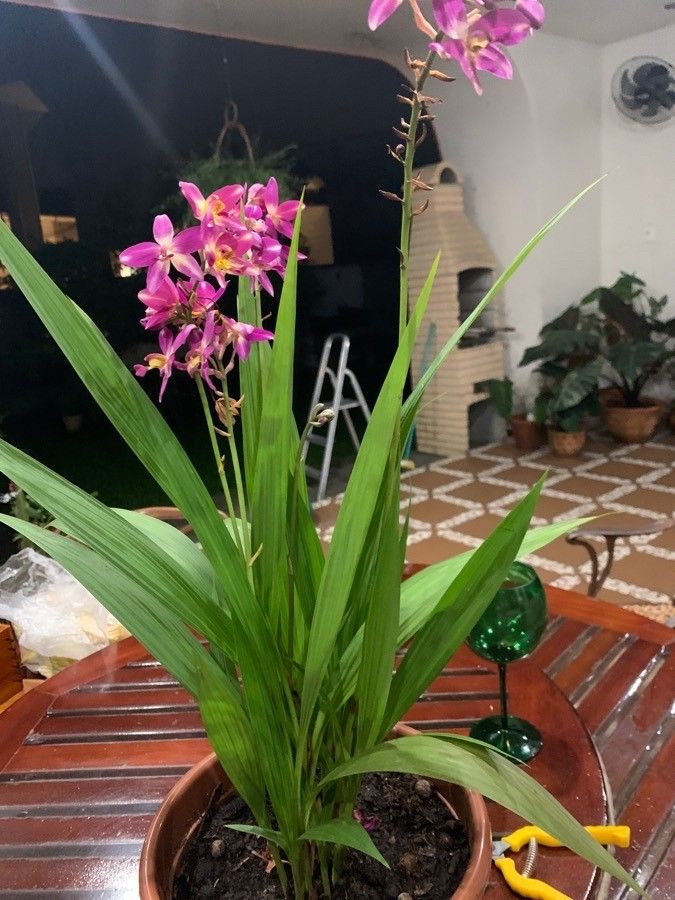
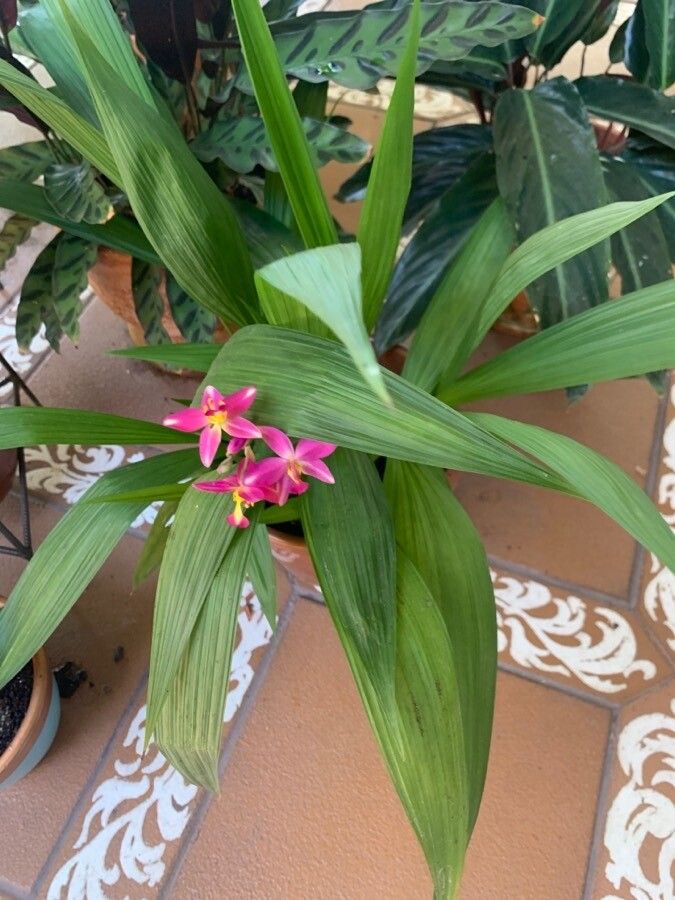
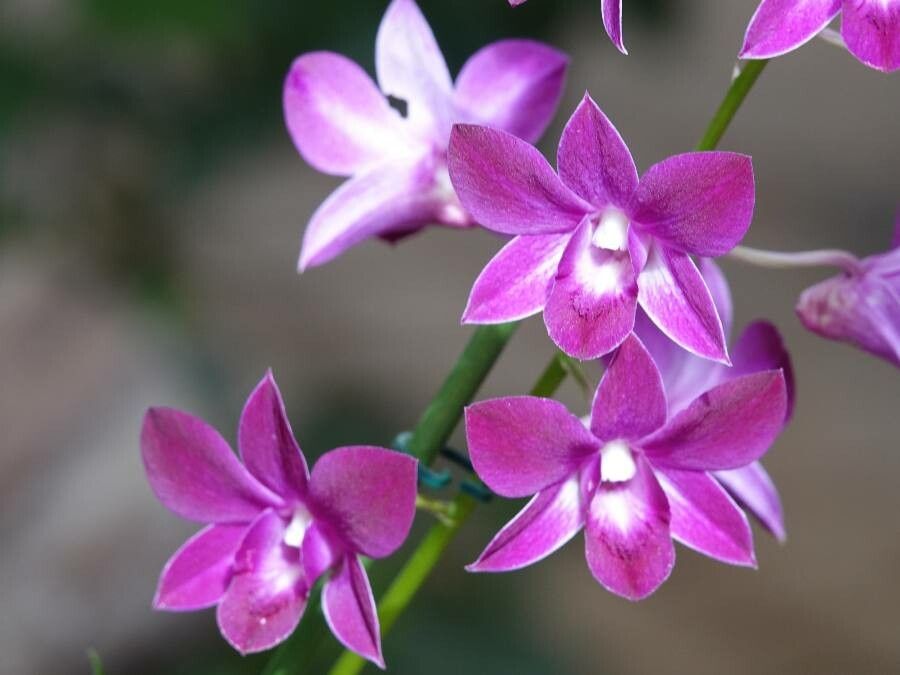
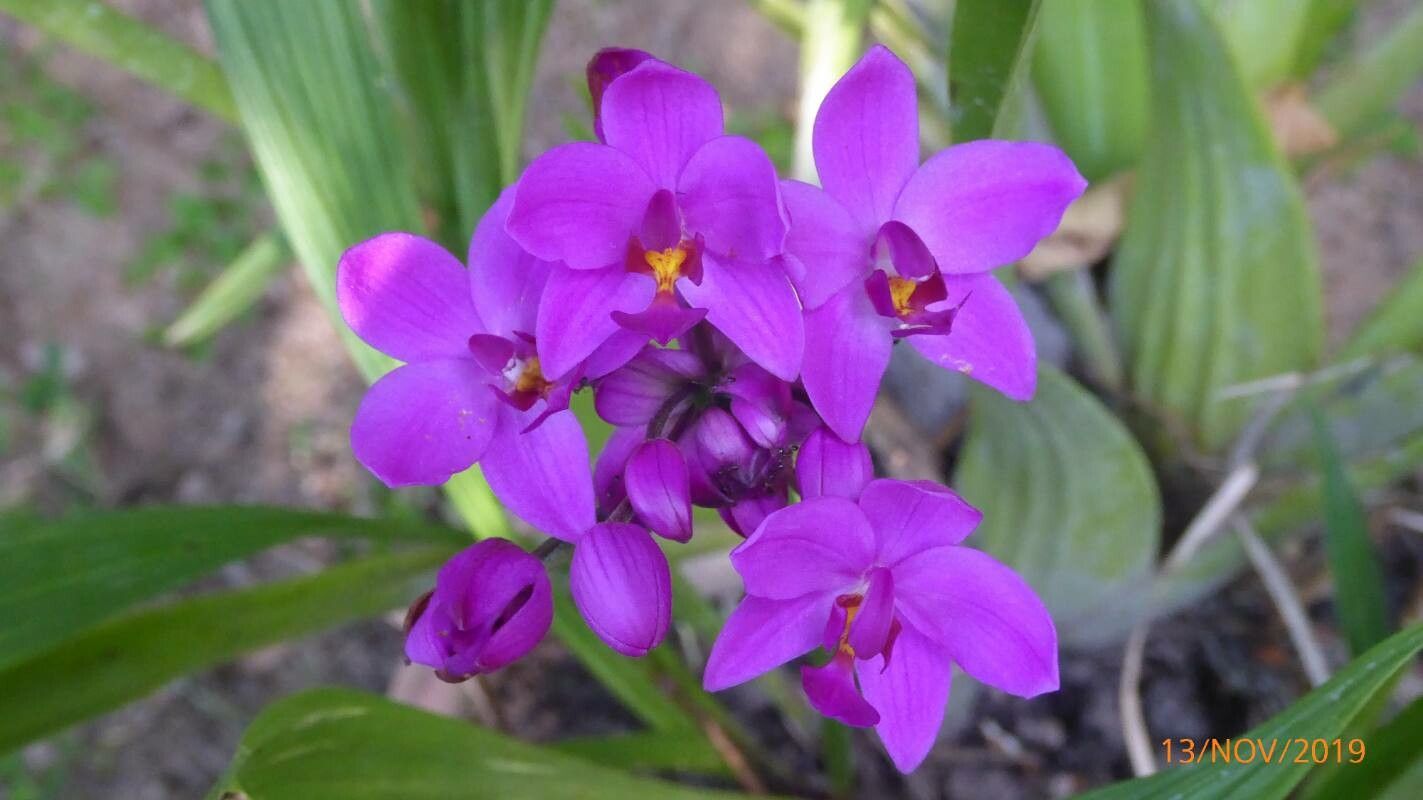
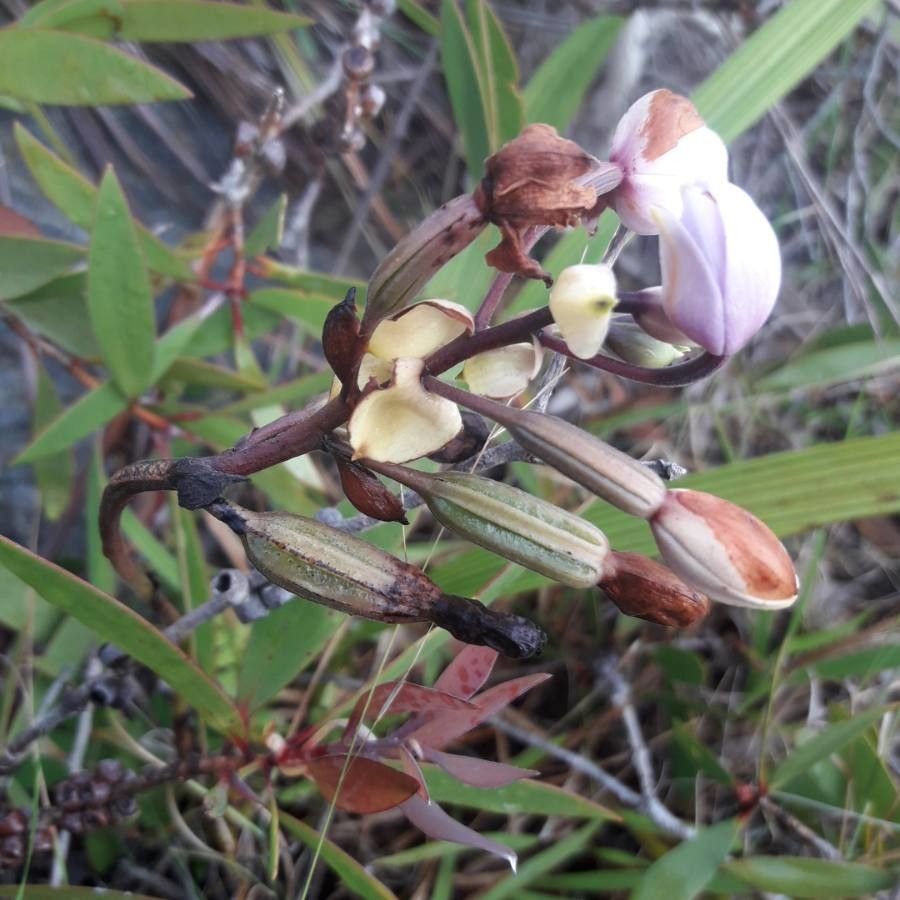
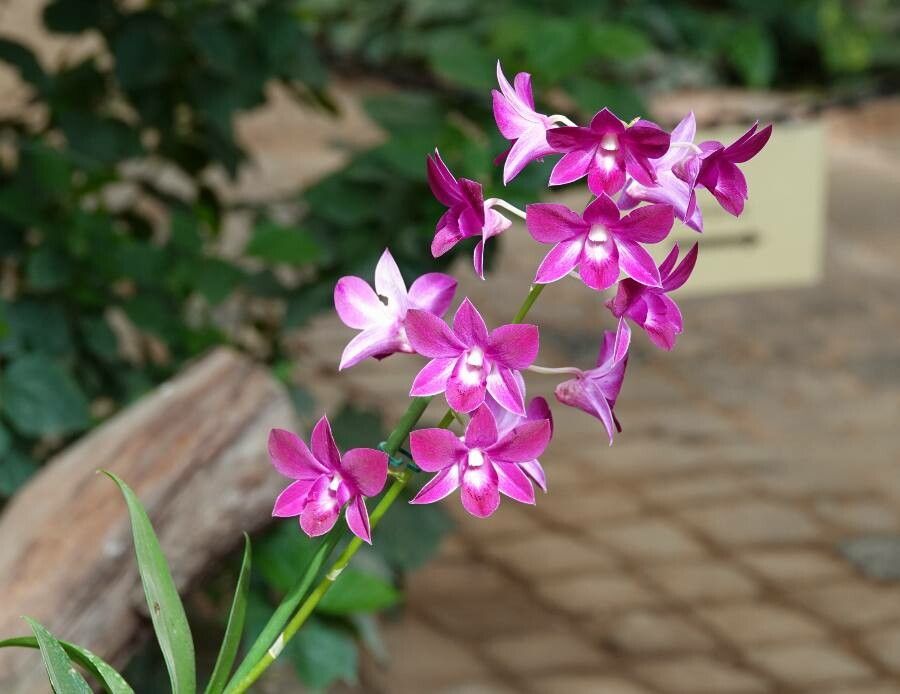
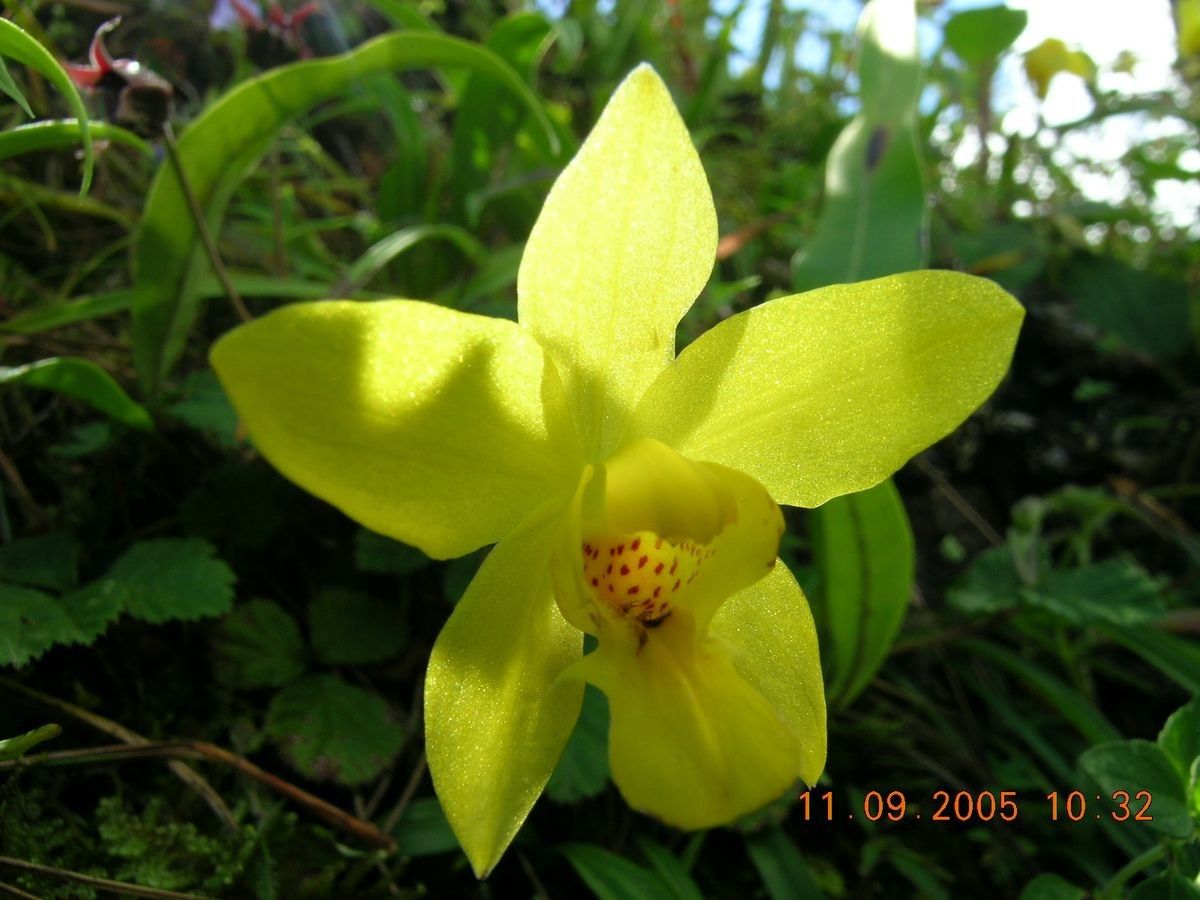
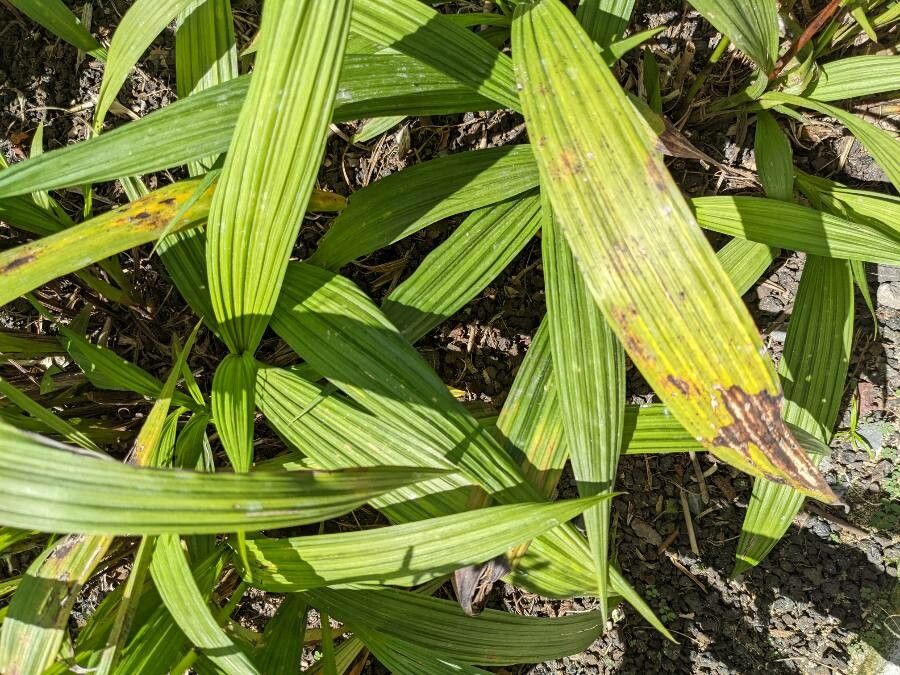
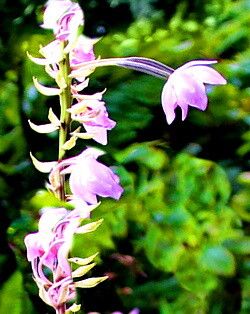
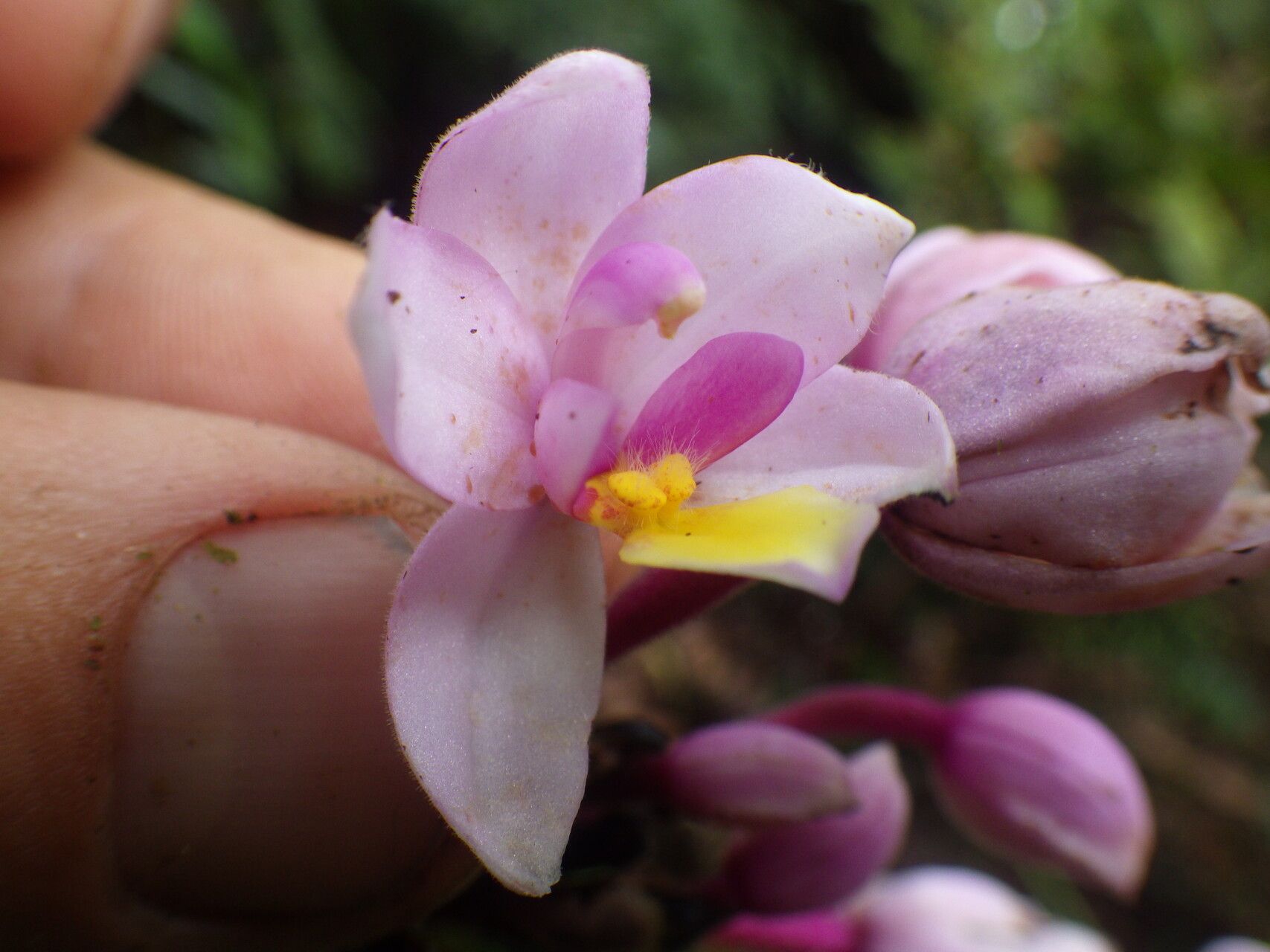
Spathoglottis, commonly known as purple orchids or 苞舌兰属 (bao she lan shu) is a genus of about fifty species of orchids in the family Orchidaceae. They are evergreen terrestrial herbs with crowded pseudobulbs, a small number of leaves and medium-sized resupinate flowers on an upright flowering stem. The sepals and petals are all similar to each other and are white, yellow, pink or purple. Species of Spathoglottis are found from eastern and south-eastern Asia to Australia and some Pacific Islands.
Yellow ebine typically has strong disease resistance and faces relatively few insect pests. Its care is considered difficult because it needs a highly humid yet well-ventilated environment with few harmful pathogens. Too much watering can cause root rot. Anyone can grow Yellow ebine, but keeping it healthy and inducing it to flower again requires more growing experience.
How to keep Spathoglottis Unguiculata.
Light
Yellow ebine is native to habitats like forest understories and rocky areas, where it grows in natural shade. It prefers partial sun but can tolerate both full sun and full shade, demonstrating its versatile and hardy nature.
Water
They should be kept moist, especially during the growing season. Water your Spathoglottis Orchids when you notice that the top-most layer of the soil is dry. However, make sure not to overwater to avoid root rot.
Temperature
Yellow ebine adapts well to temperature, able to withstand higher heat and wide temperature swings. During hot periods, attention should be paid to watering and providing some shade to avoid sunburn. However, Yellow ebine is relatively sensitive to low temperatures: it can tolerate mild cold, but very cold conditions can cause frost damage.
Fertilizer
The best time to fertilize a Yellow ebine is in early spring, as it comes out of dormancy and starts active growth. Fertilizing supplies essential nutrients needed for healthy development. Although Yellow ebine has fairly low fertilizer requirements, an annual feeding can improve its survival and encourage stronger, longer-lasting blooms.
Pruning
Pruning isn’t necessary but you have to make sure that older yellowed or browned leaves are pruned away promptly to prevent disease and pest infestations.
Toxicity
Ground Orchids are considered generally safe and non-toxic. These blooms are ideal for adding visual interest to any household, whether indoors or outdoors, or with children and pets.
Further reading →
The toxicity and danger assessments provided are for reference only. We do not assure their accuracy, so it's crucial not to depend on them. Seek professional advice when necessary for accurate guidance.
Botanical profile.
- Plant Type
- Herb
- Life Cycle
- Perennial
- Genus
- Spathoglottis
- Family
- Orchidaceae
- Hardiness Zone
- 9-10
- Mature Height
- 76 cm
- Mature Spread
- 49 cm
- Leaf Color
- Green, Dark Green
- Leaf Type
- Semi-evergreen
- Flower Color
- White, Yellow, Red
- Flower Size
- 2.03 cm to 3.05 cm
- Bloom Time
- Mid spring, Late spring
- Planting Time
- Spring, Autumn
- Harvest Time
- Early summer, Mid summer
Other names.