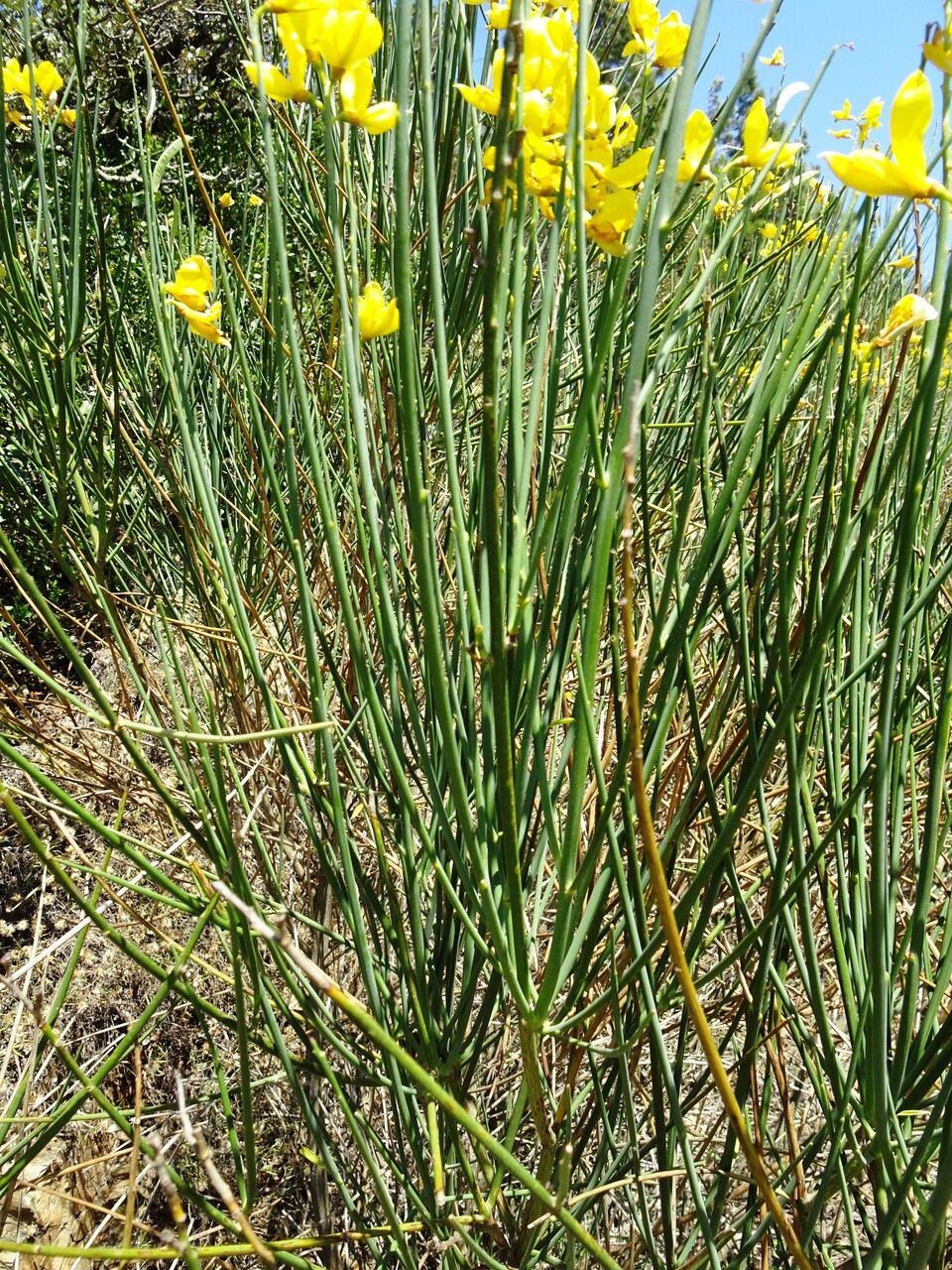
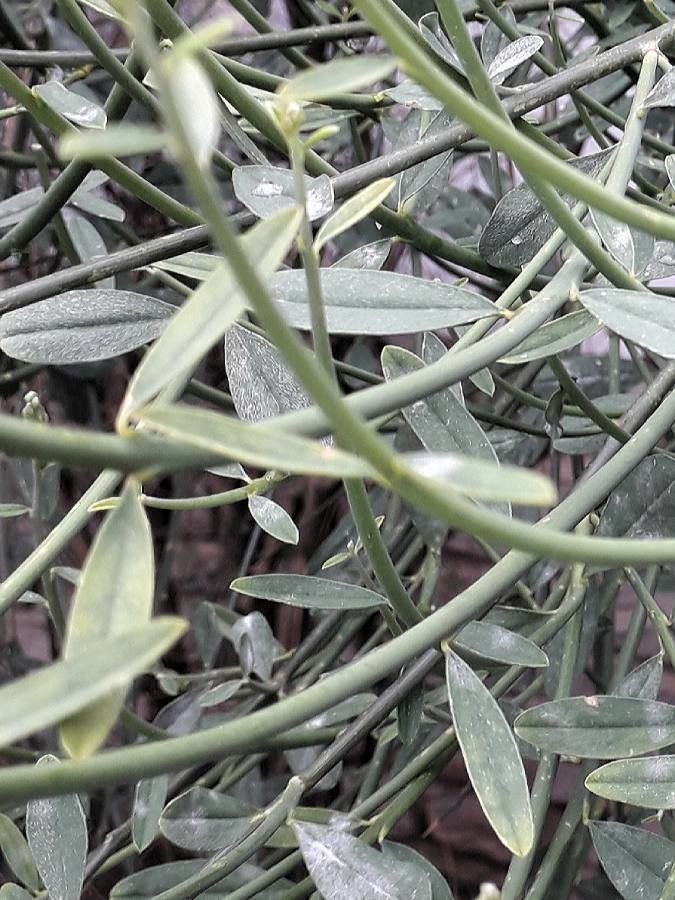
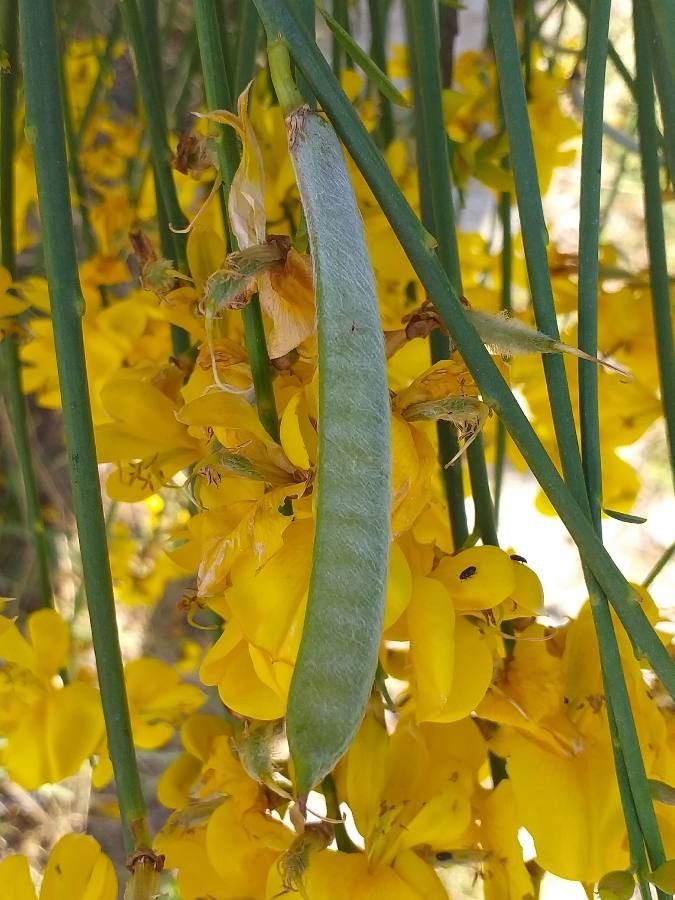
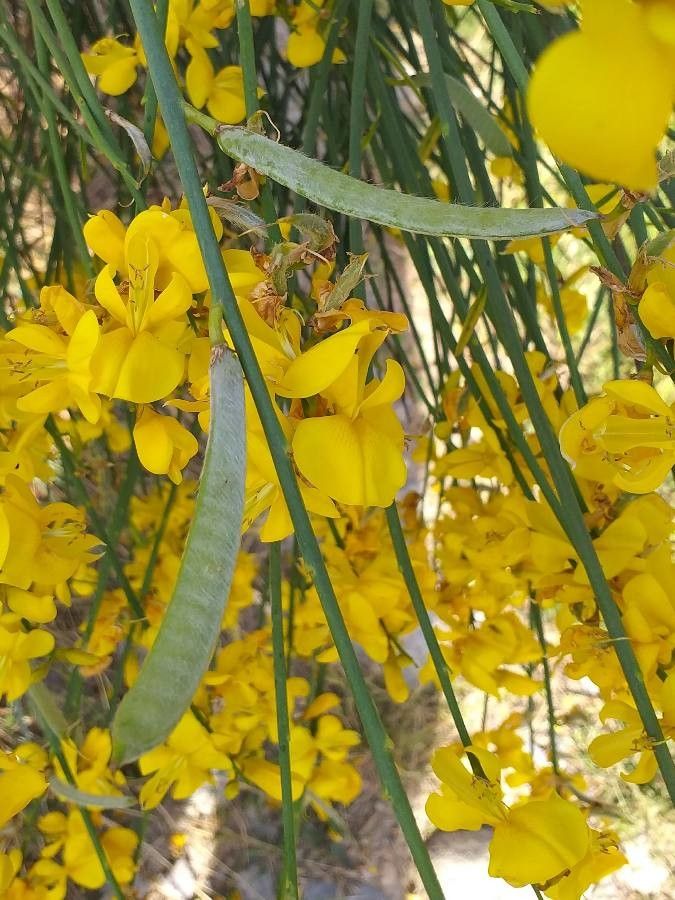
Spartium junceum, commonly known as Spanish broom or weaver's broom, is a perennial shrub that belongs to the Fabaceae family. Native to the Mediterranean region, it has been introduced and naturalized in many parts of the world. The plant can grow up to 2-3 meters tall and features long, slender green stems with small leaves that are quickly shed.
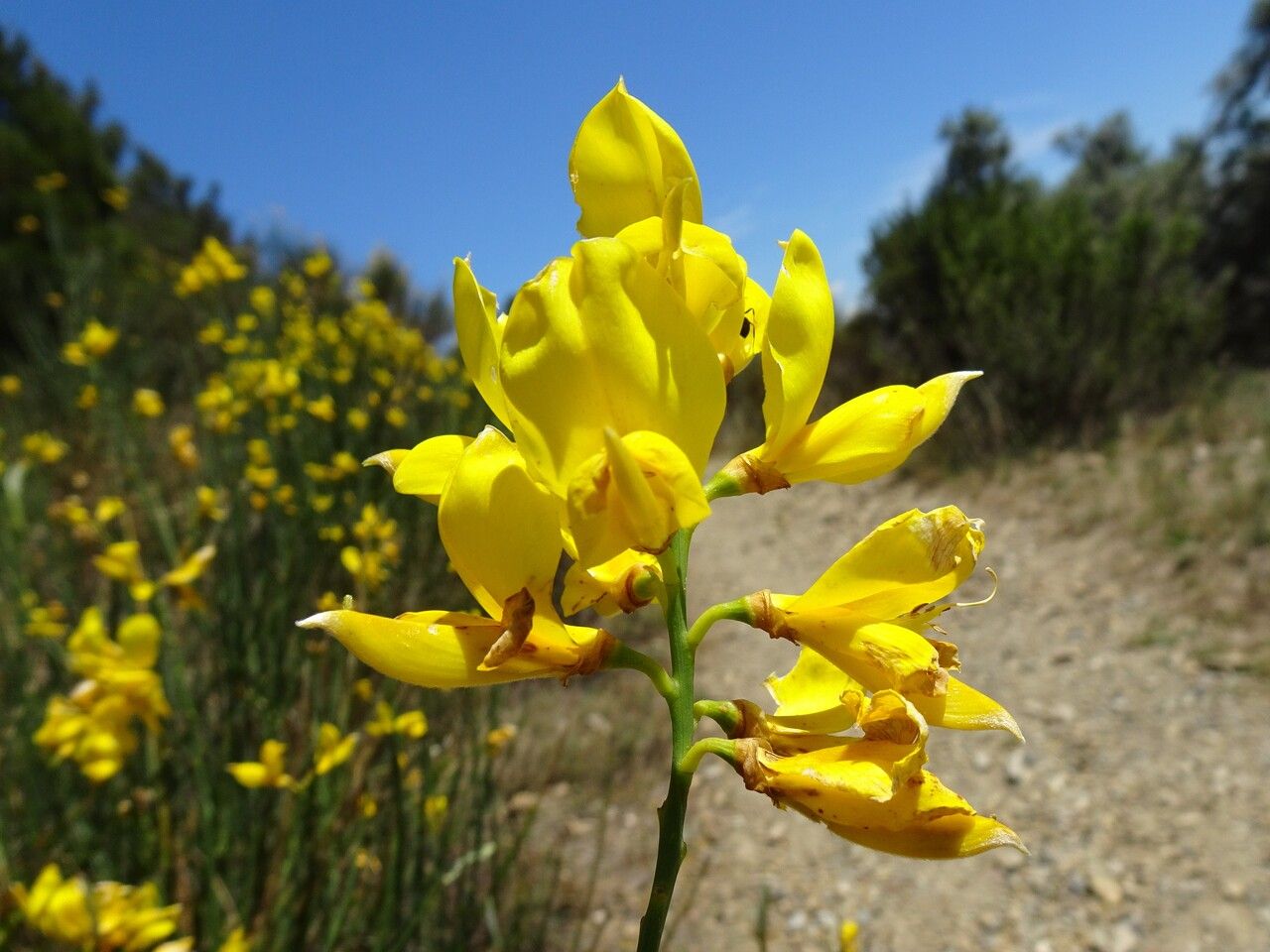
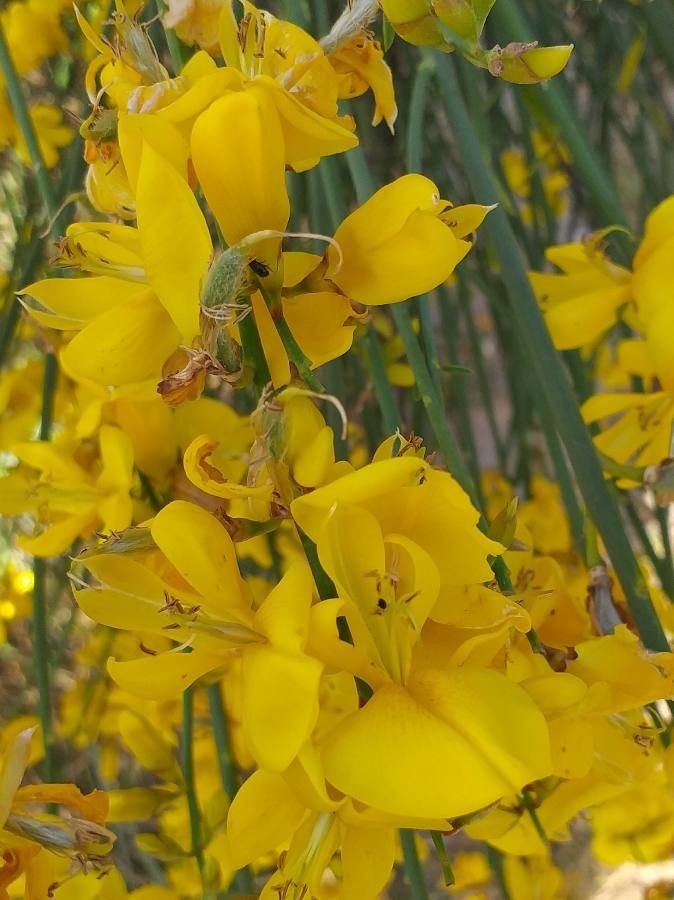
The flowers of Spartium junceum are bright yellow, blooming in late spring or early summer. These fragrant flowers attract bees, butterflies, and other pollinators. The plant also produces long seed pods that can remain on the plant for several years.
Spartium junceum is a hardy plant that thrives in full sun with well-drained soil but can also tolerate poor soil conditions and drought once established. It is often used for erosion control on slopes or embankments due to its deep root system.
Spanish broom has been used for various medicinal purposes, such as treating respiratory problems like asthma and bronchitis, thanks to its expectorant properties. However, it should be noted that all parts of this plant contain toxic alkaloids, which may cause skin irritation if handled improperly.
Overall, Spartium junceum is an attractive ornamental shrub with bright yellow flowers that add beauty wherever it grows. Additionally, it provides ecological benefits by attracting pollinators to gardens or natural areas where it grows wild.
Spanish broom has strong disease resistance and is generally not susceptible to illnesses. In terms of care, this plant is fairly low-maintenance. When grown outdoors it needs little watering, and larger specimens typically do not require pruning. However, smaller plants should be pruned after they finish blooming. Spanish broom is suitable for anyone with an outdoor space, such as a garden or a deck, and does not demand much gardening experience.
How to keep Spartium Junceum.
Light
Spanish broom grows best when it gets unobstructed sunlight for most of the day. Native to sun-rich habitats, the plant's growth and overall health develop more favorably under these conditions. Insufficient sunlight can endanger its vitality, while excessively prolonged exposure does not cause substantial negative effects.
Water
Spanish broom, a plant native to the Mediterranean region, thrives in dry climates with minimal water requirements, needing irrigation only every two weeks. It grows best outdoors in well-draining soil that mimics its natural rocky habitat. This type of soil supports healthy root development and enhances the plant's drought tolerance.
Humidity
This plant prefers dry conditions, so don't mist it. However, watering it less often can also thrive in higher humidity.
Temperature
Spanish broom displays strong temperature adaptability, tolerating higher heat and wide temperature fluctuations. In hot conditions, it is important to monitor watering and provide adequate shade to avoid sunburn. On the other hand, Spanish broom is fairly sensitive to low temperatures; it can endure some cold, but extreme cold can result in frost damage.
Fertilizer
Proper timing is essential when fertilizing Spanish broom. Apply fertilizer in early spring and then once a month through early summer. Fertilizer encourages attractive blooms and supplies energy during both dormant and active growth periods.
Pruning
Spanish broom has slender green stems and fragrant yellow flowers. Pruning in early spring is crucial, as it helps promote healthy growth by focusing on old and weak stems. Trim about one-third of the older branches to improve air circulation and enhance bloom production. To make clean cuts and prevent disease, be sure to use sharp tools.
Botanical profile.
- Plant Type
- Shrub
- Life Cycle
- Perennial
- Genus
- Spartium
- Family
- Fabaceae
- Hardiness Zone
- 7-9
- Mature Height
- 2.13 m to 4.88 m
- Mature Spread
- 1.83 m to 3.05 m
- Leaf Color
- Green
- Leaf Type
- Deciduous
- Flower Color
- Yellow
- Flower Size
- 2.54 cm
- Bloom Time
- Late spring, Early summer, Mid summer
- Planting Time
- Spring, Autumn
- Harvest Time
- Mid summer
- Native Area
- Libya, Turkey, Tunisia, Montenegro, Greece, Croatia, Slovenia, Morocco, Lebanon, Serbia, Iraq, Syria, Italy, Spain, Israel, France, Albania, Azerbaijan, Algeria, Portugal
Other names.
Reader questions.
How should I water my Spanish broom plant?
To ensure excellent root development, place a garden hose at the base of the plant. Avoid spraying the leaves directly, as this can require more frequent watering, especially if the plant is outdoors in direct sunlight. Consider using bubblers to moisten the roots, or soaker hoses to cover the entire garden or bed when adding or removing plants. After watering, drain any excess water and wait for the soil to dry before watering again. Watering at ground level helps prevent diseases. On a sunny day, it may be beneficial to spray the entire bush with water. Whether potted or in-ground, remember that Spanish broom prefers deep watering rather than light sprinkling.
Why do I have to put nutrients on my Spanish broom plant?
No matter which type of Spanish broom you have, regularly fertilizing it will promote excellent overall health. Providing the right nutrients will encourage strong growth and increase resilience to challenging growing conditions, as well as enhance the ability to combat diseases and pests. The foliage of your Spanish broom is a particularly appealing feature, so it is important to maintain it. This involves following a consistent fertilization schedule tailored to your specific type of Spanish broom. By doing so, you will encourage the development of vibrant, lush leaves with deep coloration.
What are the sunlight requirements for Spanish broom?
Spanish broom, or Spartium junceum, requires full sun, meaning it should receive above 6 hours of sunlight daily to thrive. This plant is adapted to habitats abundant in sunlight, showing superior growth and health under these conditions. Insufficient sunlight can jeopardize the plant's vitality, although it tolerates overly prolonged exposure well. When planning your garden, observe how sunlight moves through the area to ensure your Spanish broom gets the perfect balance of light and shade.
What is Spanish broom?
Spanish broom, known botanically as Spartium junceum, is a species of flowering plant. It doesn't have specific details listed regarding its essentials, symptoms, or additional attributes in the provided data.
What should I do if I give Spanish broom too much or too little water?
An overwatered Spanish broom may exhibit yellowing, dropping, and wilting leaves, as well as a dull and unhealthy appearance with mushy stems. To address these signs, adjusting your watering schedule is recommended. However, wilting can also indicate under watering, characterized by crispy and dry leaves. When the soil is dry and watering alone is insufficient, give the plant a thorough watering. Although this will help the Spanish broom to recover, it may still display dryness and yellow leaves due to root damage. Once the plant returns to its normal state, the yellowing of leaves will cease. When keeping the Spanish broom indoors, regularly check the moisture levels in the pot and avoid overwatering. If you notice black spots, allow the soil to dry out by pausing watering for a few days. Overwatering can lead to root rot, indicated by discolored and slimy roots. In such cases, transferring the plant to a different pot is advisable, and it's crucial to prevent root rot by avoiding excessively soggy soil. When planting Spanish broom outdoors, make sure to check the soil's moisture levels by digging a little deeper. If the soil feels too dry, it may indicate underwatering, in which case adequate watering is necessary to help the plant recover.
When should I put fertilizer on my Spanish broom plant?
To ensure healthy growth of your Spanish broom, it is important to fertilize it during late winter or early spring. This will provide the necessary nutrients for the broom to thrive once the weather becomes warmer. If you live in a warm climate region, it is beneficial to provide an additional fertilizer feeding in early fall. This helps the broom absorb nutrients for the upcoming growing season and makes it more capable of surviving winter without damage. Fertilizing earlier will give the new branches enough time to grow and withstand the cold winter.
How can artificial lighting be used for indoor Spanish broom plants?
For indoor Spanish broom plants that don't receive adequate natural sunlight, especially during winter or in less sunny spaces, artificial lighting is a crucial alternative. Optimal growth can be achieved by choosing the right type of artificial light like LEDs, which can be tailored to provide specific wavelengths needed by plants. Full sun plants require 30-50W/sq ft of artificial light. The light source should be placed 12-36 inches above the plant, mimicking natural sunlight conditions, and it's recommended to provide 8-12 hours of light per day to meet most plant species' needs.
How frequently should I give water to my Spanish broom plant?
The Spanish broom prefers to be watered deeply and infrequently. For potted plants, soak them in a gallon of water each time to account for the limited water storage in the pot. In colder regions, water every 3 to 5 days. Water in the morning when the soil is dry, both indoors and outdoors. Check the soil inside the pot to see if watering is needed; if the top 2-3 inches of soil are dry, it's time to water. On hot days, check the moisture daily as the soil can dry out quickly. If you have a garden, irrigate the soil as needed. In hot climates, watering once a week should be sufficient. Take into consideration the amount of rainfall and avoid overwatering to prevent root rot. Spanish broom mainly grows in spring and fall. When planting outdoors, add mulch 3 to 4 inches deep to conserve water. Sandy soil requires more frequent watering, while clay soil can be watered less often to prevent root rot. Keep track of watering dates and watch for drooping leaves as a sign that watering might be needed.
When is it best to not add fertilizer to my Spanish broom?
There are specific times of the year when you should avoid fertilizing your Spanish broom. One of these times is in the early and mid-winter months when the plant is dormant and does not require any feeding. Another time to refrain from fertilizing is during late spring and all of summer, as the hotter and drier weather can have a negative impact on the plant's response to fertilization. To prevent any issues, it is recommended to follow a fertilization schedule that involves feeding only in early spring and early fall.
What are the symptoms of light deficiency or overexposure in Spanish broom?
When Spanish broom doesn't receive enough light, it may display symptoms like smaller new leaves, leggy or sparse growth, faster leaf drop, slowed or halted growth, and lighter-colored or chlorotic new leaves. Overexposure to sunlight can result in sunscald, leaf curling, wilting, and leaf scorching, indicating damage or stress due to excessive sunlight. These symptoms highlight the importance of providing the right amount of sunlight for optimal health and vigor.
How much water should I give my Spanish broom?
To care for Spanish broom, follow these watering guidelines: 1. When watering potted plants, ensure you water them deeply until you see water dripping from the bottom of the pot. Wait for the soil to dry before watering again. Use a water calculator or moisture meter to gauge the amount of water your plant has received in a week. 2. During the flowering period, provide ample water, but allow the moisture to evaporate to avoid root rot. 3. If Spanish broom is planted outdoors and receives sufficient rainfall, it may not require extra watering. For young or newly planted Spanish broom, aim for 1-2 inches of rain per week. As the plant matures, it can rely on rainfall alone. However, in extremely hot weather or extended periods without rainfall (2-3 weeks), consider watering the plant during cooler times of the day to prevent heat damage. Additional watering may be necessary during prolonged dry spells.
What kind of fertilizer does my Spanish broom require?
Spanish brooms primarily require nitrogen as their main nutrient, but this does not diminish the importance of phosphorus and potassium. In fact, a sufficient quantity of all three main nutrients is necessary for the optimal growth of your Spanish broom. To achieve this balance, a 10-10-10 fertilizer can be effective. However, a more precise nutrient ratio, slightly higher in nitrogen, tends to promote the best growth. For instance, a ratio of 10-6-4 often yields favorable results. When fertilizing, you have the option of utilizing either granular or liquid-based fertilizers.