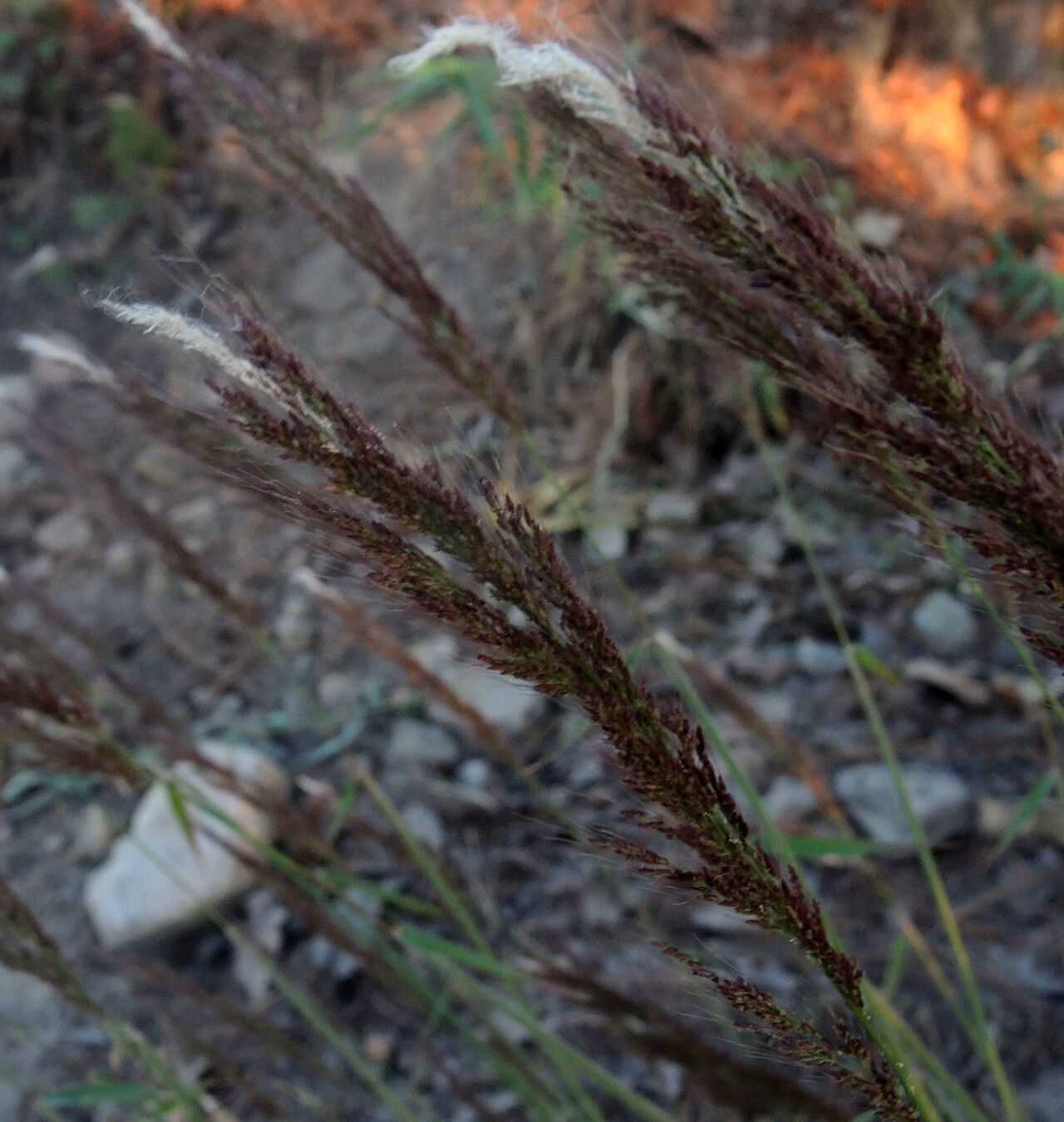
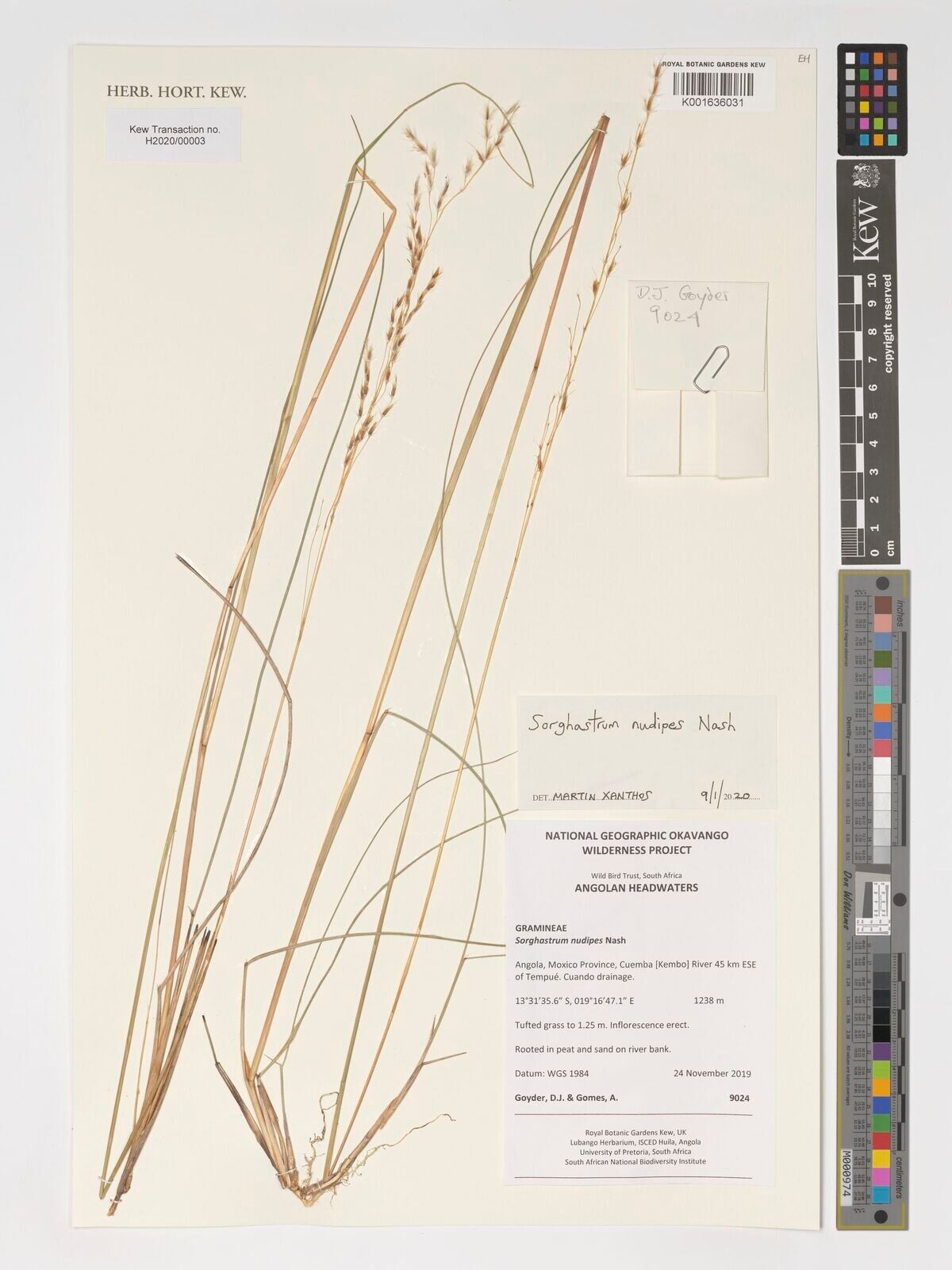
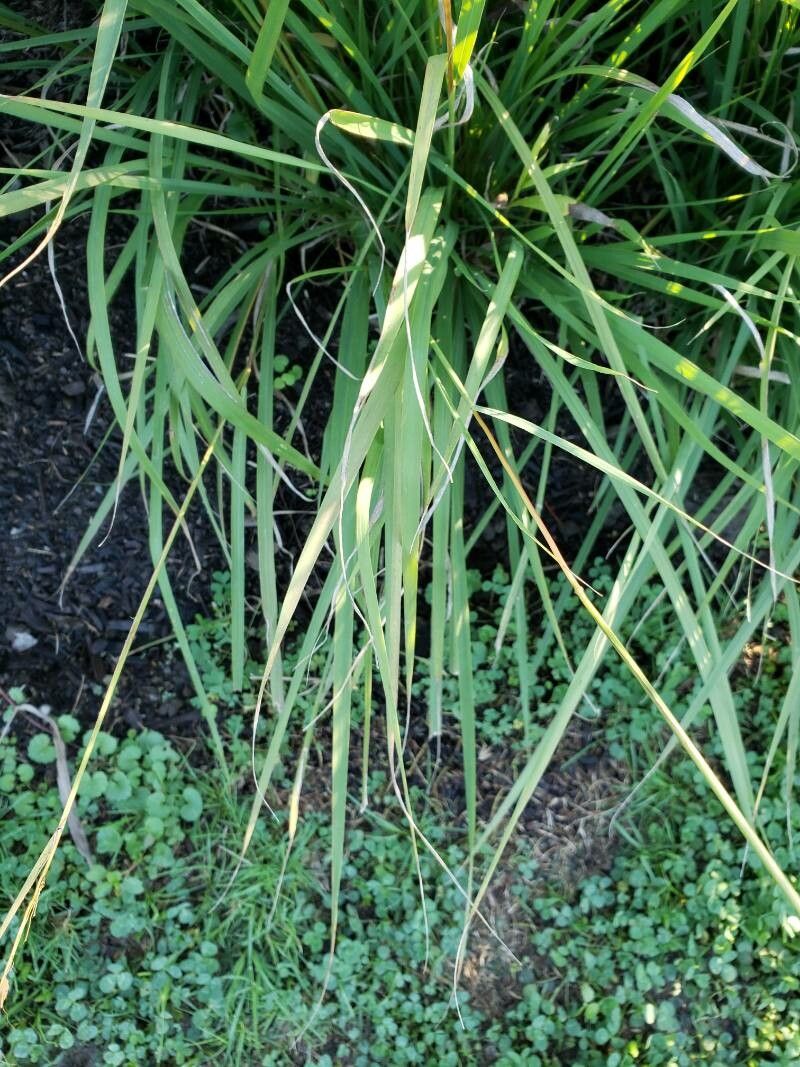
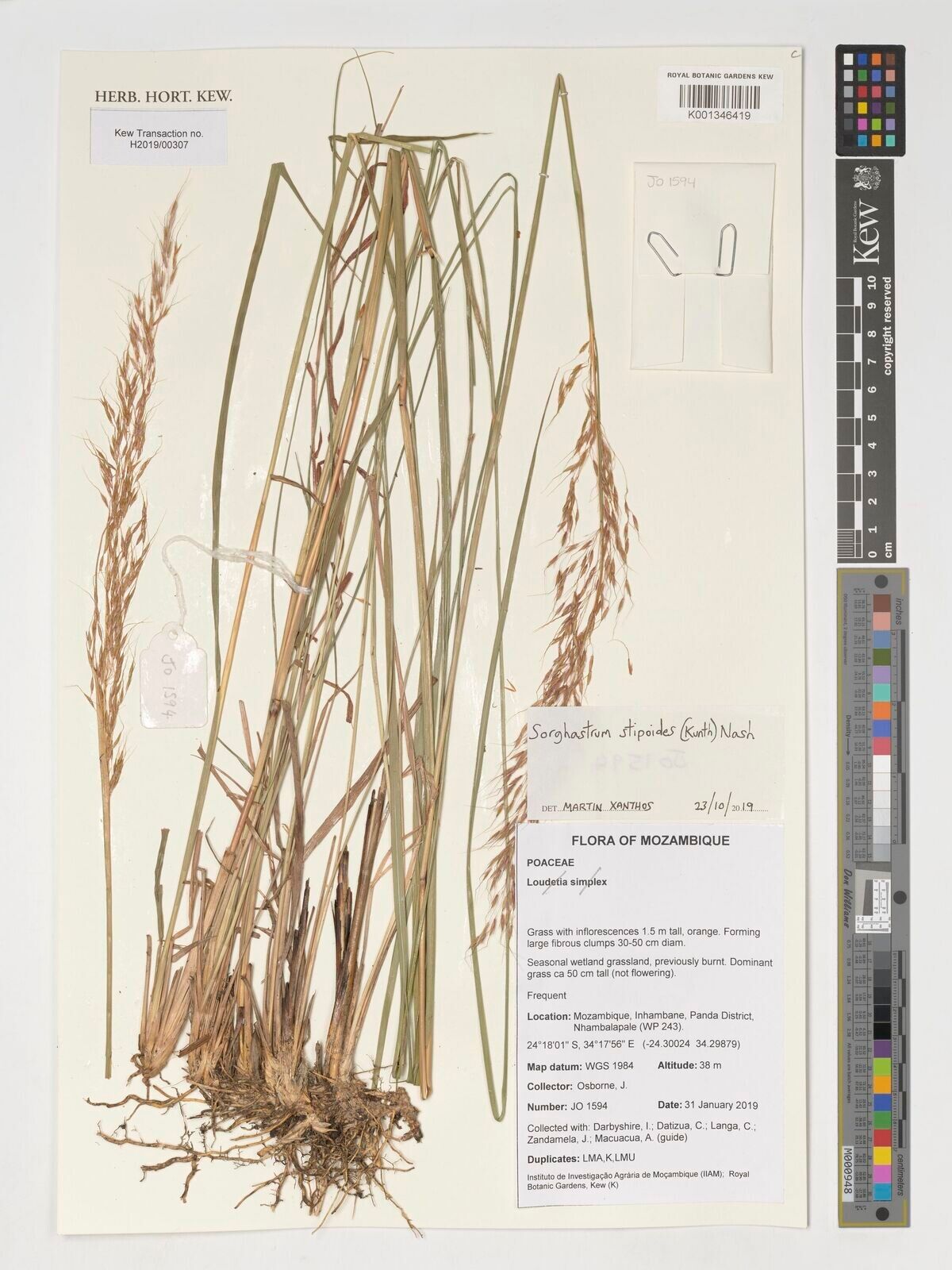
Sorghastrum secundum is a species of grass known by the common name lopsided Indiangrass. It is native to the southeastern United States.This species is a perennial bunchgrass growing up to 6 feet tall. The flat leaf blades are up to 24 inches long. The ligule is pointed. The inflorescence is one-sided.This plant provides forage for livestock. It grows best on well-drained soils. It is a larval host plant to the pepper-and-salt skipper.
Lopsided indiangrass has strong disease resistance and is generally not susceptible to diseases. Regarding care, this plant is relatively low maintenance. When grown outdoors it needs minimal watering, and larger specimens usually do not require pruning. Smaller plants, however, should be pruned after they bloom. Lopsided indiangrass is suitable for anyone with an outdoor area, such as a garden or deck, and does not require extensive care experience.
How to keep Sorghastrum Secundum.
Light
Lopsided indiangrass is a sun-loving, perennial herbaceous plant that comes from open habitats and commonly flourishes in meadows and grasslands. It prefers full sun but can also tolerate partial sun conditions.
Water
Lopsided Indiangrass thrives in grassland environments with moderate moisture and can withstand short periods of drought. Water it weekly, and adjust the amount to provide more hydration during its active growth phase, mirroring natural seasonal changes in rainfall.
Temperature
Lopsided indiangrass is fairly adaptable to temperature, able to withstand higher heat and wider temperature swings. In hot weather, care should be taken to water it and provide some shade to avoid sunburn. On the other hand, it is relatively sensitive to cold; it can tolerate a certain amount of chill, but very low temperatures can cause frost damage.
Fertilizer
Lopsided indiangrass requires extra nutrients to encourage healthy new growth. In spring, placing compost around the plant's base can effectively supply the nutrition it needs. Fertilizing supports vigorous growth and helps the plant resist diseases and pests.
Pruning
To ensure healthy growth, lopsided indiangrass should be pruned in early spring to remove dead stems. Cutting the plant back to a height of 6-12 inches rejuvenates it by encouraging vigorous new shoots and improving air circulation. This practice reduces the risk of disease and aligns with the plant's natural growth cycle, resulting in an optimal appearance throughout the season.
Botanical profile.
- Plant Type
- Grass
- Life Cycle
- Perennial
- Genus
- Sorghastrum
- Family
- Poaceae
- Hardiness Zone
- 8-10
- Mature Height
- 0.91 m to 1.83 m
- Mature Spread
- 30 cm to 61 cm
- Leaf Color
- Green, Dark Green
- Leaf Type
- Semi-evergreen
- Flower Color
- Yellow, Brown
- Flower Size
- 0.51 cm to 0.76 cm
- Bloom Time
- Late summer, Early fall, Mid fall
- Planting Time
- Summer
- Harvest Time
- Fall
- Native Area
- Georgia, Bahamas
Other names.
Reader questions.
What are the sunlight requirements for Lopsided Indiangrass?
Lopsided Indiangrass, botanically known as Sorghastrum secundum, thrives in full sun, requiring more than 6 hours of sunlight daily, but can also grow in partial sun, which is about 3-6 hours of sunlight. It's crucial to observe your garden's sunlight patterns to ensure you place your plants where they can achieve a balance of light and shade for optimum growth.
What are the essential conditions for growing Lopsided Indiangrass?
Lopsided Indiangrass is a perennial herbaceous plant that loves sunlight. It originates from open habitats like meadows and grasslands. For indoor plants, when natural sunlight is inadequate, artificial lighting can be a solution. Optimal growth requires adequate lighting. LED lights are recommended for providing specific wavelengths needed by plants. The required wattage varies with the type of plant: full sun plants need 30-50W/sq ft, partial sun plants need 20-30W/sq ft, and full shade plants need 10-20W/sq ft of artificial light.
What are the symptoms of insufficient light in Lopsided Indiangrass?
Lopsided Indiangrass may exhibit several symptoms when it doesn't receive enough light. These include smaller new leaves, leggy or sparse growth, premature leaf drop, reduced or halted new growth, lighter-colored new leaves, chlorosis (leaves turn yellow due to a lack of chlorophyll), sunscald, leaf curling, wilting, and leaf scorching. Address these signs early to prevent long-term damage to the plant.
How do you address insufficient sunlight exposure in Lopsided Indiangrass?
To address insufficient sunlight for Lopsided Indiangrass, for indoor plants, gradually move them to sunnier spots until they get at least 6 hours of direct sunlight daily, or use artificial lighting. For outdoor plants, acclimate them to brighter areas gradually to prevent sunburn. Pruning obstructions and transplanting to sunnier locations can also help outdoor and ground-planted specimens receive sufficient sunlight. Remember, parts of the plant that were previously affected might not recover, but new growth should be healthy with improved light exposure.