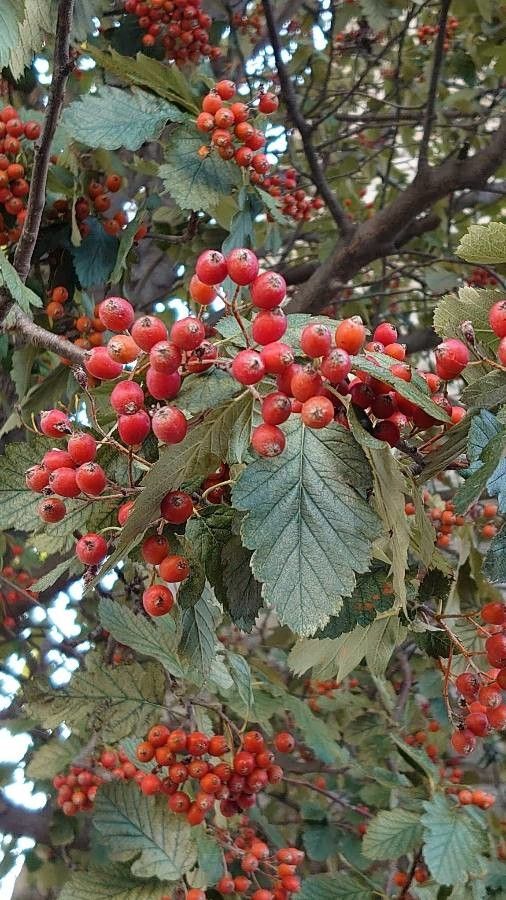
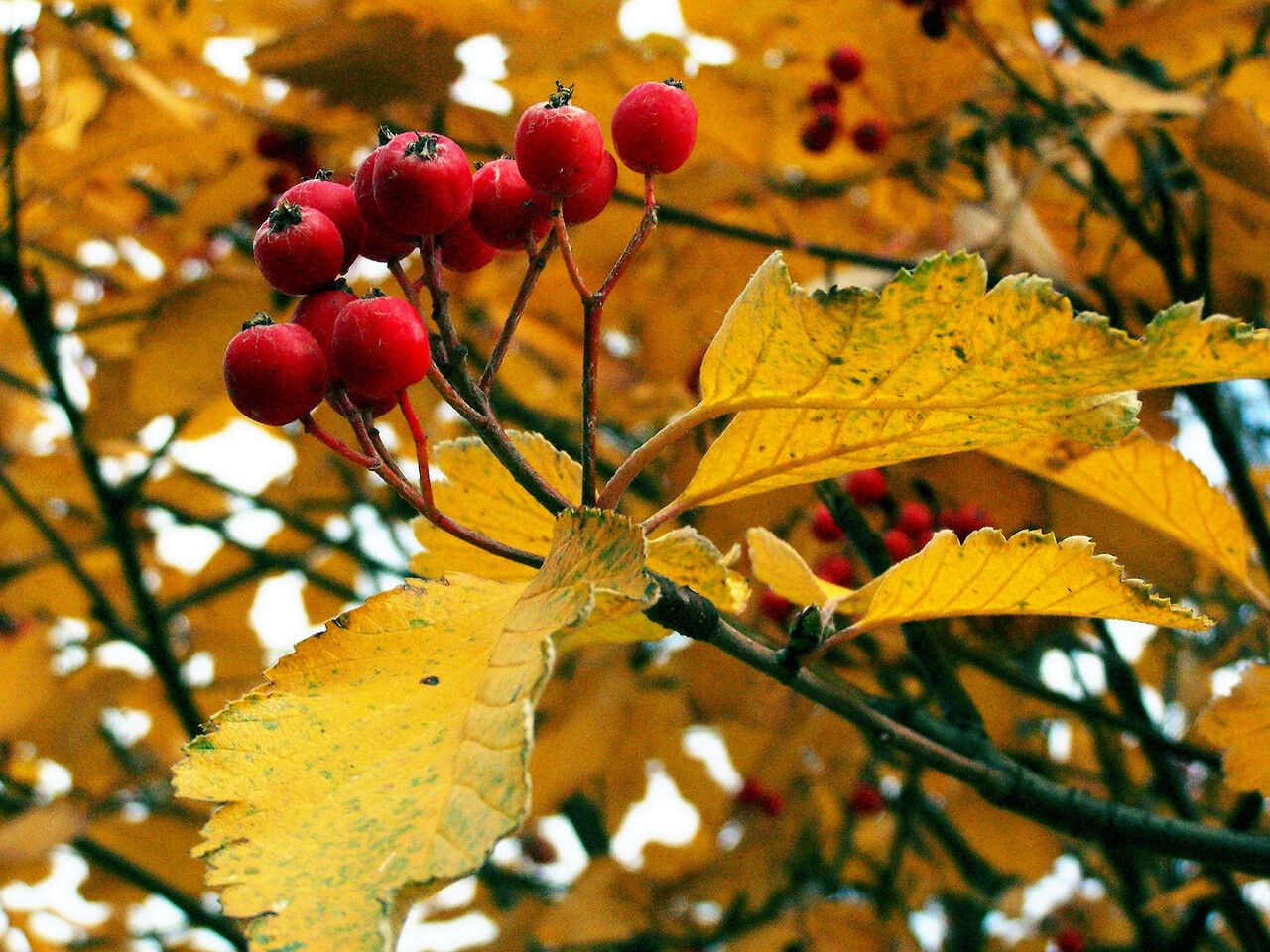
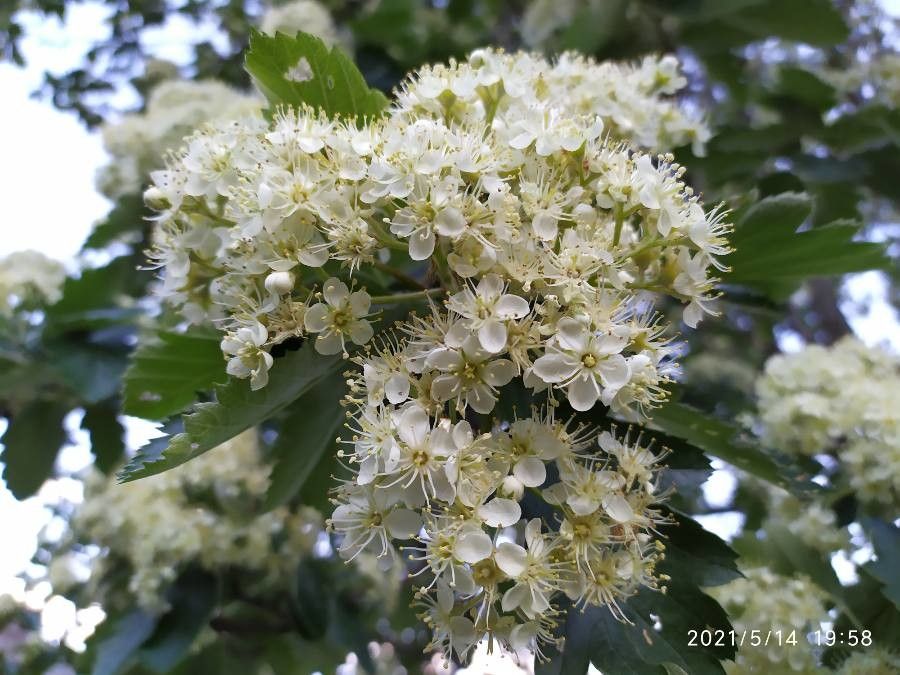
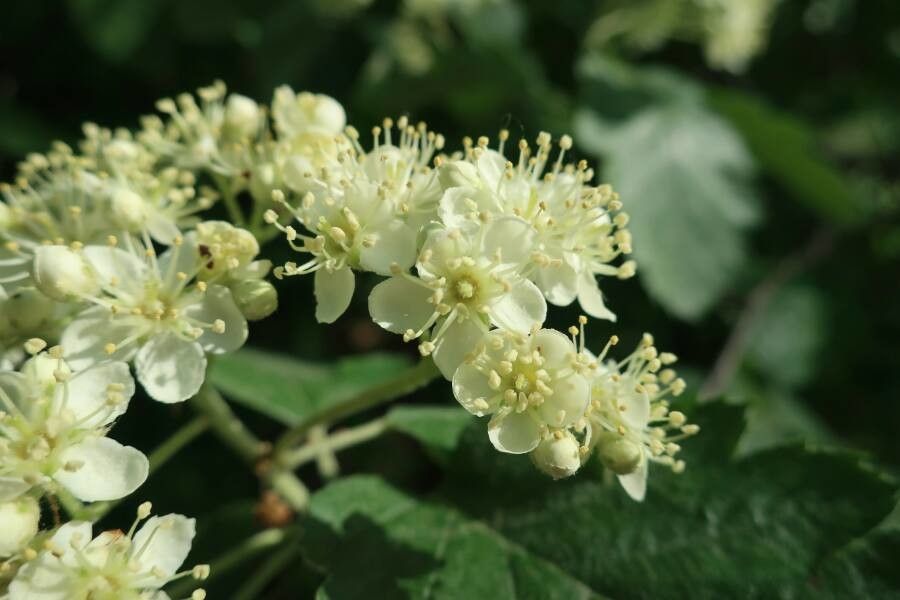
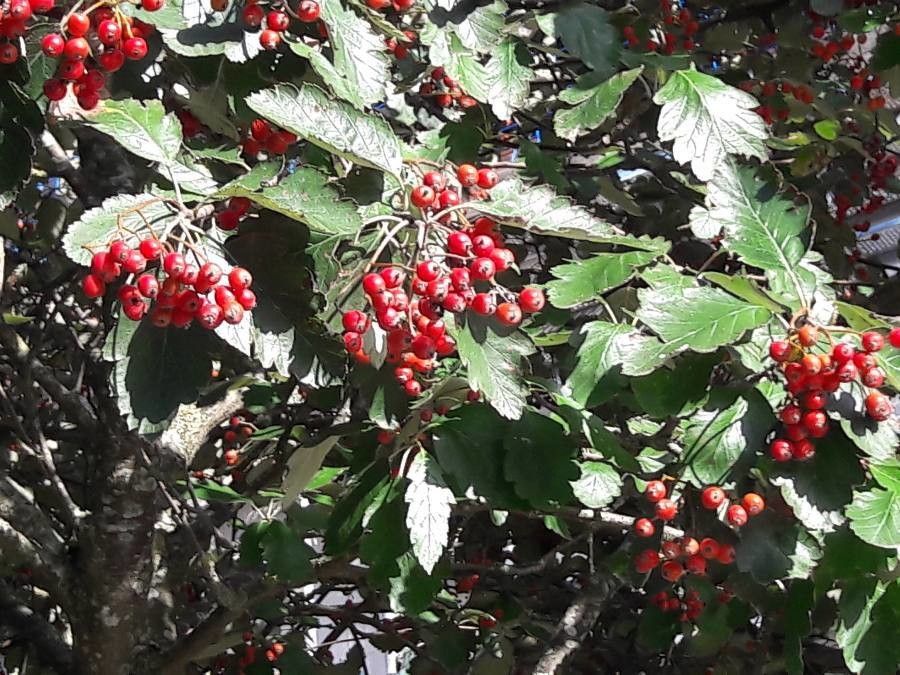
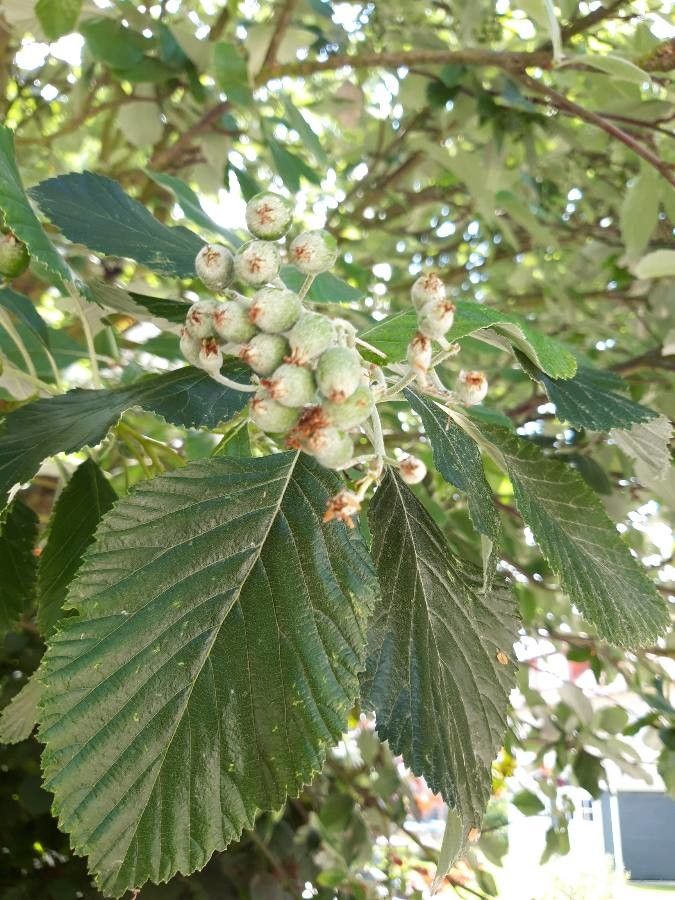
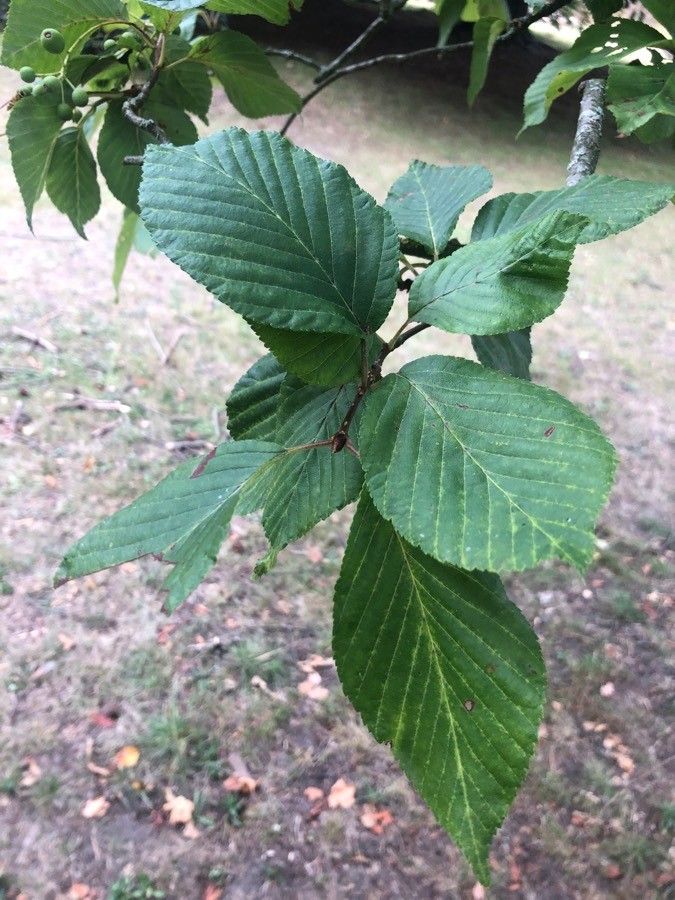
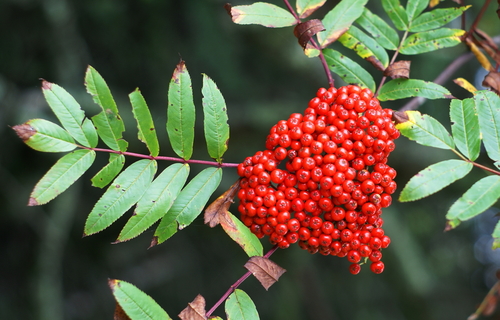
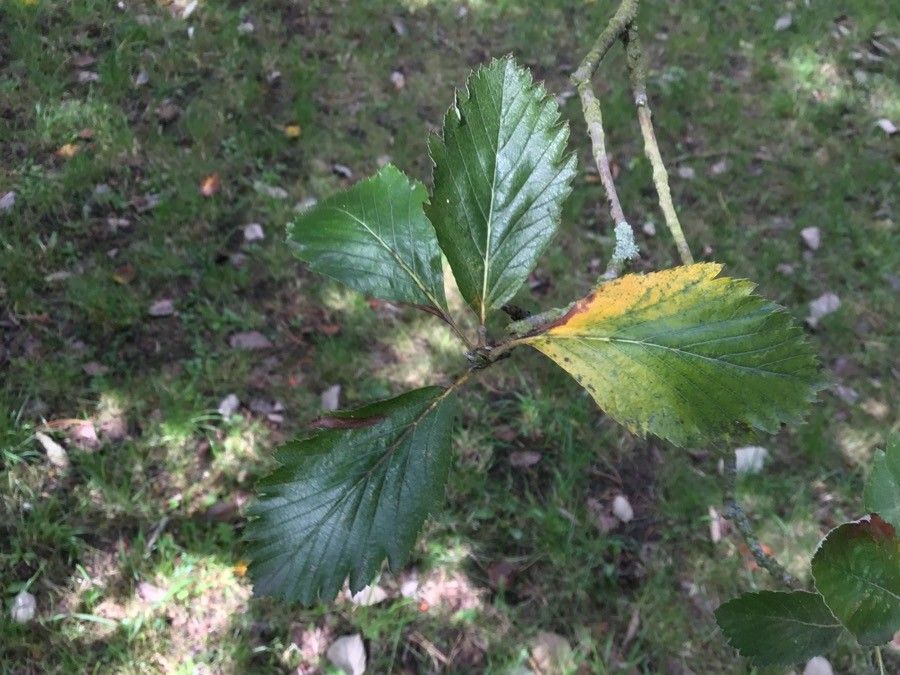
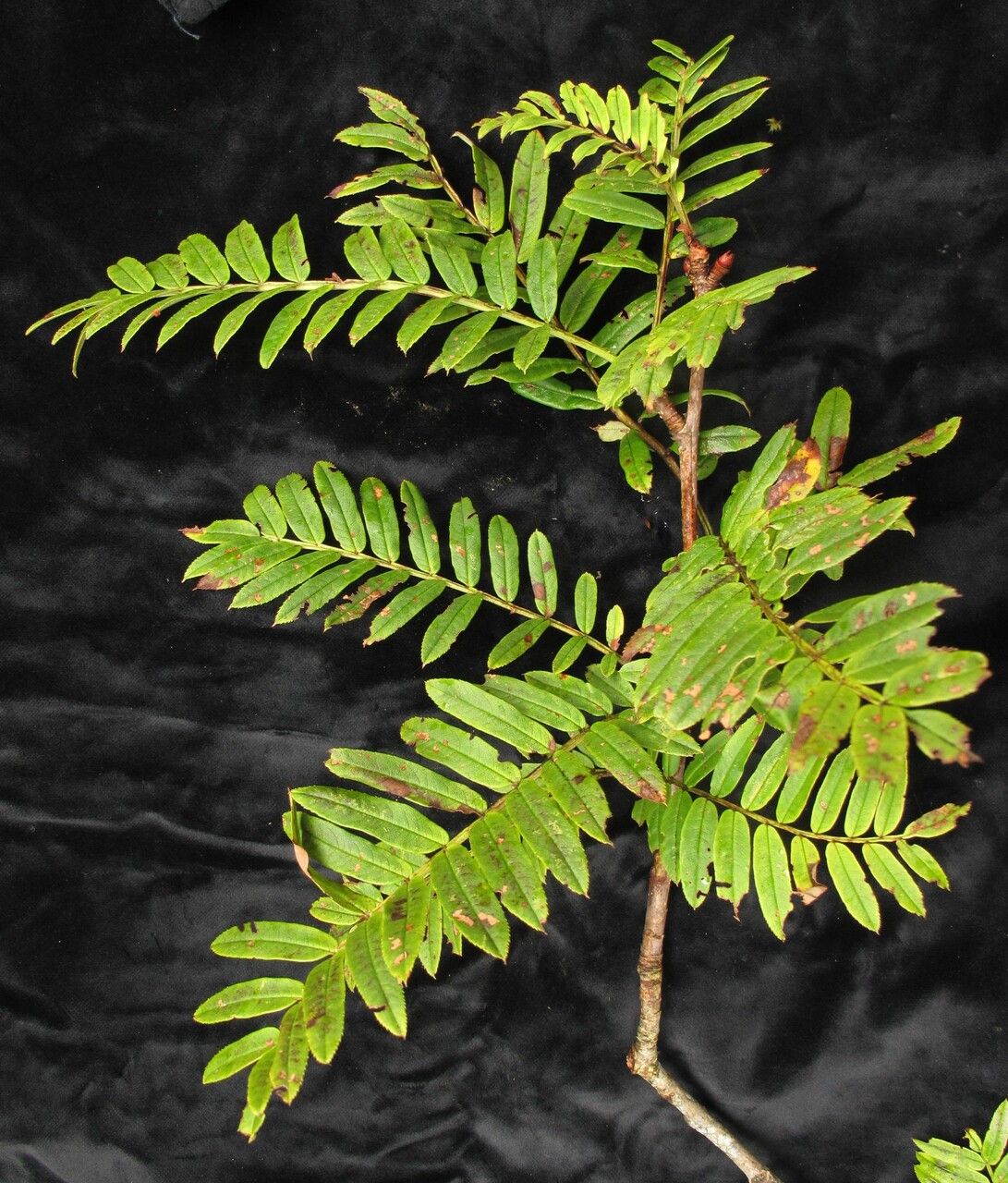
Scandosorbus intermedia, the Swedish whitebeam, is a species of whitebeam found in southern Sweden, with scattered occurrences in easternmost Denmark (Bornholm), the far southwest of Finland, Estonia, Latvia and northern Poland.
The Swedish whitebeam shows strong resistance to disease and is usually not susceptible to illnesses. In terms of care, the plant is fairly low-maintenance. When grown outdoors it requires little watering, and larger specimens generally do not need pruning. Smaller plants, however, should be pruned after they have finished flowering. The Swedish whitebeam is suitable for anyone with an outdoor area, such as a garden or a deck, and does not demand much gardening experience.
How to keep Sorbus Intermedia.
Light
The Swedish whitebeam thrives in locations that have significant sunlight exposure, which enhances its health and growth. Yet, it can also tolerate regions with only moderate sunlight. Both excessive and insufficient sunlight can impede its growth. This preference for sunlight is noticeable from its native habitat.
Water
The Swedish whitebeam thrives best in conditions of moderate humidity and consistently moist soil, though it can endure short periods of dryness. To keep the soil adequately moist without causing waterlogging, water the tree every three weeks. When caring for this tree outdoors, rainfall is crucial since its water requirements change with the seasons.
Humidity
This plant will thrive in moderate humidity, which is probably the level in your home. However, misting it a few times a week can be very beneficial. Make sure the room has good ventilation.
Temperature
The Swedish whitebeam thrives in temperate climates, ideally between 41 to 89.6 °F (5 to 32 ℃). During colder periods, it might require extra protection to ensure its development throughout the winter season.
Fertilizer
The timing for fertilizing Swedish whitebeam is key. You should start fertilizing it at the beginning of spring and carry on every month until the start of summer. Fertilizer assists in generating beautiful flowers and supplies energy during both dormant and active growth stages.
Pruning
The Swedish whitebeam is a plant known for its white flowers and red berries. It thrives when pruned early in the spring. To promote better air circulation, shape, and overall health, it is beneficial to trim any overcrowded or damaged branches. Doing this reduces stress on the tree during its dormant period, increases its exposure to sunlight, and enhances its appearance while minimizing the risk of disease.
Botanical profile.
- Plant Type
- Tree
- Life Cycle
- Perennial
- Genus
- Sorbus
- Family
- Rosaceae
- Hardiness Zone
- 4-8
- Mature Height
- 10.06 m to 20.12 m
- Mature Spread
- 9.14 m to 11.89 m
- Leaf Color
- Green, Yellow
- Leaf Type
- Deciduous
- Flower Color
- White
- Flower Size
- 1.52 cm to 2.03 cm
- Bloom Time
- Late spring, Early summer
- Planting Time
- Winter, Spring
- Harvest Time
- Mid summer
Other names.
Reader questions.
How should I water my Swedish whitebeam tree?
To ensure excellent root development, consider using a garden hose at the base of the plant. Avoid spraying the leaves directly and keep in mind that outdoor plants in direct sunlight may require more watering for their leaves. You can also moisten the roots using bubblers attached to each plant, or use soaker hoses that cover the whole garden or bed. When adding or removing plants, deep water them to encourage deep root growth. Remember to drain any excess water and allow the soil to dry before watering again. Watering at ground level helps prevent diseases. On a sunny day, you can spray the entire bush with water. Whether your Swedish whitebeam is in a pot or in the ground, it prefers deep watering rather than light sprinkling.
Why should I add fertilizer to my Swedish whitebeam?
Fertilizing your Swedish whitebeam is important for several reasons. Firstly, it will help your tree produce beautiful blooms. Secondly, fertilizing in early spring is a great way to ensure excellent flowers during that season. Lastly, fertilizer provides the tree with energy that can be stored in the ground during dormant growth phases. By giving your Swedish whitebeam extra nutrients during fall planting or late spring, you will help it store more energy to use during active growth.
What are the sun requirements for Swedish whitebeam?
Swedish whitebeam requires full sun, defined as over 6 hours of sunlight daily, to thrive, although it can also tolerate partial sun, meaning about 3-6 hours of sunlight. It's important to observe the movement of sunlight through your garden to find spots that offer a good balance of light and shade, ensuring the best conditions for your plants. The natural habitat of the Swedish whitebeam demonstrates its preference for substantial sun exposure, which significantly benefits its health and growth. Too much or too little light can adversely affect its development.
What is the native climate for Swedish Whitebeam?
Swedish Whitebeam, botanically known as Sorbus intermedia, is native to temperate climate regions. It thrives in a mild temperature range, ideally between 41 to 89.6 °F (5 to 32 °C). Despite its strong resistance to cold, measures should be taken to aid its growth through the winter months in colder temperatures, especially if temperatures are expected to drop below -30°C.
What should I do if I give too much or too little water to Swedish whitebeam?
A Swedish whitebeam that is overwatered can show signs such as yellowing leaves that drop off and wilt. The plant may also appear dull and unhealthy, with mushy stems. When these signs appear, it is best to adjust your watering schedule if possible. Wilting can also indicate under watering, where leaves become crispy and dry. In cases where the soil is dry and watering alone is not enough, give the plant a thorough watering. This will help the Swedish whitebeam recover, although it may still have dry and yellow leaves for a few days due to damage to the root system. Once the plant returns to normal, the yellowing of leaves will stop. When growing a Swedish whitebeam indoors, always check the moisture levels in the pot. Avoid overwatering and watch for black spots, which may indicate excessive moisture. In such cases, allow the soil to dry by refraining from watering for a few days. Overwatering can lead to root rot, so if you notice discolored and slimy roots, consider transferring the plant to a different pot. It is important to prevent root rot by avoiding overly soggy soil. If planting a Swedish whitebeam outdoors, ensure the soil is adequately watered. If you find the soil to be too dry when checking with your fingers, it may indicate under watering. Provide sufficient water to aid in the plant's recovery.
When should I fertilize my Swedish whitebeam tree?
To effectively fertilize Swedish whitebeam, timing is crucial. It is important to avoid applying fertilizer too early while the tree is still dormant, as it will not be effectively utilized and could be washed away by rainwater, resulting in waste and pollution. Instead, the first application of fertilizer should be done in early spring, followed by monthly applications until early summer.
How does artificial lighting benefit indoor Swedish whitebeam plants?
Indoor Swedish whitebeam plants require adequate lighting for optimal growth. In conditions where natural sunlight is scarce, especially during winter or in less sunny locations, artificial lighting becomes crucial. LED lights, preferred for their ability to provide specific light wavelengths, can support the plant's needs. For full sun plants, 30-50W/sq ft of artificial light is recommended; for partial sun plants, 20-30W/sq ft is sufficient, and full shade plants need 10-20W/sq ft. The light should be placed 12-36 inches above the plant for 8-12 hours a day to mimic natural sunlight exposure.
How can Swedish Whitebeam be protected during very cold winters?
To protect Swedish Whitebeam during winters where temperatures may fall below -30°C, it's advisable to wrap its trunk and branches with non-woven fabric or cloth. Additionally, watering the plant abundantly before the first freeze is recommended. This ensures the soil remains moist and enters a frozen state, preventing drought and water scarcity for the plant during winter and early spring.
How often should I give water to my Swedish whitebeam tree?
The Swedish whitebeam prefers deep and infrequent watering. For potted plants, soak them in a gallon of water each time to account for limited water storage and faster soil drying. In cold regions, water every 3 to 5 days, preferably in the morning when the soil is dry. You can check if watering is needed by observing the top 2-3 inches of soil - if it's dry, give the plant a full watering. During hot days, monitor soil moisture daily to prevent drying out. For garden plants in hot climates, water about once a week when the top 2-3 inches of soil are too dry. Consider rainfall and avoid overwatering to prevent root rot. Adding mulch 3 to 4 inches deep can help conserve water for outdoor plants. Sandy soil requires more frequent watering, while clay soil can be watered less frequently to avoid root rot. Keep track of watering dates and watch for drooping leaves as a sign to water sooner.
When is the best time to not use fertilizer on my Swedish whitebeam?
To ensure the optimal growth and blooming of Swedish whitebeam, it is important to be mindful of the fertilizer used and the timing of its application. Avoid using a fertilizer with excessive nitrogen, as this can result in an abundance of leaves but limited blooms. Instead, opt for a fertilizer with a lower nitrogen content in comparison to other nutrients. Additionally, it is advisable to refrain from fertilizing Swedish whitebeam during the late autumn, as excessive growth at this time can be detrimental just before the winter months. Moreover, avoid fertilizing the tree during hot and dry periods, as dry soil does not effectively deliver the fertilizer, and the growth stimulation triggered by fertilizing would require more water that may not be readily available. It is preferable to reserve fertilizer application for earlier in the season when temperatures are cooler. Lastly, it is important to note that Swedish whitebeam can absorb fertilizer from nearby plants or lawns. To avoid inadvertently providing the tree with an excessive amount of fertilizer, exercise caution in the application of fertilizers.
What are common symptoms of inadequate light in Swedish whitebeam?
When Swedish whitebeam does not receive enough light, several symptoms may manifest. These include smaller new leaves, leggy or sparse growth, increased leaf drop as the plant tries to conserve resources, and halted growth due to the plant entering survival mode. Additionally, leaves may show signs of chlorosis, turning yellow due to the breakdown of chlorophyll, and suffer from sunscald, leaf curling, wilting, or leaf scorching as a result of excessive light or incorrect light levels.
What symptoms indicate Swedish Whitebeam is affected by low temperatures?
If the temperature drops below -30°C, Swedish Whitebeam may not show immediate changes but can experience damage that becomes evident in spring. The branches might become brittle and dry, and there may be no emergence of new shoots. To address this, prune any dead branches that have failed to produce new leaves in the spring.