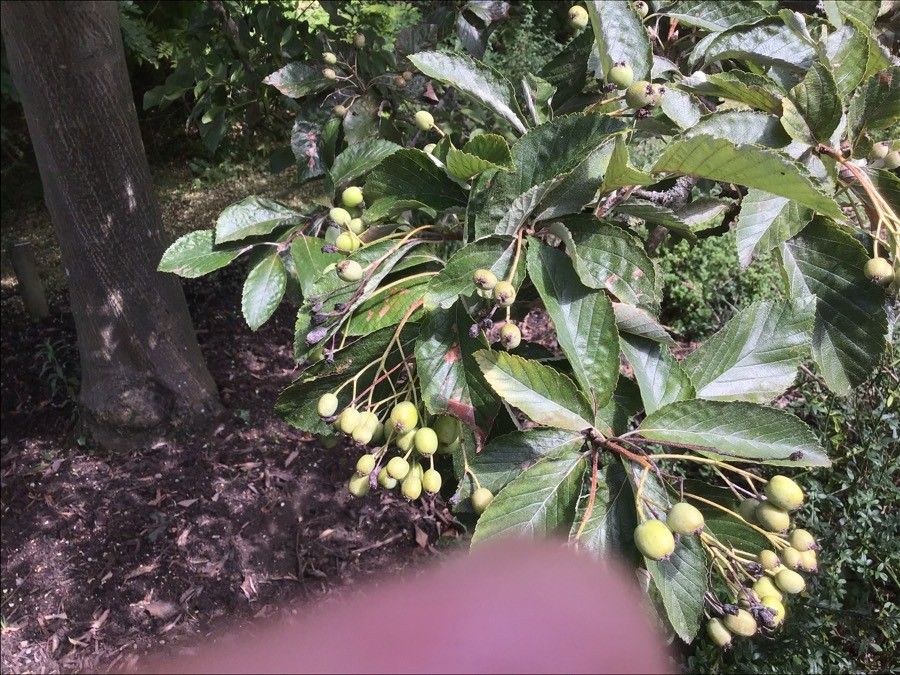
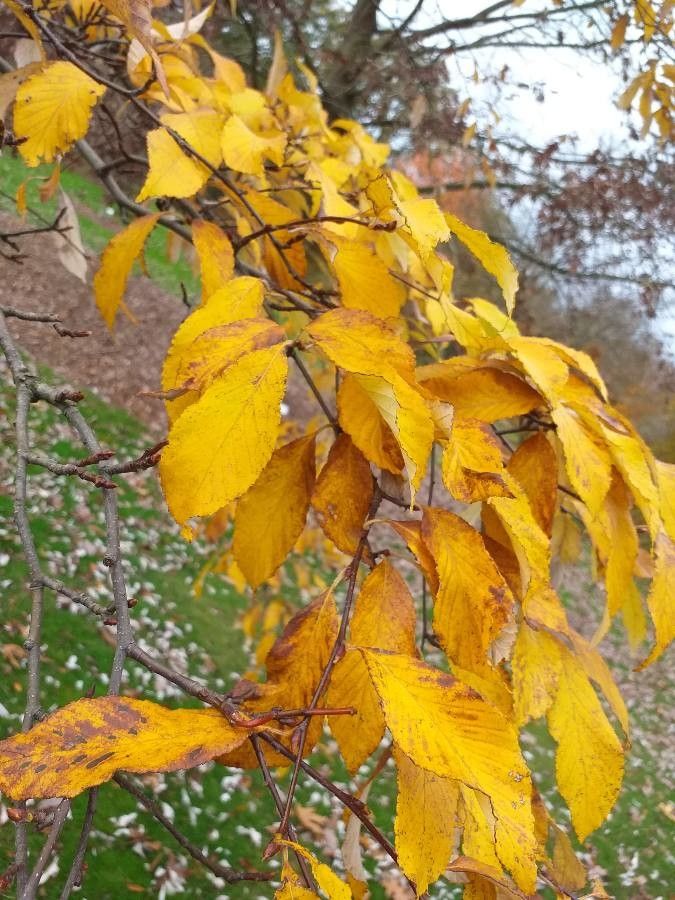
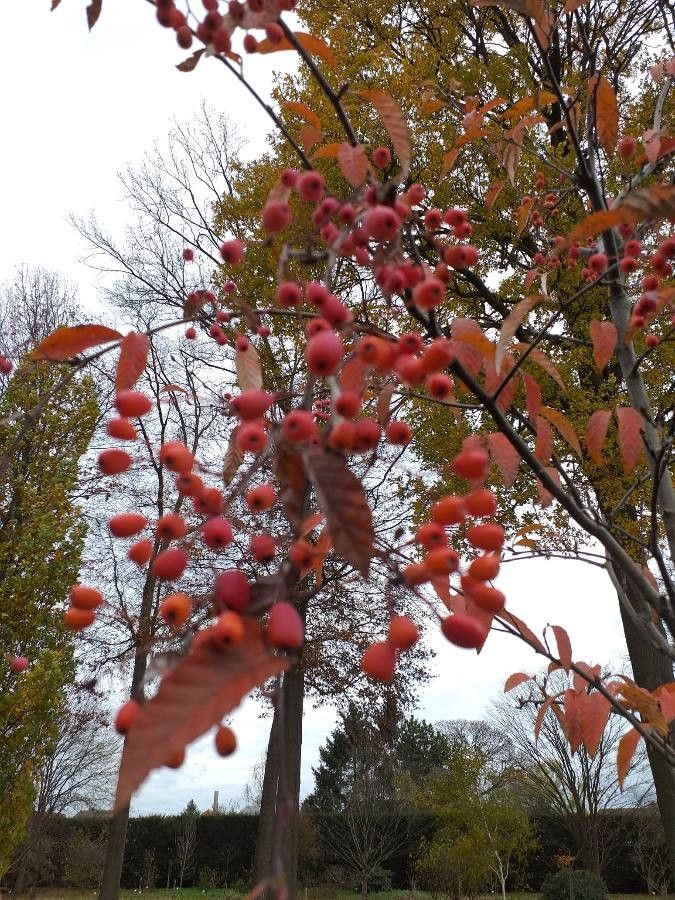
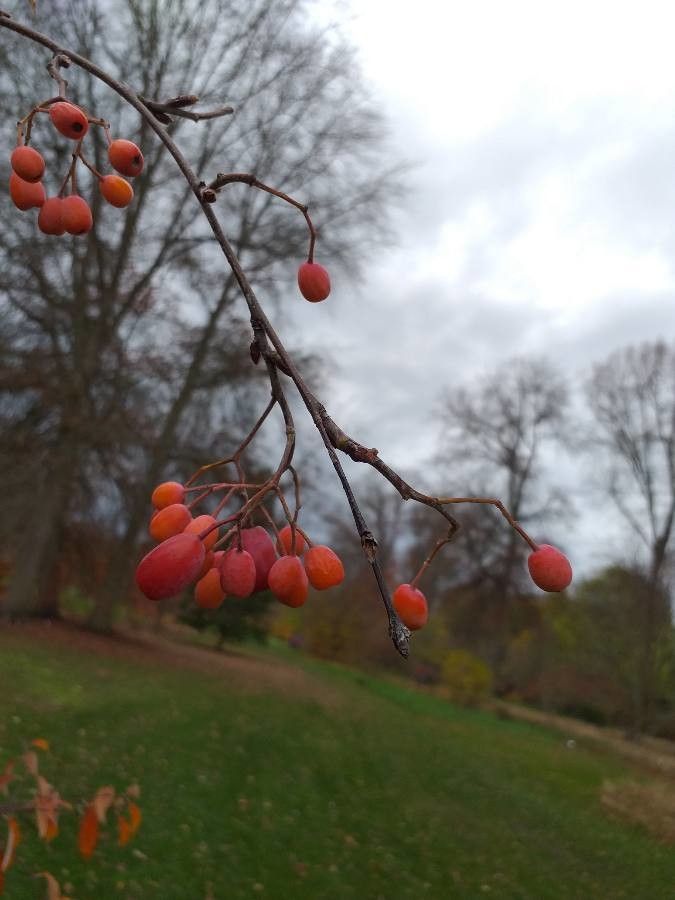
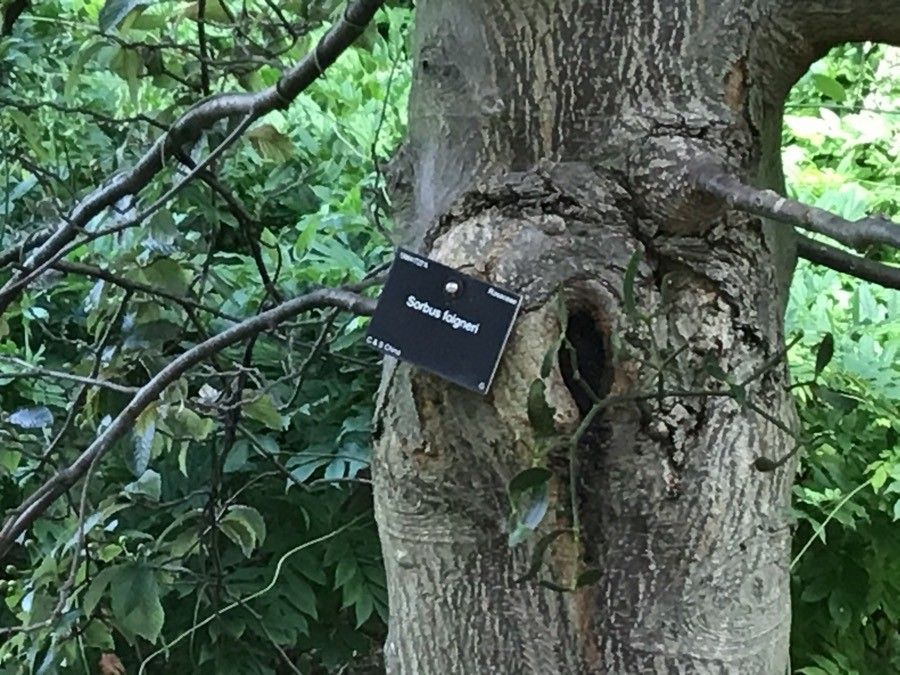
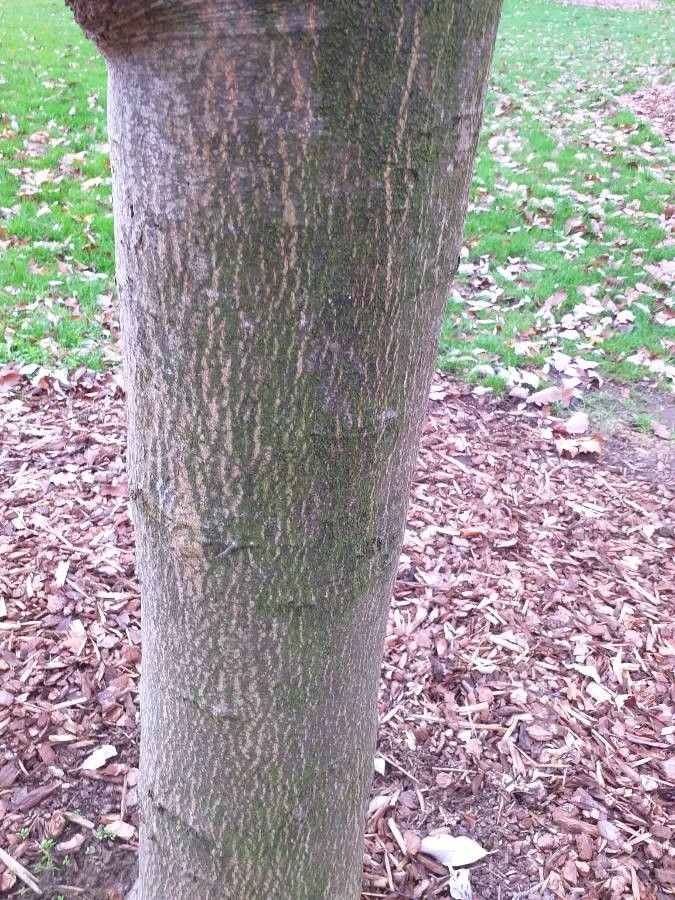
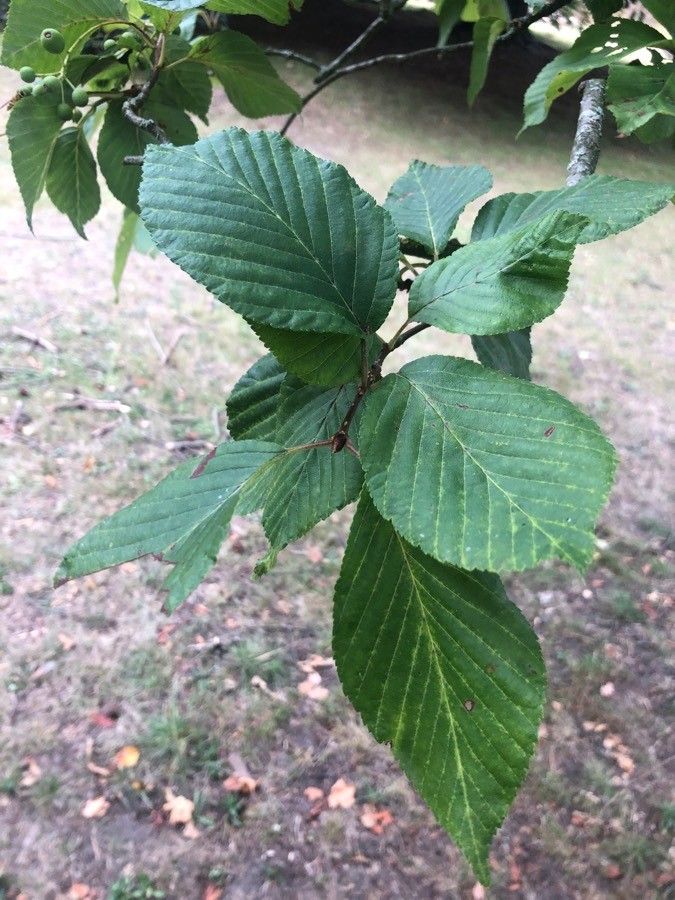
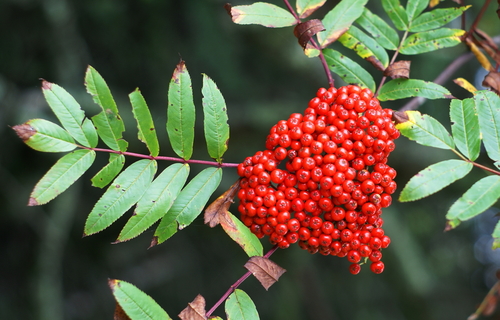
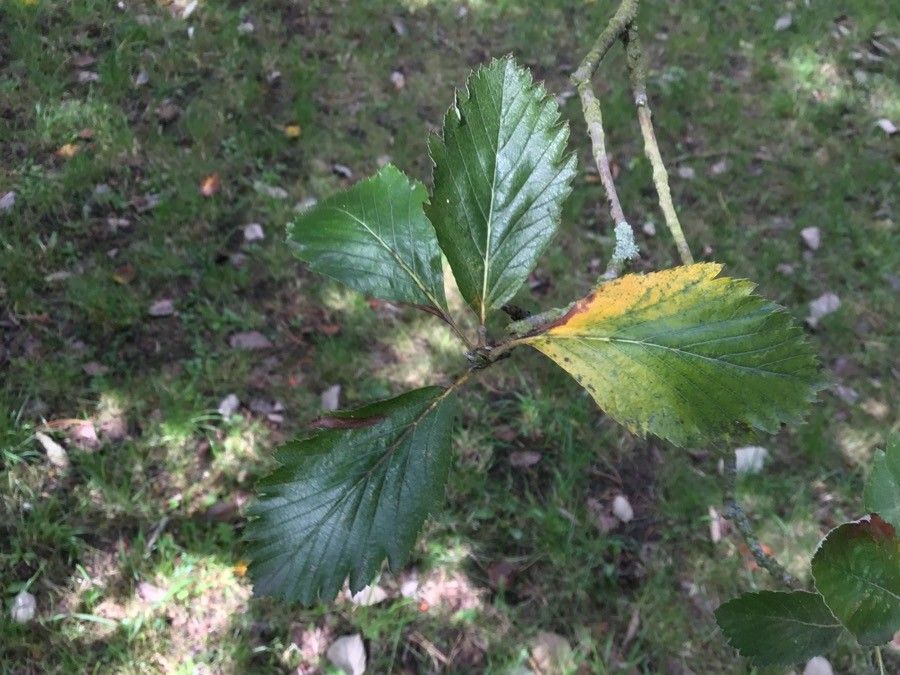
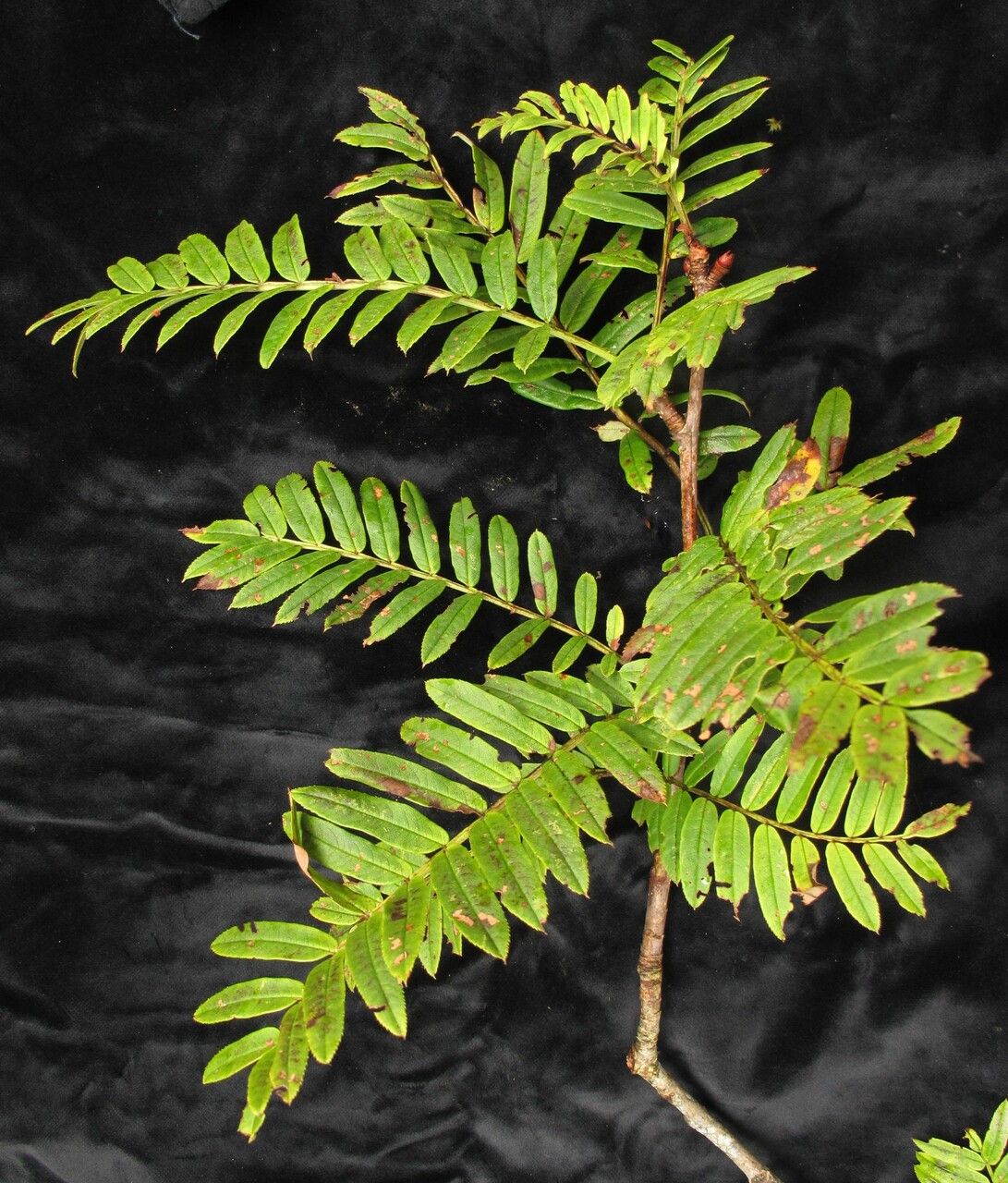
Alniaria folgneri (syn. Sorbus folgneri), Folgner's whitebeam, is a species of flowering plant in the family Rosaceae, native to central China. A small tree, the abaxial side of its soft leaves are covered in a silvery-white tomentose layer. Its autumn foliage often turns golden pink, set off by the white undersides, but the intensity of the color varies from year to year. Its cultivar 'Emiel' has gained the Royal Horticultural Society's Award of Garden Merit.
Folgner's whitebeam is resistant to disease and is generally unlikely to be affected by illnesses. In terms of care, this plant is fairly low-maintenance. When grown outdoors it needs only minimal watering, and larger plants typically do not require pruning. Smaller plants, however, should be pruned after they have finished blooming. Folgner's whitebeam is suitable for anyone with an outdoor area, such as a garden or deck, and does not demand much care experience.
How to keep Sorbus Folgneri.
Light
Folgner's whitebeam comes from open habitats, such as sunny meadows and forest margins, which provide abundant light. It performs best in Full Sun but can also tolerate Partial Sun, adapting well to various light conditions.
Water
Folgner's whitebeam flourishes in moderately moist environments with consistent rainfall. It needs regular watering every 1-2 weeks but can endure short periods of dryness. Typically cultivated outdoors, Folgner's whitebeam adjusts well to different rainfall patterns throughout the growing season.
Temperature
Folgner's whitebeam shows strong adaptability to a variety of climate conditions, from very hot summers to cold winters. Still, it has a preferred temperature range for growth. If temperatures become too high, the plant is vulnerable to heat and humidity stress, which can cause it to die. In areas where temperatures approach the lower limit of its cold tolerance, providing insulation to protect the plant is important.
Fertilizer
Correct timing is essential for fertilizing Folgner's whitebeam. Apply fertilizer in early spring and continue once a month until early summer. The fertilizer encourages lovely blooms and supplies energy during both dormant and active growth periods.
Pruning
Folgner's whitebeam, noted for its attractive foliage and white berries, thrives when pruned in early spring. Key practices include removing dead branches, thinning dense areas to improve air circulation, and shaping the plant for aesthetic appeal. Pruning at this time encourages growth, resulting in a vibrant, robust plant with enhanced ornamental qualities.
Botanical profile.
- Plant Type
- Tree
- Life Cycle
- Perennial
- Genus
- Sorbus
- Family
- Rosaceae
- Hardiness Zone
- 5-8
- Mature Height
- 7.92 m to 11.89 m
- Mature Spread
- 4.88 m to 7.92 m
- Leaf Color
- Dark Green, Silver
- Leaf Type
- Deciduous
- Flower Size
- 1.02 cm to 1.52 cm
- Bloom Time
- Mid spring, Late spring
- Planting Time
- Spring, Summer, Autumn, Winter
- Harvest Time
- Late summer, Early fall, Mid fall
- Native Area
- China