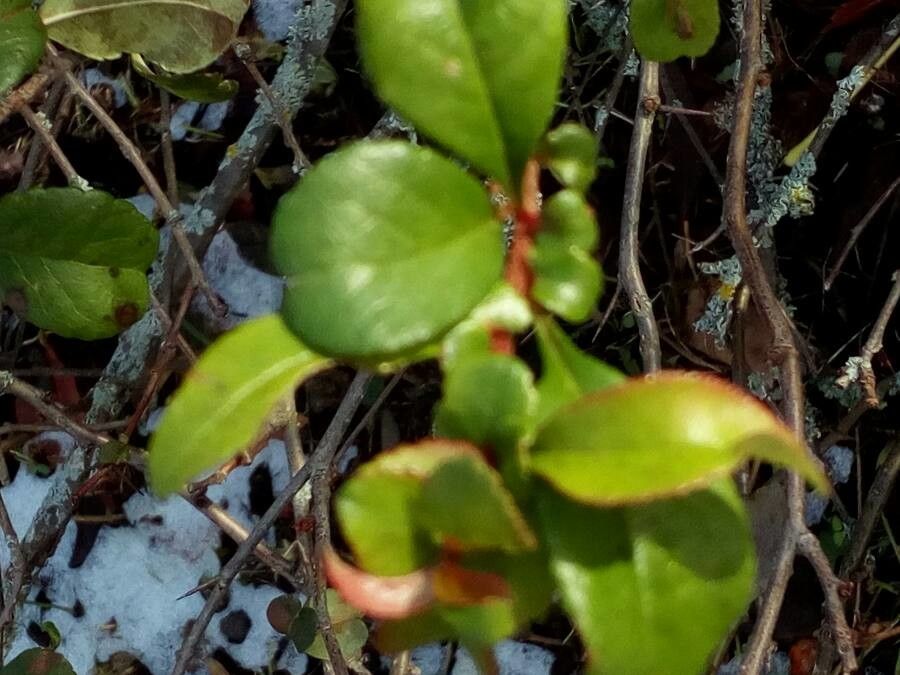
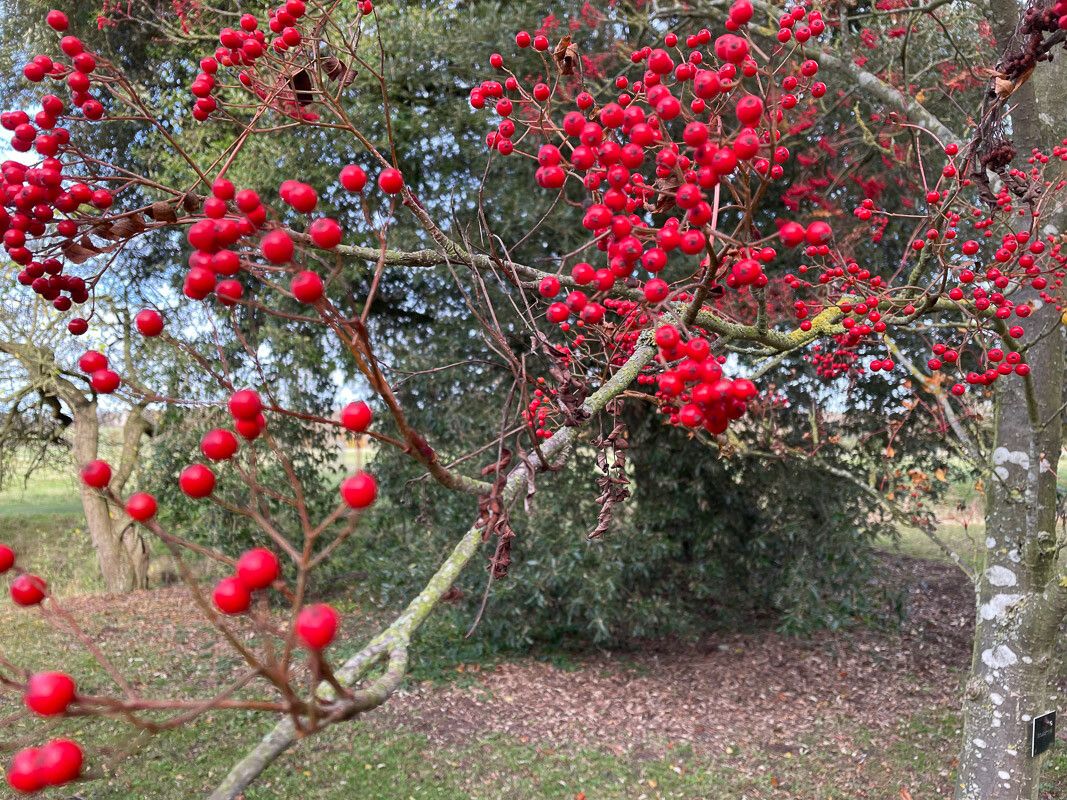
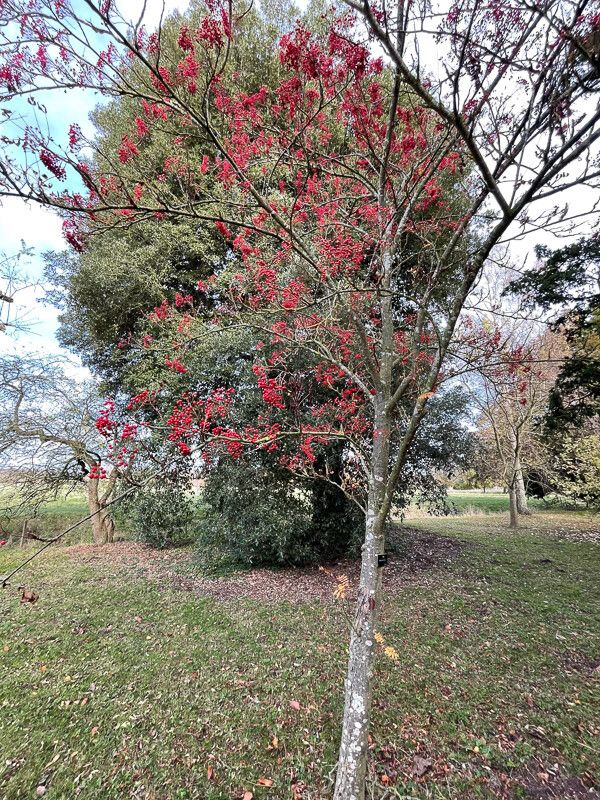
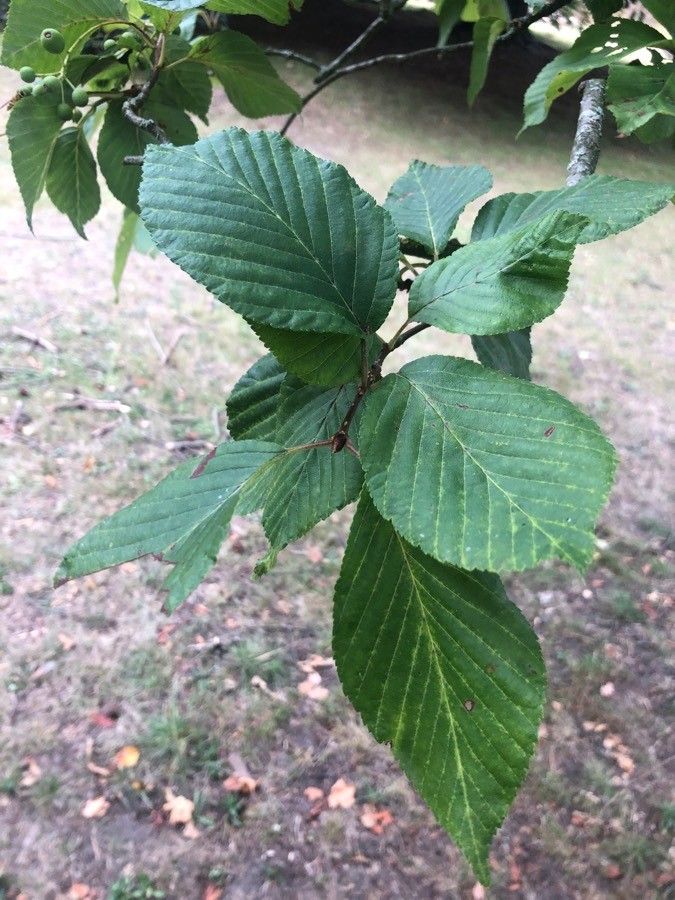
Sorbus commixta, the Japanese rowan (七竈, nanakamado, ナナカマド), is a species of flowering plant in the family Rosaceae, native to Japan, Sakhalin (in the Russian Far East), and the Korean island of Ulleungdo.
Japanese rowan is resistant to disease and typically does not develop many health problems. As for maintenance, the plant is fairly low-maintenance. When grown outdoors it needs only light watering, and larger specimens usually do not need pruning. Smaller plants, however, should be pruned following their bloom. Japanese rowant is appropriate for anyone with outdoor space, such as a garden or deck, and does not require extensive gardening experience.
How to keep Sorbus Commixta.
Light
Japanese rowan is native to open habitats like sunny meadows and forest edges, where light is abundant. It does best in Full Sun but can also tolerate Partial Sun, adjusting well to a range of sunlight conditions.
Water
The Japanese rowan is native to cool temperate regions and thrives in moist, well-drained soil. It should be watered every one to two weeks, allowing the soil to dry out slightly between waterings. As a deciduous plant, its water requirements decrease during dormancy in the colder seasons.
Temperature
Japanese rowan is highly adaptable to a variety of climate conditions, from scorching summers to cold winters. Nevertheless, it has a preferred temperature range for growth. If temperatures rise too high, the plant can experience heat and humidity stress, which may cause it to die. In locations where temperatures near the lower limit of its cold tolerance, applying insulation to protect the plant is important.
Fertilizer
The timing of fertilizing Japanese rowan is important. Apply fertilizer in early spring and repeat every month until early summer. Fertilizer encourages attractive flowering and supplies energy both while the plant is dormant and during active growth.
Pruning
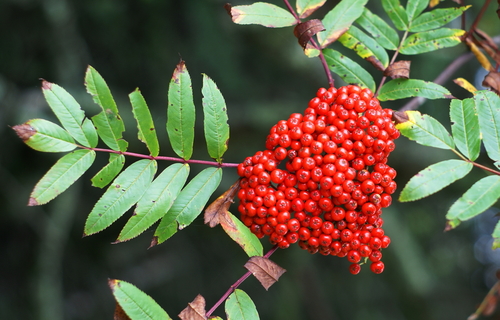
The Japanese rowan displays vibrant autumn foliage adorned with red berries. To maintain its health and appearance, it should be pruned in early spring. Focus on thinning out crowded branches, removing any dead wood, and shaping the plant for a better structure. This helps improve air circulation and sunlight exposure, which benefit the plant. Be cautious not to prune too heavily to avoid causing stress. Always use clean, sharp tools to minimize damage.
Botanical profile.
- Plant Type
- Tree
- Life Cycle
- Perennial
- Genus
- Sorbus
- Family
- Rosaceae
- Hardiness Zone
- 4-7
- Mature Height
- 6.1 m to 9.14 m
- Mature Spread
- 6.1 m to 9.14 m
- Leaf Color
- Yellow, Red, Purple, Green, Orange
- Leaf Type
- Deciduous
- Flower Color
- White
- Flower Size
- 2.54 cm
- Bloom Time
- Late spring, Early summer
- Planting Time
- Spring, Autumn
- Harvest Time
- Late summer, Early fall, Mid fall
- Native Area
- Russia, Koppen, Japan, South Korea
Other names.