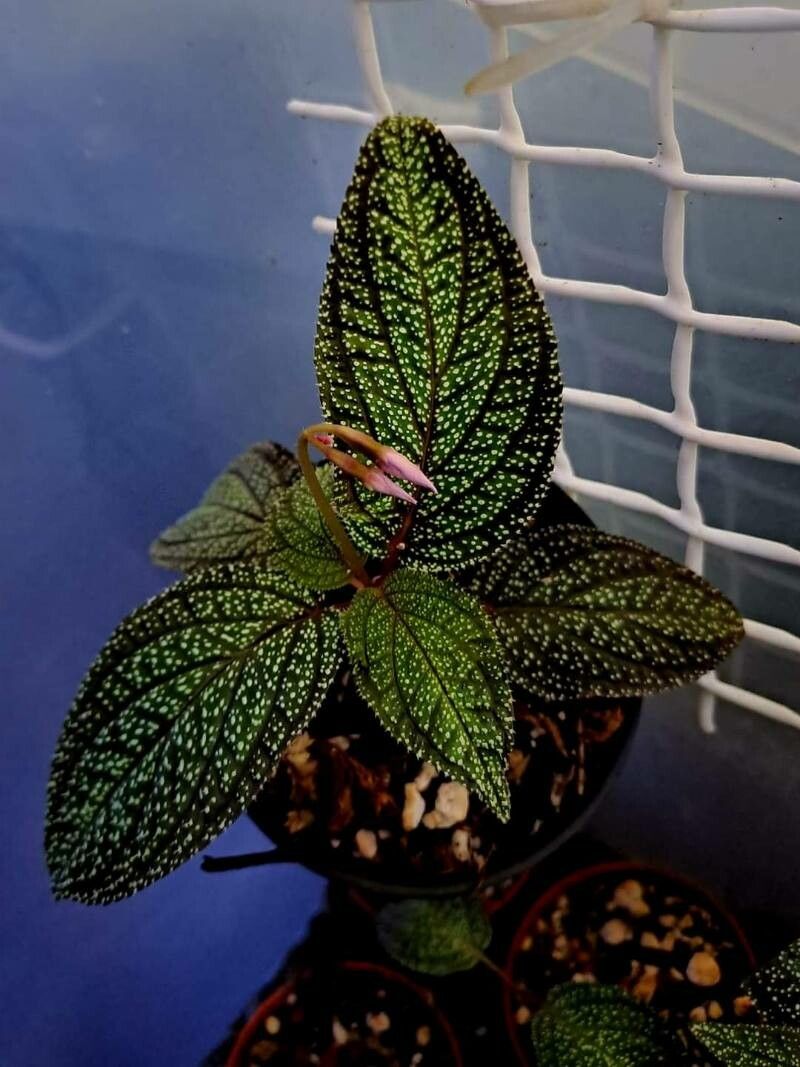
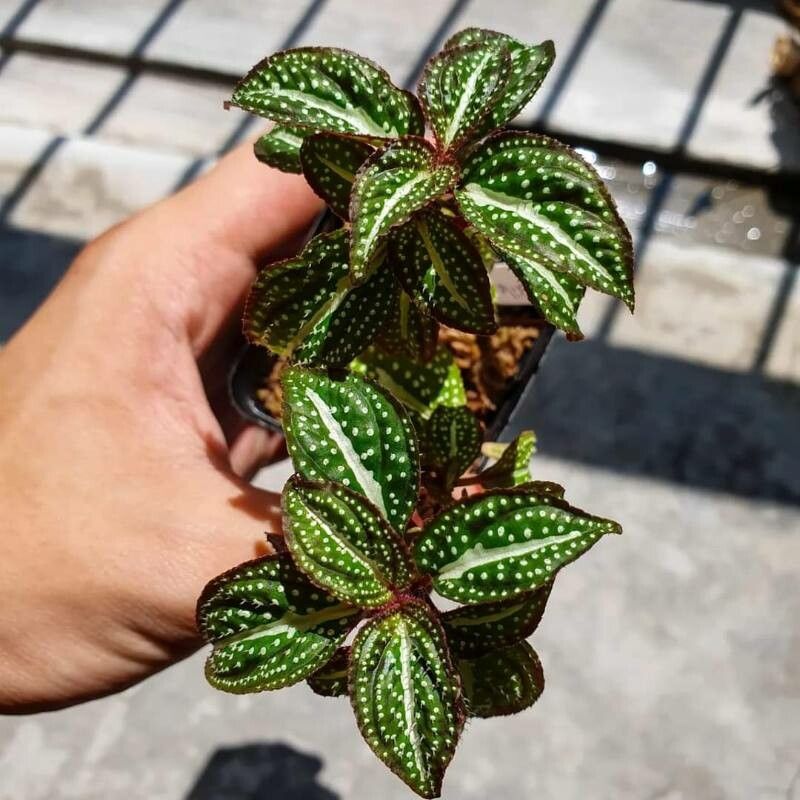
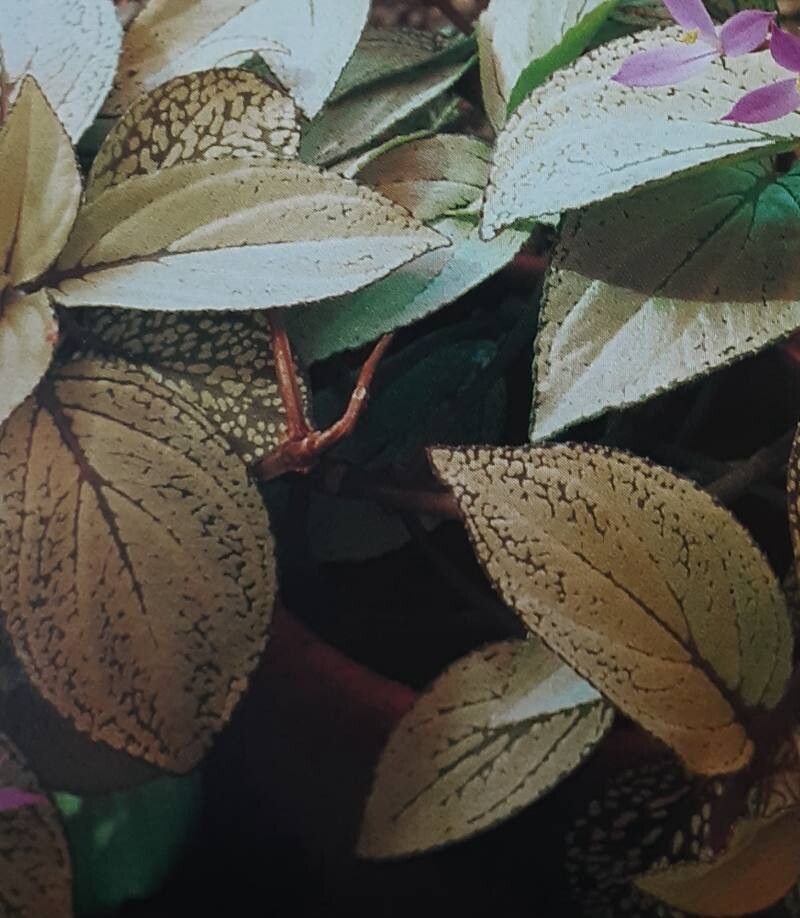
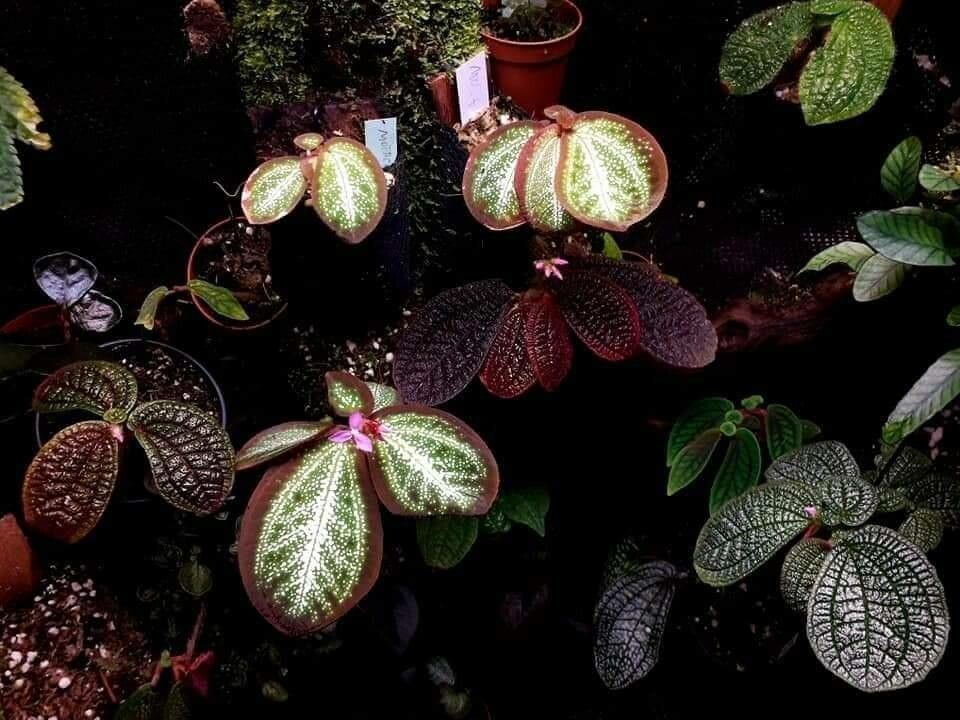
The spotted leaf sonerila shows strong resistance to diseases and is usually not susceptible to them. Still, it can be affected by pests and diseases present in its environment. These problems are typically not serious. For care, this plant needs moderate maintenance. It should be pruned regularly to keep a good appearance and promote healthy growth. Fertilizing can also help encourage flowering. Spotted leaf sonerila is suitable for anyone with outdoor space, such as a garden or patio, and does not require much experience in plant care. It may demand more attention when grown indoors.
How to keep Sonerila Maculata.
Light
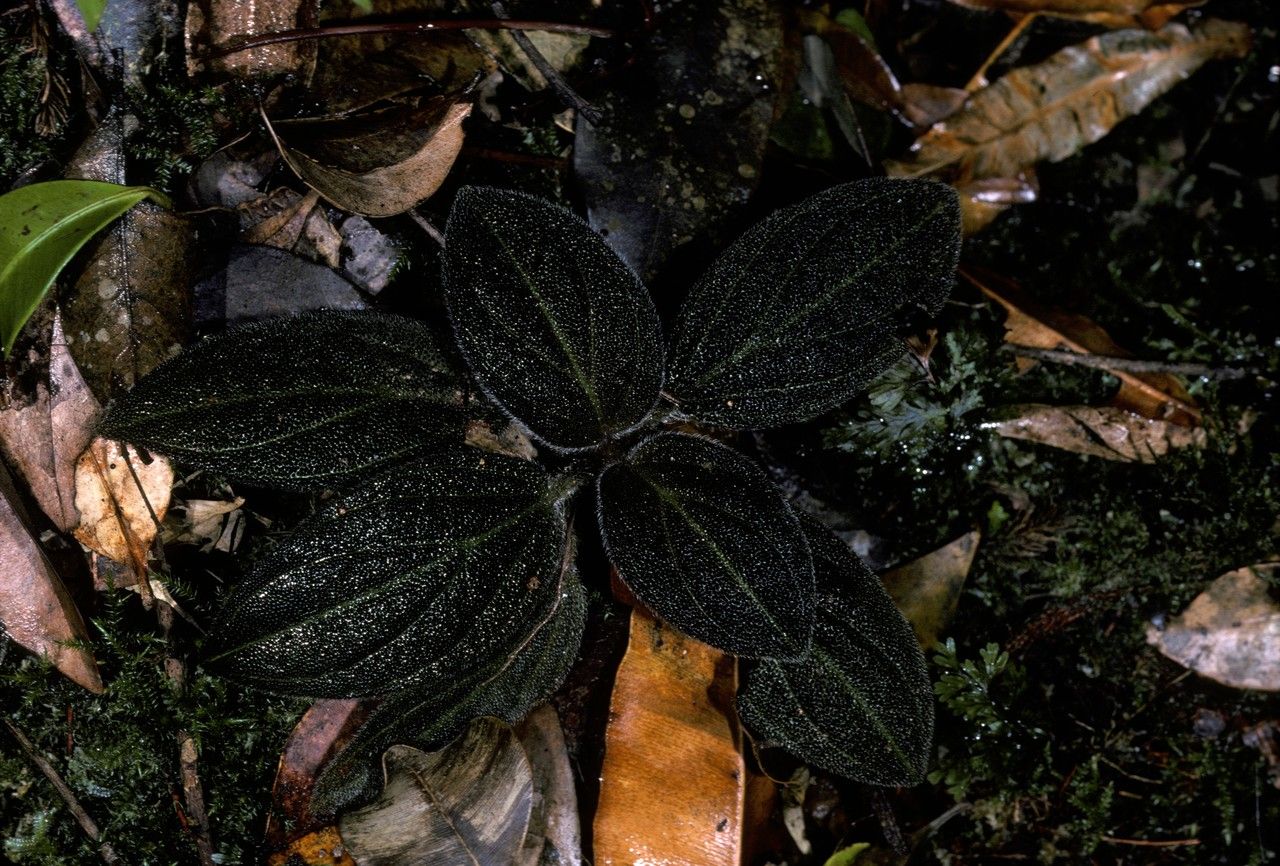
Spotted leaf sonerila is native to habitats like forest understories and rocky areas, where it grows in natural shade. It prefers partial sun but can tolerate both full sun and full shade, showing its versatile, hardy nature.
Water
The spotted leaf Sonerila thrives in humid environments and requires consistent moisture. Ideally, it should be watered moderately every week. It does best in well-lit areas, such as bathrooms, where the humidity can mimic its natural habitat. To keep the plant healthy, make sure it is thoroughly watered but avoid letting the soil become waterlogged.
Temperature
Spotted leaf sonerila comes from tropical areas, where the climate is generally warm and humid. Consequently, it is adapted to high temperatures and humidity. It does not tolerate sudden temperature shifts and prefers a steady thermal environment, so avoiding indoor temperature fluctuations is important. It typically cannot withstand cold and needs warmer conditions to grow. If the surrounding temperature falls too low, the plant may stop growing or even perish.
Fertilizer
Proper fertilization is vital for the health and appearance of Spotted leaf sonerila. Fertilize Spotted leaf sonerila in summer, repeating the application monthly throughout the season. Nutrients provide the energy for growth and help sustain the plant’s parts. Fertilization improves Spotted leaf sonerila’s flower display, ensuring it produces its best blooms.
Pruning
Pruning spotted leaf sonerila from early to late spring offers several benefits. By removing dead or diseased stems and trimming overgrown sections, you can enhance the plant's appearance, promote better air circulation, and reduce the risk of fungal infections. This practice helps ensure that your spotted leaf sonerila stays healthy and visually appealing throughout its growth cycle.
Pot & Repot
When repotting Spotted leaf sonerila, select a pot 1-2 inches (2.5–5.1 cm) larger with ample drainage. Use a well-draining potting mix. Repot in spring or fall, making sure the root ball sits slightly below the rim of the flower pot. Water thoroughly after repotting and place it in a warm spot with indirect sunlight.
Botanical profile.
- Plant Type
- Herb
- Life Cycle
- Perennial
- Genus
- Sonerila
- Family
- Melastomataceae
- Hardiness Zone
- 10-12
- Mature Height
- 20 cm to 30 cm
- Mature Spread
- 15 cm to 25 cm
- Leaf Color
- Green, Dark Green
- Leaf Type
- Evergreen
- Flower Color
- Pink
- Flower Size
- 2.54 cm
- Bloom Time
- Summer, Early fall
- Planting Time
- Spring, Summer, Autumn
- Harvest Time
- Late summer, Fall
- Native Area
- Nepal, India, Malaysia, Indonesia, Cambodia, Vietnam, Myanmar, Bhutan, Bangladesh, Thailand, China
Reader questions.
What are the sunlight requirements for Spotted leaf sonerila?
Spotted leaf sonerila (Sonerila maculata) prefers conditions simulating its native forest understories or rocky areas, thriving in partial sun, defined as about 3-6 hours of sunlight per day. However, it can also grow well in full shade, where it receives less than 3 hours of sunlight daily. It's crucial to observe how sunlight moves through your garden to pick locations that provide the right balance of light and shade, ensuring the plant's wellbeing.
How can artificial lighting be used for indoor Spotted leaf sonerila plants?
Indoor Spotted leaf sonerila plants require adequate lighting for optimal growth, and artificial lights are essential when natural sunlight is insufficient, especially during winter or in less sunny spaces. LED lights are favored for their ability to mimic natural light's specific wavelengths. For full sun plants, 30-50W/sq ft is recommended; partial sun plants require 20-30W/sq ft, and full shade plants need 10-20W/sq ft. The artificial light source should be placed 12-36 inches above the plant and turned on for 8-12 hours per day to emulate the natural daylight duration for most plant species.
What are some signs that Spotted leaf sonerila is receiving insufficient light?
When grown indoors with insufficient light, Spotted leaf sonerila may exhibit several symptoms. These include new leaves growing smaller than the previous ones, leggy or sparse growth making the plant appear thin and weak, faster leaf drop, and a halt in new leaf production indicating the plant has entered survival mode. Insufficient sunlight can also cause leaves to develop lighter colors or irregular patterns, indicating a lack of chlorophyll and essential nutrients. These symptoms alert you to adjust your plant's light exposure.
What are some negative effects of too much sunlight on Spotted leaf sonerila?
Excessive sunlight can have detrimental effects on Spotted leaf sonerila, including chlorosis, where leaves lose their green color and turn yellow due to chlorophyll breakdown, sunscald resulting in damaged leaves or stems, leaf curling as a defense mechanism to minimize water loss, wilting from increased transpiration, and leaf scorching characterized by brown, dry, and crispy leaf edges. These symptoms indicate that the plant is suffering from overexposure to sunlight and needs its lighting conditions adjusted.
How can I adjust the lighting for my Spotted leaf sonerila to improve its growth?
To optimize Spotted leaf sonerila's growth by adjusting light conditions, gradually shift the plant to sunnier spots each week if it is indoors, ensuring it receives 3-6 hours of direct sunlight daily. For larger plants or those difficult to move, consider supplementing with artificial light, keeping a desk or ceiling lamp on for at least 8 hours daily, or invest in professional plant grow lights. Outdoors, gradually move your plants to better-sunlit spots to avoid sunburn, allowing them to adapt slowly. If necessary, reduce obstructions such as overhanging branches to allow more sunlight to reach the plants, or transplant smaller plants during their dormant period to a location with sufficient sunlight and good drainage. Note that parts of the plant affected by insufficient light may not recover, but new growth will be healthy after light conditions are improved.