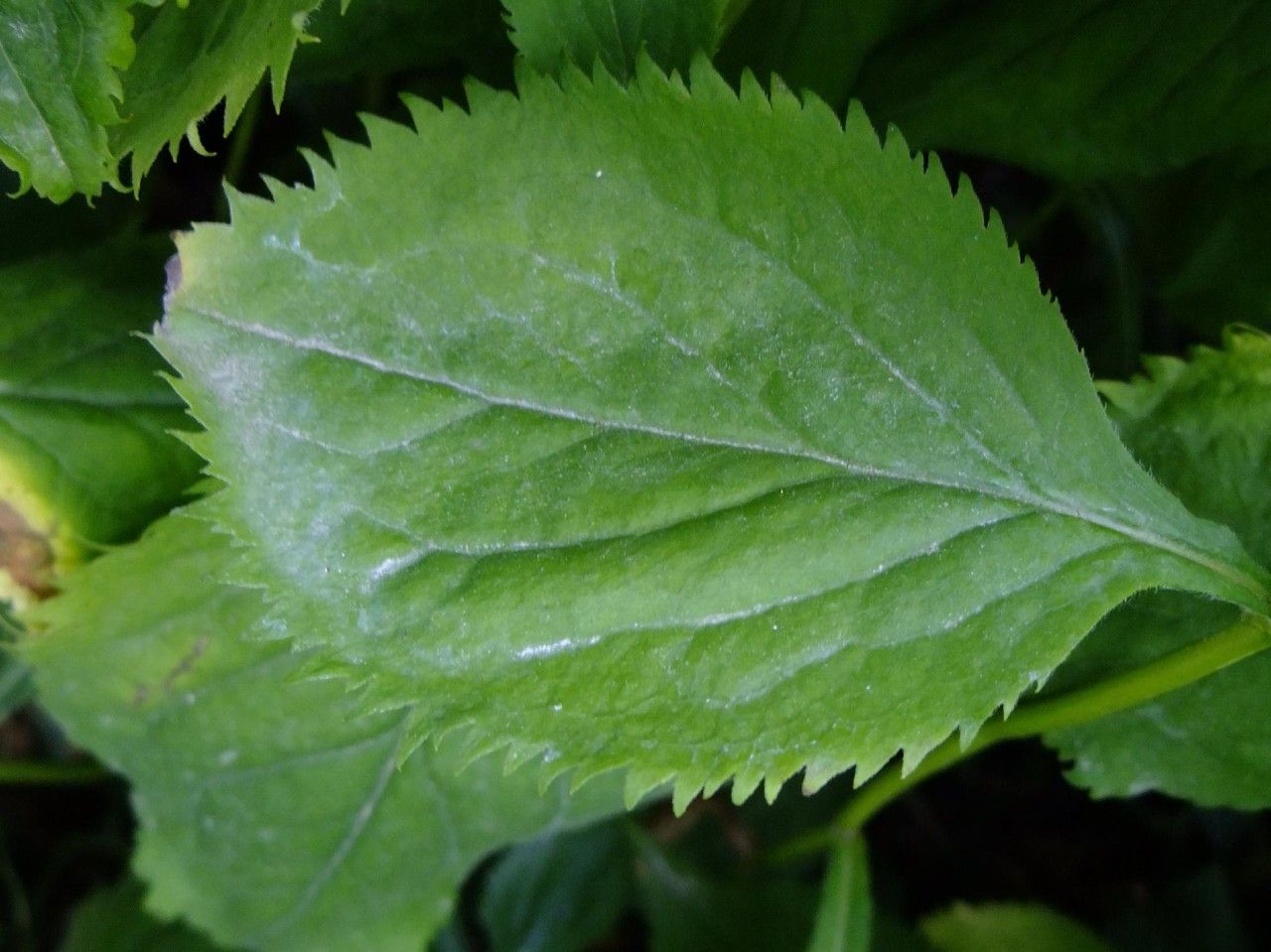
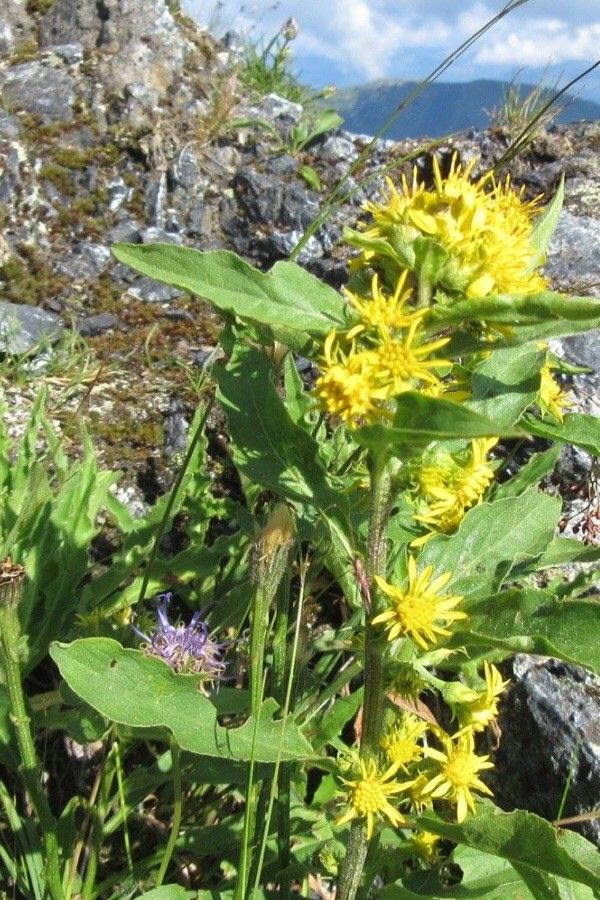
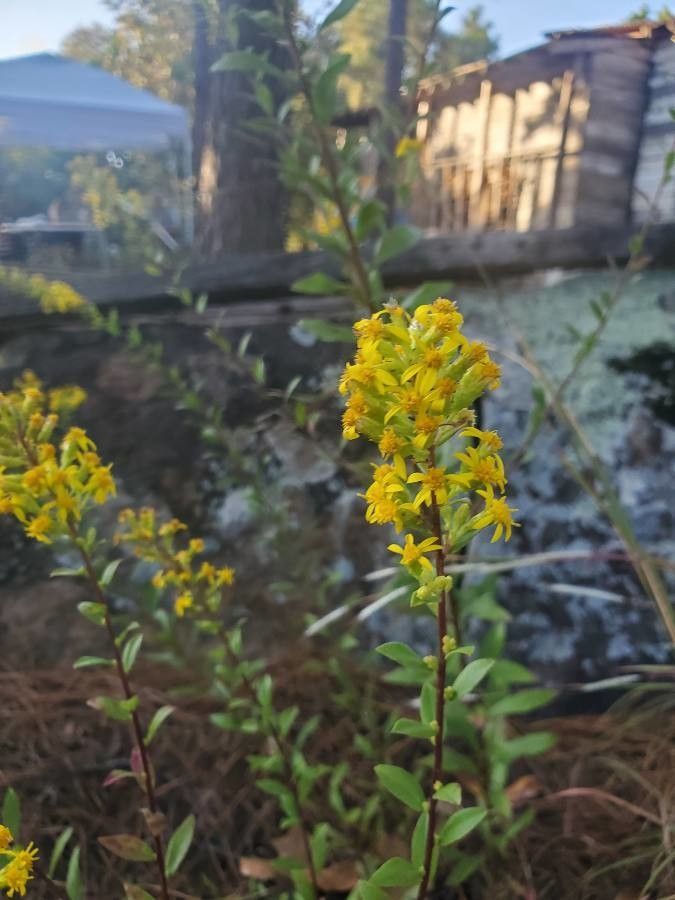
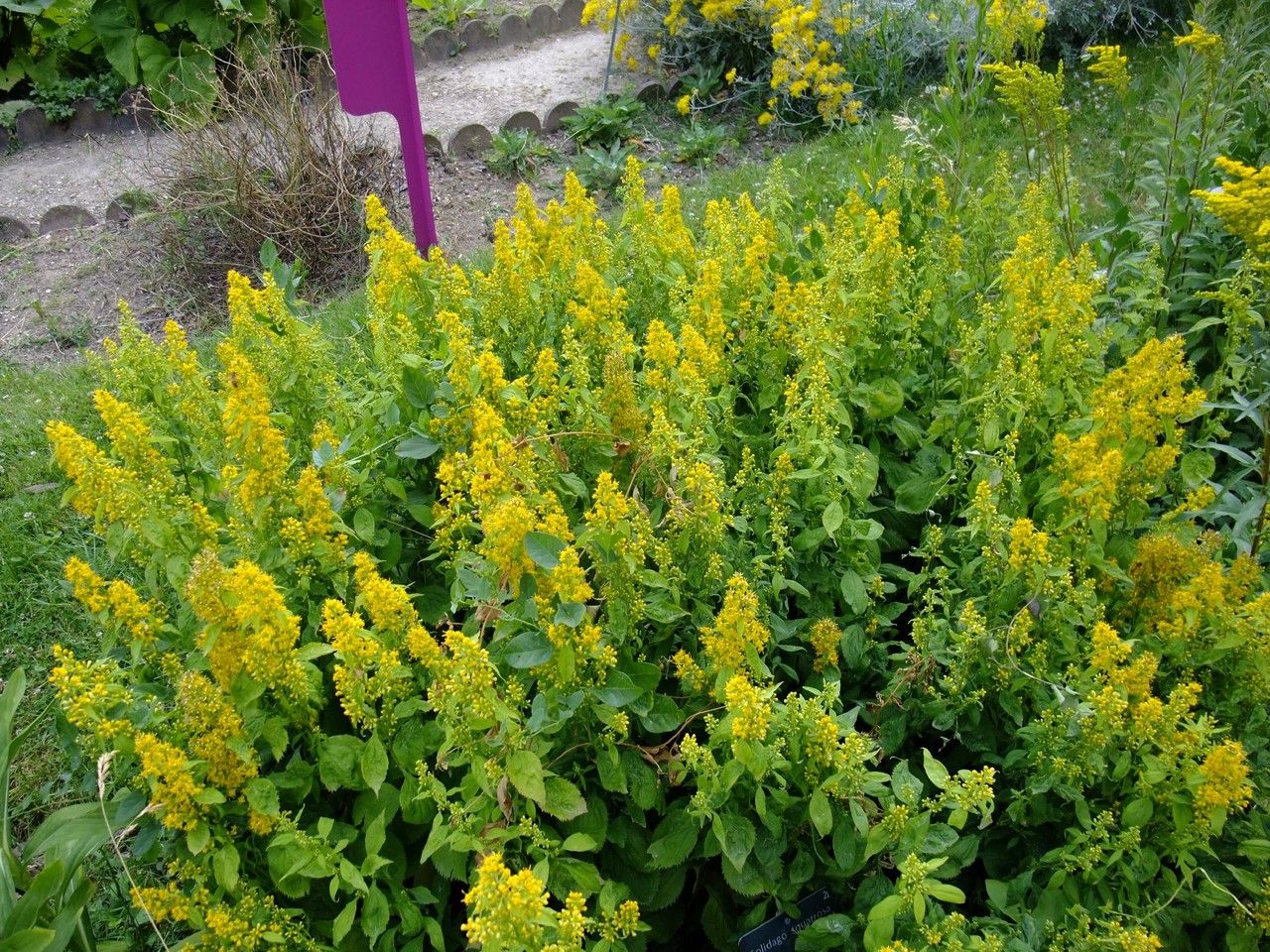
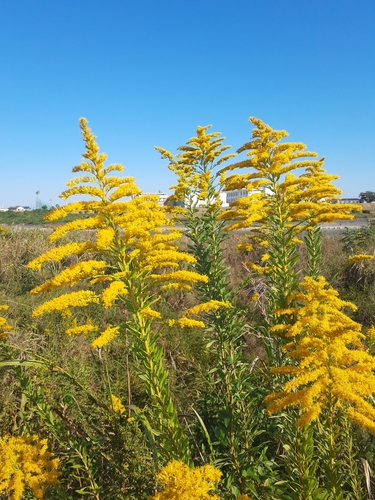
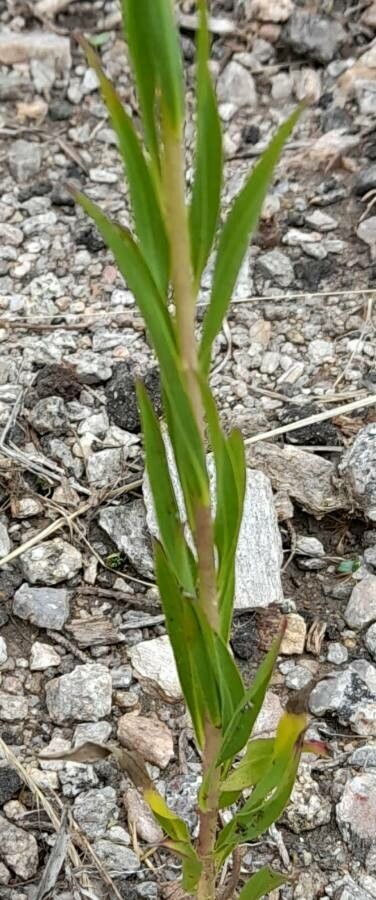
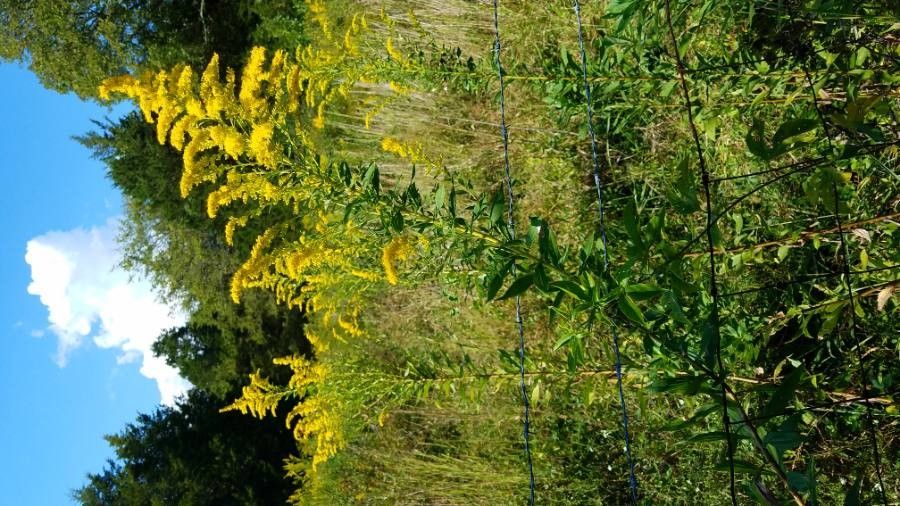
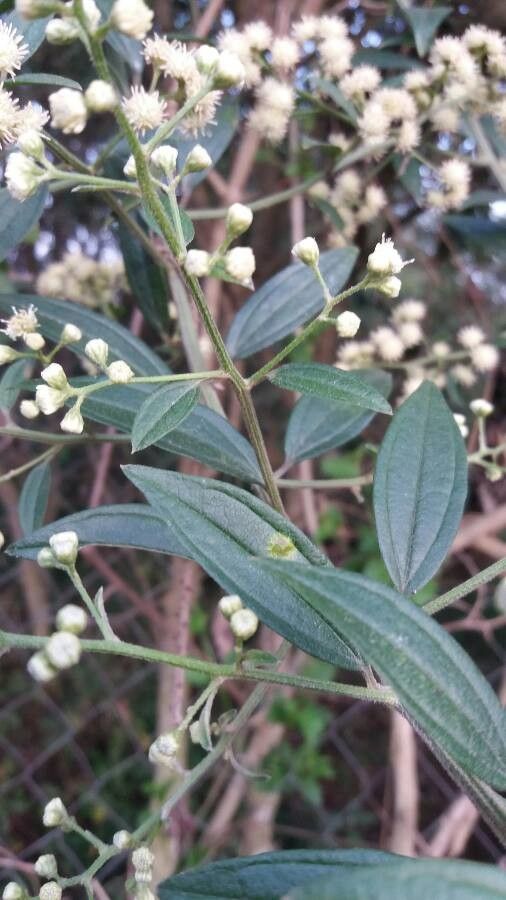
Solidago squarrosa, commonly known as stout goldenrod, is a North American species of goldenrod in the family Asteraceae. It is native to Canada (Ontario, Québec, and New Brunswick) and the eastern United States (from Maine west to Indiana and south as far as Tennessee and the Carolinas).Solidago squarrosa is a perennial herb up to 150 cm (5 feet) tall, with a branching underground caudex. Leaves are egg-shaped, up to 20 cm (8 inches) long near the base of the plant, shorter farther up the stem. One plant can produce as many as 200 small yellow flower heads in a narrow, elongate array at the top of the plant.
Stout goldenrod has strong disease resistance and is typically not prone to illness. However, it can be vulnerable to pests and diseases present in its environment, and these issues are usually minor. In terms of care, this plant requires moderate maintenance. It should be pruned regularly to keep a neat appearance and support healthy growth. Fertilizing can also help encourage flowering. Stout goldenrod is well suited for anyone with outdoor areas like a garden or patio and does not demand extensive gardening experience. It may need more attention when grown indoors.
How to keep Solidago Squarrosa.
Light
Stout goldenrod is a sun-loving, perennial herbaceous plant native to open habitats, where it often thrives in meadows and grasslands. It prefers full sun but can also tolerate partial sun conditions.
Temperature
Stout goldenrod can tolerate a wide range of temperatures, but its distribution may still be restricted by different combinations of moisture and heat. It performs best in warm summer climates with sufficient rainfall or watering. Extended periods of cloudy, rainy weather, as well as prolonged high temperatures, can increase the likelihood of Stout goldenrod dying. In winter, protecting the plant from cold can improve its survival rate.
Fertilizer
The best time to fertilize a Stout goldenrod is in early spring, as it breaks dormancy and starts active growth. Fertilizing supplies essential nutrients for healthy development. While Stout goldenrod has fairly low fertilizer requirements, an annual application can improve its survival and encourage stronger, longer-lasting blooms.
Pruning
To promote the healthy growth of stout goldenrod, it is beneficial to prune strategically from early to late spring. Start by cutting back any spent blooms and damaged stems to encourage vigorous new growth. Additionally, thinning out overcrowded areas ensures that light is distributed evenly, improves air circulation, and reduces the risk of disease. These practices will help create a vibrant display in your garden.
Pot & Repot
For optimal growth, stout goldenrod needs excellent drainage in pots. This ensures proper aeration and moisture control.
Botanical profile.
- Plant Type
- Herb
- Life Cycle
- Perennial
- Genus
- Solidago
- Family
- Asteraceae
- Hardiness Zone
- 3-8
- Mature Height
- 0.61 m to 1.52 m
- Mature Spread
- 30 cm to 61 cm
- Leaf Color
- Green, Dark Green
- Leaf Type
- Deciduous
- Flower Color
- Yellow, Gold
- Flower Size
- 0.51 cm to 1.02 cm
- Bloom Time
- Late summer, Early fall, Mid fall
- Planting Time
- Spring, Summer
- Harvest Time
- Mid fall, Late fall
Other names.