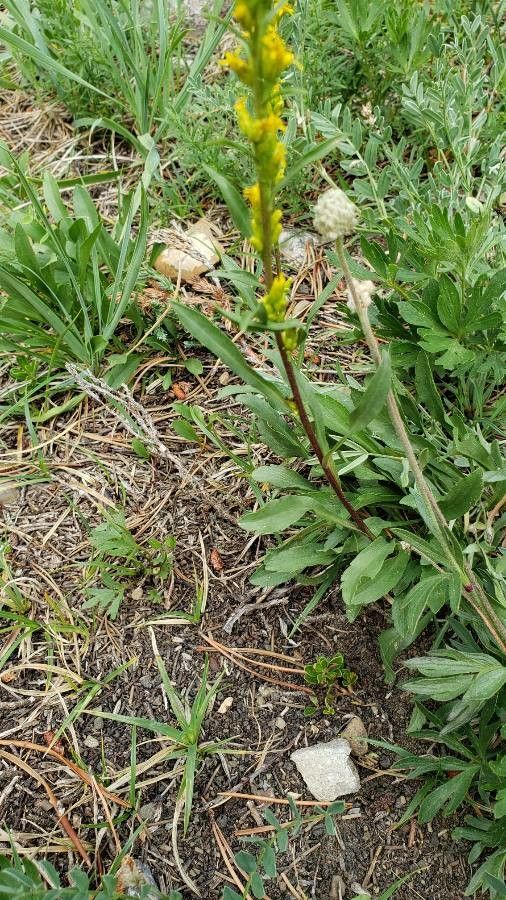
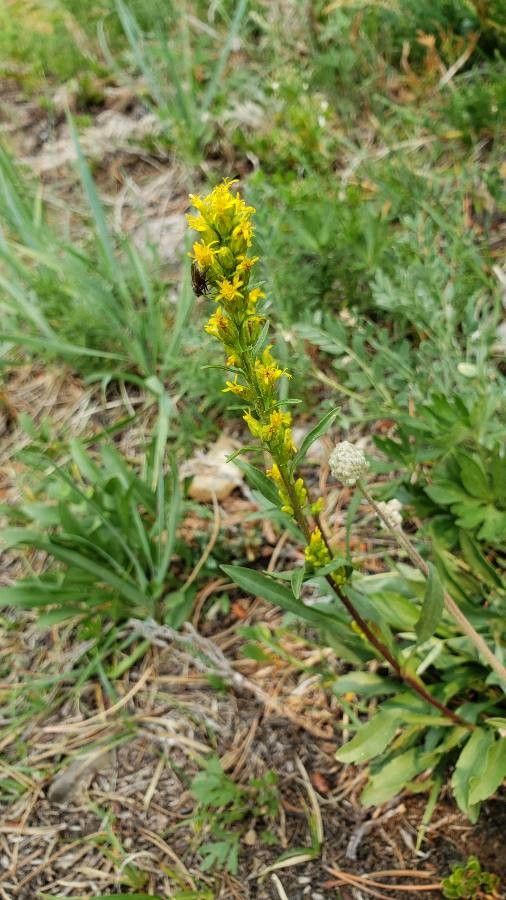
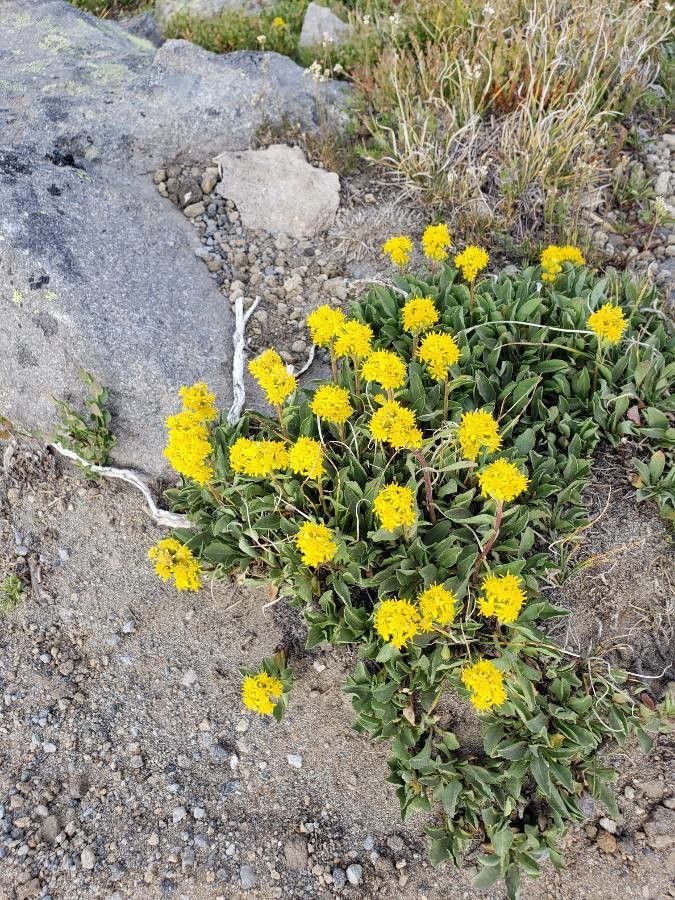
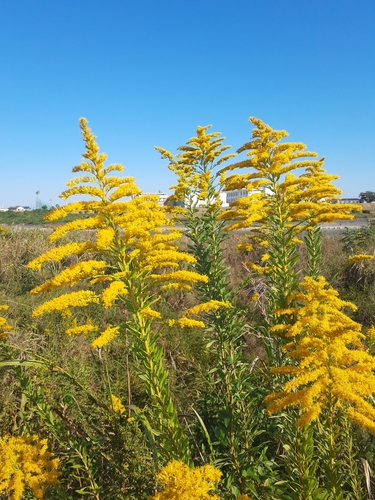
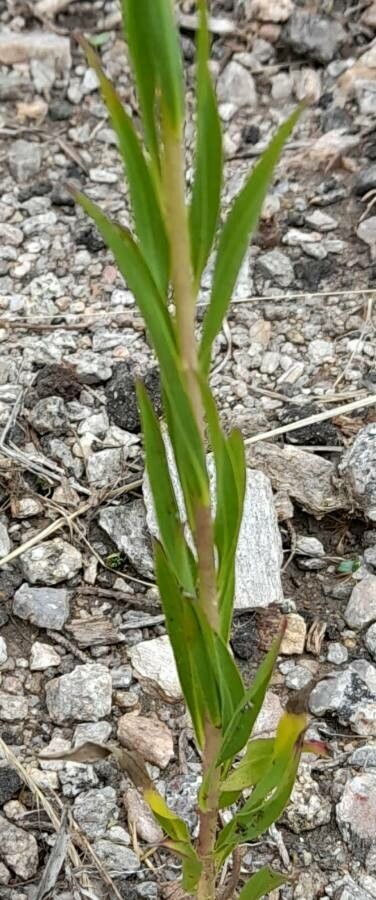
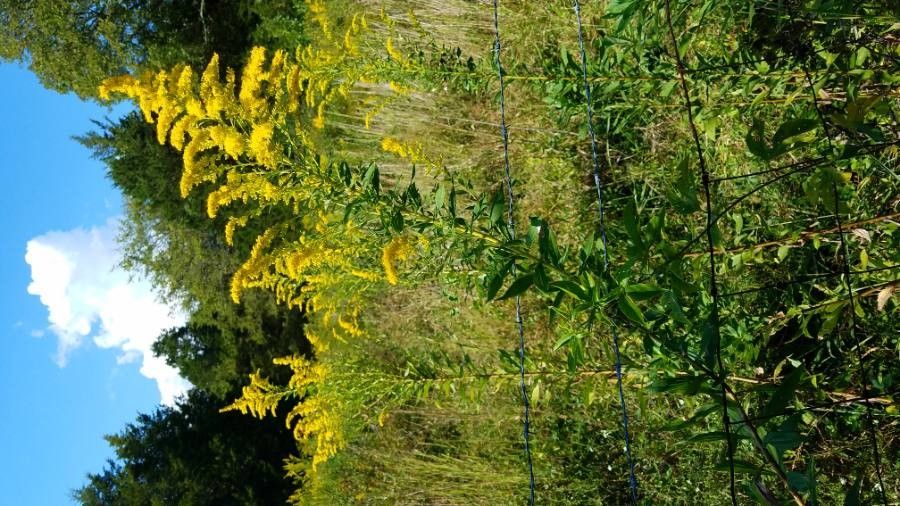
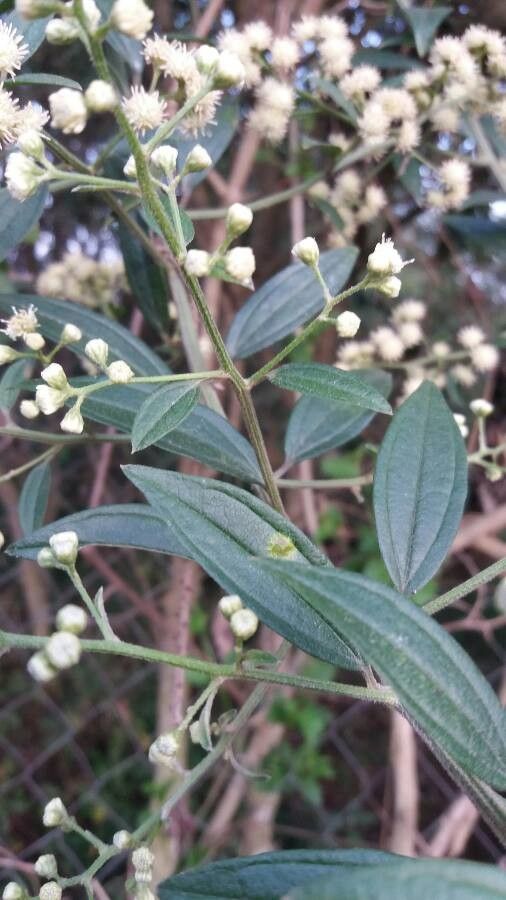
Solidago simplex, the Mt. Albert goldenrod or sticky goldenrod, is a North American plant species in the genus Solidago of the family Asteraceae. It is widespread across much of Canada, parts of the United States, and northeastern Mexico.
Mt. albert goldenrod has good resistance to disease and is generally not susceptible to illnesses. That said, it can be vulnerable to pests and diseases present in its environment. These infections are typically not serious. Regarding care, this plant needs a moderate level of maintenance. It should be pruned regularly to preserve a pleasing appearance and encourage healthy growth. Fertilizing can also support increased flowering. Mt. albert goldenrod is well suited to anyone with outdoor space, such as a garden or patio, and does not demand extensive care experience. It may need more attention when kept indoors.
How to keep Solidago Simplex.
Light
Mt. albert goldenrod is a sun-loving perennial herbaceous plant native to open habitats, commonly flourishing in meadows and grasslands. It prefers full sun but can also tolerate partial sun.
Water
The Mt. Albert goldenrod is adapted to moderate moisture and thrives in environments similar to its native temperate regions. Although it is drought-resistant, it still requires consistent hydration, ideally needing weekly watering for optimal growth. This resilient and versatile plant can flourish outdoors across various climate zones, adapting well to different levels of rainfall.
Temperature
Mt. albert goldenrod can tolerate a broad range of temperatures, but its distribution may still be restricted by different combinations of moisture and heat. It grows best in warm summer conditions with sufficient rainfall or watering. Extended periods of cloudy, rainy weather, as well as prolonged high temperatures, can raise the chance of Mt. albert goldenrod dying. In winter, protecting the plant from cold can increase its survival rate.
Fertilizer
The best time to fertilize a Mt. albert goldenrod is in early spring, as it comes out of dormancy and begins active growth. Fertilizing supplies essential nutrients needed for healthy development. Even though Mt. albert goldenrod requires relatively little fertilizer, applying it once a year can improve its survival and encourage stronger, longer-lasting blooms.
Pruning
Mount Albert goldenrod is a robust perennial known for its bright yellow flowers. To encourage healthy growth, prune the plant between early and late spring, making sure to remove any dead stems to improve air circulation. Avoid heavy pruning after mid-summer to preserve its flowering potential. Always use clean, sharp tools to maintain the plant's health.
Pot & Repot
For healthy growth and root development, Mt. Albert goldenrod thrives best when planted in pots with excellent drainage to prevent water accumulation.
Botanical profile.
- Plant Type
- Herb, Shrub
- Life Cycle
- Perennial
- Genus
- Solidago
- Family
- Asteraceae
- Hardiness Zone
- 3-8
- Mature Height
- 30 cm to 61 cm
- Mature Spread
- 20 cm to 40 cm
- Leaf Color
- Green, Dark Green
- Leaf Type
- Deciduous
- Flower Color
- Gold, Yellow
- Flower Size
- 0.51 cm to 1.02 cm
- Bloom Time
- Mid summer, Late summer, Early fall
- Planting Time
- Spring, Summer
- Harvest Time
- Early fall, Mid fall
- Native Area
- Mexico
Other names.
Reader questions.
What are the sunlight requirements for Mt. albert goldenrod?
Mt. albert goldenrod, botanically known as Solidago simplex, is a sun-loving, perennial herbaceous plant that thrives in open habitats like meadows and grasslands. It has a preference for full sun conditions, requiring above 6 hours of sunlight daily, but can also tolerate partial sun, which consists of about 3-6 hours of sunlight. It's essential to watch how sunlight moves through your garden to select locations that balance light and shade optimally for your plants' happiness.
How can I supplement natural light with artificial lighting for indoor Mt. albert goldenrod plants?
For indoor Mt. albert goldenrod plants, artificial light can be a vital solution for optimal growth, especially when natural sunlight is insufficient. LED lights are recommended, as they provide specific wavelengths needed for plant growth. Full sun plants require 30-50W/sq ft of artificial light, while partial sun plants need 20-30W/sq ft. The light source should be placed 12-36 inches above the plant to best mimic natural sunlight. Additionally, most plants benefit from 8-12 hours of light per day, so the duration of artificial lighting should mimic natural daylight hours for your specific plant species.
What are the symptoms of light deficiency in Mt. albert goldenrod?
Symptoms of light deficiency in Mt. albert goldenrod include smaller new leaves, leggy or sparse growth leading to a stretched-out appearance, faster leaf drop, slowed or halted growth, and lighter-colored or irregularly patterened new leaves, which signal a lack of chlorophyll and essential nutrients. These signs indicate that the plant is not receiving adequate sunlight for healthy growth and development.
How can I address excessive sunlight exposure in Mt. albert goldenrod?
Excessive sunlight can cause issues like chlorosis, where leaves lose their green color, sunscald with pale or necrotic areas on plant tissue, leaf curling as a defense against water loss, wilting from increased transpiration, and leaf scorching seen as brown or crispy leaf edges. To mitigate these problems, provide shade during the peak sun intensity hours and ensure adequate watering to support the plant's hydration.
What solutions can I use to optimize sunlight exposure for Mt. albert goldenrod?
To optimize sunlight exposure for Mt. albert goldenrod, gradually move plants to sunnier spots to ensure they receive at least 6 hours of direct sunlight daily. For indoor plants, consider artificial lighting options such as desk lamps or professional grow lights for at least 8 hours daily if the plant is large or not easily movable. Outdoors, avoid sudden changes in light intensity to prevent sunburn. If necessary, reduce obstructions like tree branches, or consider transplanting smaller plants during their dormant period to better-lit locations with good drainage. Note that while parts of the plant detrimentally affected by low light may not recover, new growth should be healthy with improved lighting conditions.