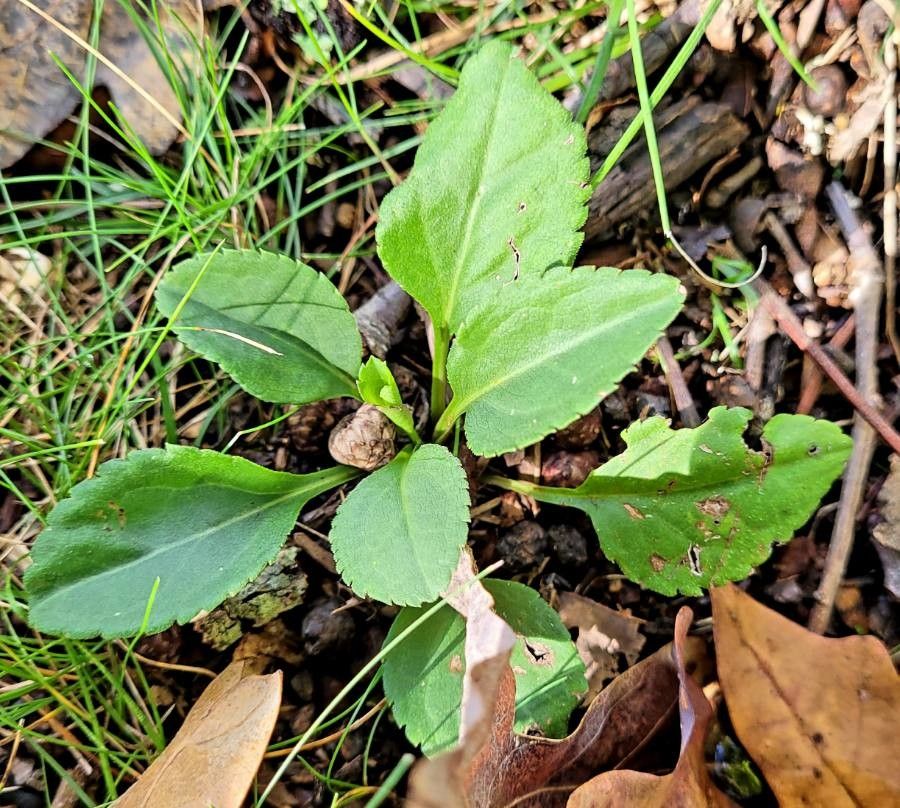
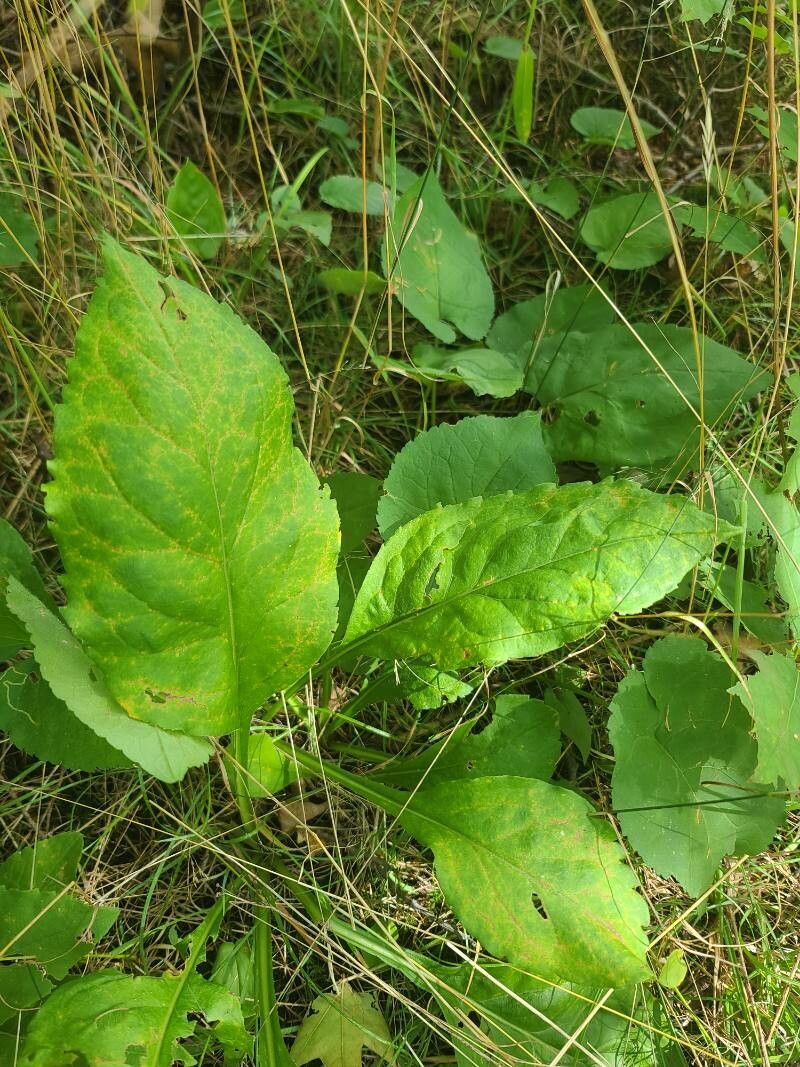
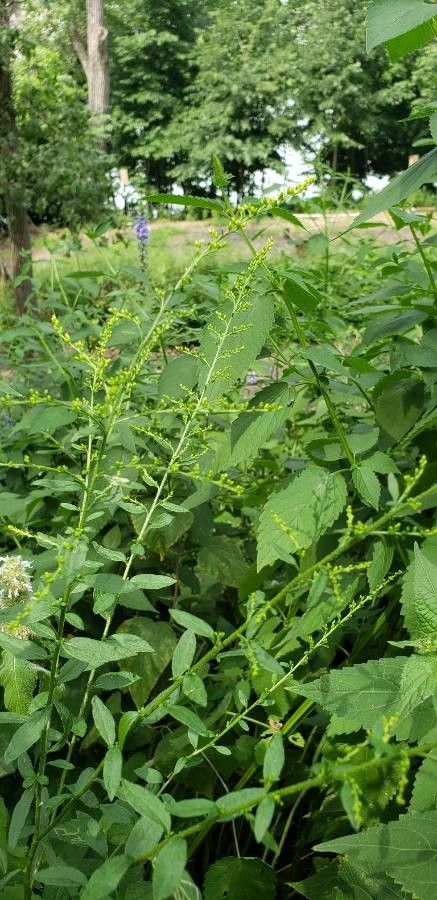
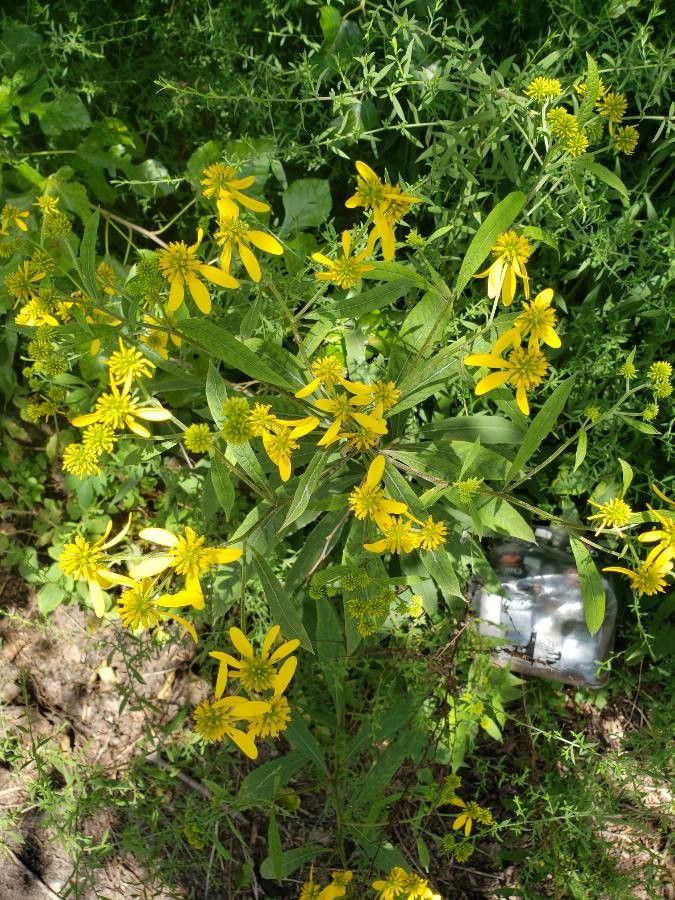
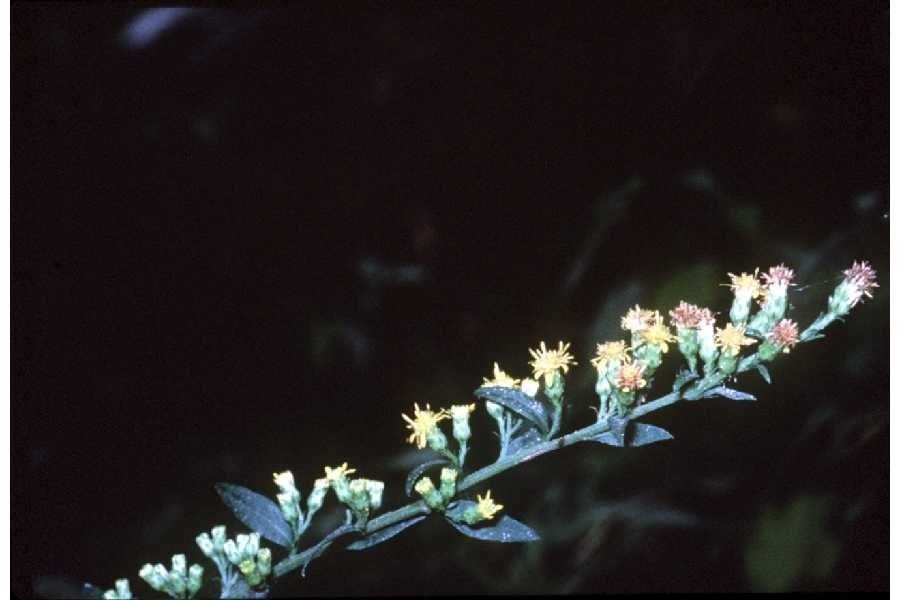
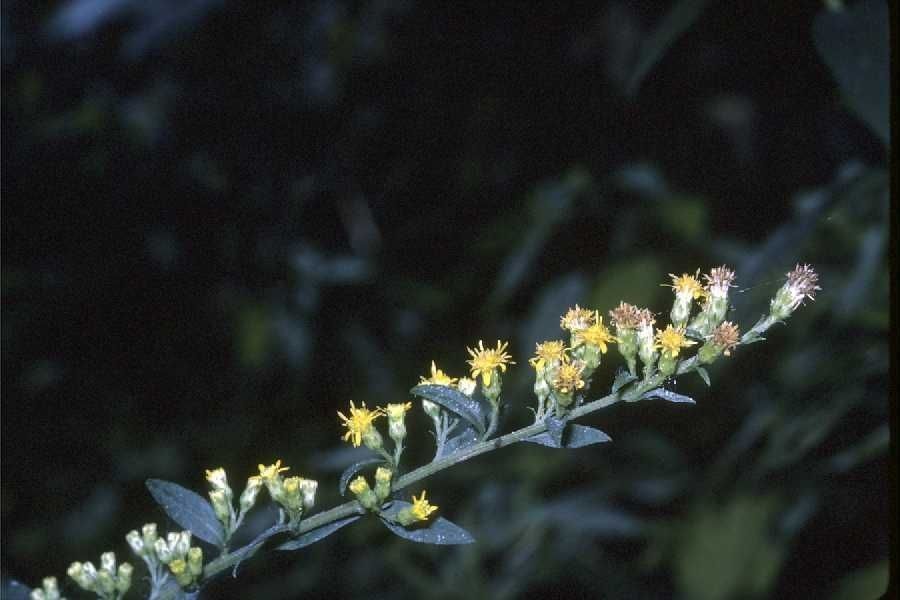
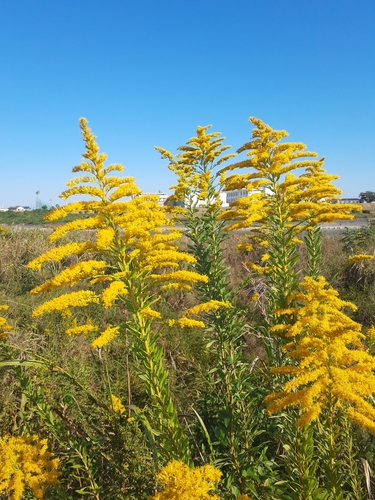
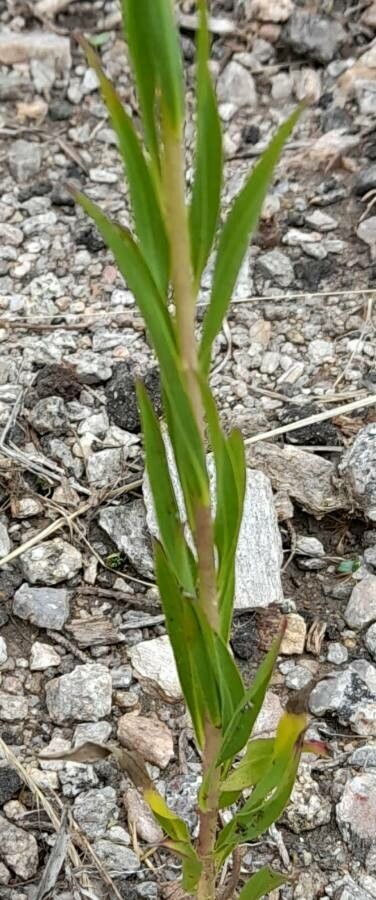
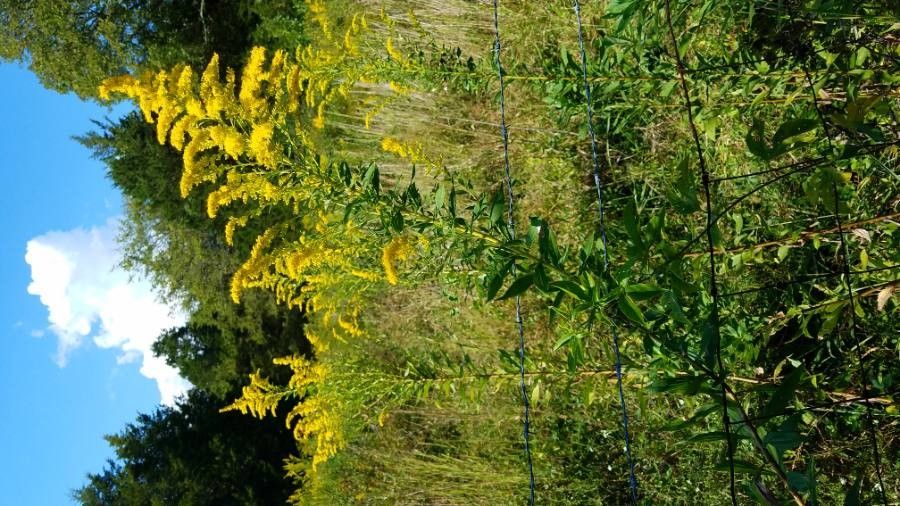
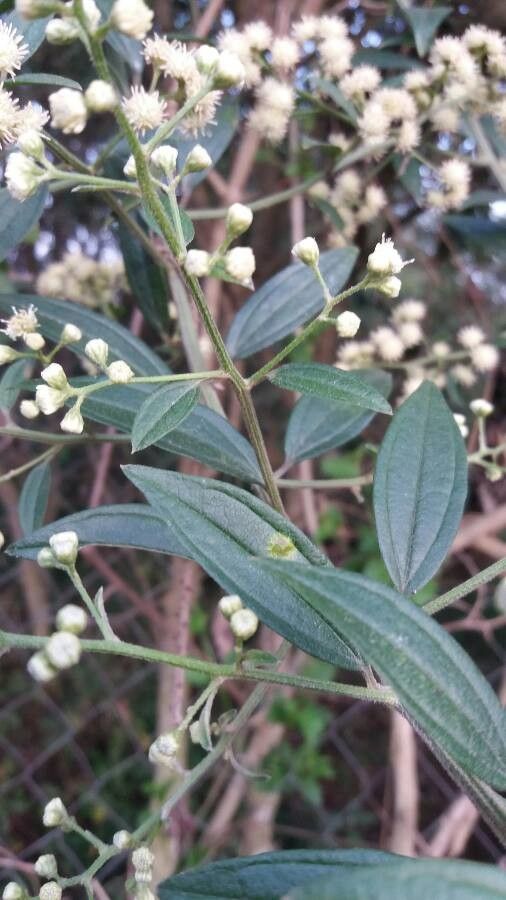
Solidago patula, the roundleaf goldenrod or rough-leaved goldenrod, is a species of goldenrod found in wetlands, especially swamps, fens, and sedge meadows. It is native to most of the eastern United States, as far west as Wisconsin and Texas. It is a perennial herb. There are two subspecies.
Roundleaf goldenrod has strong resistance to disease and is generally not prone to illnesses. Still, it can be vulnerable to pests and diseases found in its environment; these problems are typically mild. Regarding care, it needs a moderate amount of attention. Regular pruning is necessary to keep a neat appearance and encourage healthy growth. Applying fertilizer can also help increase flowering. Roundleaf goldenrod is appropriate for anyone with an outdoor area, like a garden or patio, and does not demand extensive plant-care experience. It may need more attention if cultivated indoors.
How to keep Solidago Patula.
Light
Roundleaf goldenrod is a sun-loving, herbaceous perennial native to open habitats and commonly found in meadows and grasslands. It prefers full sun but can also tolerate partial sun.
Temperature
Roundleaf goldenrod can tolerate a wide range of temperatures, but its distribution may still be restricted by different combinations of moisture and heat. It performs best in warm summer conditions with sufficient rainfall or watering. Long periods of cloudy, rainy weather, as well as extended high temperatures, can raise the likelihood of Roundleaf goldenrod dying. In winter, protecting it from the cold can improve its chances of survival.
Fertilizer
The best time to fertilize a Roundleaf goldenrod is in early spring, as it emerges from dormancy and starts active growth. Fertilizing supplies essential nutrients for healthy development. Although Roundleaf goldenrod has relatively low fertilizer requirements, annual feeding can improve its survival and encourage better, longer-lasting blooms.
Pruning
To encourage growth and blooms, roundleaf goldenrod benefits from pruning in early spring. Begin by removing dead stems to improve air circulation, and trim away faded flowers to prolong the blooming period. Consistent pruning enhances the plant's vigor, resulting in healthier plants and more vibrant flowers. This practice is supported by reputable horticultural guides.
Pot & Repot
For roundleaf goldenrod to thrive in pots, excellent drainage is essential. Proper drainage prevents waterlogging, which can otherwise cause root rot and other issues.
Botanical profile.
- Plant Type
- Herb
- Life Cycle
- Perennial
- Genus
- Solidago
- Family
- Asteraceae
- Hardiness Zone
- 3-9
- Mature Height
- 0.61 m to 1.52 m
- Mature Spread
- 30 cm to 61 cm
- Leaf Color
- Green, Dark Green
- Leaf Type
- Deciduous
- Flower Color
- Gold, Yellow
- Flower Size
- 0.51 cm to 1.27 cm
- Bloom Time
- Late summer, Early fall, Mid fall
- Planting Time
- Spring, Summer
- Harvest Time
- Fall
Other names.
Reader questions.
What are the sunlight requirements for Roundleaf Goldenrod (Solidago patula)?
Roundleaf Goldenrod (Solidago patula) thrives in varying levels of sunlight, necessitating specific conditions to flourish optimally. For full sun exposure, it requires above 6 hours of sunlight daily, which is ideal for its growth and development. In conditions of partial sun, it does well with about 3-6 hours of sunlight. It's important to observe the movement of sunlight through your garden carefully. This observation will help you determine the best spots that provide an optimal balance of light and shade, ensuring that the Roundleaf Goldenrod, along with your other plants, remains healthy and happy.
What is Roundleaf goldenrod?
Roundleaf goldenrod, known botanically as Solidago patula, is a plant species. Unfortunately, there is no information provided about its essentials or symptoms of interest.