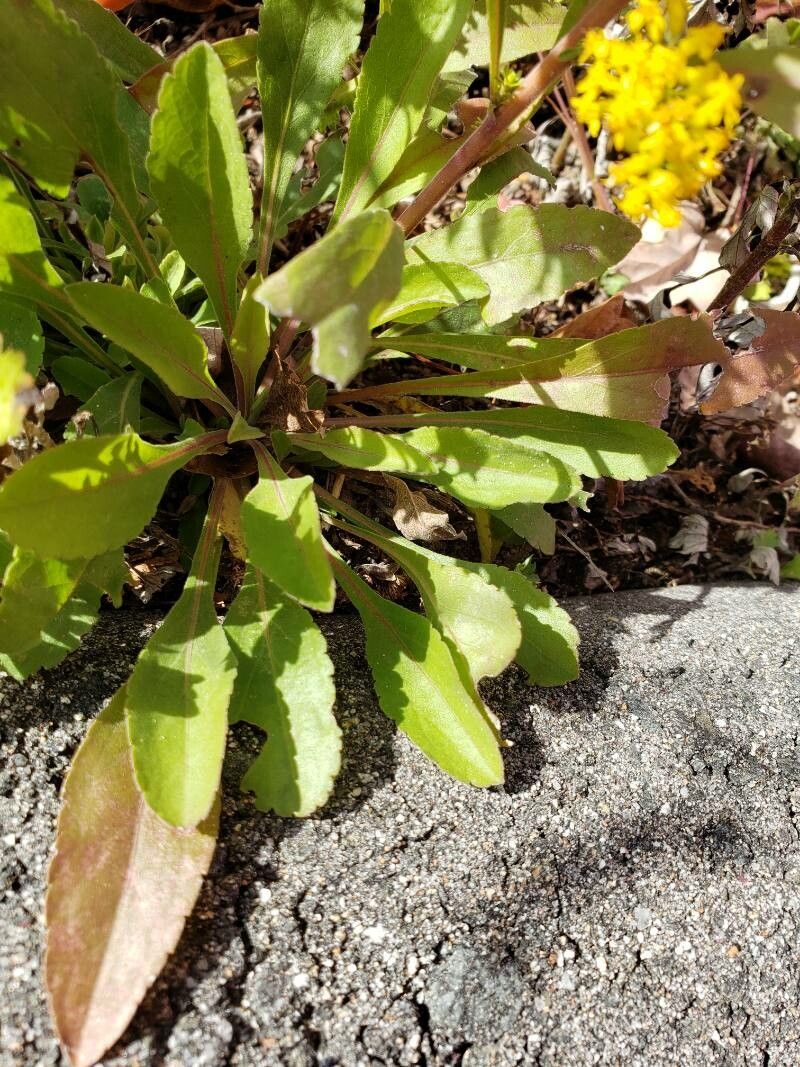
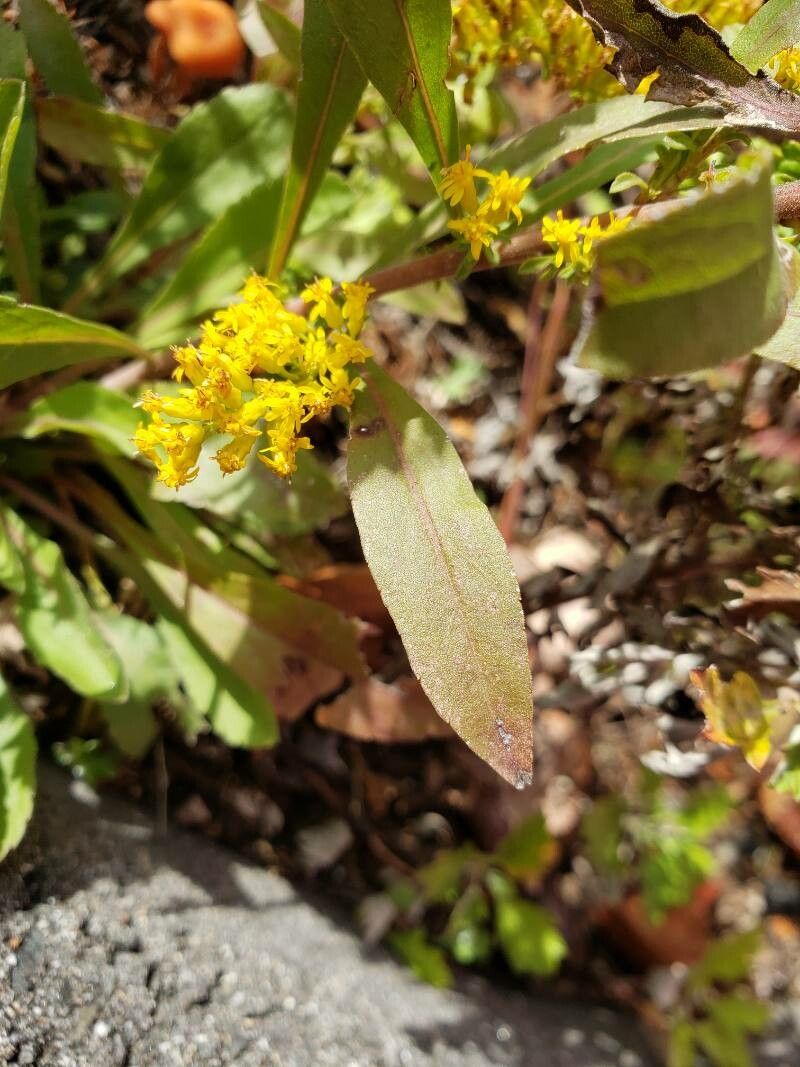
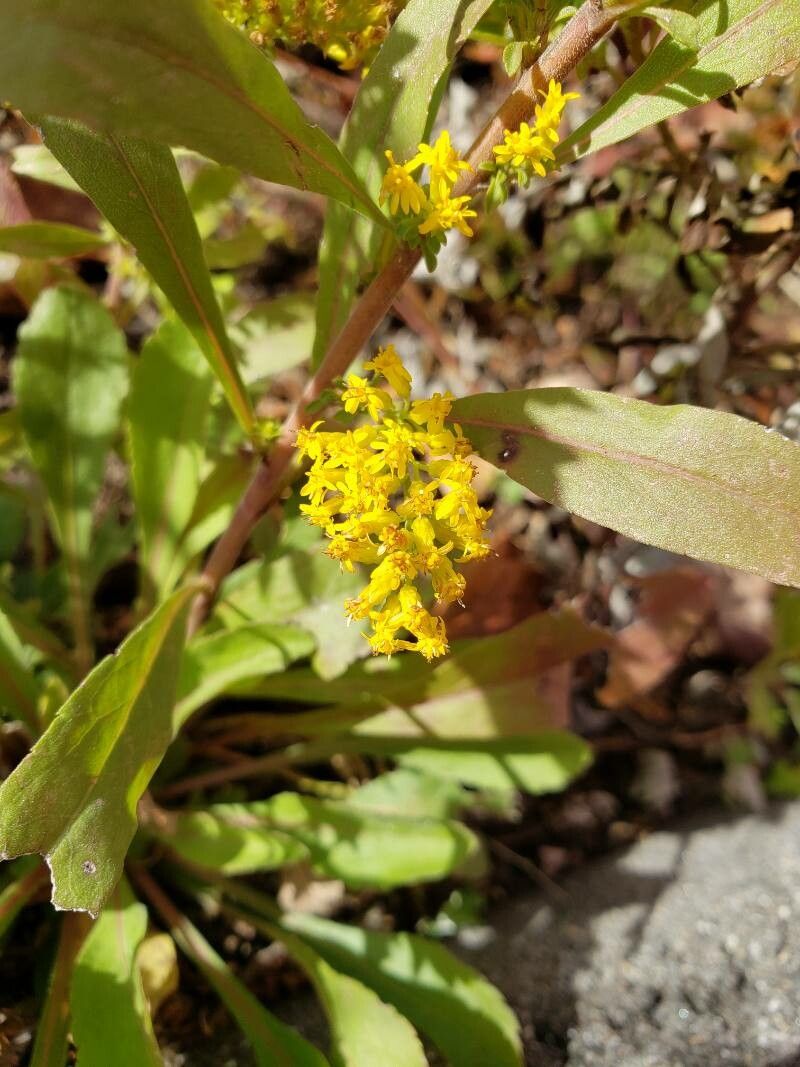
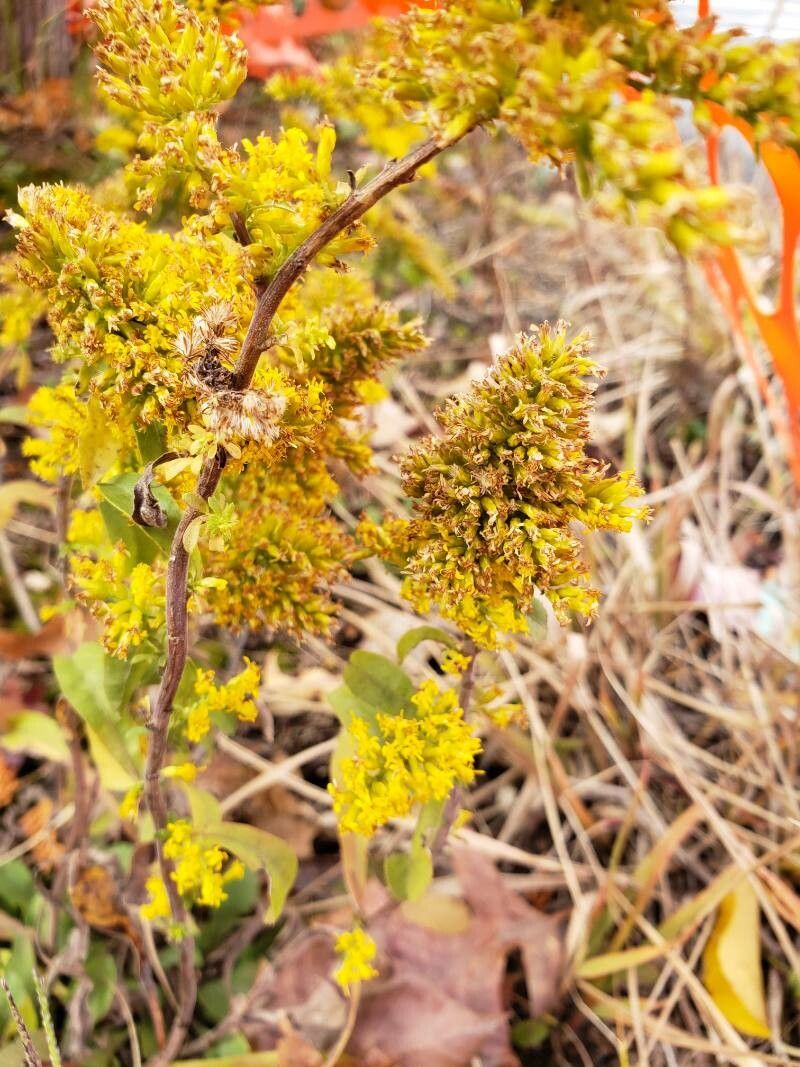
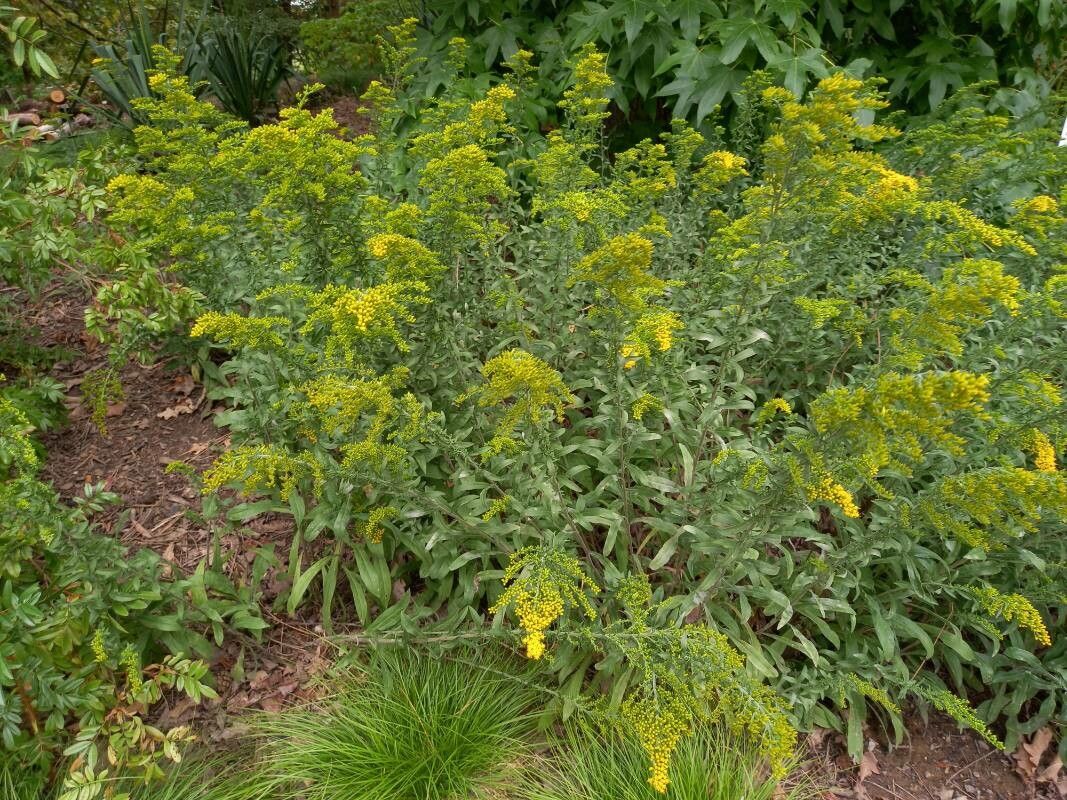
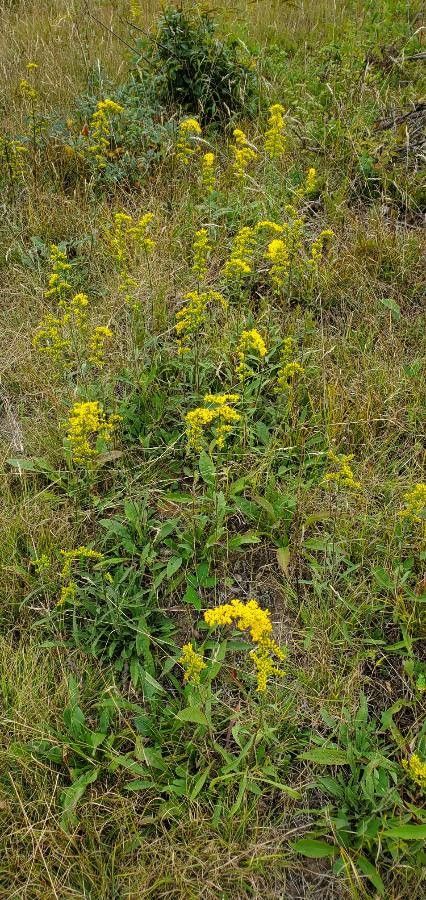
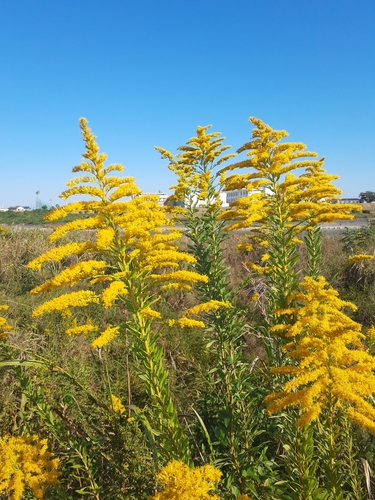
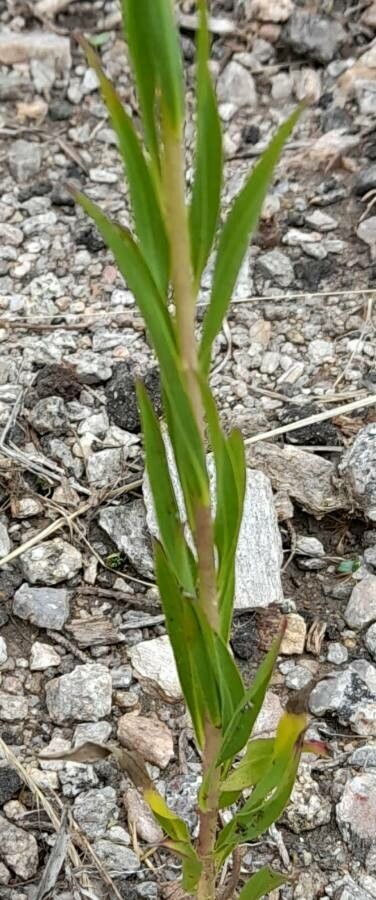
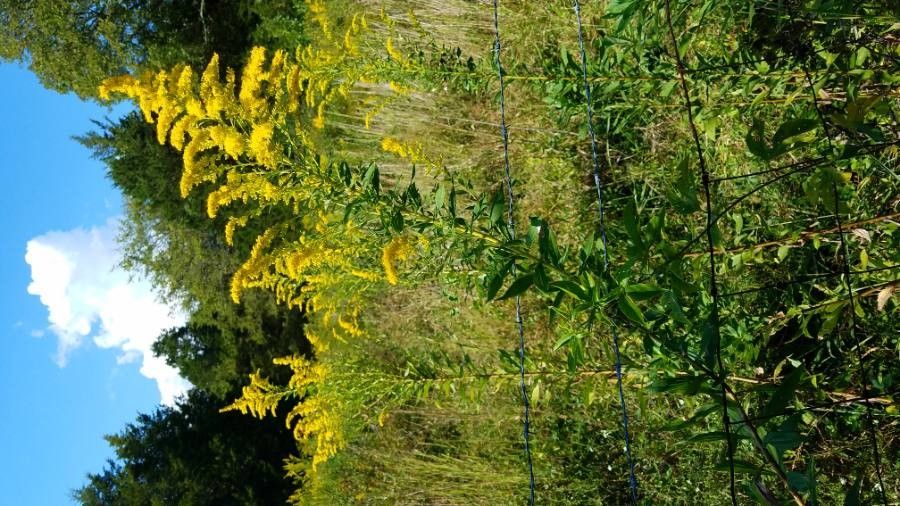
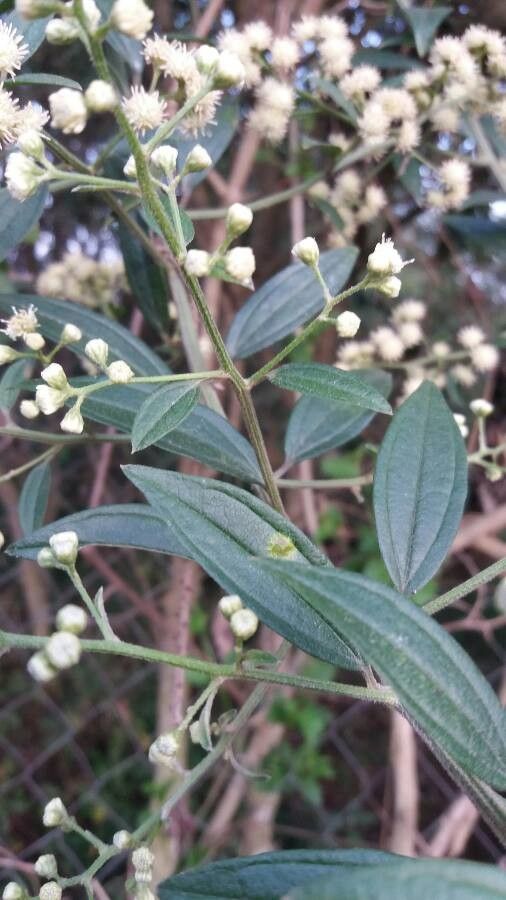
Solidago nemoralis is a species of flowering plant in the family Asteraceae. It is native to North America, where it is widely found in Canada (every province except Newfoundland and Labrador) and the United States (all states wholly or partially east of the Rocky Mountains). Its common names include gray goldenrod, gray-stem goldenrod, old-field goldenrod, field goldenrod, prairie goldenrod, dwarf goldenrod, and dyersweed goldenrod.
Gray Goldenrod is fairly disease-resistant and generally does not tend to suffer from illnesses. However, it can be vulnerable to pests and diseases present in its environment. Those infections are typically not severe. For care, this plant requires moderate maintenance. It should be pruned regularly to maintain a good appearance and healthy growth. Fertilizing can also help encourage flowering. Gray Goldenrod is suitable for anyone with outdoor space, such as a garden or patio, and does not demand extensive care experience. It may need extra attention when grown indoors.
How to keep Solidago Nemoralis.
Light
Gray Goldenrod typically prospers in locations that receive sunlight for most of the day. It can, however, tolerate moderate sun, though inadequate light may impair the plant's health and development. Both excessive and insufficient sun exposure can reduce its vigor and lead to weak growth.
Water
Gray Goldenrod flourishes in open fields and prefers moderately moist soils, though it can withstand short periods of drought. To maintain optimal soil moisture, it should be watered weekly. Typically grown outdoors, this plant thrives in full sun and adjusts well to seasonal rainfall, making it an excellent choice for temperate gardens.
Temperature
Gray Goldenrod naturally grows in regions with moderate temperatures, ideally between 32 and 95 °F (0 and 35 °C). The plant can withstand cold winters, but for optimal growth, aim to keep temperatures within that range throughout the year.
Fertilizer
The best time to fertilize a Gray Goldenrod is in early spring, when it is coming out of dormancy and beginning active growth. Fertilizing supplies essential nutrients needed for healthy growth. Although Gray Goldenrod has relatively low fertilizer requirements, applying fertilizer annually can boost its survival and encourage improved, longer-lasting blooms.
Pruning
Gray Goldenrod is a hardy perennial known for its vibrant yellow flowers. To encourage dense growth and improve air circulation, it's best to prune in early to late spring. Cut the stems back by one-third and remove any damaged parts. This helps maintain the plant's shape and vitality. Be sure to use clean, sharp tools when pruning to prevent the spread of disease.
Pot & Repot
For Gray Goldenrod to thrive in pots, it needs excellent drainage. This helps manage water effectively and prevents root rot.
Botanical profile.
- Plant Type
- Herb
- Life Cycle
- Perennial
- Genus
- Solidago
- Family
- Asteraceae
- Hardiness Zone
- 3-9
- Mature Height
- 15 cm to 61 cm
- Mature Spread
- 15 cm to 61 cm
- Leaf Color
- Green, Gray, Silver
- Leaf Type
- Deciduous
- Flower Color
- Gold, Yellow
- Flower Size
- 2.54 cm
- Bloom Time
- Mid summer
- Planting Time
- Spring, Summer, Autumn
- Harvest Time
- Mid summer, Late summer
Other names.
Reader questions.
How should I water my Gray Goldenrod?
To properly water the Gray Goldenrod, it is recommended to use filtered water that is at room temperature. Tap water should be avoided as it may contain harmful particles. Since the Gray Goldenrod is native to warm environments, using cold water can shock the plant. It is best to avoid overhead watering, which can cause problems with the leaves. Instead, water the plant by applying filtered room temperature water directly to the soil until it is completely soaked. This helps moisten the roots and promotes the spread of nutrients throughout the soil.
What are the sunlight requirements for Gray Goldenrod?
Gray Goldenrod requires plenty of sunlight to thrive, ideally being exposed to sun for most of the day. It needs full sun, which is above 6 hours of sunlight per day, but can also survive in partial sun, meaning about 3-6 hours of sunlight daily. However, its health and growth are optimal with sufficient sunlight exposure. Watching how sunlight moves through your garden will help you choose spots that provide the perfect balance of light and shade, ensuring your plants' happiness.
What is the native environment of Gray Goldenrod?
Gray Goldenrod, botanically known as Solidago nemoralis, thrives natively in environments with moderate temperatures, specifically between 32 to 95°F (0 to 35°C). These conditions are ideal for its growth through all seasons, enabling the plant to tolerate cold winters without needing special frost protection measures usually. However, protective actions should be considered if temperatures are expected to plummet below -35°C.
What should I do if I give my Gray Goldenrod too much or too little water?
Overwatering is a more common issue than underwatering for Gray Goldenrod, and both can harm its health. Excessive watering causes wilting, yellowing leaves, and can lead to diseases like root rot, mold, and mildew that can kill the plant. Gray Goldenrod has decent drought tolerance, so underwatering is less likely, but it can cause brittle, brown leaves. It's important to recognize signs of overwatering early to prevent irreversible damage. Reduce watering if you see early signs and check the soil for poor drainage. If underwatering is the issue, simply water more regularly until the signs improve.
Can Gray Goldenrod grow with artificial lighting?
Yes, Gray Goldenrod can grow with artificial lighting, especially when natural sunlight is insufficient, such as during winter or in less sunny spaces. Adequate lighting is crucial for optimal growth. LED lights are recommended as they can provide specific wavelengths needed by the plants. Full sun plants need 30-50W/sq ft, partial sun plants need 20-30W/sq ft, and full shade plants need 10-20W/sq ft of artificial light. The light source should be placed 12-36 inches above the plant to mimic natural sunlight, and most plants need 8-12 hours of light per day.
How should Gray Goldenrod be cared for in winter?
During winter, Gray Goldenrod shows strong cold resistance and generally does not require special frost protection. Should winter temperatures drop below -35°C, providing cold protection by covering the plant with soil or straw is advised. To help the plant through winter into early spring, it's recommended to water it plentifully before the first freeze of autumn, ensuring the soil remains moist and enters a frozen state. This preventive measure helps guard against drought and ensures the plant has access to water during colder months.
How much do I need to water my Gray Goldenrod?
If your Gray Goldenrod is in a pot, check the soil by inserting your finger. If the top two to three inches of soil are dry, it needs watering. If it's planted outdoors, use the same method. Water when the top few inches of soil are dry. In spring and early fall, water about once a week. In very hot weather, water two or more times a week. Mature Gray Goldenrods can handle drought well.
What are the symptoms of light deficiency in Gray Goldenrod?
Symptoms of light deficiency in Gray Goldenrod include new leaves growing smaller in size, leggy or sparse growth, faster leaf drop, slower or no new growth, lighter-colored new leaves, and symptoms of overexposure like chlorosis, sunscald, leaf curling, wilting, and leaf scorching. These symptoms indicate either a lack of sufficient light or an excess, both of which can affect the plant's vitality.
What are the temperature-related symptoms to watch for in Gray Goldenrod?
Gray Goldenrod is quite resilient to cold, best thriving above 0°C and ideally kept above -30°C during winter. Exposure to temperatures below -35°C may lead to a decrease in sprouting or no sprouting at all during spring, even though there may not be noticeable changes during the winter. In high temperatures, especially above 35°C reaching up to 38°C or beyond, the plant's leaves may lighten in color, become prone to curling, suffer from sunburn, and could ultimately wilt and dry out if the condition persists.
How much water does my Gray Goldenrod require?
When watering your Gray Goldenrod, don't hold back on the amount of water you give it. Water thoroughly until the first two to three inches of soil are dry. Make sure to soak the soil completely, allowing excess water to drain out through the bottom of the pot. If you see no excess water draining, it means you haven't watered enough. However, be cautious not to let water accumulate in the soil, as it can harm the plant. On the other hand, if water doesn't drain through the pot, it might indicate soil that doesn't drain well, which is not good for the plant's health. If the plant is outside, it will generally need about 1 inch of rain per week.
How can I improve growth for Gray Goldenrod with insufficient sunlight?
To improve growth for Gray Goldenrod with insufficient sunlight, gradually move your plants to a sunnier location each week, aiming for at least 6 hours of direct sunlight daily. Use a south-facing window and keep curtains open during the day for maximum exposure. If moving the plant isn't feasible, consider using artificial light, keeping a desk or ceiling lamp on for at least 8 hours daily, or investing in professional plant grow lights. For outdoor plants, it's crucial to avoid sudden changes in light intensity to prevent sunburn. You can also minimize obstructions by identifying and reducing barriers that block sunlight, or for smaller plants, transplanting during their dormant period to a location with ample sunlight and good drainage.
What solutions are recommended for temperature-related issues in Gray Goldenrod?
For issues arising from low temperatures, such as insufficient springtime sprouting, it is advised to remove any parts that have failed to sprout in spring. When dealing with high temperature stress, sunburned and dried-up sections should be trimmed away. Relocating the plant to provide shade during the midday and afternoon sun or using a shade cloth can protect it from excessive heat. Additionally, keeping the soil moist by watering in the morning and evening can help mitigate the effects of high temperatures on Gray Goldenrod.